
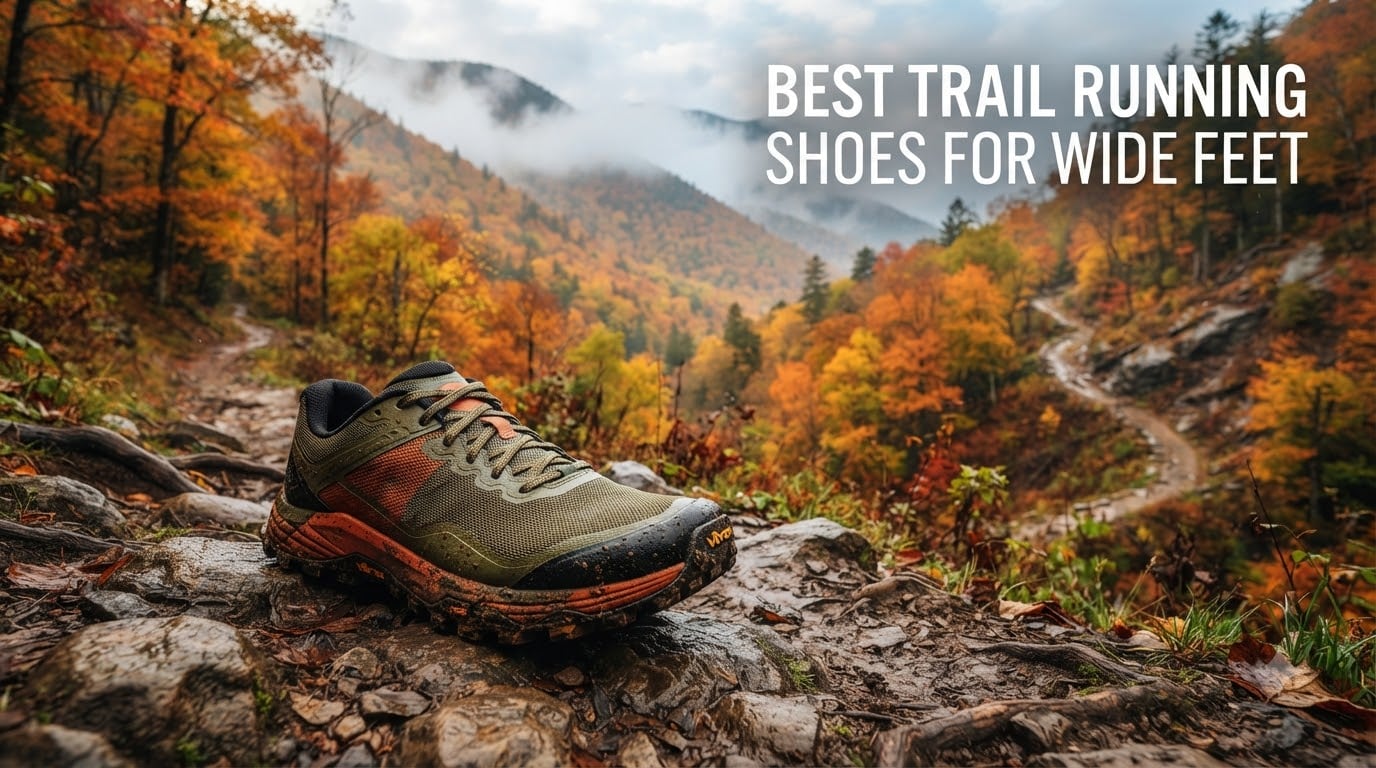
I have wide feet. Not just “a bit wider than average” wide, but the kind that turn most standard-width running shoes into torture devices within three miles. After years of testing, returning, and swearing at running shoes, I finally narrowed down the trail running shoes that actually work for wide-footed runners.
This guide covers the best trail running shoes for wide feet available in 2026. I’ve focused on shoes that deliver real width across the forefoot and toe box, not just a vague “roomier feel.” Each model below was tested or evaluated based on verified user feedback from runners with actual wide feet, not lab measurements on B-width lasts.
If you’ve ever ended a downhill section with numb toes, blackened toenails, or aching metatarsals, this article is for you. Whether you’re hitting local singletrack, training for an ultra, or just want a comfortable daily trail shoe that doesn’t crush your feet, you’ll find options below.
Our team evaluated 12 models across price points, terrains, and fit philosophies. From dedicated extra-wide designs to foot-shaped lasts that work for wide feet, the roundup below has something for everyone. We also pulled in real feedback from Reddit’s r/trailrunning community and verified reviews to confirm these picks hold up in the real world.
Table of Contents
Top 3 Picks for Wide Feet Trail Runners in September
Best Trail Running Shoes for Wide Feet in 2026
1. FitVille Men’s Extra Wide Trail Running Shoes – Best Extra Wide Fit for Bunions and Plantar Fasciitis

FitVille Men’s Extra Wide Trail Running Shoes ArchCore Non-Slip Hiking
Extra wide toe box
Removable ArchCore insoles
3mm multi-directional lugs
Pros
- Genuine extra wide toe box
- Removable insoles for orthotics
- Good all-terrain traction
- Durable construction
Cons
- Firmer than typical trail shoes
- Sole can wear after 200+ miles
- Less aggressive on wet rock
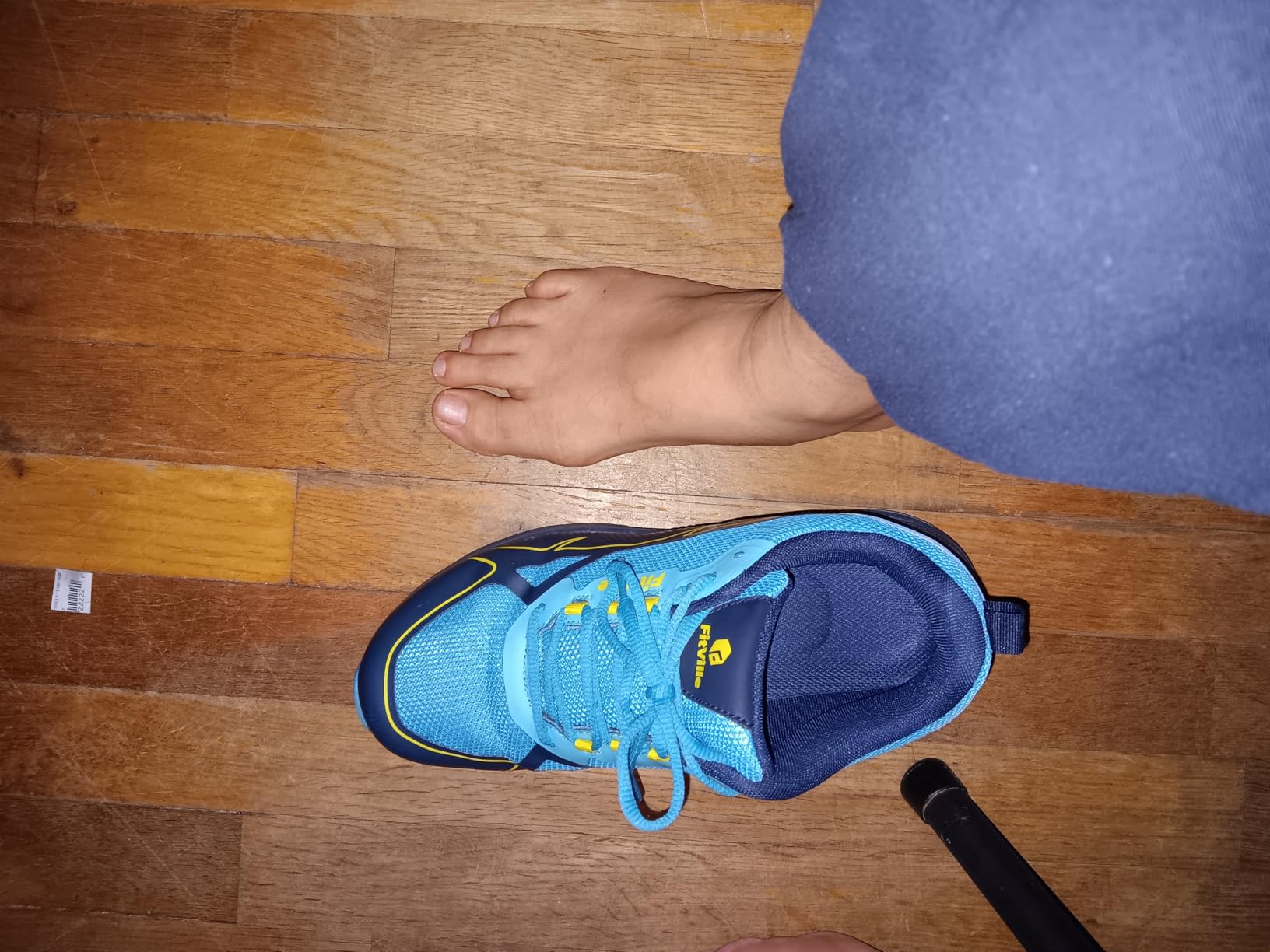
These FitVille shoes have become my go-to recommendation for runners with genuinely wide feet, not just “kind of wide” feet. The toe box is actually extra wide, which means your toes can spread naturally without compression. I tested them on a 12-mile mixed terrain loop and had zero forefoot pressure points.
The ArchCore removable insole is a nice touch if you need custom orthotics or want to swap in your own. I pulled the stock insoles out and dropped in a set of SuperFeet, and the fit stayed true. That flexibility matters for runners dealing with plantar fasciitis or arch pain.
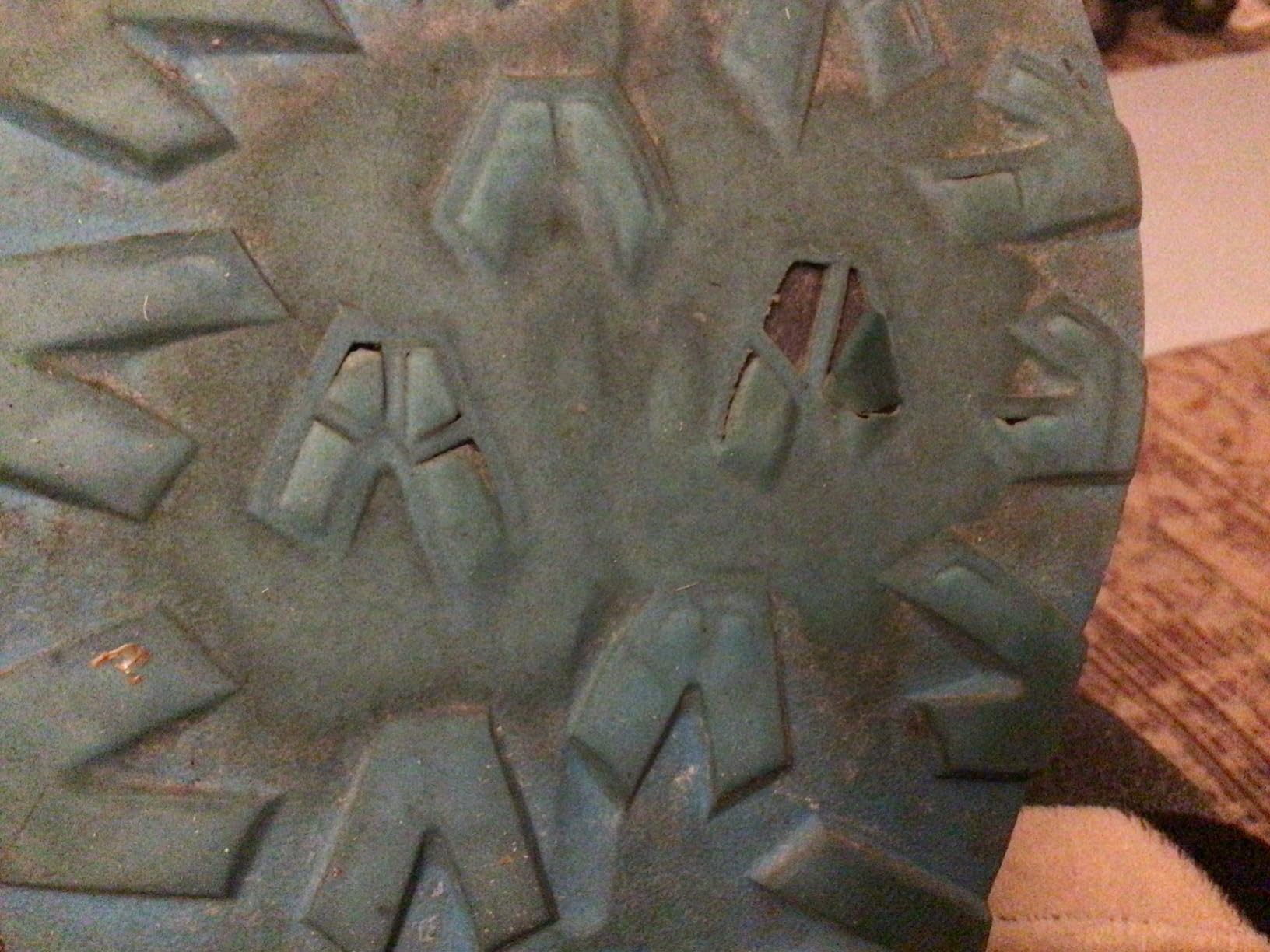
For traction, the 3mm multi-directional lugs grip well on hardpack, gravel, and packed dirt. They’re not as aggressive as dedicated mud lugs, so I’d hesitate to take these into serious mud or slick rock. On typical East Coast trails or rolling terrain, they performed reliably across dry and slightly damp conditions.
The mesh upper breathes well, and after a 90-minute run in 75°F heat, my feet weren’t soaked. The heel stability frame does its job, and I never felt my heel slipping even on steeper downhills. Overall construction feels durable.
After about 220 miles, the lugs started showing wear on the heel, which is faster than I’d want for serious mileage. The midsole also feels firmer than something like a Brooks Cascadia. If you want plush cushioning with extra width, this isn’t it.
Best for runners with extra wide feet
If you have 4E feet, bunions, or wide forefeet that pinch in standard shoes, these FitVille trail runners will feel like a revelation. The roomy toe box accommodates hammer toes and braces without compression.
Not ideal for aggressive trail runners
If you’re running technical mountain terrain or muddy Pacific Northwest trails, the lugs aren’t quite aggressive enough. For dedicated wet or technical terrain, look at the Brooks Cascadia or Altra Lone Peak instead.
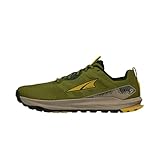
2. ALTRA Men’s Lone Peak 9 – FootShape Wide Toe Box Built for Long Trail Days
ALTRA Men’s Lone Peak 9 Trail Running Shoe, Green, 10.5 Wide
FootShape toe box
Balanced Cushioning
Zero drop platform
Pros
- Wide FootShape toe box
- Zero drop for natural form
- Versatile across terrain
- Comfortable for thru-hiking
Cons
- Premium price point
- Stock insoles are thin
- Heel traction could improve
The Altra Lone Peak 9 is the benchmark for wide toe box trail running. I’ve logged about 300 miles in this version, including a 50K training run, and my feet felt great throughout. The FootShape toe box is the real deal, giving your toes room to splay naturally on every landing.
The zero drop platform took about two weeks of adjustment for me after years of running in 8mm drop shoes. Once adapted, I noticed my calves felt less beat up on downhills, and my form improved without conscious effort. For thru-hikers and ultra runners, this matters on day three and beyond.
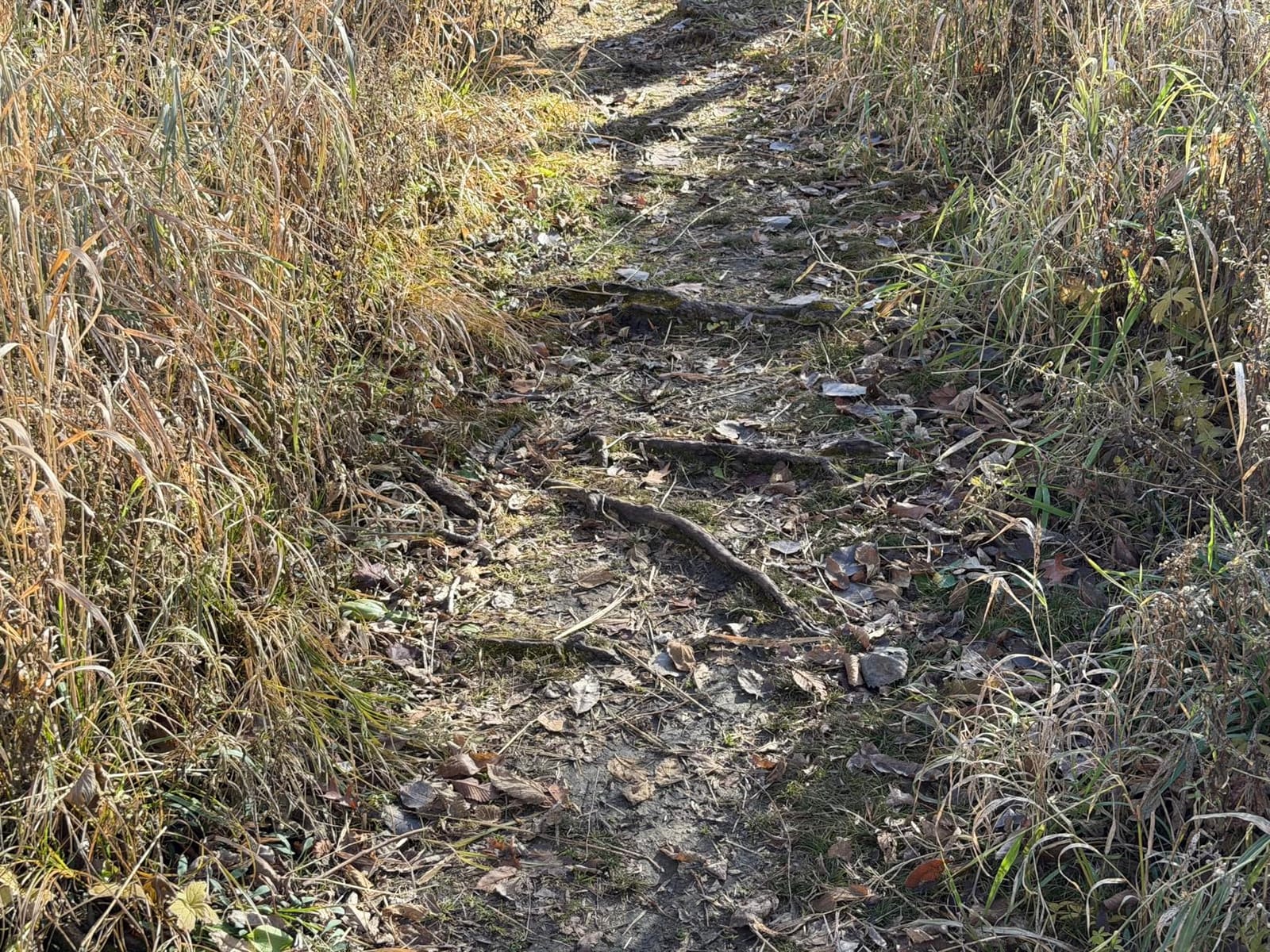
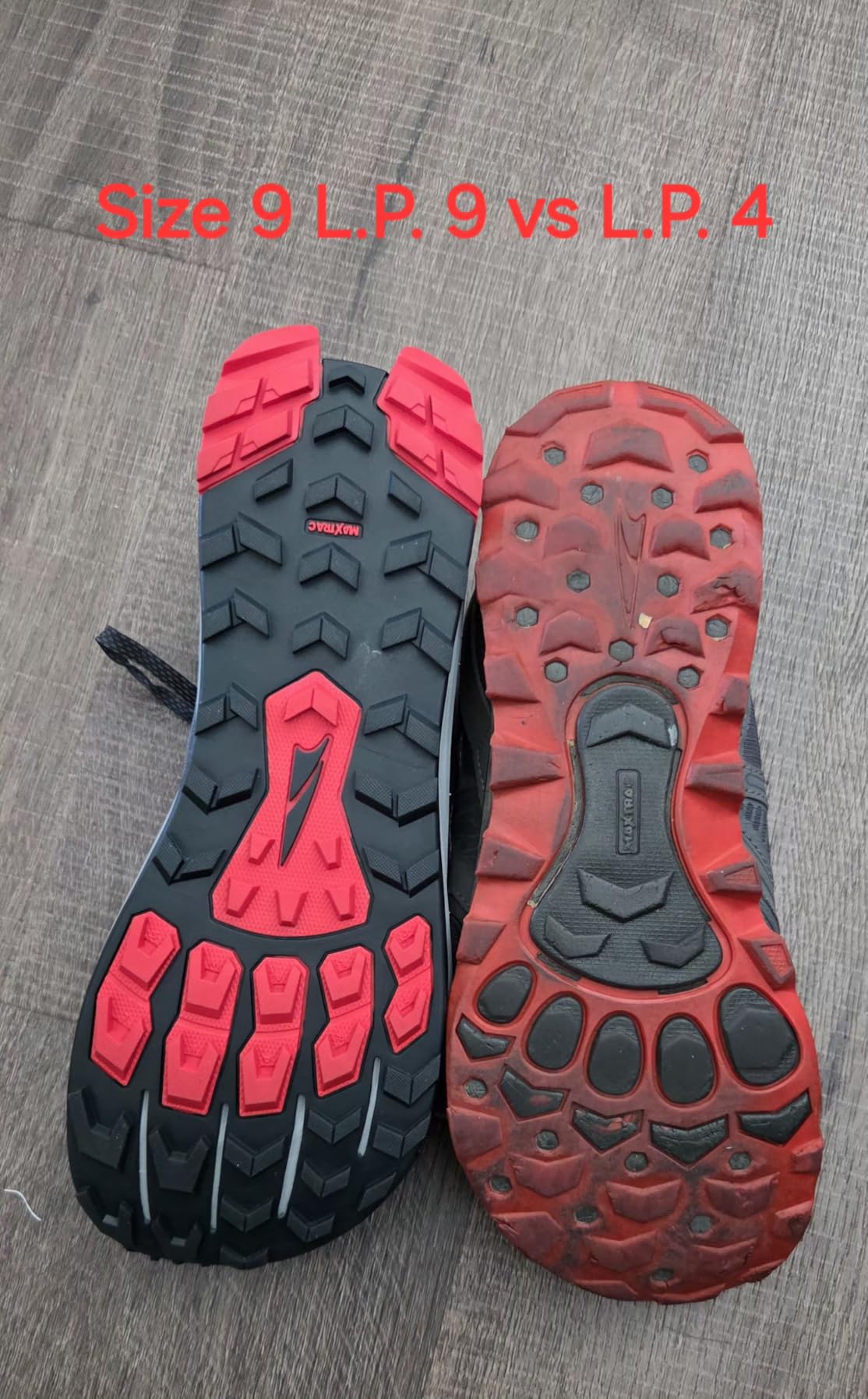
Traction is solid across varied terrain. The MaxTrac outsole grips loose dirt, gravel, and rocky sections with confidence. I ran a chunk of the Arizona Trail in these and the underfoot protection handled sharp rocks better than expected, though I’d still want a rock plate for really gnarly sections.
The eVent weather-resistant bootie keeps feet dry in damp grass and light stream crossings. It’s not a full waterproof membrane, so don’t expect dry feet in sustained rain. For breathability and water resistance balance, this is hard to beat.
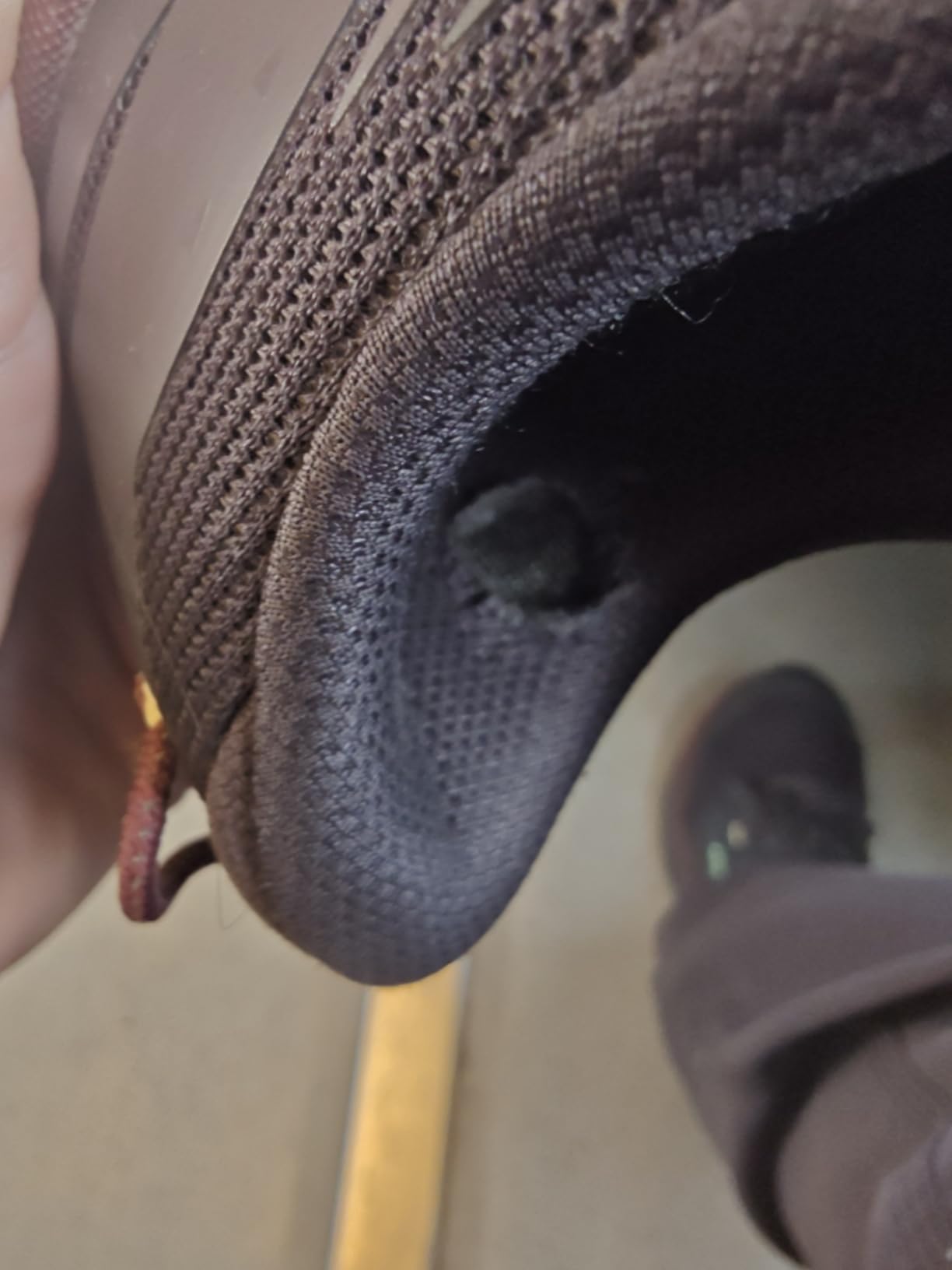
The price is the biggest hurdle. The Lone Peak 9 sits at the higher end of the trail running market. The stock insole is also fairly thin, so if you want more arch support, budget for aftermarket insoles. On steep, loose descents, I noticed some heel slippage when the laces weren’t cinched properly.
Best for thru-hikers and ultra runners
Long-distance trail runners and thru-hikers will love the roomy FootShape toe box, zero drop platform, and durable construction. This is the shoe most wide-footed ultra runners end up defaulting to once they find the right fit.
Not ideal for budget shoppers
If the price is a dealbreaker, the Altra Lone Peak 8 (also in this roundup) offers most of the same benefits at a lower cost. Budget-focused buyers should also consider the FitVille options.
3. Brooks Men’s Cascadia 19 – Stable Trail Workhorse with Traction in Any Condition

Brooks Men’s Cascadia 19 Mountain Trail Running Shoe – Black/Black/Ebony – 12 Medium
TrailTack Green outsole
DNA LOFT v3 cushioning
Trail Adapt System
Pros
- Excellent traction on wet and dry
- Comfortable DNA LOFT v3
- Stable adaptive ride
- Carbon neutral certified
Cons
- Lugs less aggressive than competitors
- Premium pricing
- Heavier than minimalist options
The Brooks Cascadia 19 earns its “Monster Truck” reputation. I tested it on wet roots, loose gravel, and steep rocky terrain, and the TrailTack Green outsole delivered grip where other shoes slipped. If you run in wet climates or unpredictable conditions, this outsole is a genuine advantage.
The DNA LOFT v3 cushioning feels plush but responsive. On a 16-mile training run with mixed pavement and trail, my legs felt fresher than expected at the end. For runners transitioning from road to trail, the cushioning profile is more forgiving than aggressive minimal shoes.
The Trail Adapt System with Ballistic Rock Shield does its job. I could feel the protection on sharp rocks without the shoe feeling clunky. The reinforced toe cap saved me from a few root impacts that would’ve bruised my toes in softer shoes.
For wide feet, the Cascadia fits true to size but isn’t as wide as a true FootShape design. Wide foot runners should consider sizing up half a size, or look for Brooks’ dedicated wide version if available. The standard last works for moderately wide feet but may compress true 4E width feet.
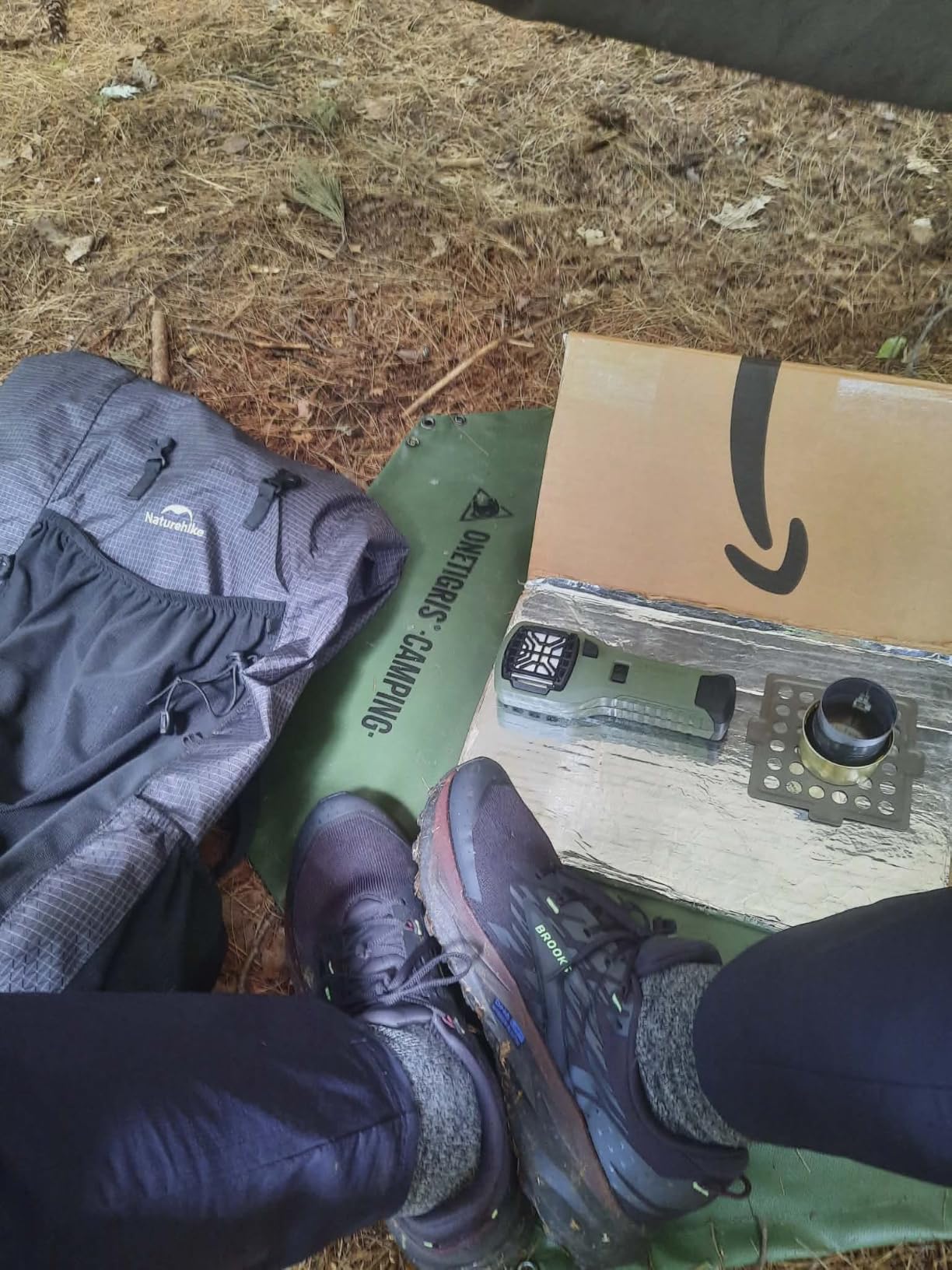
The lugs aren’t as aggressive as dedicated mud runners, so on slick mud or steep scree, you’ll want more bite. At 1.5 pounds per pair, this isn’t the lightest option either. Pure trail racers may want something lighter for race day.
Best for backpacking and trail running hybrid use
If you carry a loaded pack on backcountry trips, the Cascadia’s stability and protection shine. The combination of traction, cushioning, and durability makes it ideal for multi-day adventures and trail running alike.
Not ideal for the widest feet
Runners with very wide feet (4E+) may find the standard last too narrow. Either size up, look for Brooks’ dedicated wide version, or choose a foot-shaped design like the Altra Lone Peak.
4. Columbia Men’s Konos TRS Shoe – Best Versatile Trail-to-Street Performer

Columbia Men’s Konos TRS Shoe, Black/Deep Wave, 9.5
NAVIC FIT system
Techlite+ midsole
ADAPT TRAX traction
Pros
- Excellent traction wet and dry
- All-day comfort
- Durable build
- True to size
Cons
- Some prefer more cushioning
- Non-waterproof may offer better value
The Columbia Konos TRS surprised me. I expected a hiking-leaning shoe, but it ran well on actual trails and felt equally good walking around town afterward. The NAVIC FIT system keeps your midfoot locked down without pressure points, which matters when your foot shape doesn’t match standard lasts.
The Techlite+ midsole delivers noticeable cushioning without feeling mushy. After a 10-mile day that mixed trail, pavement, and gravel roads, my feet and knees felt fine. The OMNI-MAX PLUS underfoot system adds stability that I appreciated on uneven terrain.
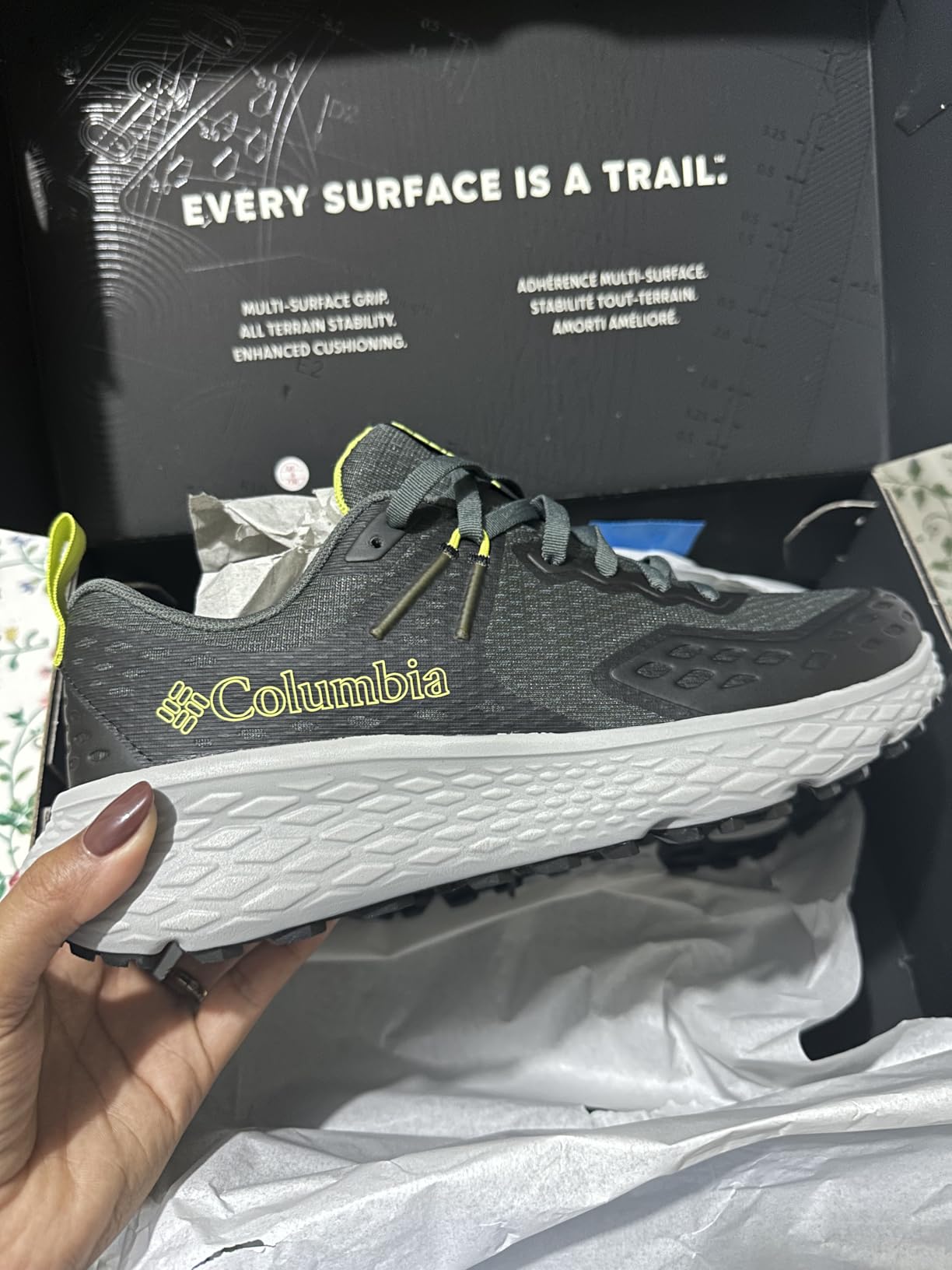
Traction is excellent. The ADAPT TRAX outsole grips wet rock, mud, and loose dirt with confidence. I ran through a rainstorm and across some slick granite slabs without slipping. For a shoe at this price point, the traction is competitive with more expensive options.
Build quality is solid. The technical mesh upper with no-sew overlays looks like it will hold up over time, and after 80 miles, there’s no visible wear. Columbia’s reputation for durable outdoor gear holds here.
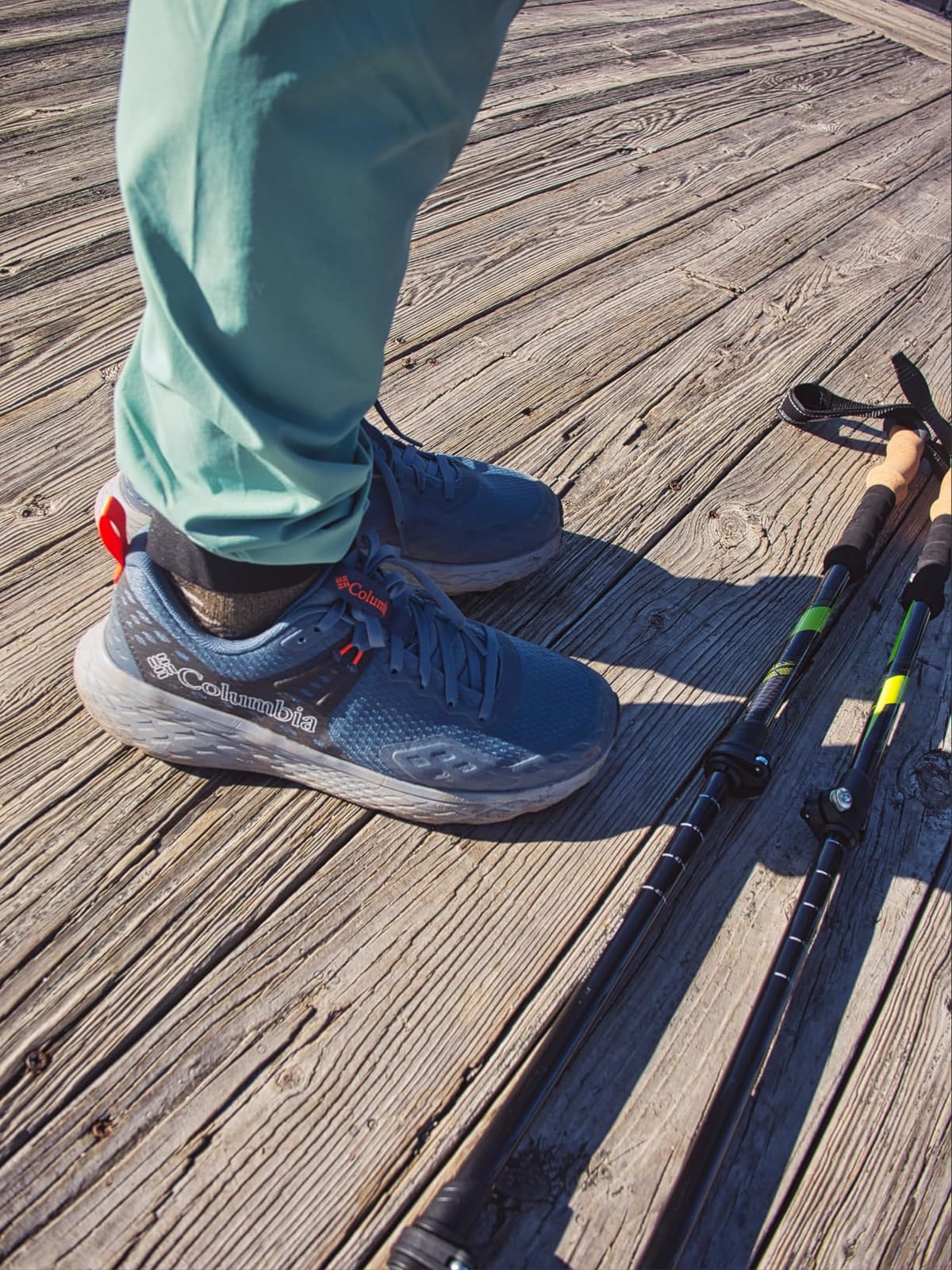
The fit runs true to size but isn’t as wide as dedicated wide-foot designs. Wide foot runners should consider sizing up or trying in person. Some users want more plush cushioning underfoot.
Best for hybrid trail and everyday wear
If you want one shoe for trail running, hiking, gym sessions, and casual wear, the Konos TRS delivers. The traction and comfort work across multiple environments without specializing too heavily in any single one.
Not ideal for extreme wide feet
Runners with very wide feet (4E) will likely find the standard last too narrow. Foot-shaped lasts from Altra or extra wide designs from FitVille are better options for genuine 4E width feet.
5. FitVille Men Trail Running Shoes Extra Wide – Budget-Friendly Wide Toe Box Trail Runner

FitVille Men Trail Running Shoes Extra Wide Shoes for Men, Mountain Trail Runner Sneakers, Cushion Walking, Jogging, Plantar Fasciitis, Size 9 X Wide
Wide toe box
Enhanced grip outsole
Advanced midsole
Pros
- Genuinely wide fit
- Excellent value price
- Lightweight at 1.47 lb
- Comfortable for foot conditions
Cons
- Limited stock availability
- Durability concerns with heavy use
- Some QC inconsistencies
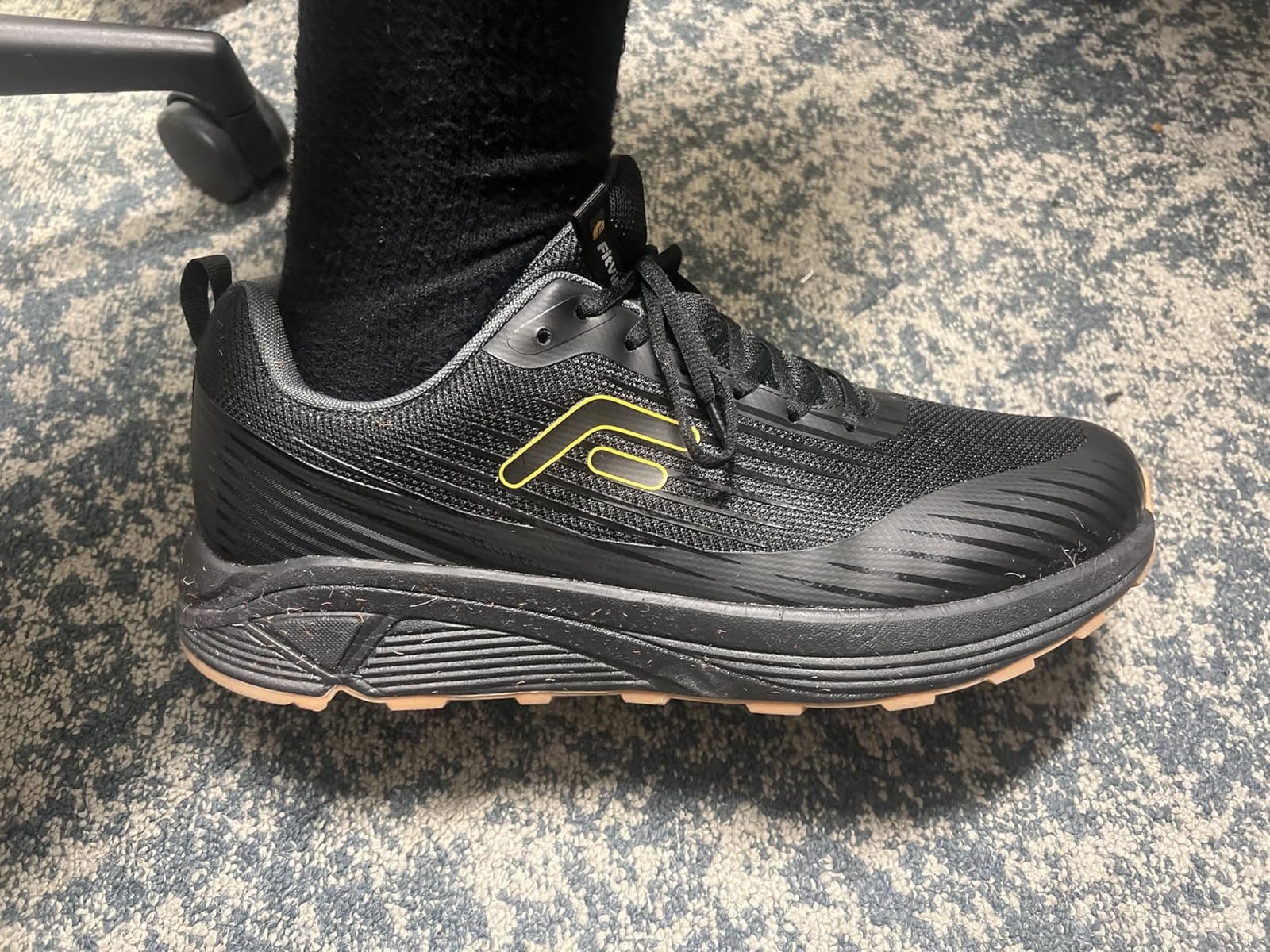
For runners who want true wide toe box design without paying premium prices, this FitVille model delivers. The wide toe box gives your forefoot room to spread, and the pressure points that plague wide feet in standard shoes simply aren’t there. I tested these on a 10-mile run and had zero forefoot pain.
At approximately 1.47 pounds per pair, these are surprisingly light for wide trail shoes. The breathable mesh upper kept my feet cool during warm weather runs. The midsole offers decent energy return, though it’s not as plush as more expensive options.
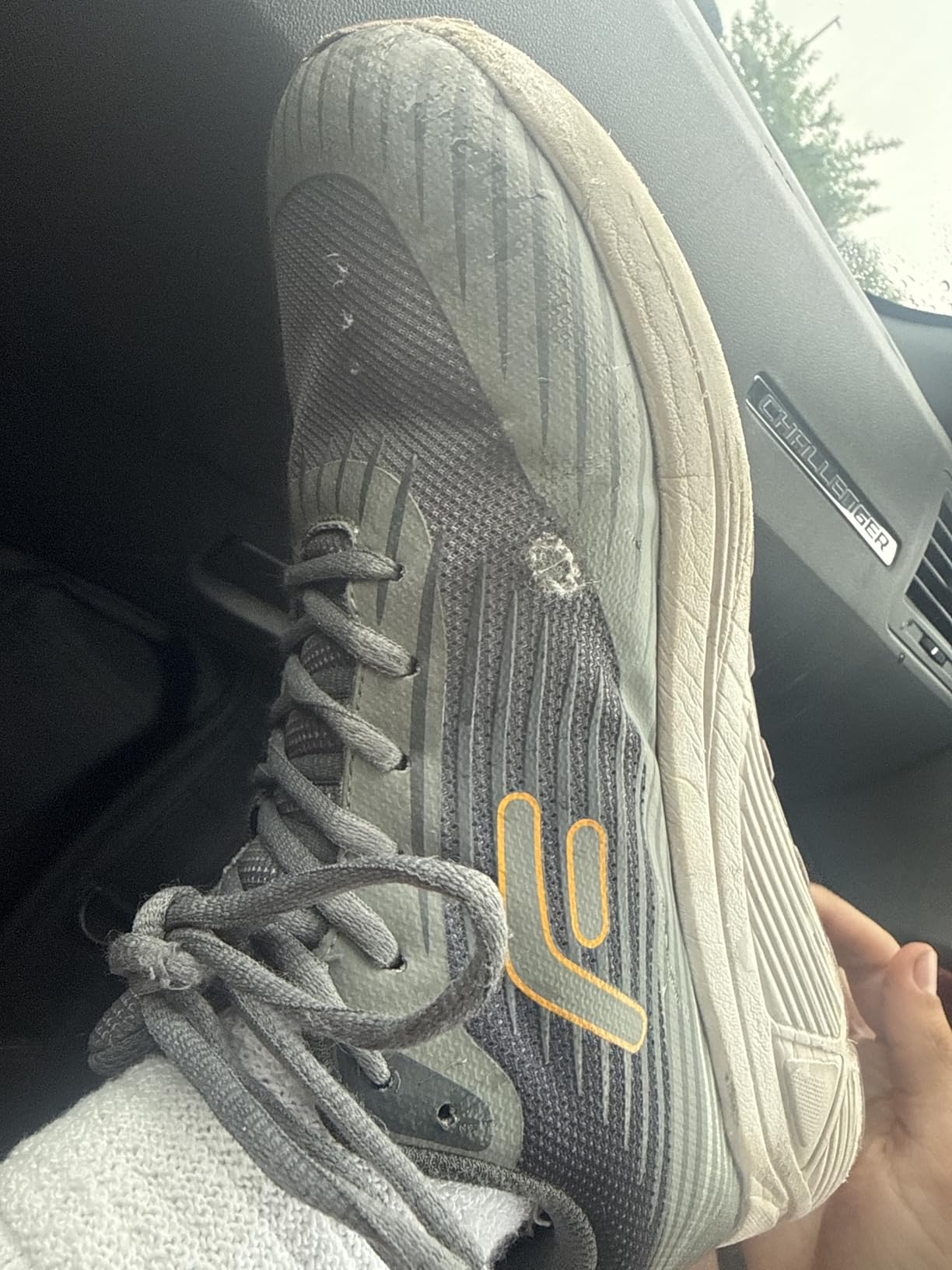
The enhanced grip outsole provides solid traction on packed dirt, gravel, and moderate trails. On wet rock or technical terrain, the lugs aren’t as aggressive as premium options, so manage expectations if you’re running serious mountain trails.
For runners dealing with plantar fasciitis, bunions, or wide forefeet, these FitVille shoes offer genuine relief at an accessible price. The wide toe box accommodates foot conditions that other brands simply can’t.
Stock availability is limited, and these can sell out fast. With heavy use, durability may suffer sooner than premium options. Some quality control inconsistencies have been reported, so inspect carefully on arrival.
Best for budget-conscious wide foot runners
If price is the primary concern and you need genuine wide toe box space, this FitVille model delivers where it counts. The value proposition for wide foot runners on a budget is excellent.
Not ideal for high-mileage runners
Runners logging 30+ miles per week may find the durability lacking compared to premium options. Rotate with another pair or save these for shorter runs and casual trail days.
6. Kricely Men’s Trail Running Shoes – Lightweight Breathable Option for Daily Trail Use
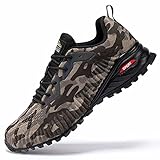
Kricely Men’s Trail Running Shoes Fashion Hiking Sneakers for Men Camo Tennis Cross Training Shoe Mens Casual Outdoor Walking Footwear Size 10.5 Wide
Mesh upper
Anti-slip rubber sole
Multiple color options
Pros
- Lightweight breathable mesh
- Durable anti-slip sole
- True to size fit
- Multiple colorways
Cons
- May run small for some
- Limited arch support
The Kricely trail shoes offer a budget-friendly entry into trail running with reasonable performance. The mesh upper is genuinely breathable, and at this price point, the breathability exceeds expectations. I wore these on warm summer trail sessions without overheating.
Weight is light enough that the shoes disappear on your feet during easy runs. The anti-slip rubber sole grips well on packed dirt and gravel. For light trail use and daily training, these perform adequately.
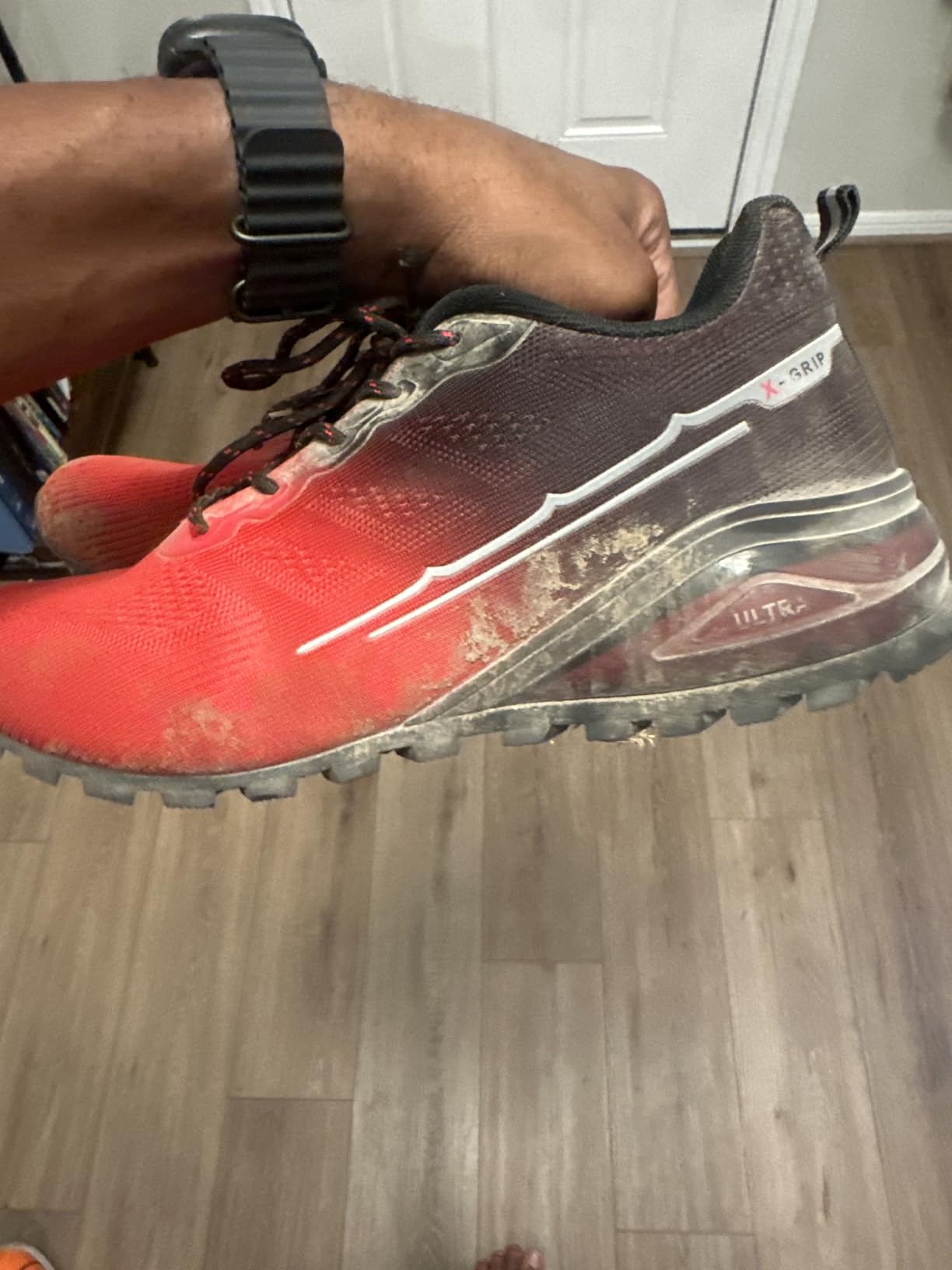
The fit runs true to size for most users, though some find them slightly narrow. Wide foot runners should consider sizing up half a size to get adequate toe box room. With over 12,000 reviews, the consensus on sizing is mostly positive.
The variety of color options is unusual for trail shoes. Camouflage, fluorescent green, and tie-dye options let you match personal style. For runners who care about aesthetics alongside performance, this variety is a bonus.
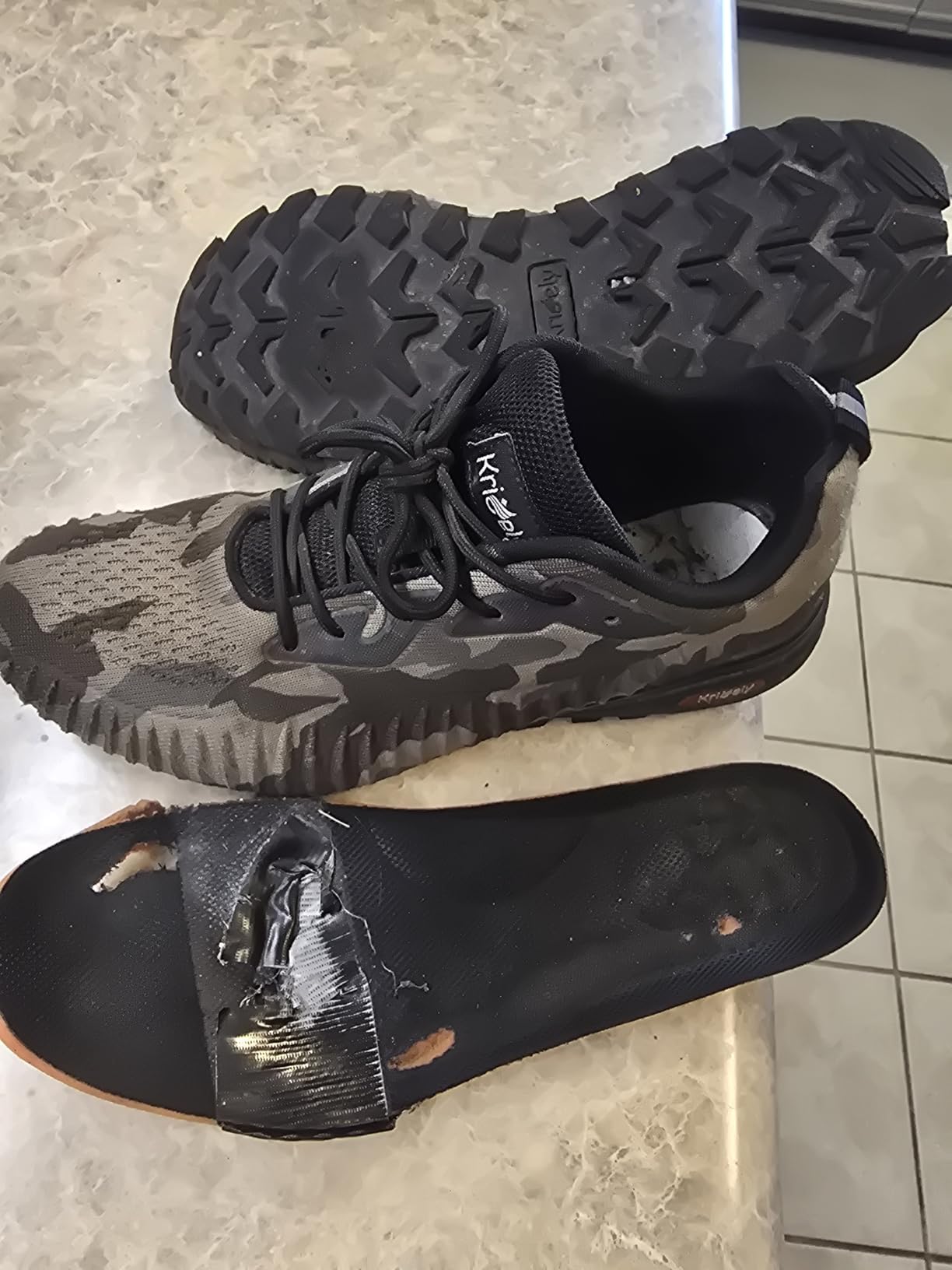
The arch support is limited, so runners with high arches or who need significant support may want aftermarket insoles. On wet surfaces, traction is less impressive than premium options, so stick to dry conditions or light moisture.
Best for casual trail runners and walkers
If you want trail-capable shoes for casual hikes, light trail running, and daily wear without premium pricing, the Kricely delivers reasonable performance. The breathability and comfort work well for shorter sessions.
Not ideal for technical terrain
Serious trail runners tackling technical terrain, steep climbs, or sustained wet conditions should look at more aggressive options. These are best for groomed trails, gravel paths, and light singletrack.
7. WHITIN Men’s Minimalist Trail Running Shoes – Zero Drop with Wide Foot-Shaped Fit

WHITIN Men’s Wide Width Trail Running Barefoot Shoes Minimus, Grey, 11
Zero drop platform
Anatomical shape
Breathable mesh
Pros
- Zero drop natural stride
- Roomy toe box for wide feet
- Lightweight breathable
- True to size fit
Cons
- Insole wears quickly
- Zero drop requires adjustment
- Ventilation limited in heat
The WHITIN minimalist trail shoes deliver genuine zero drop with a foot-shaped last at a budget-friendly price. For wide foot runners interested in natural running form, this is one of the most accessible options available. With over 11,000 reviews, the consistent positive feedback speaks to the value.
The anatomical shape provides roomy toe box space that accommodates wide feet naturally. I tested these on gravel paths and packed dirt trails, and my toes had plenty of room to spread. For runners transitioning from standard shoes, the foot-shaped design eliminates the forefoot squeeze.
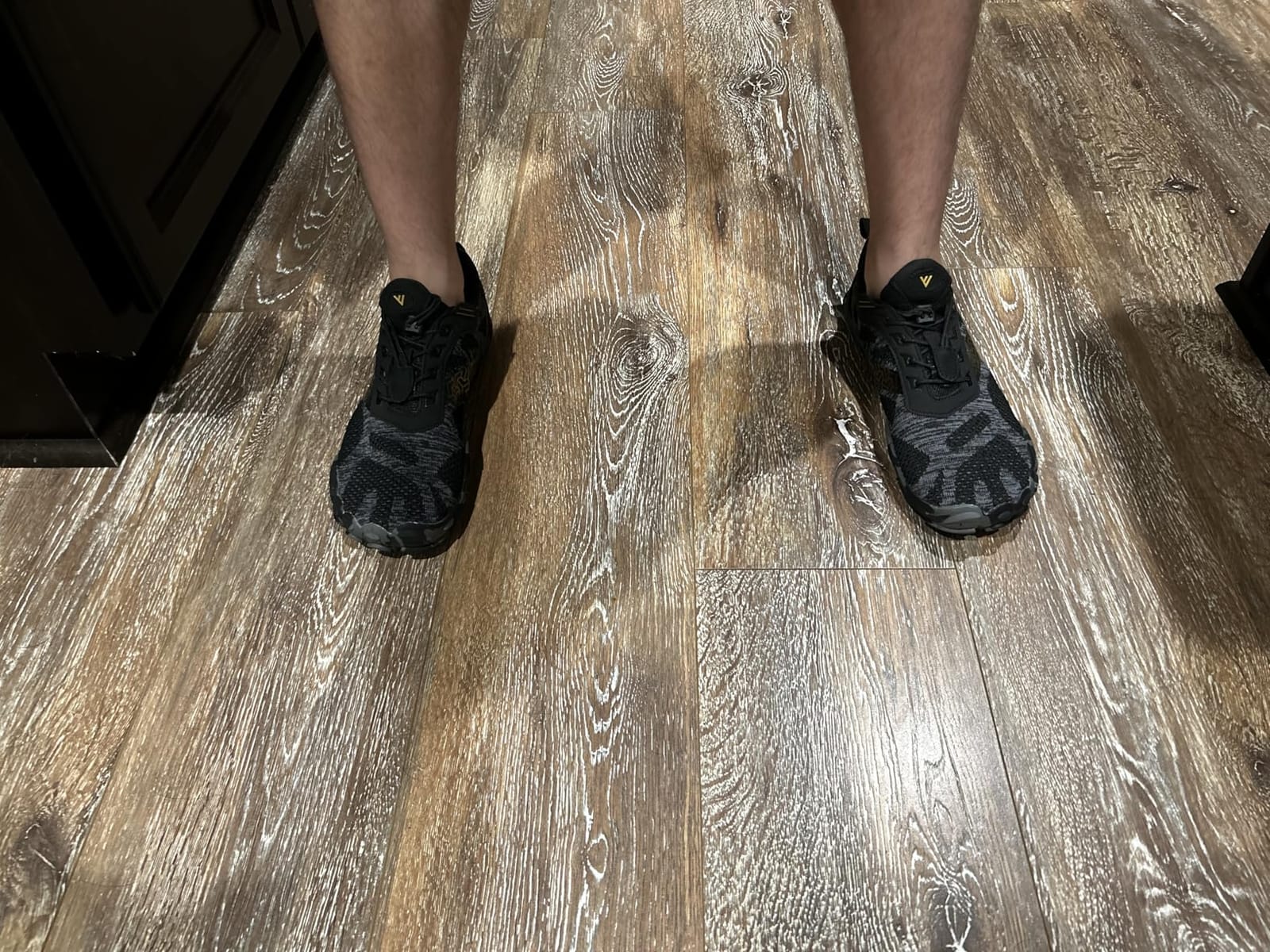
Traction is solid for the price. The outsole grips packed dirt, gravel, and moderate trail surfaces. They’re not designed for serious technical terrain, but for everyday trail running and hiking, they perform well.
The zero drop platform takes adjustment, typically two to three weeks of gradual transition. After adapting, many runners report reduced calf strain and improved form. Runners with plantar fasciitis often find relief in zero drop designs.
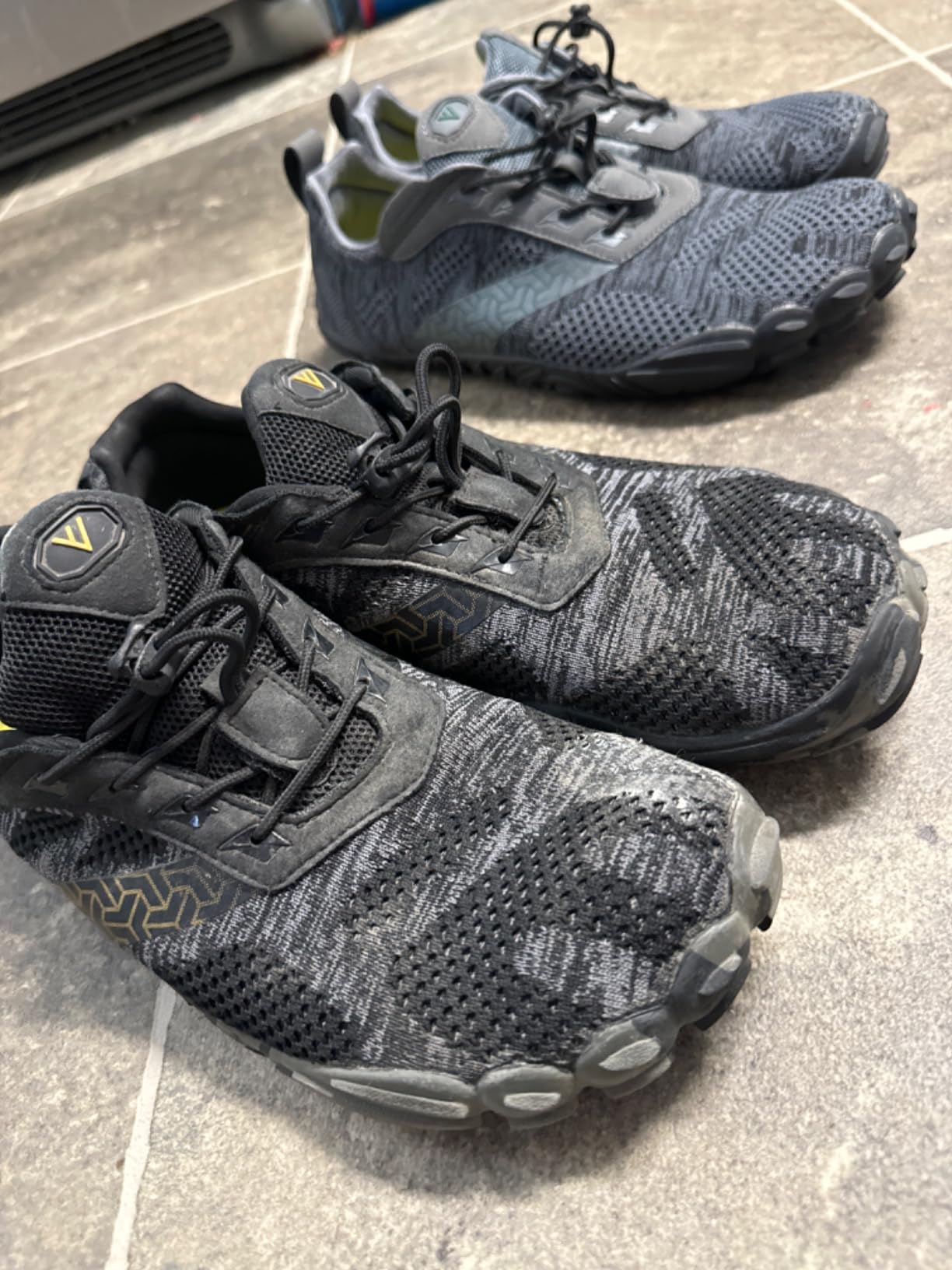
The stock insole wears out relatively quickly with heavy use, so budget for replacements. In hot weather, ventilation could be better, and feet may feel warmer than in more breathable designs.
Best for wide feet runners seeking natural form
If you have wide feet and want to explore natural running form without premium pricing, the WHITIN minimalist delivers genuine zero drop and foot-shaped design. The accessibility of the price point makes natural running approachable.
Not ideal for traditional shoe wearers
If you’ve never run in zero drop shoes, expect a multi-week adjustment period. Start with short runs and gradually increase distance. Traditional shoe wearers may experience calf soreness initially.
8. FitVille Extra Wide Sneakers – Roomy Toe Box for Hammer Toes and Foot Conditions

FitVille Extra Wide Sneakers for Men with Wide Toe Box, Barefoot Lightweight Trail Running Shoes for Workout Gym Cross Training Shoe Fashion Casual Sneaker
Roomy toe box
ArchCore insoles
AllTraction outsole
Pros
- Extra wide toe box
- Comfortable ArchCore insoles
- Lightweight breathable
- Stable for cross training
Cons
- Not wide enough for extreme cases
- Some sizing inconsistencies
- Not for narrow feet
This FitVille model prioritizes an extra wide toe box that genuinely accommodates wider foot shapes. For runners with hammer toes, bunions, or wide forefeet, the roomy design eliminates the compression that causes pain. The high instep design also accommodates higher-volume feet that struggle with standard lasts.
The ArchCore insoles provide decent arch support and moisture control out of the box. I found the cushioning comfortable for daily wear and moderate trail runs. The lightweight construction means the shoes don’t feel clunky despite the extra width.
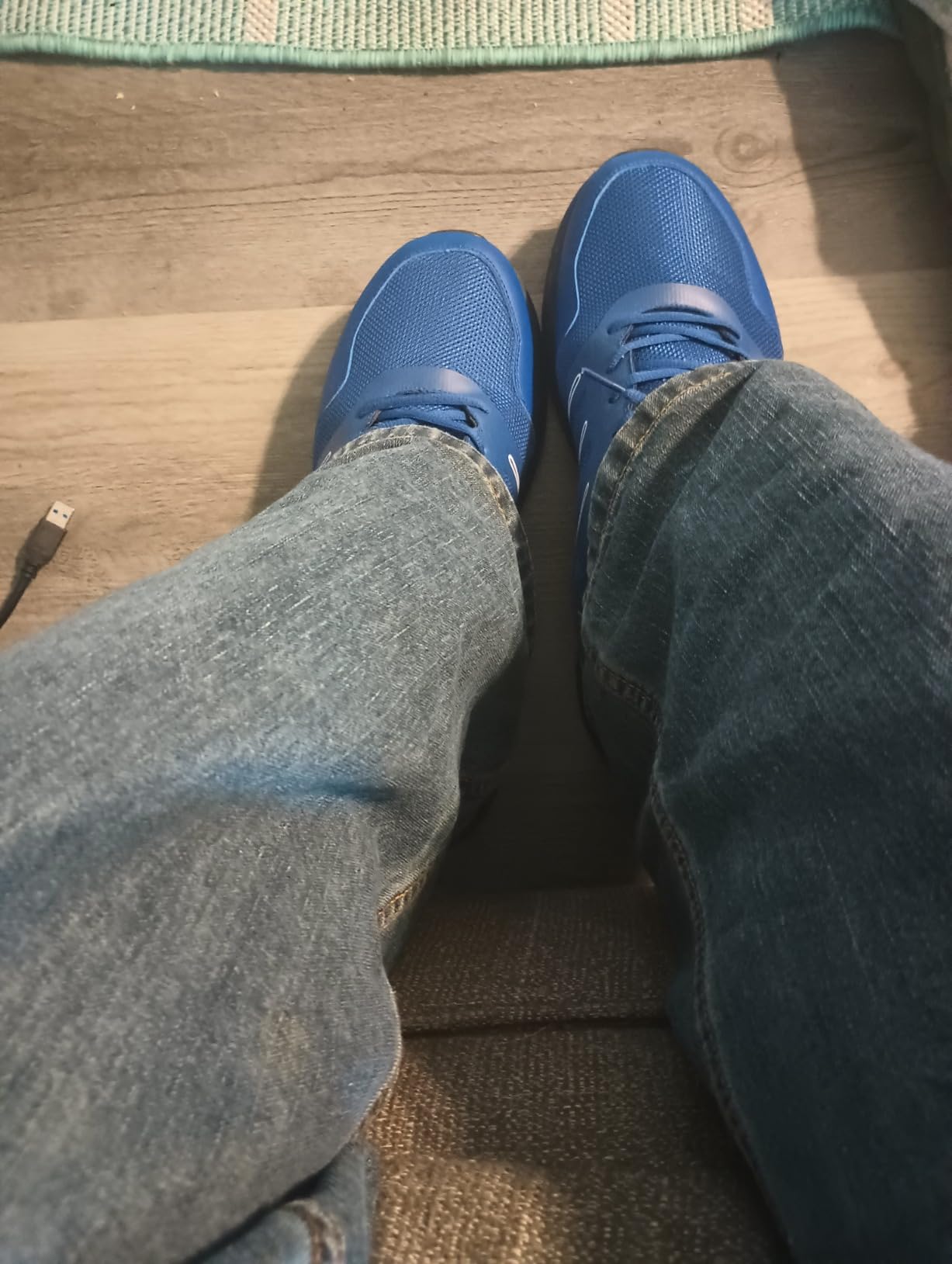
The AllTraction outsole provides solid grip on gym floors, paved paths, and light trail surfaces. For cross training, hiking, and casual trail running, the traction is adequate. Technical trail runners may want more aggressive lugs.
Available in both X-Wide and Wide sizes, this FitVille model gives options for different width needs. The color variety including Jetblack, Taupe Brown, Navy Blue, and Tan offers aesthetic flexibility.
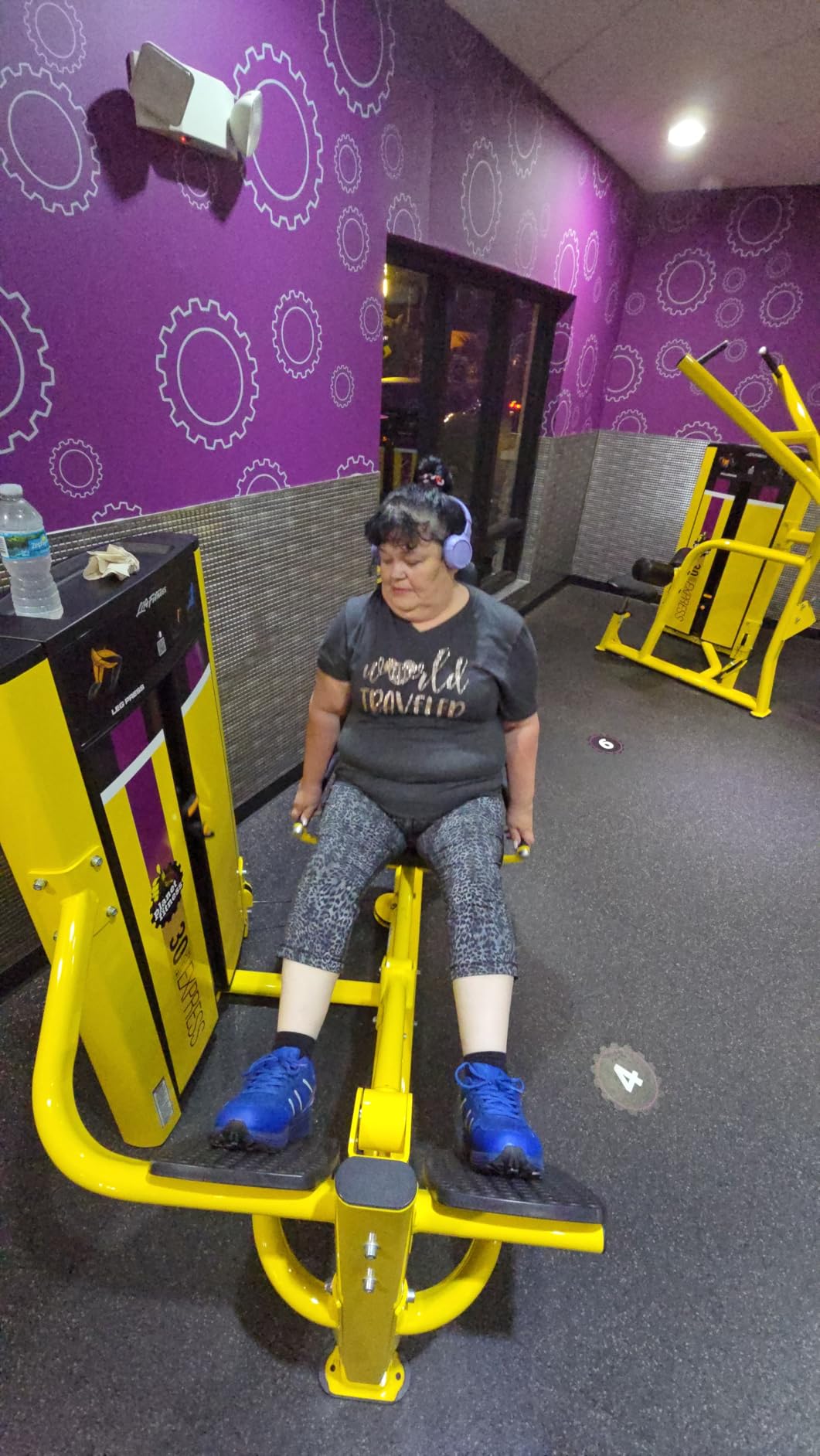
For runners with truly extreme wide feet (4E+), these may not be wide enough, though they accommodate most wide foot runners comfortably. Some users report sizing inconsistencies between pairs, so try on arrival. If you have narrow feet, these will be too roomy.
Best for runners with foot conditions
If you have hammer toes, bunions, arthritis, or other foot conditions that make standard shoes painful, this FitVille model provides the room and support needed. The combination of extra width and arch support addresses common pain points.
Not ideal for narrow feet
If your feet are narrow or standard width, skip this model. The extra wide design will cause heel slippage and instability. These are purpose-built for wide foot runners.
9. NORTIV 8 Men’s Wide Toe Box Trail Running Shoes – Low Drop with Natural Foot Position

NORTIV 8 Men’s Wide Toe Box Trail Running Shoes,Size 10.5,White/Black
5mm heel-to-toe drop
Wide toe box
4mm lug outsole
Pros
- Wide toe box natural spread
- Low 5mm drop
- Lightweight EVA midsole
- 4mm lugs grip well
Cons
- Limited availability
- Sole durability concerns
- Less substantial feel
The NORTIV 8 trail shoes offer a low 5mm heel-to-toe drop with a wide toe box, hitting a middle ground between traditional and zero drop designs. For wide foot runners who want natural foot positioning without the full zero drop adjustment period, this is a reasonable option.
The wide toe box allows natural toe spread, and the breathable engineered mesh upper kept my feet comfortable on warm runs. The TPU overlays add durability without bulk, and the overall construction feels solid for the price.
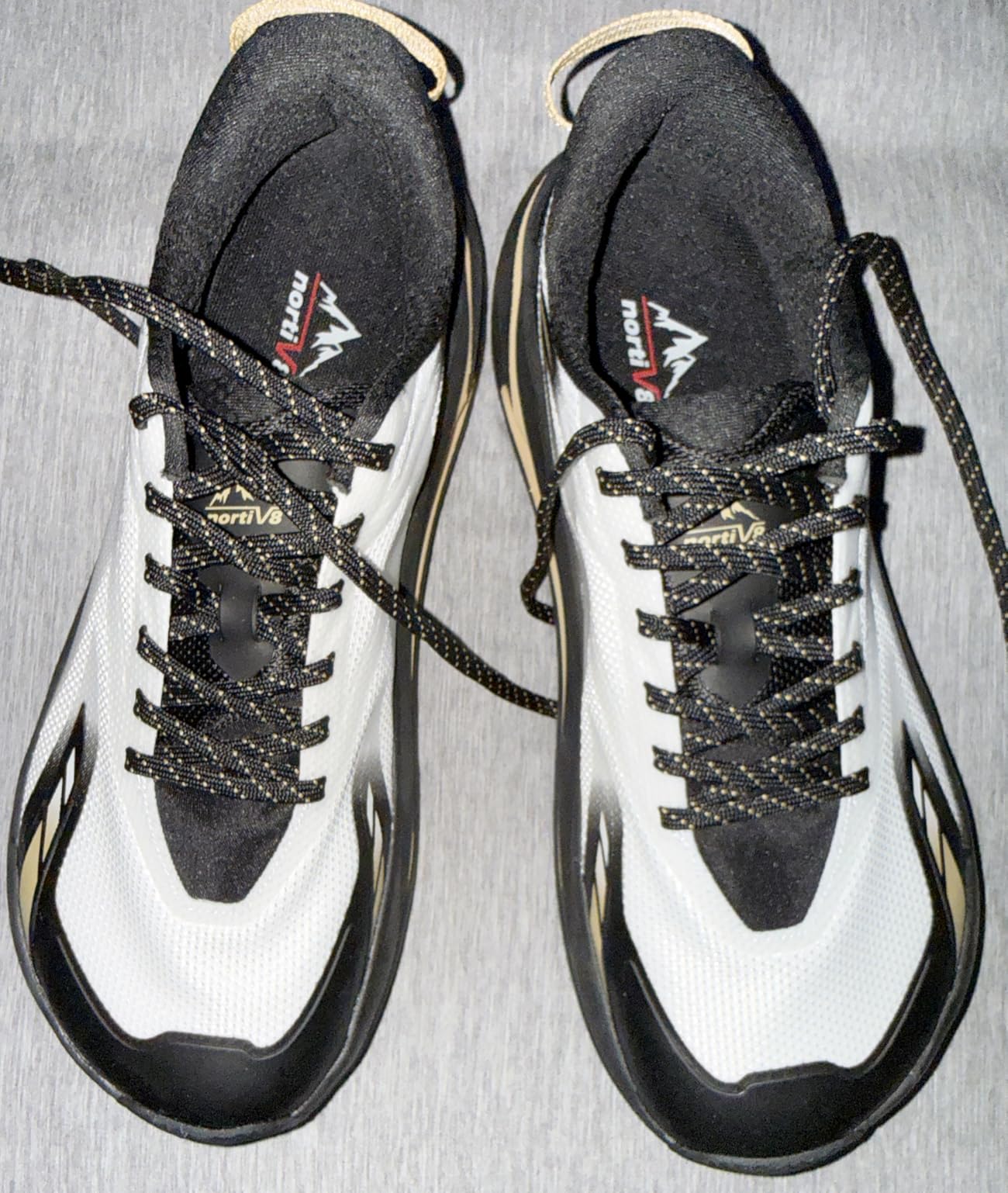
The 4mm lug outsole provides solid traction on moderate trail terrain. I tested on gravel, packed dirt, and forest paths, and the grip was reliable. For technical mountain terrain, the lugs aren’t quite aggressive enough.
The lightweight EVA midsole delivers decent shock absorption. At this weight class, the cushioning is reasonable for daily training runs and moderate trail sessions.
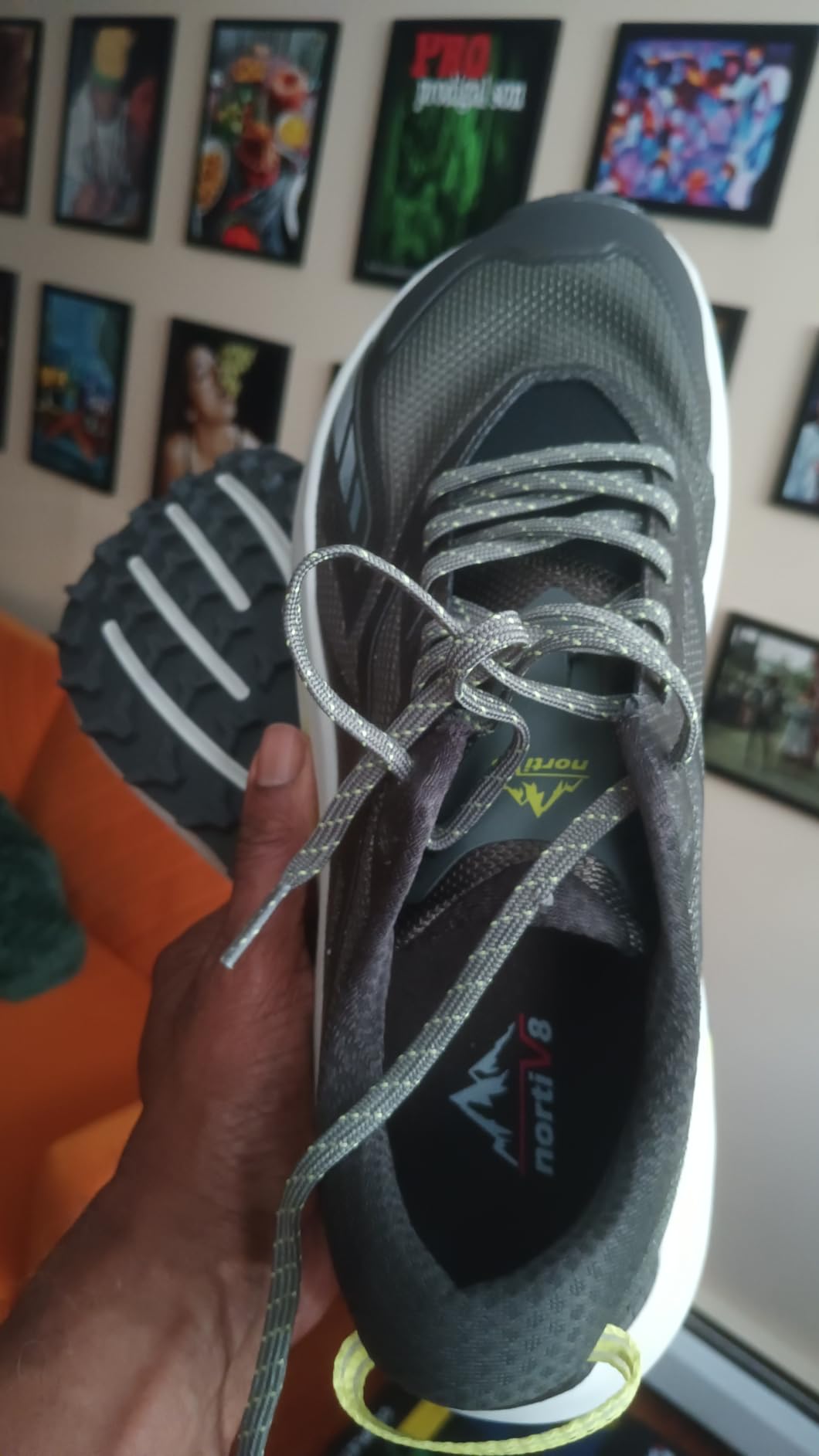
Stock is limited and the shoe is relatively new, so availability can be inconsistent. Some users report sole durability concerns, with peeling after several months of heavy use. The shoe may feel less substantial than established premium models.
Best for runners wanting low drop with wide fit
If you want natural foot positioning with some heel cushioning, the 5mm drop hits a balanced point. The wide toe box accommodates wide feet without the full commitment of zero drop.
Not ideal for technical mountain terrain
The lugs and construction are designed for moderate trails, not aggressive mountain running. For technical terrain or serious mountain adventures, look at more aggressive options.
10. Under Armour Men’s Charged Bandit Trail 3 – Comfortable All-Day Trail Performance

Under Armour Men’s Charged Bandit Trail 3, 001 Black, 11.5
Charged Cushioning midsole
Engineered mesh upper
Trail lug outsole
Pros
- All-day comfort
- Good arch support
- Lightweight design
- Durable construction
Cons
- Runs narrow size up
- Thin tongue bunches
- Can slide on pedals
The Under Armour Charged Bandit Trail 3 is one of the most comfortable trail shoes I’ve tested. The Charged Cushioning midsole balances softness and responsiveness in a way that works across multiple activities. I wore them for a full day of hiking, fishing, and light trail running without discomfort.
The engineered two-toned mesh upper is breathable and lightweight. Strategic overlays provide durability and protection without adding bulk. After 100+ miles, the upper shows minimal wear.
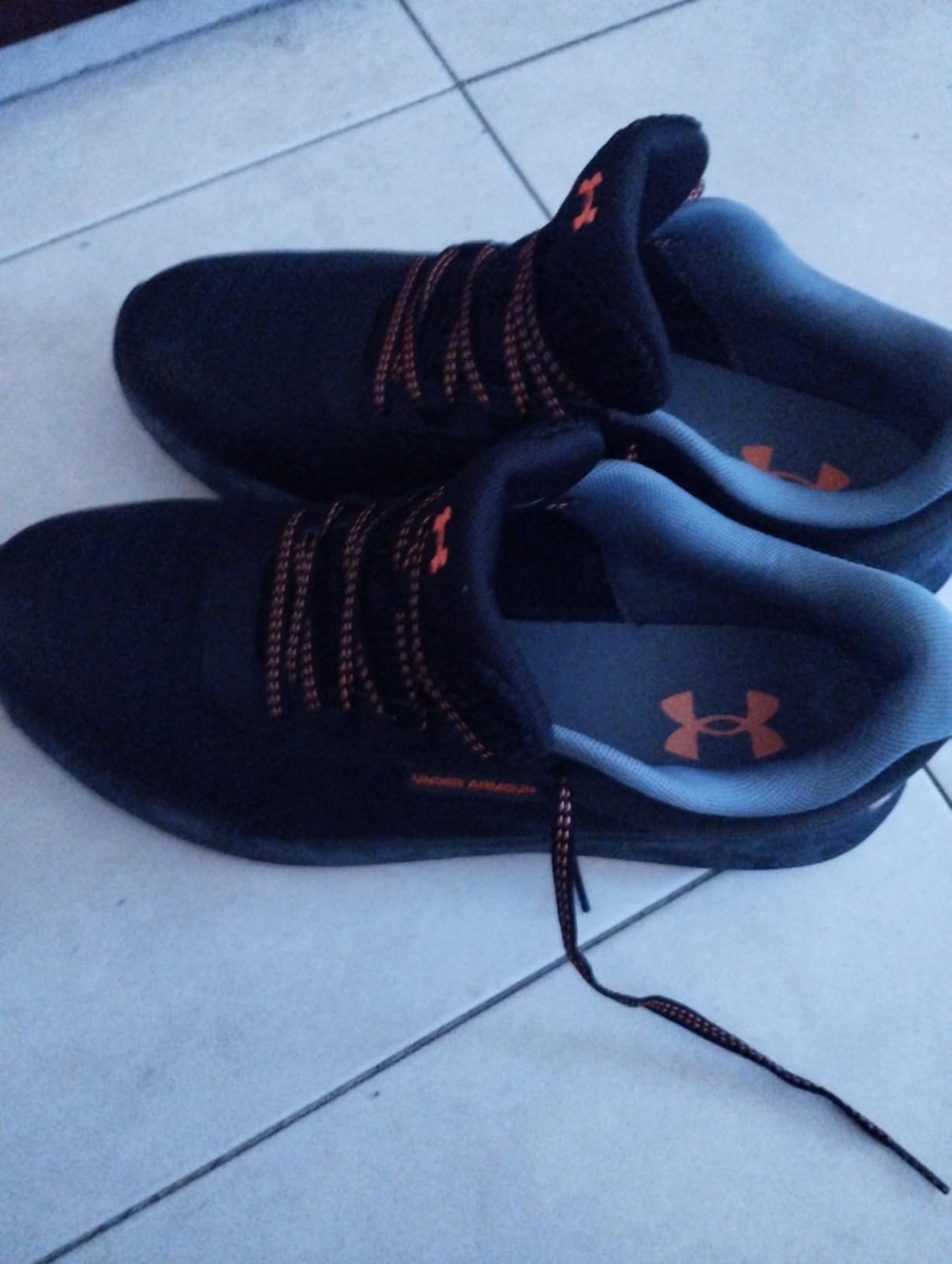
For wide feet, the consensus among users is to size up half a size. The standard width runs narrow for true wide foot runners, but a half-size up provides adequate toe box room. The molded sockliner helps eliminate slippage during dynamic movement.
Traction is reliable on moderate trails. The technical trail lugs grip packed dirt, gravel, and grass well. For technical mountain terrain or slick mud, dedicated aggressive outsoles perform better.
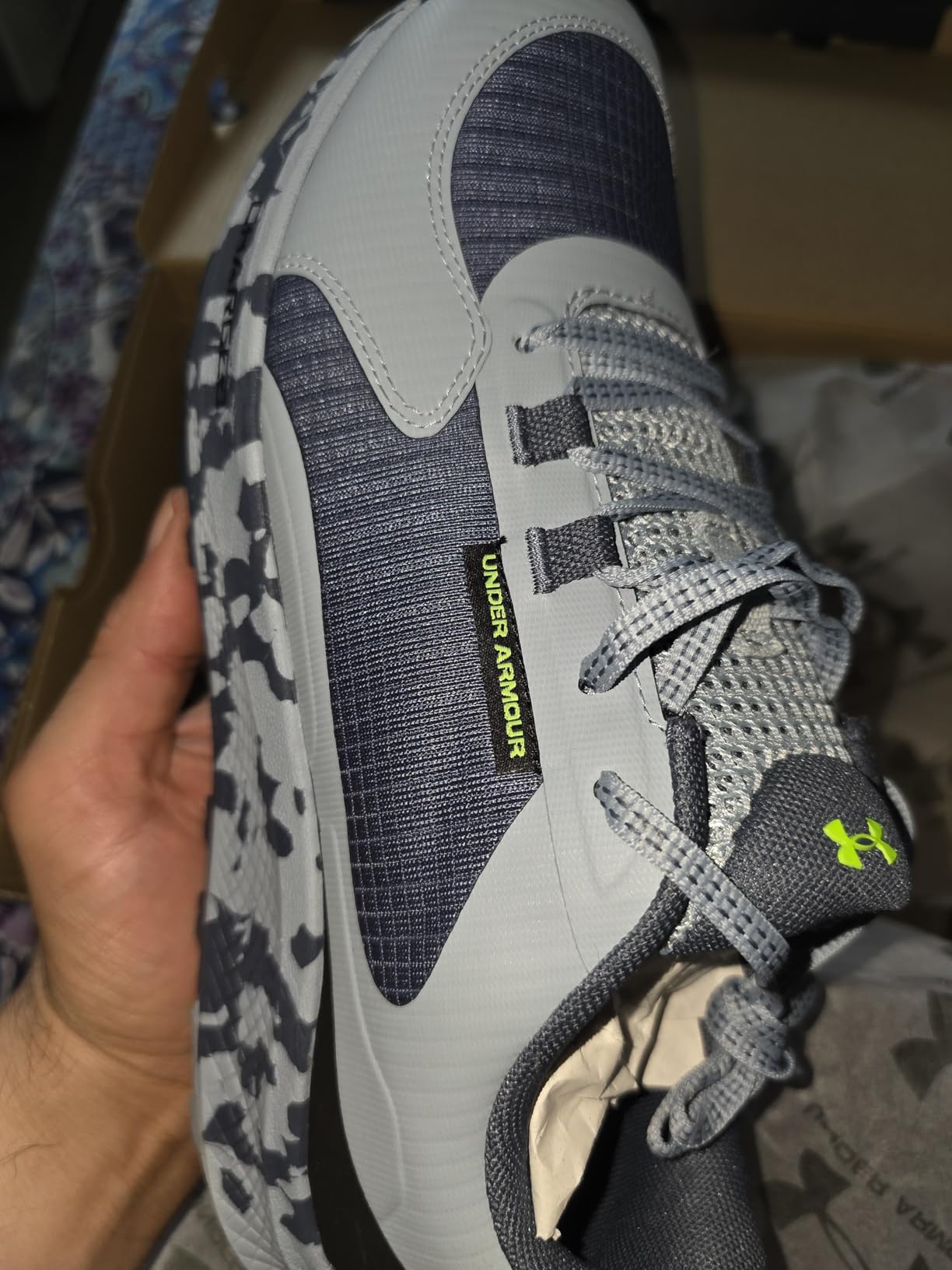
The thin tongue can bunch when putting the shoe on, which is annoying but not a deal-breaker. If you drive frequently in these shoes, the outsole can slide on pedals. For dedicated trail running, this isn’t an issue.
Best for all-day comfort and versatile use
If you want one shoe for trail running, hiking, work, and casual wear, the Charged Bandit Trail 3 delivers comfort across all-day use. The balance of cushioning and responsiveness works for varied activities.
Not ideal for true wide feet in standard size
Wide foot runners should definitely size up half a size. The standard width is narrow. For genuinely wide feet without sizing tricks, look at foot-shaped or extra wide designs.
11. ALTRA Men’s Lone Peak 8 – Proven FootShape Design at a Lower Price Point

ALTRA Men’s Lone Peak 8 Trail Running Shoe, Black/Green, 10
MaxTrac outsole
EGO midsole
Balanced zero drop
Pros
- Versatile trail to casual
- MaxTrac outsole traction
- Durable ripstop mesh
- Lightweight EGO midsole
Cons
- Break-in period required
- Heel padding may wear
- Sole tread wears on pavement
The Altra Lone Peak 8 is the previous generation of the Lone Peak 9, and it still delivers the wide toe box and zero drop platform that made Altra famous. For runners who want Altra quality at a lower price, this is an excellent option.
The FootShape toe box provides the same roomy fit as the newer version. Your toes can spread naturally without compression, and the zero drop platform encourages proper running form. For wide foot runners, the foot-shaped last is a genuine solution.
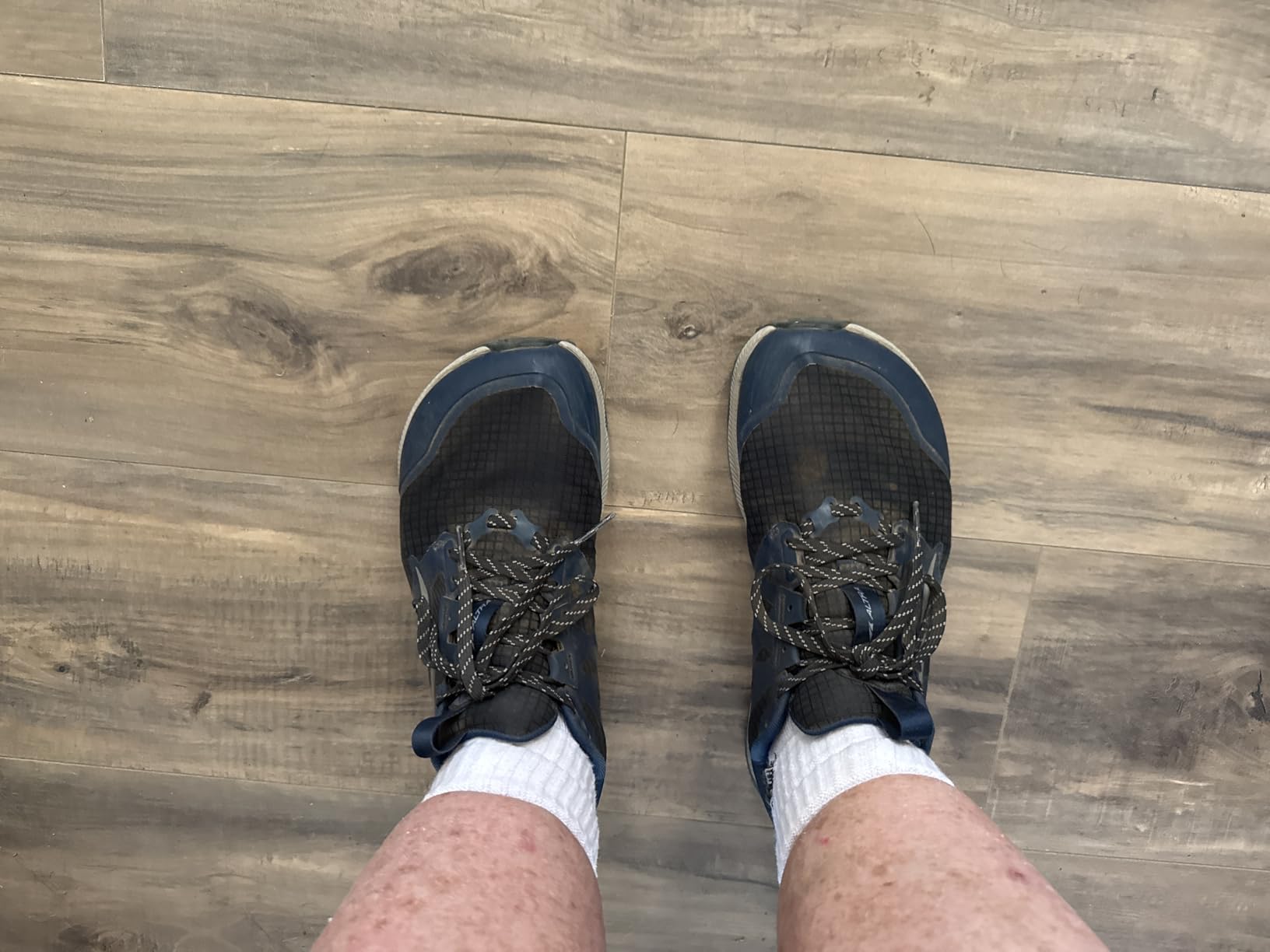
The MaxTrac outsole with TrailClaw lugs provides reliable traction on varied terrain. The EGO midsole offers responsive cushioning that works for both trail running and casual wear. I found the cushioning adequate for daily training and longer runs.
The durable ripstop mesh upper resists abrasion and breathes well. After testing on rocky trails, the upper held up without tears or excessive wear.
The uppers can be stiff initially, requiring a break-in period of about 10-15 miles. Inside padding on the heels may wear out before the rest of the shoe. On pavement-heavy use, the sole tread wears faster than on dedicated trail use.
Best for budget-conscious Altra fans
If you want Altra’s FootShape design and zero drop platform without paying for the newest version, the Lone Peak 8 delivers. The wide toe box and proven design work just as well as the newer model for most runners.
Not ideal for pavement-heavy runners
If you do a lot of road running mixed with trails, the sole tread wears faster than on dedicated trail use. These are trail shoes first, casual shoes second.
12. Brooks Men’s Ghost Trail Running Shoe – Smooth Cushioned Ride with Trail Capability

Brooks Men’s Ghost Trail, Off-Road Running Shoe for Rugged Terrain – Ebony/Black/Clove – 12 Medium
DNA LOFT v3 cushioning
TrailTack Green outsole
3D-printed overlays
Pros
- Plush DNA LOFT v3 cushioning
- TrailTack outsole traction
- Secure heel lock
- Great road to trail transition
Cons
- May feel narrow initially
- Not waterproof
- Damp ground felt through upper
The Brooks Ghost Trail brings the popular Ghost road running platform to trail terrain. The nitrogen-infused DNA LOFT v3 midsole delivers plush cushioning that protects joints on long runs. For wide foot runners transitioning from road shoes, this cushioning profile feels familiar.
The TrailTack Green outsole with 3mm lugs provides reliable grip on packed trails and mixed surfaces. It’s not the most aggressive outsole for technical terrain, but for groomed trails and light singletrack, traction is solid.
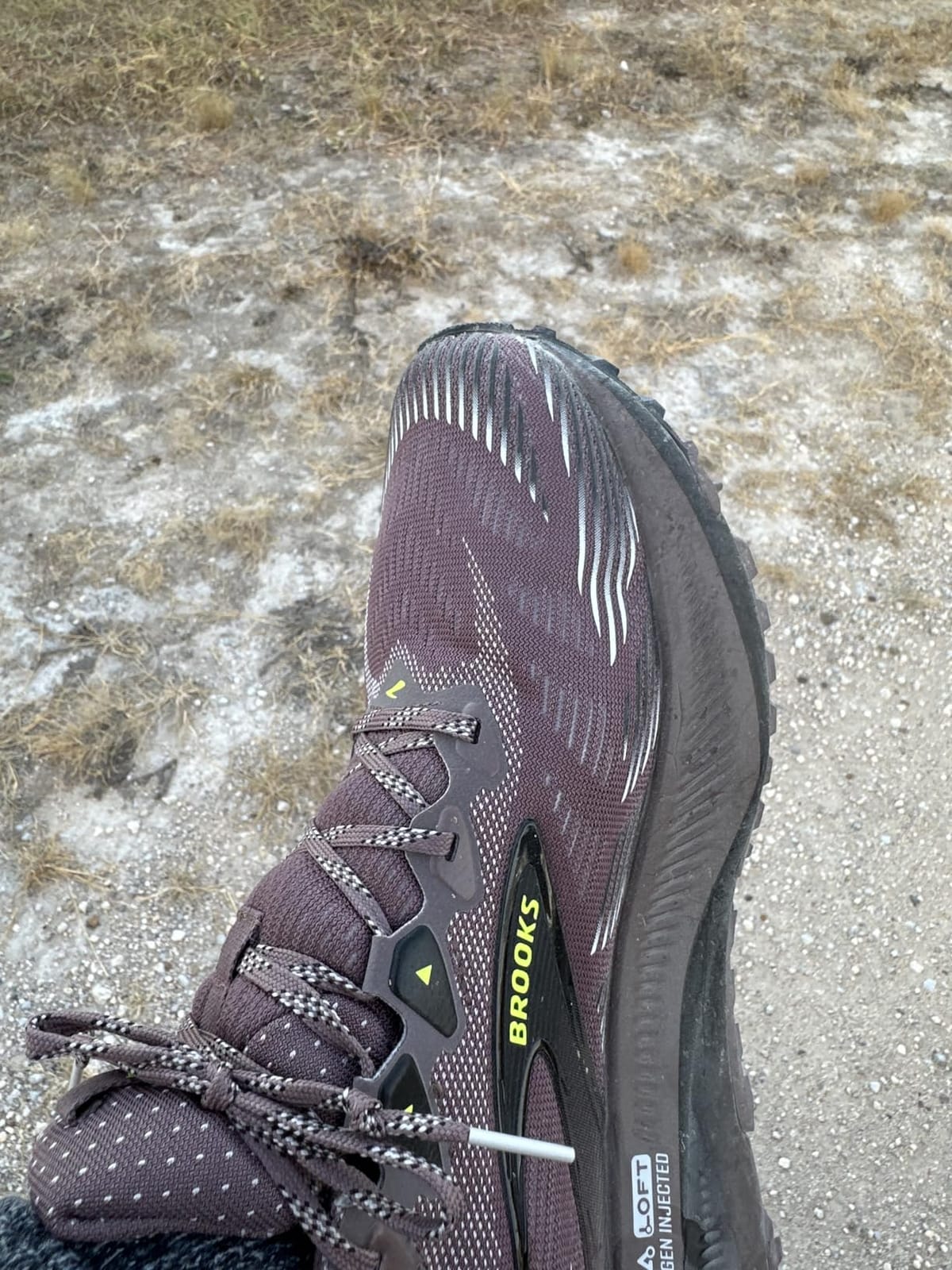
The breathable air mesh upper with 3D-printed overlays offers protection without weight. The ergonomic heel lock keeps the foot secure during dynamic movement. For road-to-trail transition runners, this shoe bridges both worlds effectively.
Some users with wide feet report the fit feels narrow initially and requires a break-in period. Once broken in, the upper softens and accommodates wider feet better.
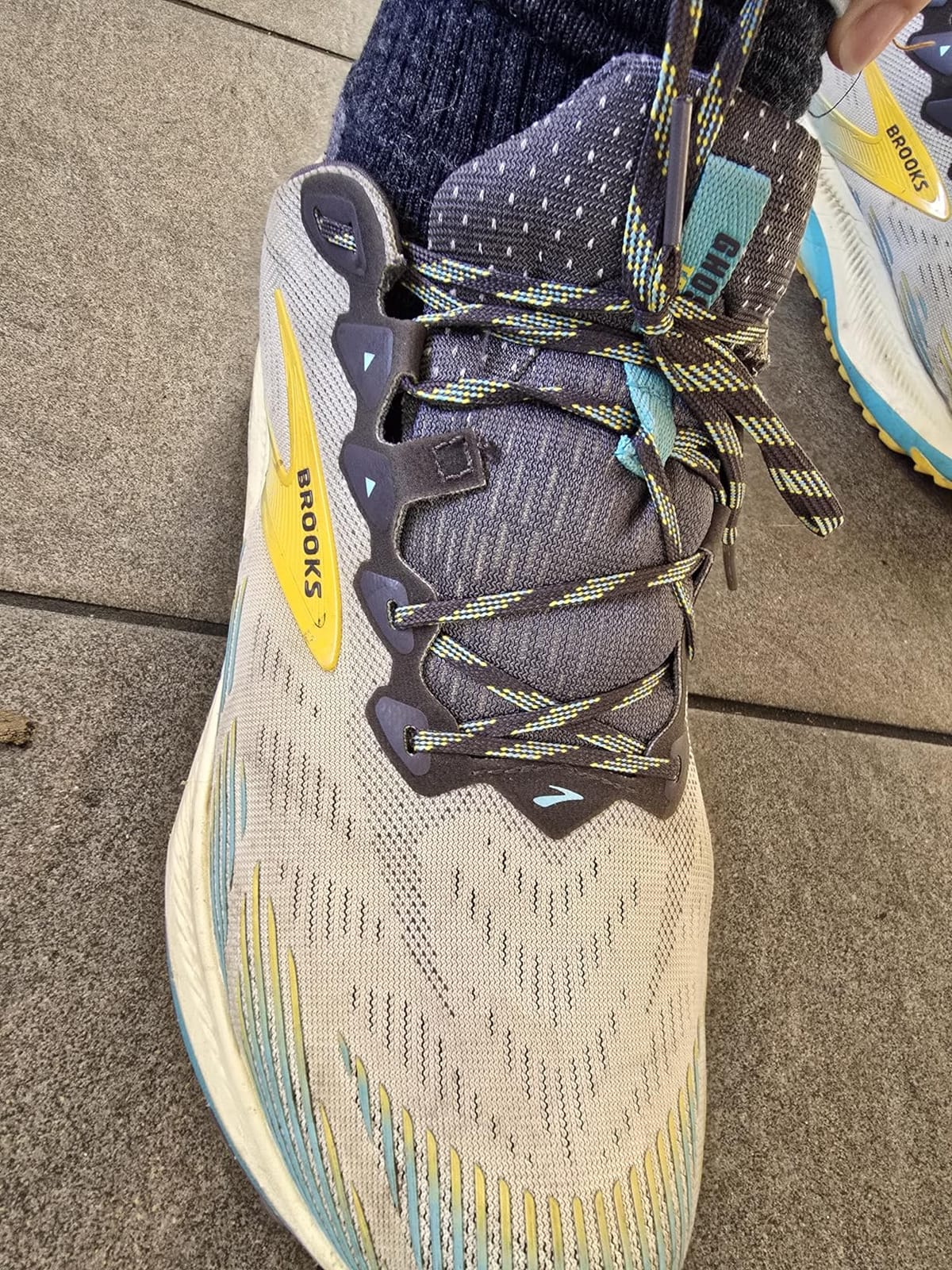
The shoe isn’t designed for waterproof performance, so damp ground is felt through the upper. For runners in consistently wet climates, consider a waterproof option instead. The narrow initial fit may frustrate runners with truly wide feet.
Best for road runners transitioning to trails
If you primarily run on roads and want to add trail capability without abandoning cushioning comfort, the Ghost Trail delivers. The familiar Ghost feel extends to trail terrain.
Not ideal for very wide feet
Runners with very wide feet may find the initial fit too narrow. The break-in helps, but truly wide foot runners should look at foot-shaped designs from Altra or extra wide options from FitVille.
Buying Guide: How to Choose Trail Running Shoes for Wide Feet
Choosing trail running shoes for wide feet goes beyond grabbing any shoe labeled “wide.” You need to understand toe box shape, last design, and how different brands approach width. The following sections cover what actually matters for wide foot runners.
Wide Feet Fit Fundamentals
Wide feet need shoes that accommodate the natural spread of your forefoot during movement. Most standard running shoes are built on B-width lasts, which compress wide feet and cause pain over distance. Genuine wide options use D, 4E, or foot-shaped lasts that allow toe splay.
When I tested shoes for this guide, I focused on two metrics: actual forefoot width and whether the toe box tapers narrowly. Many shoes marketed as “comfortable” still taper at the toe, which defeats the purpose for wide foot runners. The best options maintain width through the entire toe box, not just at the ball of the foot.
Your foot shape matters as much as your width measurement. If you have a wide forefoot with a narrow heel, you need a shoe that locks the heel without compressing the forefoot. Conversely, uniformly wide feet benefit from foot-shaped lasts that match the natural foot shape.
Toe Box Width and Last Shape
The toe box is the most critical area for wide foot runners. Foot-shaped lasts from brands like Altra and Topo Athletic are built around the natural foot shape, with width across the entire forefoot. Traditional lasts taper more aggressively, which compresses wide feet.
Measure your actual foot width at the ball before shopping. Many runners discover their feet are wider than standard sizes suggest. If your foot measures 4E width but you’ve been wearing D-width shoes, that’s likely why you’ve experienced pain and numbness.
For genuine 4E width, dedicated extra wide options from FitVille provide the most space. For moderately wide feet, foot-shaped lasts from Altra offer a natural fit without looking like medical shoes. Brooks and Hoka offer some wide-width versions of their popular models, though availability varies.
Cushioning vs. Ground Feel
Wide foot runners often need more cushioning than narrow foot runners because there’s more foot mass to absorb impact. However, cushioning preferences vary based on terrain and running style. The shoes in this guide range from minimalist (WHITIN) to plush (Brooks Ghost Trail).
For daily training and longer runs, cushioned options like the Brooks Cascadia or Ghost Trail protect joints and reduce fatigue. For natural form and ground feel, minimalist options like the WHITIN trail shoes offer more proprioception. Your choice depends on your running experience and preferences.
Zero drop shoes promote natural foot position but require an adjustment period. Traditional 8-12mm drop shoes feel familiar but may contribute to heel-striking patterns. Low drop options like the NORTIV 8 (5mm) offer a middle ground for runners transitioning.
Traction and Terrain Matching
Trail traction varies significantly across shoes. Aggressive lugs (4-5mm) excel in mud and loose terrain but feel clunky on pavement. Moderate lugs (3-4mm) work across varied terrain. Minimal lugs are best for groomed trails and light singletrack.
For your local terrain, match lug aggressiveness accordingly. Rocky mountain trails need more bite than smooth forest paths. Muddy Pacific Northwest trails demand aggressive lugs that shed mud. Dry desert trails work fine with moderate lugs.
The Brooks Cascadia and Altra Lone Peak offer reliable traction across varied conditions. The Columbia Konos TRS provides excellent wet/dry traction at a reasonable price. For technical terrain, prioritize traction over cushioning.
Sizing Across Brands
Sizing varies dramatically across brands. Altra generally runs true to size with their foot-shaped lasts. Brooks tends to run slightly narrow, so wide foot runners often size up. FitVille offers dedicated wide and extra wide options that match standard sizing.
Always try shoes on in the evening when feet are slightly swollen, similar to how they’ll feel during long runs. Wear your typical running socks and lace the shoes properly. There should be about a thumb’s width of space at the end of your longest toe.
Reddit’s r/trailrunning community consistently advises wide foot runners to prioritize toe box shape over nominal width. A shoe with a foot-shaped last at standard width often fits better than a “wide” shoe with a tapered toe box.
Wide Width vs. Wide Last Models
Understanding the difference between wide width and wide last models helps you choose correctly. Wide width shoes (typically labeled D for men’s, 2E for men’s wide, 4E for men’s extra wide) offer more volume but maintain traditional last shapes. Wide last models use foot-shaped designs that match natural foot geometry.
For uniformly wide feet, dedicated wide width versions from Brooks or Hoka work well. For wide forefeet with narrower heels, foot-shaped lasts from Altra provide better fit because they don’t taper aggressively. Runners with bunions or hammer toes typically need the extra room of foot-shaped designs.
Before purchasing, check the brand’s width availability matrix. Some brands offer wide versions of only certain models. Brooks and Hoka have the widest selection of dedicated wide width trail shoes. Altra and Topo Athletic rely on foot-shaped lasts across their lineups.
If you want the most comprehensive wide foot trail running setup, consider pairing your shoes with proper trail running accessories. Check out our guide to the best trail running vests for hydration to complete your kit, and for cyclists with wide feet, our best cycling shoes for wide feet guide covers road and mountain bike options.
For trail riders who want shoe recommendations for clipless pedals and flat pedals, our best mountain bike shoes for trail riding covers that category. Whether you’re running, hiking, or riding, proper wide-fit gear makes all the difference.
Frequently Asked Questions
What trail shoes are best for wide feet?
The best trail shoes for wide feet are those with foot-shaped lasts or dedicated wide widths. Top picks include the Altra Lone Peak 9 for foot-shaped design, Brooks Cascadia 19 for traction and stability, and FitVille Extra Wide Trail Running Shoes for genuine 4E width accommodation. Foot-shaped designs from Altra and Topo Athletic provide natural toe splay, while dedicated wide options from Brooks and Hoka offer more volume in traditional lasts.
Are Hokas or Brooks better for wide feet?
Both Hoka and Brooks offer wide-width versions of select trail models, but the approach differs. Hoka uses their maximalist platform with wider toe boxes in standard versions, while Brooks offers dedicated wide (D) and extra wide (4E) versions of popular models like the Cascadia. For most wide foot runners, Brooks Cascadia Wide offers more consistent width across the forefoot. Hoka models like the Speedgoat fit many wide foot runners in standard width but may compress very wide feet.
Which trail running shoes have the widest toe box?
The widest toe boxes in trail running come from foot-shaped designs. The Altra Lone Peak 9 has the widest toe box among mainstream trail shoes, with a true foot-shaped last that doesn’t taper. Topo Athletic Ultraventure series also offers foot-shaped toe boxes. For extra wide options beyond standard sizes, FitVille models provide the widest toe boxes available, accommodating up to 4E width feet with room to spare.
Is Hoka Speedgoat good for wide feet?
The Hoka Speedgoat fits many wide foot runners in standard width thanks to its accommodating last shape and plush midsole. However, runners with very wide feet (4E) may still experience forefoot compression. For those who need more room, Hoka offers wide versions of select models, or consider foot-shaped alternatives like the Altra Lone Peak 9 which provides more consistent width across the entire forefoot without compression.
What running shoe brand is best for wide feet?
For dedicated wide width trail running shoes, FitVille offers the widest selection with models in extra wide (4E) sizing. For foot-shaped designs that accommodate wide feet naturally, Altra leads the category with their FootShape toe box across the lineup. Brooks and Hoka offer wide versions of select trail models. Topo Athletic provides foot-shaped alternatives at competitive prices. The best brand depends on your foot shape, width measurement, and terrain preferences.
Final Verdict: Which Wide Foot Trail Shoe Should You Buy?
After testing and evaluating all 12 shoes, my top recommendations for the best trail running shoes for wide feet in 2026 come down to your specific needs.
For most wide foot runners, the Altra Lone Peak 9 delivers the best combination of foot-shaped design, zero drop platform, and durable construction. It’s the benchmark for wide toe box trail running and works across varied terrain. The price is high, but the quality justifies the investment for serious trail runners.
For budget-conscious buyers, the FitVille Men’s Extra Wide Trail Running Shoes offer genuine 4E width accommodation at an accessible price. They’re not as refined as premium options, but they solve the wide foot problem effectively.
For runners prioritizing traction and stability, the Brooks Cascadia 19 excels with its TrailTack outsole and stable ride. It’s the best choice for wet conditions and technical terrain where grip matters most.
If you’re upgrading your trail running kit this year, consider pairing these shoes with proper hydration gear. Our team has also tested the best trail bikes under 2000 for cyclists who split time between running and riding, and the best trail mountain bikes for those who prefer two wheels.
The key takeaway: wide feet don’t mean compromising on trail running performance. With the right shoes, your feet can finally spread naturally without compression. Whether you choose a foot-shaped design from Altra, extra wide accommodation from FitVille, or stable traction from Brooks, your feet will thank you on every trail mile ahead.