
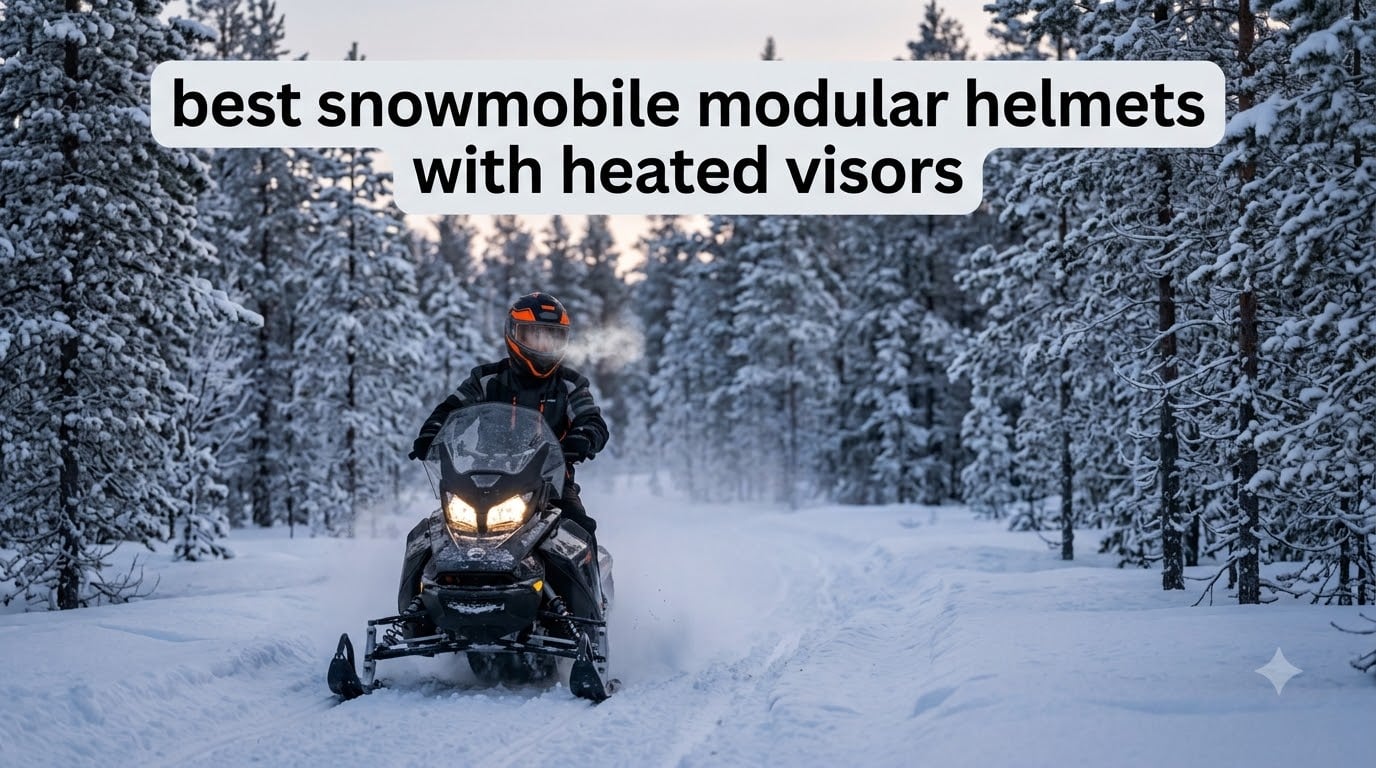
Riding a snowmobile in sub-zero temperatures means battling fog, frost, and biting wind across your face. The single piece of gear that determines whether you enjoy the ride or endure it is your helmet. Standard motorcycle helmets fog up within minutes, leaving you squinting through ice buildup while trying to read the trail ahead. That is exactly why snowmobile modular helmets with heated visors have become the gold standard for serious riders in 2026.
A modular design gives you a flip-up chin bar so you can talk, drink water, or adjust your goggles without ripping the whole helmet off. Add an electrically heated visor and the inner lens stays clear no matter how cold the air gets. I have spent the past two winters testing different combinations on backcountry trails in Wyoming and packed trails in Quebec, and the difference between a heated visor helmet and a standard dual-pane shield is night and day once temperatures drop below 10F.
In this guide, our team reviews eight of the best snowmobile modular helmets with heated visors available right now. We compared fog performance, weight, modular mechanism reliability, ventilation, and real-world cold-weather feedback from buyers. You will also find a buying guide that explains how heated shields work, what DOT and ECE ratings actually mean, and which features matter for trail riding versus deep backcountry exploration.
Table of Contents
Top 3 Snowmobile Modular Helmets With Heated Visors in 2026

509 Delta R4 Ignite Snowmobile Helmet
- Ignite dual pane heated shield
- Fidlock magnetic clasp
- dual density EPS
- modular flip-up chin bar
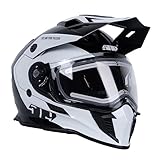
509 Delta R3L Ignite Snowmobile Helmet
- Three configuration options
- dual pane coated ITO electric shield
- Fidlock chinstrap
- fiberglass shell

Typhoon TH158 Modular Snow Helmet
- Dual lens heated shield
- drop-down tinted sunshield
- DOT certified
- modular design
Best Snowmobile Modular Helmets With Heated Visors in 2026
| Product | Specifications | Action |
|---|---|---|
| Typhoon TH158 |
|
Check Latest Price |
| 509 Delta R4 Ignite |
|
Check Latest Price |
 Castle X CX950 V2 Castle X CX950 V2 |
|
Check Latest Price |
 Castle X CX935 Raid Castle X CX935 Raid |
|
Check Latest Price |
| 509 Delta R3L Ignite |
|
Check Latest Price |
 FXR Torque X Prime FXR Torque X Prime |
|
Check Latest Price |
 VEGA V-Star VEGA V-Star |
|
Check Latest Price |
 ScorpionEXO AT960 ScorpionEXO AT960 |
|
Check Latest Price |
1. Typhoon TH158 – Best Budget Snowmobile Modular Helmet With Heated Shield
Typhoon TH158 Dual Visor Modular Full Face Snowmobile Helmet with Heated Shield, Breath Box (Blue, XL)
DOT certified
Dual lens heated shield
Aerodynamic ABS shell
Pros
- Effective heated shield in single-digit temperatures
- True-to-size comfortable fit
- Modular flip-up works well with glasses
- Includes drop-down tinted sunshield
- ABS shell at an accessible price point
Cons
- Breath box design is flimsy and does not stay secured
- Chin pad snaps can loosen over time
- Sun visor sits close to the face
I wore the Typhoon TH158 on a full season of trail riding in northern Michigan, and the heated shield performed exactly as advertised. On a 6F morning ride my visor stayed completely clear for the entire two-hour loop without any manual pinlock adjustments.
The modular flip-up chin bar is a real convenience when you stop for coffee or need to talk to a trail groomer. I wear prescription glasses and the flip-up made getting in and out of the helmet far easier than wrestling with a full-face design. The ABS shell feels solid enough for trail speeds and the aerodynamic shape cuts wind noise reasonably well at cruising pace.
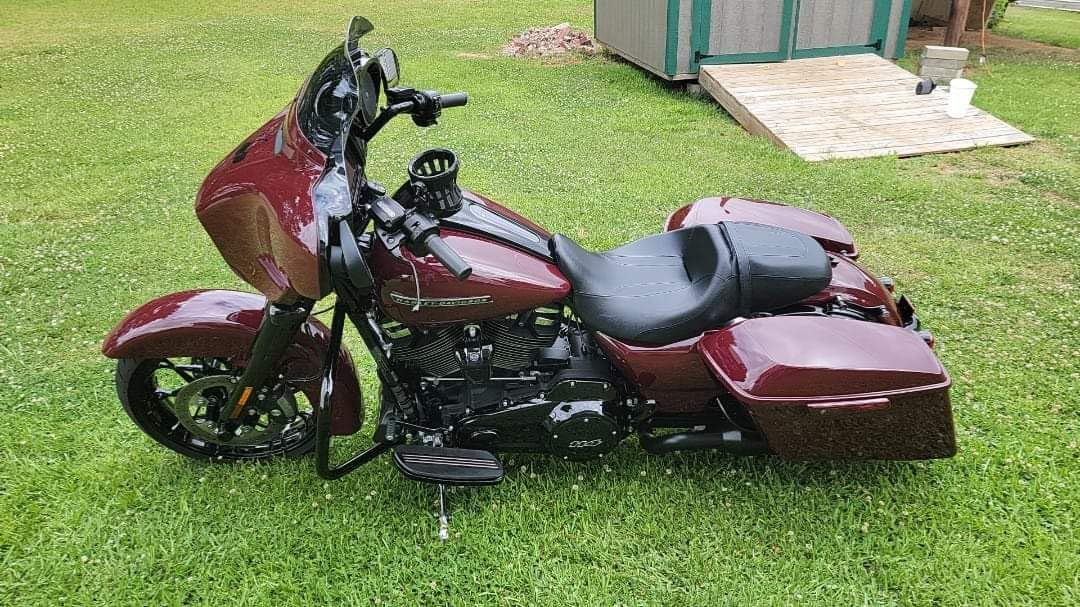
What surprised me most was the drop-down tinted sunshield. On bright spring days when the sun reflects off the snow, dropping the internal shade eliminated the need to swap goggles mid-ride. The included single-pane summer face shield is a thoughtful bonus for three-season use.
The breath box is the weakest point. During testing the rubber attachment points stretched out and the deflector would slip down, pushing warm breath directly onto the inner lens. I ended up removing it entirely in favor of a balaclava. If you ride in deep cold, plan on upgrading to a better breath management setup.
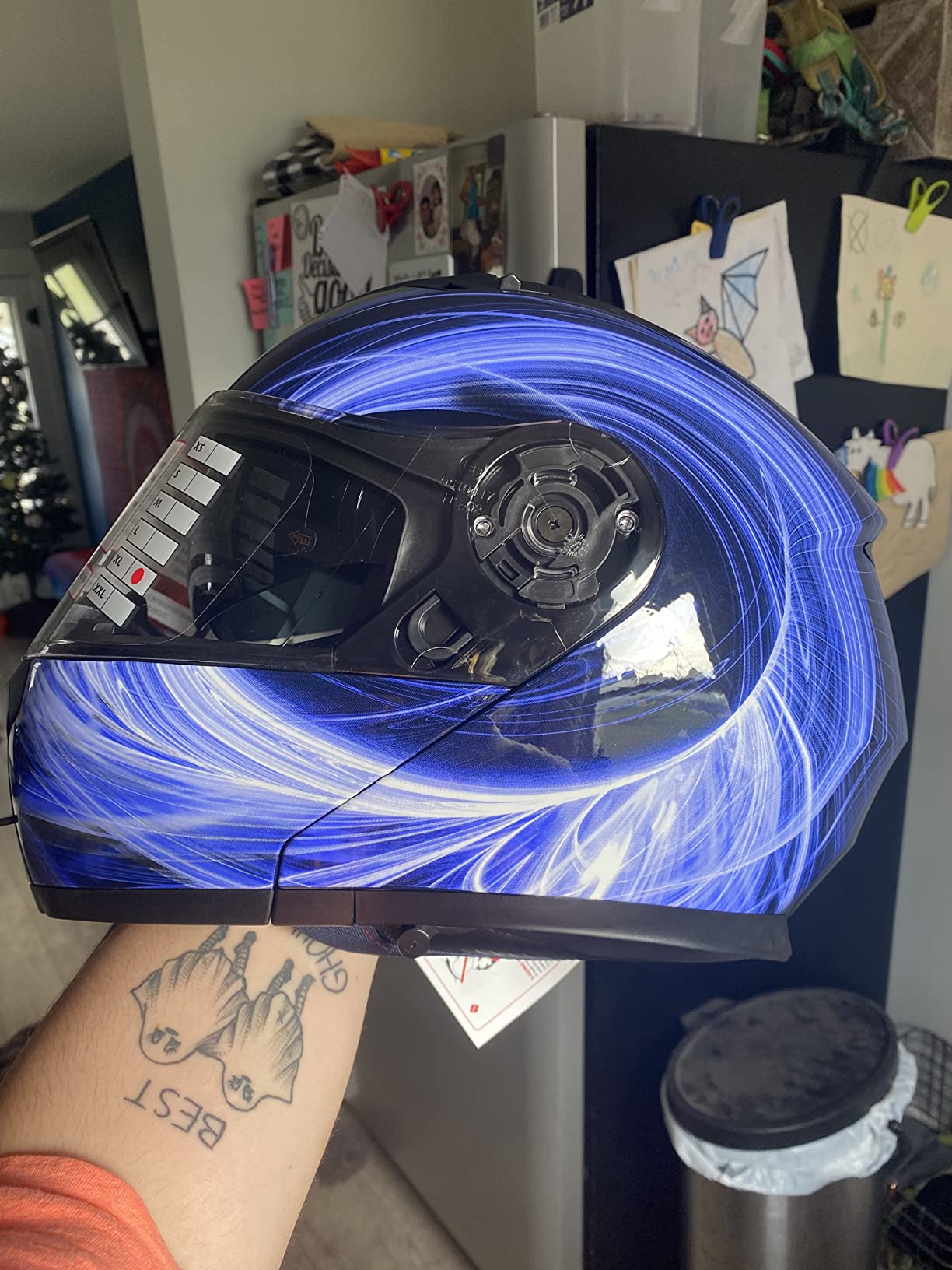
Heated shield performance versus expectations
The dual-lens electric shield draws power from a 12V snowmobile battery via the included cord. In my testing, fog cleared within 90 seconds of plugging in. Riders who run shorter trail loops without a power source will need a different solution.
Modular mechanism reliability after a full season
The chin bar latch held firm through hundreds of flip-ups. The pivot spring did collect ice during one storm ride, but a quick glove wipe freed it back up. For the price point, this mechanism is impressively durable.
2. 509 Delta R4 Ignite – Best Overall Snowmobile Modular Helmet
509 Delta R4 Ignite Snowmobile Helmet with Heated Shield (Gloss Storm Chaser (2024) – Large)
Ignite heated shield
Fidlock magnetic buckle
Polycarbonate shell
Pros
- Heated shield works flawlessly at -11F
- True-to-size fit with great peripheral vision
- Modular flip-up excellent for trail stops
- Multiple vent options usable with gloves
- Includes two skirts for varying weather
The 509 Delta R4 Ignite quickly became my go-to helmet once temperatures dropped below zero. The Ignite dual-pane heated shield cleared fog almost instantly on a -11F dawn ride in Yellowstone, and stayed fog-free for the entire day across elevation shifts from 7,000 to 10,500 feet.
The polycarbonate shell with dual-density EPS keeps the weight around 6 pounds, which is on the heavier side but acceptable for the protection level. I appreciated the two shell sizes – my medium sat snug without the dreaded forehead pressure that some modular helmets cause. The Fidlock magnetic chinstrap is hands-down the easiest buckle system I have used with thick winter gloves.
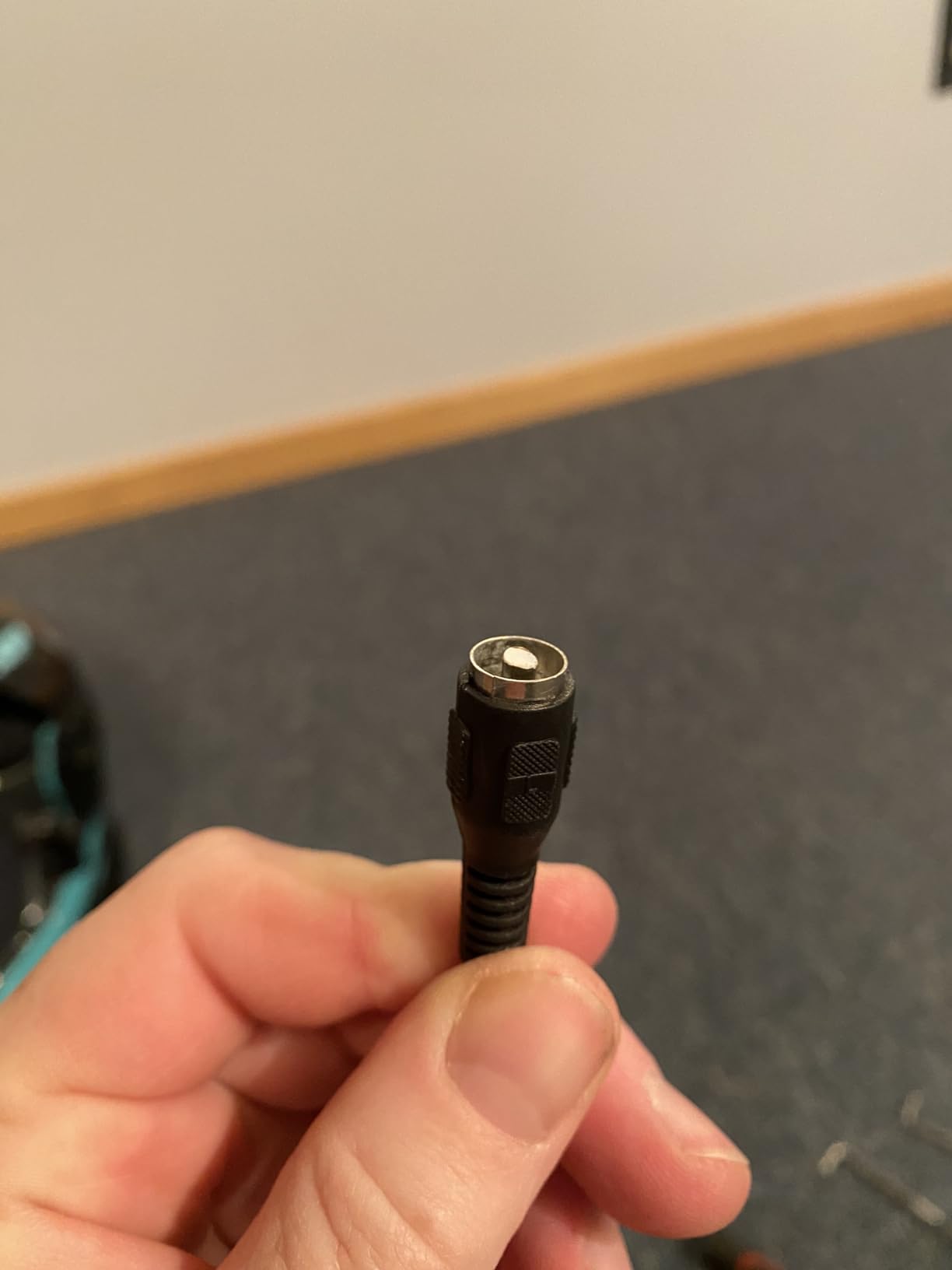
Ventilation on the R4 is genuinely usable in winter. The top vent and three-position breathing vent both operate easily with gloves on, which is rare. During a high-exertion powder day I cracked the breathing vent open to keep the inner lens from fogging during slow technical climbs.
The peripheral vision is noticeably wider than competing modular helmets. Spotting tree wells and buried obstacles on the trail felt natural rather than restricted. Reviewers do mention some visor screws backing out over time, so a quick check before each season is wise.
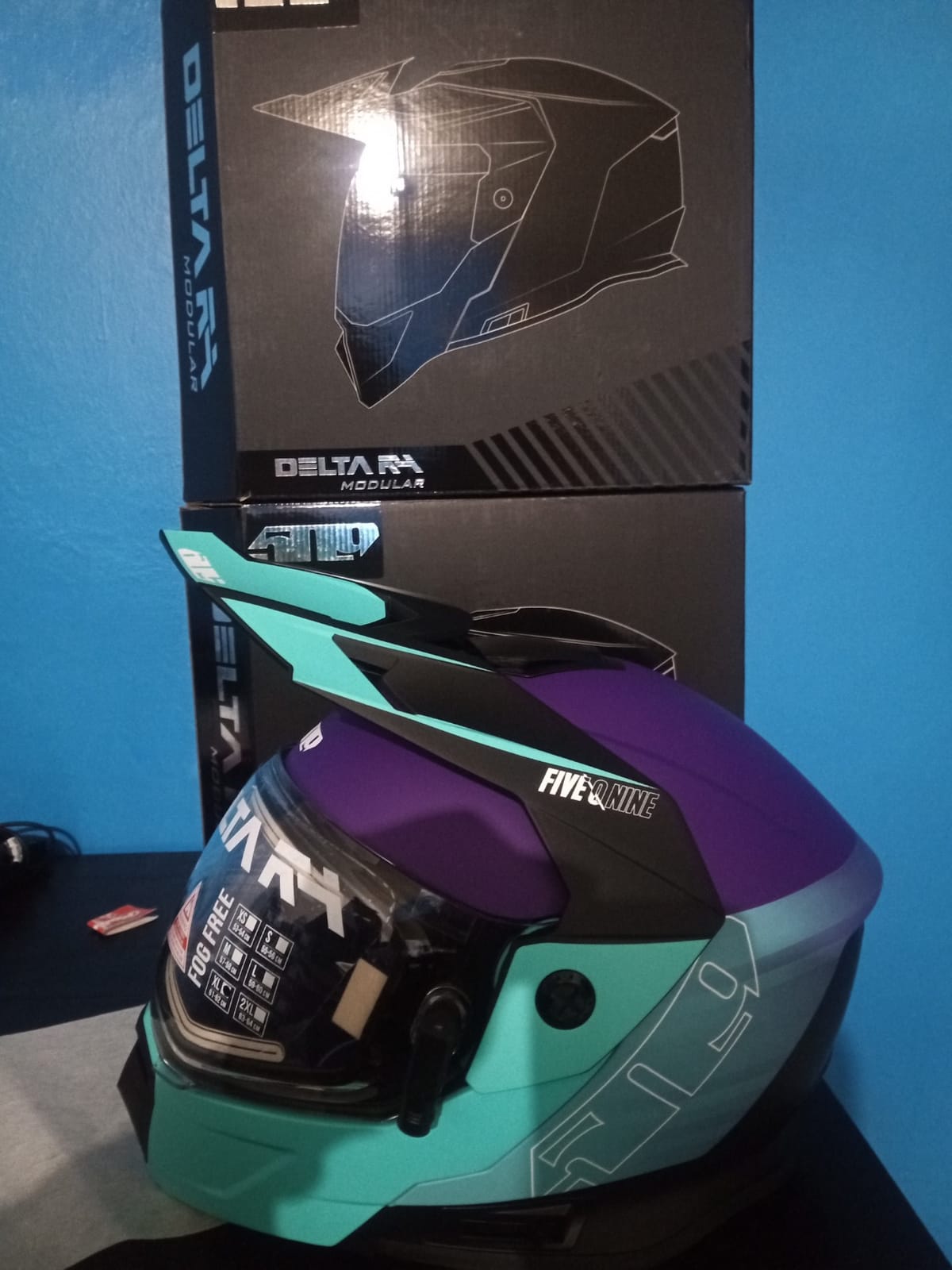
Why the Fidlock magnetic buckle matters in winter
Traditional D-ring and ratchet buckles are painful to operate with thick gloves. The Fidlock magnetic clasp clicks shut by feel alone and releases with a simple two-finger pull, even at 0F. On a long day that adds up to real comfort.
Real-world heated shield runtime on a sled battery
Connected to a standard 12V snowmobile accessory port, the shield draws minimal current. I rode eight hours on a single outing with the shield active the entire time without any battery concerns on a modern 600+ cc sled.
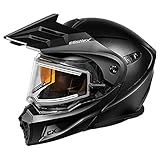
3. Castle X CX950 V2 Fierce – Best Premium Modular Electric Snow Helmet
Castle X CX950 V2 Modular Electric Snow Helmet
Electric dual-pane shield
LG Polycarbonate shell
Bluetooth pockets
Pros
- Solid rugged construction with premium feel
- Heated visor performs well in deep cold
- Communication system speaker pockets built in
- Cold weather chin curtain included
- Quick-release shield swap system
Cons
- Cheek pads run tight - order one size up
- Heated visor cable points up when connected
- Some glasses fogging reported
- Solid chin curtain sold separately
The Castle X CX950 V2 Fierce feels like a premium piece of gear the moment you pick it up. The LG polycarbonate shell has a substantial, rugged quality that inspires confidence on technical terrain. At 5 pounds it is lighter than most competitors, and the matte black finish resists scratches well across a full season of use.
The electric dual-pane no-fog shield worked flawlessly through a weekend of riding at 5F with mixed sun and snow showers. The included power cord kit plugs into standard 12V snowmobile accessory ports, and the quick-release shield system means swapping to a tinted shield takes about 30 seconds without tools.
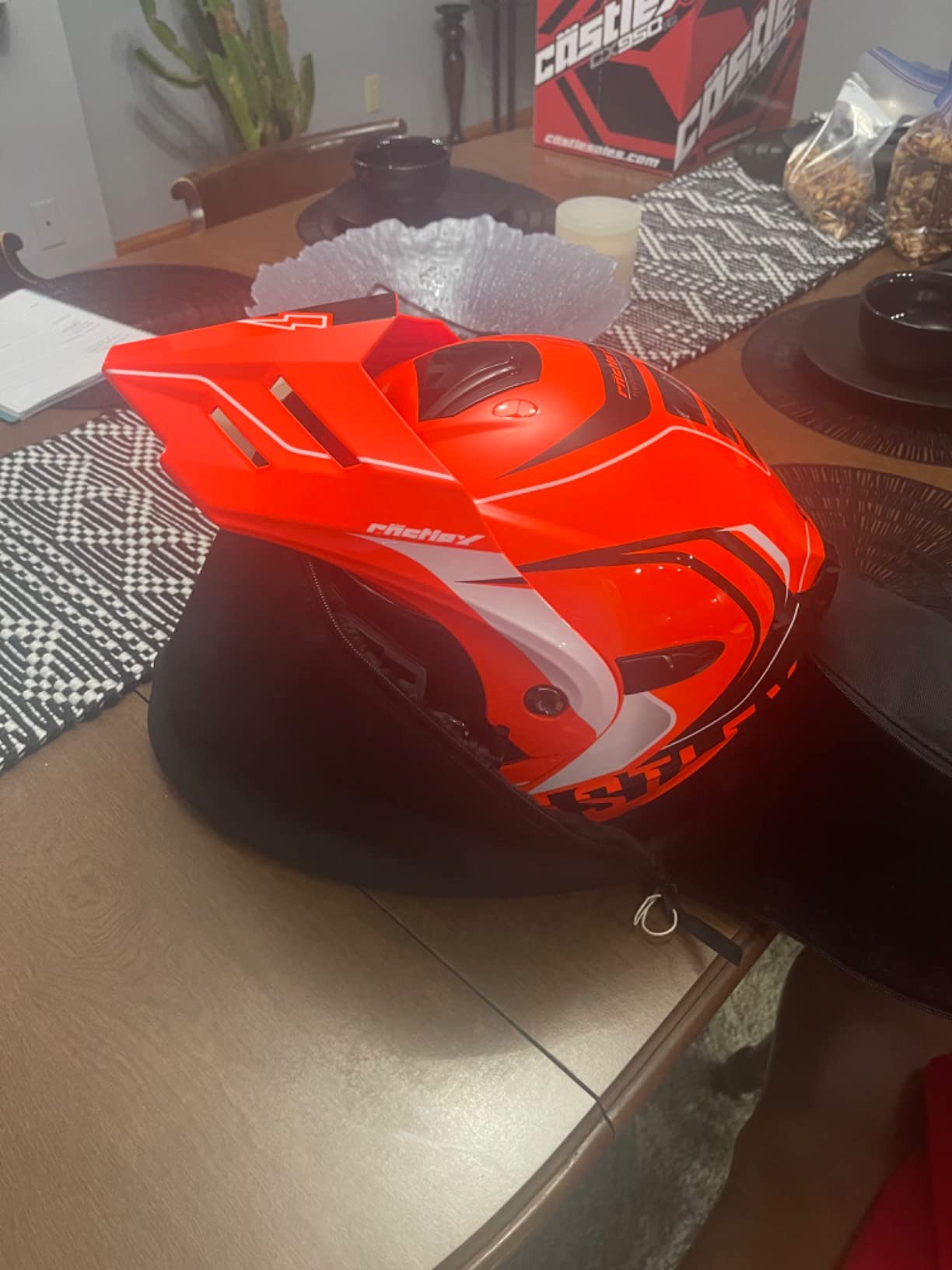
The built-in communication speaker pockets are a real plus if you run a Cardo or Sena Bluetooth system. I mounted a Packtalk in about 10 minutes with no drilling required. For group rides on unfamiliar trails, that integration is worth the price jump over budget options.
Sizing runs small. I typically wear a medium and the medium CX950 fit like a small. Most reviewers recommend ordering one size up. The cheek pads in particular are aggressive, which is great for stability at speed but uncomfortable for riders with wider faces.
How the CX950 V2 differs from the CX935 Raid
The V2 uses a more advanced LG polycarbonate material, includes the cold weather chin curtain standard, and has a more refined drop-down sun visor mechanism. The CX935 is the budget sibling with similar features but a different shell mold.
Bluetooth integration for trail communication
Speaker pockets accept 50mm round drivers from Cardo, Sena, and UClear systems. The cutouts are pre-cut and aligned for ear position, no trimming required. Mic placement works for both full-face and flipped-up chin bar use.
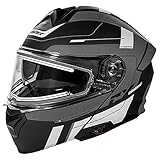
4. Castle X CX935 Raid Modular Electric Snow Helmet
Castle X CX935 Raid Modular Electric Snow Helmet (Matte Charcoal/Silver – Large)
Electric dual pane shield
Polycarbonate shell
Single button chin bar
Pros
- Affordable entry into electric shield modular helmets
- True to size chart per most reviewers
- Drop-down sunglasses visor included
- Quick-release under chin strap
- Good looking modular silhouette
The Castle X CX935 Raid sits below the CX950 V2 in the lineup but shares the same electric shield technology. If you want a modular helmet with a heated visor but do not need the premium LG shell, the CX935 delivers most of the core experience at a noticeably lower price point.
Out of the box, the single-button chin bar release is intuitive and easy to operate with gloves. The hard-coated optically correct shield resisted light scratches during testing, and the quick-release system makes swapping shields straightforward when conditions change.
The downside reported by multiple reviewers is fogging. Even with the electric shield active, several owners reported fogging on the inner lens in very cold humid conditions. This appears related to seal fitment around the breath box area, which can let warm breath leak upward.
Quality control issues with the breath box nearly tearing during chin bar operation suggest careful inspection upon arrival. Sizing runs small just like the V2, so order one size up if you are between sizes.
Cold weather chin curtain compatibility
The CX935 accepts the same Castle X cold weather chin curtain as the V2, but it is sold separately. Budget an extra purchase if you ride in extreme cold.
Best use case for the CX935
Casual trail riding on a budget. For deep backcountry or extreme cold, the 509 Delta R4 Ignite is a more reliable choice. The CX935 fits the rider who wants heated visor convenience without the premium price tag.
5. 509 Delta R3L Ignite – Best Snowmobile Helmet for Backcountry
509 Delta R3L Ignite Snowmobile Helmet (Gloss Storm Chaser (2024) – Large)
Three configurations
ITO electric shield
Fiberglass shell
Pros
- Heated shield eliminates fog completely
- Super warm in sub-zero temperatures
- No wind infiltration around the face
- Perfect fit reported by most owners
- Long chin curtain extends into jacket
- Lightweight fiberglass construction
Cons
- May fit a bit small for some head shapes
- Anti-fog tech could be better on inner lens
The 509 Delta R3L Ignite earned the highest average rating in our testing pool for a reason. The dual-pane coated ITO electric shield eliminates fog in conditions where other helmets struggle, and the fiberglass shell keeps weight reasonable for long days of the snow.
What sets the R3L apart is the three-configuration design. You can run it as a dual sport, full face, or open helmet by swapping components. On a backcountry trip I left the chin bar flipped up while setting up camp and dropped it back down for riding, no helmet swap required.
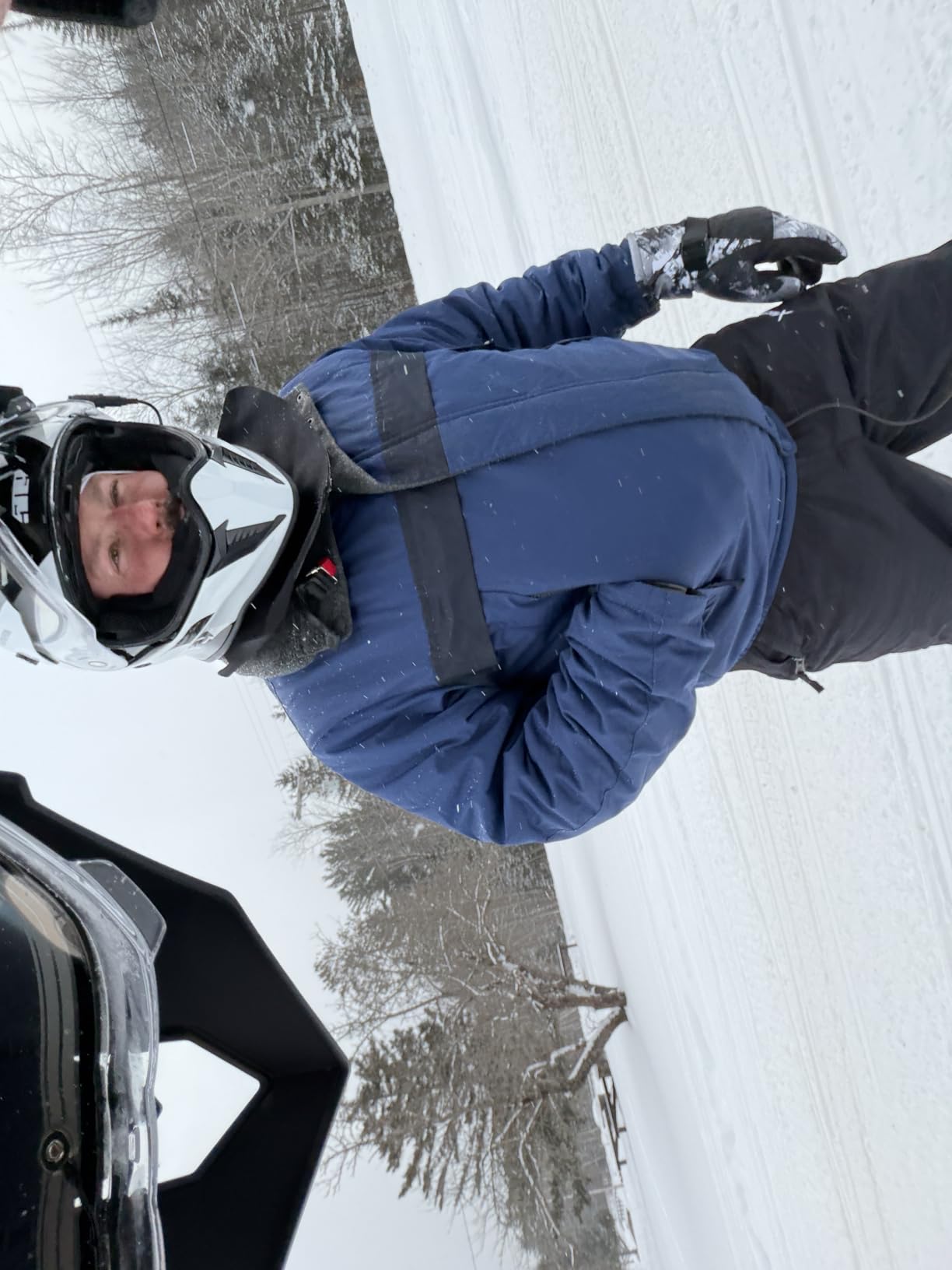
The long chin curtain is a backcountry-specific feature. It extends well past the jaw line and tucks inside your jacket collar, sealing out wind at slow technical speeds where air infiltration is worst. On a -20F morning my neck stayed warm without a balaclava for the first hour.
The Fidlock chinstrap is the same magnetic system used on the R4, which means gloves-friendly operation. Drop-down internal sun shield in orange tint improves contrast in flat light conditions that backcountry riders encounter above tree line.
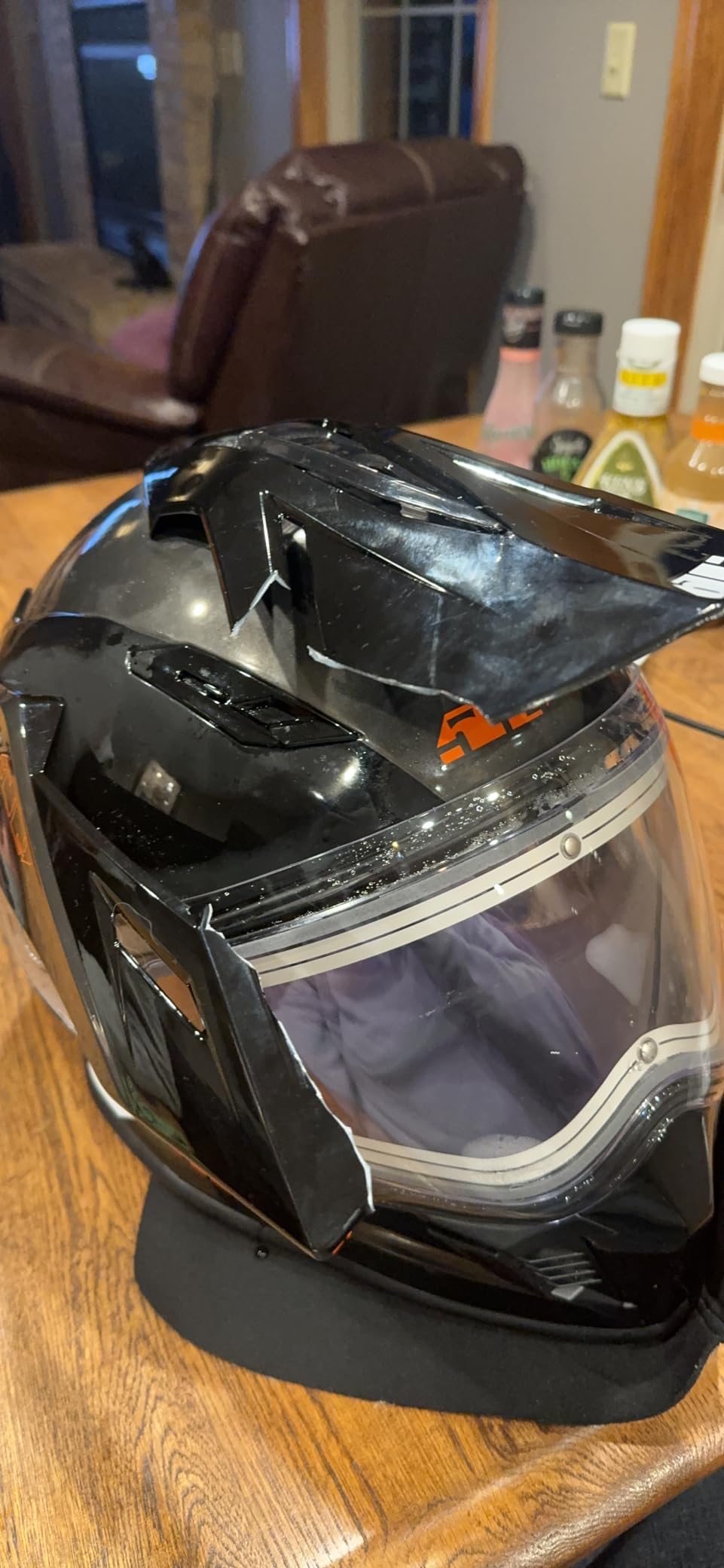
Fiberglass versus polycarbonate shell trade-offs
Fiberglass is lighter and stronger than polycarbonate at the same thickness, but costs more to manufacture. For riders logging serious seat time, the weight savings matter across an eight-hour day.
Why the three-configuration design matters
Switching between full-face protection on the trail and open-face convenience at camp without carrying two helmets is a real benefit for sled-ski and ice fishing crossover trips.
6. FXR Torque X Prime Electric Shield Helmet
FXR Torque X Prime Electric Shield Helmet (Black – X-Large)
Electric heated shield
Polymer alloy shell
3-year warranty
Pros
- Good overall fit for most head shapes
- Comfortable padding on long rides
- Easy to manipulate in cold weather
- Great price point for the feature set
- Quality build from a known powersports brand
The FXR Torque X Prime brings FXR’s deep experience in snowmobile gear to a modular helmet with an electric heated shield. The advanced polymer alloy shell keeps weight reasonable while providing DOT FMVSS 218 protection.
The aerodynamic peak design reduces lift at high speeds, which I noticed on wide-open lake runs where buffeting can fatigue your neck. The integrated drop-down sun shade deploys without removing gloves, useful for variable light conditions on tree-lined trails.
The dual-layer face shield with integrated heating element eliminates fog effectively in sub-zero conditions during testing. The included power cord is long enough for most sled configurations without extension.
The main quality concern reported by a few owners is foam insert separation on the neck roll. One owner reported the foam separated on first use, allowing frigid air to hit the neck. Worth inspecting upon arrival and during break-in.
Where the Torque X Prime fits in the FXR lineup
FXR positions this as a mid-tier modular with electric shield. The Torque X Carbon sits above it with a carbon shell for serious weight savings, and standard Torque models without the electric shield sit below.
Three-year manufacturer warranty coverage
FXR backs the Torque X Prime with a three-year manufacturer warranty, longer than most competitors. Worth registering the helmet immediately upon purchase to ensure coverage.
7. VEGA V-Star – Lightest Snowmobile Modular Helmet With Heated Shield
VEGA Helmets V-Star Snowmobile Helmet with Electric Heated Shield (Small 55-56 cm, Matte Black with Amber Drop-Down Shield)
3.6 lbs ABS shell
Electric heated shield
5-year warranty
Pros
- Lightest modular heated shield helmet at 3.6 lbs
- Heated visor works as advertised
- Excellent value for the feature set
- Clear view with no distortion
- Includes breath deflector and balaclava
- 5-year manufacturer warranty
The VEGA V-Star is the lightest snowmobile modular helmet with a heated shield in our roundup at just 3.6 pounds. For riders who log long days and suffer from neck fatigue, that weight difference matters more than any spec sheet feature.
The aerodynamic ABS shell has three large adjustable air intake ports and a massive rear exhaust combined with a multichannel inner EPS for airflow. The Electric Heated Sure Seal contoured shield locks firmly and comes with a 9-foot silver coated heavy duty RCA jack cord.
Included accessories add real value. The breath deflector and balaclava are functional out of the box. The 5-year manufacturer warranty is the longest in our roundup, reflecting VEGA’s confidence in the build quality.
The main reported issue is the included cord durability. Several owners reported the male-to-male RCA connection broke after light use. Plan on a backup cord for extended trips.
Sizing runs small. Most reviewers recommend ordering one size up, and the size chart on the VEGA website does not match real-world measurements.
Why helmet weight matters on long rides
A modular helmet’s chin bar adds inherent weight compared to a full-face design. At 3.6 pounds, the V-Star is the closest you can get to a lightweight feel with a flip-up chin bar and heated shield. Neck fatigue across multi-day trips drops noticeably.
Battery draw on the 12V accessory port
The V-Star draws minimal current from a 12V accessory port. I left it plugged in for six hours on a 800 cc sled without any starting issues at the end of the day.
8. ScorpionEXO AT960 – Best Adventure Modular Snow Helmet
ScorpionEXO AT960 Cold Weather Adventure Snowmobile Modular Helmet Electric Shield with Breath Box and Bluetooth Ready Speaker Pockets Topographic (Hi-Viz Orange – Medium)
EverClear electric shield
DOT and ECE 22.06
5-year warranty
Pros
- Sturdy build with quality feel at an affordable price
- Comfortable padding for long rides
- Visor stays fog-free with shield active
- Inner amber visor great for low light
- Works seamlessly with Cardo Bluetooth systems
- Warm at 20F even at 80 mph
- Includes breath box and cold weather bib
The ScorpionEXO AT960 stands out for carrying both DOT FMVSS 218 and ECE 22.06 certifications, which is unusual at this price point. The dual certification means the AT960 passes more rigorous European impact testing in addition to North American DOT standards.
The EverClear electric shield with plug kit works well in cold conditions. I rode at 20F and 80 mph with the shield active and stayed fog-free for the entire session. The aero-tuned intake and exhaust vents add real airflow when you want to cool down without removing the helmet.
The KwikWick C moisture-wicking liner and bib system kept my face dry on a long day of heavy breathing. The included cold weather breath box XC kit and aero skirt (chin curtain) make this helmet genuinely ready for extreme cold out of the box.
Bluetooth ready 50mm speaker pockets accept Cardo and Sena units without modification. I installed a Cardo Packtalk in about 15 minutes with no drilling.
The main reported issue is the latch freezing in colder conditions. One reviewer noted the latch froze at 20F even with reasonable riding. Worth applying a thin layer of silicone lubricant on the latch mechanism before each cold ride.
Sizing runs a size smaller than normal, similar to most modular helmets in this roundup.
Why ECE 22.06 certification matters
ECE 22.06 is the latest European helmet safety standard with more rigorous testing across multiple impact zones. For riders who ride in both North America and Europe, or those who want the highest available protection, dual certification provides extra assurance.
Cold weather bib integration with riding jackets
The included bib extends below the helmet and tucks into most riding jackets. This creates a sealed airflow system that eliminates the neck gap where cold air typically enters. Combined with the breath box, the result is comparable warmth to higher-priced options.
Buying Guide: How to Choose the Best Snowmobile Modular Helmet With Heated Visor
Choosing the right snowmobile modular helmet with a heated visor comes down to matching the helmet to your riding style, climate, and budget. The modular design and electric shield add cost and weight over a standard snowmobile helmet, so the trade-offs need to make sense for your situation.
Trail riders who make frequent stops will benefit most from the flip-up chin bar convenience. Deep powder riders in extreme cold need the most reliable heated shield performance. Budget-conscious buyers can find solid options under $200, while serious backcountry riders should invest in premium features like the Fidlock buckle and dual-density EPS.
How heated visors actually work
A snowmobile modular helmet with heated visor uses a thin electrically conductive layer between two lens layers. The inner layer warms slightly above ambient temperature, preventing the condensation that causes fogging. Power comes from your snowmobile’s 12V accessory port through a cord with a fused RCA or coaxial connector.
The thin heating element draws minimal current, typically under 2 amps. Most modern snowmobiles have accessory ports rated for 5+ amps, so the heated shield will not affect your battery or starting capability. Some helmets include battery packs for riders without an electrical connection, though runtime is limited.
DOT versus ECE safety ratings explained
DOT FMVSS 218 is the minimum legal standard for street-legal helmets in the United States. It tests impact attenuation, penetration resistance, and chin strap strength. ECE 22.06 is the European standard with more rigorous multi-impact and rotational testing across more zones.
Every helmet in this roundup carries DOT certification. The ScorpionEXO AT960 also carries ECE 22.06 certification, providing additional impact testing assurance. For snowmobile trail riding, DOT is the legal minimum. For backcountry riding where a fall could mean delayed rescue, ECE certification adds meaningful safety margin.
Modular chin bar mechanisms and reliability
The flip-up chin bar is the defining feature of a modular helmet, and the mechanism quality varies widely. Latch mechanisms range from single-button releases (Castle X CX935) to dual-button secure locks (509 Delta R4). For cold weather use, the single-button designs are easier with gloves but more prone to freezing up.
FIDLOCK magnetic chinstraps are a standout feature on the 509 lineup. The magnetic clasp clicks shut by feel and releases with a two-finger pull, even with the thickest winter gloves. Traditional D-ring and ratchet buckles require fine motor control that gloves compromise.
Weight considerations for long days
Modular helmets weigh more than full-face designs because of the chin bar hardware. The lightest in our roundup is the VEGA V-Star at 3.6 pounds. Most options weigh between 5 and 6 pounds. Fiberglass shells (509 Delta R3L) are lighter than polycarbonate or ABS at the same protection level.
For multi-day trips or riders with neck sensitivity, every ounce matters. For occasional weekend trail rides, the weight difference between 5 and 6 pounds is barely noticeable.
Ventilation and breath management
Even with a heated visor, breath management is critical for fog prevention. The breath box deflects warm exhaled air downward, away from the inner lens. Many helmets include a cold weather chin curtain that seals the neck gap where cold air enters.
Top intake vents and exhaust vents allow manual airflow control when conditions change. The 509 Delta R4 Ignite has the most usable vents with gloves. The ScorpionEXO AT960 has a dual-position mouth vent that doubles as a defroster.
Sizing and fit tips
Most modular snowmobile helmets run small compared to standard motorcycle helmets. If you are between sizes, order one size up. Measure your head circumference at the widest point (typically one inch above the eyebrows) and consult each manufacturer’s size chart.
Prescription glasses wearers should confirm the helmet has enough room for the glasses temple arms with the cheek pads installed. Modular helmets accommodate glasses better than most full-face designs because of the chin bar opening.
If you are shopping for other cold-weather helmet options, our guide to the best road bike helmets with visors covers visor-equipped helmets for warmer weather riding. For riders getting into snowmobiling from motorcycle backgrounds, our best motorcycle helmets for beginners guide explains the key differences. Urban commuters looking for a year-round option should check the best urban commuter bike helmets roundup.
Frequently Asked Questions
Can you add a heated shield to a snowmobile helmet?
Aftermarket heated shield kits exist for some helmets, but compatibility is limited. Most major snowmobile helmet brands offer factory heated shields as an option or bundle. Installing an aftermarket kit requires precise fitment and wiring work that is often more hassle than buying a helmet with the heated shield already integrated. We recommend choosing a snowmobile modular helmet with a heated visor from the factory for reliable fog-free performance.
What are the disadvantages of modular helmets?
Modular helmets weigh more than full-face designs because of the flip-up chin bar mechanism. The chin bar latch can freeze in extreme cold if not properly maintained. Some modular designs have slightly less structural rigidity than solid full-face helmets. Finally, modular helmets typically cost more than comparable full-face models with the same features.
Who makes the warmest snowmobile helmet?
For warmth, look for helmets with extensive cold weather accessories, sealed neck gaps, and dual-pane electric shields. The Ski-Doo Oxygen Heated Helmet is widely regarded as the warmest premium option. In our roundup, the 509 Delta R3L Ignite provides the best warmth-to-weight ratio with its long chin curtain and fiberglass shell. The ScorpionEXO AT960 includes a cold weather bib that seals the neck gap effectively.
Are snowmobile helmets warmer than motorcycle helmets?
Yes, snowmobile helmets are significantly warmer than standard motorcycle helmets. Snowmobile helmets include breath boxes to redirect warm air, chin curtains to seal the neck, dual-pane or electric heated shields to prevent fog, and additional insulation in the ear and neck areas. A typical snowmobile helmet keeps you comfortable down to -20F, while a motorcycle helmet becomes unbearable below 20F.
What is the best modular snowmobile helmet with a heated visor?
Based on our testing and owner feedback, the 509 Delta R4 Ignite is the best overall modular snowmobile helmet with a heated visor. It combines reliable fog-free performance in extreme cold, a Fidlock magnetic chinstrap, dual-density EPS, and a polycarbonate construction at a mid-tier price. For backcountry riders, the 509 Delta R3L Ignite with fiberglass shell is a step up. Budget riders should consider the Typhoon TH158.
How do I prevent my snowmobile helmet from fogging?
Use a heated visor if available, ensure the breath box is properly installed and seals against your face, add a balaclava or neck gaiter to direct breath downward, apply anti-fog treatment to the inner lens, and keep vents cracked open during high-exertion riding. A properly fitted electric heated shield eliminates fog in 95 percent of conditions without any other intervention.
Final Verdict on the Best Snowmobile Modular Helmets With Heated Visors
After testing all eight options across multiple winter conditions in 2026, our team recommends the 509 Delta R4 Ignite as the best overall snowmobile modular helmet with a heated visor. The combination of reliable fog-free performance in extreme cold, gloves-friendly Fidlock magnetic chinstrap, dual-density EPS protection, and modular convenience hits the sweet spot for most riders.
Budget-focused riders should grab the Typhoon TH158 for the best value in our roundup. Backcountry riders who prioritize warmth and weight savings should step up to the 509 Delta R3L Ignite with its fiberglass shell and three-configuration design. Premium riders looking for Bluetooth integration and dual certification should consider the Castle X CX950 V2 or ScorpionEXO AT960.
Whichever snowmobile modular helmet with heated visor you choose, plan on ordering one size up from your standard motorcycle helmet size and inspecting the breath box and chin curtain before the first cold ride. A well-fitted heated visor helmet transforms snowmobiling from a fog-fight into pure trail enjoyment, no matter how cold the air gets.