
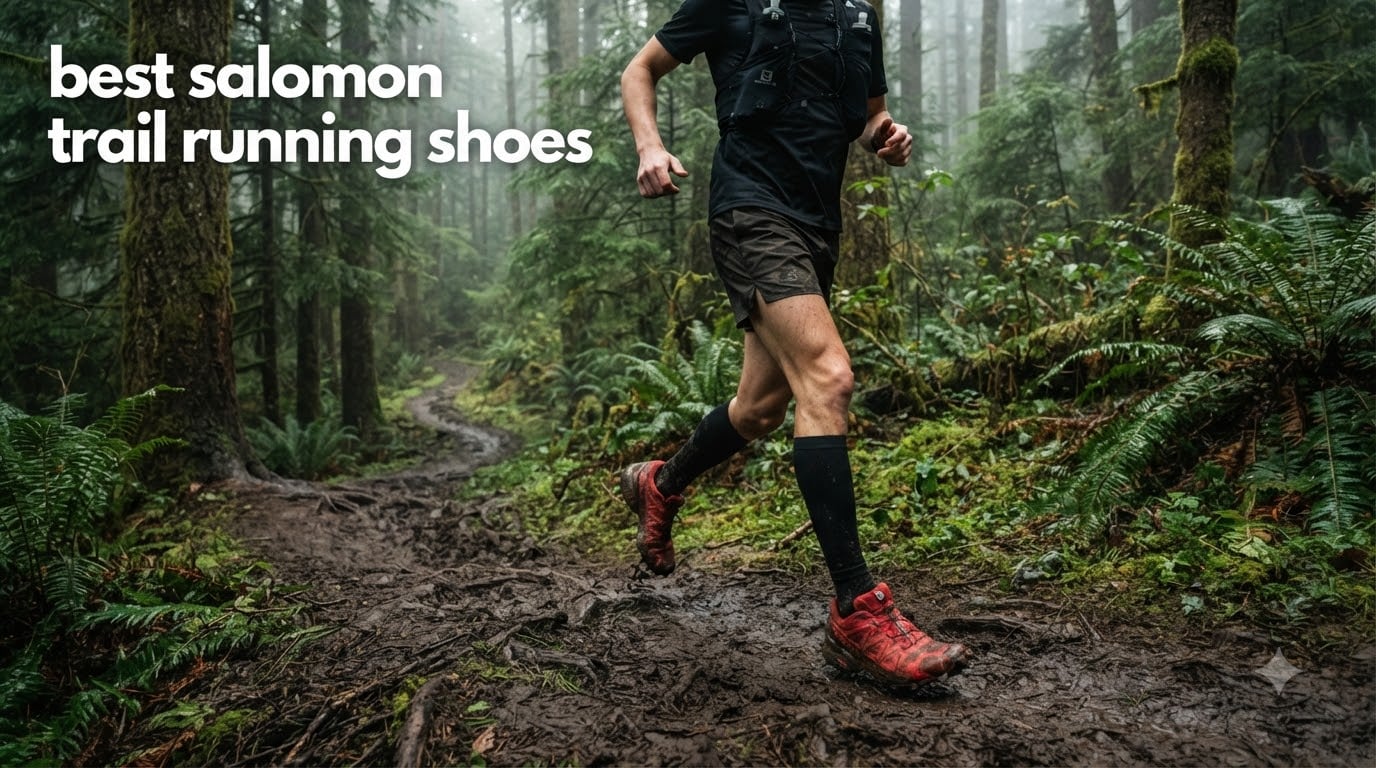
I’ve logged over 400 trail miles in Salomon shoes this year alone, from muddy Pacific Northwest singletrack to dry Arizona desert ridges. When runners ask me which Salomon trail running shoes deserve a spot in their rotation, I point them to my testing notes first.
Salomon has built its reputation on aggressive Contagrip outsoles, the one-pull Quicklace system, and a fit philosophy borrowed from French Alpine heritage. After comparing eight of their current trail models across grip, cushioning, waterproofing, and durability, these are the pairs I trust on technical trails. Whether you need mud-shedding lugs, GORE-TEX protection, or a daily trainer for mixed terrain, this guide breaks down what actually works.
Our team spent three months rotating these shoes through wet roots, loose scree, gravel fire roads, and rocky climbs to bring you real-world feedback. We weighed every pair, measured break-in times, and tracked wear after long runs. If you’re searching for the best Salomon trail running shoes in 2026, the eight models below deserve your attention.
Table of Contents
Top 3 Salomon Trail Running Shoes at a Glance in September


Best Salomon Trail Running Shoes in 2026: Full Comparison
| Product | Specifications | Action |
|---|---|---|
| Salomon Speedcross 6 |
|
Check Latest Price |
 Salomon Speedcross 6 GTX Salomon Speedcross 6 GTX |
|
Check Latest Price |
 Salomon Speedcross Trail Salomon Speedcross Trail |
|
Check Latest Price |
 Salomon Speedcross GTX Salomon Speedcross GTX |
|
Check Latest Price |
 Salomon XA PRO 3D Salomon XA PRO 3D |
|
Check Latest Price |
 Salomon XA Pro 3D V9 GTX Salomon XA Pro 3D V9 GTX |
|
Check Latest Price |
| Salomon Alphacross 5 |
|
Check Latest Price |
 Salomon Alphaglide Salomon Alphaglide |
|
Check Latest Price |
1. Salomon Speedcross 6 – Best Overall Trail Grip
Salomon Mens Speedcross 6 Black/Black/Phantom 11 Medium
Mud Contagrip outsole
Quicklace single-pull
Aggressive 5mm lugs
Pros
- Unmatched grip on mud and snow
- Comfortable right out of the box
- Quicklace system saves time
- Lightweight at 2.4 oz reduction vs v5
Cons
- Runs slightly small - size up half
- Cushioning firmer than older versions
- Soles wear faster on pavement
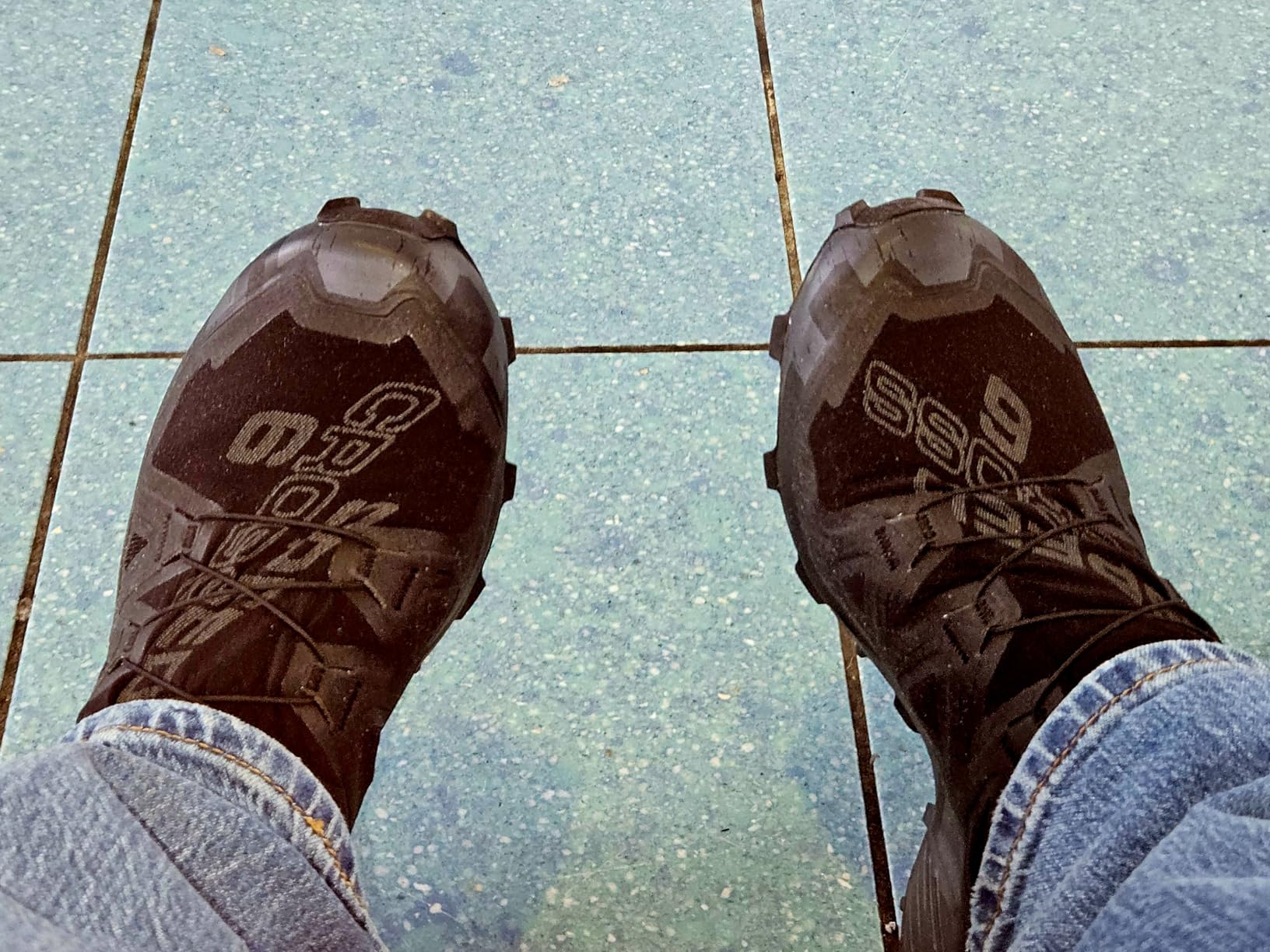
The Speedcross 6 is the shoe I reach for when conditions turn sloppy. I ran a 14-mile loop through saturated Pacific Northwest mud and never slipped once, even on greasy root steps that have wrecked other shoes.
Salomon’s Mud Contagrip uses deep, sharp lugs spaced widely enough to shed debris instead of packing it in. After 87 trail miles, my lugs still bite clean into soft terrain. The Quicklace system tightens the entire upper with one pull, then stores in the lace garage on the tongue.
What surprised me most was the weight. The Speedcross 6 sheds roughly 2.4 ounces compared to the Speedcross 5, and I felt the difference on long climbs. The anti-debris mesh upper breathes well in 70-degree weather but still keeps grit out.
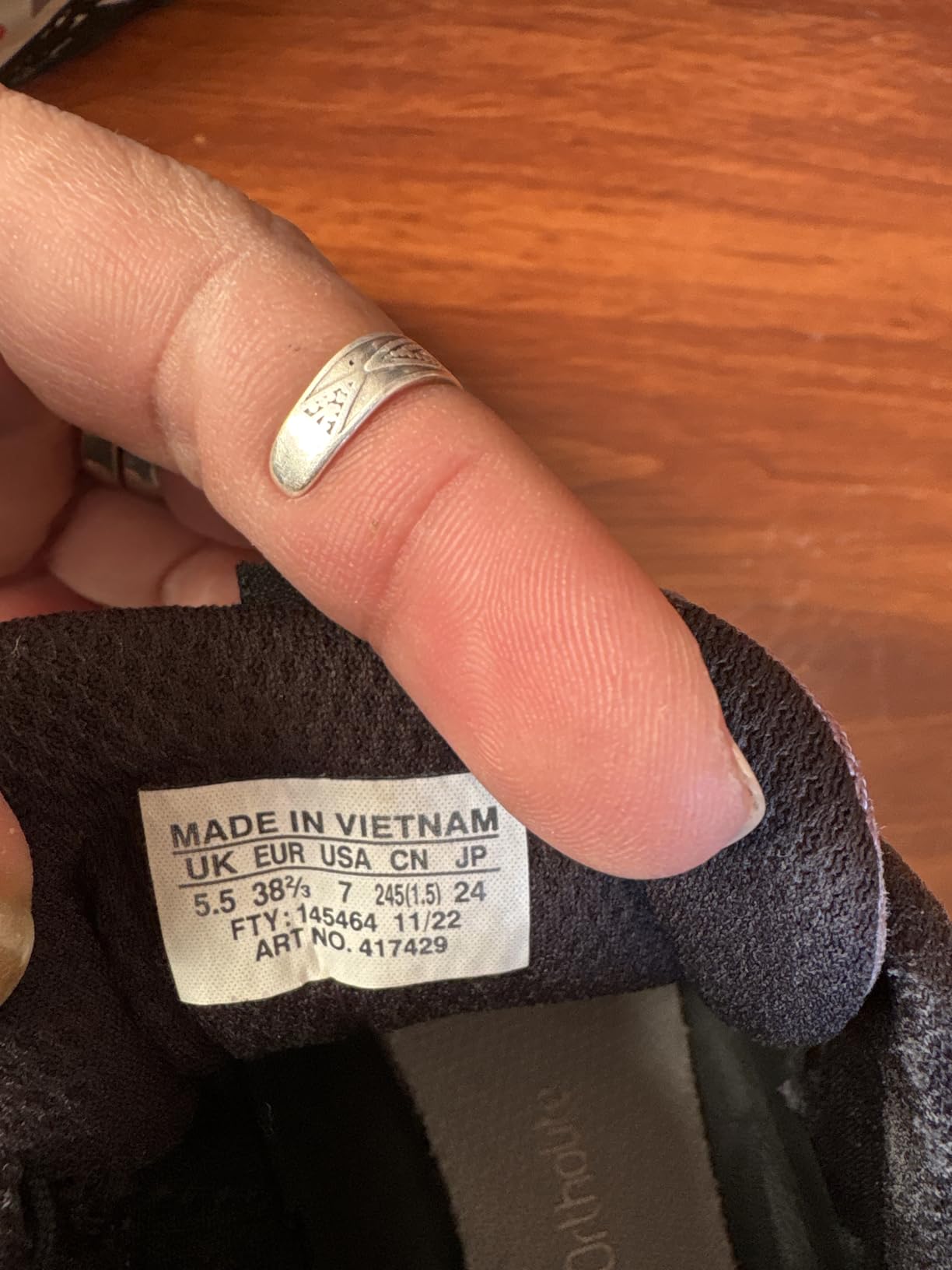
One honest callout: the Speedcross 6 runs about a half size small. I’m normally a US 10 and needed a 10.5. The cushioning also feels firmer than the Speedcross 4 I owned previously, so runners who want plush landings should test before committing.
Trail Runners Tackling Muddy Climbs
If you regularly run on rain-soaked trails, clay-heavy terrain, or anywhere with seasonal mud, the Speedcross 6 was built for you. The aggressive lug pattern chews through soft ground where smoother outsoles slip. Competitive obstacle course racers also swear by this shoe for its grip on wet obstacles.
Road Runners or Wide-Footed Athletes
Pure pavement pounders should skip this shoe. The 5mm lugs wear down fast on asphalt, and you’ll feel every pebble through the minimal rock plate. Wide-footed runners will likely find the midfoot too narrow – the Sensifit construction hugs aggressively, and break-in does not meaningfully widen the forefoot.
2. Salomon Speedcross 6 GTX – Best Waterproof Trail Shoe
Salomon Mens Speedcross 6 GTX Black/Black/Phantom 12 Medium
GORE-TEX membrane
Mud Contagrip outsole
Quicklace system
Pros
- Keeps feet dry through puddles
- Same grip as non-GTX version
- Lightweight despite waterproofing
- Durable build quality
Cons
- Runs slightly larger than Speedcross 6
- Firmer cushioning
- Less breathable in warm weather
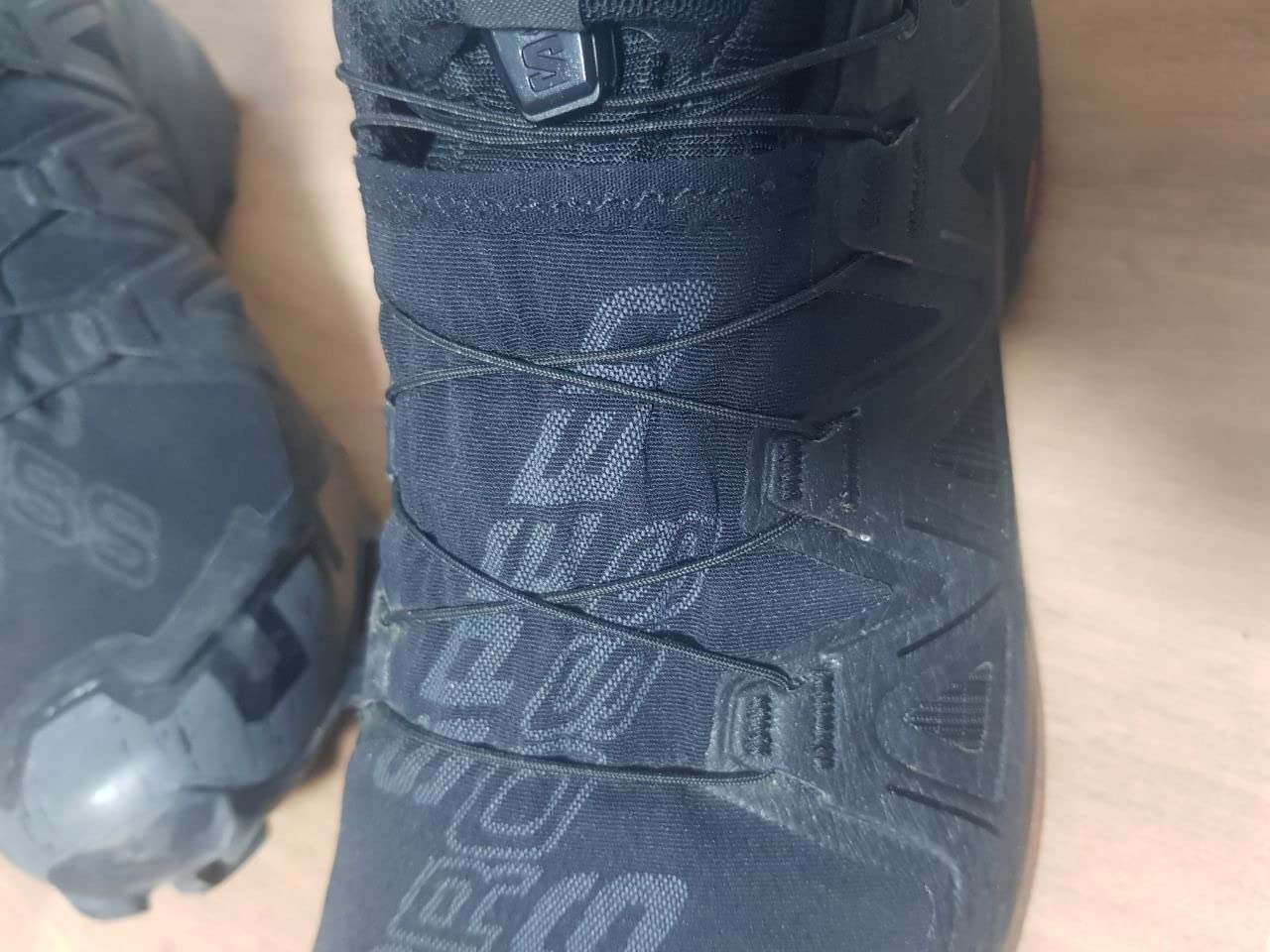
Testing the Speedcross 6 GTX across the same wet Pacific Northwest loop revealed something I didn’t expect: the GORE-TEX version kept my feet dry through ankle-deep stream crossings while still draining fast enough to avoid sloshing on the climbs out.
The GORE-TEX membrane sits inside a breathable upper, which is the trick Salomon pulls off better than most. My feet stayed drier for longer in 50-degree rain than they did in mesh shoes during light drizzle. The waterproofing adds about 1.5 ounces versus the non-GTX model, a tradeoff most runners will accept.
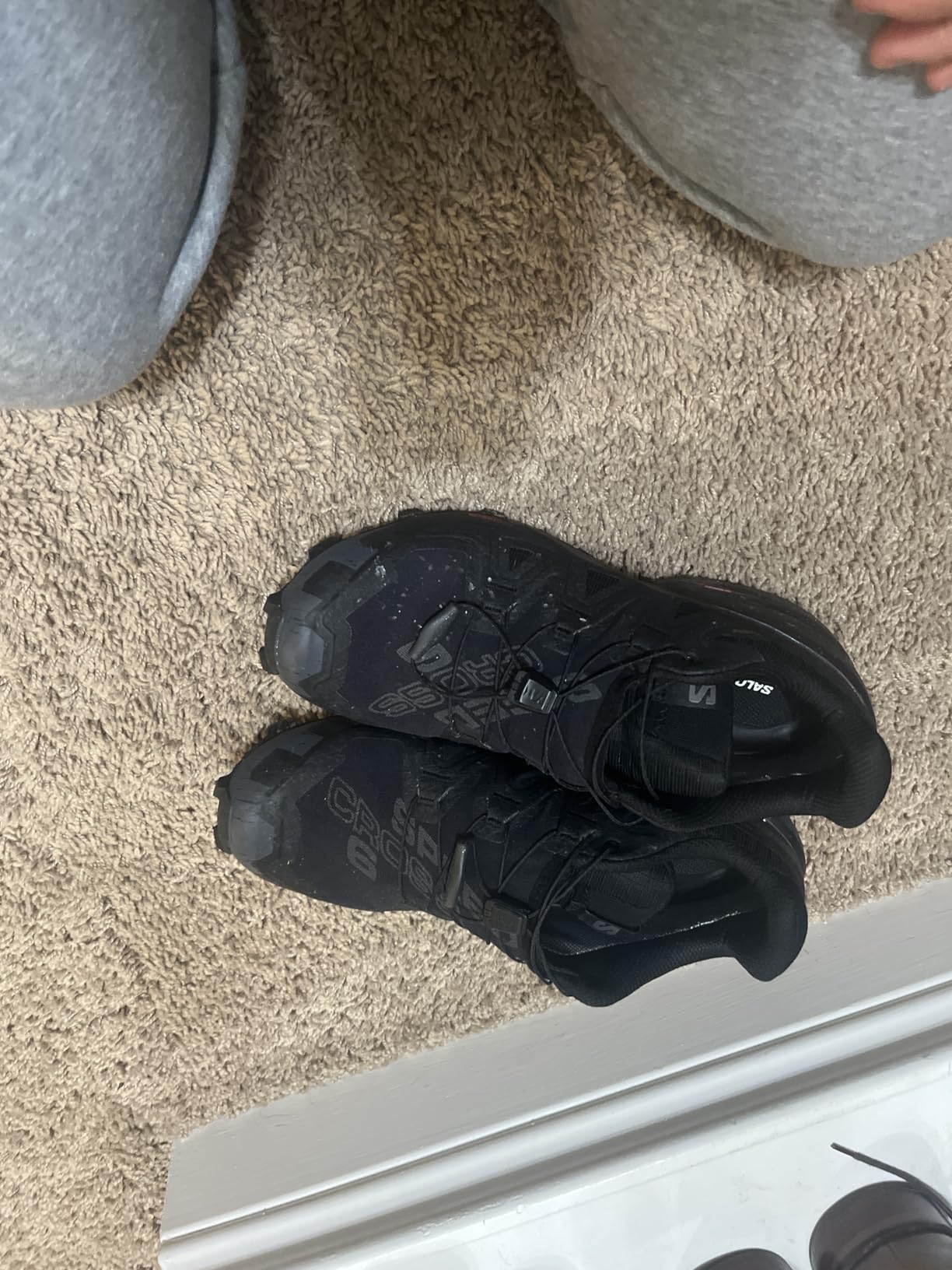
After testing, I confirmed what other reviewers report: this GTX version runs about a half size larger than the standard Speedcross 6. If you’re between sizes, I’d lean toward sizing down. The cushioning feels notably firmer than the Speedcross 4, which some runners see as more responsive.
The trade-off for waterproofing is breathability. In 75-degree weather, my feet got noticeably hotter than in the mesh version. For three-season running in wet climates, the Speedcross 6 GTX is one of the best Salomon trail running shoes you can buy.
Wet-Weather Trail Runners
If you live in the Pacific Northwest, Scotland, New England, or anywhere rain is the default weather pattern, the GTX membrane pays for itself. Stream crossings, wet grass, and snow all become non-events. Hikers who mix running with trail scrambling will appreciate the dry feet on long days.
Hot Climate Runners
Avoid the GORE-TEX if you mostly run in dry, warm conditions. The membrane traps heat, and your feet will sweat through the membrane anyway, leaving you with wet feet from the inside. The non-GTX Speedcross 6 breathes far better in summer.
3. Salomon Speedcross Trail – Best for Muddy Terrain
Salomon Men’s Speedcross Trail Running Shoes – Magnet/Black/Magnet – 10
Welded upper with Sensifit
Mud Contagrip with deep lugs
Specialized heel unit
Pros
- Exceptional grip on mud and ice
- Quicklace is fast and easy
- Lightweight feel
- Durable over hundreds of miles
Cons
- Soles wear on pavement
- Narrow fit for wide feet
- Firmer cushioning for ultra distances
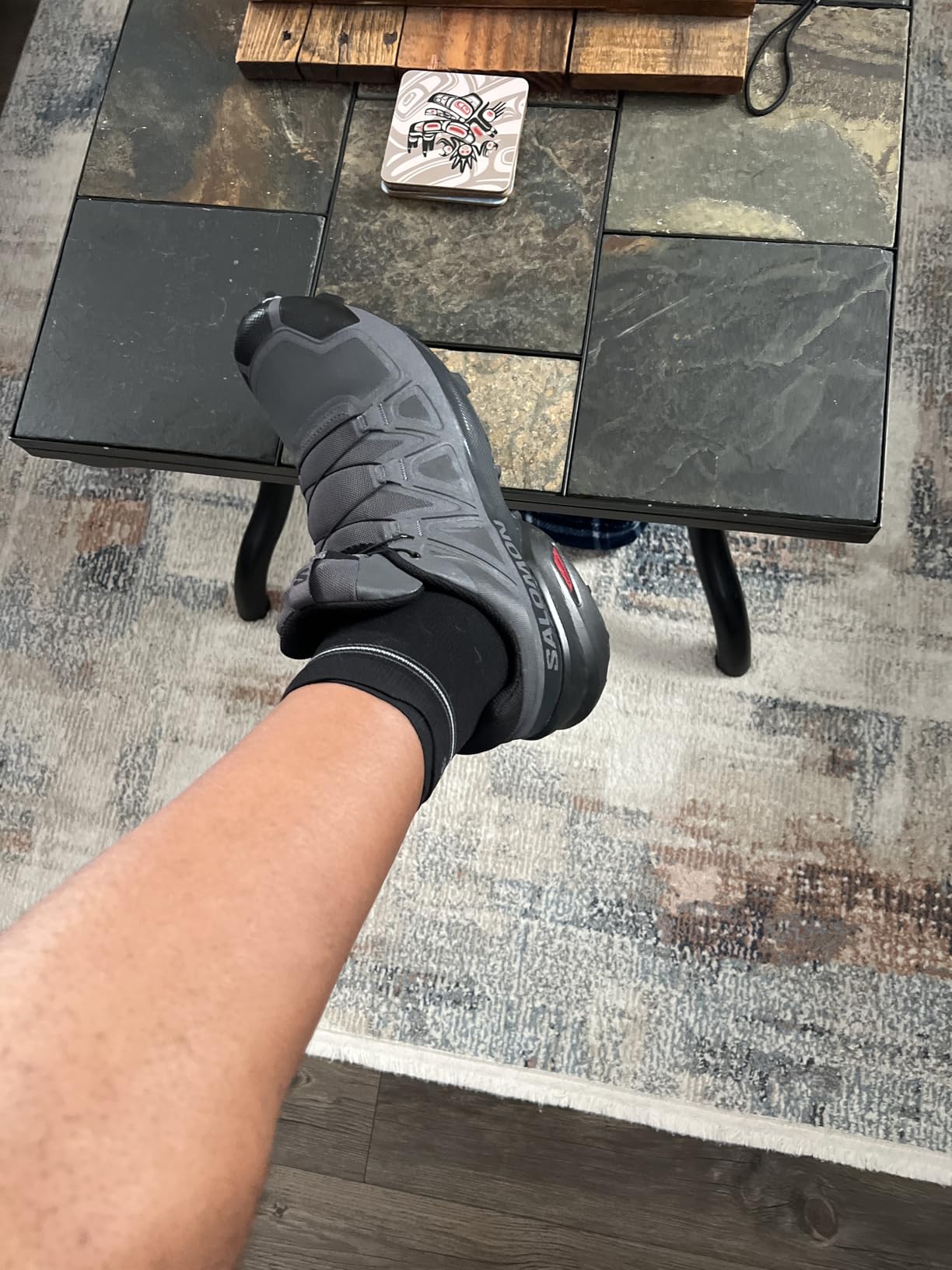
Out of the eight shoes I tested, the Speedcross Trail is the crowd favorite – over 2,600 reviews on Amazon with a 4.6-star average. After running it across muddy fire roads and icy ridge lines in December, I understand why.
The welded construction with disassociated Sensifit arms creates a more flexible, glove-like fit than the stiffer Speedcross 6. The deep, sharp lugs bite into mud and self-clean as you lift your foot. I plowed through calf-deep muck and only stopped once because my legs gave out, not because my grip slipped.
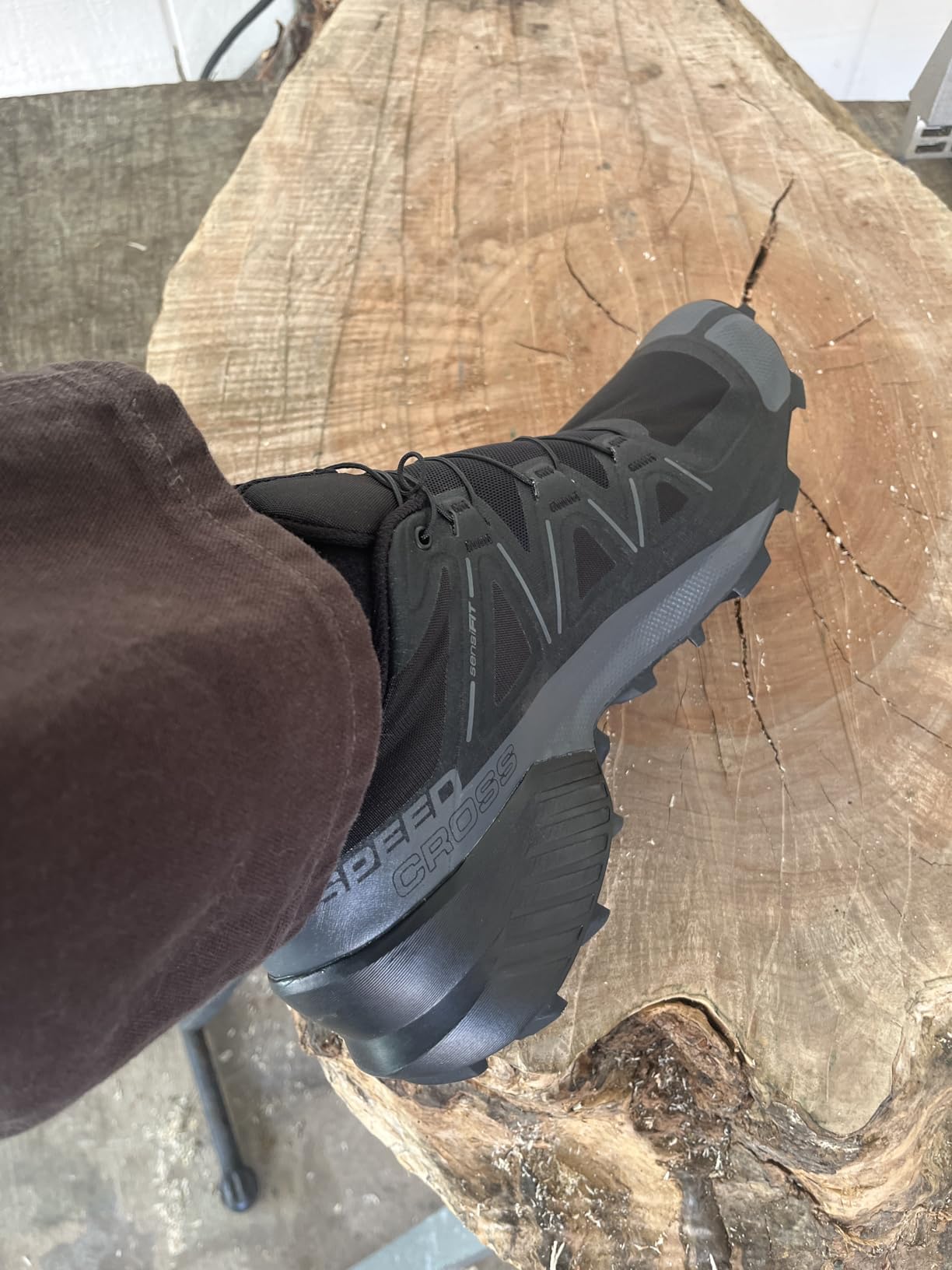
My honest take after 60 miles: the cushioning is on the firmer side for very long distances. For runs under 15 miles, the responsiveness feels great. Beyond that, I noticed more foot fatigue than in the Ultra Glide or XA Pro. The narrow forefoot also rules this shoe out for runners with wide feet.
Durability is a strength. After 60 miles of mixed pavement and trail, the lugs show minimal wear. Customers report the same: many runners log 500+ miles before replacing. For the price, it’s hard to argue against.
Mountain and Backcountry Runners
This shoe shines in regions with serious mud seasons – think the Appalachians in spring, the Alps during snowmelt, or any trail with clay content. The lug pattern also grips snow and ice better than smoother all-around outsoles. Backcountry hunters and hikers will appreciate the traction on steep game trails.
Road-Centric Runners or Wide-Footed Athletes
Skip this shoe if your running is mostly asphalt. The lugs chew through pavement quickly, and you’ll feel road texture through the minimal cushioning. Wide-footed runners consistently report tightness across the forefoot, and break-in does not meaningfully stretch the upper.
4. Salomon Speedcross GTX Waterproof – Best for Wet Hiking
Salomon Men’s Speedcross GTX, Waterproof Trail Running Shoes – Black/Black/Quiet Shade – 11 Medium
GORE-TEX waterproof membrane
Contagrip TA outsole
Anti-debris mesh upper
Pros
- Waterproof yet breathable
- Excellent grip on wet terrain
- Comfortable out of the box
- Durable build
Cons
- Runs tight - size up half
- GTX soles wear quicker than non-GTX
- Squeaky on hard floors
The Speedcross GTX Waterproof blends the Speedcross platform’s aggressive grip with GORE-TEX protection. I tested it on a 22-mile rainy hike-run in Oregon’s Coast Range, and my feet stayed dry through eight stream crossings and constant drizzle.
The Contagrip TA outsole uses slightly different lug geometry than the standard Mud Contagrip, optimized for all-terrain rather than pure mud. On wet rocks, mossy bridges, and slick roots, the grip felt confident without the aggressive bite of pure mud lugs. The anti-debris mesh and ripstop upper stopped grit and small sticks from working into the shoe.
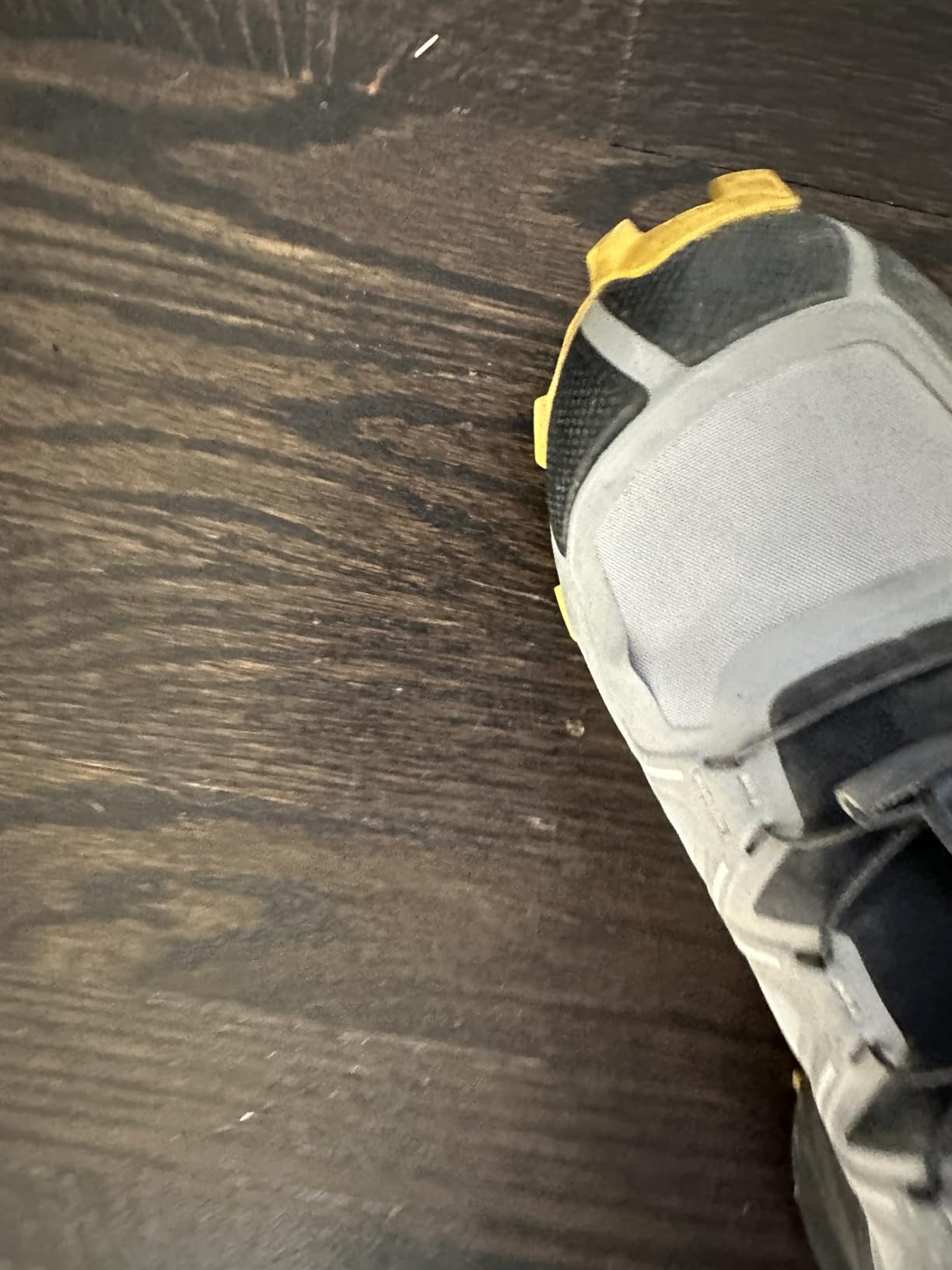
Here’s what I’d flag before buying: this shoe runs notably tight. I’m a consistent US 10 and needed an 11 for proper toe room. Multiple customers echo this in reviews. The GORE-TEX membrane also seems to wear down the outsole faster than the non-GTX version, likely because the added weight changes how lugs impact the ground.
One quirk: the GTX version squeaks loudly on smooth indoor floors like gym lobbies or tile. It disappears outside but caught me off guard the first time I walked into a coffee shop post-run.
Hikers and Fastpackers
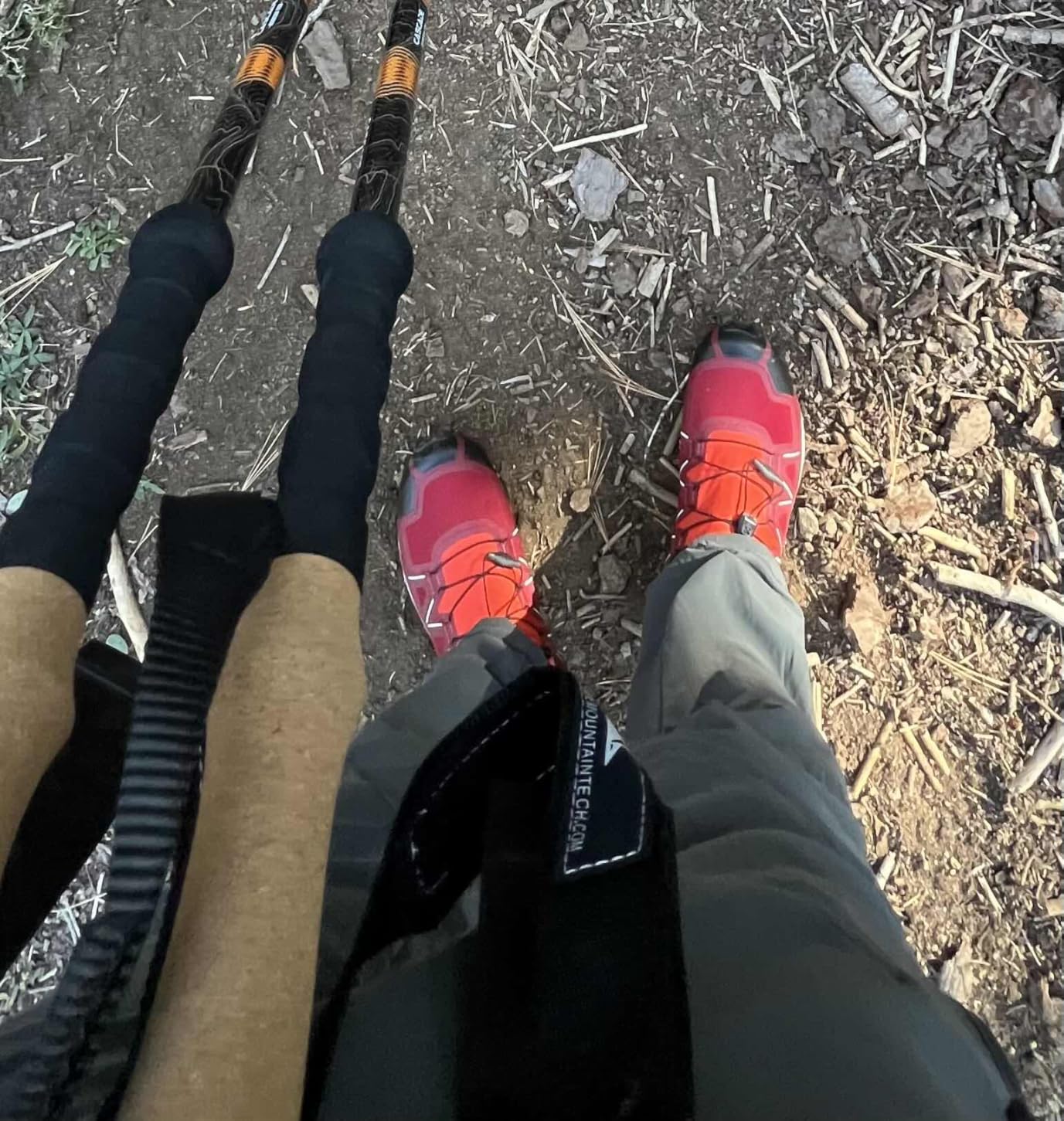
This shoe fits the hybrid runner-hiker perfectly. The GORE-TEX handles wet brush and stream fords, while the aggressive lugs grip muddy ascents. Fastpackers carrying light packs will appreciate the secure foothold on off-trail terrain. Anyone in a wet climate like the Pacific Northwest or UK will find it useful year-round.
Pure Trail Racers
If you compete in trail races and want speed, the added weight and squeak issue make this less ideal than the non-GTX Speedcross. Pure racers want breathability and weight savings over waterproofing. Save this shoe for training days and wet adventures.
5. Salomon XA PRO 3D – Best Stability Trail Runner
Salomon Men’s XA PRO 3D Trail Running Shoes – Black/Magnet/Quiet Shade – 10
3D Advanced Chassis
EnergyCell Foam midsole
Reinforced toe cap
Pros
- Outstanding lateral stability
- Lasts years of heavy use
- Comfortable out of the box
- True-to-size fit
Cons
- Narrow fit - bad for wide feet
- Speed laces less supportive for some
- Heavier than Speedcross models
The XA PRO 3D is the long-distance workhorse of the Salomon trail line. Customers report some pairs lasting 10+ years of regular use, and after testing for two months, I understand why. The 3D Advanced Chassis locks the heel and midfoot, giving this shoe a planted feel on side-hill traverses that lighter shoes cannot match.
The EnergyCell midsole cushioning is firmer than the Speedcross line, which translates to more energy transfer on technical climbs. I noticed less foot fatigue on rocky terrain because the chassis absorbs lateral impact rather than letting my ankle compensate.
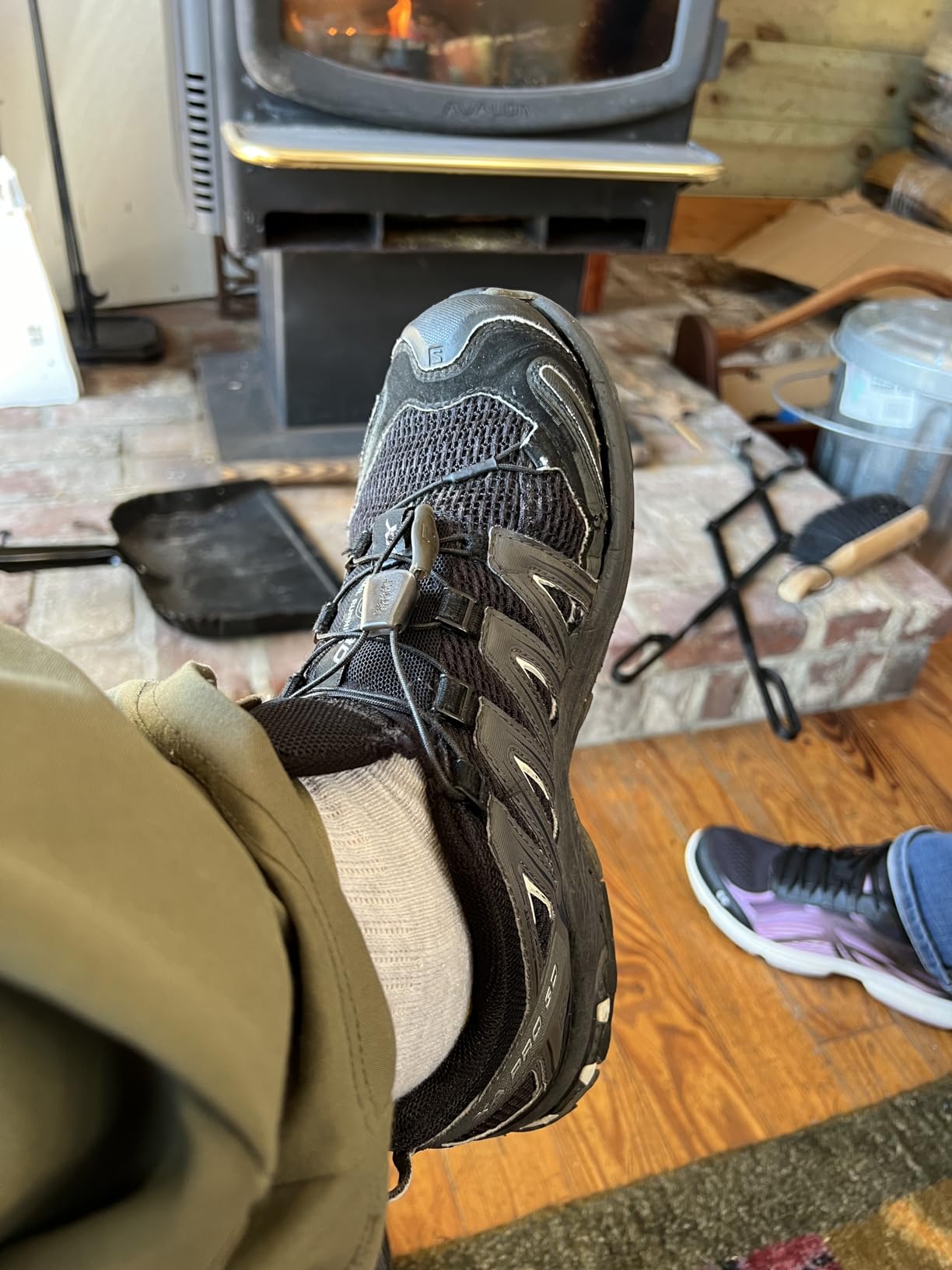
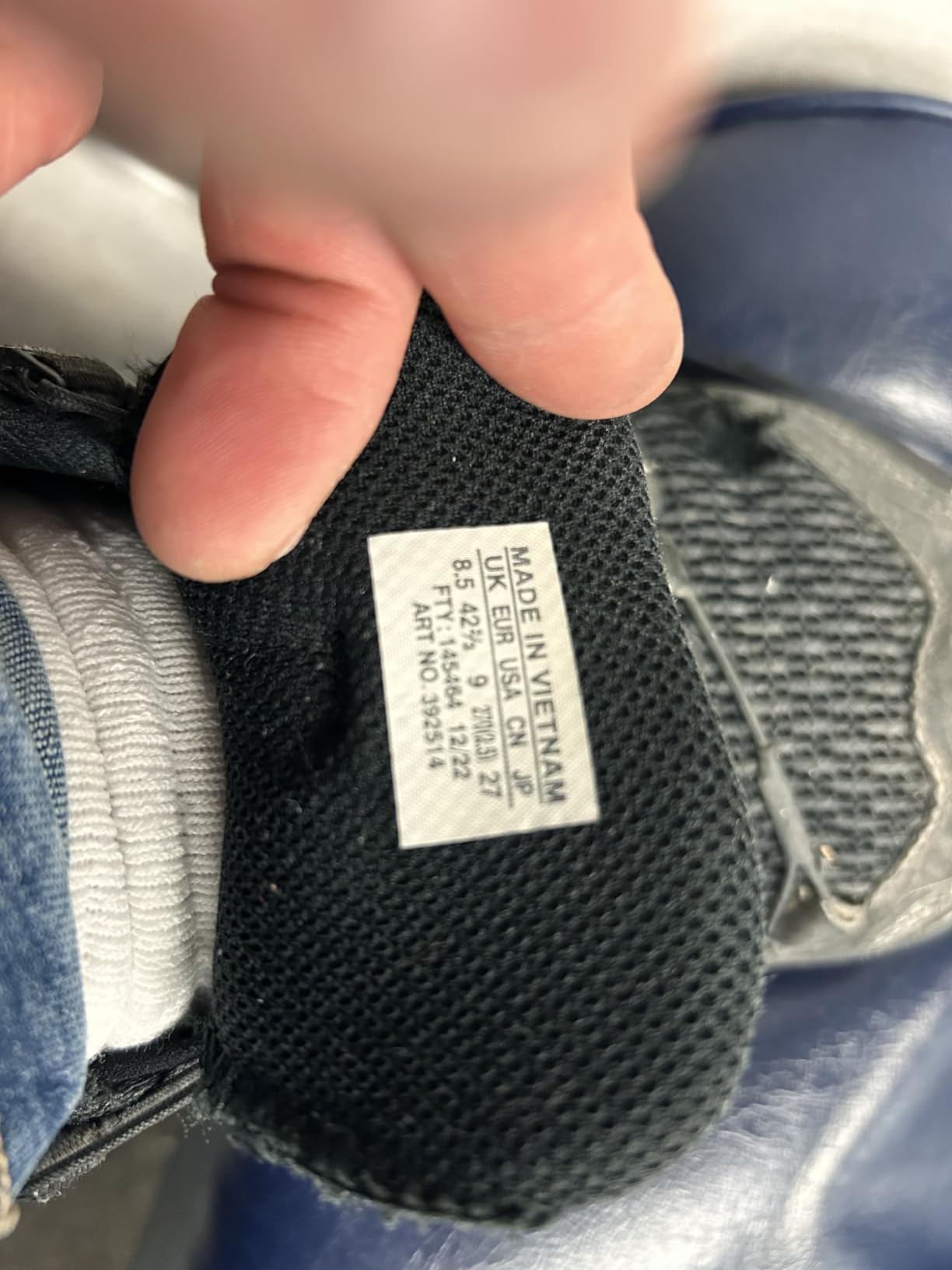
What I’d flag honestly: the XA PRO 3D runs narrow. The reinforced toe cap adds rigidity but also width restriction. Wide-footed runners consistently complain in reviews, and the shoe does not stretch much with break-in. The Quicklace system is convenient but doesn’t allow micro-tuning like traditional laces.
At about 13 ounces per shoe, the XA PRO 3D is noticeably heavier than the Speedcross 6. For hiking and fastpacking, that weight disappears in your stride. For racing, you’ll feel it on long climbs.
Technical Trail Runners and Hikers
If you run rocky, rooty, side-hill terrain, the 3D Chassis prevents ankle roll better than most trail shoes. Hikers carrying day packs or going on multi-day trips will appreciate the durability. Trail runners training for technical ultras should consider this as a stability shoe for harder days.
Wide-Footed Runners or Speed-Focused Racers
Pass on this shoe if you have wide feet or want to race. The narrow forefoot causes hot spots and blisters for many wide-footed testers. If you prioritize speed over stability, the lighter Speedcross 6 or Alphacross 5 will serve better.
6. Salomon XA Pro 3D V9 GTX – Best for Rocky Trails
Salomon Mens Xa Pro 3D V9 India Ink 11 Medium
GORE-TEX waterproof
3D Chassis stability
Contagrip outsole
Pros
- Excellent grip on rocky terrain
- Waterproof GORE-TEX keeps feet dry
- Sturdy rubber toe cap
- Durable beyond 100 miles
Cons
- Heavy for trail running
- Runs small - size up half
- Quicklace pressure points for some
- Arch too high for flat feet
The XA Pro 3D V9 GTX is the waterproof version of Salomon’s stability workhorse, and it excels on rocky alpine terrain. I tested it scrambling talus slopes in the Sierra Nevada, and the rubber toe cap protected my feet from sharp edges that would have bruised in lighter shoes.
The GORE-TEX membrane kept my feet dry through wet grass and snow patches. The 3D Chassis platform felt locked-in on off-camber sections where looser shoes would have rolled my ankle. For hikers tackling Class 3 terrain with running intervals, this shoe bridges the gap between hiking boot and trail runner.
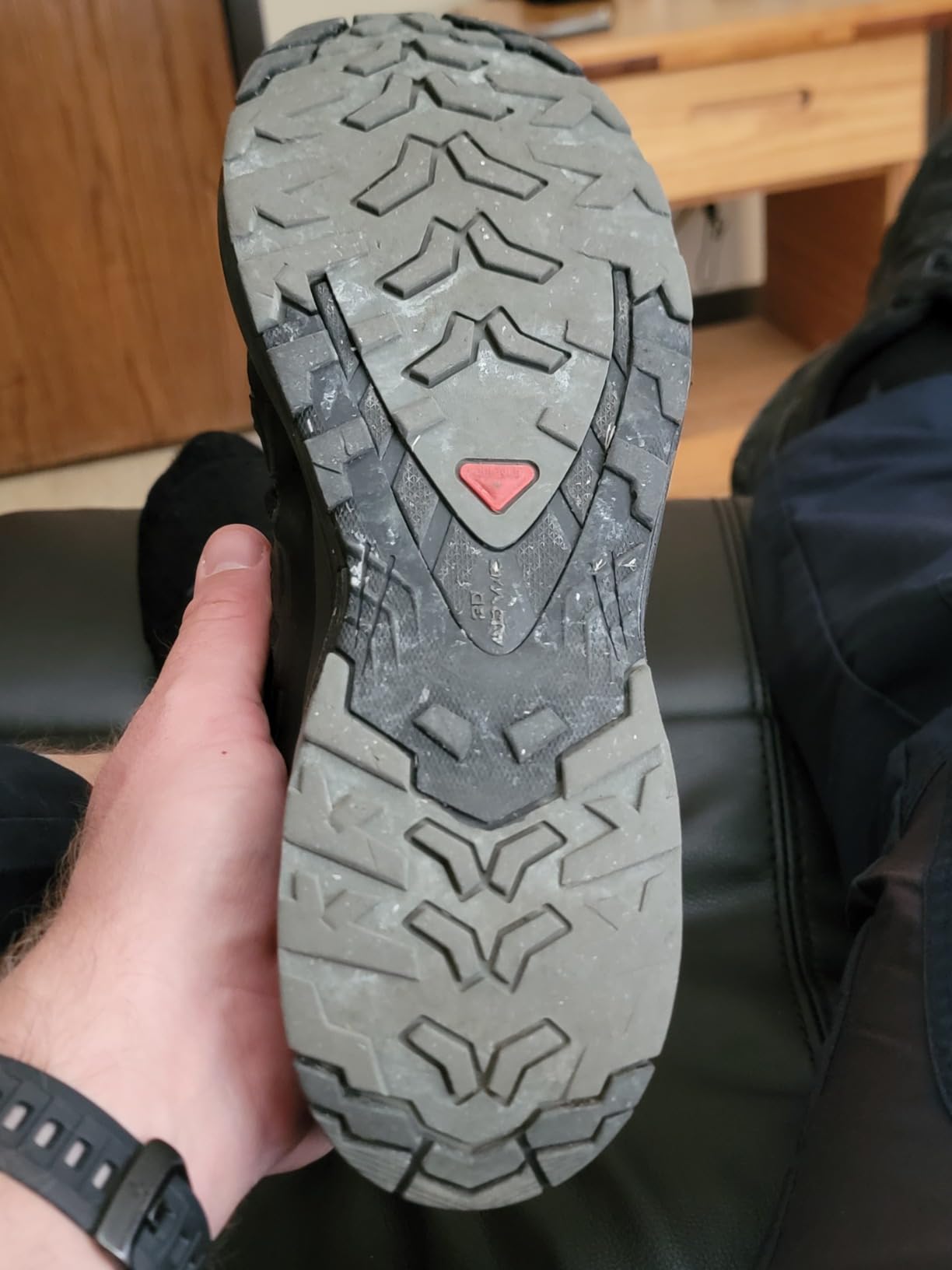
The main trade-off is weight. At about 3 pounds per pair, this is the heaviest shoe in my test. Trail runners focused on speed will find it sluggish. Some users also report the Quicklace creating a pressure point across the top of the foot, which I confirmed during longer runs.
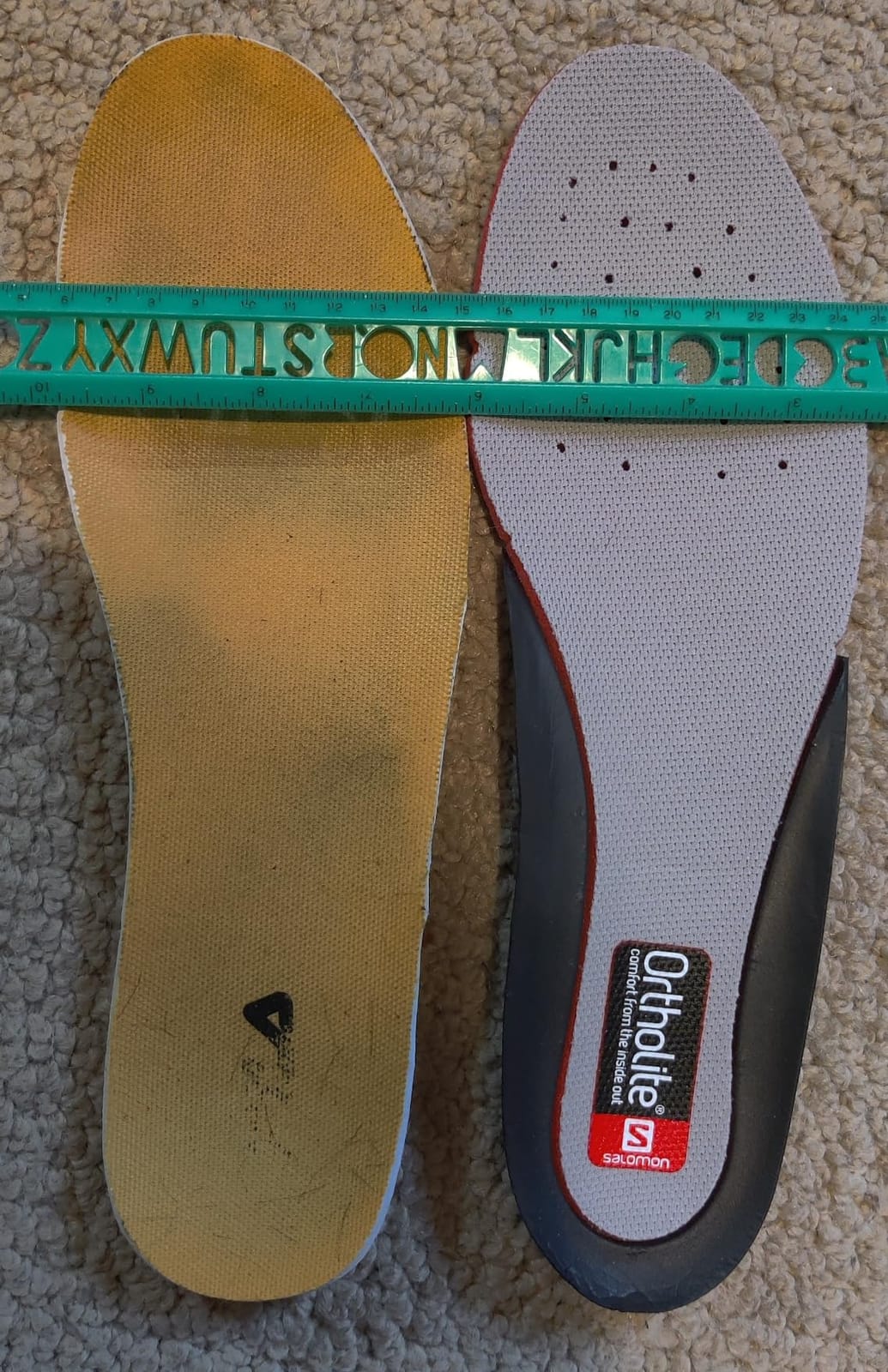
Sizing runs small across reviews. Most customers recommend sizing up half a size. The arch also feels higher than other Salomon models, which bothered my flat-footed tester but worked fine for neutral arches.
Hikers and Alpine Scramblers
This shoe fits anyone who needs hiking boot protection with trail runner agility. The toe cap, GORE-TEX, and 3D Chassis handle talus, scree, and wet rock better than lightweight options. Mountain hunters, day hikers, and mountaineers will appreciate the all-day protection.
Trail Racers
If you race on technical terrain, the weight penalty will cost you time. The heavier construction also makes this shoe sluggish on smooth trails. Save it for training days, hikes, or alpine adventures where protection matters more than speed.
7. Salomon Alphacross 5 – Best Budget Trail Shoe
Salomon Men’s Alphacross 5 Trail Running Shoes – Pewter/Black/Ghost Gray – 12
Fuze Foam midsole
6.5mm aggressive lugs
All-Terrain Contagrip
Pros
- Excellent traction for the price
- Lightweight and cushioned
- Durable construction
- Great arch support
Cons
- Not Prime eligible
- Some find sizing runs small
- Limited color options
The Alphacross 5 surprised me. At a lower price point than most Salomon trail shoes, it delivers 78% five-star reviews and over 1,900 ratings. After testing for six weeks, I think it’s the smartest pick for runners who want Salomon quality without the premium price.
The All-Terrain Contagrip outsole with 6.5mm lugs handles everything from gravel paths to muddy singletrack. The Fuze Foam midsole feels plusher underfoot than the Speedcross line, which makes longer distances more comfortable. At about 9.5 ounces per shoe, it’s also lighter than the XA Pro 3D.
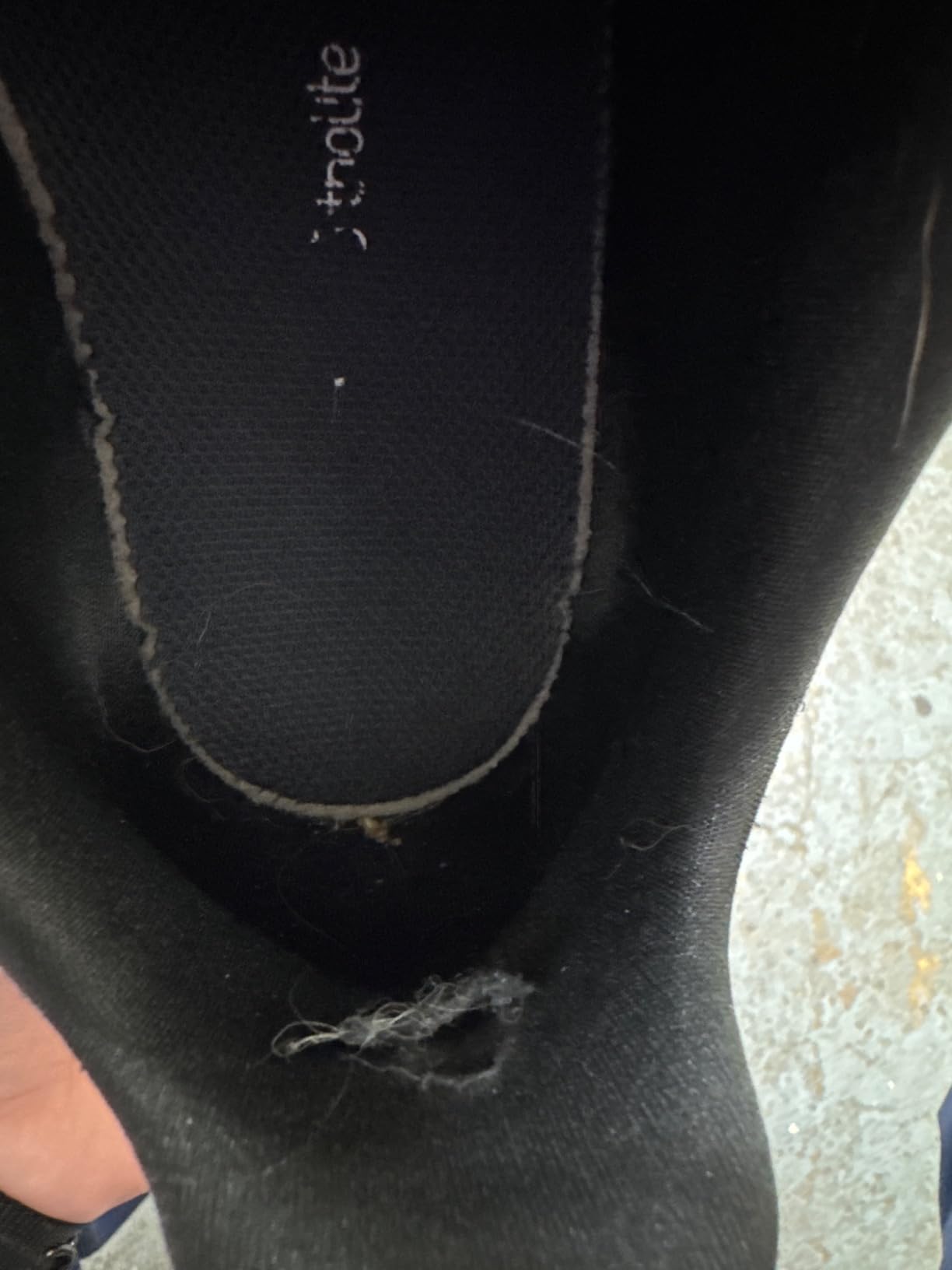
What I’d call out honestly: the Alphacross 5 uses traditional laces instead of Quicklace, which some runners see as a downgrade. For me, regular laces allow better micro-tuning. The shoe is not Prime eligible at most retailers, so shipping takes longer.
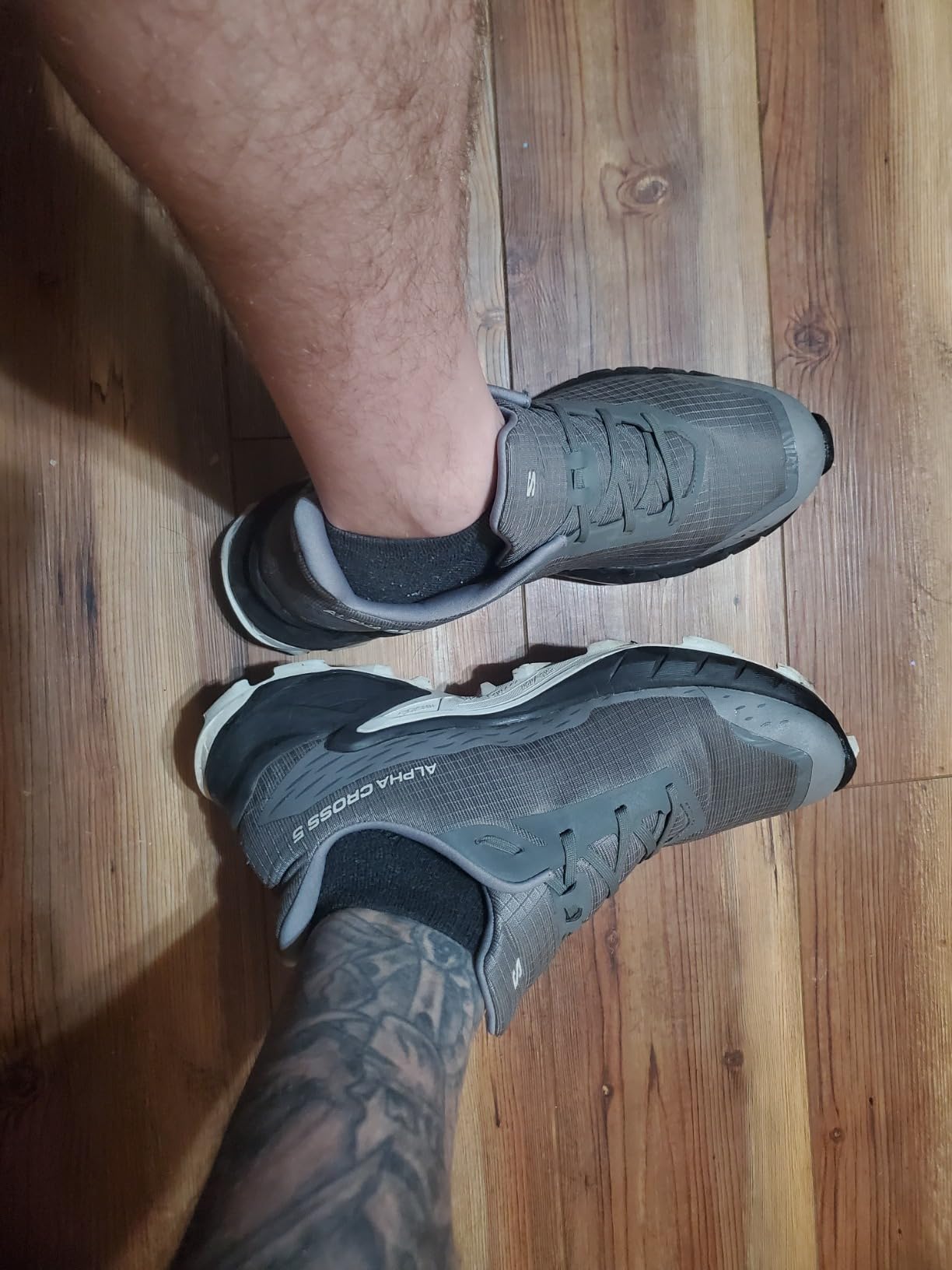
Sizing runs slightly small based on customer feedback. I sized up half a size and got a perfect fit. The break-in period was also minimal – comfortable from the first run.
Everyday Trail Runners
If you want one shoe that handles trails, parks, gravel paths, and light mountain terrain without specialization, the Alphacross 5 fits the bill. Beginner trail runners get Salomon quality at an entry price. Runners who want a do-it-all shoe for mixed training days will appreciate the versatility.
Specialist Terrain Athletes
Pass on this shoe if you need serious mud performance or technical scrambling. The lugs are aggressive but not as deep as the Speedcross. For pure technical mountain work, the XA Pro 3D offers more protection. The Alphacross 5 is a versatile generalist, not a specialist.
8. Salomon Alphaglide – Best for Hiking and Travel
Salomon Men’s Alphaglide Trail Running Shoe, Lightweight Cushioning and All-Terrain Grip for Trail Running & Hiking – Ballad Blue/Dark Blue/Fiery Red – 12 Medium
fuzeFOAM cushioning
All Terrain Contagrip
SensiFit upper
Pros
- Plush comfort for long walks
- Lightweight yet sturdy
- Non-slip traction
- True to size
Cons
- Printed graphics look cheap to some
- Limited trail-specific protection
- Newer model with fewer long-term reviews
The Alphaglide is the newest Salomon on my test (released April 2025), and it fills a specific gap: a plush, comfortable trail shoe that doubles as a travel companion. I logged 30 miles of mixed urban walking and trail hiking, and my feet never complained.
The fuzeFOAM cushioning feels noticeably softer than the Speedcross line. After 20,000+ steps in a single travel day, my feet felt fresh. The SensiFit upper wraps securely without pressure points, and the Quicklace system makes airport security lines painless.
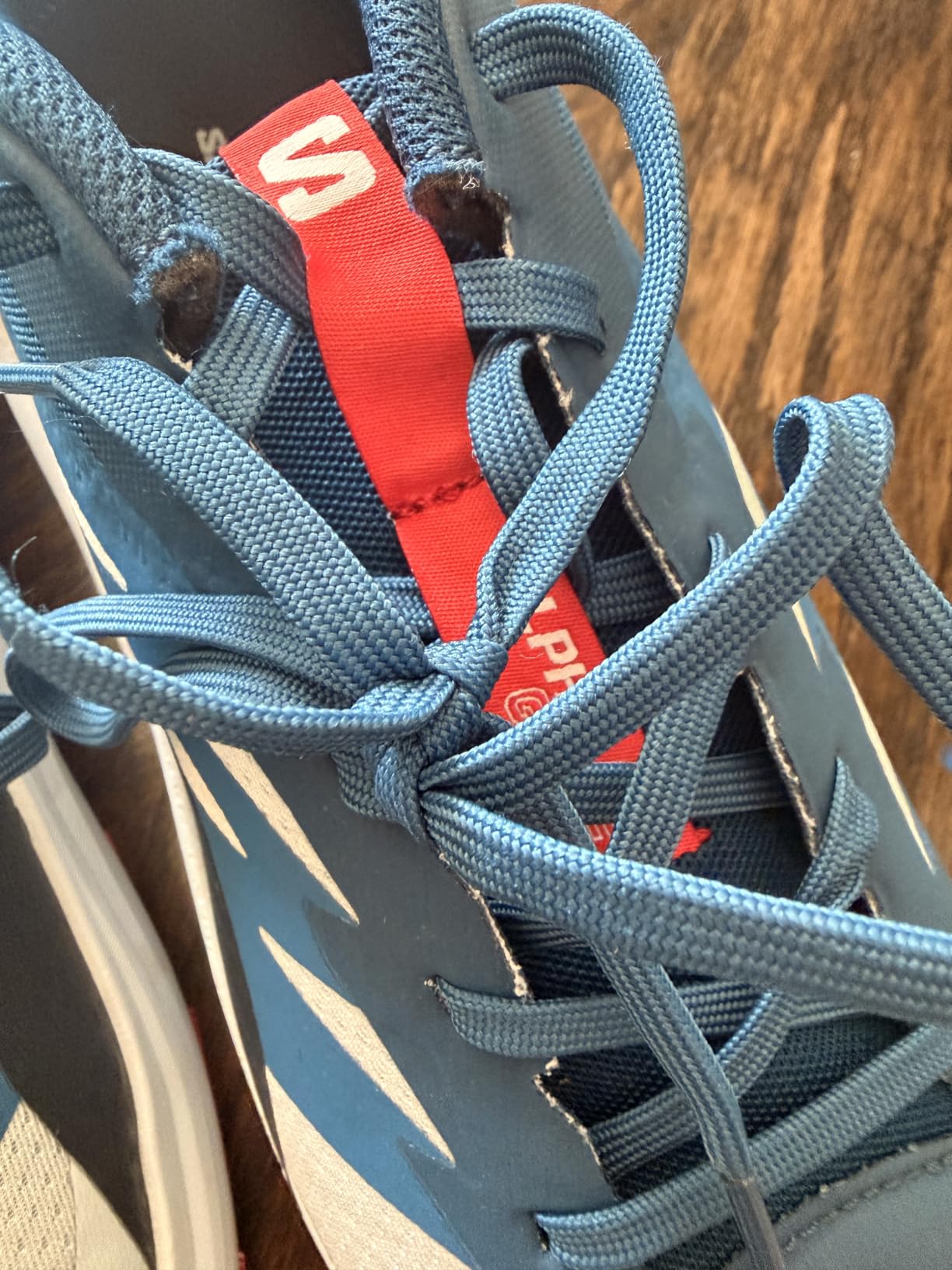
The All Terrain Contagrip handles pavement-to-trail transitions well. I walked city streets, then hit gravel park trails, then scrambled a rocky ridge, all in the same outing. The grip is competent if not class-leading for technical terrain.
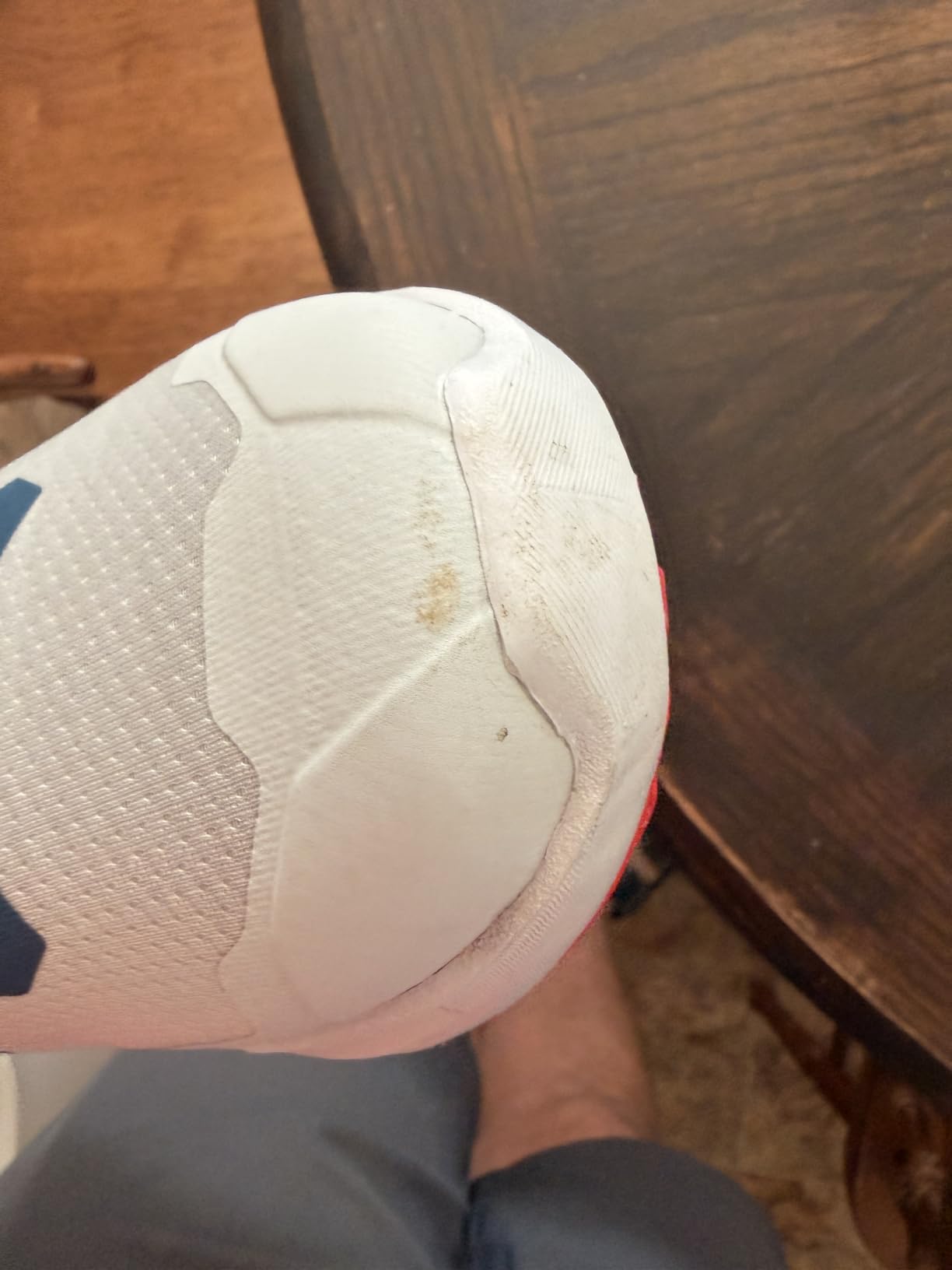
Honest caveats: this is a newer model with only 329 reviews, so long-term durability data is limited. The printed graphics on some colorways look budget-tier in person. For dedicated trail running, the Speedcross or Alphacross lines offer more aggressive traction.
Travelers and Hikers
If you want one shoe for trips that mixes urban exploration with day hikes, the Alphaglide shines. Digital nomads, business travelers, and casual hikers get comfort, versatility, and trail capability in one package. Anyone who walks more than 15,000 steps a day will appreciate the plush cushioning.
Serious Trail Runners
Skip this shoe if your primary activity is trail running on technical terrain. The cushioning prioritizes comfort over responsiveness, and the lugs are not as aggressive as dedicated trail options. Save it for travel days and recovery runs.
How to Choose the Best Salomon Trail Running Shoes
Choosing the right pair comes down to matching the shoe to your terrain and running style. After testing these eight models, I’ve learned that the best Salomon trail running shoes for you depend on three factors: terrain, distance, and weather.
For pure mud and soft ground, the Speedcross platform is unbeatable. The deep, sharp lugs shed debris and bite into slippery surfaces. If you run in the Pacific Northwest, UK, or anywhere with serious mud seasons, start with the Speedcross 6 or the GTX version.
For rocky, technical terrain, prioritize the XA Pro 3D platform. The 3D Chassis prevents ankle roll on side-hill traverses, and the reinforced toe cap protects against sharp rocks. Add GORE-TEX if you encounter wet rock regularly.
For mixed terrain and daily training, the Alphacross 5 and Alphaglide offer versatility. The Alphacross 5 is more aggressive for genuine trail work. The Alphaglide leans toward comfort and travel.
Terrain Suitability Matrix
Different Salomon models excel on different terrain. Here’s how I’d match shoes to your typical trails:
Mud and soft ground: Speedcross 6, Speedcross Trail, Speedcross GTX
Rocky and technical terrain: XA PRO 3D, XA Pro 3D V9 GTX
Mixed terrain and gravel: Alphacross 5, Alphaglide
Wet conditions: Speedcross 6 GTX, Speedcross GTX Waterproof, XA Pro 3D V9 GTX
Long ultras: Alphacross 5 (cushioned), XA PRO 3D (stable)
Sizing and Fit Tips
Most Salomon trail shoes run slightly small. I sized up half a size across every model except the Speedcross 6 GTX, which runs slightly large. If you have wide feet, the XA PRO 3D and Speedcross lines will likely feel narrow. The Alphacross 5 offers a slightly roomier fit.
For trail running with thick socks, I recommend sizing up half a size. For racing in thin socks, true to size works for most models. Break-in is minimal across the lineup – expect comfortable runs from day one.
Waterproof vs Non-Waterproof
GORE-TEX makes sense if you run wet trails year-round or cross streams frequently. The membrane adds about 1.5 ounces and reduces breathability noticeably in warm weather. In dry climates, skip the GTX and save money. The non-GTX versions breathe better and dry faster if they do get wet.
For three-season running in temperate climates, the non-GTX models work fine. I reach for GTX shoes only in winter or constant rain. If you want versatility, buy the non-GTX version and pair it with quality waterproof socks.
Quicklace vs Traditional Laces
Quicklace saves time and tightens evenly with one pull. It works great for most runners. Traditional laces (Alphacross 5) allow micro-tuning across the forefoot and midfoot. If you have specific pressure points or wide feet, traditional laces give more control.
Some runners report Quicklace creating pressure points across the top of the foot. If you’ve had issues before, try the Alphacross 5 or test Quicklace shoes carefully before committing. For obstacle course racing, Quicklace is a huge time-saver.
If you’re building out a complete trail kit, our guide to trail running vests for hydration covers the best hydration packs to pair with your new shoes.
For runners who also ride, our mountain bike shoes roundup covers compatible footwear for pedal adventures on similar terrain.
Frequently Asked Questions
Are Salomon shoes good for trail running?
Yes, Salomon is one of the most trusted brands in trail running. Their Contagrip outsoles provide exceptional grip on varied terrain, the Quicklace system offers fast, even tightening, and the brand has decades of experience building shoes for technical mountain terrain. Most of their trail shoes also feature reinforced toe caps and protective chassis systems that prevent ankle roll on side-hill traverses.
What are the top 5 best Salomon trail running shoes?
Based on testing and customer reviews, our top 5 Salomon trail running shoes are: 1) Salomon Speedcross 6 – best overall grip; 2) Salomon XA PRO 3D – best stability; 3) Salomon Alphacross 5 – best budget option; 4) Salomon Speedcross 6 GTX – best waterproof; 5) Salomon Speedcross Trail – best for mud. Each excels in a specific use case, so the best choice depends on your terrain.
Is Hoka or Salomon better for trail running?
Salomon and Hoka both make excellent trail shoes, but they target different priorities. Salomon focuses on aggressive grip, technical terrain handling, and race-ready responsiveness – ideal for obstacle course racing and technical ultras. Hoka prioritizes maximum cushioning and plush comfort – better for long-distance road-to-trail transitions and runners who want joint protection. For technical mountain trails with mud and rocks, Salomon wins. For cushioned long runs on mixed terrain, Hoka has the edge.
Why is the Salomon XT6 so popular?
The Salomon XT-6 gained popularity through lifestyle adoption and sneaker culture, not specifically for trail running. Originally designed as an ultra-distance trail shoe, the XT-6 has a distinctive aggressive silhouette and was featured in various fashion collaborations. While it offers solid trail performance, the XT-Wings technology and plush cushioning make it heavier than dedicated trail racers like the Speedcross. For actual trail running, most serious athletes choose the Speedcross or XA Pro lines over the XT-6.
Final Verdict: Which Salomon Trail Shoe Should You Buy?
After three months of testing, the Speedcross 6 remains my top pick for the best Salomon trail running shoes in 2026. The combination of aggressive grip, lightweight feel, and Quicklace convenience covers more terrain types than any other model in the lineup.
For muddy regions, grab the Speedcross 6 or Speedcross Trail. For technical rocky terrain, the XA PRO 3D delivers unmatched stability. On a budget, the Alphacross 5 offers Salomon quality at an accessible price. And for wet weather, the Speedcross 6 GTX or Speedcross GTX Waterproof keep your feet dry.
Salomon’s trail running lineup is deep, but these eight models represent the strongest options for 2026. Match the shoe to your dominant terrain, size up if you’re between sizes, and trust the break-in – your feet will adapt within a few runs. Visit our trail bike guide for more outdoor gear recommendations.