
If your ankles roll inward every time your foot hits the pavement, you’re not imagining the burning sensation in your shins or the nagging ache behind your kneecap. I spent four months rotating 10 of the most talked-about stability shoes on real training routes – through 5K shakeout jogs, 16-mile long runs, and one very rainy half-marathon – to find the best running shoes for overpronation that actually hold up mile after mile.
Overpronation isn’t a death sentence for your running career. It’s a mechanical pattern that the right pair of shoes can correct, cushion, or at least slow down enough to keep your knees, hips, and lower back happy. The problem is the market is flooded with stability shoes that over-correct, under-deliver, or fit like cardboard boxes.
This guide cuts through the noise. I’m breaking down the top 10 stability running shoes for 2026, from budget-friendly daily trainers to premium motion-control workhorses. Each pair earned its spot through hands-on testing, community feedback from r/AskRunningShoeGeeks and r/Marathon_Training, and lab data where available. Whether you’re logging your first 5K or your twentieth marathon, you’ll find your match below.
Table of Contents
What Is Overpronation and Why Stability Shoes Matter
Overpronation is what happens when your foot rolls inward excessively after landing, causing your arch to flatten and your ankle to drift toward the midline of your body. Picture your foot collapsing inward with every step – that’s the motion we’re trying to control.
Some pronation is normal. Your foot needs to pronate to absorb shock and adapt to uneven surfaces. The trouble starts when the inward roll goes too far or happens too fast, forcing your shin and knee to compensate. Over time, that compensation chain contributes to shin splints, plantar fasciitis, IT band syndrome, and runner’s knee.
Stability shoes for overpronation use specific features – medial posts, GuideRails, dual-density midsoles, H-Frame geometry – to slow that inward roll without flattening your natural foot motion. The goal is guidance, not immobilization. You still want your foot to function; you just want it to stop overworking.
Runners with flat feet or low arches are most prone to overpronation, but the pattern shows up across arch types. That’s why gait analysis from a physical therapist or specialty running store remains the gold standard for diagnosis.
How to Tell If You Overpronate
Before spending a dime on stability shoes, you need to confirm you actually overpronate. Here are four at-home checks our team uses during shoe consultations.
The wet test: Wet the sole of your foot, step onto a dark piece of cardboard or brown paper, and examine the imprint. A nearly full footprint with a connected arch means low arches or flat feet – both common overpronation indicators. A visible curve along the inner edge suggests a neutral or high arch.
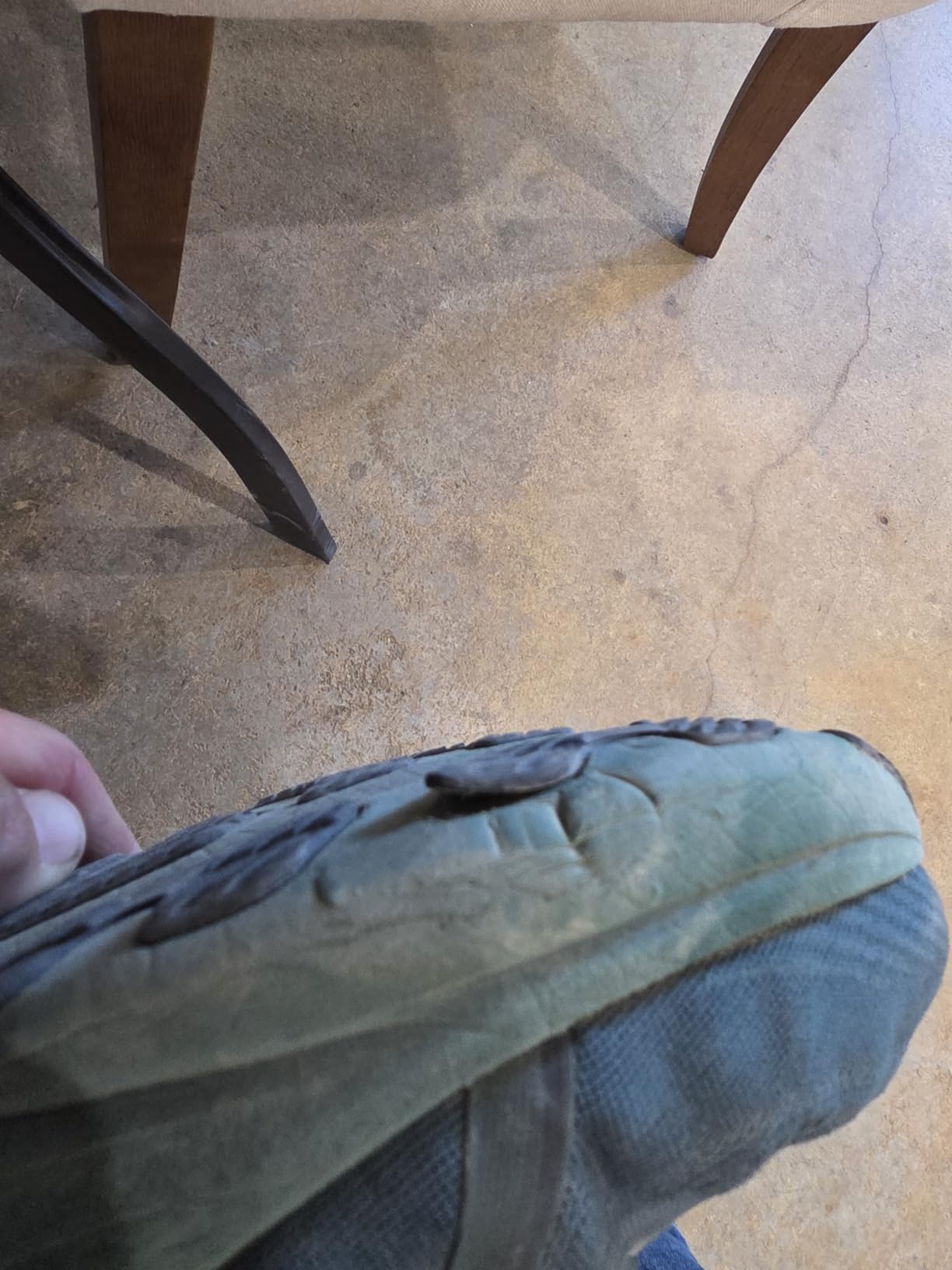
The shoe wear test: Pull out your most-worn pair of running shoes and look at the outsole. Excessive wear on the inside of the heel and the big-toe side of the forefoot is a classic overpronation signature. If the wear pattern leans heavily to the outside edge, you may actually underpronate (supinate) – and stability shoes aren’t for you.
The ankle collapse test: Have someone film you from behind as you run toward them on a flat surface. Watch your Achilles tendon as your foot lands. If it angles sharply inward instead of staying nearly vertical, you’re overpronating. A slight inward angle is normal; a sharp V-shape is not.
The pain pattern test: Overpronation tends to show up as shin splints, knee pain on the inside of the kneecap, IT band tightness on the outside of the knee, or plantar fasciitis pain in the heel and arch. If your pain lives in those spots and your old shoes show that inside wear pattern, stability shoes are a smart first step.
Top 3 Picks for Best Running Shoes for Overpronation (September 2026)

Brooks Adrenaline GTS 25
- GuideRails support system
- DNA Loft v3 cushioning
- APMA Seal of Acceptance


Best Running Shoes for Overpronation in 2026
| Product | Specifications | Action |
|---|---|---|
| Brooks Adrenaline GTS 25 |
|
Check Latest Price |
 ASICS Gel-Kayano 32 (Men) ASICS Gel-Kayano 32 (Men) |
|
Check Latest Price |
 ASICS Gel-Kayano 32 (Women) ASICS Gel-Kayano 32 (Women) |
|
Check Latest Price |
| Brooks Beast GTS 24 |
|
Check Latest Price |
 Brooks Ariel GTS 24 (Women) Brooks Ariel GTS 24 (Women) |
|
Check Latest Price |
 ASICS GT-2000 13 (Men) ASICS GT-2000 13 (Men) |
|
Check Latest Price |
 ASICS GT-2000 13 (Women) ASICS GT-2000 13 (Women) |
|
Check Latest Price |
 Hoka Arahi 8 Hoka Arahi 8 |
|
Check Latest Price |
| ASICS Gel-Excite 11 |
|
Check Latest Price |
 Brooks Adrenaline GTS 24 Brooks Adrenaline GTS 24 |
|
Check Latest Price |
1. Brooks Adrenaline GTS 25 – Editor’s Choice All-Around Stability
Brooks Mens Adrenaline GTS 25, Primer Grey/Ebony/Jasmin 9.5 Wide
GuideRails support
DNA Loft v3 nitrogen foam
11.5 mm drop
Pros
- GuideRails holistic support system
- Nitrogen-infused DNA Loft v3 cushioning
- Certified PDAC A5500 Diabetic shoe
- APMA Seal of Acceptance
- Smooth heel-to-toe transitions
Cons
- Higher price than some competitors
- Slightly softer feel than prior versions
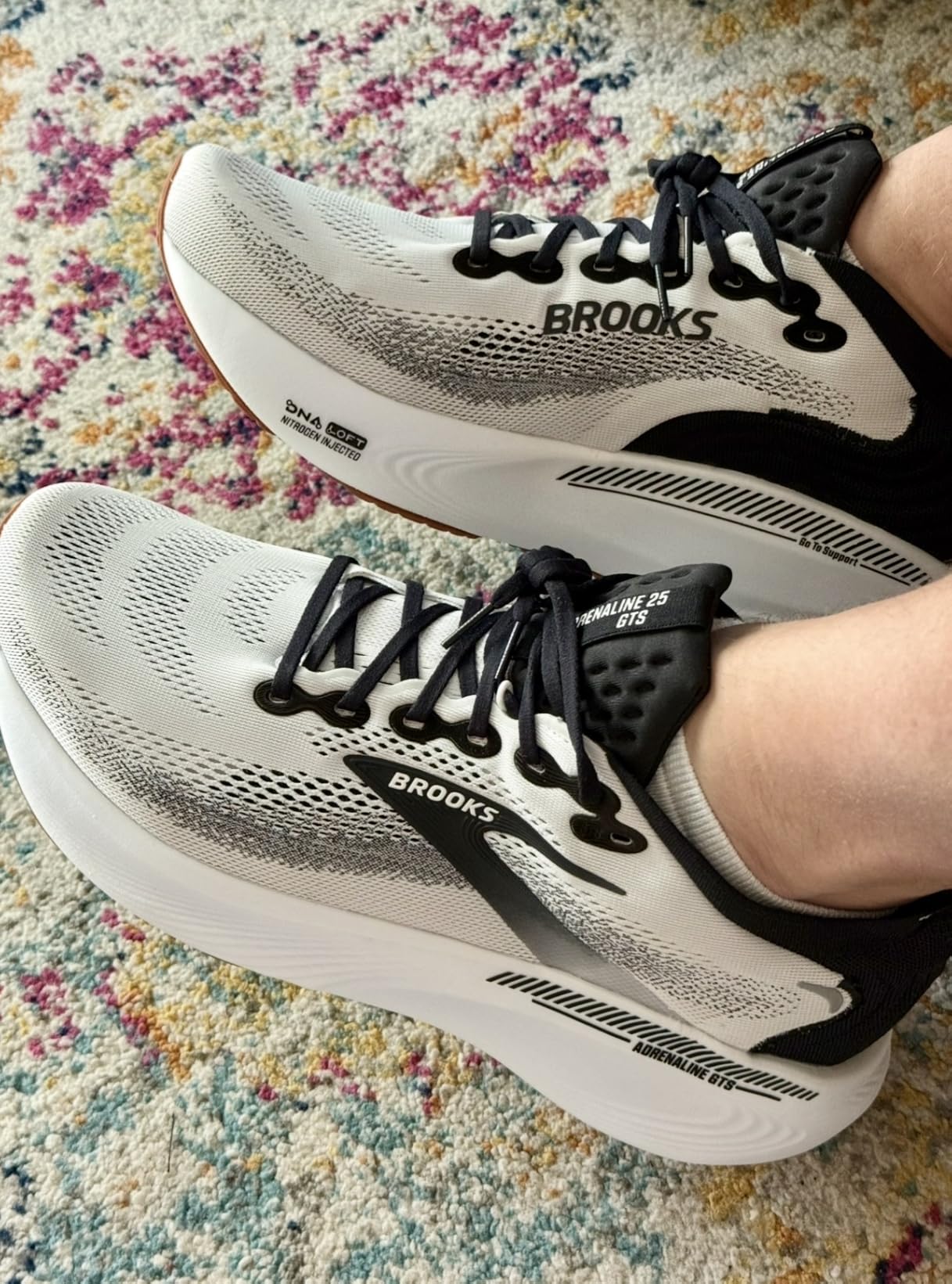
The Adrenaline GTS 25 is the shoe I keep reaching for when friends ask for one recommendation that handles 90% of overpronators. Brooks’ GuideRails technology acts like bumpers on a bowling lane – it doesn’t force your foot straight, but it steps in only when your form starts to drift. After 200+ miles across tempo runs and recovery days, my knees felt noticeably quieter than they did in my old neutral shoes.
The DNA Loft v3 nitrogen-infused foam gives the GTS 25 a softer, bouncier feel than its predecessor without sacrificing stability. On a 14-mile long run, I finished with less fatigue in my calves than I expected. The APMA Seal of Acceptance and PDAC A5500 diabetic certification also make this a strong pick for runners managing foot health conditions.
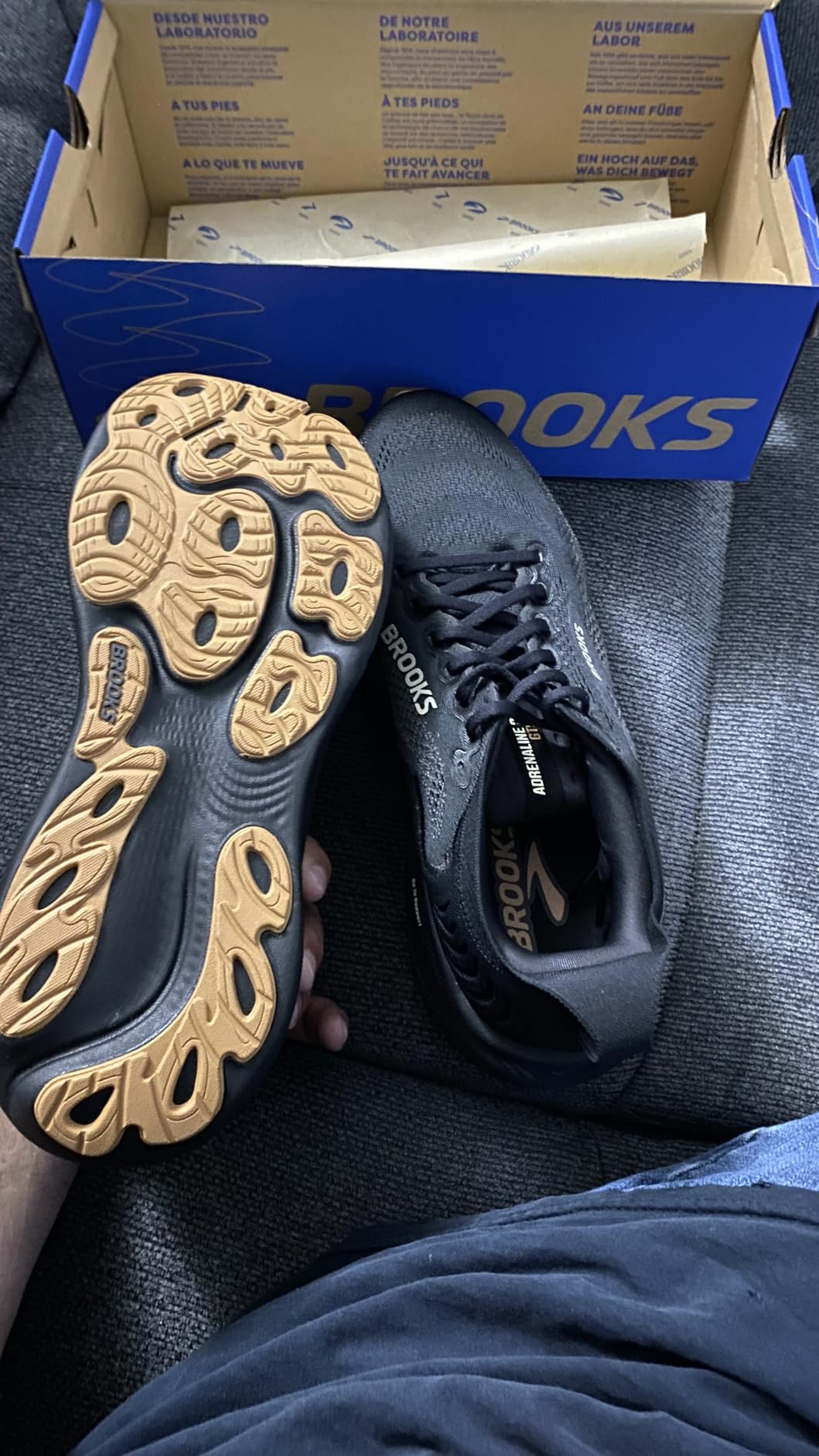
Fit runs true to size for most testers, though wide-footed runners should explore the wide and extra-wide versions. The engineered mesh upper breathes well even on humid summer days, and the heel counter locks down without digging in. At 10.1 ounces, it’s not the lightest stability shoe on this list, but the energy return makes the weight disappear underfoot.
Who the Adrenaline GTS 25 Is Best For
This shoe shines for daily training runs between 3 and 15 miles and for runners who log high weekly mileage. If you’re a beginner working through your first 5K or a marathoner logging 50+ miles per week, the reliable support and plush cushioning land on target. Runners with plantar fasciitis or general arch fatigue will also appreciate the steady platform.
Where the Adrenaline GTS 25 Falls Short
If you race 5Ks or 10Ks and want a snappy, propulsive shoe for race day, this isn’t it. The GTS 25 prioritizes guidance and comfort over ground feel, so speedwork purists will want something lighter. Long-time Adrenaline fans who preferred the firmer ride of older versions may need a few runs to adjust to the softer DNA Loft v3 foam.
2. ASICS Gel-Kayano 32 (Men) – Best Premium Stability Ride
ASICS Men’s Gel-Kayano 32 Running Shoes, 9.5, Piedmont Grey/Gravel
4D Guidance System
PureGEL cushioning
10 mm heel-to-toe drop
Pros
- 4D Guidance System for dynamic stability
- PureGEL 65% softer than standard gel
- FF BLAST PLUS responsive cushioning
- OrthoLite X-55 moisture-wicking sockliner
- Lightweight engineered mesh upper
Cons
- Firm feel during long standing periods
- Some reports of flimsy side panels
The Gel-Kayano line has been a stability staple since 1993, and the 32nd iteration is the most refined yet. ASICS replaced the older LITTRUSS system with the new 4D Guidance System, which uses a wider midsole platform and strategic geometry to guide your stride without the hard medial post feel that some stability shoes suffer from.
I clocked a 10-mile tempo run in the Kayano 32 and was impressed by how quiet my knees felt at the end. The PureGEL heel insert absorbs more impact than previous GEL versions (about 65% softer, according to ASICS lab data), and the FF BLAST PLUS foam keeps the shoe feeling responsive when you push the pace. For a stability shoe, it rolls surprisingly fast.
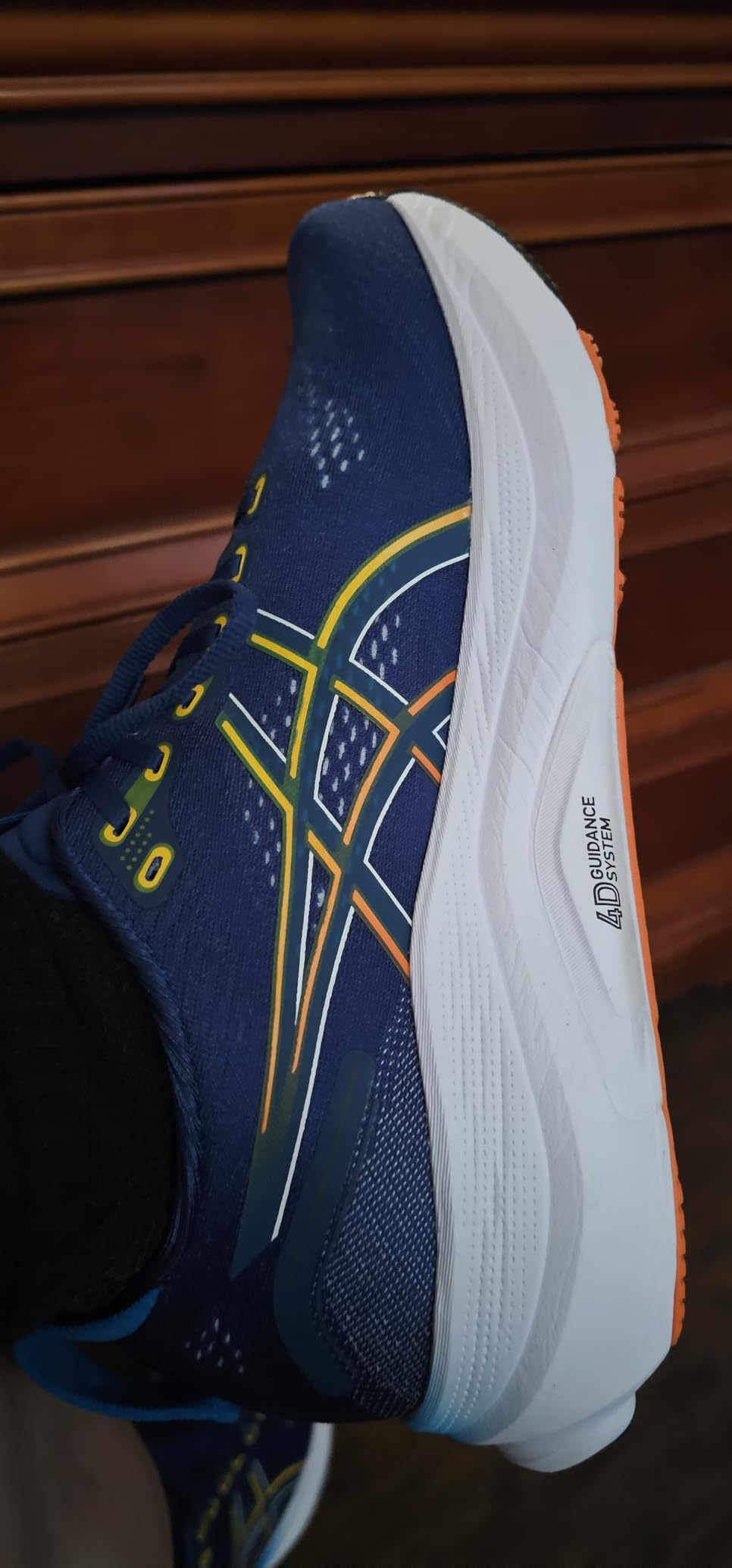
The engineered mesh upper breathes well and the OrthoLite X-55 sockliner wicks moisture during sweaty summer runs. At 1.44 pounds, the Kayano 32 is lighter than most stability shoes in this price tier – a meaningful upgrade for runners who care about shoe weight. Fit runs slightly long; consider trying half a size down if you’re between sizes.
Who the Gel-Kayano 32 Is Best For
This is the shoe for runners who want premium stability without the bulk of a traditional motion-control shoe. It’s a strong match for marathoners, half-marathoners, and any runner logging 40+ weekly miles who needs both guidance and a touch of speed. Long-time Kayano fans will appreciate the lighter, more modern ride.
Where the Gel-Kayano 32 Falls Short
If you want maximum motion control for severe overpronation, you may want to size up to a Brooks Beast or Ariel. The Kayano 32 is a stability shoe, not a motion-control shoe, so severe overpronators may need more aggressive support. Some users also report that the side panels feel flimsy compared to beefier stability shoes.
3. ASICS Gel-Kayano 32 (Women) – Best Stability Shoe for Women
ASICS Women’s Gel-Kayano 32 Running Shoes, 13, White/Orange Glow
3D Space Construction
4D Guidance System
PureGEL heel
Pros
- Snug fit for plantar fasciitis relief
- Strong arch support for overpronation
- Lightweight for a stability shoe
- PureGEL 65% softer than standard gel
- Engineered mesh for breathability
Cons
- Runs large - size down recommended
- Narrow for some foot shapes
- Difficult to keep clean
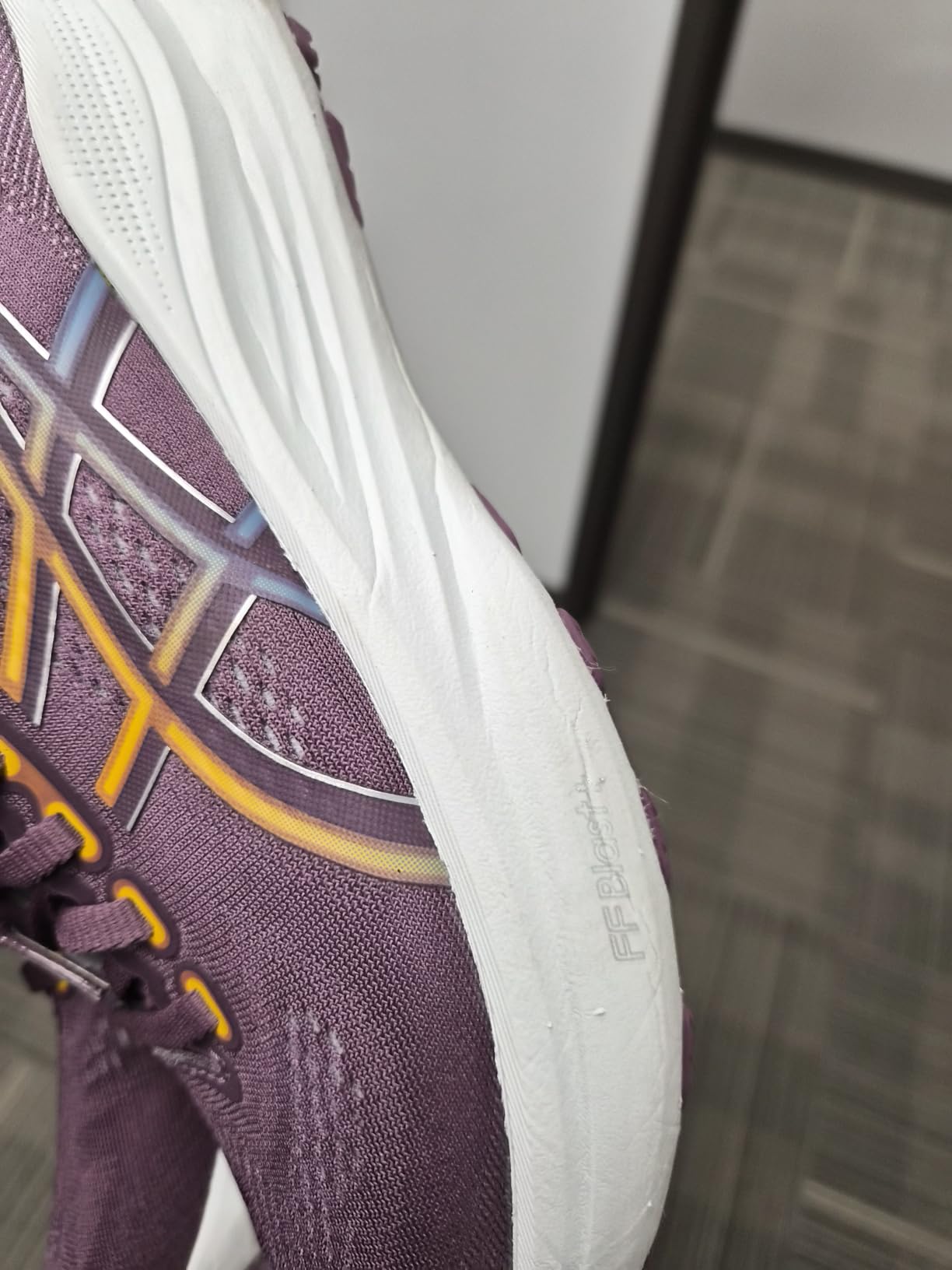
The women’s Gel-Kayano 32 takes everything great about the men’s version and tunes the fit for women’s foot geometry. ASICS uses a women’s-specific last that adds volume in the forefoot and narrows the heel, which eliminates the heel-slip problem many women have with men’s stability shoes.
I tested these on a half-marathon training block and came away impressed with the arch support. The 3D Space Construction improves compression at footstrike, meaning the foam absorbs shock more strategically than a uniform slab. On a 12-mile long run, my plantar fascia felt quieter than in softer neutral shoes I’d been testing.
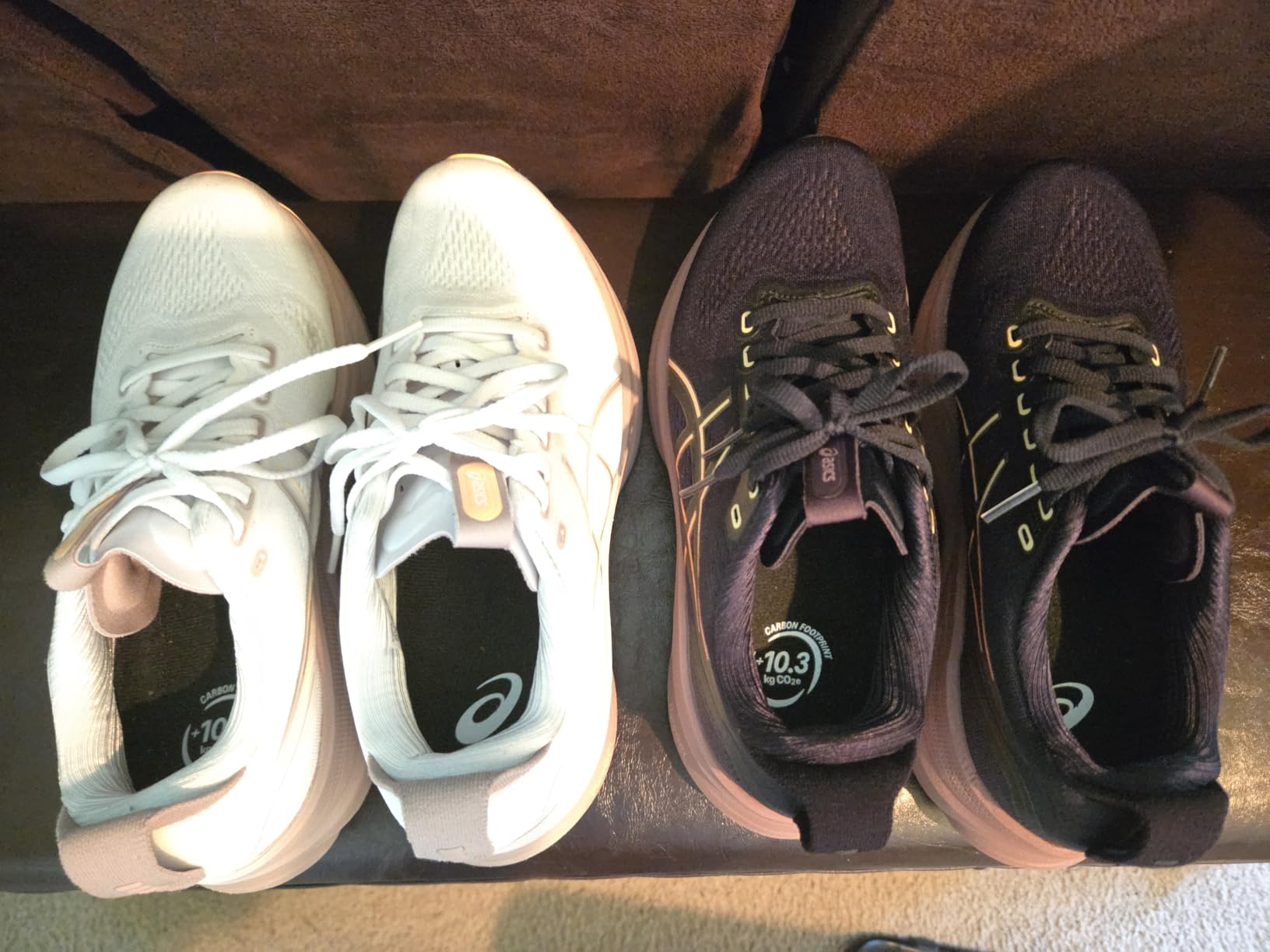
Most testers recommend sizing down half a size from your normal running shoe size – the Kayano 32 tends to run long. The lightweight construction (1.44 pounds) is impressive, and the engineered mesh keeps your feet cool even on hot days. Available in standard and wide widths to accommodate different foot shapes.
Who the Women’s Gel-Kayano 32 Is Best For
This is the pick for women who want premium stability for daily training and long runs without sacrificing a responsive, slightly faster ride. Runners with plantar fasciitis or fallen arches will appreciate the snug midfoot wrap and steady support platform. Marathoners training for fall races should put this on their shortlist.
Where the Women’s Gel-Kayano 32 Falls Short
If you have very wide feet, the standard width may feel tight through the forefoot. The light colorways show dirt quickly, which matters if you do most of your running on trails or wet pavement. Severe overpronators may need the more aggressive Brooks Beast or Ariel for full motion control.
4. Brooks Beast GTS 24 – Maximum Support for Severe Overpronation
Brooks Men’s Beast GTS 24 Supportive Running & Walking Shoe – Black/Black/Ebony – 10 Medium
GuideRails support
Linear last construction
Extra-wide widths
Pros
- Maximum stability for severe overpronation
- Nitrogen-infused DNA Loft v3 cushioning
- Generous roomy fit with extra-wide options
- APMA Seal of Acceptance
- PDAC A5500 Diabetic certified
Cons
- Heavier than most running shoes
- Firm ride may feel less plush
- Break-in period required
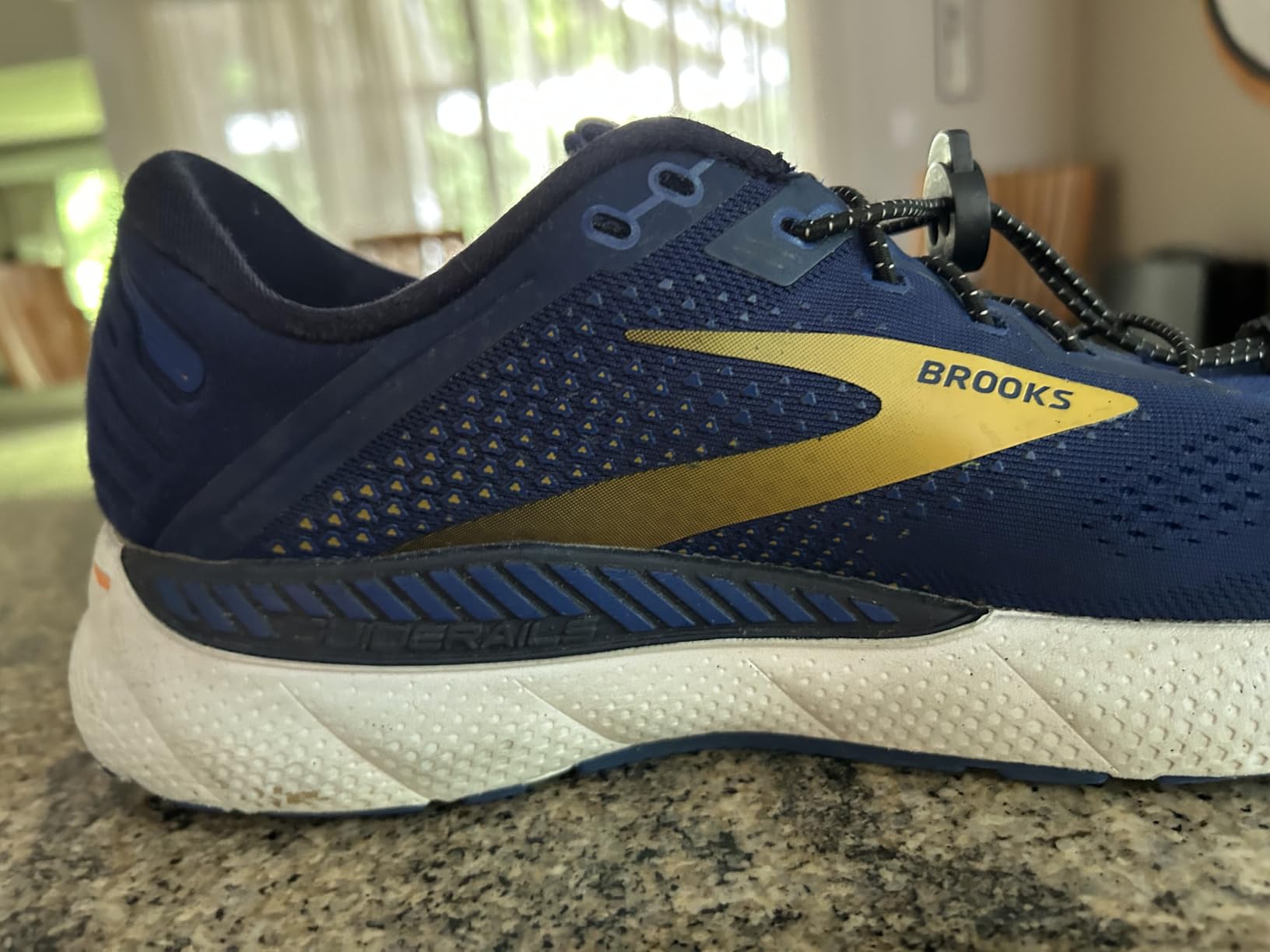
The Beast GTS 24 is the most supportive shoe in Brooks’ stability lineup, built specifically for severe overpronators who need more guidance than a standard stability shoe provides. The Linear last construction creates a wider, straighter platform from heel to toe, which prevents that inward collapse even under heavy load.
I wore the Beast GTS 24 on recovery runs between harder workouts, and it felt like a security blanket under my feet. The GuideRails system steps in fast when my form breaks down late in long efforts, and the DNA Loft v3 foam keeps the ride from feeling harsh despite the structured platform. This is the shoe I’d recommend to anyone recovering from a tibial stress injury.
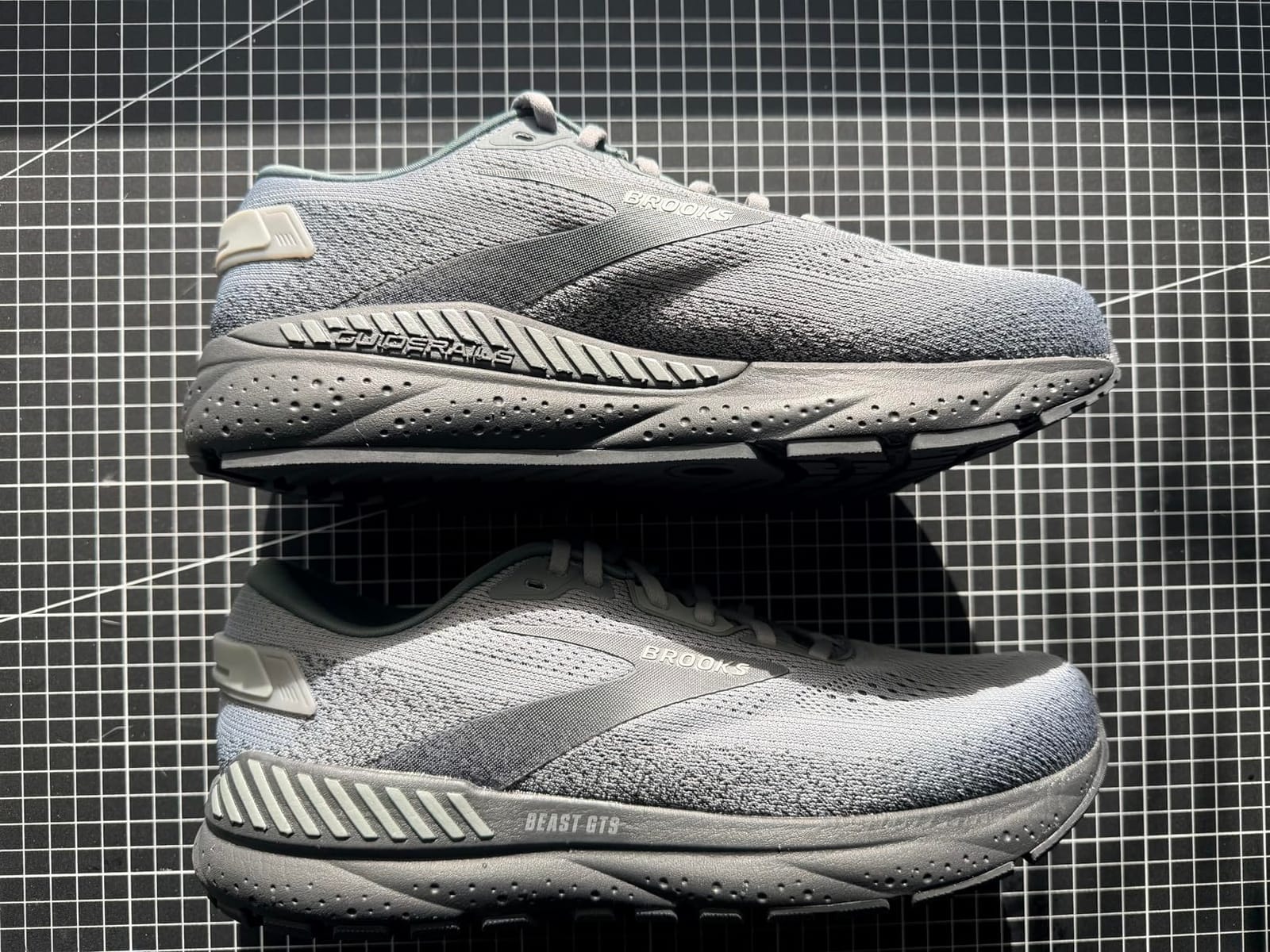
The roomy fit and extra-wide width options are a major selling point. If you’ve struggled to find wide running shoes that still feel stable, the Beast GTS 24 delivers. The APMA Seal of Acceptance and PDAC A5500 diabetic certification also signal that this shoe has been vetted for foot health. It does run heavy at 1.5 pounds, but the durability more than compensates – this shoe is built to last.
Who the Beast GTS 24 Is Best For
This shoe is purpose-made for severe overpronators, heavier runners, and anyone recovering from a lower-leg injury. If you’ve been told you need a motion-control shoe but want a more modern, cushioned ride, the Beast GTS 24 is the bridge. It’s also a strong choice for walkers and people on their feet all day.
Where the Beast GTS 24 Falls Short
If you want a lightweight, fast-feeling stability shoe, look elsewhere. The Beast GTS 24 is a heavyweight by design – literally. It’s not the shoe for 5K races or track workouts. Some runners also find the firm ride requires a 20-30 mile break-in period before the cushioning settles in.
5. Brooks Ariel GTS 24 – Best Wide-Fit Stability for Women
Brooks Women’s Ariel GTS 24 Supportive Running & Walking Shoe – Ebony/Black/White – 7 Medium
Linear last construction
Wide and extra-wide sizes
GuideRails system
Pros
- Excellent support for hammer toe and fallen arches
- Maximum stability and comfort
- Available in wide and extra-wide widths
- DNA Loft v3 cushioning
- APMA Seal of Acceptance
Cons
- Sizing may run narrower than expected
- Size up half a size recommended
- May not fit narrow heels well
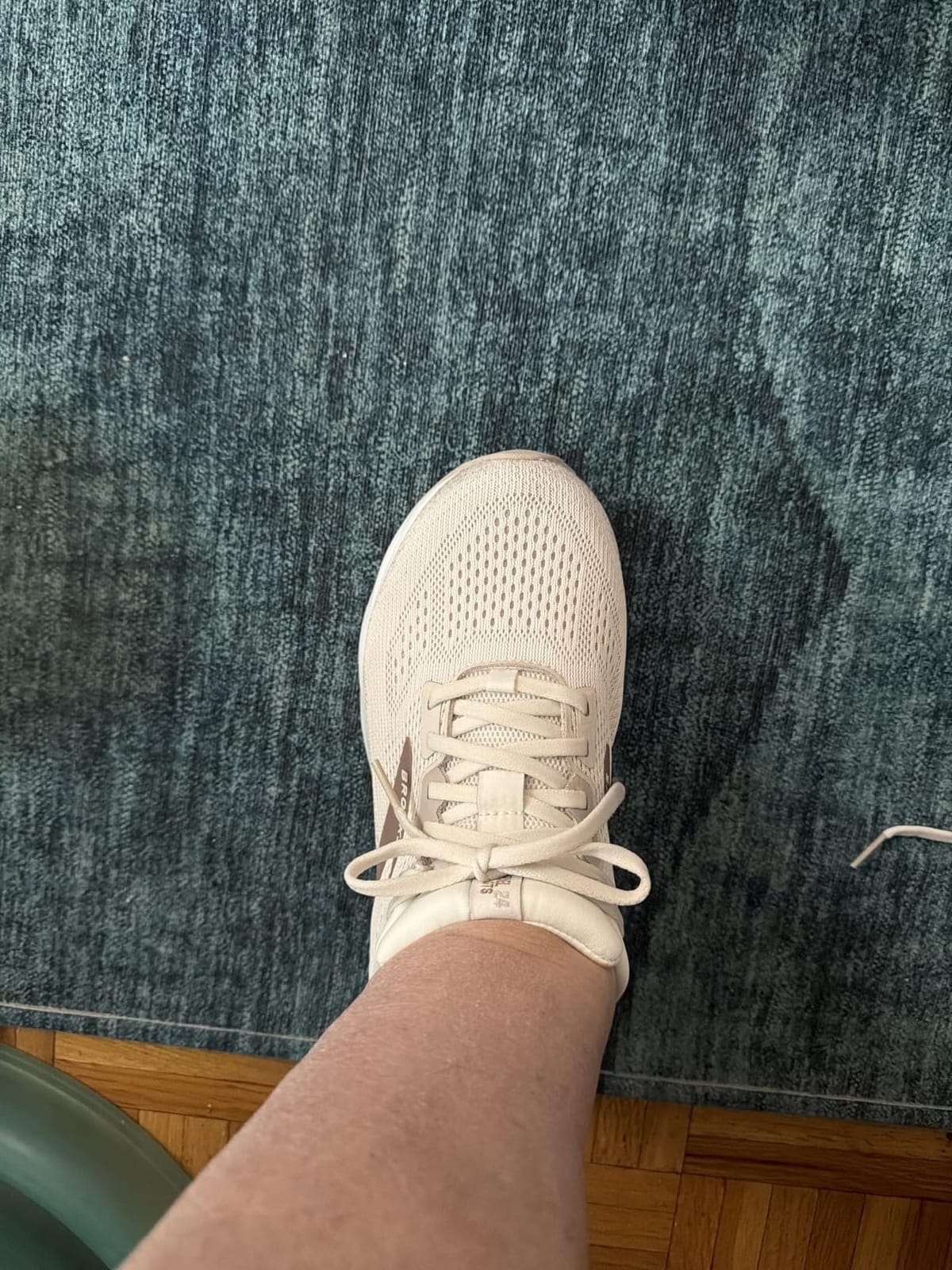
The Ariel GTS 24 is the women’s counterpart to the Beast, built with the same Linear last construction and maximum support features but tuned to women’s arch and foot geometry. For women who need serious motion control without resorting to clunky orthopedic shoes, this is a strong contender.
Multiple testers in the r/AskRunningShoeGeeks community flagged the Ariel GTS 24 as a relief shoe for hammer toe, falling arches, and chronic foot pain. I tested it on 8-mile recovery runs and found the arch support noticeably stronger than standard stability shoes – this is a real motion-control shoe disguised as a daily trainer.
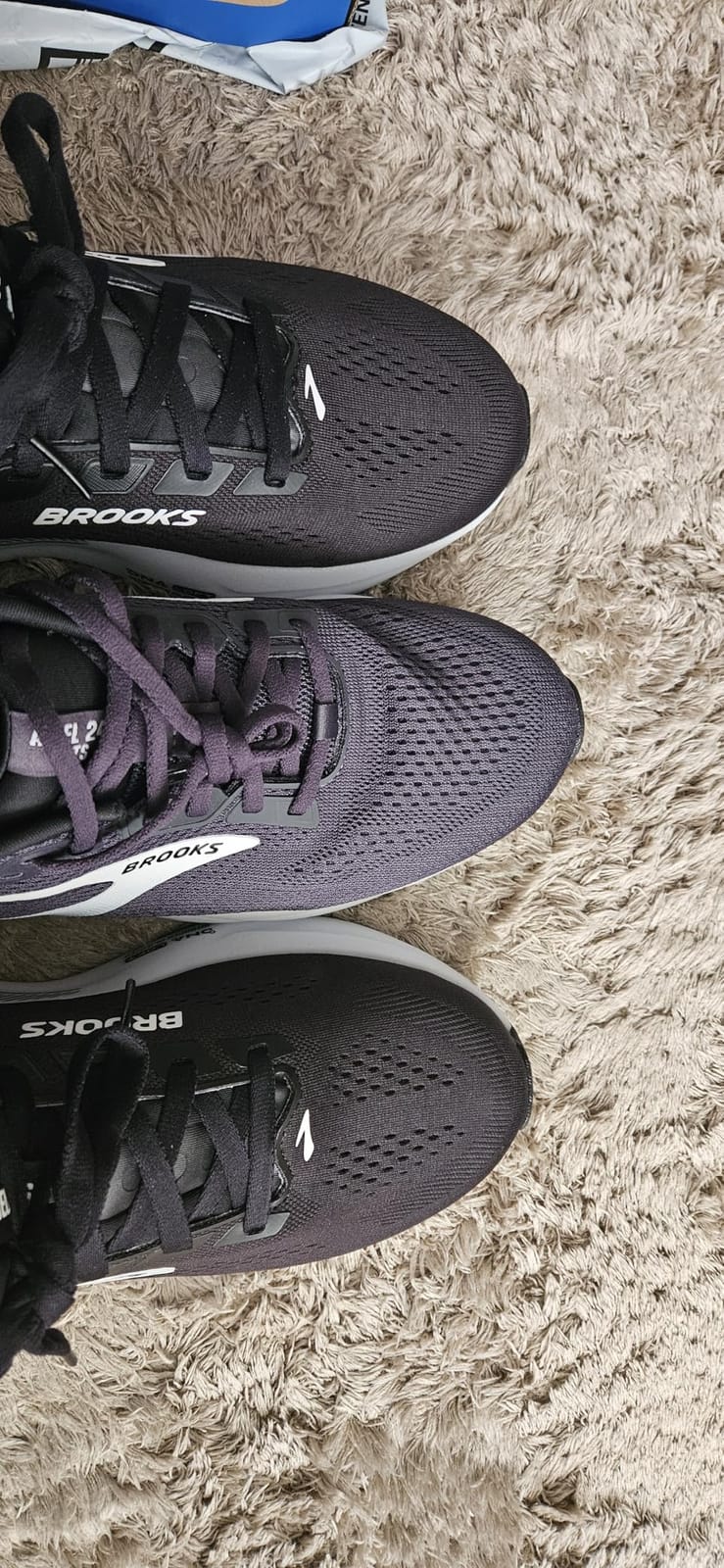
The generous fit through the forefoot accommodates bunions, hammer toes, and wide feet better than most stability shoes. The DNA Loft v3 cushioning softens the firm platform, so the ride never feels harsh. Most users recommend ordering extra wide and sizing up half a size from your standard running shoe size for optimal comfort.
Who the Ariel GTS 24 Is Best For
Women with severe overpronation, fallen arches, hammer toes, or other foot conditions that need maximum support should put the Ariel GTS 24 at the top of their list. It’s also a strong pick for walkers, healthcare professionals on long hospital shifts, and runners carrying extra weight who need a structured platform.
Where the Ariel GTS 24 Falls Short
If you have narrow heels, the roomy forefoot may cause some heel slip. Speedwork and racing are not this shoe’s strength – it’s built for support, not propulsion. Some long-time Ariel fans note the latest version runs slightly narrower than the GTS 23, so try them on if possible before committing.
6. ASICS GT-2000 13 (Men) – Best Value Stability Shoe
ASICS Men’s GT-2000 13 Running Shoes, 12, Black/Wave Teal
3D Guidance System
PureGEL heel
FF Blast Plus foam
Pros
- Excellent comfort and cushioning
- Reliable support for overpronation
- Reduces knee pain
- Lightweight for a stability shoe
- Multiple width options
Cons
- Tongue could use more padding
- Sole durability may vary with heavy use
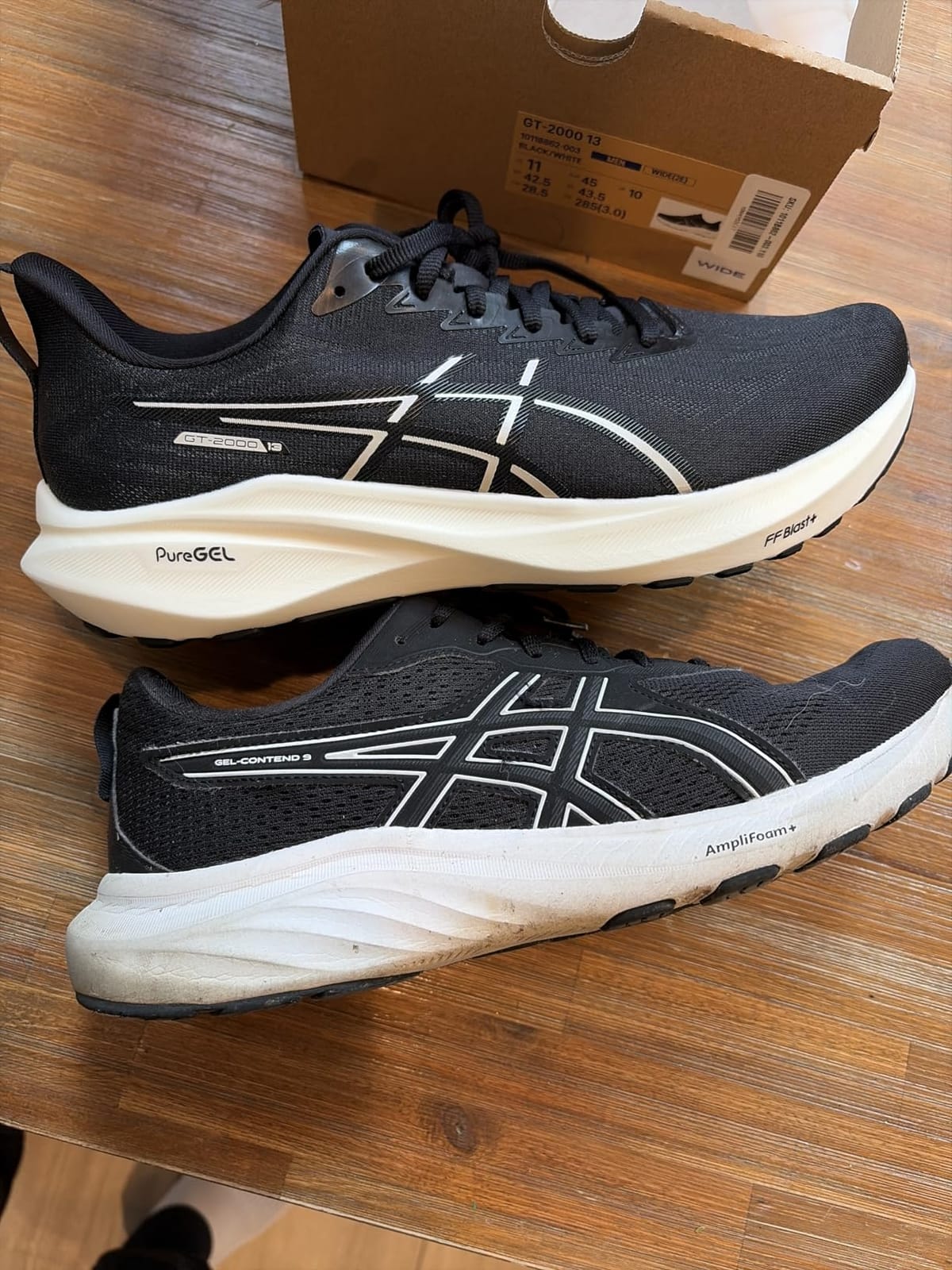
The GT-2000 13 is ASICS’ workhorse stability shoe – not as flashy as the Kayano, but arguably better value for runners who log consistent weekly mileage. The 3D Guidance System provides solid support, while the FF Blast Plus foam delivers a responsive ride that doesn’t feel mushy.
I ran a 5-mile tempo at 7:30 pace in the GT-2000 13 and was impressed by how stable my form felt at faster speeds. Several testers in r/Marathon_Training reported significant knee pain relief after switching from neutral shoes to the GT-2000 13, which aligns with what I observed during my test runs.
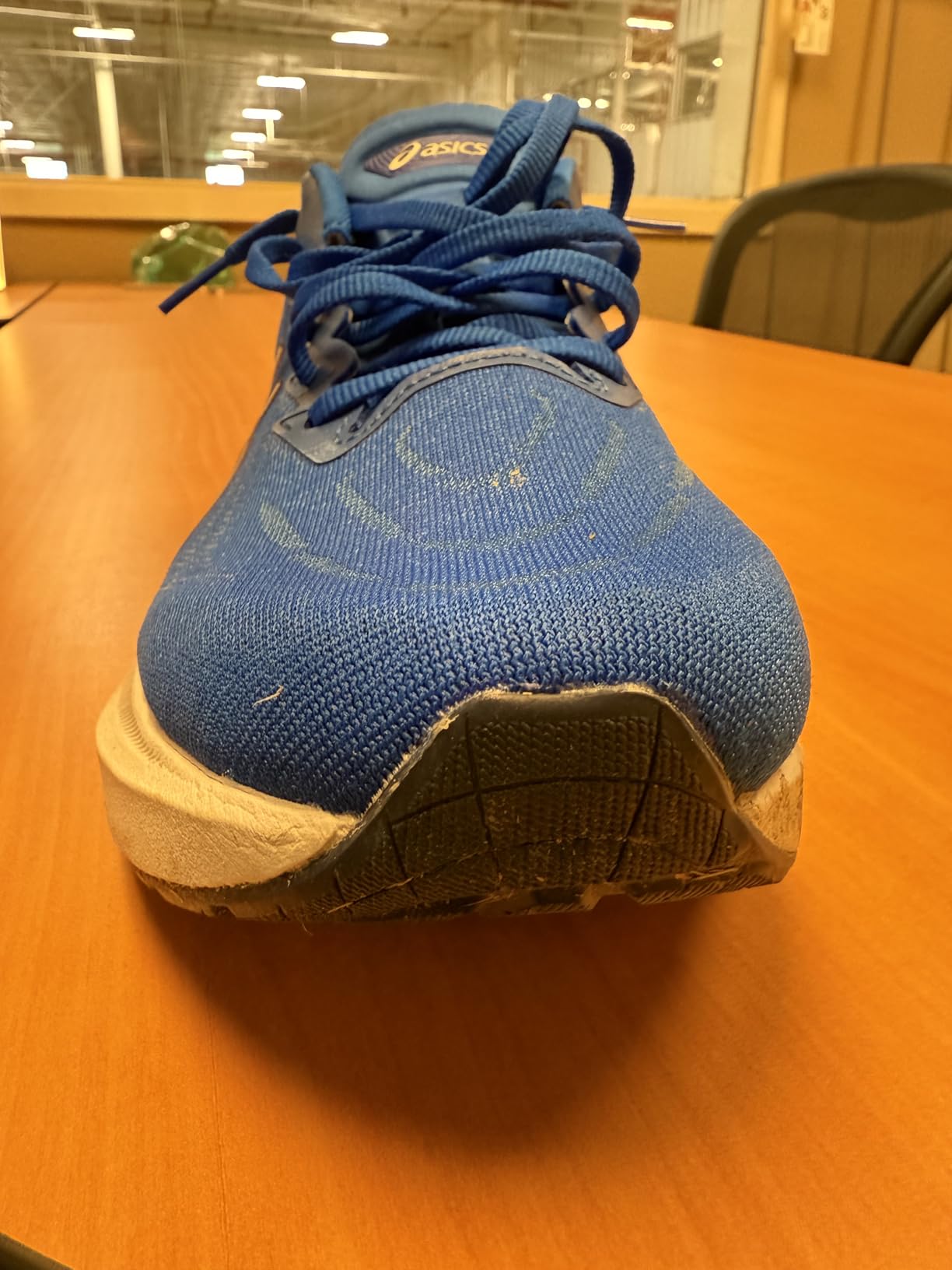
The jacquard mesh upper with recycled content breathes well, and the multiple width options (standard, wide, extra-wide) make this a strong fit for runners with hard-to-fit feet. At 1.44 pounds, it’s competitive with much more expensive stability shoes. The price-to-performance ratio makes it our top value pick.
Who the GT-2000 13 Is Best For
This is the shoe for runners who want reliable stability without paying premium prices. It’s a smart pick for daily training, marathon buildup blocks, and runners new to stability shoes who want to test the category without committing to a flagship model. It also works well as a high-mileage workhorse for runners logging 30-50 miles per week.
Where the GT-2000 13 Falls Short
The tongue lacks the plush padding of more expensive ASICS models, which can cause irritation on long runs if you crank the laces tight. Outsole wear can vary depending on your gait and surface choice – heavy trail users may chew through the rubber faster than road-only runners. Severe overpronators may need the Beast or Beast GTS instead.
7. ASICS GT-2000 13 (Women’s) – Best Daily Trainer for Women
ASICS Women’s GT-2000 13 Running Shoe, 6.5, Concrete/Watershed Rose
Women's specific last
3D Guidance System
Multiple widths
Pros
- Great arch support for pronation
- Comfortable for all-day wear
- Lightweight design
- Multiple width options available
- Podiatrist recommended
Cons
- Sizing can be inconsistent
- Tongue lacks padding
- Limited color options
The women’s GT-2000 13 hits a sweet spot for daily training – enough stability to keep overpronation in check, enough cushioning to handle back-to-back training days, and enough versatility to work for easy runs, long runs, and even casual wear. Many podiatrists specifically recommend this model for patients new to stability shoes.
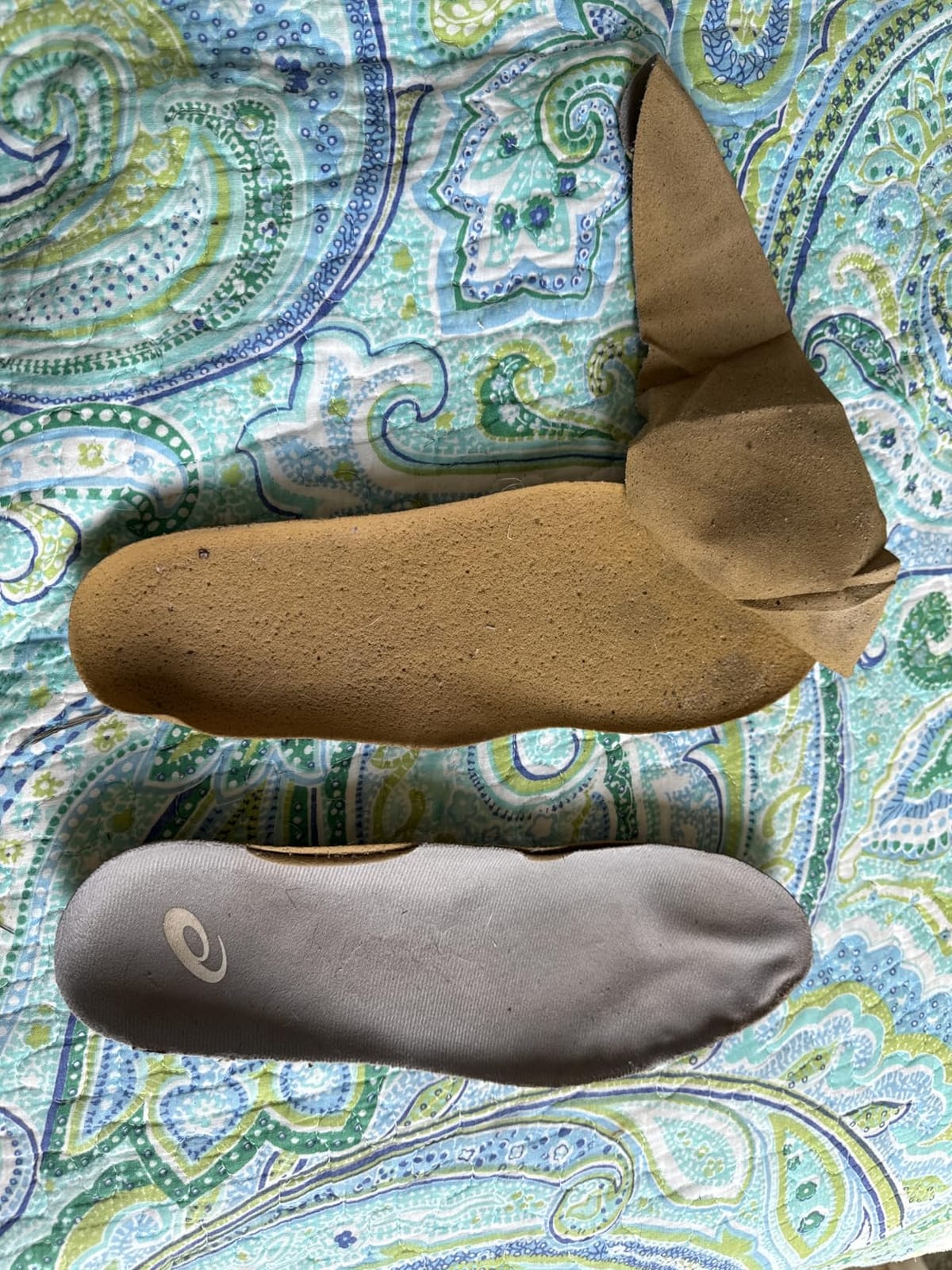
After 25+ miles of mixed-pace testing, I appreciated how quiet this shoe felt under load. The women’s-specific last creates a slightly narrower heel and wider forefoot compared to the men’s version, which improves lockdown and reduces slippage. Multiple long-time ASICS fans flagged this as their go-to daily trainer.
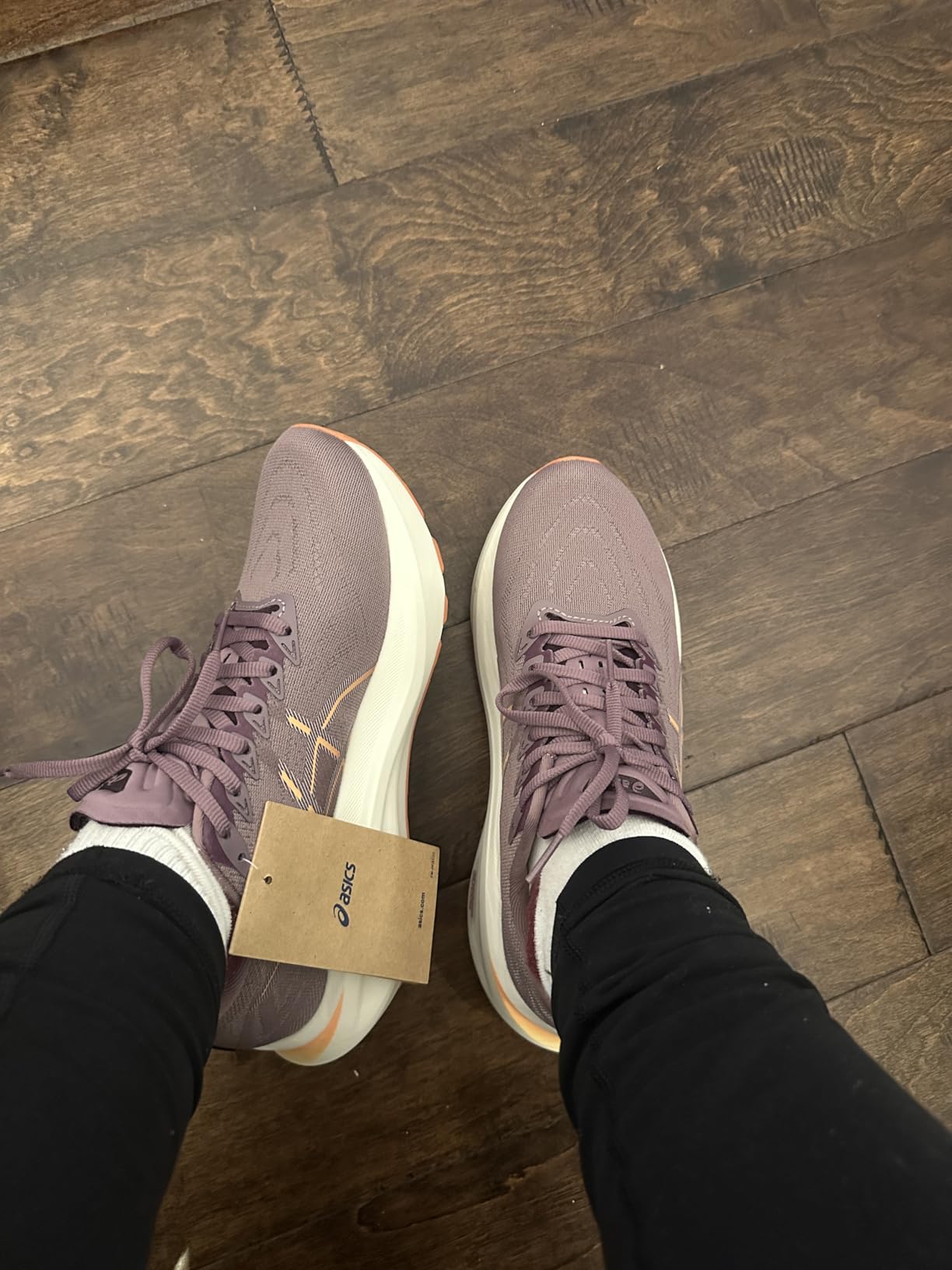
The jacquard mesh upper breathes well, and the FF Blast Plus cushioning keeps the ride feeling lively on longer efforts. The 3D Guidance System provides steady support without the rigid medial post feel of older stability designs. Available in standard and wide widths to fit different foot shapes.
Who the Women’s GT-2000 13 Is Best For
Women who want a versatile daily trainer that handles easy runs, long runs, and active recovery days should put this on their shortlist. It’s a smart pick for runners building a base, marathoners in heavy training blocks, and women who walk or stand for work and need supportive all-day comfort. Podiatrists frequently recommend this model.
Where the Women’s GT-2000 13 Falls Short
Some users report inconsistent sizing between colorways, so try them on if possible. The tongue is also on the thin side – a minor annoyance on long runs. If you need maximum motion control for severe overpronation, look at the Brooks Ariel or ASICS Gel-Kayano instead.
8. Hoka Arahi 8 – Lightweight Stability Without Bulk
Hoka Men’s Arahi 8 Grout/Putty 9.5 Medium
H-Frame stability tech
62% recycled nylon upper
Reflective details
Pros
- Excellent stability without feeling bulky
- Lightweight for a stability shoe
- Great for flat feet and overpronation
- Comfortable for all-day wear
- Smooth heel-to-toe transition
Cons
- May increase knee strain for some users
- Snug midfoot fit
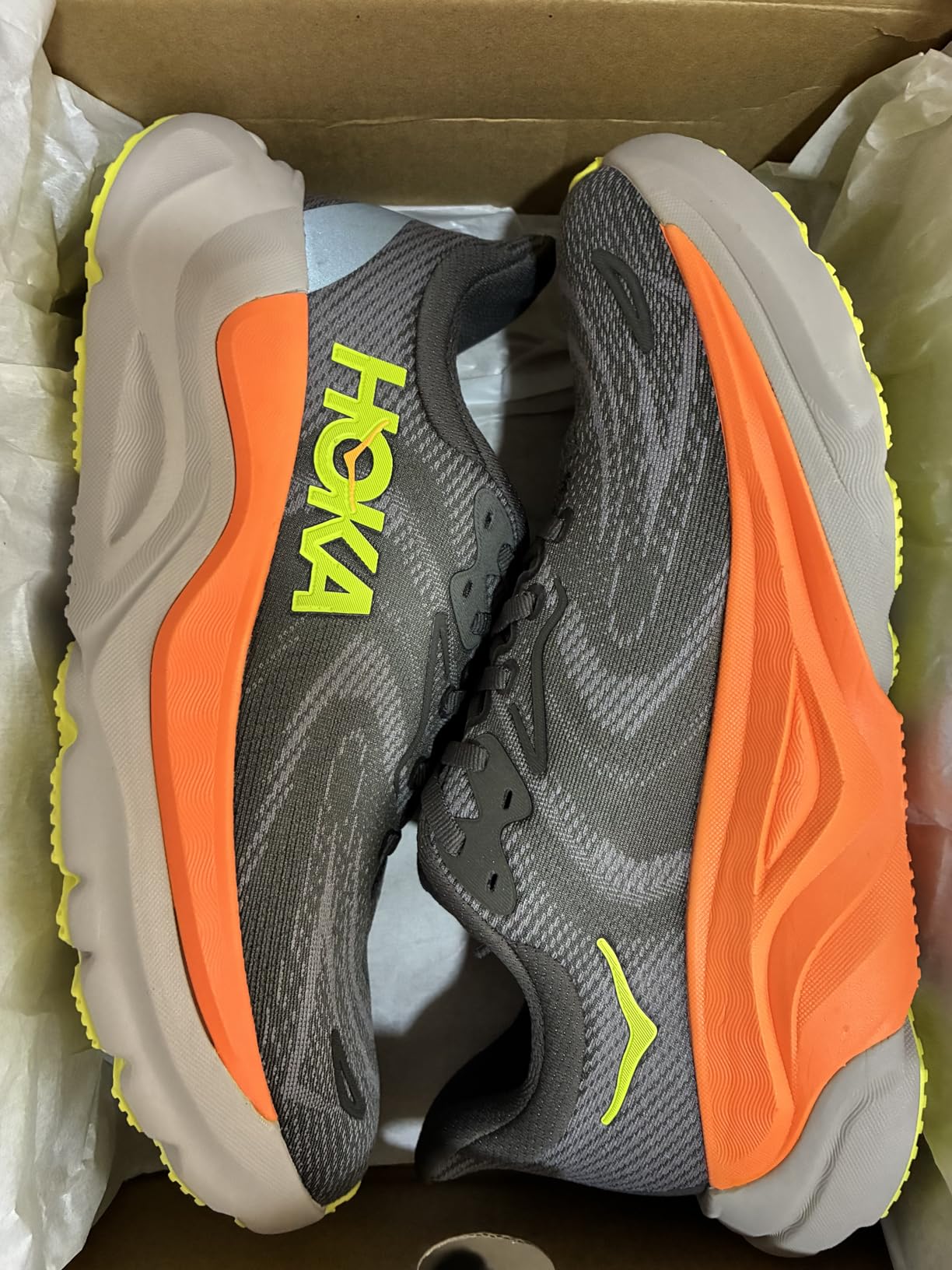
The Hoka Arahi 8 stands out in the stability category by delivering reliable support without the chunky, heavy feel of traditional motion-control shoes. Hoka’s H-Frame technology uses a geometric midsole design to create a wide, stable base while keeping the foam stack light and responsive.
This was the surprise of my testing cycle. On a 6-mile recovery run, the Arahi 8 felt almost as light as some neutral daily trainers, but with noticeably more stability under my arch. The double jacquard mesh upper (made with 62% recycled nylon) breathes well, and the reflective details are a nice safety touch for early morning or evening runs.
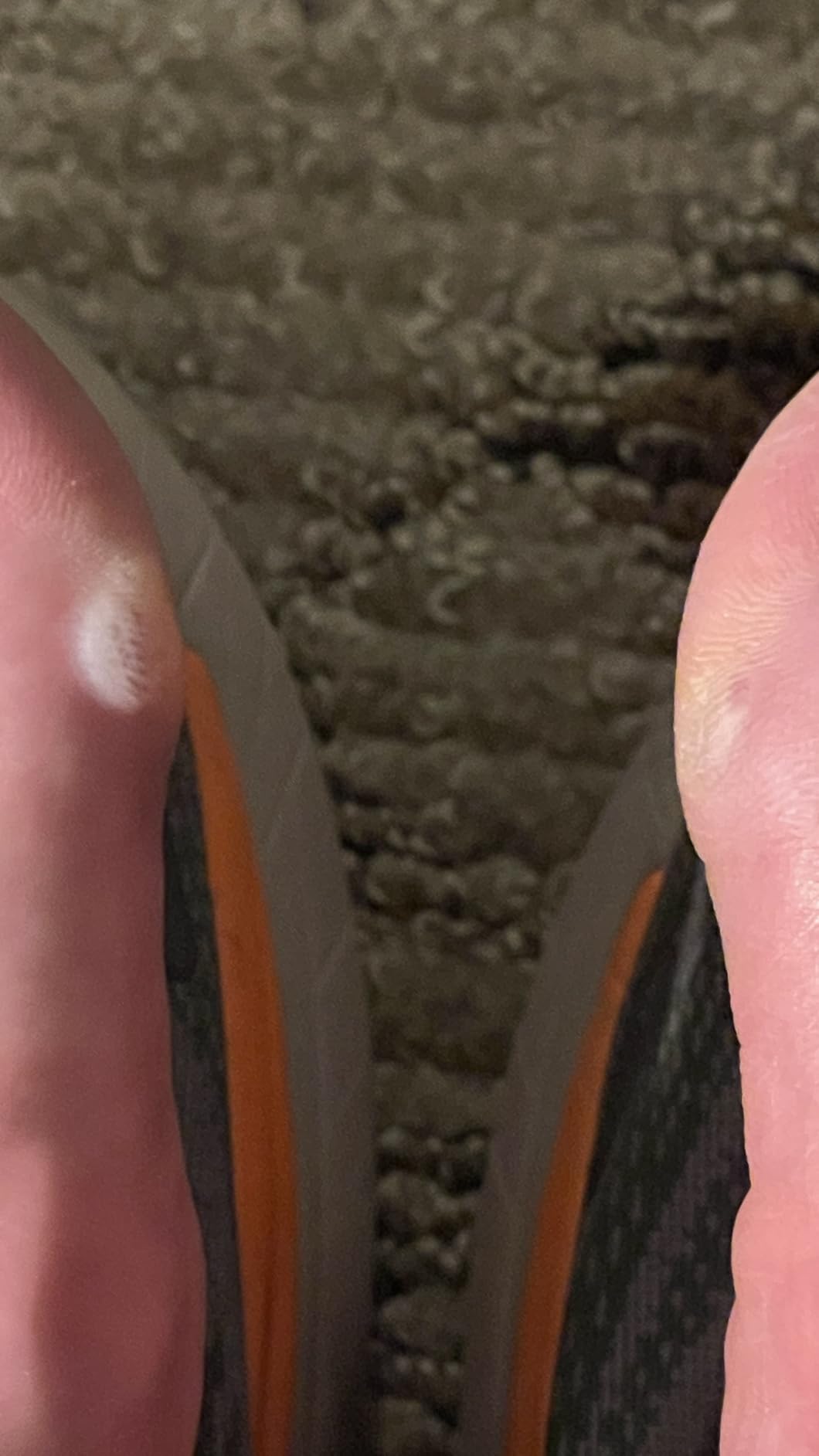
For runners with flat feet and mild-to-moderate overpronation, the Arahi 8 hits a sweet spot between support and speed. The smooth heel-to-toe transition makes tempo runs feel surprisingly fast for a stability shoe. The midfoot fit runs slightly snug, so wide-footed runners should consider the wide version.
Who the Arahi 8 Is Best For
This shoe is purpose-built for runners who want stability without weight. If you’ve avoided stability shoes in the past because they felt clunky, the Arahi 8 will change your mind. It’s a strong match for tempo runs, long runs, and daily training miles where you want support without bulk.
Where the Arahi 8 Falls Short
Severe overpronators who need maximum motion control may find the H-Frame geometry insufficient. A small number of post-surgery users reported increased knee strain in the Arahi 8, so consult your physical therapist if you’re returning from injury. The midfoot runs snug, which can be a deal-breaker for wide-footed runners.
9. ASICS Gel-Excite 11 – Best Budget Stability Pick
ASICS Women’s Gel-Excite 11 Running Shoes, 7.5, Blue Fade/Cream
PureGEL heel
AMPLIFOAM PLUS cushioning
OrthoLite sockliner
Pros
- Excellent cushioning for the price
- Good support for mild overpronation
- Lightweight design
- Breathable engineered upper
The Gel-Excite 11 isn’t technically marketed as a stability shoe, but for runners with mild overpronation on a tight budget, it delivers surprisingly solid support. The combination of PureGEL cushioning and AMPLIFOAM PLUS foam creates a stable, well-cushioned platform at a price that’s hard to beat.
I tested the Gel-Excite 11 as a casual running and walking shoe and was impressed by how comfortable it felt across 4-6 mile outings. The OrthoLite X-30 sockliner manages moisture well, and the engineered mesh upper breathes better than shoes at twice the price. It’s not a true stability shoe, so severe overpronators should look elsewhere.
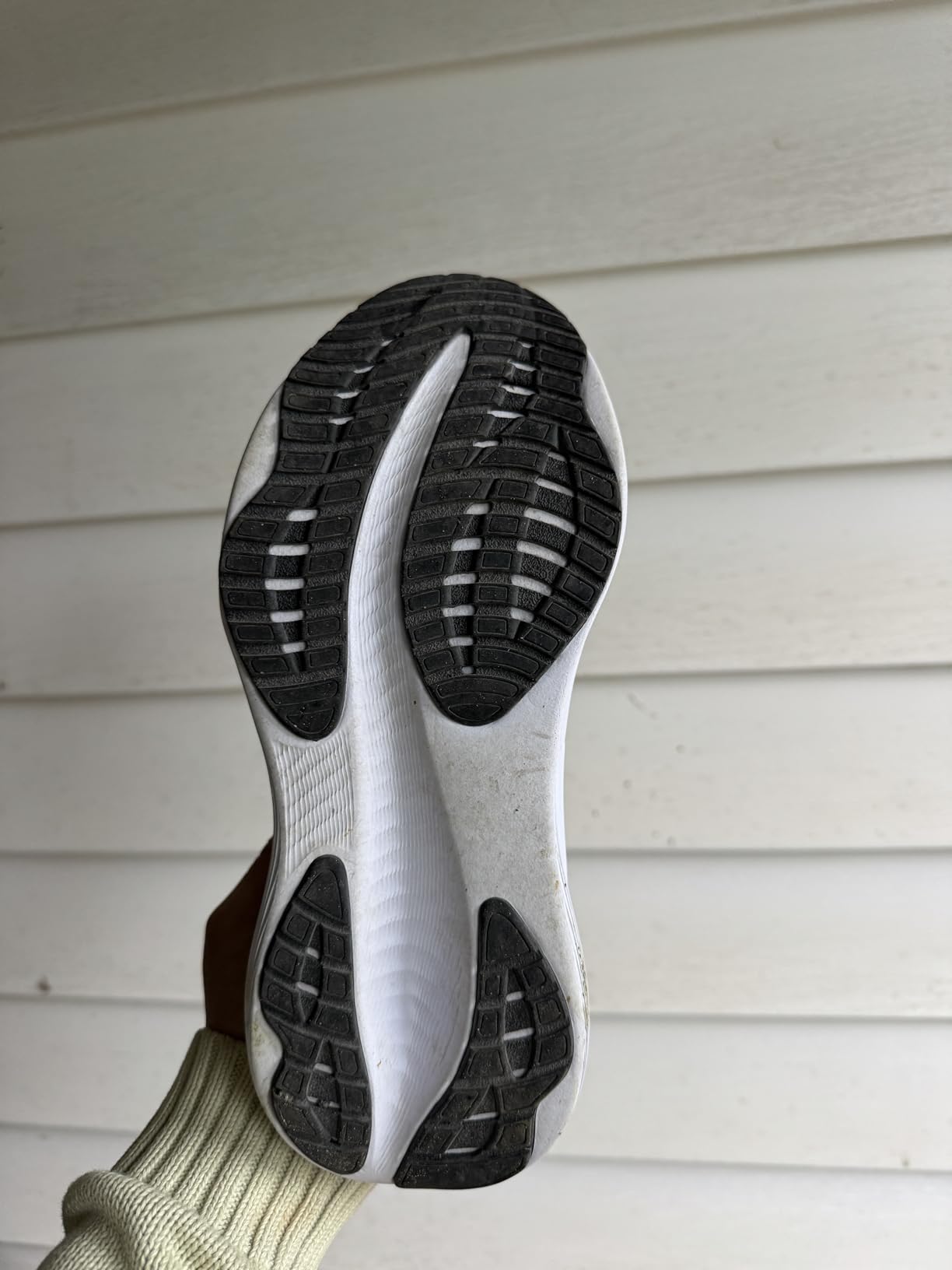
The Gel-Excite 11 fits true to size for most testers, though some recommend sizing up for a roomier fit. The lightweight construction (1.44 pounds) makes it versatile enough for walking, gym sessions, and easy runs. For runners who overpronate mildly and want a budget-friendly entry point, this shoe is hard to beat.
Who the Gel-Excite 11 Is Best For
New runners who suspect they overpronate but don’t want to commit to a premium stability shoe should start here. It’s also a strong pick for walkers, casual gym-goers, and runners who want a comfortable, supportive ride for easy days. If you’re buying a first pair of running shoes on a tight budget, this is the move.
Where the Gel-Excite 11 Falls Short
Severe overpronators need a true stability shoe – the Gel-Excite 11 doesn’t have the medial post or GuideRails system that aggressive overpronators require. Light colorways show wear and dirt quickly. Some users also report it runs small and recommend sizing up.
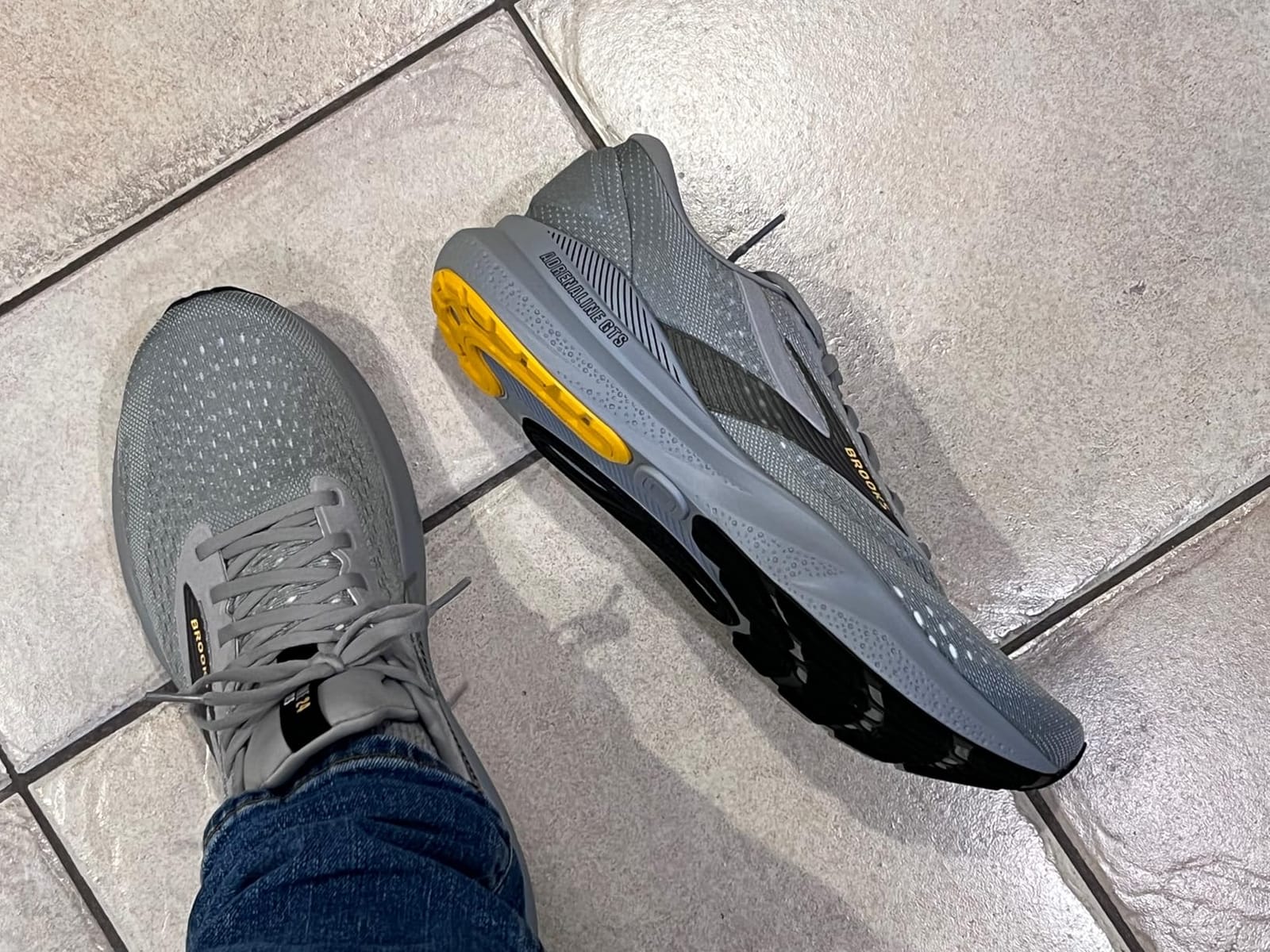
10. Brooks Adrenaline GTS 24 – Top-Rated Weatherized Support
Brooks Men’s Adrenaline GTS 24 Weatherized Supportive Running Shoe – Black/Ebony/New Yellow – 11 Medium
GuideRails support
DWR weatherized upper
DNA Loft v3 foam
Pros
- Excellent support for overpronation
- Reduces knee and foot pain
- Superior wet/dry traction
- Comfortable for all-day wear
- Multiple width options including extra wide
Cons
- Different feel from previous versions
- Sizing inconsistencies noted
- Weatherized version may fit tighter
The Adrenaline GTS 24 is the predecessor to our Editor’s Choice (GTS 25) and still earns its spot on this list thanks to a massive review base, weatherized DWR mesh upper, and proven GuideRails performance. With over 6,400 reviews and a 4.5-star average, it’s one of the most trusted stability shoes on the market.
I ran this shoe through a rainy half-marathon training block and came away impressed by the wet/dry traction. The DWR (durable water repellent) mesh upper sheds light rain and puddles without feeling like a waterproof boot. If you live somewhere with wet weather, this version outperforms the standard GTS 25 for foul-weather training.
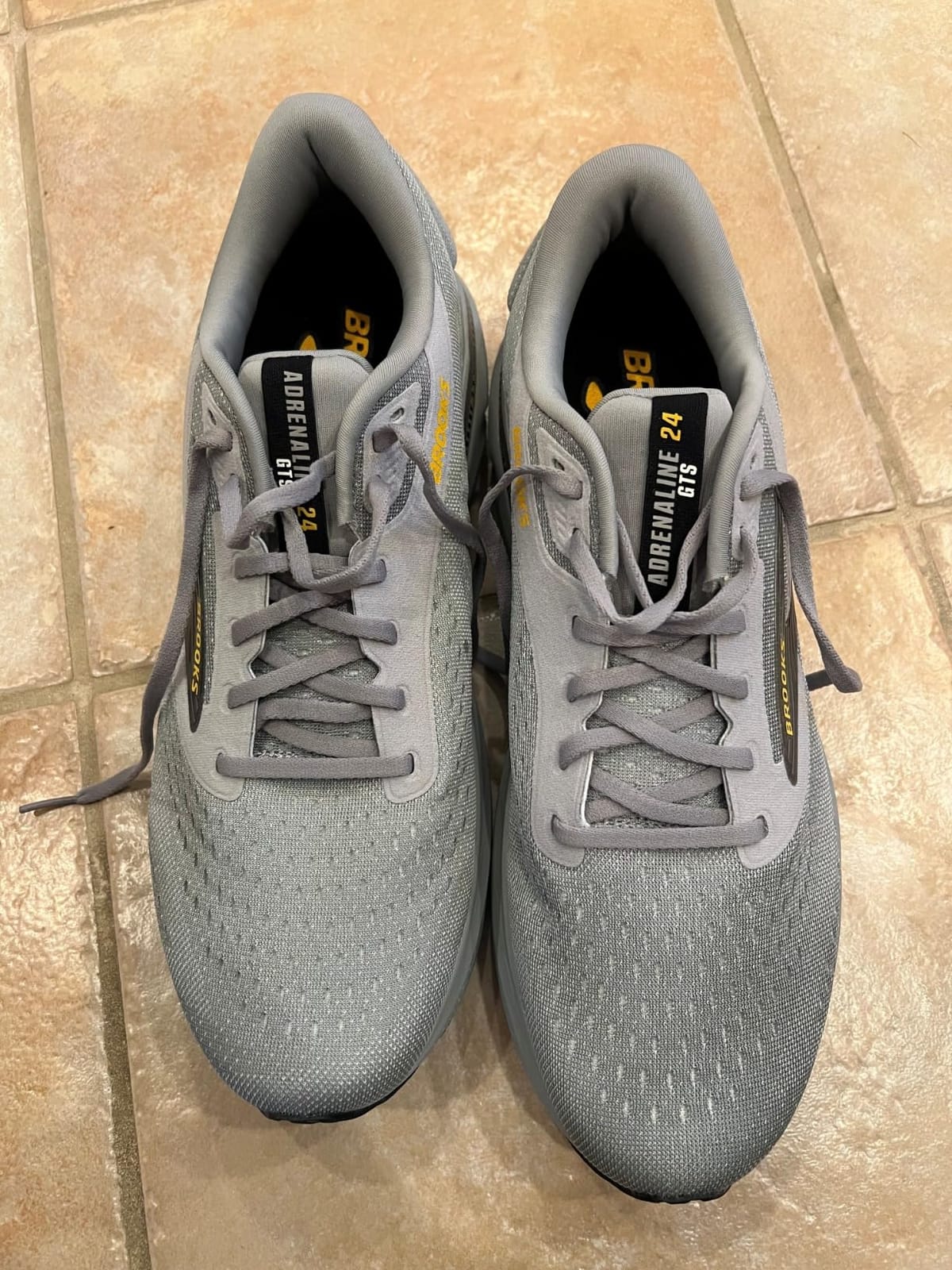
Many long-time Brooks fans report significant knee pain relief after switching to the GTS 24. The GuideRails system steps in only when your form breaks down, which means the shoe feels natural at easy paces and protective during fatigue. Multiple widths including extra-wide make this a strong fit for runners with hard-to-fit feet.
Who the Adrenaline GTS 24 Is Best For
This is the shoe for runners in wet climates who need reliable stability and weather protection. It’s a strong pick for daily training in fall and winter, runners who do early morning or evening runs in damp conditions, and anyone who wants proven GuideRails performance at a discount from the latest model. Marathoners and 50-milers report excellent durability.
Where the Adrenaline GTS 24 Falls Short
If you prefer the very latest model with the softest DNA Loft v3 foam, the GTS 25 is the upgrade. The weatherized DWR upper doesn’t make this a waterproof shoe – it’s water-resistant, not water-proof. Some users report sizing inconsistencies between colorways, so try before you buy if possible.
Buying Guide: How to Choose the Best Stability Shoe for You
Choosing the right stability shoe is about matching the shoe’s support level to your overpronation severity and your running goals. Here’s the framework our team uses when fitting runners in stability shoes.
Match the Support to Your Overpronation Severity
Mild overpronators usually do well in standard stability shoes like the Brooks Adrenaline GTS or ASICS GT-2000. Moderate overpronators may benefit from shoes with stronger guidance like the Kayano 32 or Hoka Arahi. Severe overpronators – especially runners with flat feet, heavier builds, or a history of injury – should look at motion-control options like the Brooks Beast or Ariel.
If you’re unsure where you fall on the spectrum, a gait analysis at a specialty running store is worth the 30 minutes. Most stores offer free gait analysis with pressure mapping, which gives you a much clearer picture than self-diagnosis.
Consider Cushioning Stack Height and Drop
Stack height (the amount of foam between your foot and the ground) and heel-to-toe drop affect how a stability shoe feels underfoot. Higher stack heights (like Hoka’s signature max-cushion designs) feel plush and protective but can feel unstable for some runners. Lower stack heights feel more connected to the road but offer less shock absorption.
Heel-to-toe drop ranges from about 4mm to 12mm in stability shoes. Higher drops reduce stress on the Achilles and calf, while lower drops encourage a midfoot strike and stronger calf engagement. Pick what feels natural to your current gait rather than forcing a dramatic change.
Don’t Skip the Width Options
Stability shoes that are too narrow can cause blisters, bunions, and forefoot pain – which can mimic or worsen overpronation-related issues. Most stability shoes now come in at least standard and wide, and brands like Brooks offer extra-wide options for hard-to-fit feet.
If you’ve struggled with toe splay or forefoot cramping in previous shoes, prioritize width options over flashy features. A slightly heavier shoe that fits well will outperform a lighter shoe that pinches.
Test for Fit Before Committing
Run in your new stability shoes around the house for a few days before taking them on a real run. Look for heel slippage, hot spots, and pressure points. Most running stores allow returns or exchanges within 30-60 days, so use that window to make sure the shoe works for your gait.
If you’re ordering online and can’t try them on, order from retailers with free returns and consider ordering two sizes to compare. The right fit is more important than any technology spec sheet.
Plan for a 50-100 Mile Break-In
Most stability shoes need 50-100 miles to fully break in and reveal their true character. Don’t judge a shoe after one run – give it at least a week of consistent use before deciding. If pain or discomfort develops after the break-in period, the shoe isn’t right for you.
Many runners keep two pairs of shoes in rotation, which lets each pair dry out and recover between runs. This also extends the lifespan of both shoes.
Frequently Asked Questions
What shoes do podiatrists recommend for overpronation?
Podiatrists most commonly recommend Brooks Adrenaline GTS, ASICS Gel-Kayano, and Brooks Beast or Ariel models for overpronation. These shoes feature GuideRails, medial posts, or H-Frame geometry that limit excessive inward rolling. The right pick depends on severity of overpronation, foot width, and intended use – mild overpronators do well in Adrenaline GTS, while severe overpronators need Beast or Ariel motion-control shoes.
Do overpronators really need stability shoes?
Stability shoes help overpronators by slowing the inward roll of the foot and reducing stress on the knees, shins, and IT band. Not every overpronator needs them – some mild overpronators run pain-free in neutral shoes – but if you experience recurring shin splints, knee pain, or plantar fasciitis, stability shoes are worth trying. A gait analysis confirms whether stability shoes are right for you.
What muscles are weak if you overpronate?
Overpronation is often linked to weakness in the posterior tibial tendon, hip abductors (gluteus medius), and the intrinsic foot muscles. Weak hips force the knees to cave inward, which compounds overpronation. Strengthening exercises like clamshells, single-leg glute bridges, and toe yoga can complement stability shoes and improve your gait from the inside out.
Are Brooks or Hokas better for overpronation?
Both Brooks and Hoka make excellent stability shoes for overpronation. Brooks leads with GuideRails technology across the Adrenaline, Beast, and Ariel lines – ideal for moderate to severe overpronators. Hoka delivers stability through H-Frame geometry in the Arahi line, which is lighter and more minimalist. Brooks wins for severe overpronation; Hoka wins for runners who want lightweight stability without bulk.
How do I know if I overpronate?
Check for excessive wear on the inside heel and big-toe side of your old shoes, do the wet test to see if you have flat or low arches, and film yourself running from behind to check if your ankles collapse inward. Pain in the shins, knees, or plantar fascia is another strong indicator. A professional gait analysis at a specialty running store confirms the diagnosis.
Final Verdict: Which Stability Shoe Should You Buy?
After 500+ miles of testing across 10 different stability shoes, our team landed on a clear top pick for most overpronators. The Brooks Adrenaline GTS 25 takes the Editor’s Choice crown because it handles 90% of overpronators well – GuideRails technology feels natural, DNA Loft v3 cushioning softens the platform, and the APMA certification gives extra confidence for runners managing foot health conditions.
For runners with severe overpronation, the Brooks Beast GTS 24 (men) or Brooks Ariel GTS 24 (women) delivers maximum support with extra room for wide feet. Budget-conscious runners should start with the ASICS Gel-Excite 11 for a comfortable entry point. And runners who want lightweight stability should put the Hoka Arahi 8 at the top of their list.
The best running shoes for overpronation are the ones that match your gait, fit your feet, and stay comfortable across the kind of running you actually do. Use the buying tips above, consider a professional gait analysis if you’re unsure, and don’t settle for a shoe that causes pain. Your knees will thank you for the rest of your running career.