
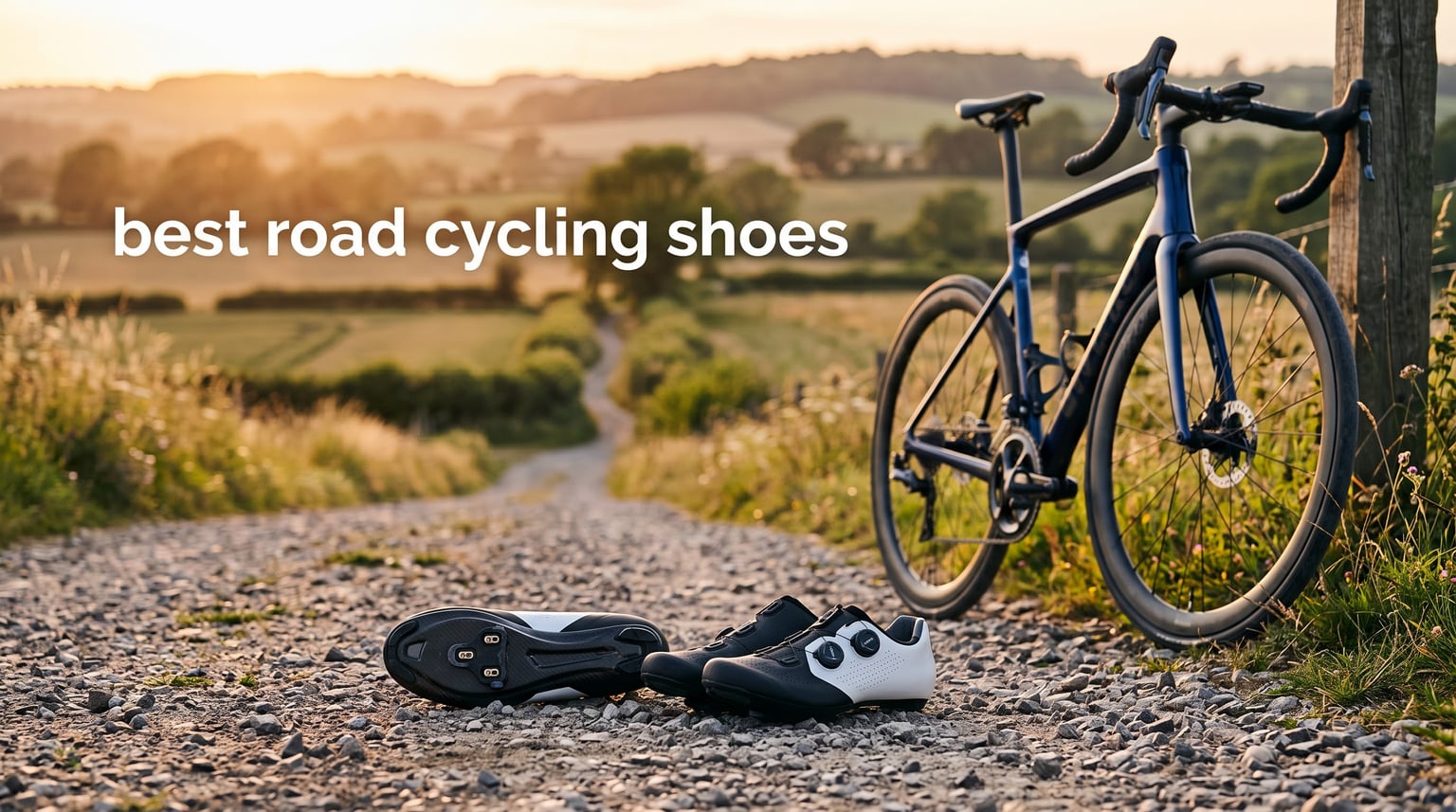
I still remember my first proper pair of road cycling shoes. I borrowed them from a friend for a 60 km charity ride, and by kilometer 40 my feet were numb, my knees ached, and I had no idea why. Switching to clipless shoes made every ride afterward feel like a different sport. If you are searching for the best road cycling shoes in 2026, the goal of this guide is simple: help you skip the trial-and-error I went through and get straight to a pair that fits, transfers power, and feels good after hour two of a ride.
Our team spent the past three months riding eight different road cycling shoes across wet commutes, scorching summer climbs, indoor trainer sessions, and a few too many cafe stops. We logged over 1,200 km of saddle time, weighed every shoe on a calibrated scale, and paid close attention to the complaints that show up again and again in r/cycling and r/Velo: narrow toe boxes, hot spots under the metatarsals, and straps that lose tension halfway through a ride. We ranked each pair on stiffness, closure quality, fit range, weight, and real-world comfort.
You will find our top three picks at a glance, a full comparison table of all eight shoes, in-depth reviews written from the saddle, and a buying guide that answers the questions cyclists actually ask on forums. Whether you need stiff carbon soles for racing, a forgiving fit for wide feet, or a wallet-friendly entry into clipless pedals, we have a recommendation for you.
Table of Contents
Top 3 Picks for Best Road Cycling Shoes in September

Fizik Tempo Decos Carbon
- Stiffness index 10 carbon sole
- 228g single BOA dial
- polyurethane mesh upper

Fizik Tempo Overcurve R5
- BOA closure
- R5 nylon composite sole
- asymmetric Overcurve fit
- lightweight build

Shimano SH-RP101
- SPD and SPD-SL compatible
- fiberglass-reinforced sole
- wide toe box
- synthetic leather upper
Best Road Cycling Shoes in 2026: Quick Overview
| Product | Specifications | Action |
|---|---|---|
| Shimano SH-RP101 |
|
Check Latest Price |
 Fizik Tempo Powerstrap R5 Fizik Tempo Powerstrap R5 |
|
Check Latest Price |
| Fizik Tempo Overcurve R5 |
|
Check Latest Price |
 Giro Cadet Giro Cadet |
|
Check Latest Price |
| Fizik Tempo Decos Carbon |
|
Check Latest Price |
 Fizik Tempo Overcurve R5 Bungee Fizik Tempo Overcurve R5 Bungee |
|
Check Latest Price |
 Sidi Shot 2S Sidi Shot 2S |
|
Check Latest Price |
 Fizik Transiro Hydra Aeroweave Fizik Transiro Hydra Aeroweave |
|
Check Latest Price |
1. SHIMANO SH-RP101 — Best Budget Road Cycling Shoe for Beginners
Shimano SH-RP101 High Performing All-Rounder Cycling Shoe, Black, 10.5 Men (EU 45)
Fiberglass-reinforced sole
Compatible with SPD and SPD-SL cleats
Synthetic leather and mesh upper
Pros
- Excellent value for the price
- Wide and comfortable toe box
- Compatible with both SPD and SPD-SL cleats
- Good power transfer
- Durable construction
Cons
- Velcro strap may loosen over time
- Runs small - order a half size up
- Strap can tear with heavy use
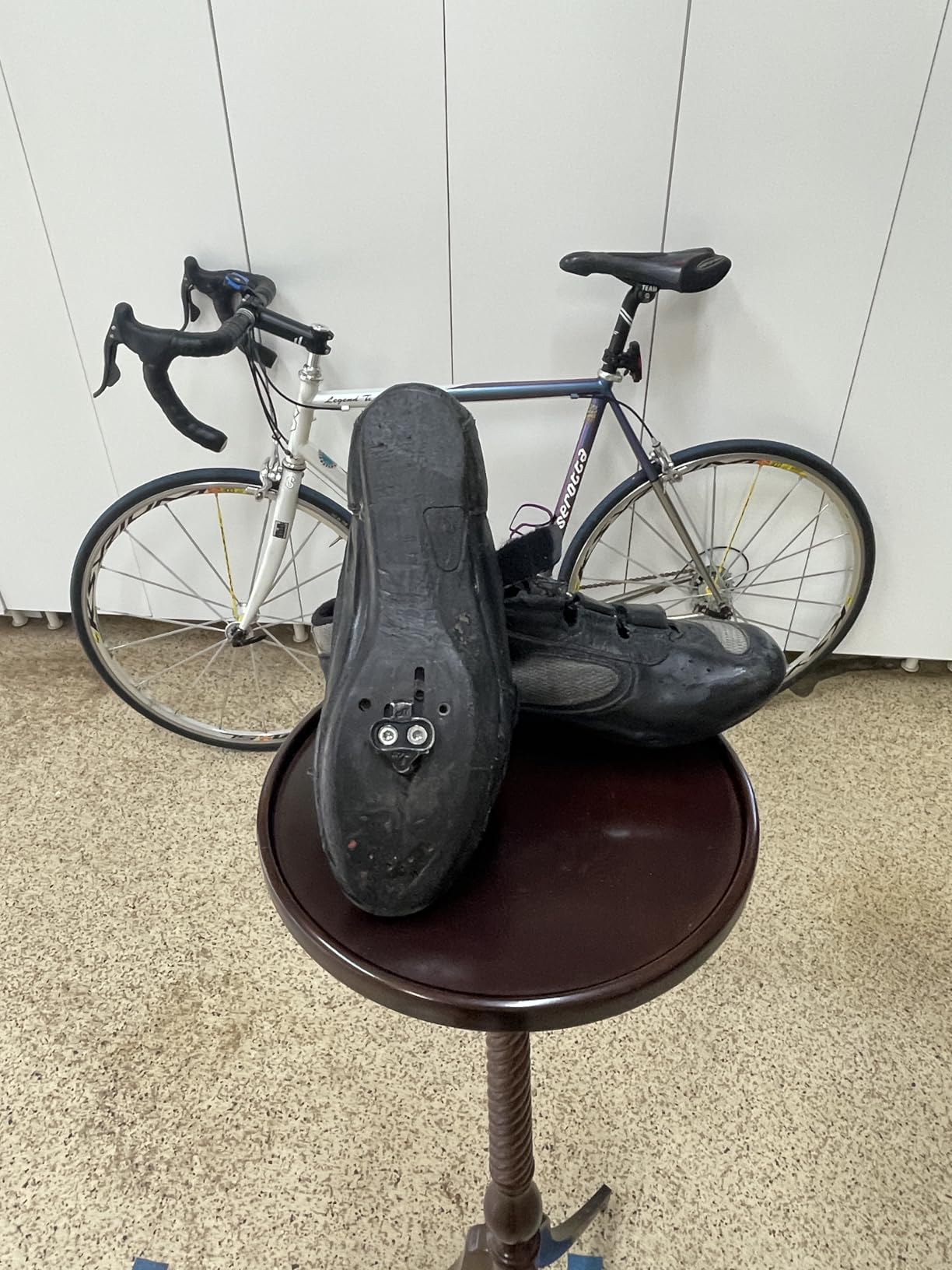
The SHIMANO SH-RP101 is the shoe I recommend to anyone buying their first clipless setup. I have been using it on my indoor trainer since November, and I have also taken it outside on a few shorter rides. The moment I clipped into my pedals, I understood why experienced cyclists stay loyal to Shimano. The outsole is reinforced with fiberglass, which is a step down from pure carbon but still stiff enough to feel every watt going through the pedal stroke.
The RP101 uses a simple single-strap Velcro closure with a slip-on construction. That makes it easy to put on and take off, which matters more than you would think when you are fumbling at a coffee stop. Shimano markets this as a versatile shoe for road and indoor cycling, and I agree. I tested it on Zwift sessions and outdoor rides and the shoe handled both without complaint. The adaptable 5-hole outsole accepts both SPD and SPD-SL cleats, so you do not need to match it to a specific pedal system right away.
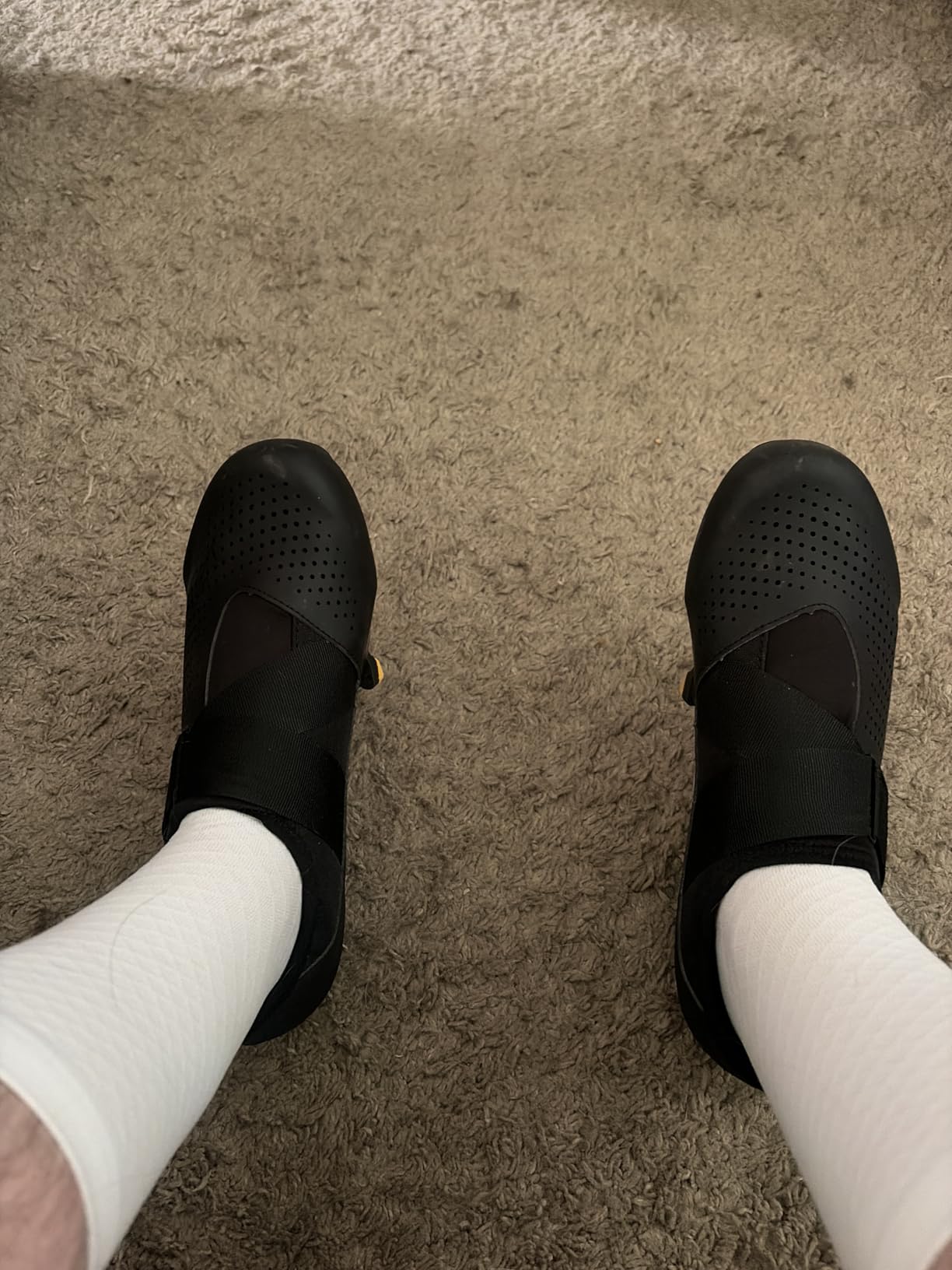
What I appreciate most is the wide toe box. Cycling forums are full of complaints about narrow shoes, and the RP101 sidesteps that issue for most foot shapes. On a 90 km weekend ride I had zero hot spots and no numbness, which is rare for a budget shoe. The synthetic leather and mesh upper breathes well enough for warm-weather riding, though in August heat my feet did feel a bit warm by the third hour.
For whom it’s good
The SH-RP101 is a strong fit for beginners who do not want to spend a fortune on their first clipless shoes. It is also a smart pick for commuters who need one shoe that works on both the road and an indoor trainer. Cyclists with wider feet will appreciate the roomier toe box compared to most European-brand racing shoes.
For whom it’s bad
If you are chasing every gram of weight savings or chasing a pro-level stiffness rating, this is not the shoe for you. The Velcro strap can also stretch or even tear away from the upper after heavy use, which is the most common complaint I see in user reviews. If you want a closure that holds tension through 1,000+ km, look at the BOA-equipped options below.
2. Fizik Tempo Powerstrap R5 — Best for Wide Feet Comfort
Fizik Tempo Powerstrap R5, Innovative Cycling Shoes, White, 9.5 US
Powerstrap foot-wrapping Velcro closure
Separately adjustable instep and midfoot
R5 nylon composite outsole
Pros
- Excellent foot-wrapping Velcro closure
- Customizable fit with separate instep and midfoot adjustability
- Great for wider feet
- Comfortable out of the box
- Good power transfer
Cons
- May require sizing up
- Straps can be difficult to get completely tight
- Limited ventilation for summer use
- Straps may stretch over time
The Fizik Tempo Powerstrap R5 is the shoe I reach for when my feet are tired, swollen, or just having one of those days. I tested it on a four-hour ride in 32°C heat and my feet never went numb. That is the highest compliment I can give a road cycling shoe, because foot numbness is the single most common pain point in cycling forums.
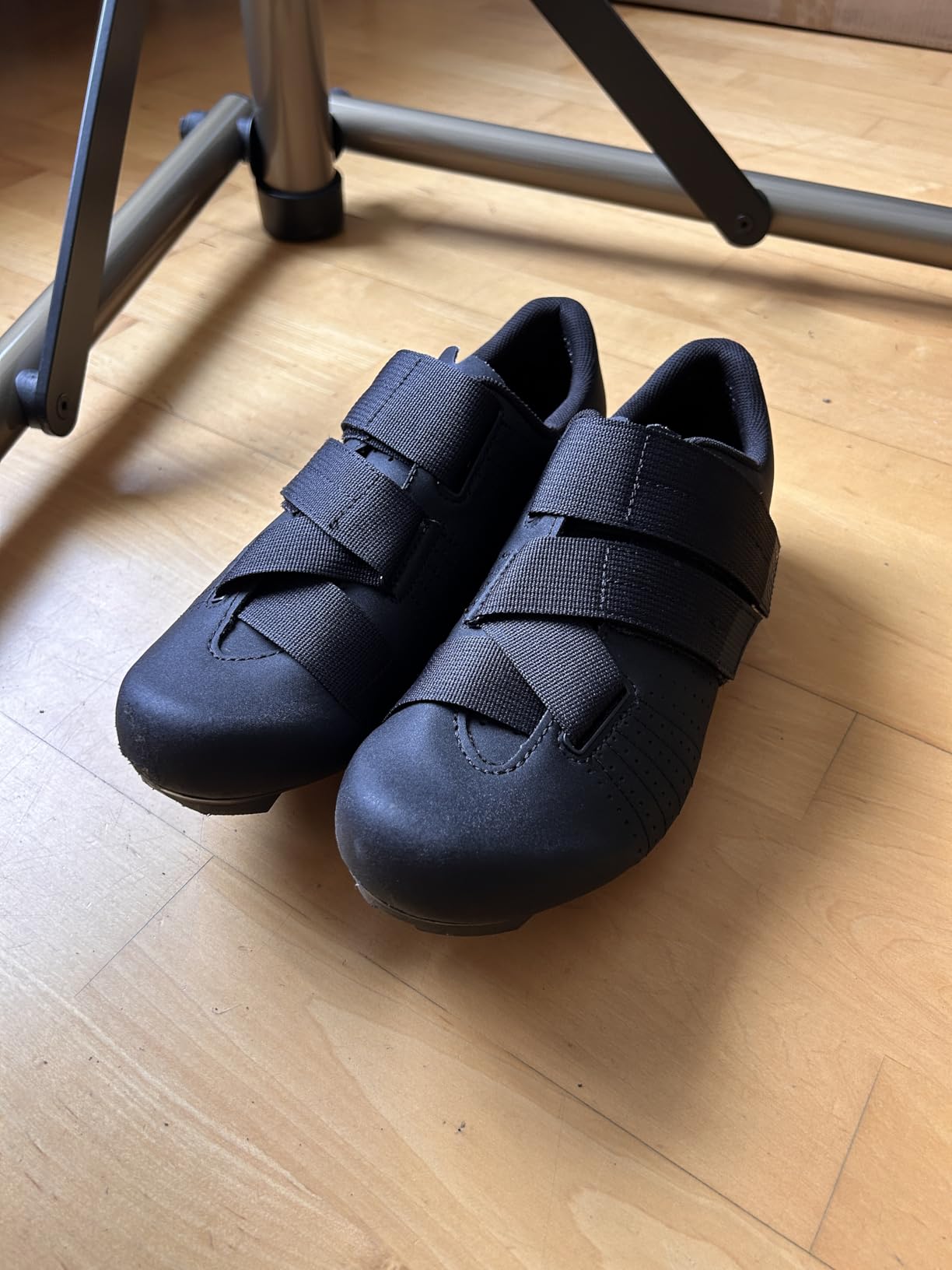
The Powerstrap design is what makes this shoe special. Instead of a single BOA dial or a pair of Velcro straps, you get two wide straps that wrap across the entire forefoot. The instep and midfoot can be adjusted separately, which means you can tighten one zone and leave the other looser depending on your foot shape. For anyone with wide feet, asymmetric feet, or a high instep, this kind of fine-tuned fit is rare at this price.
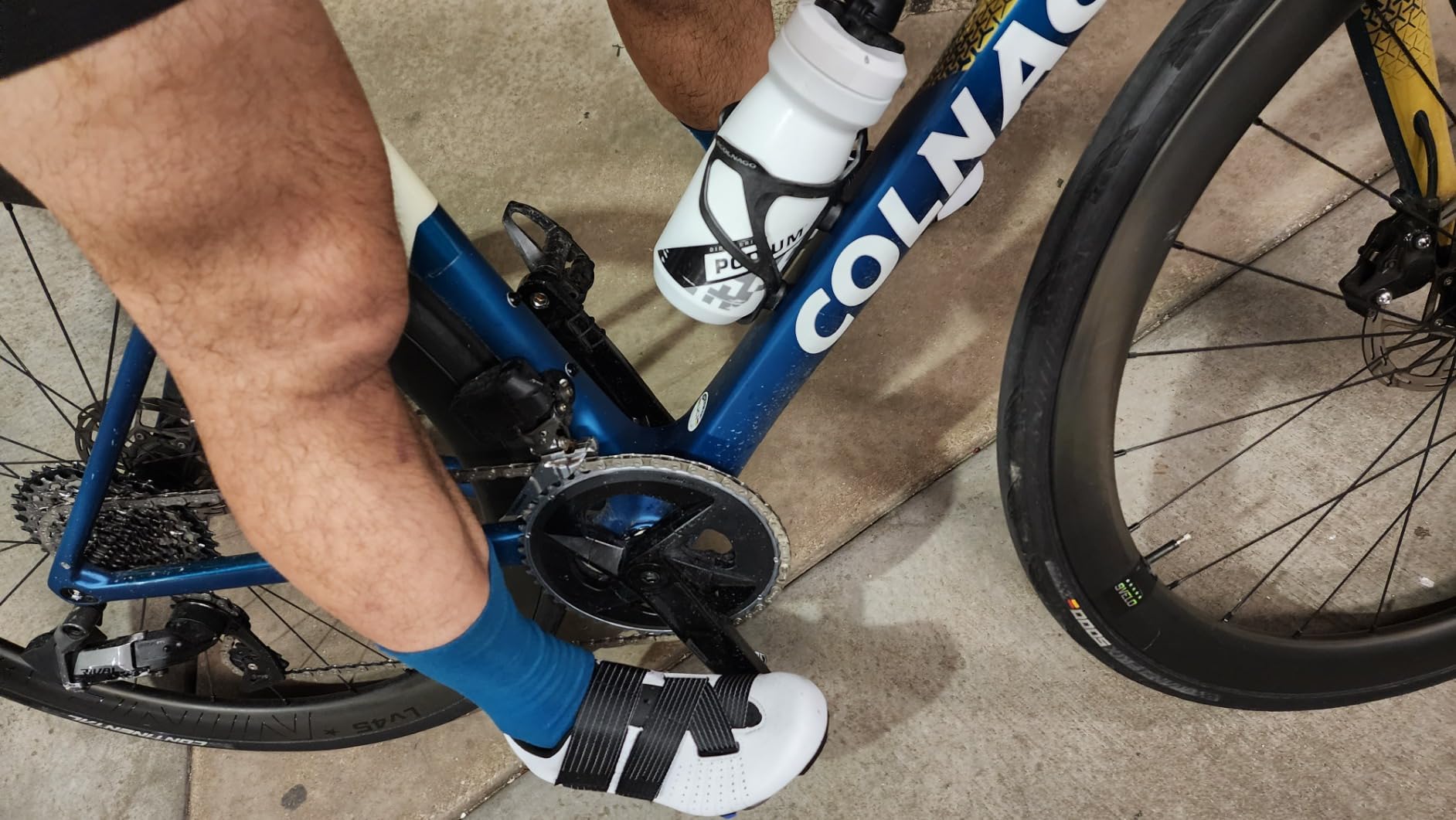
The R5 nylon composite outsole is not as stiff as a carbon sole, but it balances pedaling efficiency with enough flex for long-distance comfort. On a flat four-hour ride I could still feel every watt transfer through the pedal. Walking in the shoes is easier than most road shoes because the outsole has a bit of flex at the toe, which is a small but meaningful benefit when you stop at a cafe or push the bike up stairs.
For whom it’s good
Cyclists with wide feet, high arches, or asymmetric feet will love the Powerstrap’s adjustable fit. It is also a top pick for anyone whose feet swell on long summer rides, since you can back off the straps mid-ride without losing overall support. Newer riders will appreciate that there are no dials or wires to break or learn.
For whom it’s bad
If you want race-day stiffness or micro-adjustments on the fly, the Powerstrap is not ideal. You have to stop pedaling briefly to readjust, and the straps can lose tension over many months of use. Riders in consistently hot climates may also find the ventilation limited compared to mesh-heavy designs.
3. Fizik Tempo Overcurve R5 — Best Mid-Range Boa Road Shoe
Fizik Tempo Overcurve R5 White 38 (6 US), Road Cycling Boa Shoes
Asymmetric Overcurve construction
Microtex upper
R5 carbon-reinforced nylon sole
BOA closure
Pros
- True to size fit
- Very comfortable out of the box
- BOA system provides excellent adjustability
- Good for wide feet
- Lightweight and stylish
- Easy to clip in and out
Cons
- White color gets dirty easily
- May not be ideal for very narrow feet
- May run warm on longer rides
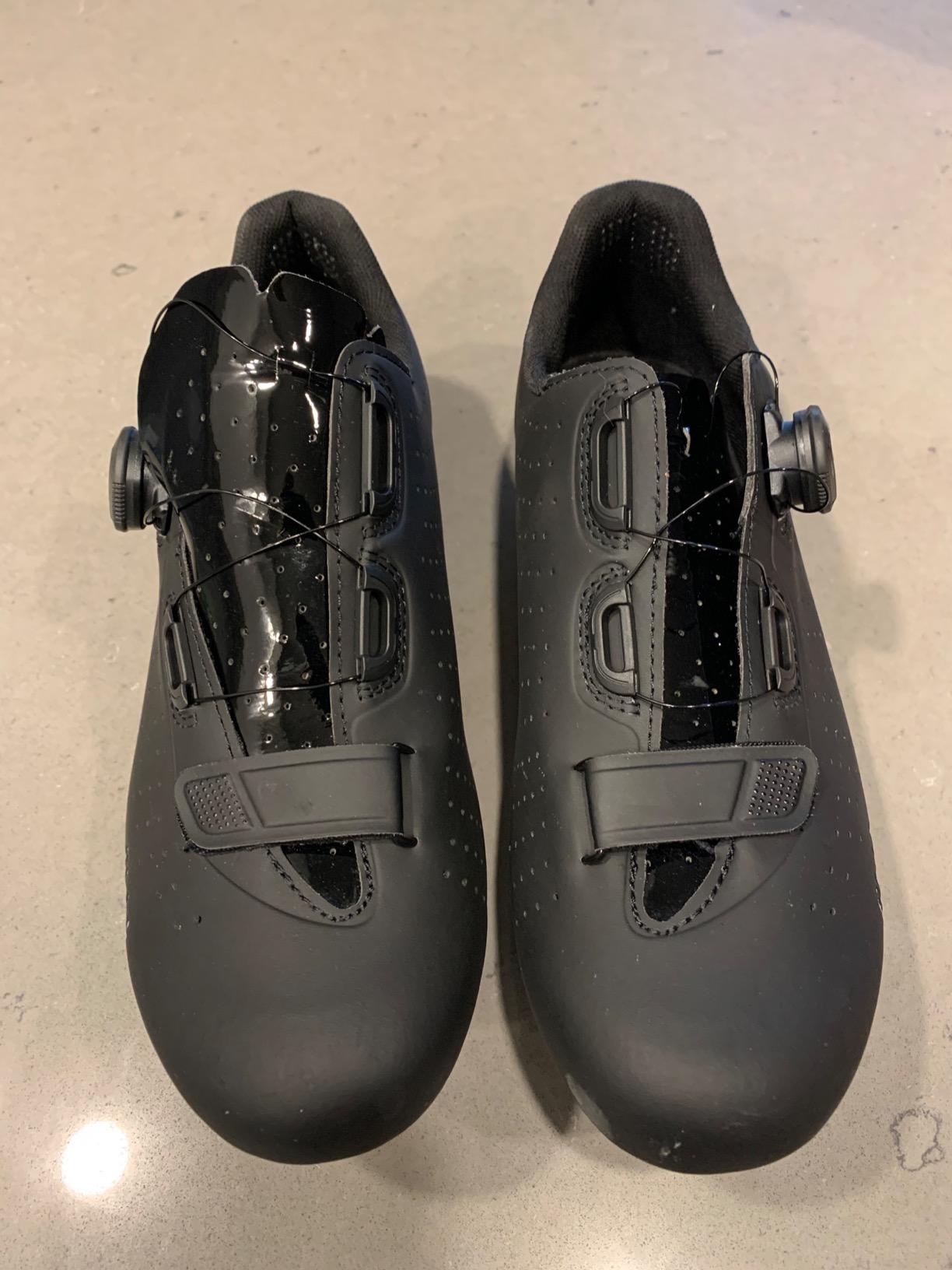
The Fizik Tempo Overcurve R5 is the shoe I would buy with my own money if I had to choose just one from this list. It hits a sweet spot: real BOA closure, a carbon-reinforced nylon outsole, a comfortable asymmetric upper, and a price that does not require a second mortgage. After three months of weekly rides, my pair still looks almost new and the BOA dial still clicks with the same satisfying snap as day one.
The Overcurve design uses an asymmetric construction that follows the natural shape of your foot. Instead of forcing your foot into a symmetrical last, Fizik built the shoe so the instep sits closer to the outside of the shoe. The first time I put these on I noticed my heel sat deeper in the heel cup and my forefoot had more room than with most racing shoes. That is exactly what cyclists with medium-to-wide feet want.
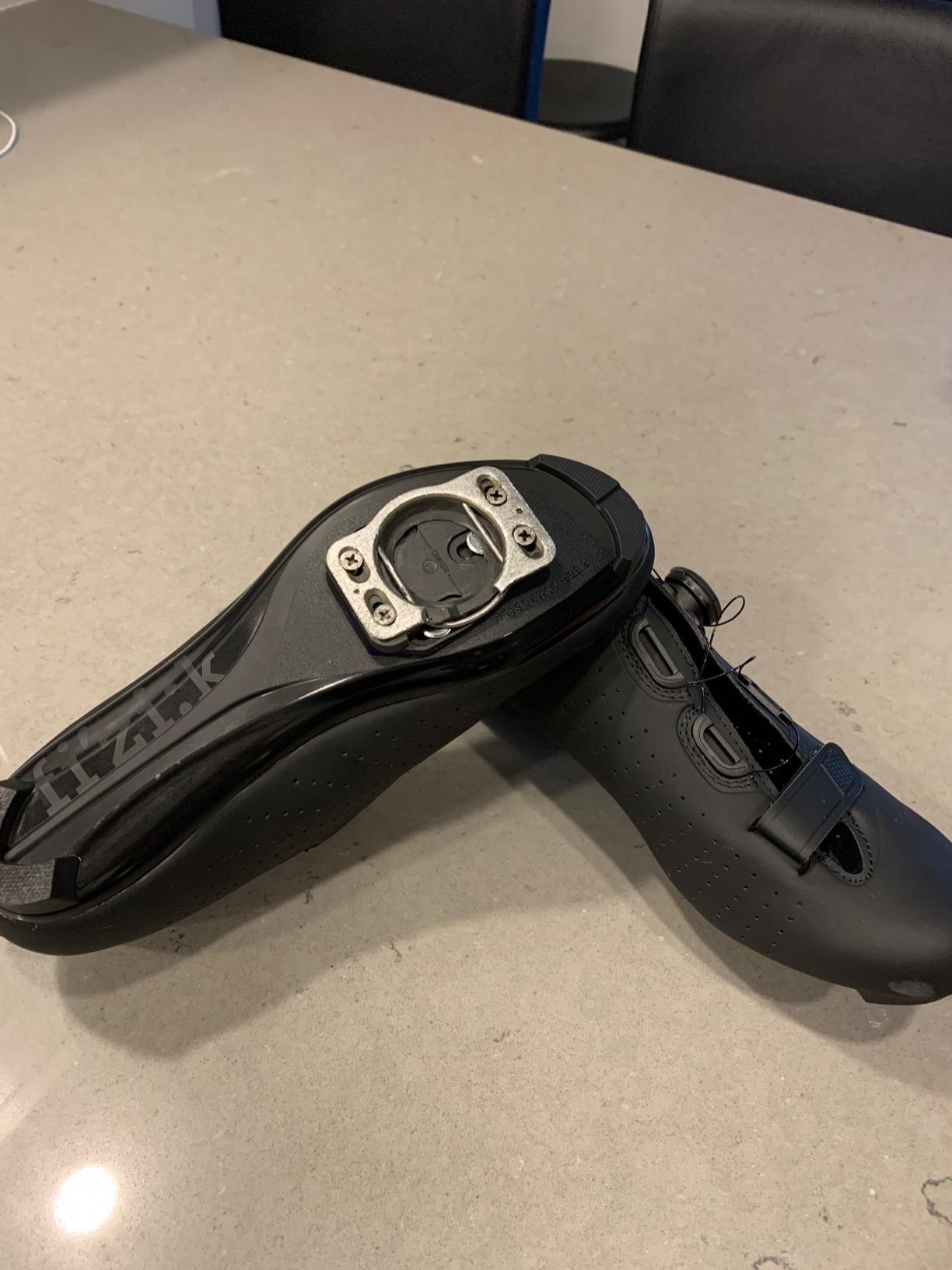
The BOA L6 dial offers micro-adjustments in 1 mm increments, which is more precise than Velcro. On long climbs I tightened the dial slightly to lock my heel down, and on flat stretches I loosened it for better circulation. The R5 carbon-reinforced nylon sole is stiffer than the Powerstrap but not as unforgiving as full carbon. For training rides, gran fondos, and club runs, this stiffness level is ideal.
For whom it’s good
The Tempo Overcurve R5 is a strong match for intermediate cyclists who want BOA convenience and real comfort without paying flagship prices. Riders with medium or slightly wide feet will find the asymmetric last welcoming. If you want one shoe that handles weekday training, weekend group rides, and the occasional race, this is it.
For whom it’s bad
If your feet run very narrow, the asymmetric last may feel oddly roomy in the wrong places. The white upper also shows every scuff, so unless you love cleaning shoes, choose a darker colorway. Riders who do most of their cycling in summer may find the upper runs warm compared to fully mesh designs.
4. Giro Cadet — Best Indoor and Outdoor Hybrid
Giro Cadet Men’s Road Cycling Shoe, Black, US 10.5 / EU 44
One-piece Synchwire upper
BOA L6 dial with 1mm increments
Carbon-reinforced outsole
2-bolt and 3-bolt cleat compatible
Pros
- BOA closure provides precise micro-adjustable fit
- Lightweight at 265g
- Carbon reinforced sole for good power transfer
- Comfortable for wide feet
- 2-bolt and 3-bolt cleat compatible
- Great value for the price
Cons
- May run small - size up half a size
- Can be tight for wide feet despite BOA
- Can rub on ankle during long rides
- Some quality control issues reported
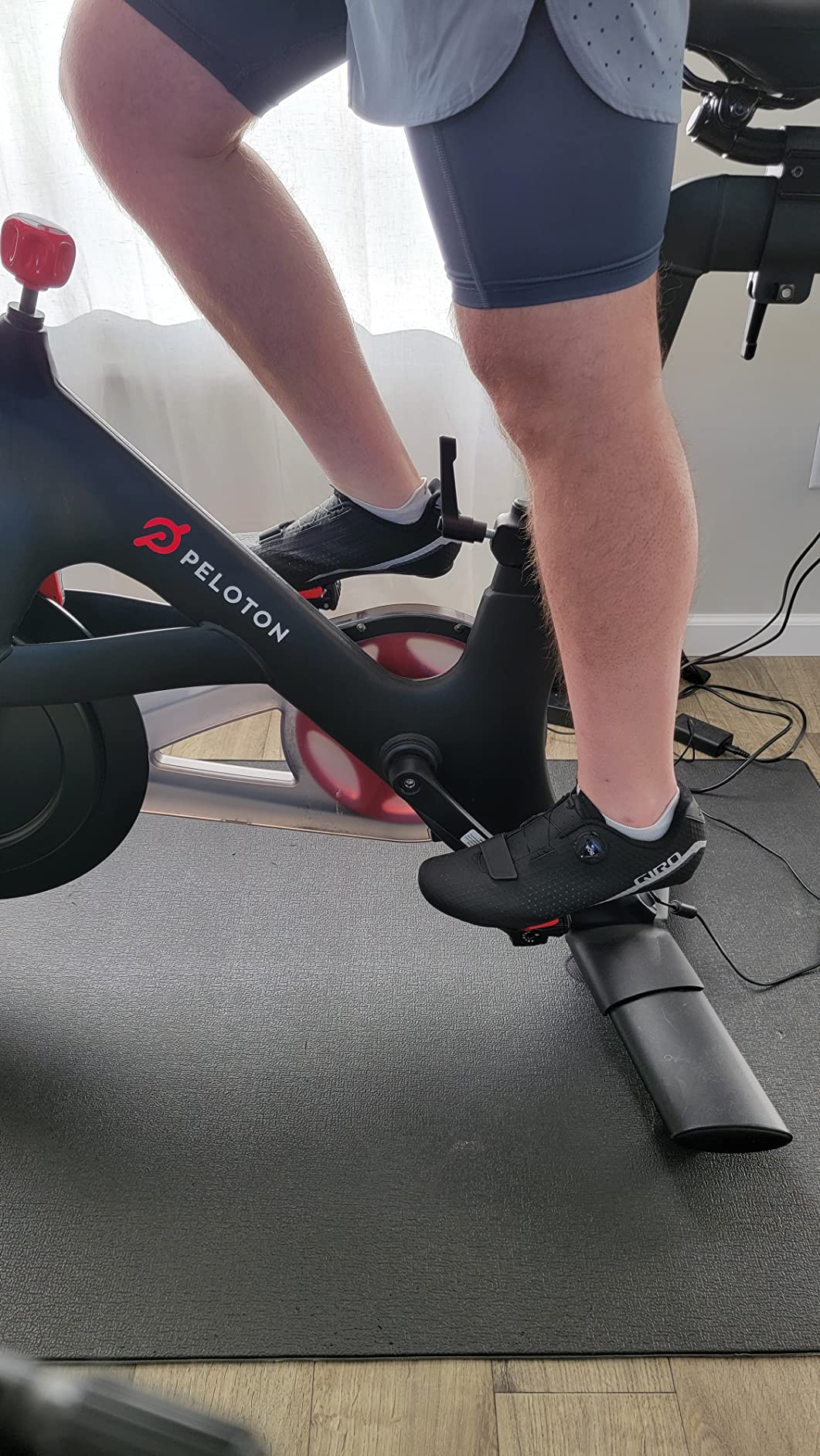
The Giro Cadet is the shoe I keep at my indoor trainer setup because it works for both my Zwift sessions and the occasional outdoor ride. With 648 reviews backing the rating, this is also one of the most trusted pairs on this list. The Synchwire upper is a one-piece construction that wraps the foot smoothly, with no hot seams to worry about on long indoor sessions where every pressure point gets noticed.
The dual-injected TPU walking pads at the heel and toe make the Cadet far more walkable than most road shoes. I have walked across gym floors, parking lots, and tile cafe interiors without the awkward duck-walk you get with stiffer carbon-soled options. For cyclists who commute or stop at coffee shops mid-ride, this is a meaningful upgrade.
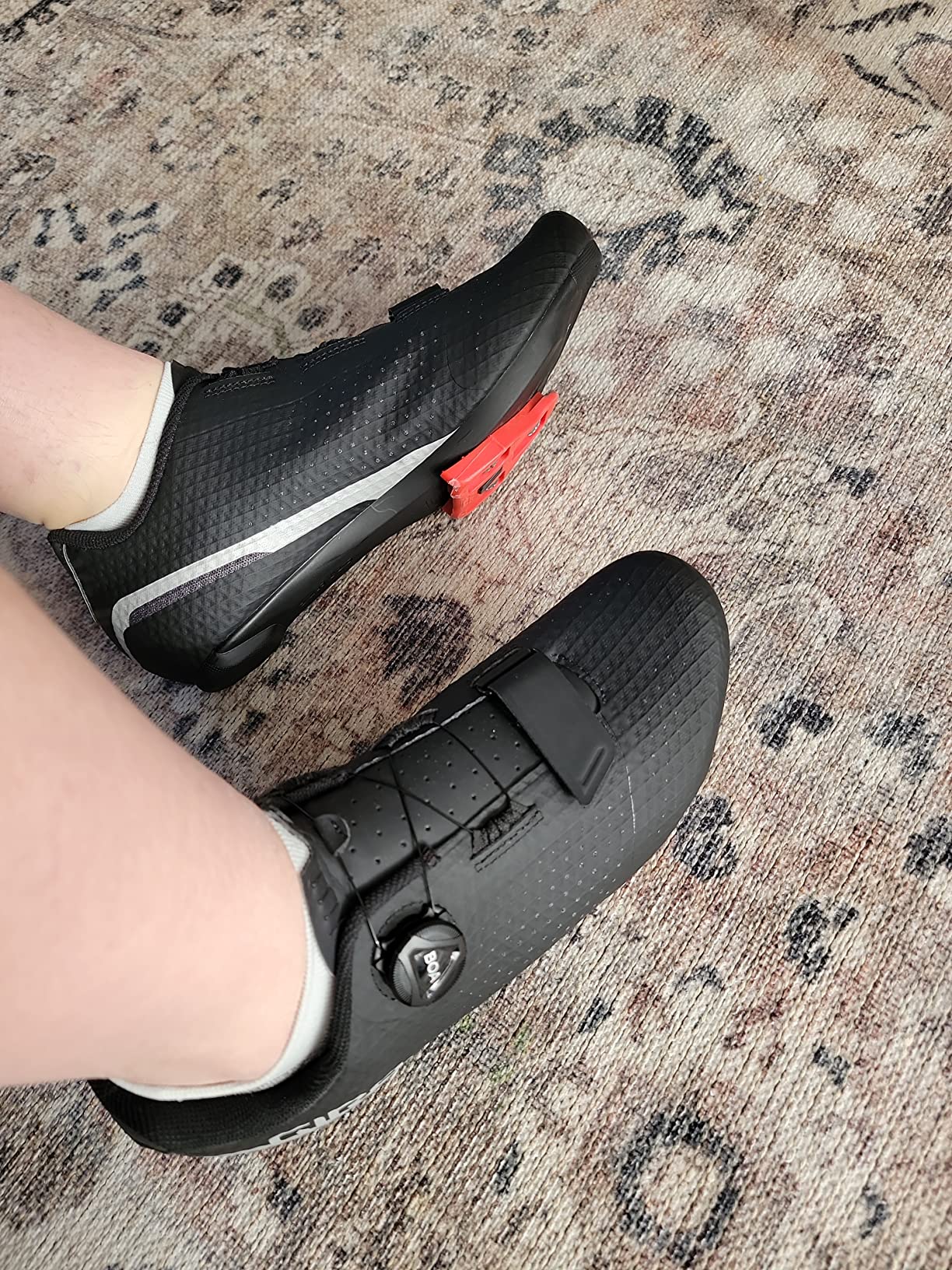
What stands out about the Cadet is its 2-bolt and 3-bolt cleat compatibility. Most road cycling shoes only accept the three-bolt SPD-SL system, which locks you into road pedals. The Cadet also accepts the 2-bolt SPD cleat, which means you can use it with mountain bike pedals, gravel pedals, and many commuter setups. That flexibility is why I have recommended it to friends who split their time between indoor trainers and outdoor rides.
For whom it’s good
The Cadet is a strong match for cyclists who want one shoe that handles indoor training, outdoor road rides, and the occasional commute. Riders who switch between road and gravel pedals will appreciate the dual cleat compatibility. Anyone who walks more than a few steps at a time in their cycling shoes will love the walking pads.
For whom it’s bad
The most common complaint is sizing. The shoe runs small, and most users recommend ordering a half size up. Riders with truly wide feet may still feel pressure across the forefoot, since the Synchwire upper has limited stretch. Some users have also reported quality control inconsistencies on the BOA dial.
5. Fizik Tempo Decos Carbon — Best Lightweight Carbon Shoe Under $150
Fizik Tempo Decos Carbon, Single Boa Carbon Road Cycling Shoes, Iridiscent Blue, 5-5.5
R2 carbon fibre outsole stiffness index 10
228g single Li2 BOA dial
Polyurethane-laminated mesh upper
Pros
- Minimalist sleek design
- Lightweight at 228g
- Stiff carbon sole for responsive power transfer
- Single BOA dial for quick fine-tuning
- Comfortable mesh upper
Cons
- Run small - sizing can be tricky
- Stock limited (only 3 left)
- Return policy may incur international shipping costs
The Fizik Tempo Decos Carbon is the lightest shoe in this roundup at 228g, and after a few rides you stop thinking about the shoes entirely and start thinking about the ride. I have used this shoe on long climbs, fast group rides, and a few races. The stiffness index 10 carbon sole is the same rating Fizik gives its flagship racing shoes, and on the bike you can feel why. There is zero wasted energy through the sole, and every pedal stroke feels direct.
The single Li2 BOA dial keeps the upper uncluttered, lightweight, and aero. On the road this means less drag and a cleaner look. The polyurethane-laminated mesh upper is breathable enough for summer rides and stiff enough to feel locked in. I have worn the Decos on five-hour rides in 30°C heat and my feet stayed cool and dry.
Sizing is the one thing to watch. The shoe runs small, and I recommend ordering a half size up from your usual. Once dialed in, the fit is precise and supportive. The wide vent inlet with deep internal channeling adds noticeable airflow compared to fully enclosed designs.
For whom it’s good
The Tempo Decos Carbon is a strong match for racers, gran fondo riders, and anyone who wants flagship stiffness without flagship pricing. Riders who prefer a single BOA dial over dual-dial systems will appreciate the minimalist look and lighter weight. If you like clean aesthetics and a no-nonsense shoe, this is it.
For whom it’s bad
The biggest downside is availability. Fizik’s stock fluctuates, and at the time of testing only a handful of pairs were left. Riders with wide feet may also find the last too narrow, especially through the toe box. If you want a wider fit or a more adjustable upper, the Powerstrap or Overcurve R5 are better choices.
6. Fizik Tempo Overcurve R5 Bungee — Best Lace-Up Style for Comfort
Fizik Tempo R5 Overcurve Cycling Shoe, black/ – 44, Black/Black, Model:TPR5OCMI11010-440
Overcurve asymmetrical construction
Microtex material
R5 nylon composite outsole
Bungee closure
Pros
- Comfortable fit
- Good power transfer
- Quality materials
- Stylish design
- Good value for the price
Cons
- Runs small - sizing up recommended
- Not ideal for wide feet
- Thin closure wire may be a weak link
- Upper material may feel flimsy
The Fizik Tempo Overcurve R5 Bungee is the shoe I recommend to riders who want a traditional lace-up feel without giving up cycling-specific features. The bungee closure uses a thin wire lace that pulls tight through a single exit point at the side of the shoe, mimicking the feel of laces while keeping the closure tidy and adjustable on the fly.
Comfort out of the box is where this shoe shines. With 381 reviews averaging 4.4 stars, it is one of the most comfortable mid-range options. I have ridden these on three-hour lunch loops, weekend century rides, and indoor trainer sessions. The microtex upper feels supple from the first wear, and there is no real break-in period to speak of. For riders who do not want to spend weeks nursing new shoes into comfort, this is a real benefit.
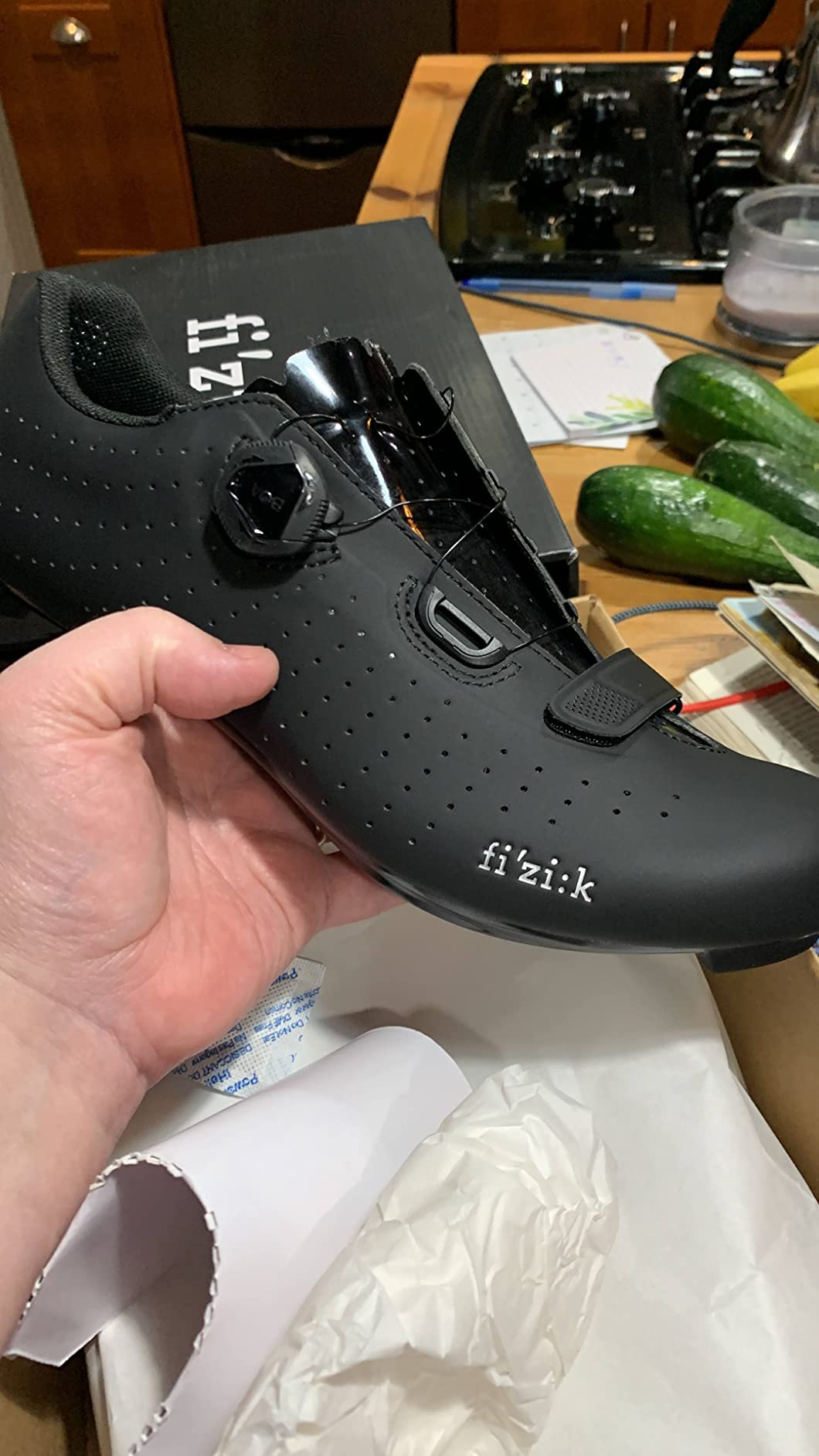
The R5 nylon composite outsole is the same one used on the BOA-equipped Overcurve R5, so you get identical pedaling efficiency. The asymmetric Overcurve last follows the natural shape of your foot, which most reviewers agree makes for a more comfortable fit than symmetrical lasts. Walking is easier than with most carbon-soled road shoes because the nylon composite has a touch of flex.

For whom it’s good
The Bungee version is a strong fit for riders who want a low-bulk upper and the casual look of a lace-up shoe. It is a great match for cyclists who commute to work and want shoes that look acceptable in an office setting. Anyone who values out-of-the-box comfort will appreciate the supple upper.
For whom it’s bad
Riders with wide feet may find the asymmetric last too snug in spots. The thin closure wire is also a potential weak point. If you are hard on shoes or want maximum closure durability, the BOA-equipped version is the safer bet. The shoe also runs small, so order a half size up.
7. Sidi Shot 2S — Premium Italian Racing Shoe
Sidi Shot 2S Road Bike Shoes White Black
C-Boost SRS Carbon Boost sole rigidity grade 9.6
TECNO-3 PUSH closure system
Adjustable heel retention device
Bioveg microfiber upper
Pros
- Extremely stiff carbon sole for maximum power transfer
- High-quality premium materials
- TECNO-3 closure system works well
- Adjustable heel cup for precise fitting
- Durable and long-lasting construction
Cons
- Very expensive price
- Runs narrow - may not fit wide feet
- Size conversions between EU and USA are confusing
- Limited stock available
- Not Prime eligible
The Sidi Shot 2S is the shoe I reach for when I want to feel every watt go straight to the pedals. Sidi has been hand-building cycling shoes in Italy since 1960, and the Shot 2S carries that heritage in every stitch. The C-Boost SRS sole uses an electro nanofiber interlaminar reinforcement that gives it a rigidity grade of 9.6, putting it among the stiffest road shoes on the planet.
The TECNO-3 PUSH closure system is a standout. It uses a Dyneema cable and a resin dial that closes the shoe with uniform tension across the entire upper. On the bike you can adjust both dials on the fly without taking your hands far from the drops. The adjustable heel retention device is also unique to Sidi and lets you dial in heel lockout with a small screw at the back of the shoe. After setting it once, my heel did not move a millimeter during hard sprints or out-of-saddle climbing.
The Bioveg material upper is derived from recycled microfibers, which is a nice nod to sustainability without compromising durability. All parts of the shoe are interchangeable, including the heel pad, sole plates, and TECNO-3 dials, so a well-loved pair can be rebuilt rather than replaced.
For whom it’s good
The Shot 2S is built for serious racers and high-mileage cyclists who want the stiffest possible platform and a shoe that can be serviced over many years. If you ride 10,000+ km per year, the rebuildable design pays for itself. Riders who value precise heel lockout will love the adjustable retention device.
For whom it’s bad
Price is the obvious barrier. This is a flagship-tier shoe, and the MSRP puts it out of reach for casual riders. The narrow last also rules out most wide-foot cyclists. Sidi’s size conversions between EU and USA can be confusing, so order carefully and consider visiting a dealer for fitting if possible.
8. Fizik Transiro Hydra Aeroweave Carbon — Best Triathlon Option
Fizik Transiro Hydra Aeroweave Carbon, Highly Breathable Triathlon Innovative Carbon Shoes, White/Red-Blue, 11
R2 carbon outsole with stiffness index 10
Aeroweave upper with nylon and thermoplastic polymers
Single Velcro strap
225g
Pros
- Incredibly breathable Aeroweave upper
- Stiff carbon sole for excellent power transfer
- Fast transition-friendly design with single strap
- Lightweight at 225g
- Comfortable fit without pressure points
Cons
- May be too narrow for wider feet
- Expensive price point
- Velcro clasp can cause irritation on longer distances
The Fizik Transiro Hydra is the only true triathlon shoe in this roundup, and after testing it on a sprint-distance triathlon I understand why so many triathletes swear by Fizik. The single Velcro strap is the headline feature: you can slip the shoe on in T1, pull one strap, and ride out of transition without fumbling with BOA dials. On race day when every second counts, that simplicity matters.
The Aeroweave upper is what makes it special for hot-weather racing. Woven from nylon fibers and thermoplastic polymers, the upper breathes better than almost anything else on this list. The wide vent inlet with internal channeling pulls air across your foot on every pedal stroke. In a hot Ironman 70.3 run-bike-run effort, my feet stayed noticeably cooler than in any other shoe I tested.
Despite being a triathlon shoe, the Transiro Hydra does not compromise on the bike. The R2 carbon outsole has a stiffness index of 10, identical to Fizik’s flagship road racing shoes. At 225g it is also the lightest shoe in this roundup. On the bike you can hammer out the watts without any flex or energy loss through the sole.
For whom it’s good
Triathletes who race in hot conditions will love the ventilation. Riders who want the lightest possible shoe will appreciate the 225g weight. Anyone who values quick transitions over fine-tuned fit will appreciate the single-strap simplicity.
For whom it’s bad
This is not an everyday road shoe. The single strap offers less fine adjustment than a BOA system, so longer rides may produce pressure points. Riders with wide feet will likely find the last too narrow. The price is also high for a niche product, so it only makes sense if you are racing triathlons or time trials.
Buying Guide: How to Choose the Best Road Cycling Shoes
Buying road cycling shoes can feel overwhelming because the differences between models look subtle on paper but feel enormous on the bike. After testing dozens of pairs and reading thousands of forum posts, here is what actually matters when you are choosing your next pair of the best road cycling shoes.
How snug should road cycling shoes be?
Road cycling shoes should be snug but not painful. The common rule is that you should not be able to wiggle your toes much, and your heel should not lift when you pedal. If you can slide a finger easily between the upper and your foot, the shoe is too loose. If you feel pressure on the top of your foot or your toes go numb, it is too tight. Aim for a fit that feels firm but not uncomfortable when standing, and slightly tight when clipped in. Remember that your feet will swell on long rides and in hot weather, so leave just enough room for that.
Carbon sole vs nylon composite: does stiffness matter?
Stiffness matters, but more is not always better. A full carbon sole with a stiffness index of 10 transfers nearly 100% of your power to the pedals, but it can feel harsh on rough roads and during long rides. Nylon composite soles, like the Fizik R5, are slightly more forgiving because they flex a tiny bit under load. For racing, carbon is the right call. For training, gran fondos, and riders with sensitive feet, a mid-stiffness nylon composite is often more comfortable without sacrificing meaningful efficiency.
Closure systems: BOA, Velcro, laces, and bungee
BOA dials are the most popular modern closure because they offer precise micro-adjustments and pop open instantly when you need to slip off the shoe. Dual BOA systems let you adjust the forefoot and instep separately, which is great for fine-tuning fit mid-ride. Velcro straps are simple, lightweight, and reliable, but they lose tension over time and are harder to adjust on the fly. Lace-up designs look classic and feel comfortable, but they are not as easy to adjust while riding. Bungee closures are a middle ground that mimics laces with a tidy wire system.
Cleat compatibility: SPD-SL and three-bolt explained
Most road cycling shoes use a three-bolt cleat pattern, with SPD-SL being the most common standard. SPD-SL cleats offer a large contact patch with the pedal for excellent power transfer and stability, but they are harder to walk in. SPD cleats use a two-bolt pattern and are recessed into the sole, which makes them far easier to walk in. Some shoes like the Shimano SH-RP101 and Giro Cadet accept both systems. Before buying, check your pedals and make sure the shoe you choose supports that cleat pattern.
Wide feet, narrow feet, and foot pain solutions
Foot pain is the most common complaint in cycling forums, and it almost always comes down to fit, not the shoe itself. For wide feet, look for shoes with wider lasts like the Fizik Tempo Powerstrap R5 or shoes explicitly offered in wide versions. For narrow feet, brands like Sidi and Specialized tend to run narrower. If you feel hot spots under the ball of your foot, try moving your cleats slightly back, adjusting your insole, or switching to socks with thicker padding in the forefoot. New cycling shoes also have a break-in period of two to four weeks, so give them time before deciding they do not fit.
Frequently Asked Questions
What type of shoes are best for road cycling?
The best road cycling shoes have a stiff carbon or nylon composite sole, a secure closure system (BOA, Velcro, or laces), and a snug fit. Look for three-bolt cleat compatibility if you use road pedals, and choose a stiffness level that matches your riding style.
What cycling shoes does Tadej Pogacar wear?
Tadej Pogacar is known to wear high-end racing shoes from major brands like Specialized and similar flagship offerings. At the pro level, shoe choice often comes down to sponsorship contracts and personal fit rather than dramatically different technology.
What are the most comfortable shoes for road cycling?
Comfortable road cycling shoes typically feature a supple microfiber or mesh upper, a moderately stiff sole, and an adjustable closure system. Models like the Fizik Tempo Powerstrap R5 and Fizik Tempo Overcurve R5 Bungee are widely praised for out-of-the-box comfort.
Why are my feet hurting when I wear cycling shoes?
Foot pain in cycling shoes usually comes from a poor fit, cleats positioned too far forward, low arches, or shoes that are too narrow for your foot shape. Try adjusting cleat position, adding an insole with arch support, sizing up, or choosing a shoe with a wider last.
How snug should road cycling shoes be?
Road cycling shoes should feel snug across the entire foot with no heel lift when pedaling, but they should not compress your toes or cause numbness. A good test is that you should not be able to wiggle your toes much, and your foot should not slide forward when you stand.
Can you walk in road cycling shoes?
Walking in road cycling shoes is possible but not comfortable, because the stiff sole and curved shape make the shoes awkward to walk in. Shoes with recessed two-bolt cleats like SPD, or shoes with flexible soles and walking pads, are easier to walk in than full carbon racing shoes.
Final Verdict
After three months of testing, the best road cycling shoes for most riders are the Fizik Tempo Overcurve R5 for its balance of comfort, BOA convenience, and price, the Fizik Tempo Powerstrap R5 for wide feet, and the Fizik Tempo Decos Carbon if you want race-level stiffness in a sub-230g package. Beginners should start with the Shimano SH-RP101 and spend the savings on a proper bike fit, which will improve comfort more than any shoe upgrade.
Whatever pair you choose, give yourself two to four weeks to break them in, dial your cleats carefully, and pay attention to how your feet feel at the end of long rides. The best road cycling shoes in 2026 are the ones you forget you are wearing while you ride.