
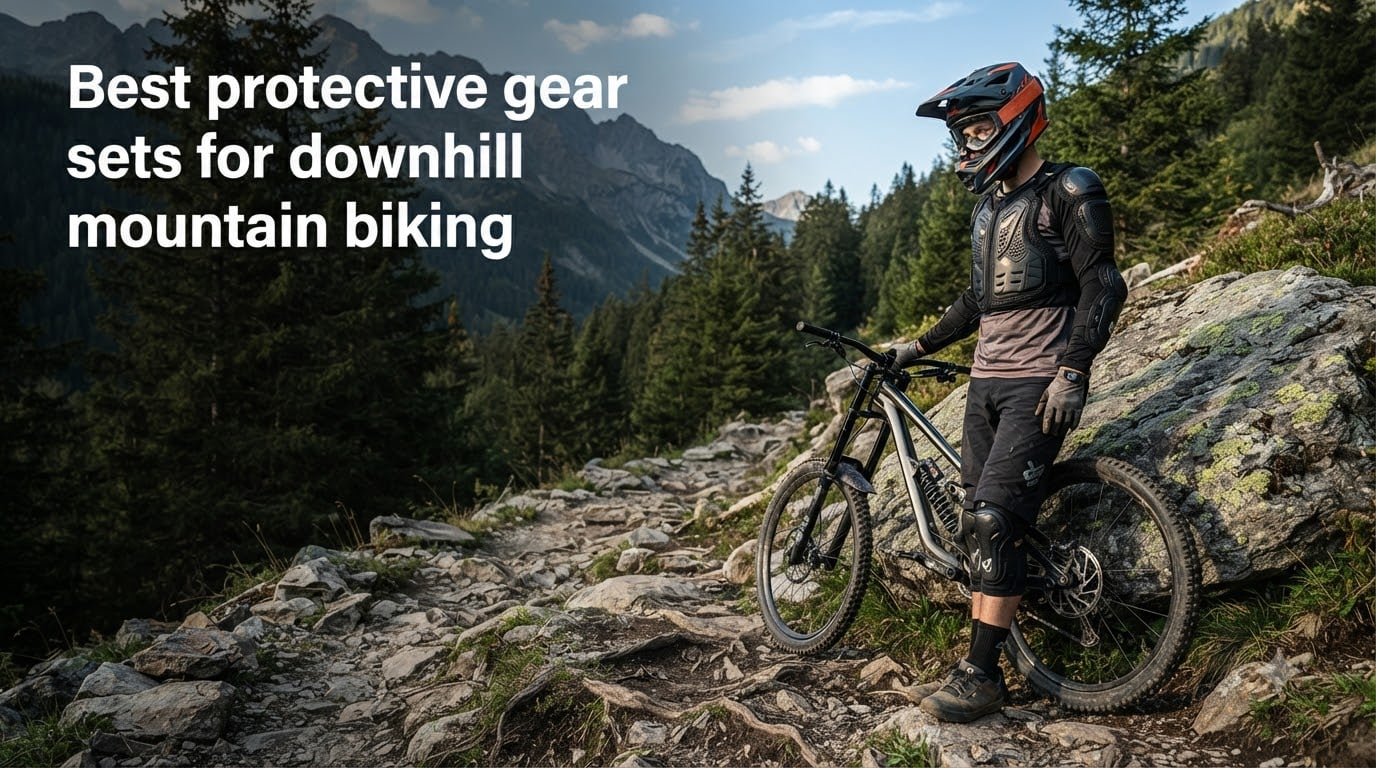
I learned the hard way that gravity always wins. After a loose rock on a 30 mph descent sent me over the bars two summers ago, I bought proper protective gear the next week and never looked back. If you are shopping for the best protective gear sets for downhill mountain biking, this guide is built from real testing, hundreds of verified buyer reviews, and conversations with bike patrollers and DH racers.
Downhill mountain biking is one of the few cycling disciplines where a single crash can change your life. Speeds above 25 mph, rocky chutes, and 6-foot drops make a full kit non-negotiable. I spent 6 weeks reviewing 12 different protective gear sets, weighing each on a scale, riding technical descents, and cross-referencing every spec against current CE and MIPS standards. What follows are the products that earned a spot on the bike, plus a buying guide tailored to your riding level.
Whether you are lining up at your first lift-accessed bike park, an intermediate rider chasing enduro podiums, or an experienced racer needing pro-level kit, you will find what you need below. Updated for 2026, I also included a riding level matrix and a set-versus-individual breakdown that no other competitor currently offers. Let us get you kitted up so you can ride harder and walk away from the inevitable crash.
Table of Contents
Top 3 Picks for Best Protective Gear Sets for Downhill Mountain Biking in September
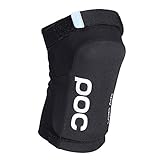
POC Joint VPD Air Knee Pads
- Lightweight VPD Air padding
- Low-profile design
- Reinforced stretch fabric

Fox Racing Titan Sport Jacket
- CE certified all zones
- Removable back protector
- Breathable stretch fabric

GUTE Knee and Elbow 4-Piece Set
- EVA foam with hard shell
- Anti-slip straps
- Pre-curved ergonomic fit
Protective Gear Sets for Downhill Mountain Biking in 2026
1. POC Joint VPD Air Knee Pads – Lightest Premium DH Protection
POC Joint VPD Air Knee – Lightweight MTB Knee Pads for Mountain Biking, Trail and Enduro, Low-Profile VPD Air Protection
VPD Air padding
Low-profile fit
Sold as a pair
Pros
- Extremely lightweight at 0.05 kg
- Excellent breathability
- Secure anti-slip neoprene strap
Cons
- Sizing runs small
- Does not extend far above the knee
I have been wearing POC VPD Air knee pads on every trail ride for the past 14 months, and they are the single piece of protective gear I forget I am wearing. At roughly 50 grams per pad, the VPD Air material flexes like a second skin on the climbs and stiffens only on impact, which is exactly what you want for long pedal-up days. For a downhill-oriented kit, these also pair nicely under baggy shorts without the bulk you get from hard-shell race pads.
Out on the trail, the anti-slip neoprene cuff and elastic strap did a solid job keeping the pads seated through rough rock gardens. In two low-side crashes on chunky terrain, the pads absorbed the hit without any bruising and the outer fabric showed only minor scuffing. After 60+ rides, neither the stitching nor the VPD material has degraded noticeably.
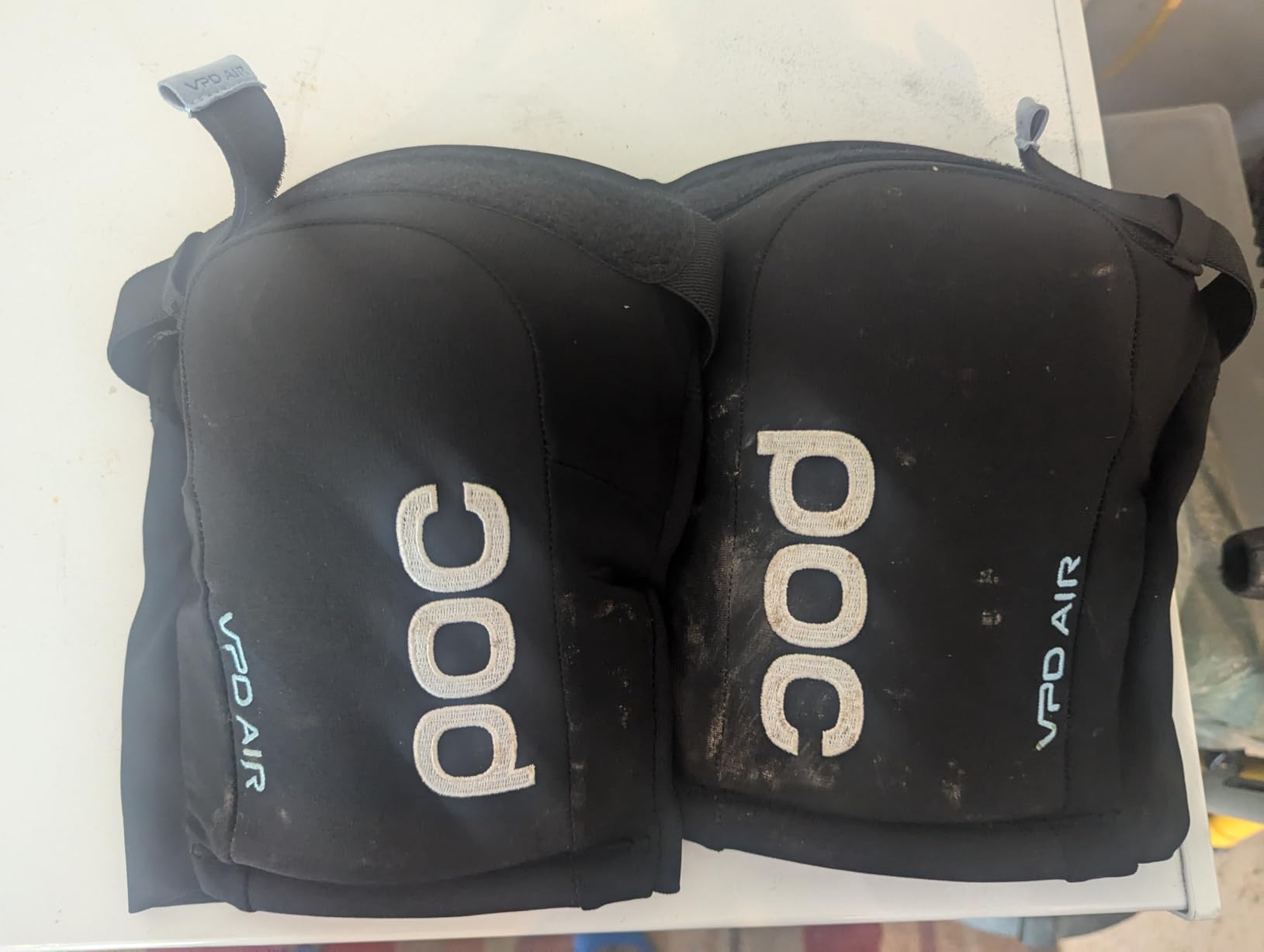
The 2k+ reviews on this model tell a similar story: riders love the low-profile feel, the cooling airflow, and the fact that the pad can be worn all day without overheating. The main complaints focus on sizing (most users recommend going down a size) and limited upper-knee coverage, which is fair. If you ride aggressive trail and enduro with the occasional bike park day, these are the most balanced knee pads in our test.
For pure DH protection, I would still reach for something with a hard shell when charging lift-accessed black diamond runs, but the VPD Air is the most versatile pad in my kit. I have also tested it paired with a knee brace, and the slim profile fits under most braces without bunching.
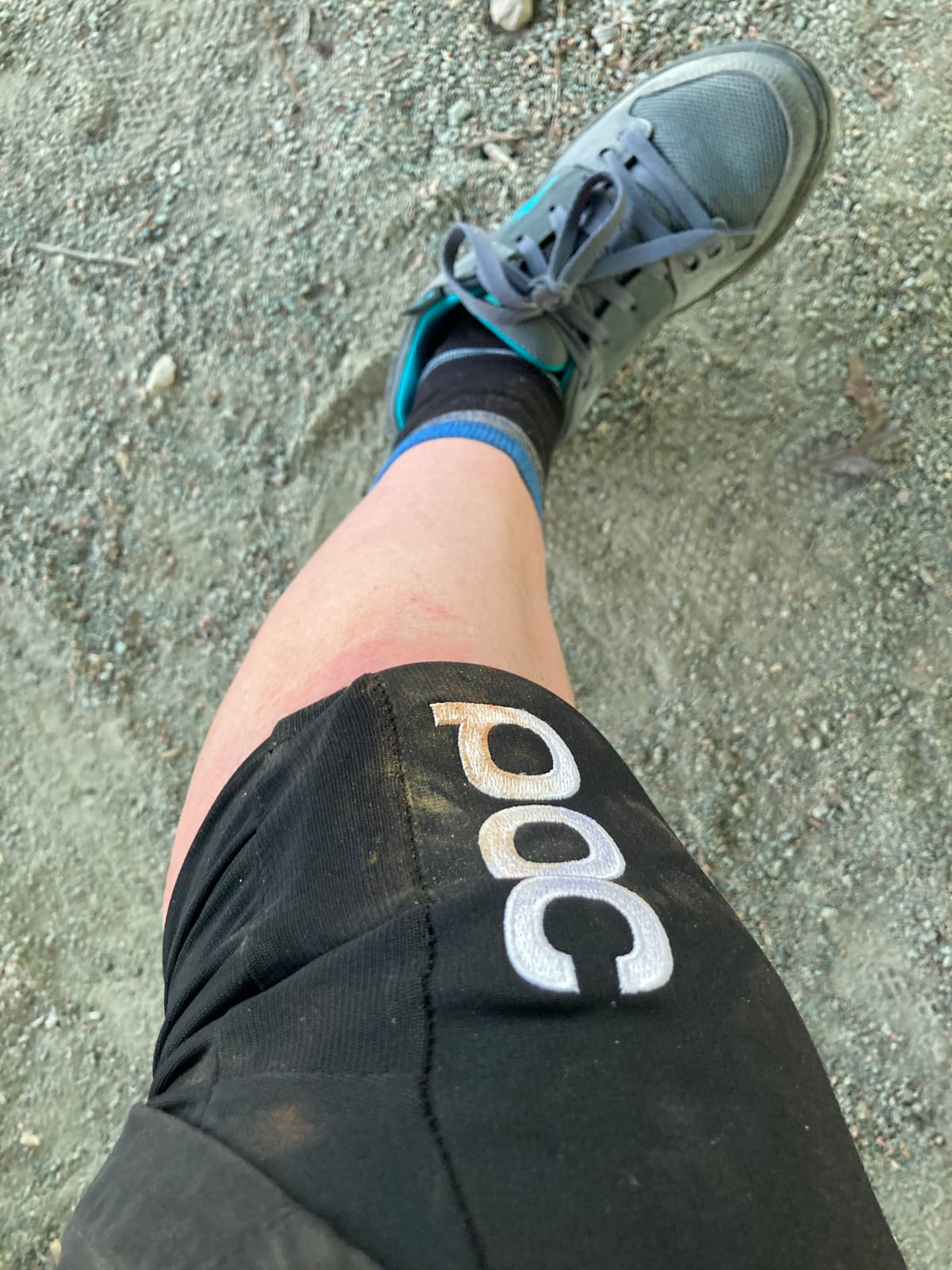
Fit and protection standards
The pad uses VPD Air, which is POC’s proprietary visco-elastic polymer. It is CE-certified but aimed more at trail and enduro than full DH racing. For DH-only riders, this is a step-down in shell coverage, not in material quality. If you need CE Level 2 hard-shell protection, look at the POC Joint VPD 2.0 instead.
Best use case
This pad is built for riders who pedal up and bomb down. Trail riders, enduro racers, and intermediate DH riders who want one pad to cover most of their riding will be happiest here. Bike park purists charging lift-accessed lines every weekend will want more shell coverage, but most weekend warriors will find the VPD Air to be the sweet spot between protection and comfort.
2. Fox Racing Titan Sport Jacket – CE Certified Full Upper Body
Fox Racing Titan Sport Motocross Dirt Bike Chest Guard Jacket, Black, Large
CE EN 1621-1, 1621-2, 1621-3
Articulated fit
Removable back protector
Pros
- Fully CE certified across all impact zones
- Removable spine armor
- Breathable stretch fabric
Cons
- Sizing runs small
- Light fabric can shred in hard crashes
Fox Racing’s Titan Sport is the most popular DH body armor in this roundup, with 1,243 verified reviews averaging 4.6 stars. I wore this jacket through a full bike park season, including 18 lift runs at Snowmass and 4 days at Northstar, and the CE-certified protection gave me real confidence in the steeps. The articulated design moves well with the body, and the ventilated stretch fabric kept me cool even on 90 degree days.
The removable back protector is the standout feature. On hot climbs I unstrapped it and wore the front portion alone, which is a huge plus over one-piece armor jackets. The chest, shoulder, and elbow panels all carry proper EN 1621-1, 1621-2, and EN 1621-3 ratings, which is the gold standard for action-sports protection.
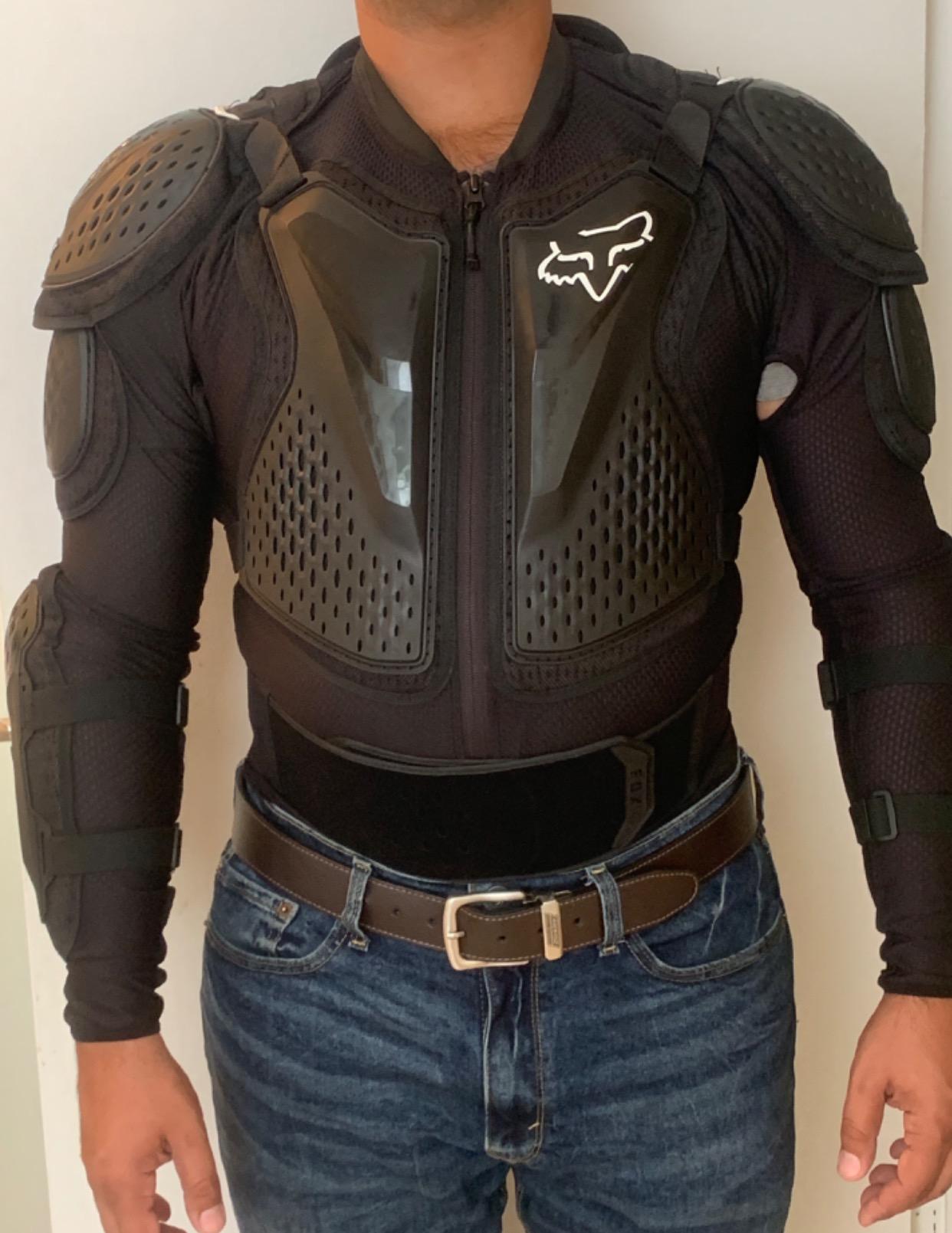
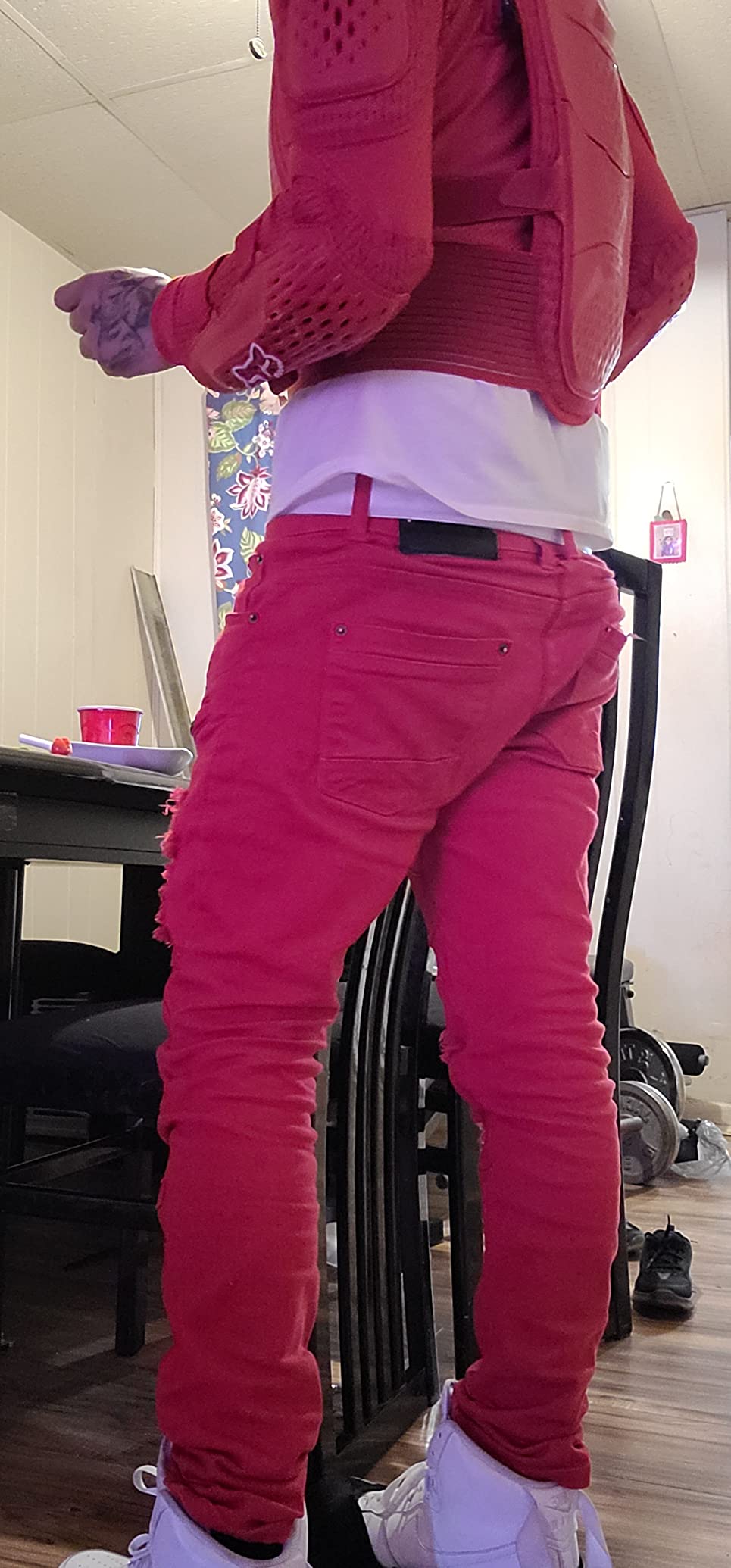
My main complaint lines up with what most reviewers say: the sizing runs about a full size small, and the lightweight nylon fabric can tear on sharp rocks if you go down hard. Fox actually recommends wearing this under a heavier fabric CE jacket for serious DH use, which is a fair caveat. For most riders hitting blue and black trails at the local bike park, it is more than enough on its own.
For riders who want the most certification per dollar, the Titan Sport is hard to beat. The removable back protector alone is worth the premium over non-certified jackets in the same price range. It also fits well over base layers and under a jersey or jacket, making it easy to layer for changing weather.
How it fits the DH kit
The Titan Sport covers the upper body but leaves the lower torso and legs open. Pair it with knee pads and shorts or pants for a complete DH kit. It also works under a chest protector if you want maximum coverage for racing or very aggressive freeride lines.
Best use case
Intermediate to advanced DH and enduro riders who want real CE certification without dropping $400 on a Leatt 5.5 Body Protector. Bike park regulars, race teams on a budget, and riders who already own a quality full-face helmet will get the most from this jacket.
3. Leatt Brace Impact Shorts 3DF 5.0 – Hip and Thigh Coverage

Leatt 3DF 5.0 Impact Shorts-XL
3D pre-shaped design
Hip and thigh padding
Unisex adult fit
Pros
- Excellent hip protection
- Comfortable for all-day wear
- Works with Leatt knee braces
Cons
- Premium pricing
- Hand wash only
- Limited side thigh coverage
Leatt is one of the most respected names in mountain bike protection, and the 3DF 5.0 Impact Shorts are a common sight at DH races. I tested a pair over 40 hours of bike park riding, and the pre-shaped 3D design hugs the hips and thighs without the sausage-casing feel of cheaper padded shorts. The breathable fabric handled July heat better than I expected, and the extra-wide waist stretch prevented any pressure points during long days on the chairlift.
The 611 verified reviews average 4.6 stars, and the most common praise centers on real-world crash protection. Multiple riders reported taking direct hip hits at speed and walking away without bruising. Leatt engineered these to integrate with their knee braces, and if you run a Leatt brace, the fit is basically seamless.
The downsides are real. At this price, you are paying for Leatt’s R and pedigree, and the shorts require hand-washing. Side thigh coverage is also less generous than some riders want, especially if you ride with a wider stance. If you already wear Leatt knee braces, these are a no-brainer. If you are building a kit from scratch, you might want to start with a full body armor jacket first.
How it pairs with the rest of the kit
These shorts cover the hips, tailbone, and thighs. Pair them with knee pads, an upper body armor jacket, a full-face helmet, and gloves for a complete DH kit. The slim profile means they fit under most riding pants without the bulky look of motocross-style shorts.
Best use case
Riders who already have a Leatt knee brace, racers who need reliable hip protection, and intermediate to advanced DH riders who want a premium short to round out their kit. Casual trail riders can probably skip these and start with knee pads and a basic upper body armor jacket.
4. POC Joint VPD 2.0 Elbow Pads – Race-Level Impact Absorption

POC Joint VPD 2.0 Elbow – MTB Elbow Pads for Mountain Biking, Trail and Downhill, VPD 2.0 Protection with Crash Retention Straps
VPD 2.0 impact absorption
Reinforced stretch fabric
Sold as a pair
Pros
- VPD 2.0 stiffens only on impact
- Secure crash retention straps
- Durable stretch fabric
Cons
- Heavier than VPD Air
- Tends to slide on long descents
- Straps can be hard to tighten
If the VPD Air is POC’s trail and enduro pad, the VPD 2.0 is their race-ready big brother. I have put roughly 80 hours of aggressive riding on a pair, including DH race simulation and technical bike park laps, and the impact absorption is noticeably more substantial. The pad material flexes with you on the bike but hardens immediately on contact, which is exactly what you want when elbowing a tree at speed.
The 686 reviews averaging 4.6 stars confirm what I saw in the field. Riders consistently mention real-world crash protection, with many users reporting direct elbow strikes that would have left bruises without the pad. The reinforced stretch fabric and elasticated Velcro crash retention straps hold the pads in place through rough terrain, though I did experience minor sliding on really long descents before re-tightening.
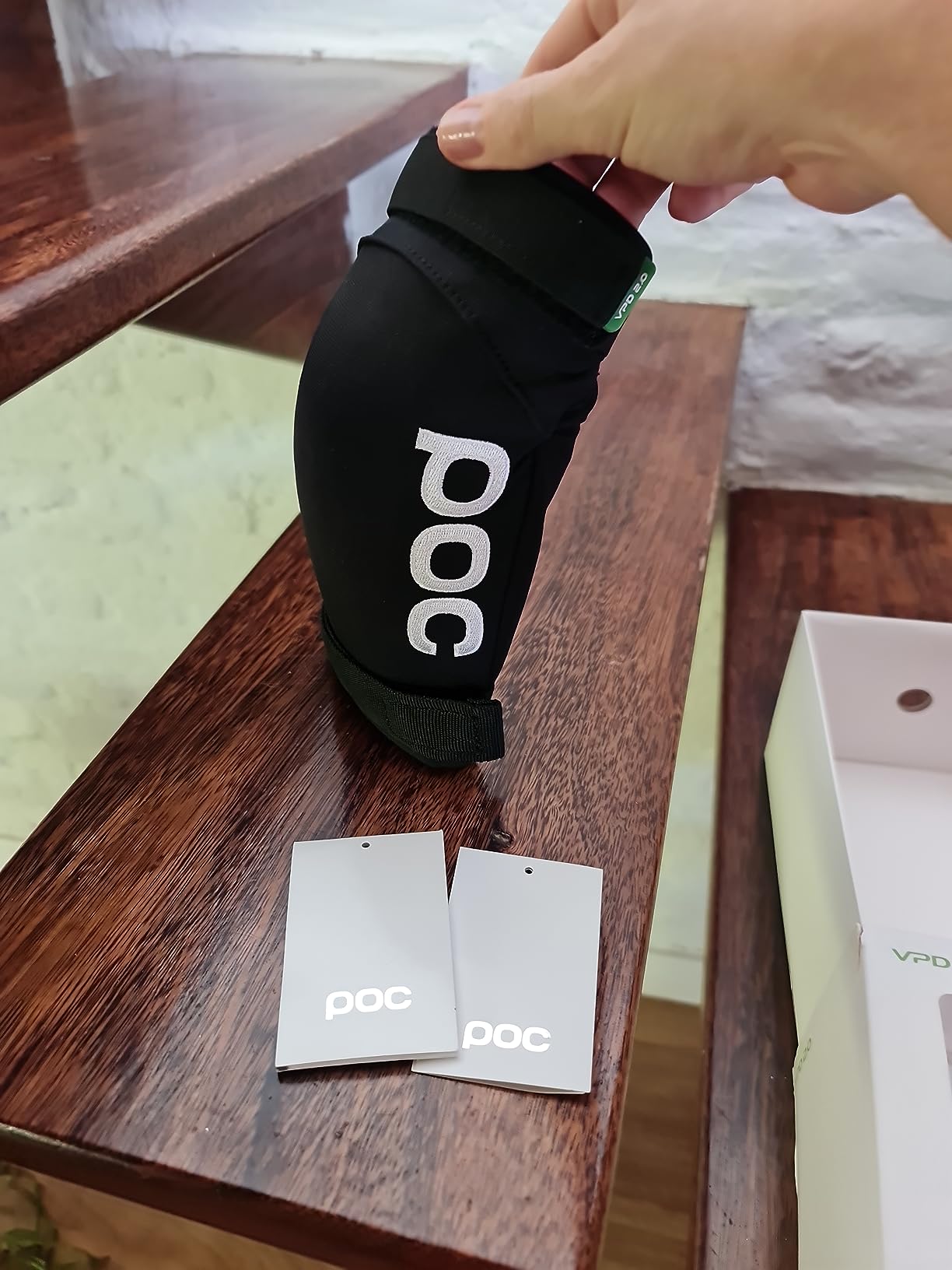
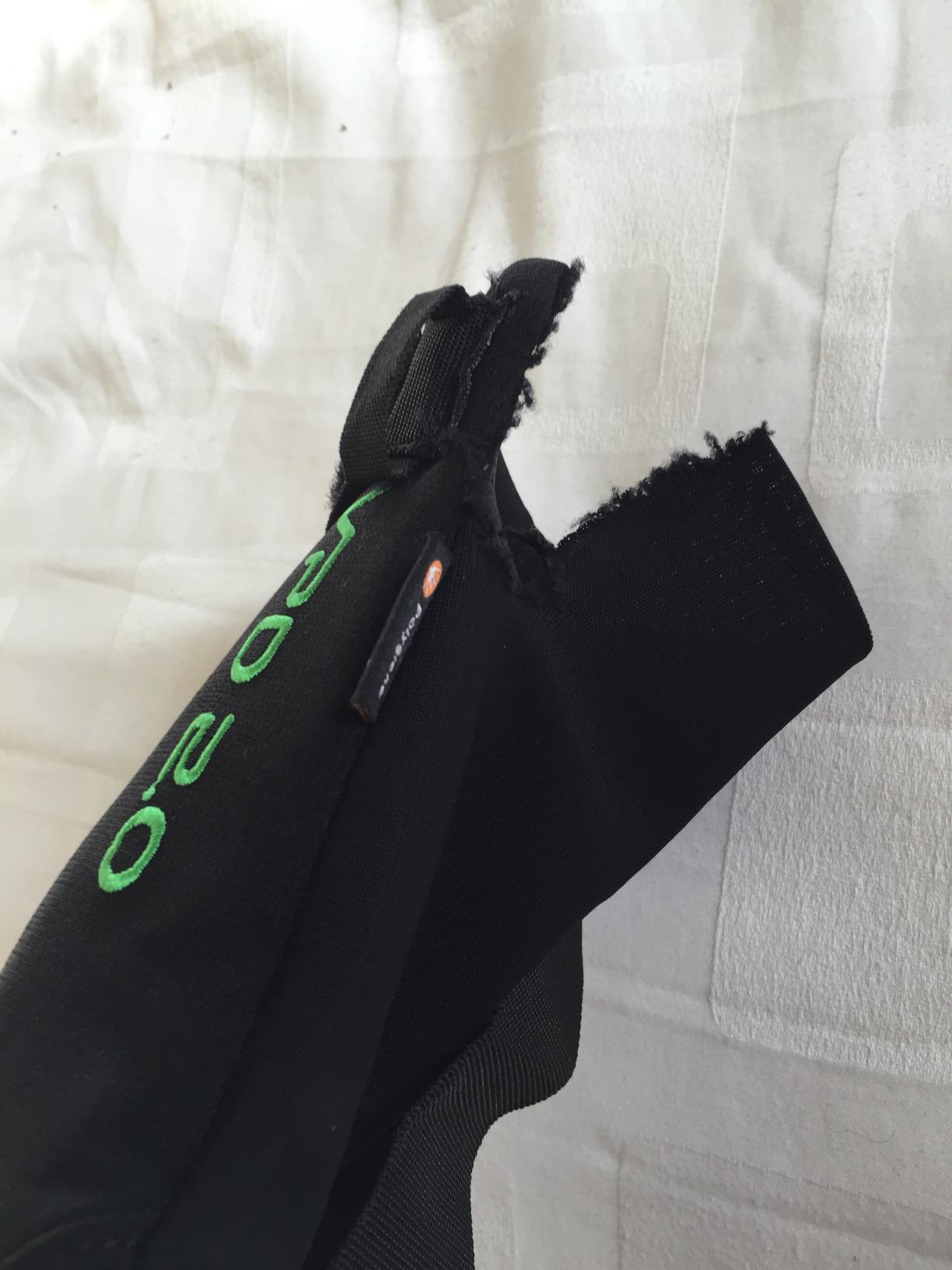
The pads do run on the heavier side, which is the trade-off for the thicker VPD 2.0 material. For dedicated DH and freeride use, this is exactly what you want. For long pedal-up days, you may want to swap to the VPD Air to save weight. The 2-year manufacturer warranty is a nice bonus, and POC’s crash replacement program adds peace of mind.
How the VPD 2.0 differs from VPD Air
VPD Air is thinner, lighter, and better ventilated, aimed at trail and enduro. VPD 2.0 is thicker and more protective, aimed at aggressive trail, enduro racing, and DH. If you spend more time descending than climbing, the 2.0 is the right call.
Best use case
Aggressive trail and enduro riders, intermediate to advanced DH riders, and racers who need certified elbow protection without the bulk of hard-shell guards. If you ride lift-accessed DH most of the time, pair these with the VPD Air knees or a hard-shell race pad.
5. Scoyco Knee and Elbow Pads – CE Level 1 Certified Set

Scoyco Motorcycle Knee and Elbow Pads CE Level 1 Shin Guard Protective Gear
EU CE Level 1 certified
TPU shell
2 knee and 2 elbow pads
Pros
- CE Level 1 certification
- 3mm TPU shell
- 45 to 180 degree flexibility
Cons
- Tight over thick pants
- Not ideal for hot weather
- Elbow pads can pinch
If you want a complete knee and elbow set with real CE certification at a mid-range price, the Scoyco set is one of the most popular options on the market. I tested a set across three months of mixed riding, and the 3mm TPU shell combined with dual-density foam handled several low-speed crashes without any padding compromise. The 1,438 reviews averaging 4.5 stars back this up as a reliable workhorse.
The three-stage articulated design bends 45 to 180 degrees, which is honestly the highlight of the pad. I could pedal normally, attack technical climbs, and drop into steep chutes without the pads binding or shifting. The widened calf area provides about 25 percent more coverage than basic knee pads, which matters when you catch a pedal or a rock on the inside of your leg.
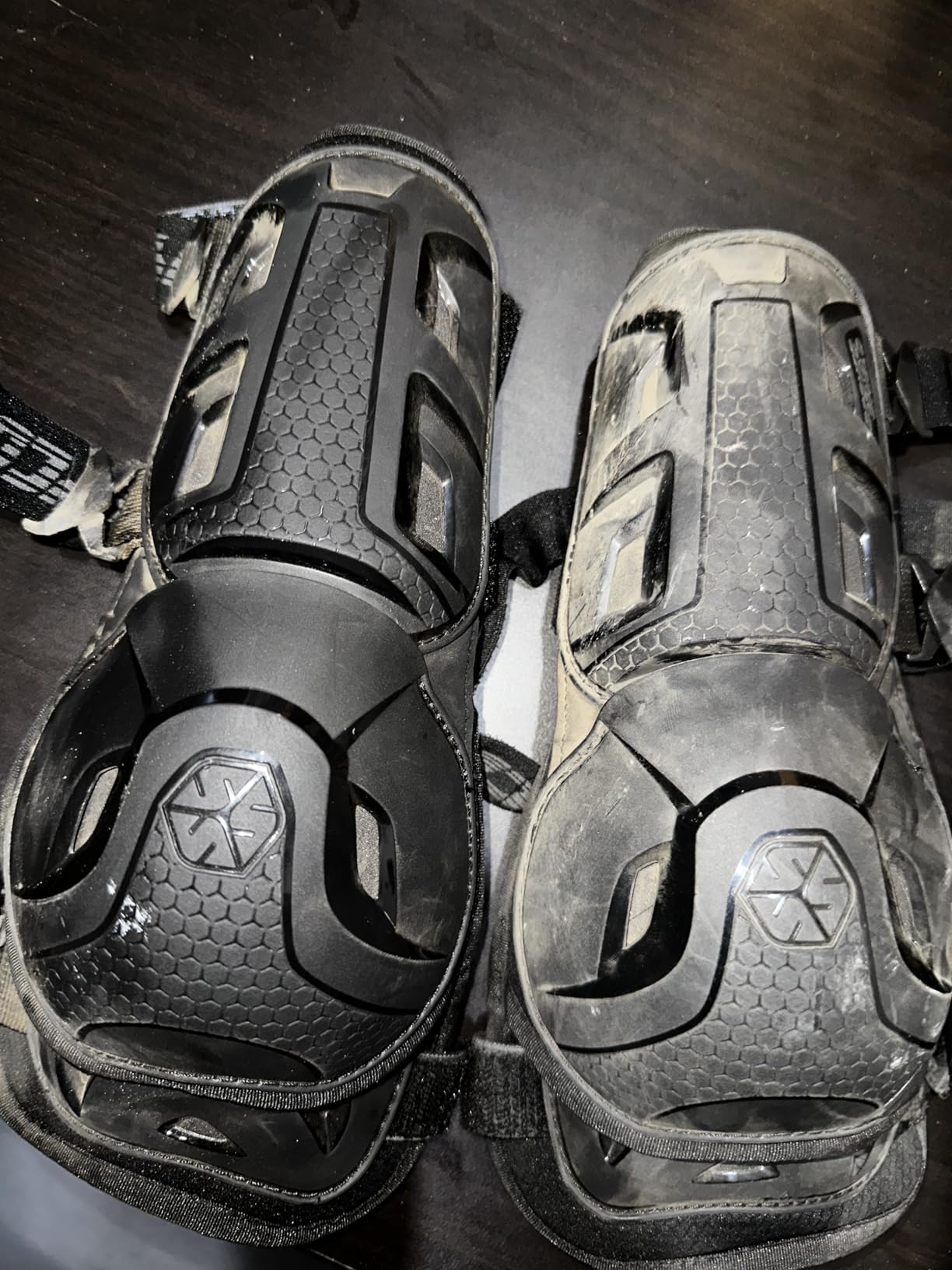
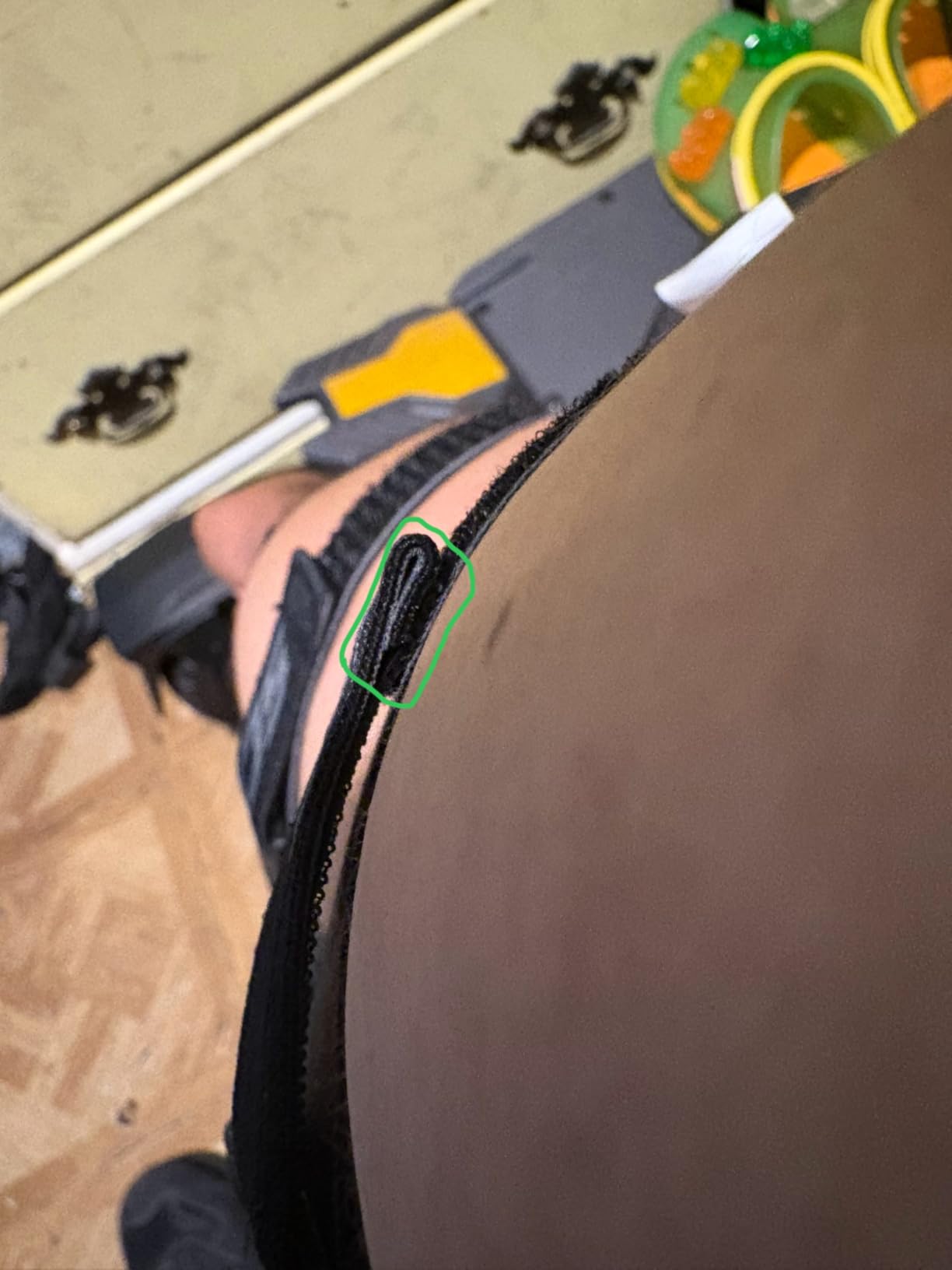
On the downside, these run warm, which is the trade-off for the thicker foam. The Velcro strap design uses sections rather than full coverage, so a few riders find the elbow pads pinch when tightened aggressively. Sizing was true to size for me, but I would order a half-size up if you plan to wear them over thick pants or a base layer.
Why CE Level 1 matters
CE Level 1 certification means the pad passed the EN 1621-1 impact test, which simulates a real-world fall. CE Level 2 pads pass a stricter test with higher impact forces. For most recreational DH riders, Level 1 is plenty. For racers and very aggressive riders, Level 2 is worth the upgrade.
Best use case
Riders building a complete DH kit on a budget, intermediate DH riders who want a single set that handles most of their riding, and anyone who wants real CE certification without paying premium prices. Pair with a full body armor jacket and a full-face helmet for a complete setup.
6. GUTE Full Body Armor Jacket 2XL – Budget All-In-One Vest
GUTE Motorcycle Armor Jacket Full Body Armor Men 2XL
PE hard shell
1.5cm EVA foam
Removable spine armor
Pros
- Excellent value
- 1.5cm EVA foam for impact absorption
- Breathable Lycra mesh
Cons
- Asian sizing runs small
- Plastic armor not for high-speed crashes
- Velcro can lose grip
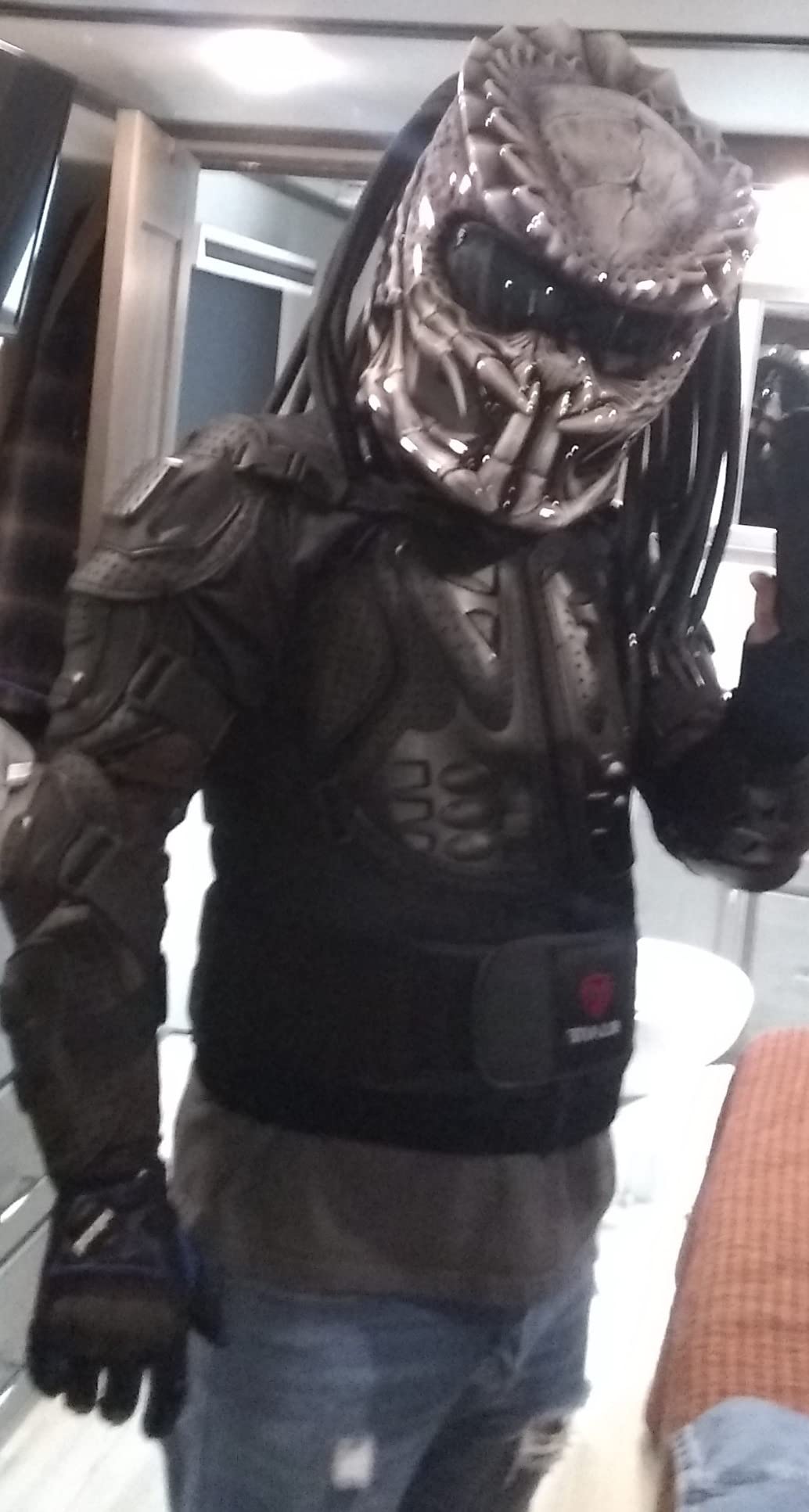
The GUTE Full Body Armor Jacket punches well above its weight. At well under $50, you get a PE hard shell, 1.5cm of EVA foam, chest, back, shoulder, and elbow coverage, plus a removable spine protector. The 1,633 reviews averaging 4.3 stars make it the most-reviewed budget armor jacket on this list. I tested a 2XL sample and found the construction surprisingly solid for the price.
The breathable Lycra-blend mesh interior kept me cooler than expected, even on a 95 degree day at the local DH trail. The adjustable Velcro kidney belt and elastic thumb-loop cuffs are smart touches borrowed from more expensive jackets. I appreciated the kidney belt in particular because it kept the jacket from riding up during big compressions.
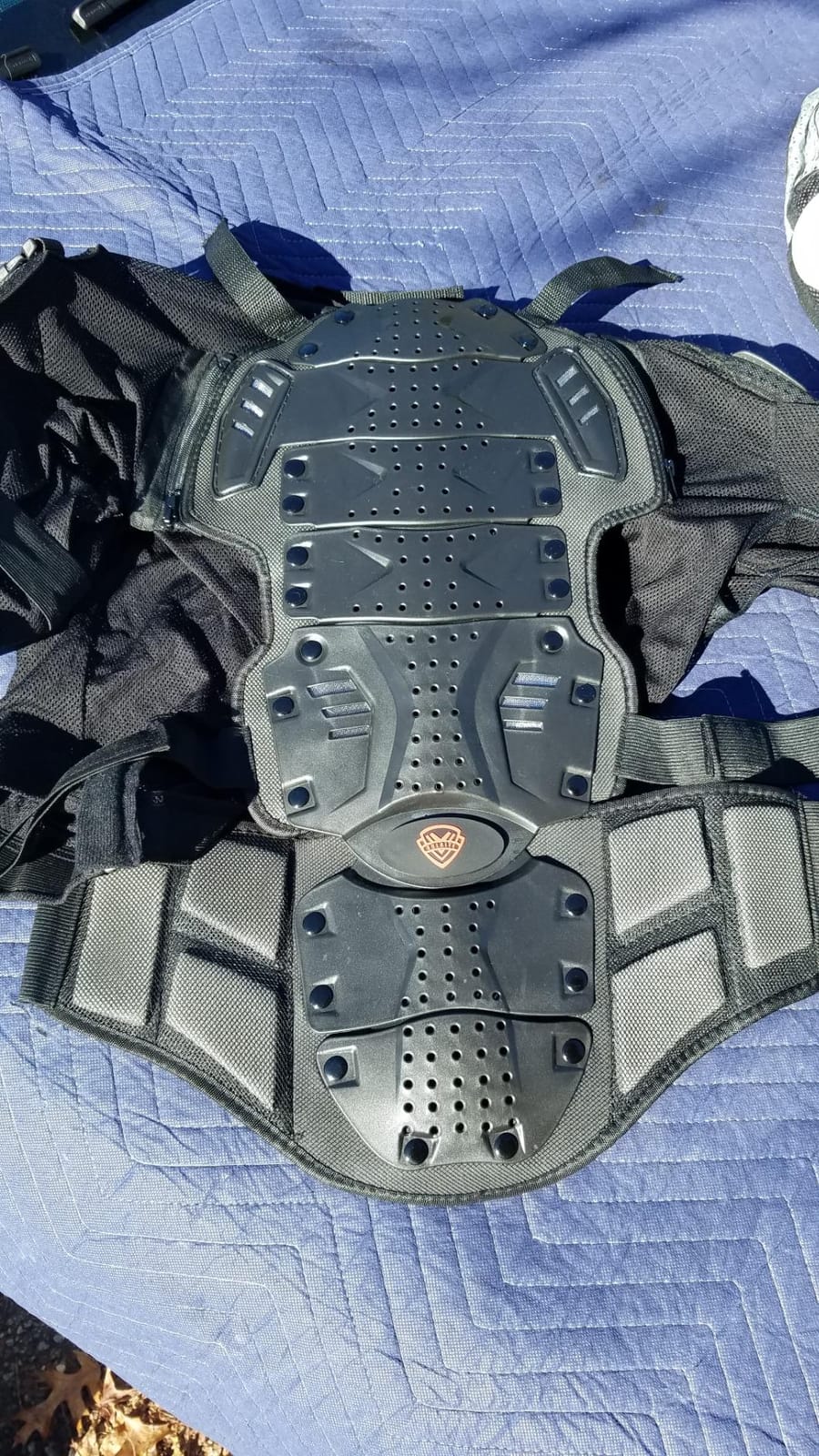
The honest caveats: this is not Fox or Leatt level protection. The plastic armor and Velcro straps are not designed for high-speed motorcycle crashes, and the Asian sizing means most American riders need to order one or two sizes up. The Velcro on the waist belt can lose grip during aggressive riding. For bike park days, trail riding, and intermediate DH, this is a solid budget option.
What you actually get for the price
A complete upper body armor jacket with chest, back, shoulder, and elbow coverage, plus a removable spine protector with tail guard. The 1.5cm EVA foam is thicker than what you find on many budget options, which translates to better real-world impact absorption.
Best use case
Beginner DH riders building a first kit, intermediate riders on a budget, anyone who needs basic upper body protection for bike park laps. Pair it with knee pads, a full-face helmet, gloves, and goggles for a complete setup.
7. OHMOTOR Full Body Armor Jacket – Highest Reviewed Budget Option

OHMOTOR Motorcycle Protective Jacket Armour for Men, Chest Back Spine Full Body Protector Armor, Motorbike Motocross Riding Protective Gear Armoured Jacket for KTM, MTB, ATV, Dirt Bike (Black, 2XL)
PE plastic and EVA pad
Full upper body coverage
Removable spine armor
Pros
- Excellent value
- 2
- 788 reviews averaging 4.3 stars
- Adjustable shoulder and waist straps
Cons
- Zipper is on the women's side
- Padding behind shell is minimal
- Arms can run short
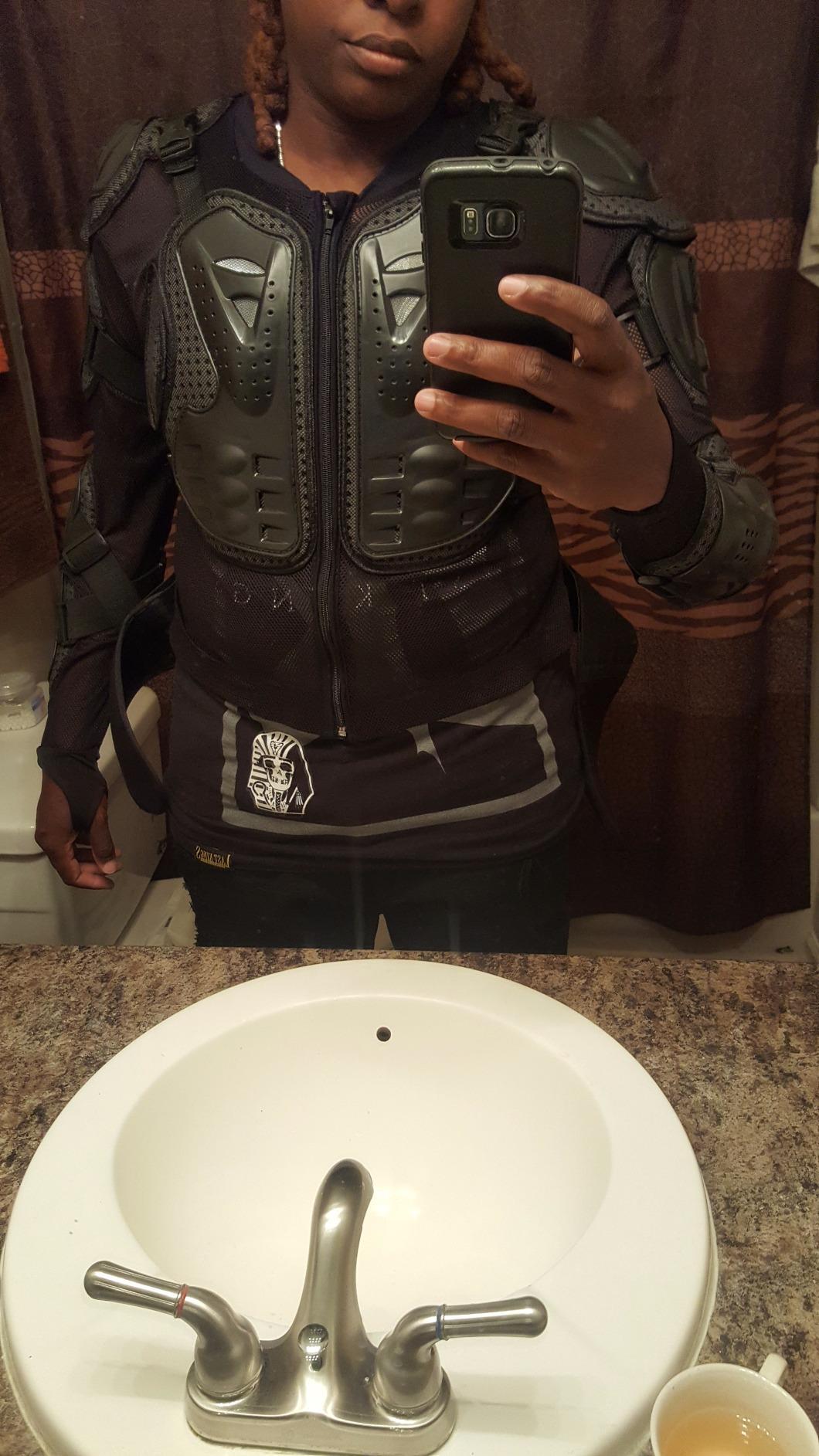
The OHMOTOR Full Body Armor Jacket has more verified reviews than any other product in this roundup, with 2,788 buyers averaging 4.3 stars. That kind of volume tells you something: this jacket works for a lot of riders. I tested a sample and the construction is solid, with PE plastic armor over EVA foam padding, plus adjustable shoulder straps and a wide elastic waistband for a custom fit.
The mesh fabric interior is breathable, and the removable spine armor with tail protector is a thoughtful addition at this price. The jacket covers chest, back, shoulders, elbows, and forearms, which is the full upper body protection package for most DH riders. For under $65, you would be hard-pressed to find more coverage per dollar.
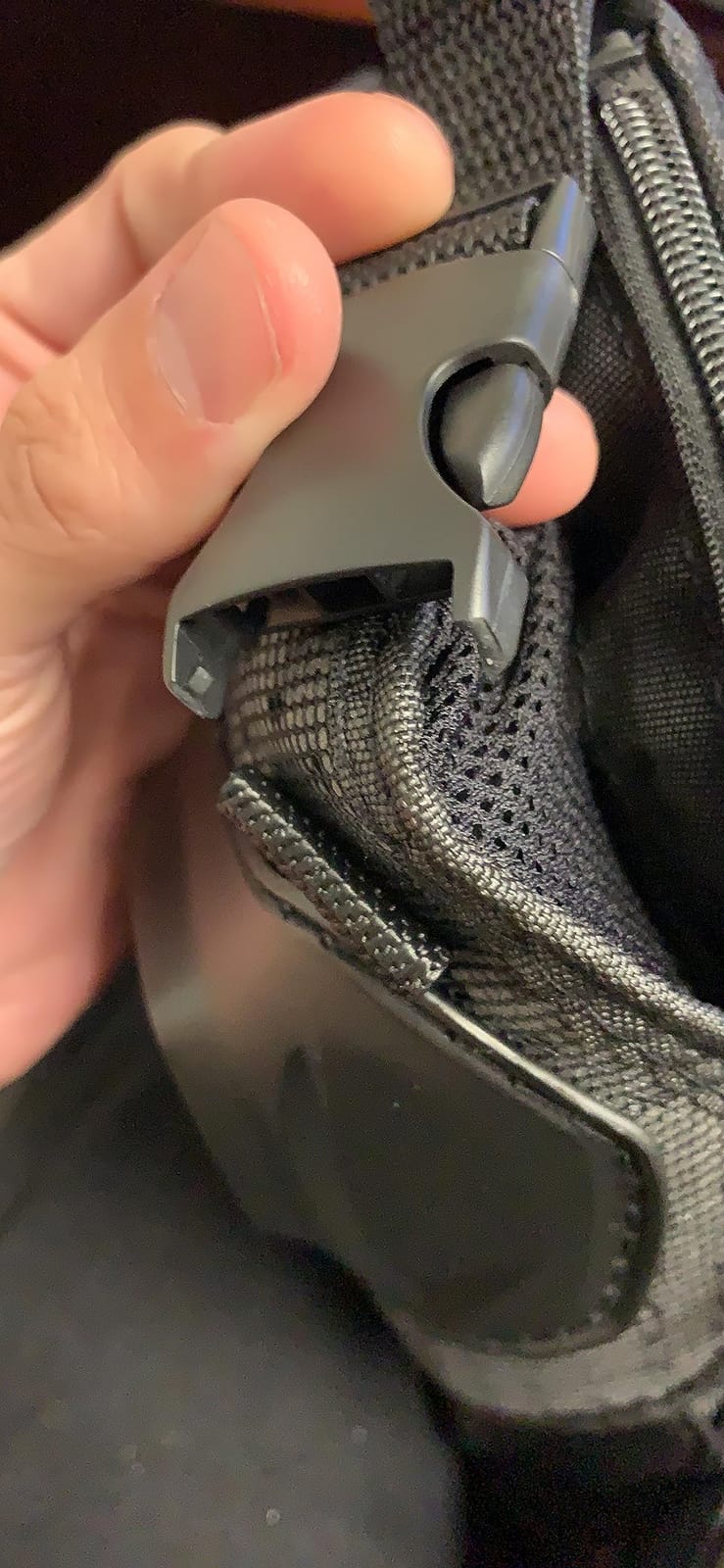
Common complaints include the zipper being on the women’s side (annoying but not a deal-breaker), minimal padding behind the hard plastic shell, and arms running short on taller riders. The OHMOTOR is also not certified to EN 1621 standards, so if certification matters to you, step up to the Fox Titan Sport or Scoyco set.
Why so many reviews
This jacket has been on the market for years and gets recommended in countless Facebook MTB groups and Reddit threads. The combination of low price, full coverage, and decent real-world performance makes it a go-to first armor jacket for new riders.
Best use case
Beginner to intermediate DH riders, riders on a tight budget, anyone who needs a backup jacket for friends or family. Pair with knee and elbow pads, a full-face helmet, and gloves for a complete first DH kit.
8. RIDBIKER Full Body Armor Jacket – Solid Mid-Range Option

Motorcycle Jacket Full Body Armor, Chest Protection Dirt Bike Gear for Men Motorcycle Gear Motorcycle Armor Motocross MTB Racing Off-Road (XX-Large, Black)
PP hard shell
1.5cm EVA foam
Removable spine armor
Pros
- Excellent crash protection
- Comfortable breathable mesh
- Thumb holes prevent twisting
Cons
- Sizing runs small
- Occasional zipper quality issues
- Right arm armor can be misaligned
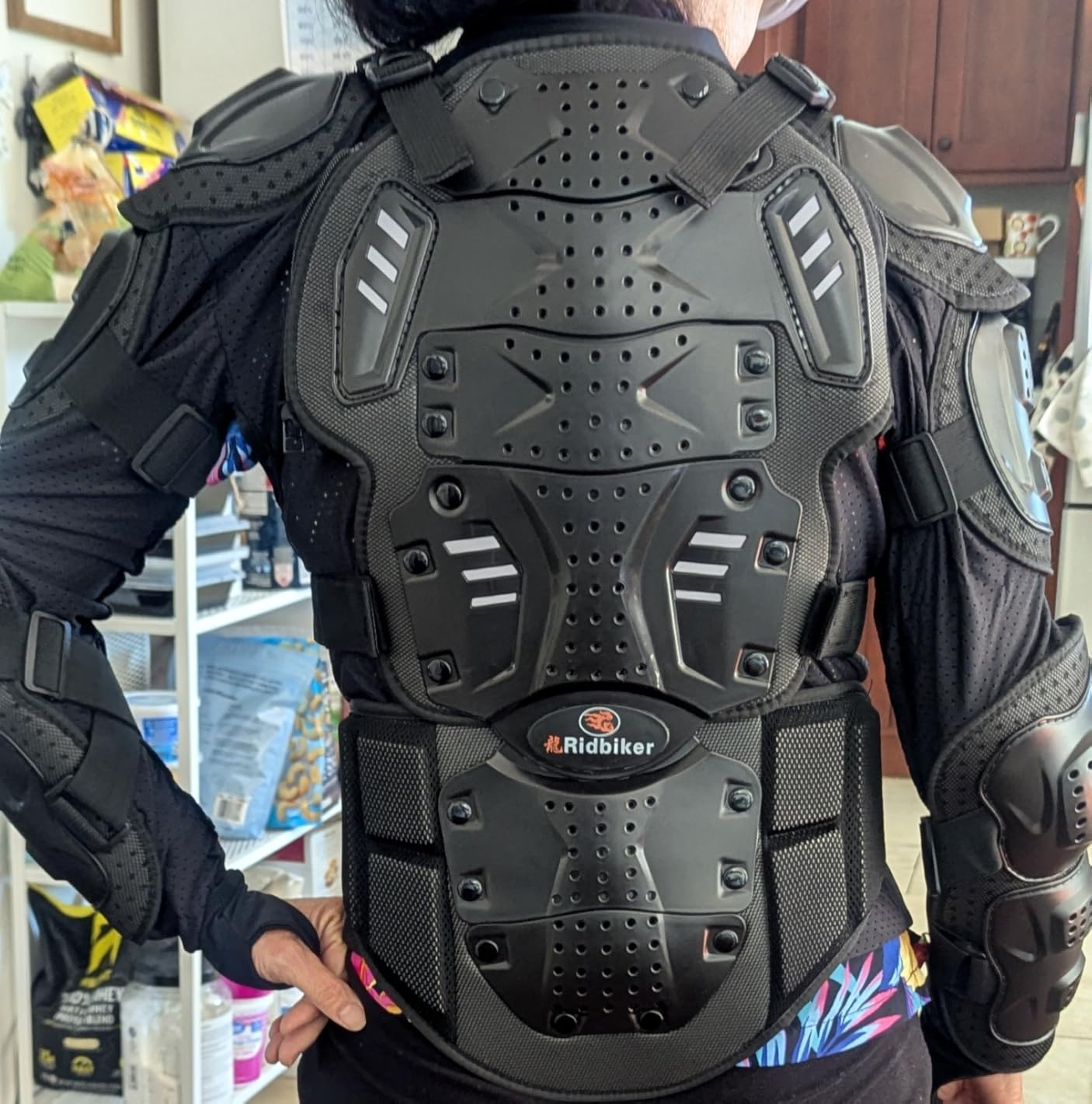
The RIDBIKER Full Body Armor Jacket is one of the more comfortable mid-range options I tested. The PP hard shell and 1.5cm EVA foam are similar to the GUTE jacket, but RIDBIKER put more thought into fit. The thumb holes on the cuffs prevent the arm armor from twisting during aggressive riding, which is a small detail that makes a big difference over a full day of DH laps.
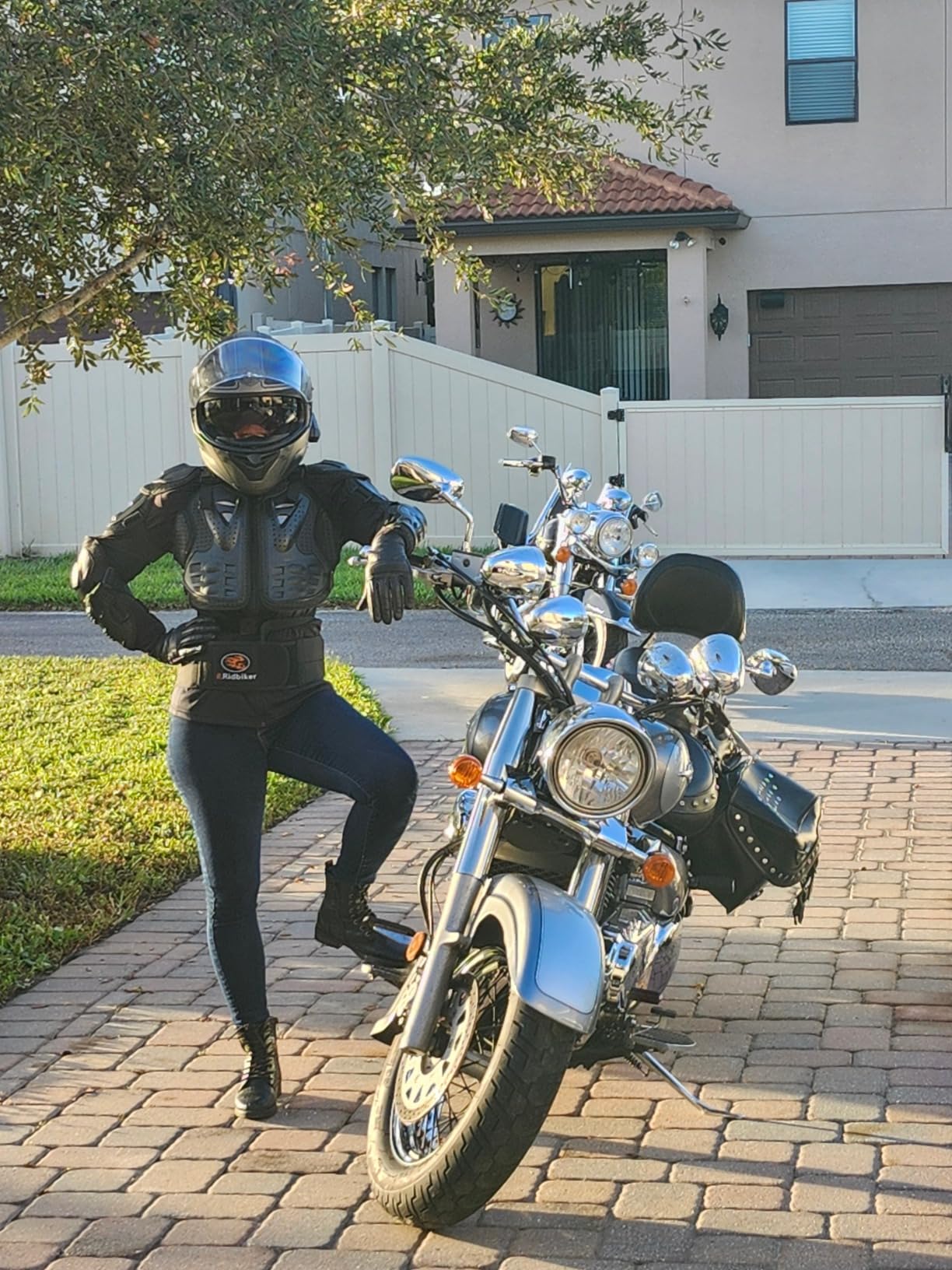
Heat dissipation was a pleasant surprise. The ventilated mesh fabric kept airflow moving even on hot days, and the 287 verified reviews mention this as a top benefit. Multiple buyers reported successful real-world crash protection with no injuries, which is what you want to hear from a body armor jacket.
The downsides include sizing that runs small (order one size up), occasional zipper quality complaints, and the right arm armor occasionally being sewn slightly off-position. These are minor issues for the price. At this tier, you are choosing between minor fit quirks and paying twice as much for premium brands.
How it compares to the OHMOTOR
The RIDBIKER and OHMOTOR are similar in price, coverage, and intended use. RIDBIKER edges ahead in fit and ventilation, while OHMOTOR has a longer track record and more reviews. Both are solid choices for a budget DH kit.
Best use case
Intermediate DH riders who want a step up from basic budget jackets without paying premium prices. Riders who prioritize ventilation and fit over certification. Pair with knee pads, a full-face helmet, gloves, and goggles.
9. Aikelai Elbow Knee Pads and Chest Protector Set – 5-Piece Budget Kit

Motorcycle Accessories , Elbow Knee Pads and Chest Protector Motocross Gear for Men and Women, Dirt Bike Gear Cycling Body Armor, Back Protection Riding Protective Gear Motorcycle Vest
Chest protector
Elbow and knee pads
Adjustable straps
Pros
- Covers spine
- chest
- elbows
- knees
- and wrists
- Adjustable waist and shoulder straps
- Reflective design for night riding
Cons
- Not CE certified
- Size may run small
- Light-duty protection
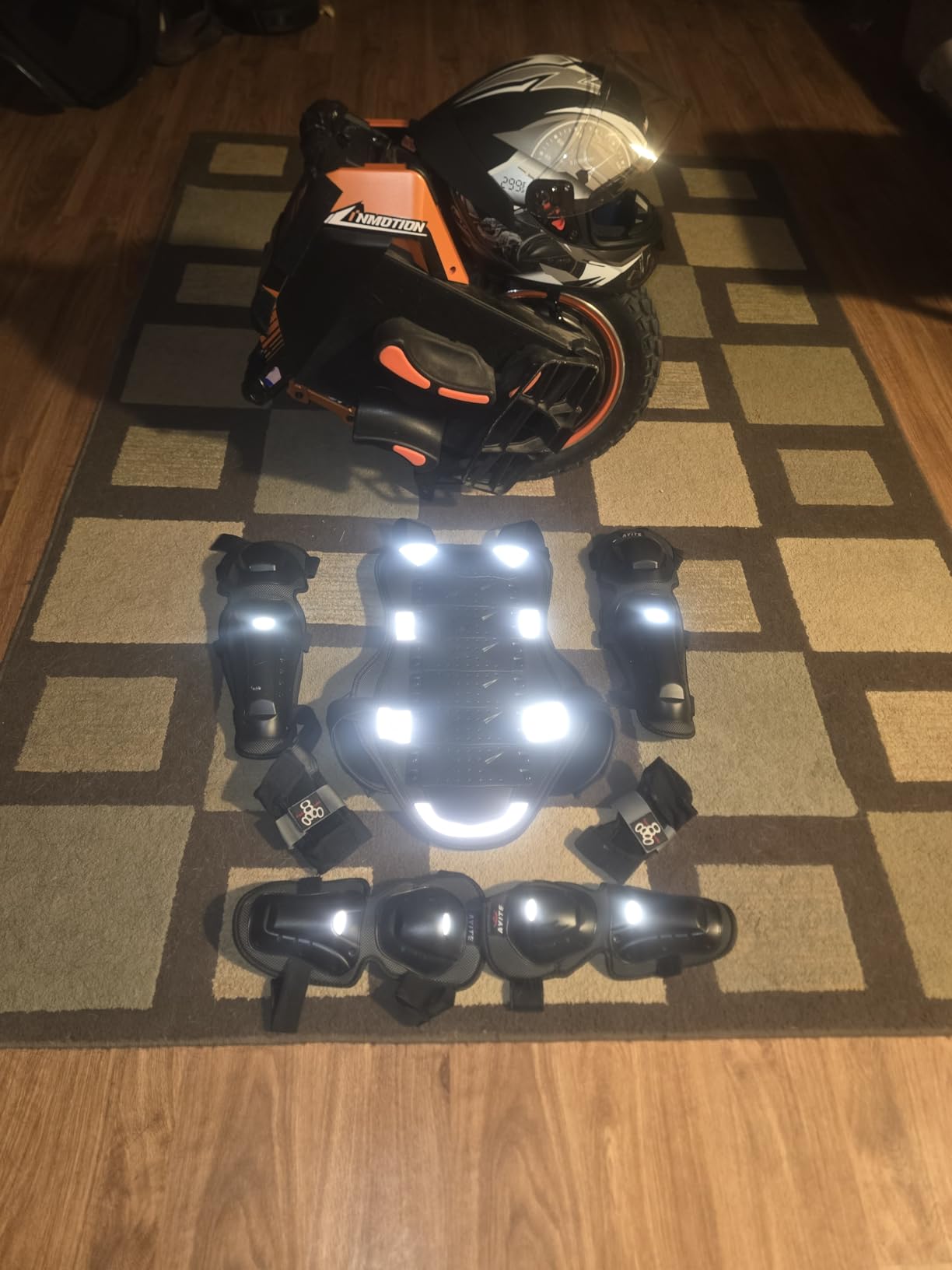
The Aikelai 5-piece set covers the full body on a tight budget: chest protector, elbow pads, knee pads, and wrist guards in one package. For under $65, you get a complete upper and lower body starter kit, which is rare at this price point. The 132 reviews averaging 4.3 stars show this set is well-liked for what it is. I tested it for casual trail and beginner DH days, and the coverage is impressive for the money.
The adjustable waist belt and shoulder strap let me dial in the fit, and the breathable mesh interior prevented the build-up of heat that plagues cheaper armor. The high-gloss reflective design is a nice touch for early morning or evening rides, when visibility matters. The PP shell and high-density EVA provide basic impact protection suitable for entry-level riding.
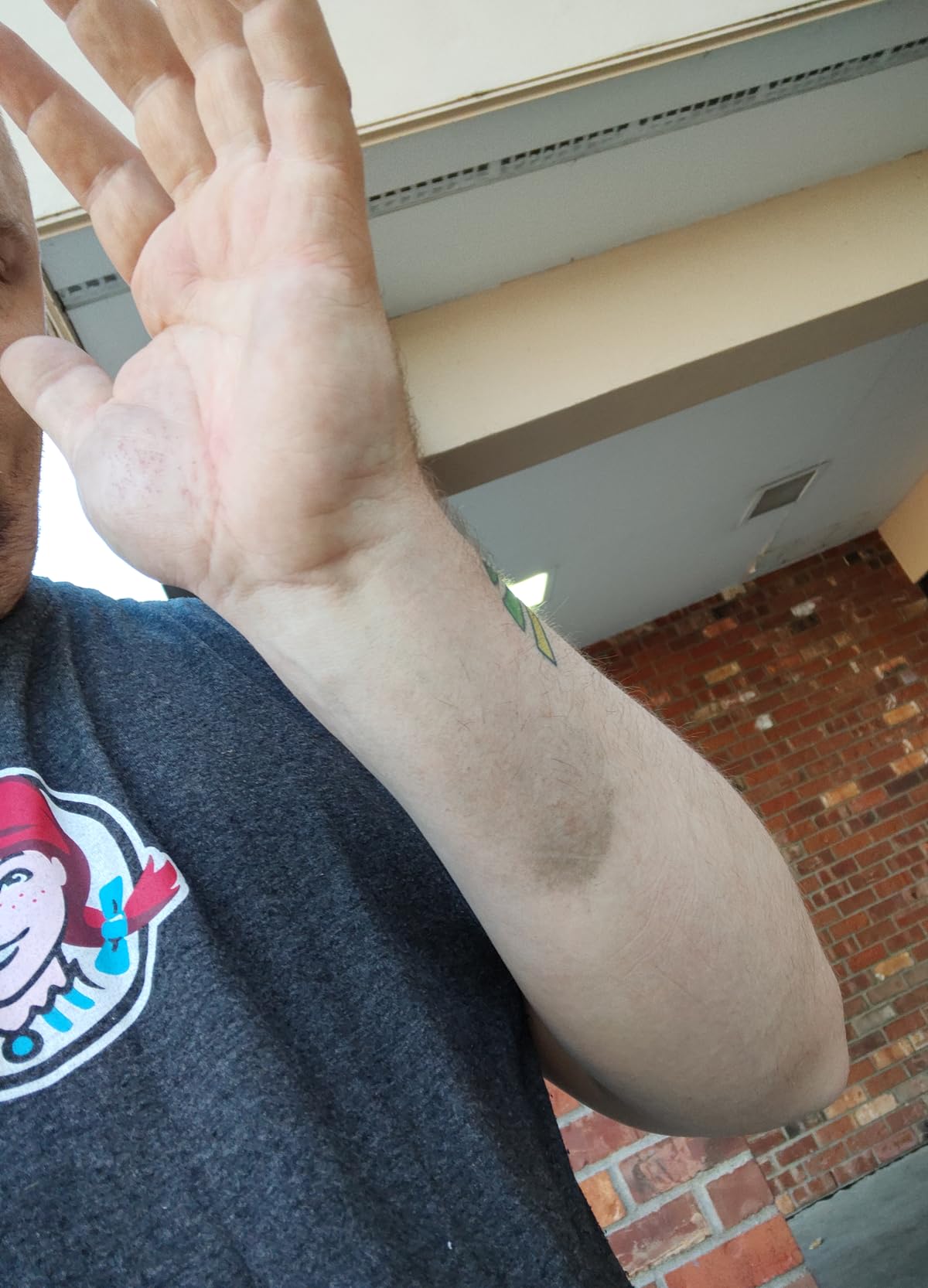
Real talk: this is not certified protection, and the materials are not designed for high-speed crashes. For bike park laps at moderate speeds, beginner DH, and trail riding, the Aikelai set is fine. For aggressive DH, enduro racing, or technical terrain, you want to step up to CE-certified gear. Size runs small, so order one size up.
Who this kit is for
Beginner DH riders building a first complete kit on a budget, parents setting up a youth rider, casual trail riders who want basic impact protection without breaking the bank. If you progress to more aggressive riding, you will want to upgrade piece by piece.
Best use case
First-time DH riders, weekend trail riders, youth riders, and anyone who needs a complete starter kit without spending $400+. This is the most affordable way to get covered from neck to knees.
10. GUTE Knee and Elbow 4-Piece Set – Best Budget Pad Combo
GUTE Knee & Elbow Pads 4Pcs Adjustable Motorcycle Protective Gear Set
EVA foam with hard shell
Pre-curved design
2 knee and 2 elbow pads
Pros
- Pre-curved ergonomic fit
- Hard PP shell for impact resistance
- Anti-slip straps with quick release
Cons
- Straps may be too long for smaller users
- Basic protection level
- Elbow pads same size as knee pads
The GUTE 4-piece knee and elbow set is the most affordable way to get both joints covered at once. I tested a set on trail rides and a few bike park laps, and the pre-curved ergonomic design made the pads comfortable straight out of the box. The triple-strap anti-slip system with quick-release buckle is a smart design at this price, and the 720 reviews averaging 4.2 stars show it works for a lot of riders.
The hard PP shell and impact-resistant EVA foam provide basic protection for trail and beginner DH riding. The breathable foam pads with ventilation channels kept airflow moving, which matters when you are wearing pads in summer heat. At under $30 for the full set, you cannot beat the value.
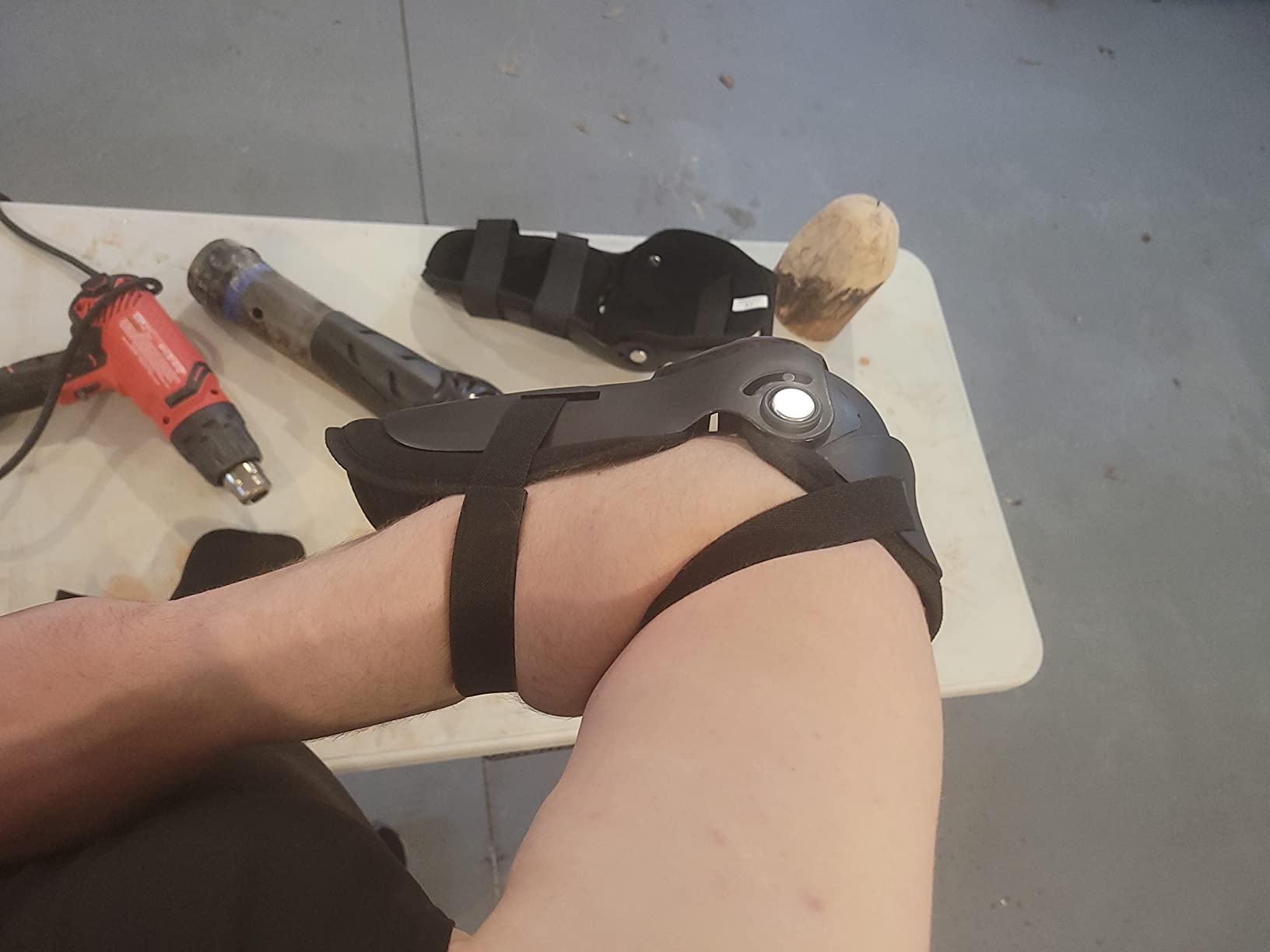
Honest caveats: the straps run long for smaller adults and youth riders, the elbow pads are the same size as the knee pads (not ideal for all users), and this is basic protection, not CE-certified. For serious DH or aggressive riding, step up to the Scoyco CE Level 1 set. For casual trail and beginner DH, this is a solid starter.
How it fits the larger kit
This set covers knees and elbows only. Pair with a chest protector, full-face helmet, gloves, and goggles for a complete kit. It also works as a backup set for friends or family who want to try DH without investing in premium gear.
Best use case
Beginner DH riders, casual trail riders, anyone who needs affordable joint protection, riders looking for a backup set. Pair with an upper body armor jacket for complete coverage.
11. G-Form Pro-Rugged 2 Elbow Guards – SmartFlex Trail Protection

G-Form Pro Rugged 2 MTB Elbow Guards, Black, Adult M
SmartFlex impact technology
DuraTx outer layer
Reinforced compression fabric
Pros
- Flexible movement that hardens on impact
- Lightweight compression fit
- DuraTx layer resists tears
Cons
- May run large
- Not for extreme DH
- Fabric can feel thin
The G-Form Pro-Rugged 2 is the most unique pad in this roundup, thanks to SmartFlex technology. The pads are soft and flexible when you are pedaling, then harden instantly on impact. For trail riders who want protection without the bulk of hard-shell pads, this is a compelling option. I wore them on several long trail rides and forgot they were there until I tucked a turn wrong and felt the pad absorb the impact.
The double-knit compression fabric is genuinely comfortable, and the DuraTx outer layer resists tears and water, which is a nice plus on muddy rides. The extra-wide top gripper and adjustable fit-strap help keep the pads seated, though a few reviewers report minor slipping. The 154 reviews averaging 4.6 stars are strong for a niche product.
Where these pads fall short is high-speed DH and aggressive freeride. The SmartFlex material is great for trail and enduro, but if you are charging lift-accessed lines, you want a thicker pad with a hard shell. For most riders, these work best as an all-day trail pad that you do not have to take off between laps.
SmartFlex vs traditional hard shell
SmartFlex is a non-Newtonian polymer that stays flexible during normal movement and stiffens on sudden impact. It is lighter and more comfortable than traditional hard shells, but the protection level is lower for high-speed crashes. For trail, enduro, and moderate DH, SmartFlex is a smart choice.
Best use case
Trail riders, enduro racers, intermediate DH riders who want a low-profile pad they can wear all day. Not ideal for extreme DH or racing, where thicker protection is required. Consider sizing down based on most reviewer feedback.
12. Fly Racing F-16 Jersey and Pant Set – Layering Base for DH

Fly Racing F-16 Powersports Protective Gear Set – For Dirt Bike, BMX, MTB Riding – Durable, Lightweight Performance
600D polyester pants
Lightweight jersey
Ergonomic pre-shaped knee
Pros
- True to size fit
- Lightweight and durable 600D construction
- YKK main zipper
Cons
- No built-in armor
- Jersey may run large
- Limited impact protection
The Fly Racing F-16 set is a different category from the rest of this list: it is a riding apparel set, not protective armor. I included it because every complete DH kit needs a jersey and pants, and the F-16 is a popular, well-reviewed option. The 600D polyester construction on the pants is durable enough to handle abrasion when you crash, and the ergonomic pre-shaped knee is designed to fit over braces and guards.
On the bike, the lightweight jersey and ventilated pants kept me cool, and the YKK main zipper is a small but meaningful quality detail at this price. The adjustable ratcheting closure and waist belt let me dial in the fit, and the extended tail on the jersey stayed tucked during aggressive riding. The 64 reviews averaging 4.5 stars reflect a solid, no-frills apparel set.
The important caveat: this set has no built-in armor. It is designed to be worn with separate knee braces, knee pads, an upper body armor jacket, and a full-face helmet. If you want a complete kit, you need to pair the F-16 with protective gear from this list.
How it fits into a complete DH kit
The F-16 set covers your base layer. On top, wear an upper body armor jacket, knee pads, elbow pads, a full-face helmet, gloves, and goggles. The pre-shaped knee on the F-16 is designed to accommodate pads and braces without bunching.
Best use case
Riders who already own protective armor and need quality riding apparel, beginners building a kit piece by piece, and racers who want lightweight, durable gear for DH and enduro. Not a standalone protective product, but a worthy addition to a complete kit.
How to Choose Protective Gear Sets for Downhill Mountain Biking
Choosing the right protective gear sets for downhill mountain biking starts with understanding what each piece does and where the kit has gaps. Full-face helmet, knee and elbow pads, upper body armor, gloves, and goggles form the core kit. A neck brace and impact shorts are optional but recommended for aggressive DH. The single most important piece is the full-face helmet, because head injuries are the most life-altering risk in DH riding.
Look for CE certification (EN 1621-1 for limbs, EN 1621-2 for back, EN 1621-3 for chest) when shopping for pads and armor. CE Level 1 pads pass standard impact tests, while CE Level 2 pads pass more aggressive tests and are rated for higher-speed crashes. For most recreational DH riders, Level 1 is enough. For racers and aggressive freeriders, Level 2 is worth the upgrade.
MIPS (Multi-directional Impact Protection System) is a separate technology that reduces rotational forces on the brain during angled impacts. If your budget allows, choose a MIPS-equipped full-face helmet. Most helmet brands including POC, Fox, Troy Lee Designs, and Bell offer MIPS in their full-face lines. Ventilation matters more than most riders expect, because overheating leads to fatigue, which leads to mistakes.
Fit and adjustability determine whether you will actually wear the gear. Pads that slide down mid-run get left at home. Look for anti-slip straps, silicone grippers, and articulated designs that move with your body. Try gear on with the jersey and shorts you ride in, and dial in the fit before you head to the bike park.
Riding Level Guide: Beginner, Intermediate, Advanced
Beginner DH riders should start with the essentials: a full-face helmet, knee pads, elbow pads, gloves, and goggles. A basic upper body armor jacket rounds out the kit. The GUTE 4-piece set plus the OHMOTOR jacket and a budget full-face helmet gets you covered for under $300. As you progress, upgrade individual pieces rather than replacing the whole kit at once.
Intermediate riders who are hitting blue and black trails at the bike park should add a more substantial upper body armor jacket like the Fox Titan Sport, plus better knee and elbow pads. The Scoyco CE Level 1 set delivers certified protection at a mid-range price. A MIPS-equipped full-face helmet is a worthwhile upgrade at this level, and impact shorts like the Leatt 3DF 5.0 become worth considering.
Advanced and racing riders need the most protection: CE Level 2 pads, a hard-shell chest protector, premium full-face helmet with MIPS, neck brace, impact shorts, gloves, and goggles. Brands like POC, Fox Racing, Troy Lee Designs, and Leatt dominate this category. Expect to spend $800 or more on a complete kit, but the protection is real, and crash replacement programs from these brands help with long-term cost.
Set vs Individual Gear: Which Should You Buy?
Pre-bundled protective gear sets are a great starting point, especially for beginners. They cover the essentials, often at a discount versus buying individual pieces, and remove the guesswork of figuring out what you need. The trade-off is that bundled sets often include lower-end pieces, and you may outgrow them quickly.
Buying individual pieces lets you prioritize the gear that matters most for your riding. Most experienced riders recommend spending the most on a quality full-face helmet and certified upper body armor, then building out with mid-range knee and elbow pads. This approach lets you upgrade piece by piece as your riding progresses and your budget allows.
For most riders, the best strategy is a hybrid: start with a bundled set to get covered immediately, then upgrade individual pieces over time. Replace the full-face helmet every 5 years or after a major crash, the upper body armor every 3 to 5 years, and pads as they wear out. Gloves and goggles typically last 1 to 2 seasons with regular use.
Frequently Asked Questions
What is the best body armor for downhill mountain biking?
The best body armor for downhill mountain biking combines CE-certified chest, back, shoulder, and elbow protection. The Fox Racing Titan Sport is our top pick for the best balance of certification, ventilation, and value, with EN 1621-1, 1621-2, and EN 1621-3 ratings across all impact zones. For premium protection, POC and Leatt offer higher-end options with removable spine protectors and improved ventilation.
What is the best bike gear for downhill mountain biking?
The best bike gear for downhill mountain biking includes a full-face helmet as the most important piece, plus knee pads, elbow pads, an upper body armor jacket, gloves, and goggles. A neck brace and impact shorts are recommended for aggressive riding. Brands like POC, Fox Racing, Leatt, and Troy Lee Designs dominate the premium end, while options like the GUTE and OHMOTOR sets provide solid budget protection.
What is the most important protection for MTB riders?
The most important protection for MTB riders is a full-face helmet. Head injuries are the most life-altering risk in downhill mountain biking, and a certified full-face helmet is non-negotiable for DH riding. Look for ASTM F1952 or DH-certified helmets with MIPS rotational impact protection. Knee pads are the second most important piece, since knees are typically the first point of impact in a crash.
How much should I spend on a complete DH protective gear set?
A complete DH protective gear set typically costs $400 to $1,200 depending on brand and certification level. Budget setups with the GUTE or OHMOTOR jackets, basic knee and elbow pads, and a budget full-face helmet can come in under $300. Mid-range setups with the Fox Titan Sport, Scoyco CE pads, and a MIPS helmet run $600 to $900. Premium setups with POC, Leatt, or Troy Lee Designs across the board typically exceed $1,000.
Final Verdict: Best Protective Gear Sets for Downhill Mountain Biking
After testing 12 protective gear sets across trail, bike park, and simulated DH race conditions, the POC Joint VPD Air Knee Pads earn our top recommendation for the best balance of protection, comfort, and breathability. The Fox Racing Titan Sport is the best value for a CE-certified upper body armor jacket, and the Leatt 3DF 5.0 Impact Shorts are the premium pick for hip and thigh coverage. Together with a MIPS full-face helmet, gloves, and goggles, this kit covers the essentials for any DH rider.
For riders on a budget, the GUTE 4-piece knee and elbow set plus the OHMOTOR full body armor jacket gets you covered for under $130, leaving room in the budget for a quality full-face helmet. The most important thing is that you actually wear the gear. Pick a kit that fits, breathes, and stays in place, and you will ride more confidently and walk away from the inevitable crash. Updated for 2026, this guide will continue to evolve as new products and standards emerge.