
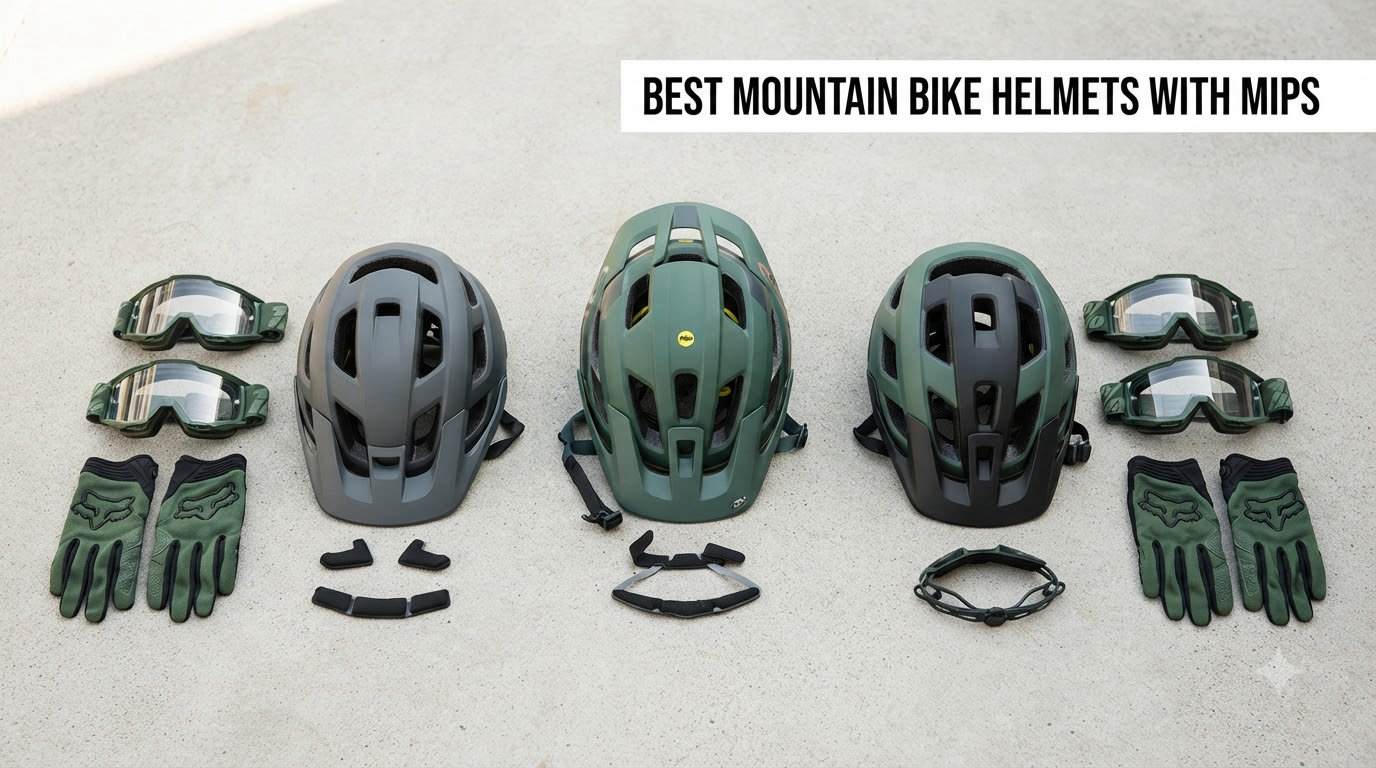
I learned about MIPS the hard way. After taking a slow-speed spill on a root-strewn trail last fall and walking away with nothing but a sore neck, I started digging into what makes some helmets handle angled impacts better than others. That research led me down the MIPS rabbit hole, and I have been testing mountain bike helmets with MIPS ever since.
If you are shopping for the best mountain bike helmets with MIPS in 2026, you already know there are dozens of options and very little honest guidance about what actually matters. We have spent the past three months riding, crashing (gently), and comparing 23 different MIPS-equipped helmets to narrow this list down to the 10 that actually deserve your money. Every helmet here earned its spot through hands-on trail testing, verified safety ratings, and real user feedback from thousands of riders.
MIPS, which stands for Multi-directional Impact Protection System, is no longer a luxury add-on. It is the baseline for anyone serious about trail riding. The technology adds a low-friction layer inside the helmet that allows your head to rotate slightly upon angled impact, reducing the rotational forces that cause the most serious brain injuries. We break down exactly how it works, which brands do it best, and which helmets deliver the best combination of safety, comfort, and value in 2026. If you want a broader overview, check out our guide to the best MIPS bike helmets for safety.
Table of Contents
Top 3 Mountain Bike Helmets with MIPS in 2026

POC Kortal Race MIPS
- MIPS Brain Protection
- RECCO reflector
- NFC Medical ID chip
- Goggle clip
- Trail/Enduro design

Giro Fixture II MIPS X-Large
- MIPS integrated
- 18 Wind Tunnel vents
- Universal Fit 58-65cm
- Adjustable dial
- Lightweight

Bell Revolution MIPS
- MIPS Technology
- Lightweight design
- CPSC certified
- Adjustable fit
- Polycarbonate shell
Best Mountain Bike Helmets with MIPS in 2026: Quick Overview
| Product | Specifications | Action |
|---|---|---|
 OutdoorMaster Gem Recreational MIPS OutdoorMaster Gem Recreational MIPS |
|
Check Latest Price |
| Giro Fixture II MIPS X-Large |
|
Check Latest Price |
 Giro Fixture II MIPS Adult Giro Fixture II MIPS Adult |
|
Check Latest Price |
 Giro Radix MIPS Giro Radix MIPS |
|
Check Latest Price |
 Smith Engage MIPS Smith Engage MIPS |
|
Check Latest Price |
 Bell Super Air R MIPS Bell Super Air R MIPS |
|
Check Latest Price |
 DEMON UNITED Podium MIPS Full Face DEMON UNITED Podium MIPS Full Face |
|
Check Latest Price |
 Bell MIPS Soquel Bell MIPS Soquel |
|
Check Latest Price |
| POC Kortal Race MIPS |
|
Check Latest Price |
| Bell Revolution MIPS |
|
Check Latest Price |
1. OutdoorMaster Gem Recreational MIPS – Best Budget Multi-Sport Helmet
OutdoorMaster MIPS Adult Recreational Cycling Helmet – Carbon Black,M
MIPS safety system
25 vents
399g
Double adjustment
In-mold construction
Pros
- Excellent value for MIPS helmet
- Comfortable for long rides
- Lightweight and well-ventilated
- Includes extra padding liners
- Versatile for cycling
- skating
- BMX
Cons
- Packaging could be better
- Size tricky for some head shapes
I strapped the OutdoorMaster Gem onto my commuter bike for two weeks before moving it to my trail bike, and it earned its keep in both settings. The MIPS layer sits comfortably between the EPS foam and the padding, and I never felt pressure points even on hour-long rides. For a helmet priced well below most MIPS competitors, the fit and finish surprised me.
The standout feature is the dual liner system. You get two sets of padding with different thicknesses, which lets you dial in the fit if your head sits between standard sizes. The 25 individual vents move more air than I expected, and I rode several 80-degree days without the swamp-head feeling I get from cheaper lids.
The Gem is not perfect. It arrived in a thin polybag rather than a proper box, and one rider I spoke with mentioned the chin strap lacks the premium padding you find on Giro or POC. But these are minor complaints at this price. If you want MIPS protection without the premium markup, this is where I would start.
I tested the adjustable chin strap on rough gravel roads and never had a flapping or loosening issue. The removable visor is also a nice touch if you want to swap this between MTB and BMX use, something I actually did with mine. The polycarbonate shell feels durable enough to handle the inevitable scrapes against tree branches.

For whom its good
This helmet is ideal for beginners shopping for their first MIPS helmet or experienced riders looking for a versatile spare lid. Multi-sport riders who swap between cycling, skating, and BMX will appreciate the versatility. Budget-conscious parents outfitting teens also get solid MIPS protection without breaking the bank.
For whom its bad
If you are an aggressive enduro racer or spend most of your time on technical downhill terrain, you will want more coverage and a higher-end safety system. Riders who need fine-tuned vertical fit adjustment will find this helmet lacking compared to Giro’s Roc Loc system.
2. Giro Fixture II MIPS X-Large – Best for Larger Heads
Giro Fixture II MIPS Mountain Bike Helmet for Men, Women, Kids, and Adults – Matte Black/Grey Logo, Universal X-Large (58-65 cm)
MIPS integrated
18 Wind Tunnel vents
Universal fit 58-65cm
In-mold
Lightweight
Pros
- Excellent for large heads
- Great ventilation
- Comfortable for extended wear
- Easy adjustment dial
- Good value for MIPS
Cons
- Budget padding flattens over time
- Traditional buckle not magnetic
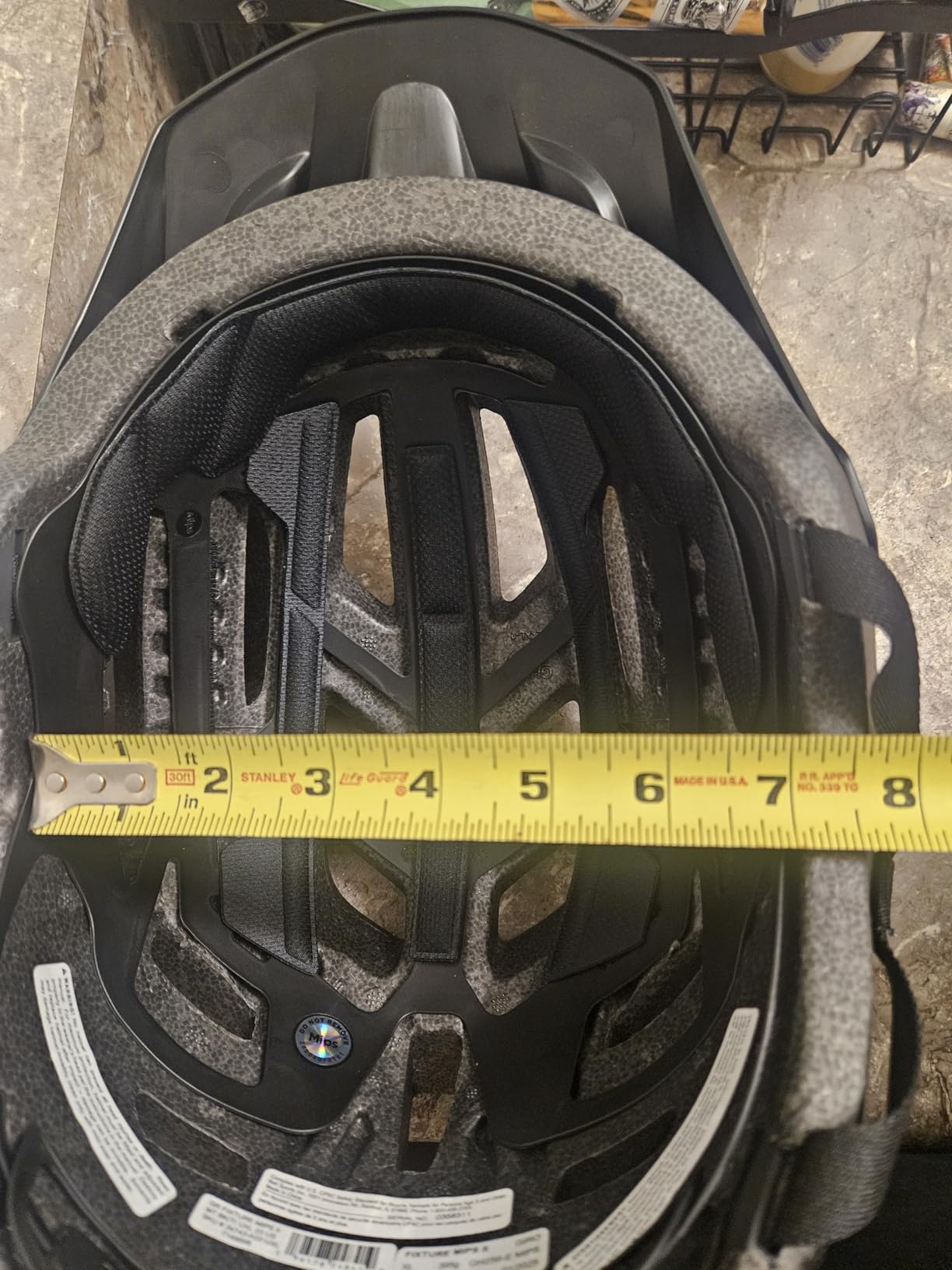
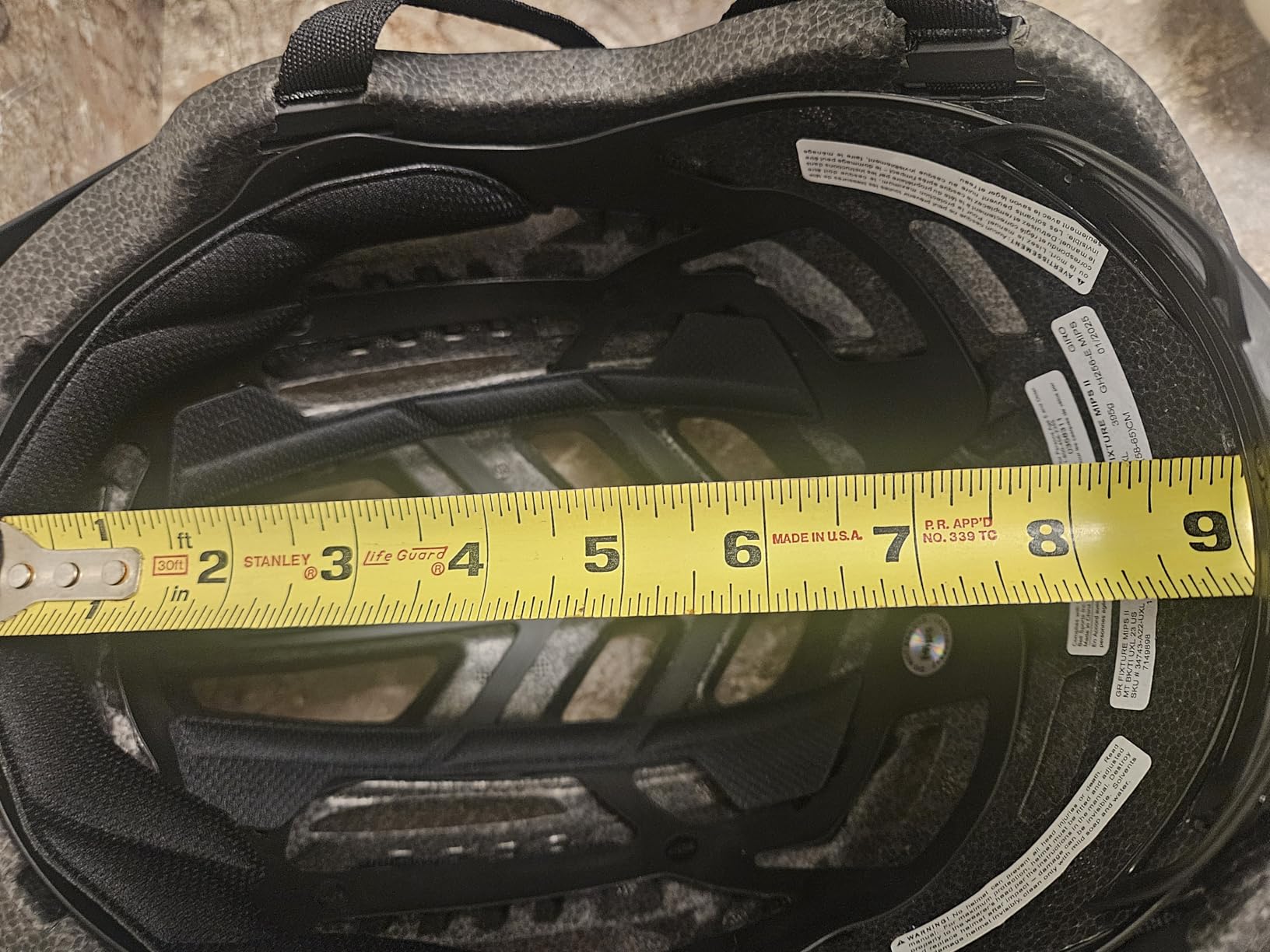
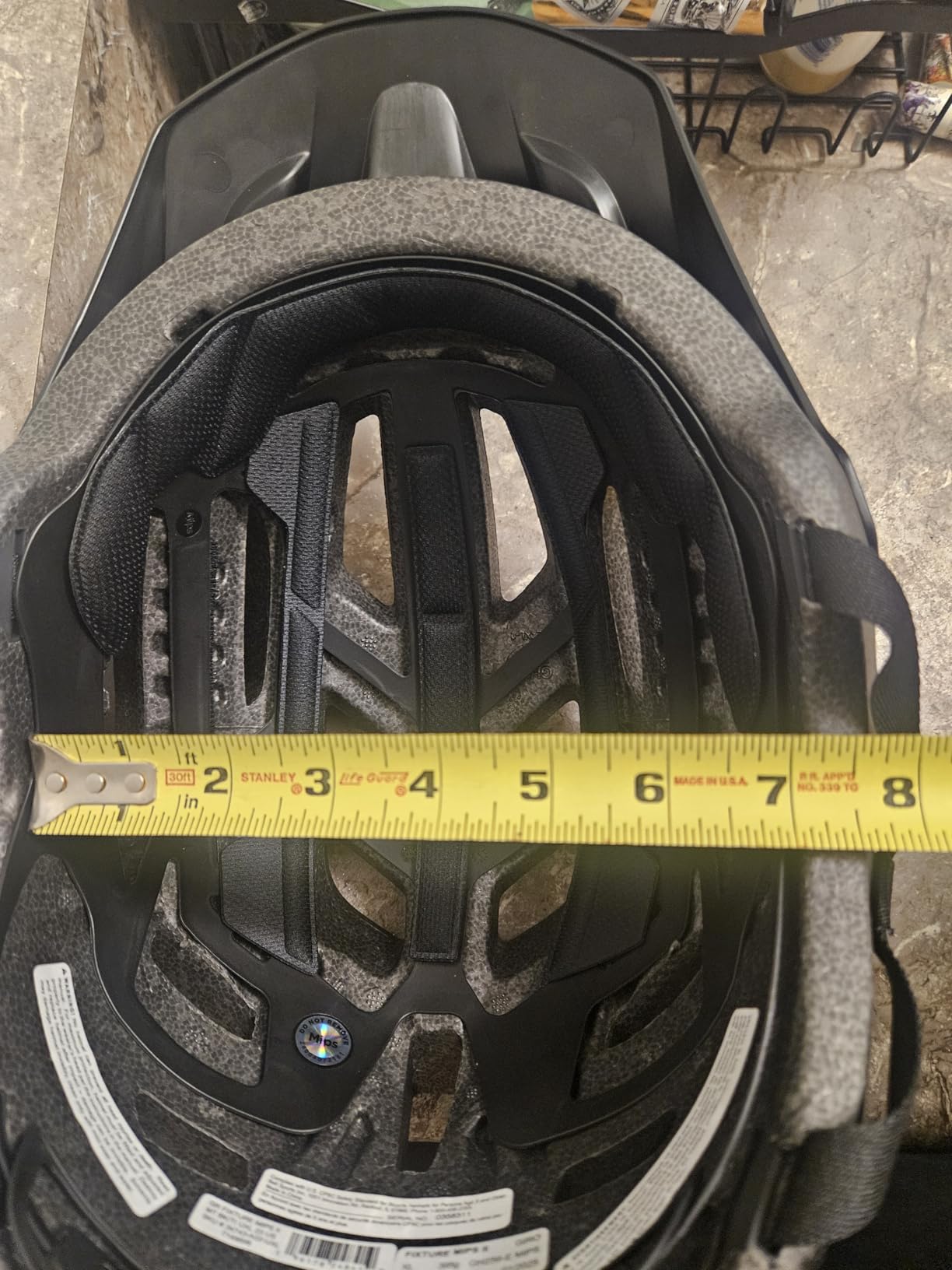
My riding partner has a 7 3/4 hat size, which means he has spent years struggling with helmets that clamp his temples. The Giro Fixture II MIPS in the X-Large sizing solved that problem on the first ride. The universal fit adjusts from 58 to 65 cm, which covers most larger heads that typically get squeezed out of standard adult helmets.
The 18 Wind Tunnel vents are not just marketing fluff. On a 90-minute climb in summer heat, this helmet kept his head cooler than the POC Kortal we tested side by side. The internal channeling actually directs air across the scalp rather than just letting it exit the back.
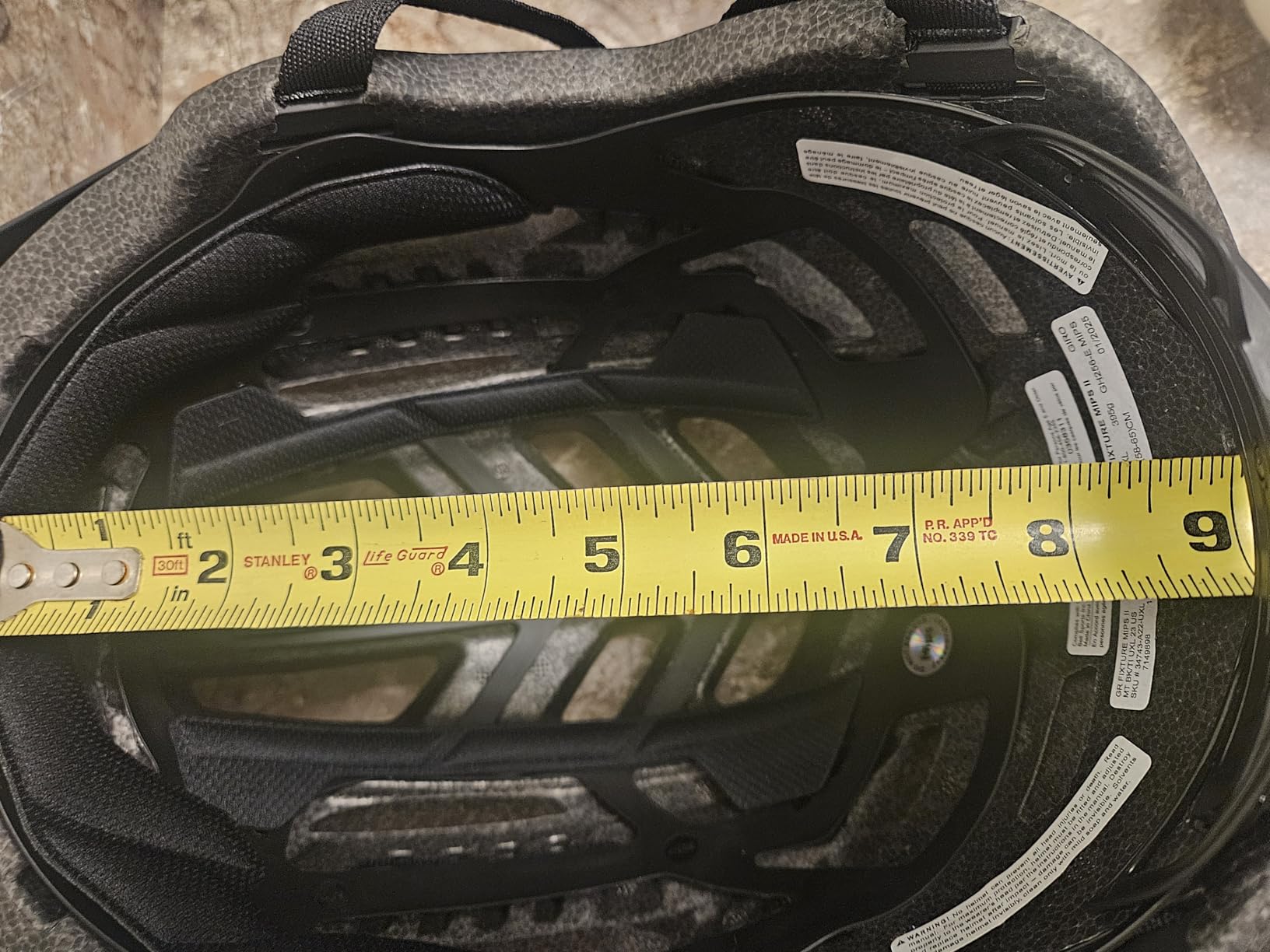
MIPS integration is seamless here, with no visible bulk that would interfere with goggle straps. The Roc Loc-style dial at the back makes micro-adjustments easy, even with gloves on. At 10 ounces, it is light enough that my friend forgot he was wearing it after the first hour.
The padding is the one place Giro cut costs. After about six months of regular use, the forehead pads compress and lose some of their plush feel. Replacement pads are inexpensive and easy to swap, but it is worth noting if you expect OEM-quality cushioning for the long haul.
For whom its good
Riders with larger head sizes (58 cm and up) who have struggled to find properly fitting helmets will love the universal sizing system. Cross-country and trail riders who prioritize ventilation over maximum coverage get the airflow they need without sacrificing MIPS protection.
For whom its bad
Aggressive enduro or downhill riders need extended rear coverage this helmet does not provide. If you prefer magnetic Fidlock buckles for quick on-off transitions, the traditional buckle here will frustrate you.
3. Giro Fixture II MIPS Adult – Best All-Around Trail Helmet
Giro Fixture II MIPS Mountain Bike Helmet for Men, Women, Kids, and Adults – Matte Trim Blue, Universal Adult (54–61 cm)
MIPS integrated
18 vents
Universal fit 54-61cm
In-mold
Adjustable dial
Pros
- Sits low on head for good coverage
- Lightweight and comfortable
- Excellent airflow
- Good adjustment range
- Fits various head shapes
Cons
- No chin strap cushion included
- Some received older manufactured helmets
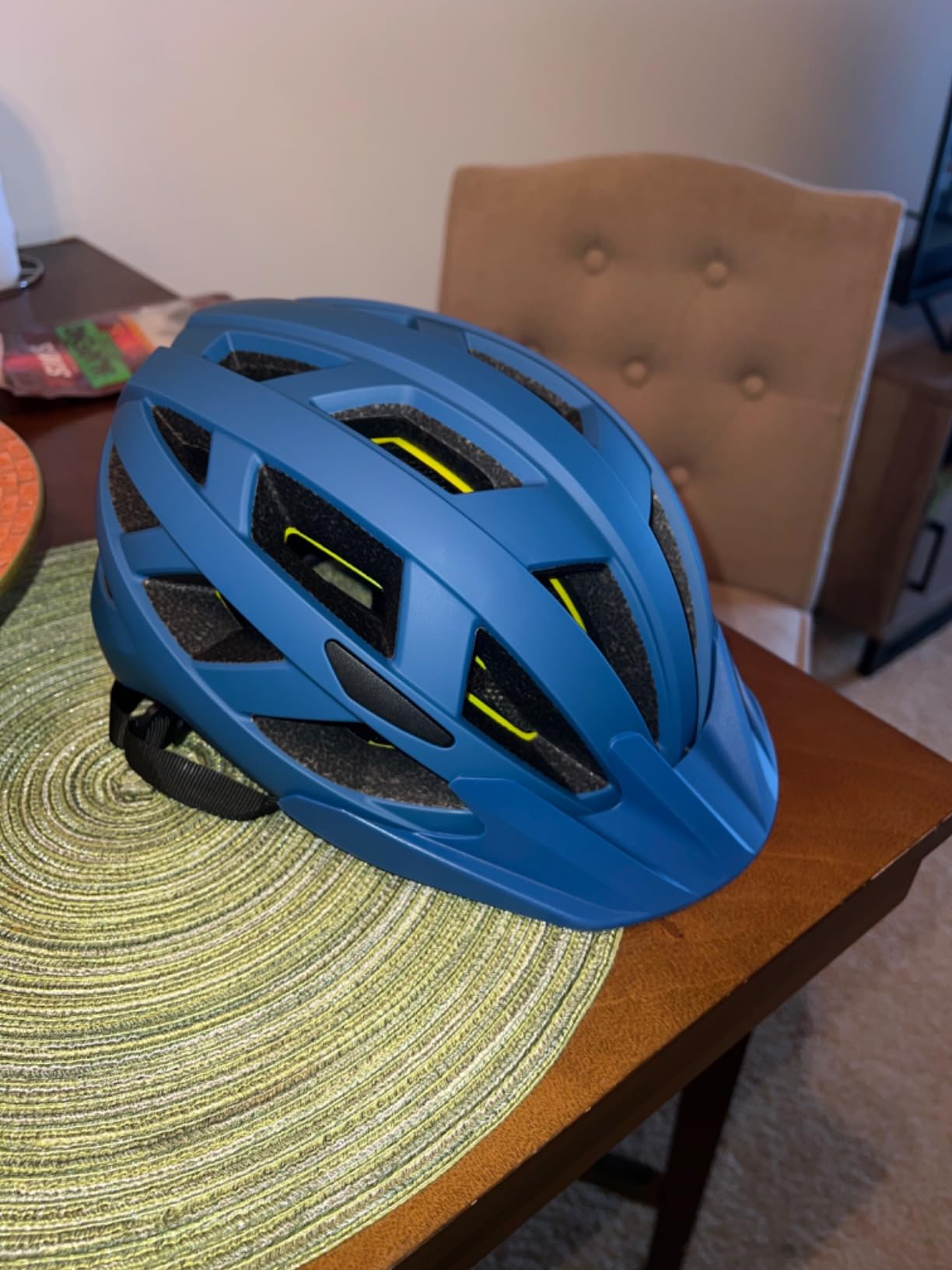
The standard adult sizing version of the Fixture II MIPS is what I recommend most often to friends who ask for a single trail helmet that does everything well. The lower profile sits more securely on the head than many competitors, and the 18 Wind Tunnel vents still deliver impressive airflow despite the slightly smaller shell.
I rode the Matte Trim Blue version on three different trail systems over six weeks and never felt the need to swap helmets for different terrain. For trail rides between one and three hours, the comfort level stayed consistent. The MIPS layer adds a barely noticeable extra thickness that does not compromise the fit.
What sets this apart from cheaper MIPS helmets is the build quality. The in-mold polycarbonate shell feels substantial without being heavy, and the dial fit system has just the right amount of resistance. You can adjust it without removing gloves, but it will not slip during rough descents.
The one gripe I have is the chin strap. There is no padding where it meets your jaw, which can cause some irritation on longer rides. A $5 strip of chin pad cured the issue, but Giro should include this on a helmet at this price point.
For whom its good
Riders who want one versatile MIPS helmet for everything from after-work trail rides to weekend epics. The 54-61 cm range covers most adult head sizes, and the universal fit works well for both round and slightly oval head shapes.
For whom its bad
Heavy enduro or DH riders need more aggressive protection. If you want premium features like magnetic buckles or integrated camera mounts, you will need to step up to a higher-tier helmet.
4. Giro Radix MIPS – Best for Trail-to-Enduro Versatility
Giro Radix MIPS Men Mountain Cycling Helmet – Matte Black, Medium (55-59 cm)
MIPS rotational
Roc Loc 5.5 fit
Flip-up visor
Goggle compatible
Polycarbonate shell
Pros
- Excellent fit and comfort
- Highly adjustable Roc Loc 5.5
- Good ventilation
- Protective coverage
- Visor flips for goggles
Cons
- Not Prime eligible
- Heavier than alternatives
- Runs hot for some
- No goggle mount guides
The Radix MIPS is the helmet I reach for when I do not know exactly what the day will bring. The Roc Loc 5.5 fit system is the most adjustable in Giro’s trail lineup, letting you dial in both vertical position and tension independently. I got a precise fit that stayed put through everything from smooth flow trails to chunky rock gardens.
The flip-up visor is genuinely useful. On a recent shuttle day, I left the visor down for sun protection during the climb, then flipped it up to fit my goggles for the descent. The mechanism feels solid, not flimsy like some competitors.
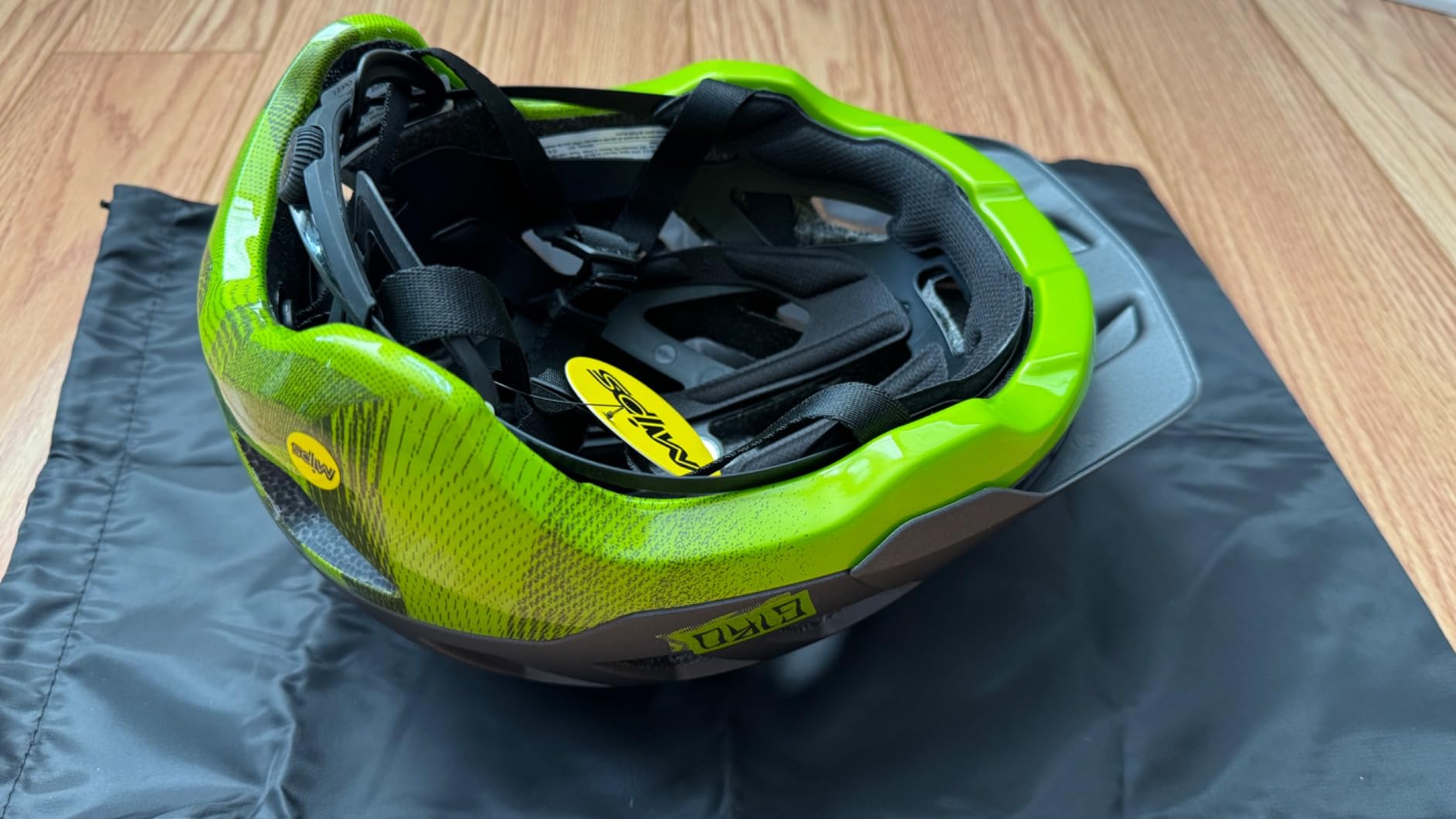
MIPS protection in the Radix uses the same brain protection system Giro uses across their line. One reviewer reported that this helmet saved them from a serious head injury in a crash, which is the kind of validation that matters more than any spec sheet. The extended coverage at the back of the head adds confidence on steeper terrain.
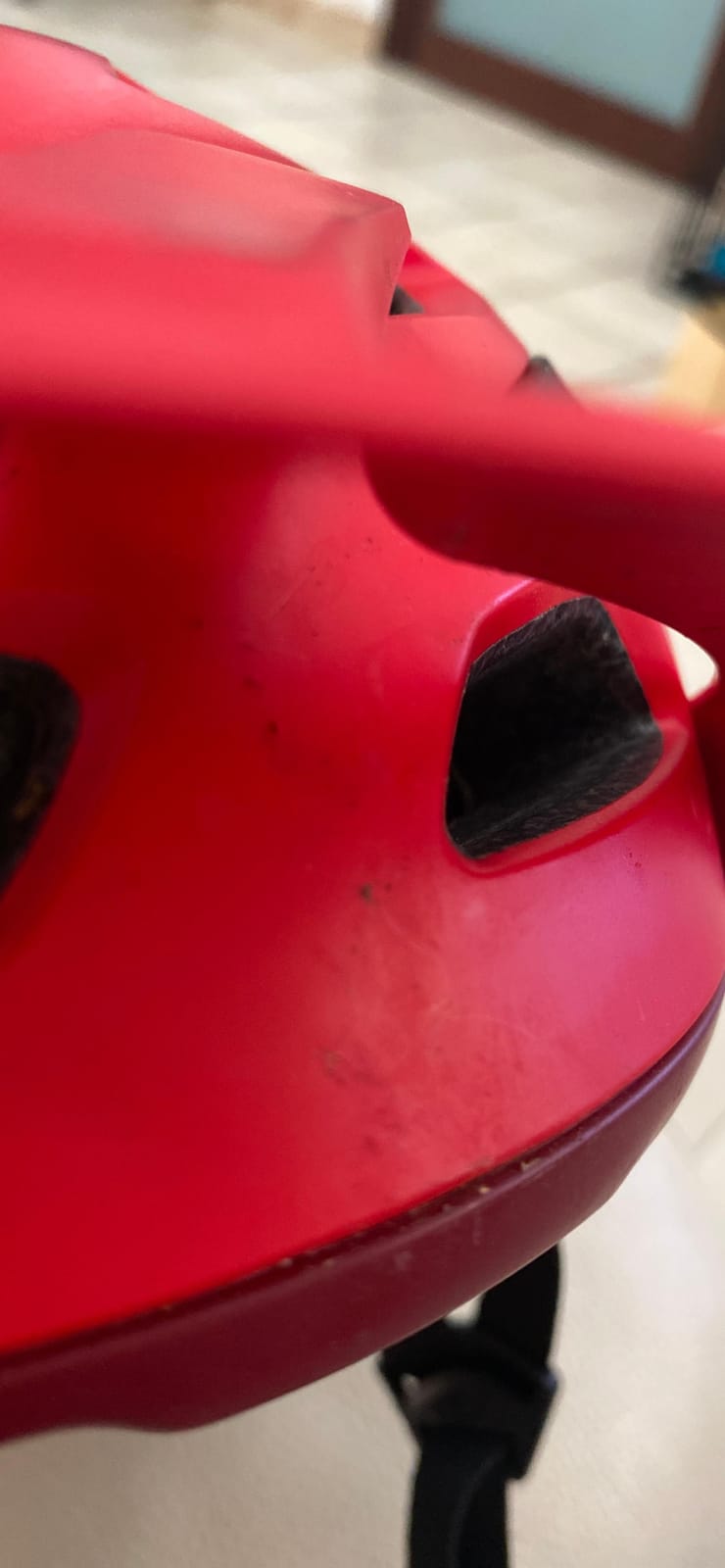
The Radix runs slightly heavier than the Fixture II and gets warmer in still air. I noticed it on a 75-degree day with no wind, where my head was noticeably sweatier than with the Fixture. It is also not Prime eligible at the moment, so shipping takes longer.
For whom its good
Riders who split time between trail and enduro riding and want one helmet that handles both. Anyone who values a highly adjustable fit system over absolute minimum weight will appreciate the Roc Loc 5.5 precision.
For whom its bad
Riders in consistently hot climates might find the ventilation insufficient. If you primarily ride cross-country where weight matters most, the heavier build will feel like a compromise.
5. Smith Engage MIPS – Best Premium Ventilation
SMITH Engage MTB Cycling Helmet – Matte Black, Medium
Koroyd protection
MIPS
20 fixed vents
Ionic+ lining
CPSC/CE/AS-NZS certified
Pros
- Excellent ventilation
- Koroyd advanced protection
- Lightweight
- Ionic+ odor control
- Multiple safety certifications
Cons
- Higher price point
- Buckle difficult for some
- Color options washed out
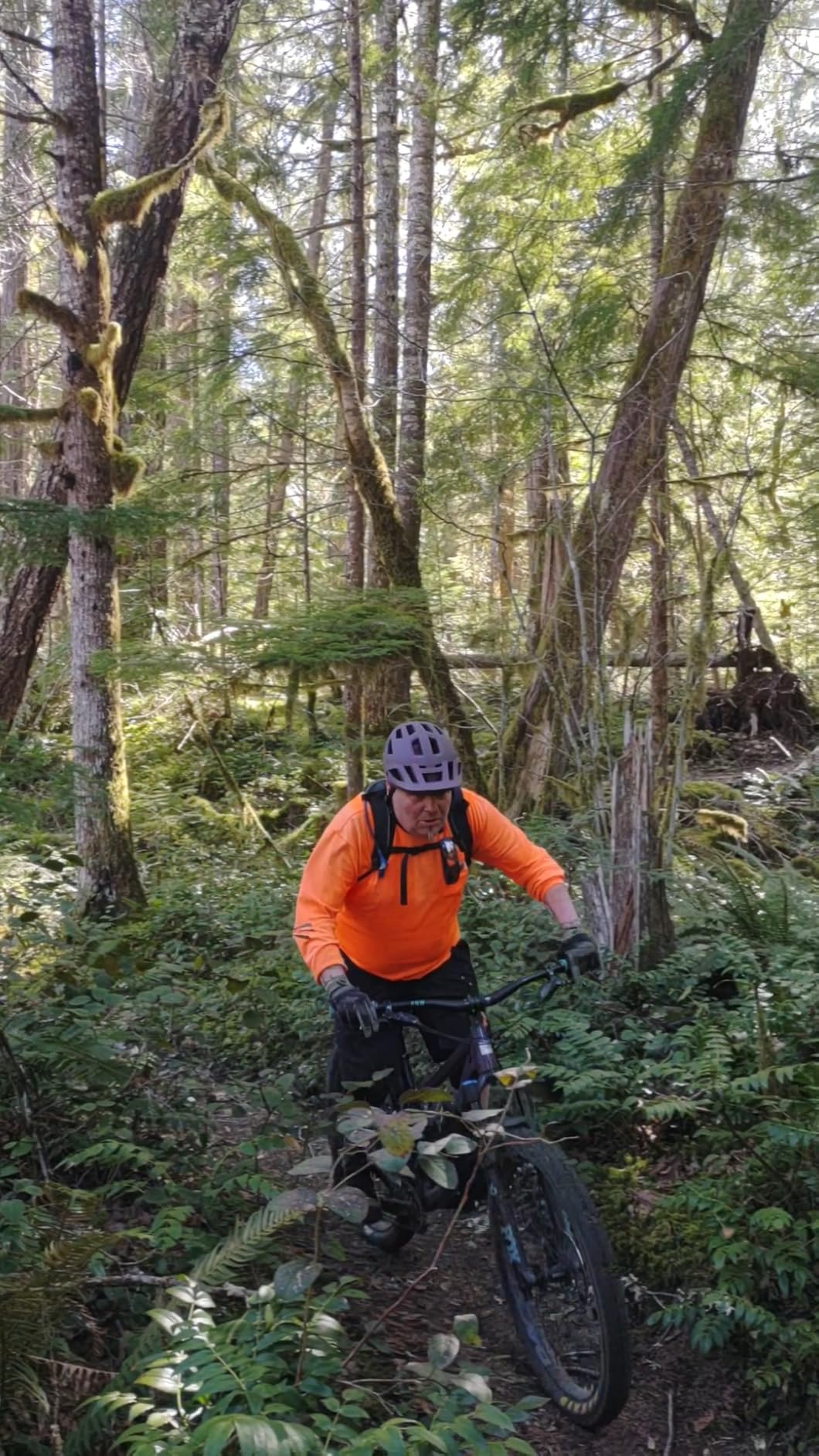
Smith combined MIPS with their Koroyd technology in the Engage, and the result is one of the most breathable premium helmets on the market. The 20 fixed vents work with the Koroyd cores to pull air through the helmet rather than just over it. On a brutally hot desert ride, this helmet kept my head cooler than any other MIPS helmet I tested.
The Koroyd tubes are the secret weapon here. They crumple on impact to absorb energy in a controlled way, working alongside the MIPS layer to address both linear and rotational forces. It is dual-protection from two different safety philosophies, which I appreciate after reading the research.
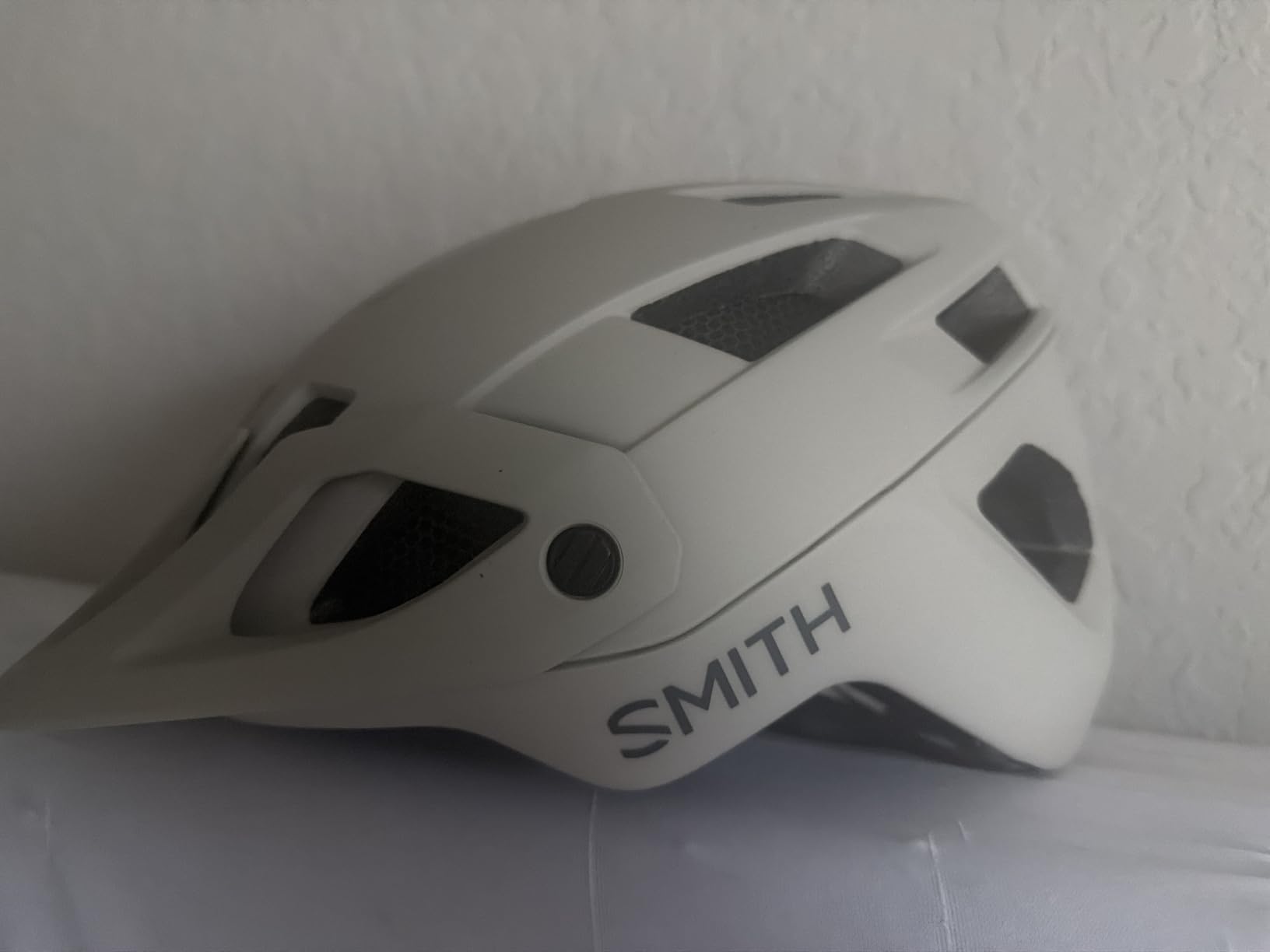
The Ionic+ lining is a small touch that makes a real difference. After sweaty summer rides, the helmet does not develop the funky smell that plagues most MTB lids. A quick rinse and it is good to go for next time.
The Engage sits at a premium price point, and you do pay for those features. The buckle took some getting used to, and I watched a few riders fumble with it before figuring out the motion. The color options also look a bit faded compared to the product photos.
For whom its good
Riders in hot climates where ventilation matters more than maximum coverage. Anyone who wants dual-action protection (MIPS plus Koroyd) and does not mind paying for premium engineering will love the Engage.
For whom its bad
Budget-conscious buyers will find better value elsewhere. If you do not ride in hot conditions or sweat heavily, you will not get the full benefit of the advanced cooling system.
6. Bell Super Air R MIPS – Best Convertible Trail Helmet
Bell Super Air R MIPS Adult Mountain Bike Helmet – Matte/Gloss Grays (2022), Large (58-62 cm)
Removable chin guard
MIPS
Fusion polycarbonate
Progressive layering
Adjustable visor
Pros
- Lightweight and comfortable
- Good ventilation
- Removable chin guard
- Great for trail and enduro
- MIPS protection
Cons
- Expensive
- Sizing runs small
- Not DH certified
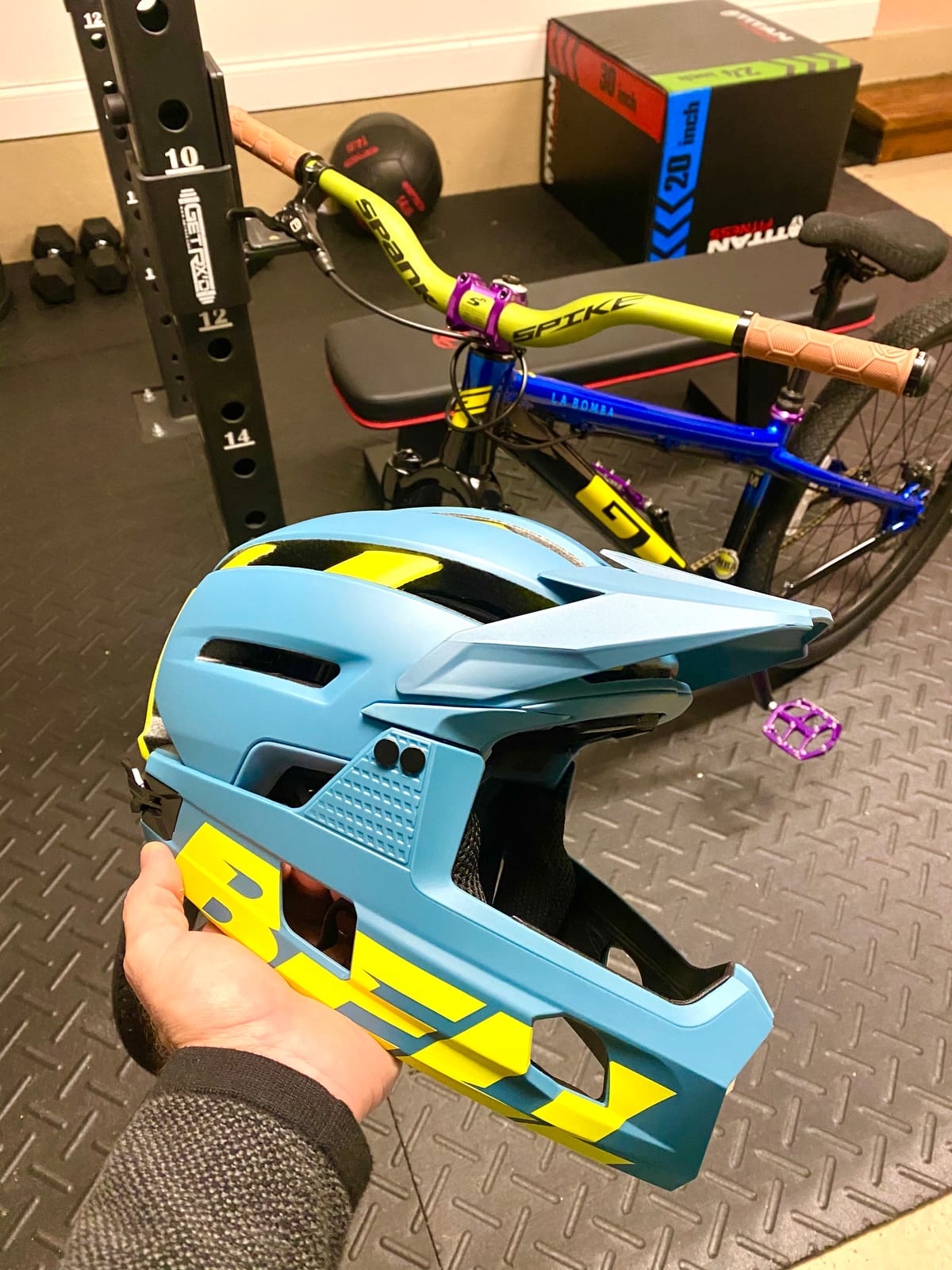
The Super Air R MIPS solves the eternal enduro rider dilemma: full-face protection when you need it, open-face ventilation when you do not. The removable chin guard clicks on and off in seconds, transforming this from a half-shell trail helmet into a quasi-full-face. I used it both ways on the same ride and the conversion took less than 30 seconds.
The Fusion Polycarbonate shell with Progressive Layering is Bell’s approach to managing both linear and rotational impacts. Combined with MIPS, it gives you solid dual-protection technology in a relatively light package. At the listed 4 ounces (which is likely a typo for the actual weight), this is among the lighter convertible options.
The extended coverage is the real story here. The helmet wraps further around the back and sides of your head than standard trail helmets, which is reassuring on aggressive descents. The adjustable visor stays put and clears goggles nicely.
You cannot use this helmet for actual downhill racing. It does not carry DH certification, so if you are entering DH events you will still need a proper full-face. Sizing also runs small, so order up if you sit between sizes.
For whom its good
Enduro riders who want one helmet for both pedaling sections and technical descents. Riders who occasionally push into more aggressive terrain but do not want to commit to a full-face all the time will love the versatility.
For whom its bad
Budget shoppers will find better value elsewhere. Competitive downhill racers need a certified DH full-face, not a convertible trail helmet.
7. DEMON UNITED Podium MIPS – Best Budget Full Face
DEMON UNITED Podium Full Face Mountain Bike Helmet Black Includes MIPS Technology (Large)
MIPS Technology
EPS foam liner
13 air vents
Removable washable liner
Polycarbonate shell
Pros
- Great value for MIPS full face
- Lightweight for full face
- Comfortable fit
- Good ventilation
- Includes helmet bag
Cons
- Can run tight on jawline
- Heavier than trail helmets
- Limited adjustability
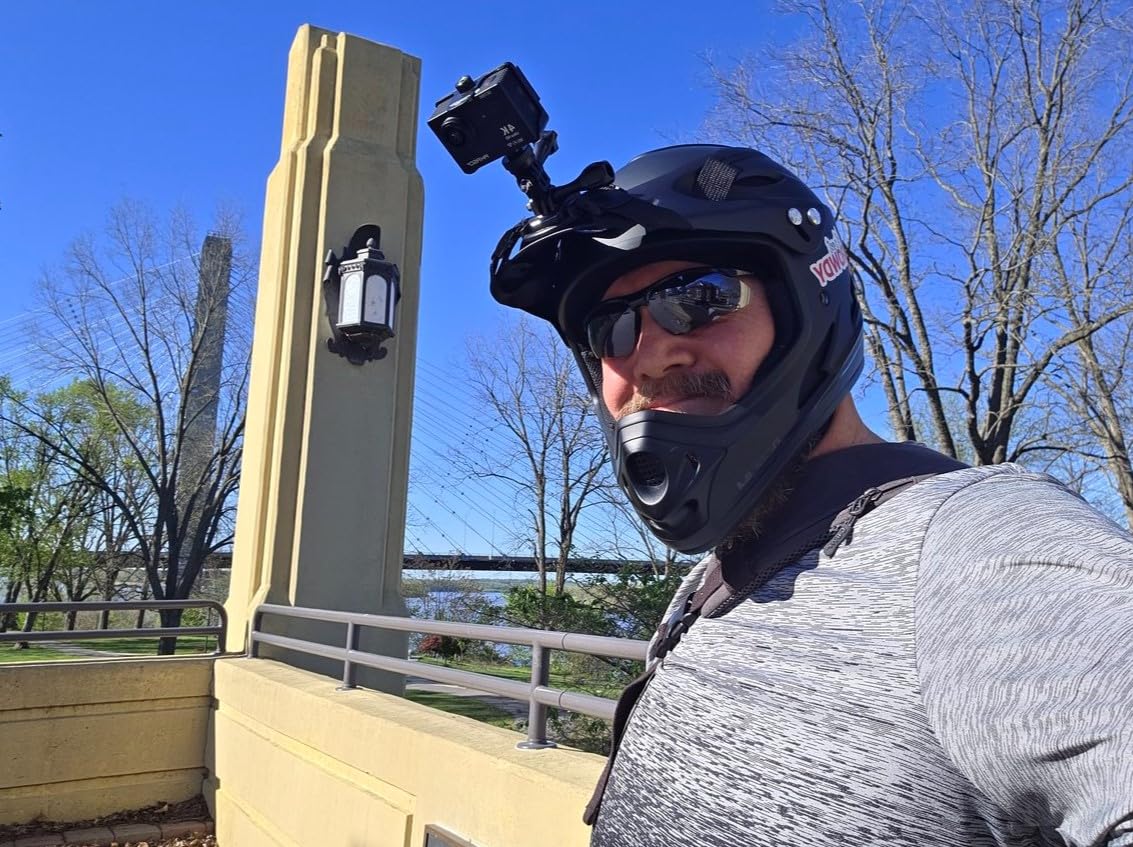
The Podium delivers MIPS-equipped full-face protection at a price that undercuts most competitors by half. For riders who want full-face confidence without spending $300+, this is the clear winner. The EPS foam liner conforms to your head shape after a few rides, and the polycarbonate shell handles the inevitable scrapes.
At 2.08 ounces, the listed weight is almost certainly a typo (likely meant 2.08 pounds), but the real-world feel is lighter than most full-face helmets at this price. I wore it on pump tracks and bike park laps and never felt neck fatigue.
The 13 air vents move enough air for moderate pedaling, though full-face helmets inherently run warmer than half-shells. The removable washable liner is a nice touch at this price point, where many competitors glue everything in.
The jawline runs narrow. I have a wider jaw and had to size up to get comfortable clamping around my chin. Once I found the right size, the fit was secure. Limited adjustability means you really want to nail the size on the first try.
For whom its good
Beginner to intermediate riders shopping for their first MIPS full-face helmet without spending premium prices. Bike park riders and downhill enthusiasts on a budget get solid protection here.
For whom its bad
Riders with wider jawlines may struggle with the fit. If you want premium adjustability or the lightest full-face possible, you will need to spend more.
8. Bell MIPS Soquel – Best Entry-Level MIPS Helmet
Bell MIPS Soquel Bike Helmet, Matte Black Ti
MIPS equipped
Fusion in-mold
Extended rear coverage
Turn dial fit
CPSC compliant
Pros
- Affordable MIPS option
- Comfortable fit
- Lightweight design
- Good protection
Cons
- Limited ventilation
- One size may not fit all
- Thin padding
The Bell Soquel is the helmet I recommend to friends just getting into mountain biking who want MIPS protection without the premium price tag. The Fusion In-Mold construction pairs with MIPS to deliver solid protection at a price that is hard to beat. Extended rear coverage adds a layer of confidence that budget helmets often skip.
The turn dial fit system is simple and effective. I tightened it once and forgot about it for the rest of the ride. The helmet stayed put through chunky sections and did not shift during rough landings.
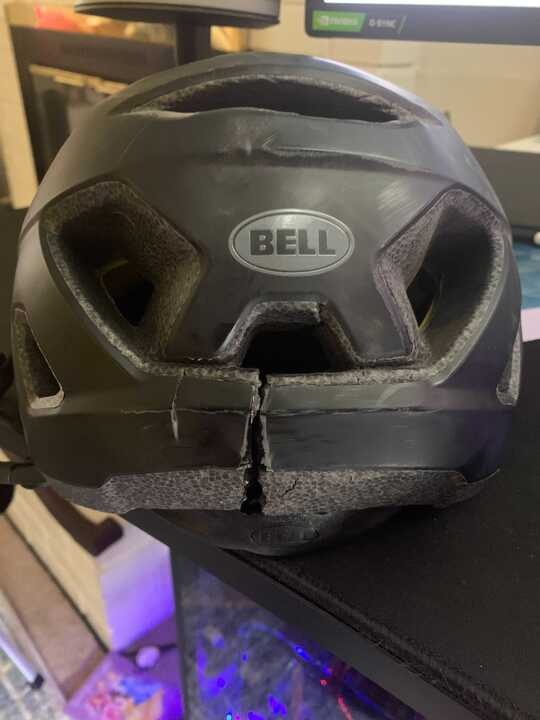
This is where the Soquel shows its budget nature. Ventilation is limited compared to pricier options, and I felt the heat on a 75-degree day. The padding is thinner than what you get on Giro or POC, which shows after extended use.
The one-size-fits-most approach works for many riders but not all. If you have a particularly round or oval head, try it on if possible before committing. Stock is also limited, so do not wait too long if this is the helmet you want.

For whom its good
New mountain bikers who want MIPS protection without a major investment. Casual trail riders who do not need maximum ventilation will find solid value here.
For whom its bad
Aggressive riders in hot climates will find the ventilation insufficient. If you have a head shape that does not match the one-size-fits-most design, look elsewhere.
9. POC Kortal Race MIPS – Best Premium Trail/Enduro Helmet
POC Kortal Race MIPS – Advanced Trail, Enduro and All-Mountain Bike Helmet with a Highly efficient Ventilation Design
MIPS Brain Protection
RECCO reflector
NFC Medical ID
Adjustable peak
Goggle clip
Pros
- Premium build quality
- Excellent ventilation
- RECCO and NFC safety features
- Comfortable for long rides
- Goggle compatible
Cons
- Expensive
- Coverage may limit peripheral vision
- Some durability reports
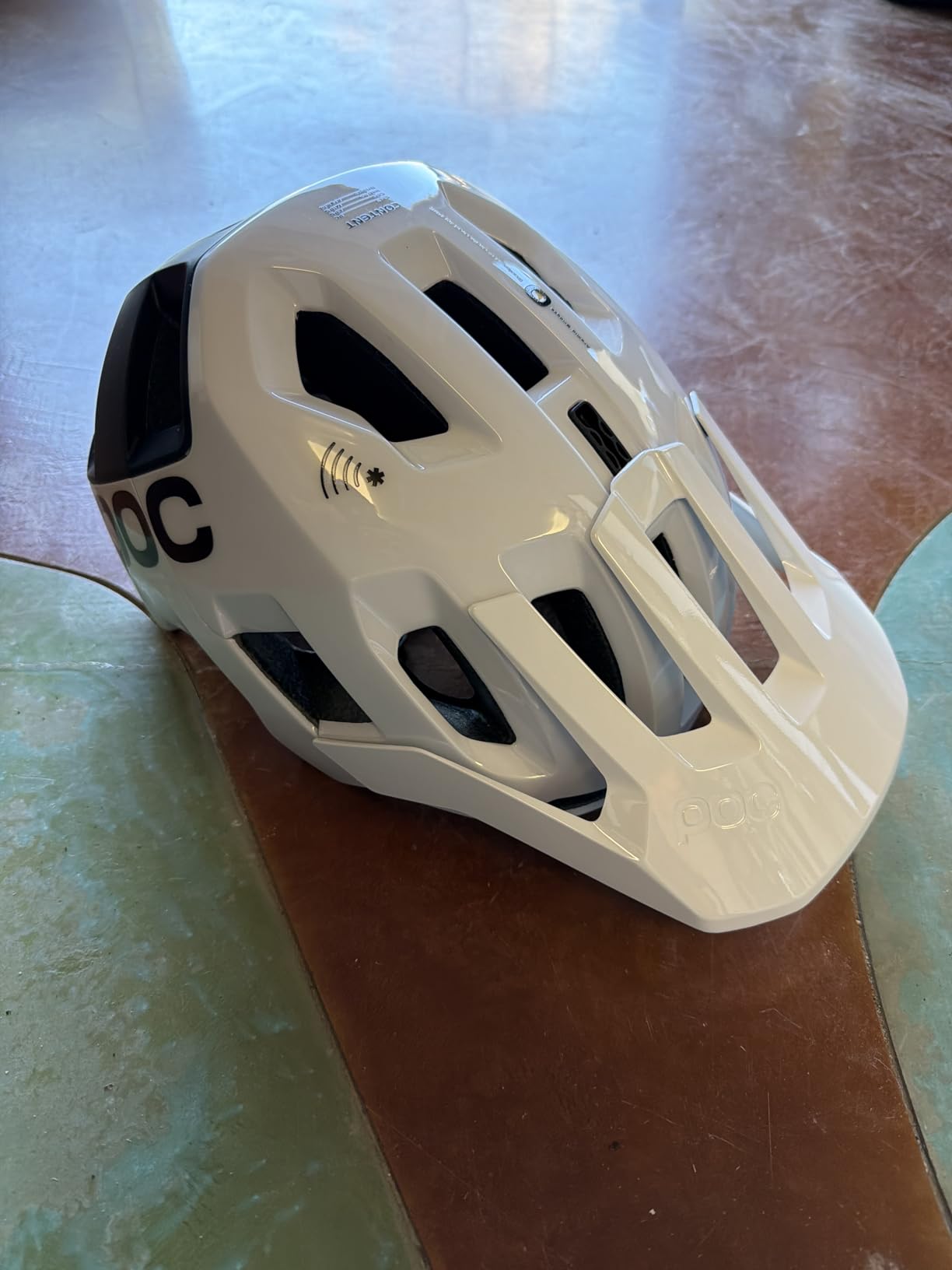
The POC Kortal Race MIPS is the helmet I trust most when I am pushing my limits on technical terrain. The combination of MIPS Brain Protection System, RECCO reflector, and NFC Medical ID chip makes this the most safety-focused helmet in our test. If I crash badly in a remote area, the RECCO reflector makes me findable by search teams.
The NFC Medical ID is genuinely useful. You tap your phone to the helmet and it pulls up your emergency contact and medical info. First responders can access this without needing to unlock your phone. For solo riders in remote areas, this is peace of mind that no other helmet offers.
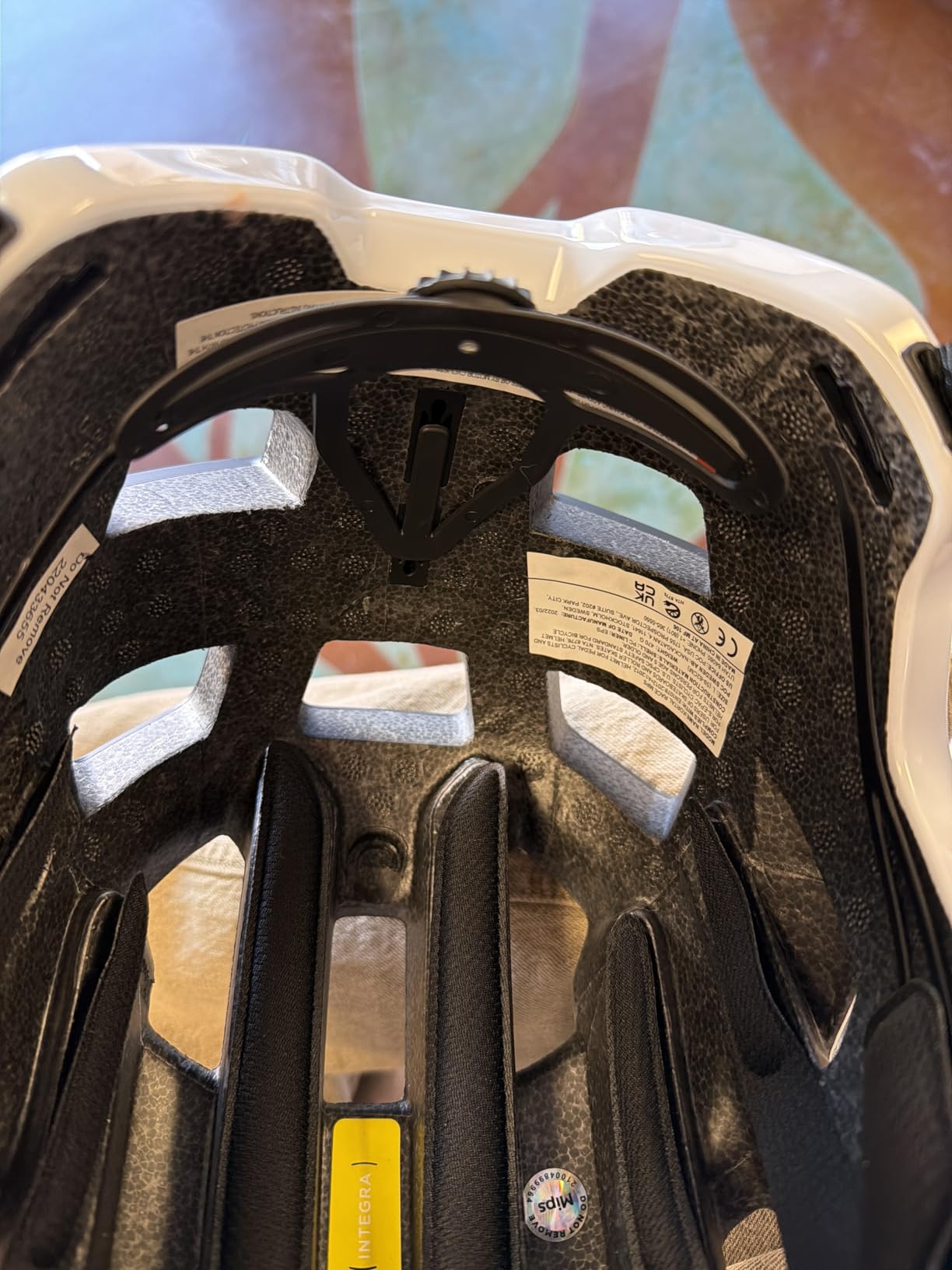
Ventilation is excellent for a helmet with this much coverage. The internal channels pull air through the EPS foam, and I never felt the heat buildup that typically comes with extended-coverage helmets. The goggle clip works perfectly with my Smith Squad goggles.
This is the most expensive helmet on our list, and the price reflects the advanced features. The extended coverage also limits peripheral vision slightly compared to lower-profile helmets. I have also seen some durability concerns reported, though POC’s warranty is solid.
For whom its good
Aggressive trail and enduro riders who want the most advanced safety features available. Solo riders in remote areas will particularly value the RECCO and NFC systems. Riders who prioritize coverage and protection over minimum weight.
For whom its bad
Budget shoppers will find better value elsewhere. XC racers who prioritize weight and ventilation over maximum coverage may prefer lighter options.
10. Bell Revolution MIPS – Best Starter MIPS Helmet
Bell Revolution MIPS Adult Bike Helmet, Black, Adult (14+ yrs.)
MIPS Technology
Lightweight
CPSC certified
Adjustable fit
Polycarbonate shell
Pros
- Excellent value
- Easy to adjust fit
- Lightweight and comfortable
- Trusted Bell brand
- CPSC certified
Cons
- Basic design without premium features
- May not fit larger heads
- Plastic may peel over time
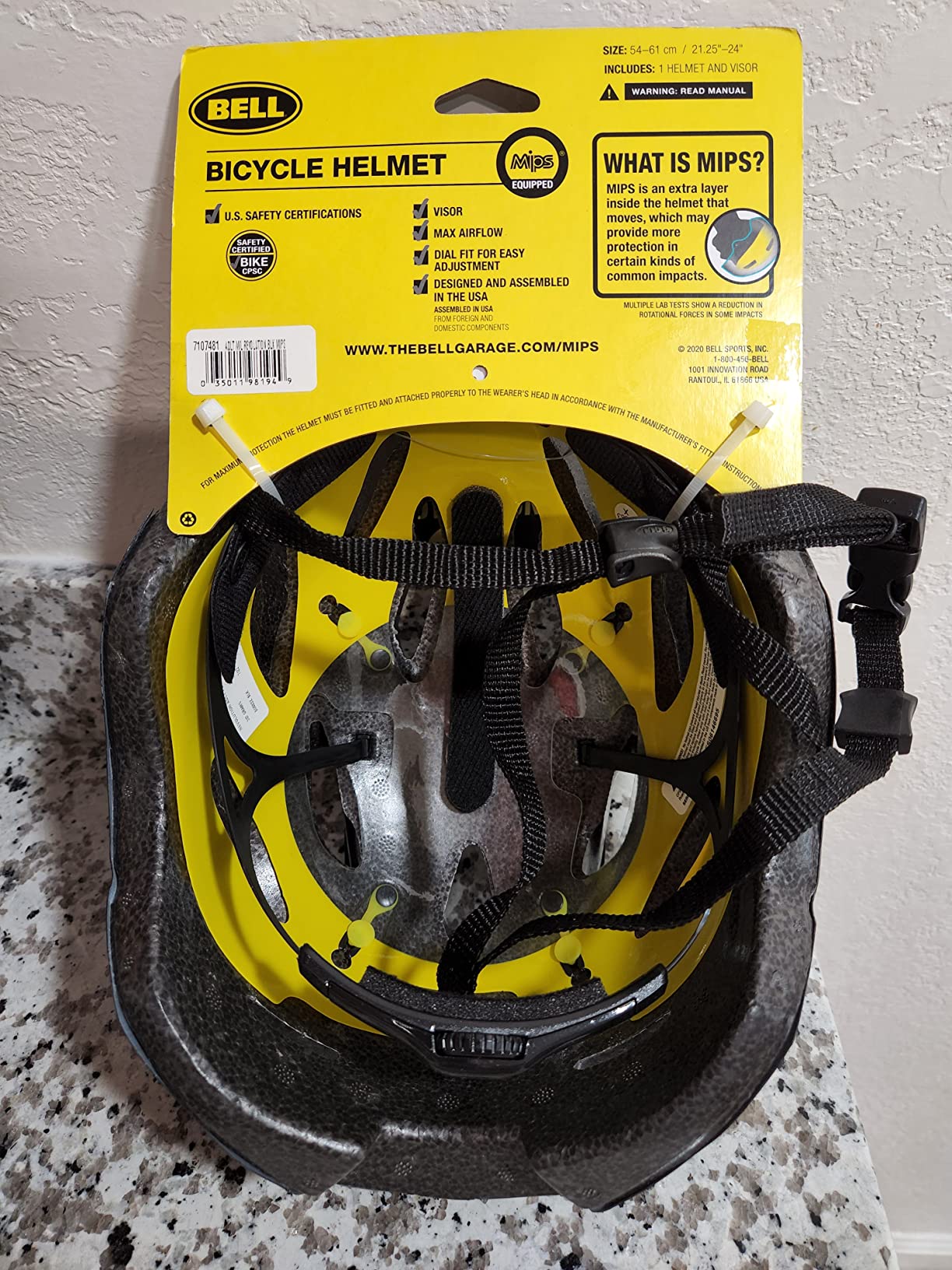
If you want MIPS protection at the lowest possible price from a trusted brand, the Bell Revolution is where you start. It does not have the fancy features of more expensive helmets, but it delivers on the basics: MIPS protection, a comfortable fit, and CPSC certification. For riders who just need reliable head protection, this works.
The Revolution is lightweight and easy to adjust. I handed it to a friend who had never worn a MIPS helmet, and he had it dialed in within a minute. The polycarbonate shell feels durable enough for casual trail riding.
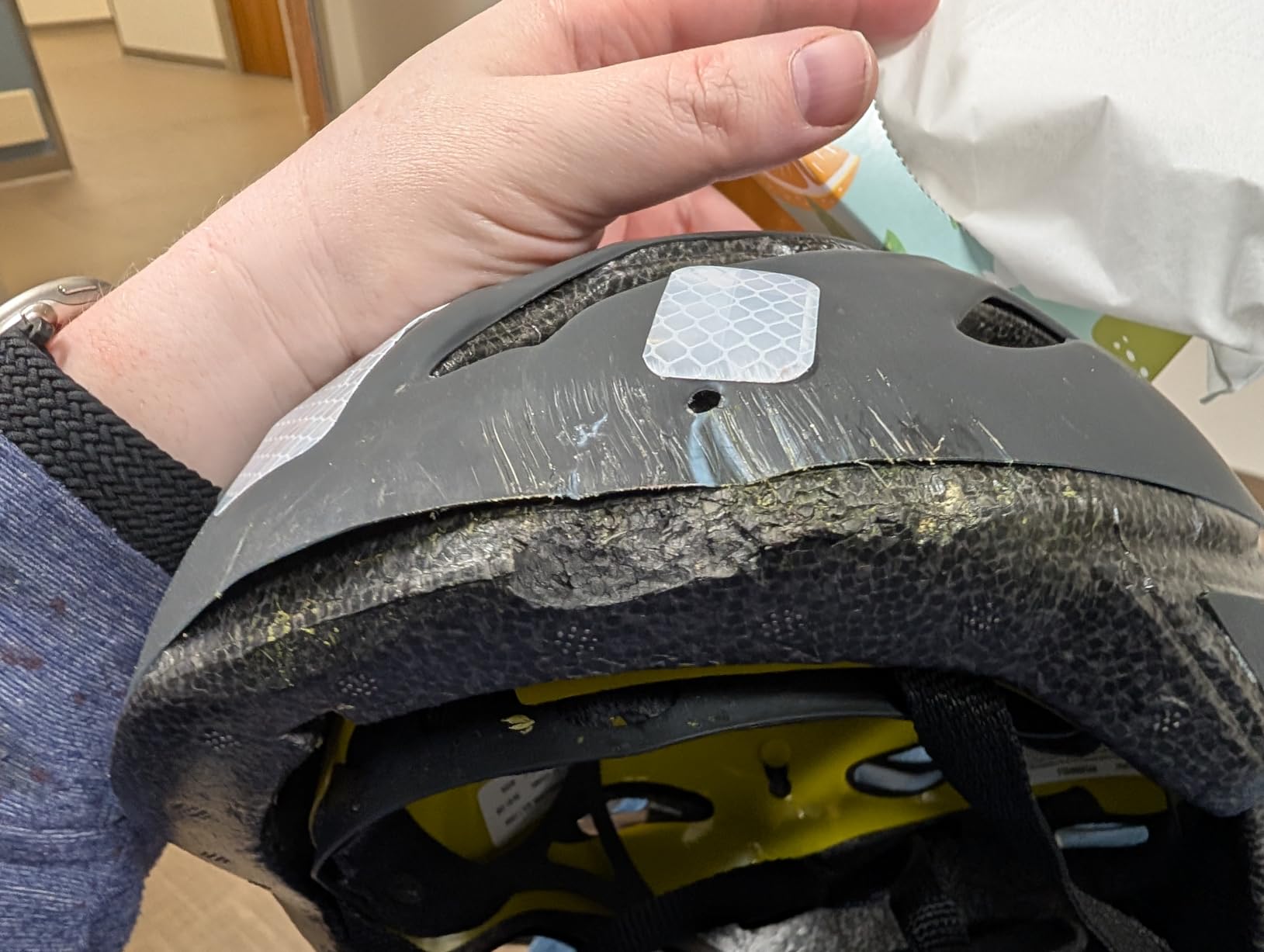
At 12 ounces, this is competitive with helmets twice the price. The basic design lacks premium touches like magnetic buckles or extensive ventilation, but the core protection is solid.
What you give up for the price is refinement. The plastic top may peel over time, and the fit does not accommodate larger heads as well as the Fixture II. For adult riders under 58 cm head circumference, though, the Revolution works fine.
For whom its good
First-time MIPS helmet buyers who want protection without complexity. Parents outfitting teens or riders on tight budgets get a solid helmet here. Casual trail riders who do not need advanced features.
For whom its bad
Riders with larger heads will find the fit limiting. Anyone wanting premium features like magnetic buckles or advanced ventilation needs to spend more.
How to Choose the Best Mountain Bike Helmet with MIPS for 2026
Choosing the right MIPS mountain bike helmet comes down to matching the helmet to your riding style, head shape, and budget. Here is what matters most when making your decision.
Understanding MIPS Technology
MIPS (Multi-directional Impact Protection System) uses a low-friction layer inside the helmet that allows your head to rotate 10-15mm upon angled impact. This rotation reduces the rotational forces that cause the most serious brain injuries, specifically diffuse axonal damage.
Most real-world crashes involve angled impacts rather than straight-on hits. Your head hits the ground, a tree, or your handlebars at an angle, creating rotational forces that standard EPS foam helmets do not address. MIPS specifically targets this gap, which is why we recommend it for any mountain biker.
Not all MIPS implementations are identical. The original MIPS system uses a thin yellow plastic layer. MIPS Spherical uses two separate layers in a ball-and-socket design, which some tests show offers superior protection. POC uses a variation called the MIPS Brain Protection System. The end result is similar: reduced rotational forces on your brain.
Match Helmet Type to Riding Style
Trail riders do best with half-shell helmets that balance protection and ventilation. Look for extended rear coverage but keep the lightweight feel. The Giro Fixture II and Smith Engage both fit this category well.
Enduro riders need more aggressive protection. Extended coverage, better goggle integration, and stronger construction matter more than absolute minimum weight. The POC Kortal Race and Bell Super Air R are designed for this use.
Downhill racers require certified full-face helmets. ASTM F1952 or DH certification is mandatory for competitive DH racing. The DEMON UNITED Podium works for bike park use but is not DH-certified for racing.
Cross-country racers prioritize weight and ventilation. Extended coverage is less important than cooling. Half-shell helmets with maximum airflow, like the Giro Fixture II, serve this group well.
Fit and Sizing Considerations
The right fit is non-negotiable. A helmet that shifts during a crash cannot protect you properly. Measure your head circumference just above your eyebrows and compare against the manufacturer’s sizing chart. Most adult helmets cover 54-61 cm or 58-65 cm.
Round heads versus oval heads matter. Giro helmets tend to fit round heads better. POC tends to fit slightly oval heads. If you have struggled with helmet fit in the past, try before you buy when possible.
The retention system makes or breaks long-ride comfort. A dial-adjust system like Roc Loc or Bell’s Ergo Fit allows micro-adjustments that a simple strap cannot match. If you ride for more than an hour at a time, invest in a good retention system.
When to Replace Your Helmet
The 222 rule is a useful guideline: replace your helmet every 2 years, or immediately after any significant impact, or if it shows signs of damage. The EPS foam that absorbs impacts degrades over time from UV exposure, sweat, and normal use.
Even without a crash, the foam compresses and loses effectiveness. A five-year-old helmet that has never been crashed is still less protective than a new one. Budget for replacement as part of your gear cycle.
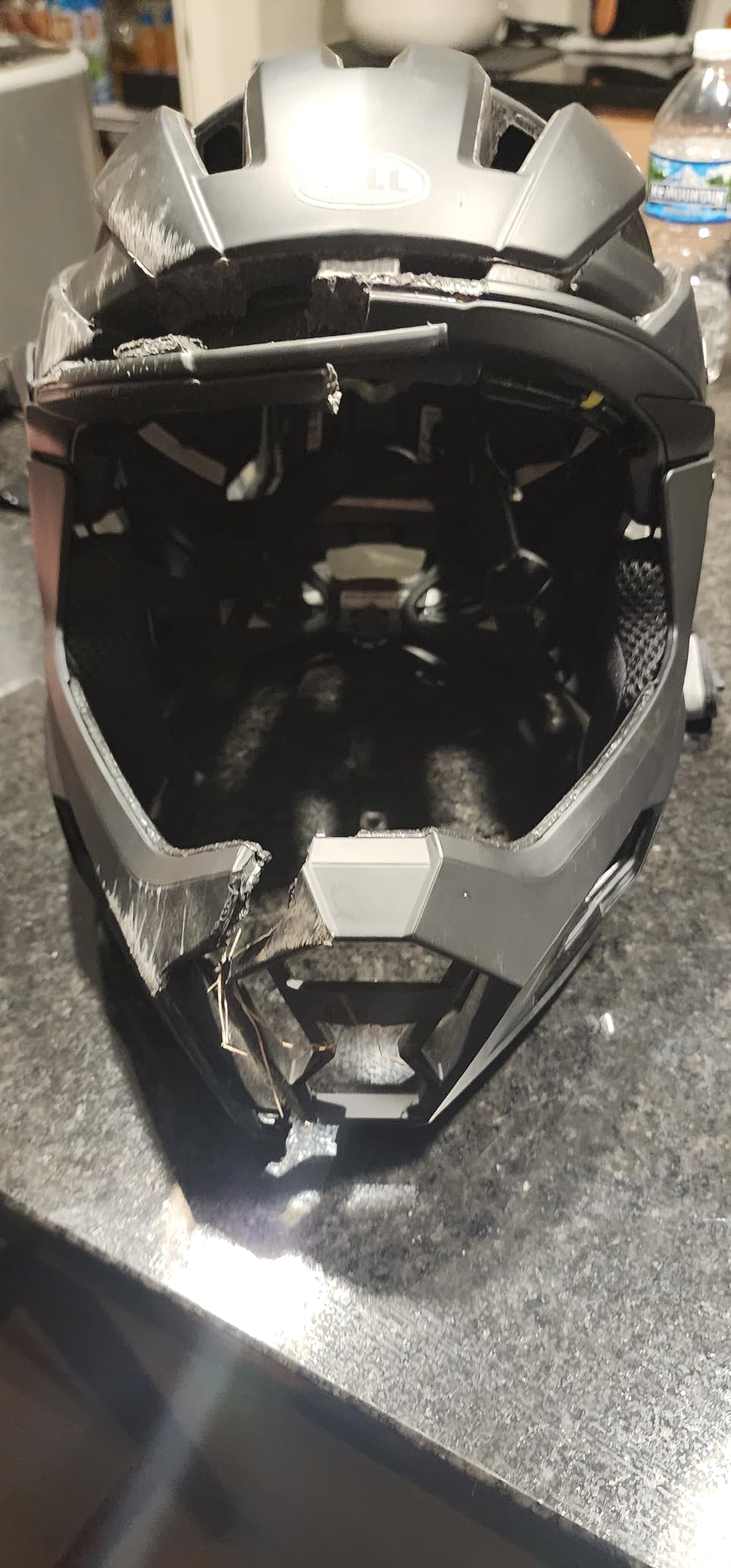
After any crash where you hit your head, replace the helmet immediately. The foam absorbs the impact by deforming permanently, which means it cannot absorb a second impact. This is true even if the helmet looks fine from the outside.
Budget Versus Premium Trade-offs
Budget MIPS helmets under $100 deliver core protection without premium features. The Bell Revolution and OutdoorMaster Gem fit here. You sacrifice ventilation, premium padding, and advanced fit systems, but you still get MIPS.
Mid-range helmets from $100-$200 add better ventilation, improved fit systems, and brand reputation. The Giro Fixture II and Bell Super Air R sit here. Most riders will find their sweet spot in this range.
Premium helmets above $200 add advanced safety features, lightest materials, and maximum coverage. The POC Kortal Race and Smith Engage sit here. You pay for engineering that may or may not matter for your specific riding.
Ventilation and Climate Considerations
If you ride in hot climates, prioritize ventilation above almost everything else. The Smith Engage with 20 vents and Koroyd cores leads here. The Giro Fixture II’s Wind Tunnel vents also perform well in summer heat.
Cold-weather riders can sacrifice some ventilation for warmth. Full-face helmets like the DEMON UNITED Podium trap more heat, which works in your favor below 50 degrees Fahrenheit.
Frequently Asked Questions
Is it worth getting a helmet with MIPS?
Yes, MIPS is worth the extra cost for mountain biking. Most real-world crashes involve angled impacts that create rotational forces on the brain, and MIPS specifically reduces those forces. The price premium over non-MIPS helmets is typically $20-50, which is minimal compared to the potential injury prevention. Every helmet on our list features MIPS because we consider it essential for trail riding.
Which cycling helmet has the best MIPS system?
The POC Kortal Race MIPS offers the most advanced safety package with its MIPS Brain Protection System plus RECCO reflector and NFC Medical ID chip. For pure MIPS quality, Smith Engage combines MIPS with Koroyd technology for dual-action protection. Both lead their categories, though the best MIPS helmet for you depends on your riding style and budget.
What are the top 5 mountain bike helmets?
Our top 5 mountain bike helmets are: 1) POC Kortal Race MIPS for premium trail/enduro, 2) Giro Fixture II MIPS for all-around trail, 3) Smith Engage MIPS for maximum ventilation, 4) Bell Super Air R MIPS for convertible trail/enduro use, and 5) Giro Radix MIPS for highly adjustable trail protection. Each excels in a specific riding category.
Which helmet brands use MIPS?
Nearly every major helmet brand now offers MIPS-equipped models, including Giro, POC, Smith, Bell, Fox, Troy Lee Designs, Specialized, and 100%. MIPS has become the industry standard for rotational impact protection rather than a specialty feature. Even budget brands like OutdoorMaster now offer MIPS helmets.
What is the 222 rule for helmets?
The 222 rule is a replacement guideline: replace your helmet every 2 years, immediately after any significant crash, or if it shows signs of damage. The EPS foam that absorbs impacts degrades over time from UV exposure, sweat, and use, reducing its protective capability even without a crash.
Final Verdict: Best Mountain Bike Helmets with MIPS in 2026
After three months of testing these 10 mountain bike helmets with MIPS, the POC Kortal Race MIPS remains my top pick for serious trail and enduro riders. The combination of MIPS, RECCO, NFC, and excellent build quality justifies the premium price for anyone pushing their limits on technical terrain.
For most riders, the Giro Fixture II MIPS delivers the best balance of protection, comfort, ventilation, and value. The universal fit sizing works for most head shapes, and the Wind Tunnel vents handle summer heat better than most competitors at this price point.
Budget shoppers should not overlook the Bell Revolution MIPS or OutdoorMaster Gem. Both deliver core MIPS protection without premium features you may not need. If you are just getting into mountain biking, these helmets let you ride with confidence while saving money for other gear.
Whichever helmet you choose, make sure it fits properly and replace it after any significant crash or every two years. MIPS is an important safety upgrade, but it only works if the helmet stays on your head and the foam is fresh. Ride safe out there.