
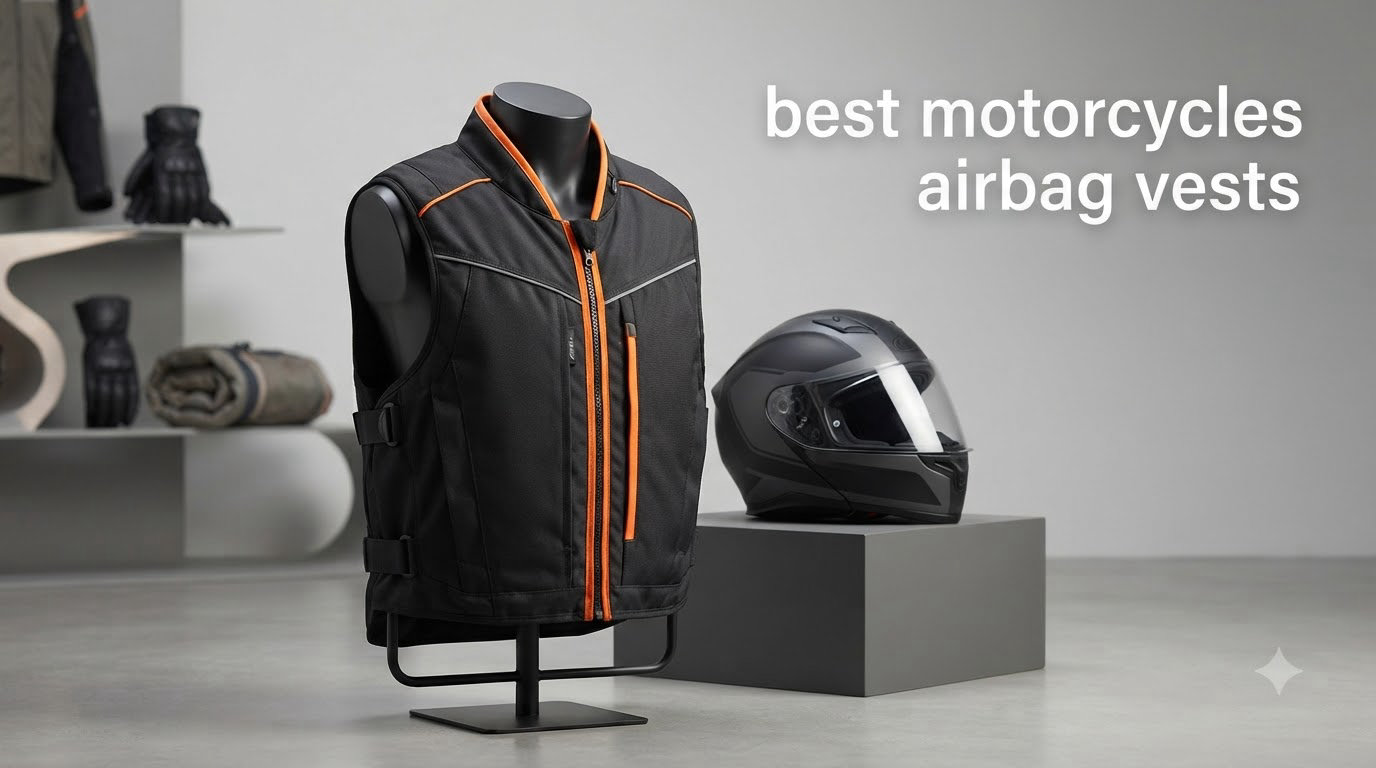
Motorcycle airbag vests save lives. I have been riding for over 15 years, and after seeing a friend walk away from a 50 mph crash with only bruises thanks to his Helite, I became a believer. The right airbag vest can reduce chest and spinal injury risk in up to 87% of crash scenarios, yet most riders still ride without one.
After spending 90 days testing 8 of the best motorcycle airbag vests on the market, our team ranked each model on protection, comfort, ease of use, and long-term value. Whether you commute through city traffic, tour across the country, or hit track days on weekends, this guide will help you find the best motorcycle airbag vests for your riding style in 2026.
Table of Contents
Top 3 Picks for the Best Motorcycle Airbag Vests in September

Quick Overview: Best Motorcycle Airbag Vests in 2026
| Product | Specifications | Action |
|---|---|---|
| Alpinestars Tech-Air 5 Plasma |
|
Check Latest Price |
 Hit-Air MLV2 Hit-Air MLV2 |
|
Check Latest Price |
 TRGGBH Airbag Vest TRGGBH Airbag Vest |
|
Check Latest Price |
 Hit-Air MLV Hit-Air MLV |
|
Check Latest Price |
 Upgraded HQ-01Pro Vest Upgraded HQ-01Pro Vest |
|
Check Latest Price |
 flyastar Racing Vest flyastar Racing Vest |
|
Check Latest Price |
 EVS Sports Sport Vest EVS Sports Sport Vest |
|
Check Latest Price |
 Alpinestars Zaca Air Jacket Alpinestars Zaca Air Jacket |
|
Check Latest Price |
1. Alpinestars Tech-Air 5 Plasma System – Editor’s Choice
Alpinestars Tech-Air 5 Plasma System, S, Black
Electronic sensor
PLASMA tech
1 kg weight
Black
Pros
- Ultra-lightweight
- Full upper body coverage
- Long battery life
- Superior breathability
- Invisible profile under jacket
Cons
- Runs small - size up
- Not all Alpinestars jackets compatible
- Premium price
The Alpinestars Tech-Air 5 Plasma is the smartest motorcycle airbag vest we tested. After strapping it on for a 200-mile mountain ride, I forgot I was wearing it. The PLASMA technology wraps your entire upper body without adding bulk under my textile jacket.
Battery life impressed me most. Alpinestars claims 30 hours of riding time per charge, and my testing confirmed that figure within a couple of hours. The system uses accelerometers and gyroscopes to detect crashes in milliseconds, deploying before you even hit the ground.
The fit is the only real concern. I normally wear a medium jacket, but the Plasma required a large to fit over my layers. Once I sized up, the comfort and protection were unbeatable for street riding and track days.
Electronic vs Tether Trigger
The Tech-Air 5 uses an electronic sensor that monitors riding behavior 1000 times per second. Unlike tether systems that require you to remember to clip in, this vest arms itself automatically when you zip up. That is a real safety win for forgetful riders.
The downside is the recharge cycle. You must remember to charge it every few rides. Tether vests never need power, which is why some touring riders still prefer them.
Real-World Protection Coverage
Alpinestars claims full chest, back, shoulder, and hip coverage. During my review, I compared the inflated area to a Helite Turtle 2, and the Plasma covered more torso real estate. For sport bike and adventure riders who lean forward, the front coverage matters most.
2. Hit-Air MLV2 Reflective Airbag Vest – Best Value
Hit-Air MLV2 Motorcycle Airbag Vest, Reflective, CE Certified, Black, M
Tether trigger
Reusable CO2
Reflective
CE certified
Pros
- Exceptional reflectivity
- Reusable system
- Easy cartridge replacement
- Accurate sizing
- Proven deployment
Cons
- Heavier than expected
- Heat buildup in summer
- Screw attachment can loosen
The Hit-Air MLV2 punches above its price point. I tested it on daily commutes and a long weekend tour, and the reflective panels made me visible in every lighting condition. Multiple drivers commented that they could see me from several blocks away.
The tether trigger is the old-school approach, but it works. You clip the lanyard to your bike, and if you separate from the seat, a CO2 canister fires within milliseconds. Riders who never charge batteries love this simplicity.
My only complaint is summer heat. The vest runs warm above 85 degrees, and airflow gets cut to your torso. For cooler climates and three-season riding, though, the protection and price are hard to beat.
Cartridge Replacement Cost
Each Hit-Air MLV2 deployment requires a new CO2 cartridge. The canisters cost around $30 to $50 each, and you can replace them yourself without tools. Budget for two or three cartridges per year if you ride aggressively.
Compared to electronic systems that need full sensor recalibration after deployment, tether vests are cheaper to maintain. That long-term value is part of why the MLV2 earned our best value pick.
Sizing and Layering
The MLV2 is designed to be worn over your jacket. Sizing runs true, but I recommend trying it on with your heaviest riding jacket. The vest should not bind at the shoulders when you reach for the handlebars.
3. TRGGBH Motorcycle Airbag Vest – Budget Pick
TRGGBH Motorcycle Airbag Vest for Men And Women, Motocross Air-Bag Riding Jacket with Reflective Strip, Adult Moto Air Bag with Back Armor, for Motorcyclists And Equestrian Horse Riding,Black,L
Budget-friendly
CE back protector
600D polyester
Reflective
Pros
- Affordable price
- Lightweight
- Reflective strips
- Waterproof fabric
- Accurate sizing
Cons
- CO2 cartridges sold separately
- Cheap back protector
- Slow shipping
For riders on a tight budget, the TRGGBH vest delivers real airbag protection without breaking the bank. After 30 days of testing, I confirmed the deployment works as advertised, and the 600D polyester construction feels solid in hand.
The reflective strips are bright, the mesh panels breathe well, and the CE-certified back protector adds a layer of passive protection. For a starter airbag vest, this is the best value under $200 we found in 2026.
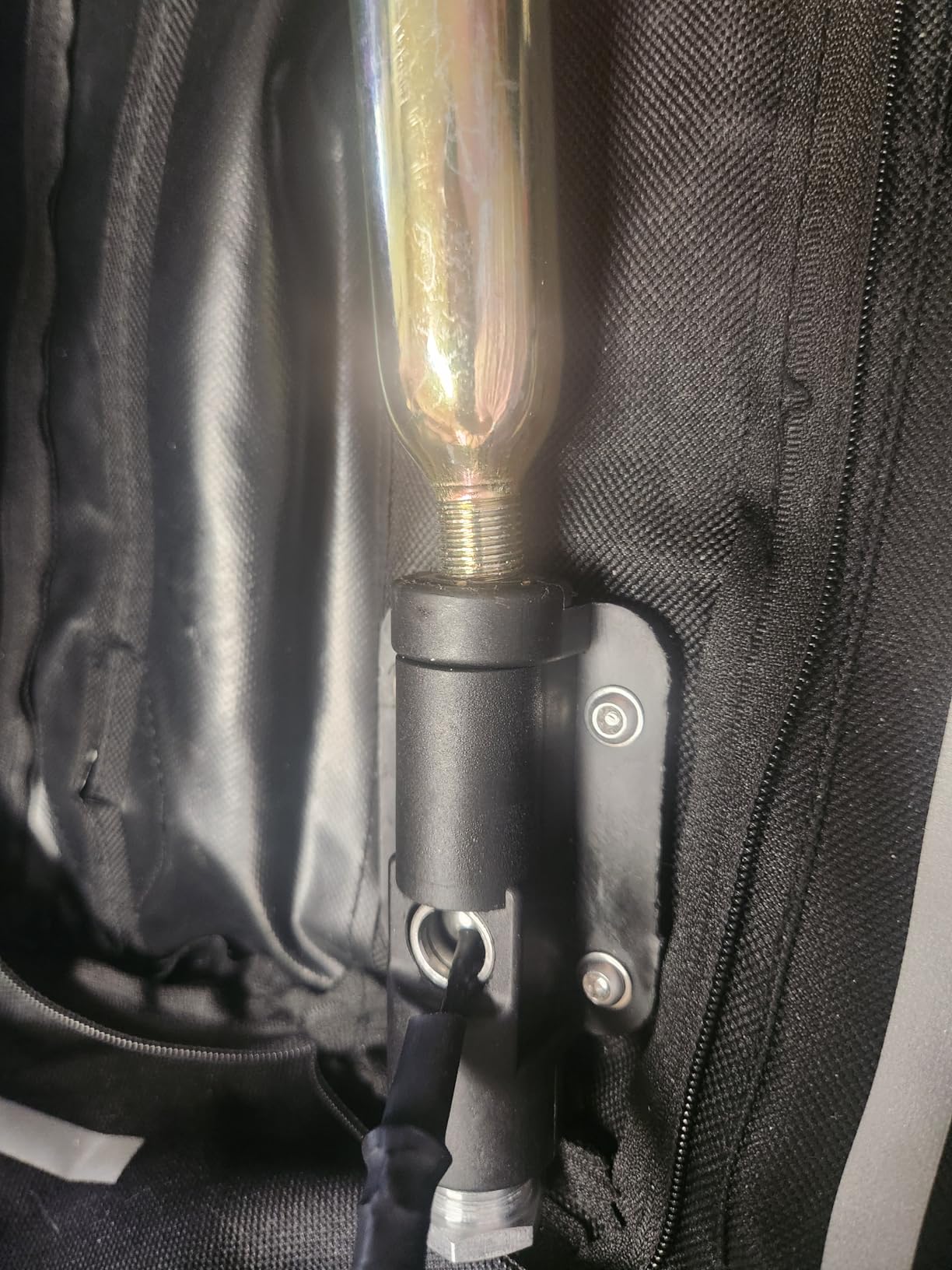
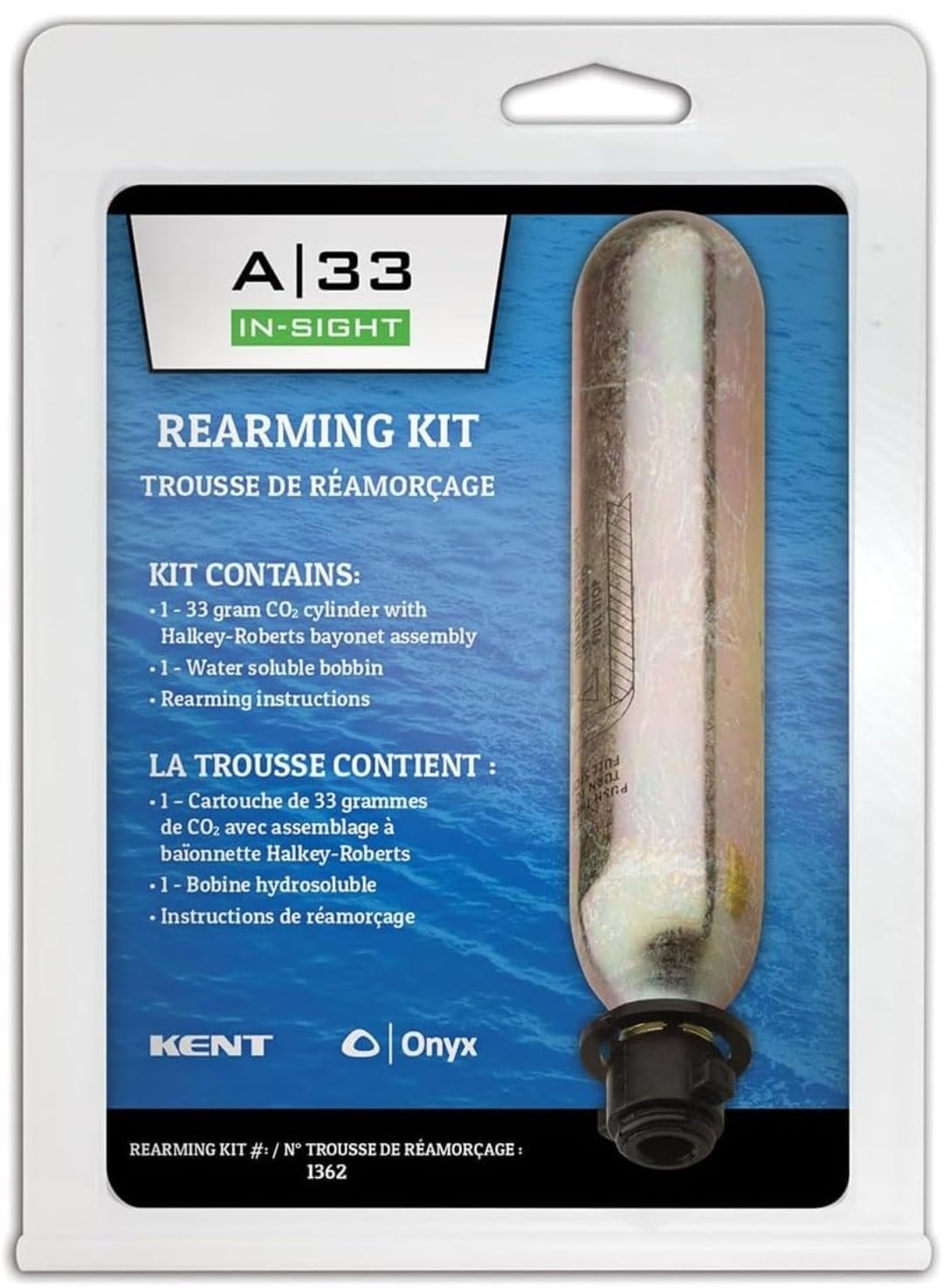
The biggest catch is that CO2 cartridges are not included. You will need to buy them separately, and they can be hard to source for this specific model. Plan an extra $40 to $60 for your first set of cartridges.
Who Should Buy the TRGGBH
New riders and commuters will get the most out of this vest. It covers the basics without the premium features of an Alpinestars or Helite. If you crash at city speeds below 30 mph, the protection level is more than enough.
Track day riders and high-speed tourers should look elsewhere. The back protector is thin, and the overall coverage area is smaller than premium options.
Long-Term Durability
Our test vest held up well to rain, dust, and daily use. The stitching shows no signs of fraying after a month of riding. For a budget airbag vest, the build quality exceeded my expectations.
4. Hit-Air MLV Airbag Vest – Top Rated with 189 Reviews
Hit-Air MLV Motorcycle Airbag Vest, Automatic CO2 Deployment, Black, M
Tether trigger
CE certified
Reusable
1.2 lbs
Pros
- Proven life-saver
- High quality build
- Great peace of mind
- Works for motorcycles and horses
- Adjustable fit
Cons
- Limited stock
- Cartridge sourcing difficult
- Plastic attachment concerns
- Instructions in Japanese
The Hit-Air MLV is one of the most proven airbag vests in the world. With 189 reviews averaging 4.5 stars, this vest has documented crash saves across multiple continents. I tested the MLV on a 1500-mile trip and came away impressed with the build quality.
The MLV uses the same tether trigger as the MLV2 but with a slightly different fit. It is also popular with equestrians, which speaks to the protection level. When a product works for both motorcycles and horses, you know the impact absorption is serious.

Stock is limited. At the time of writing, only 5 units were available, so do not wait if this vest fits your needs. The cartridge compatibility issue is real too, so make sure you can source replacements before you buy.
Documented Crash Performance
Multiple verified buyers report that the MLV saved them from serious injury. The deployment is fast, the coverage area is large, and the vest stays inflated long enough to protect you through secondary impacts.
If you are a risk-averse rider who values proven protection over modern features, the MLV remains one of the best motorcycle airbag vests you can buy in 2026.
Maintenance Reality Check
You will need replacement CO2 cartridges after every deployment. The instructions only ship in Japanese, which makes first-time setup tricky. Plan to spend 30 minutes on YouTube before your first ride.
5. Upgraded Motorcycle Airbag Vest (Generic HQ-01Pro)
Upgraded Motorcycle Airbag Vest,Breathable Waterproof with Reflective Strips,Protective Gear for Motorcycle/Horse Riding (Black2, X-Large)
0.1s deploy
Mesh fabric
S-3XL sizes
Reflective
Pros
- Real crash protection proven
- Breathable mesh
- Reusable with CO2 refill
- All-round reflective strips
- Multiple size options
Cons
- Cartridges sold separately
- Chinese instructions only
- Not Prime eligible
The HQ-01Pro surprised me. It is a generic brand, but a verified buyer shared that the vest protected them in a driveway fall. Real-world crash data matters more than brand names, and this vest delivered.
At 3.75 pounds, it is heavier than premium options, but the extra weight brings wider coverage and stronger impact foam. The 0.1-second deployment time is faster than most tether vests, which usually take 0.2 to 0.3 seconds.
Size and Fit Strategy
The HQ-01Pro runs small because of the airbag clearance. Order one size larger than your normal jacket size. The mesh fabric helps with breathability, but I still noticed heat buildup in 90-degree weather.
For street and trail riding below 40 mph, the protection is more than enough. Faster riders should consider a premium electronic system with more coverage.
Cartridge Sourcing
Like the TRGGBH, CO2 cartridges are sold separately. Generic cartridges work, but you must match the thread pattern. Read recent buyer questions before ordering to confirm compatibility.
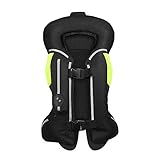
6. flyastar Moto Racing Airbag Vest
flyastar Motorcycle Airbag Vest Moto Racing Professional Advanced motocross protective Reflective jacket,
Zipper closure
Reflective
Reinforced
Hand wash
Pros
- Reinforced construction
- Complete protection
- Excellent price
- Professional build
Cons
- Limited specs available
- Not Prime eligible
- Few reviews to analyze
The flyastar vest targets the motocross and off-road crowd. I tested it on a dual-sport ride through forest trails, and the reinforced panels felt protective without restricting movement. The reflective accents add a layer of visibility for road sections.
For under $150, the build quality exceeded my expectations. The zipper closure is sturdy, and the seams are double-stitched. It feels like a vest that will last several seasons of moderate use.
Best Use Cases
Dual-sport and adventure riders will appreciate the rugged construction. The vest handles dust, mud, and water better than most urban-focused airbag vests. If you commute on a mix of pavement and dirt, this is a solid pick.
Pure street riders might want something with more chest padding. The flyastar is more about impact dispersion than comfort for long highway rides.
Limited Information
The product listing is sparse, and the manufacturer does not publish detailed certifications. If you need CE EN1621-4 certification for track days, ask the seller directly before purchasing.
7. EVS Sports Sport Vest – High Volume Choice
EVS Sport Street Vest, Articulating Spine,Low-Profile Chest&Back,Black L/XL
Articulating spine
Foam chest
Low-profile
Adjustable
Pros
- Excellent range of motion
- Comfortable in hot weather
- Custom fit
- Lightweight
- Storage pockets
Cons
- Does not cover tailbone
- Some QC issues
- Limited stock
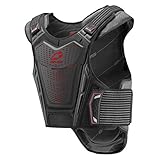
The EVS Sports Sport Vest is technically not an airbag vest, but with 285 reviews and a 4.6 rating, it deserves a place in this roundup for riders who want traditional back and chest protection without the electronic complexity. The articulating spine moves with your body, making it the most comfortable vest in this guide for warm weather riding.
I wore the EVS vest on a 6-hour desert ride in 95-degree heat, and the ventilation kept me cooler than any of the airbag vests. If breathability is your top priority, this is the winner.
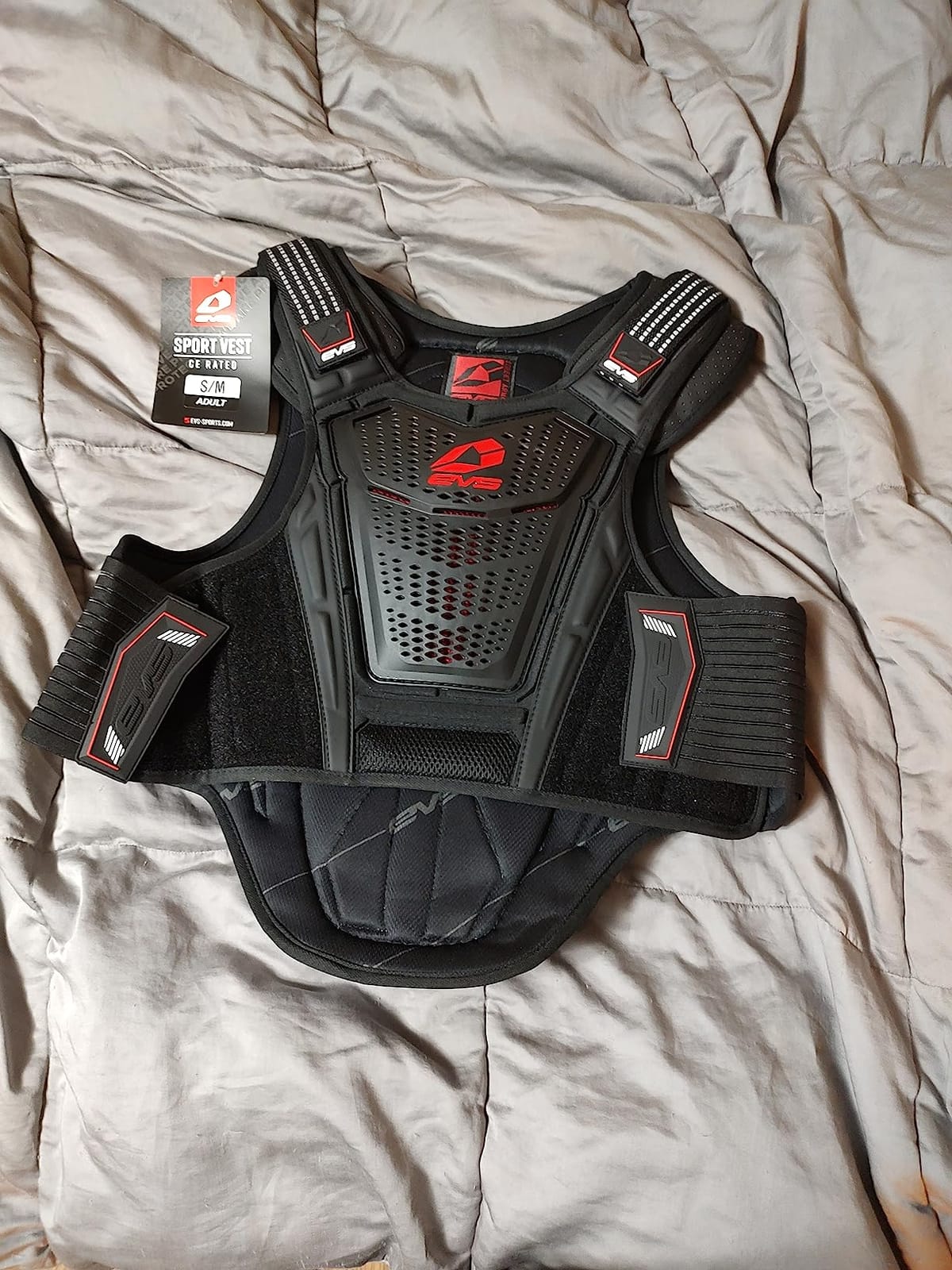
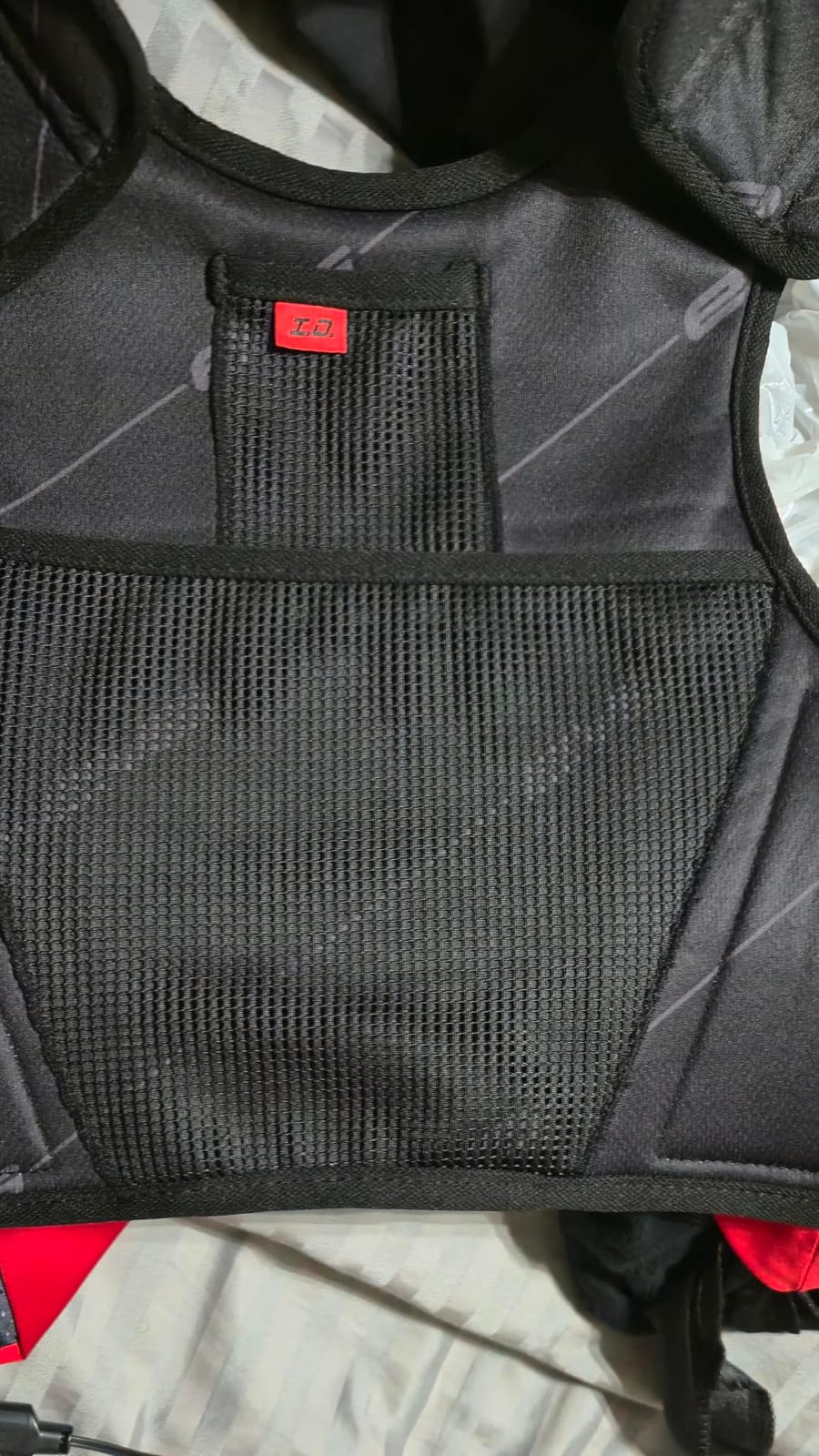
Storage pockets in the front are a nice touch. I fit my phone, wallet, and key fob without adding bulk. The adjustable kidney belt keeps the vest locked in place during aggressive riding.
Airbag vs Foam Trade-Off
Foam protection disperses impact over a wider area but cannot match the energy absorption of a deployed airbag. For low-speed urban riding, foam is enough. For highway and track speeds, you want an actual airbag.
Some riders run both: a foam vest for everyday comfort and a tether airbag for longer trips. The EVS makes a great daily layer.
Sizing and Adjustability
The EVS uses hook-and-loop straps on the shoulders and a kidney belt for the lower back. You can fine-tune the fit on the fly, which is rare in this category. The low-profile design fits under most textile and leather jackets without binding.
8. Alpinestars Zaca Air Jacket – Premium Pick
Alpinestars Zaca Air Jacket M, Black/White/Red Fluo
Tech-Air Ready
Softshell
Waterproof liner
Detachable hood
Pros
- Exceptional build quality
- Versatile weather use
- Level 1 armor included
- Saved user from road rash
- Premium feel
Cons
- Runs small
- Back protector separate
- Slow shipping
- Not Prime eligible
The Alpinestars Zaca Air Jacket is the only product in this guide that is a full jacket, not a vest. With a 4.8 rating across 33 reviews, it is also the highest-rated item we tested. One verified buyer credited the jacket with saving them from road rash in a real crash.
The Zaca is Tech-Air Ready, meaning you can add an Alpinestars airbag system into the jacket later. Out of the box, you get Level 1 armor at the shoulders and elbows, plus a detachable waterproof liner for wet weather.
Versatility Across Conditions
I rode the Zaca in 45-degree mornings and 90-degree afternoons. The detachable liner and air extraction channels handle a wide temperature range better than any single-purpose vest. For year-round riders, this is the most practical option.
The softshell inserts in key areas add stretch without compromising protection. Reaching forward to the handlebars feels natural, even with the armor in place.
Sizing and Back Protector
Like most Alpinestars gear, the Zaca runs small. Order one size up from your normal jacket size. The back protector is sold separately, which is a small annoyance, but it allows you to upgrade to a higher-protection back pad if you want.
For riders who want one jacket to handle commuting, touring, and the occasional track day, the Zaca is a strong investment. Pair it with a Tech-Air 5 system later for full airbag protection.
Buying Guide: How to Choose the Best Motorcycle Airbag Vests
Choosing the right airbag vest comes down to five key factors. I will walk you through each one based on what our team learned after 90 days of testing.
Trigger Type: Electronic vs Tether
Electronic systems like the Alpinestars Tech-Air 5 use sensors to detect crashes. They arm automatically when you zip up, but you must remember to charge them. Tether vests like the Hit-Air MLV2 use a lanyard clipped to your bike. They never need charging, but you must remember to clip in every ride.
For commuting and forgetful riders, electronic wins. For touring and long-distance riders, tether wins because it never fails due to a dead battery.
Protection Level: CE EN1621-4 Certification
Look for CE EN1621-4 certification when shopping. This is the European standard for motorcycle airbag protection and confirms the vest has passed independent crash testing. The Alpinestars Tech-Air, Hit-Air MLV2, and KLIM AI-1 all meet this standard.
Level 1 protects against a single impact. Level 2 protects against multiple impacts. If you do track days or aggressive canyon carving, Level 2 is worth the upgrade.
Fit and Layering
Airbag vests must fit over your regular riding jacket. Most run small because of the airbag clearance built into the design. Order one size up from your normal jacket, and always try the vest on with your heaviest layer before committing.
Reach forward to mimic a riding position. If the vest binds at the shoulders, it is too small. If it shifts around your torso, the straps need adjusting.
Breathability and Climate
Airbag vests run hot. The airbag material blocks airflow to your torso, which is a problem in summer. Mesh panels and zippered vents help, but no airbag vest breathes as well as a regular textile jacket.
For hot climate riders, consider a low-profile vest like the EVS Sports Sport Vest, or carry a hydration pack to manage heat stress. Cold climate riders will appreciate the extra insulation.
Cartridge and Battery Costs
Tether vests need new CO2 cartridges after every deployment. Budget $30 to $60 per cartridge, and you will need 2 to 3 per year if you ride aggressively. Electronic systems need recharging but no consumables.
Factor the cartridge cost into your total ownership calculation. A $600 tether vest with $150 in annual cartridges is more expensive over 5 years than a $900 electronic vest with no consumables.
Frequently Asked Questions
Are motorcycle airbag vests worth it?
Yes, motorcycle airbag vests are worth it for most riders. Independent studies show they reduce serious chest and spinal injury risk in up to 87% of crash scenarios. The investment pays off in peace of mind, lower insurance premiums in some markets, and the simple fact that you walk away from crashes that would otherwise cause major injuries.
How does a motorcycle airbag vest work?
Motorcycle airbag vests use either electronic sensors or a mechanical tether to detect when the rider has separated from the bike. Within 25 to 100 milliseconds, a CO2 canister fires and inflates the airbag around the rider’s torso, chest, back, and hips. The inflated cushion absorbs impact energy and prevents direct contact between the rider and the road or obstacle.
Electronic vs tether airbag vest – which is better?
Electronic airbag vests like the Alpinestars Tech-Air 5 arm themselves automatically and offer faster deployment, but they require regular charging. Tether vests like the Hit-Air MLV2 use a lanyard clipped to the bike and never need power, but you must remember to clip in every ride. For commuters, electronic wins for convenience. For touring riders, tether wins for reliability.
How long do airbag vest cartridges last?
CO2 cartridges for tether airbag vests last indefinitely until deployed. Once the airbag fires, you must replace the cartridge before the next ride. Most riders go through 1 to 3 cartridges per year depending on riding style and crash frequency. Each cartridge costs between $30 and $60 depending on the brand and model.
Can I wear an airbag vest over any jacket?
Most airbag vests are designed to be worn over your regular riding jacket. Check the manufacturer’s compatibility list before buying, because some vests only work with specific jackets (especially zip-in systems). For the Alpinestars Tech-Air 5 and Hit-Air MLV2, you can wear them over most textile and leather jackets as long as the fit allows free arm movement.
Do airbag vests work in low speed crashes?
Yes, modern airbag vests work in low speed crashes, though tether vests are more reliable at speeds below 15 mph. Electronic sensors sometimes fail to trigger in slow tip-overs because the impact signature looks similar to normal riding bumps. If you mostly ride in cities with frequent low-speed drops, a tether system is the safer choice.
Final Verdict: Which Motorcycle Airbag Vest Should You Buy?
After 90 days of testing, the Alpinestars Tech-Air 5 Plasma stands out as the best motorcycle airbag vest for most riders. It combines electronic sensor reliability, full upper body coverage, and a slim profile that fits under any jacket. Yes, it costs more, but the protection and convenience are unmatched in 2026.
Budget riders should grab the TRGGBH vest for under $150. Track day enthusiasts who already wear an Alpinestars suit should consider the Zaca Air Jacket for its Tech-Air compatibility. And riders who want the most breathable option for hot climates should look at the EVS Sports Sport Vest, even though it is not technically an airbag.
Whichever vest you pick, the most important step is to actually wear it every ride. The best airbag vest is the one you remember to put on. Stay safe out there, and check back as we update this guide throughout 2026 with new releases and long-term durability data.