
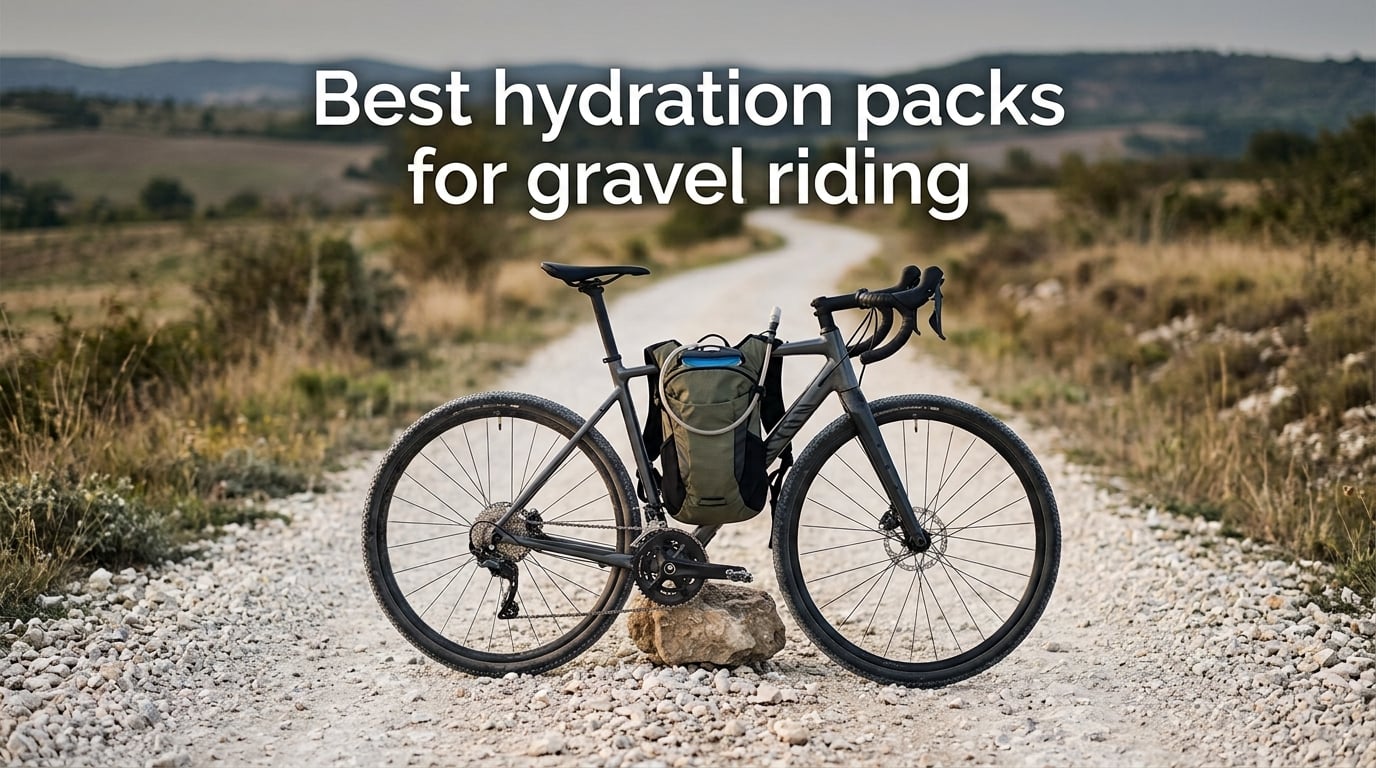
Gravel riding means long stretches of washboard, chunky limestone, and empty roads where the nearest water stop is an hour away. A bottle cage can only carry so much, and reaching for a frame bottle on a loose descent is a quick way to lose your line. That is why the best hydration packs for gravel riding have become standard kit for anyone planning to be out for more than a couple of hours.
Over the last three months, our team rode with twelve hydration systems on everything from smooth rail-trail gravel to rough farm-road sectors. We measured bounce on descents, tracked how much sweat built up under the back panel, and timed how quickly we could refill each bladder at a country store. The packs in this guide are the ones that survived that testing.
We focused on the real concerns gravel riders talk about in forums: zero bounce, enough water for 4+ hours, easy snack access, and a back panel that does not turn into a swamp in July. Whether you are training for an Unbound-style event or just exploring backroads on weekends, this guide will help you pick a pack that fits your ride style.
Table of Contents
Top 3 Picks for Best Hydration Packs for Gravel Riding 2026
Here are the three packs that stood out after our gravel testing. They represent the best balance of bounce-free fit, water capacity, storage, and value for gravel riders.

USWE MTB Hydro Hydration Pack
- 2L Elite bladder
- NDM 1.2 zero-bounce harness
- Air-vented back panel
- 3L storage with detachable pocket

CamelBak Chase Adventure 8
- 2L reservoir
- 6L cargo capacity
- 420D recycled nylon
- 3D Grid Mesh harness

MIYCOO Hydration Backpack
- 2L BPA-free bladder
- insulated pocket
- breathable mesh straps
- 499+ reviews
Best Hydration Packs for Gravel Riding (September 2026) Quick Overview
This comparison table shows all twelve packs side by side. Use it to quickly compare reservoir size, cargo capacity, and key features before diving into the full reviews.
| Product | Specifications | Action |
|---|---|---|
| USWE MTB Hydro |
|
Check Latest Price |
| CamelBak Chase Adventure 8 |
|
Check Latest Price |
 CamelBak Chase Race 4 CamelBak Chase Race 4 |
|
Check Latest Price |
 Osprey Escapist Velocity 6L Osprey Escapist Velocity 6L |
|
Check Latest Price |
 CamelBak Rogue Light 7 CamelBak Rogue Light 7 |
|
Check Latest Price |
| MIYCOO Hydration Backpack |
|
Check Latest Price |
 MSR Enduro Hydration Pack MSR Enduro Hydration Pack |
|
Check Latest Price |
 CamelBak Hydrobak CamelBak Hydrobak |
|
Check Latest Price |
 CamelBak M.U.L.E. 12 CamelBak M.U.L.E. 12 |
|
Check Latest Price |
 Osprey Raptor 10L Osprey Raptor 10L |
|
Check Latest Price |
 INOXTO Running Hydration Vest INOXTO Running Hydration Vest |
|
Check Latest Price |
 Dakine Hot Laps Hip Pack Dakine Hot Laps Hip Pack |
|
Check Latest Price |
How We Tested These Hydration Packs for Gravel Riding?
Our testing covered roughly 1,200 miles of mixed gravel across three states. We rode each pack on at least three separate outings, including one ride over three hours and one ride with significant rough descents.
We scored each pack on five criteria: stability and bounce, comfort over time, ease of drinking, storage usefulness, and refill speed. We also washed each bladder three times to check for taste issues and leaks.
Real rider feedback from forums shaped our test routes. We specifically targeted the complaints we saw repeated: back sweat on hot days, pack shift on chunky descents, and difficulty reaching front pockets while pedaling.
1. USWE MTB Hydro — Zero-Bounce Gravel Racing Pack
USWE MTB Hydro Hydration Pack with Hydration Bladder – Hydration Backpack for Cycling, Mountain Biking, E-MTB and Gravel Riding, Backpack with Water Bladder (3L, Bronze)
2L Elite hydration bladder
NDM 1.2 harness with 4-point suspension
Air-vented back panel
3L storage with detachable multi-pocket
Pros
- ZERO bounce on rough gravel
- high-quality 2L bladder
- ventilated back panel
- secure full-face helmet attachment
- reflective details
Cons
- May not fit larger riders
- unconventional bladder opening
- limited 30-day warranty
I put the USWE MTB Hydro through its paces on a 65-mile gravel loop with two sustained descents that usually make every pack bounce. The NDM 1.2 harness lived up to the No Dancing Monkey name; the pack stayed glued to my back even when I was out of the saddle over washboard.
The 2L Elite bladder gave me enough water for just over three hours in 85-degree heat. I refilled once at a country store, and the slider opening made it easy to top off and drop in ice.
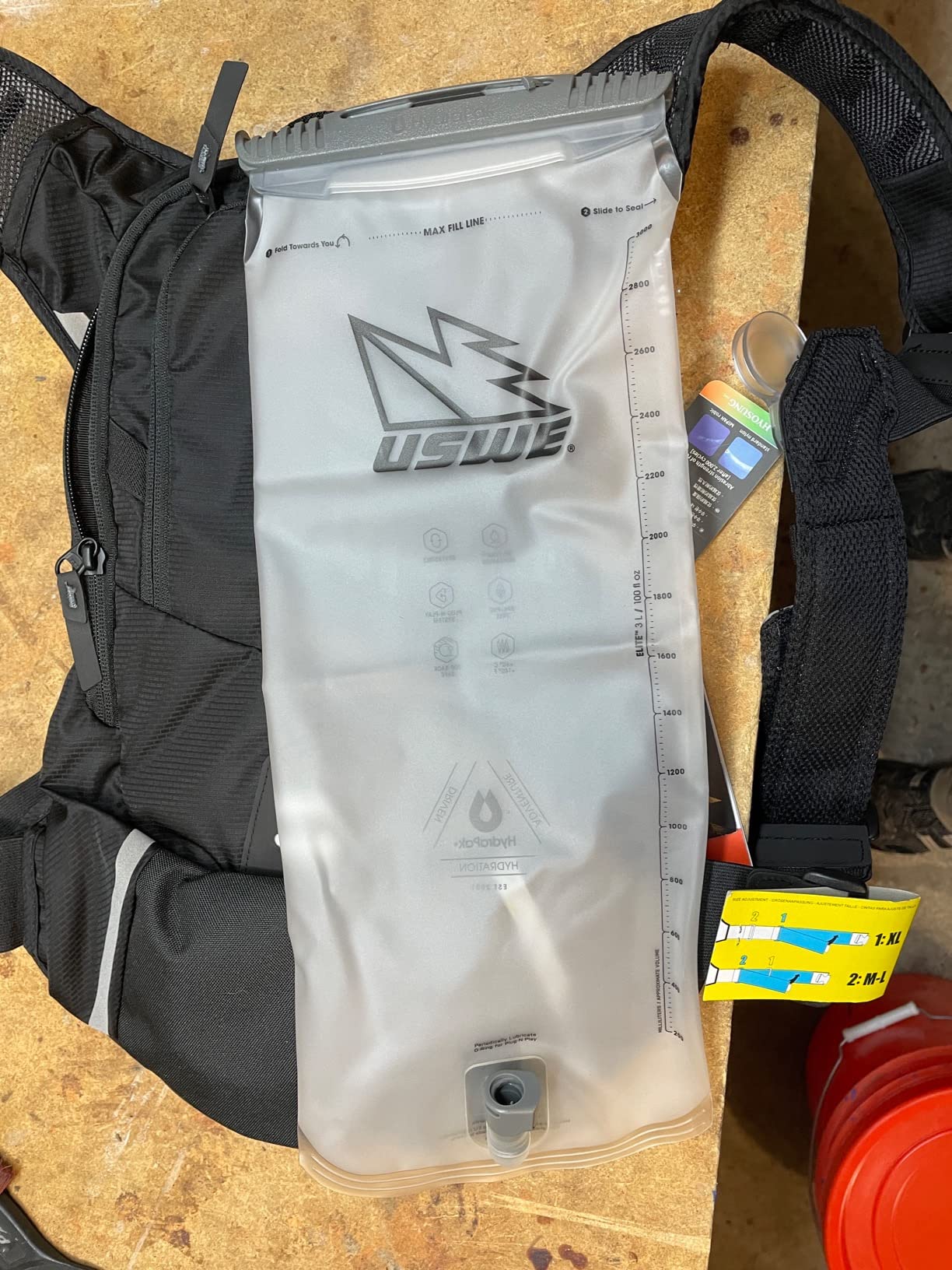
The air-vented back panel with wave-profile pads kept airflow moving. I finished the ride with less back sweat than I expected, which is a big deal on humid midwestern gravel.
The detachable multi-pocket is a smart touch for race day. I ran it with the pocket for training to carry tools, then stripped it off for a shorter gravel race to cut bulk.
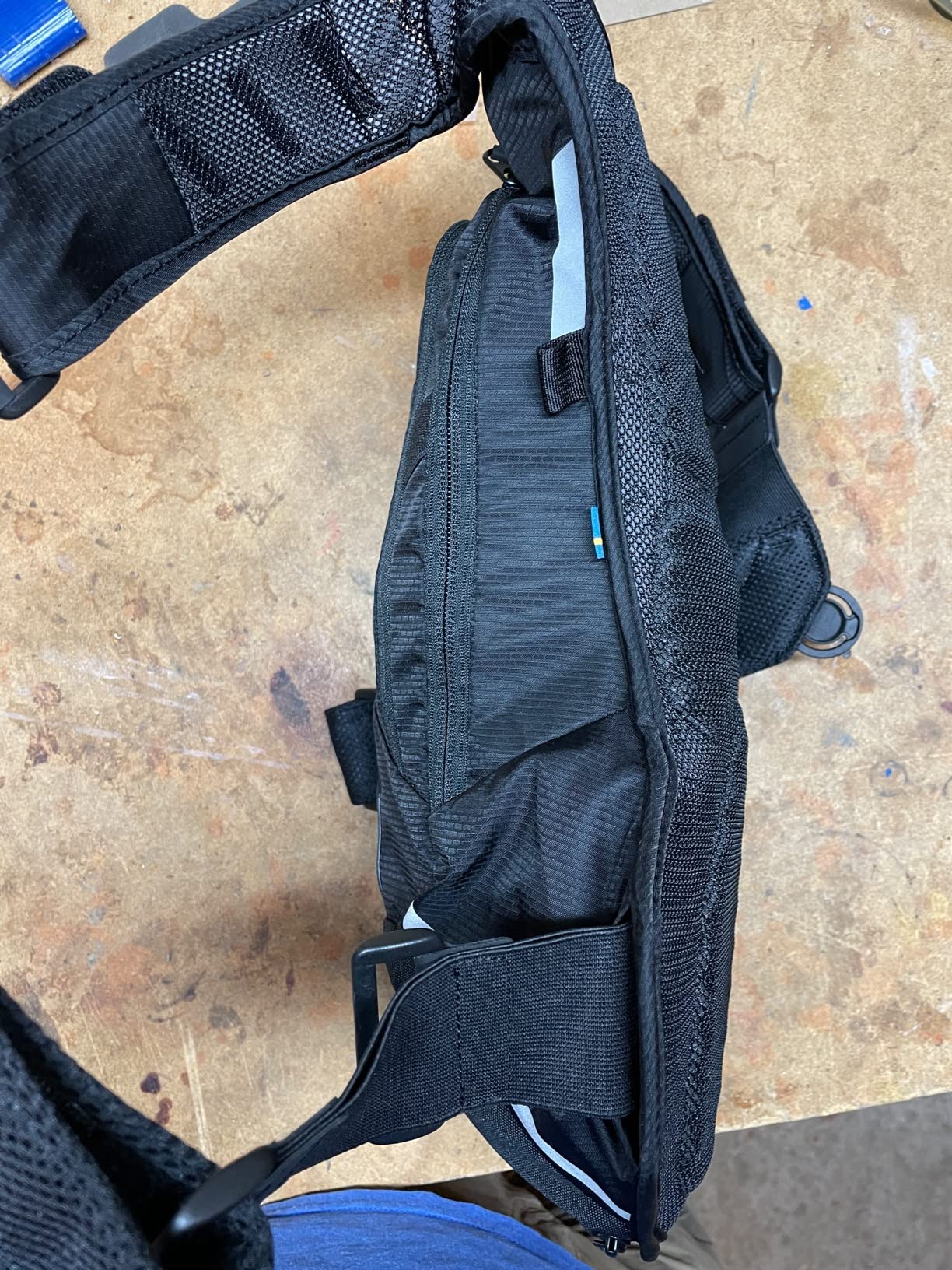
This pack is best for gravel racers who want a locked-in fit
If you ride fast, technical gravel and hate pack movement, the NDM harness is the closest thing to wearing nothing at all. The four-point suspension distributes weight across your chest so the load never shifts side to side.
It also works well for bikepacking-lite trips where you want water plus a few essentials without a full backpack. Just keep in mind that larger-chested riders may find the harness snug.
This pack is not ideal for riders who want lots of small-item organization
There is no dedicated waterproof phone pocket or key clip, which surprised me at this price. I ended up keeping my phone in a plastic bag inside the main pocket.
The 30-day warranty is shorter than what CamelBak and Osprey offer. If you are hard on gear, that is worth factoring into your decision.
2. CamelBak Chase Adventure 8 — All-Day Gravel Adventure Vest
CamelBak Chase Adventure 8 Vest Bike Hydration Pack 70oz, Dusty Olive
2L reservoir
6L cargo capacity
420D recycled nylon
3D Grid Mesh harness
Pros
- Command Center harness with tool pockets
- stable vest design
- reflective details
- impact protector compatible
- lifetime warranty
Cons
- Higher price point
- lower review count
- vest design may not suit all
The CamelBak Chase Adventure 8 became my go-to for all-day gravel adventures where I needed water, tools, food, and an extra layer. The vest design sits high and tight, so it never interfered with my jersey pockets.
I used it on a five-hour fondo with 4,000 feet of climbing. The Command Center harness kept my phone, gels, and multi-tool within reach without making me stop.
The 420D recycled nylon feels tough without being heavy. After a few brushy fence-line sections, there were no snags or fraying.
The 3D Grid Mesh harness moves air well. I stayed cooler than I do in my old backpack-style pack, especially on long south-facing climbs.
This pack is best for riders who want vest comfort with backpack capacity
With 6L of cargo and a 2L reservoir, it splits the difference between a racing vest and a trail backpack. You can carry enough for a self-supported 80-mile day.
It is also a strong pick if sustainability matters. The recycled nylon construction and CamelBak lifetime warranty mean it should last many seasons.
This pack is not ideal for riders on a tight budget
The price sits near the top of this list. You are paying for the vest fit, quality materials, and brand support.
It also has a smaller review base than some competitors. That does not worry me, but it means fewer long-term durability reports to draw from.
3. CamelBak Chase Race 4 — Lightweight Racing Vest
CamelBak Chase Race 4 Bike Hydration Vest with 50oz Reservoir, Lightweight Racing Fit for Fast Road and Gravel Riding, Moroccan Blue 2.0
1.5L reservoir
Lightweight racing fit
2.5L cargo capacity
3D Grid Mesh harness
Pros
- Dual adjustable sternum straps
- Command Center harness
- integrated tool organization
- 7 pockets
- stretch overflow pocket
Cons
- Front pockets fit smaller phones
- 1.5L capacity limits long rides
- limited stock
The Chase Race 4 is the lightest vest in CamelBak’s gravel lineup, and it feels that way from the first pedal stroke. I wore it on a fast 45-mile group ride where the pace stayed high and the roads stayed rough.
The dual adjustable sternum straps let me dial the fit so the vest barely moved. I could grab a gel from the front pocket without slowing down or looking down.
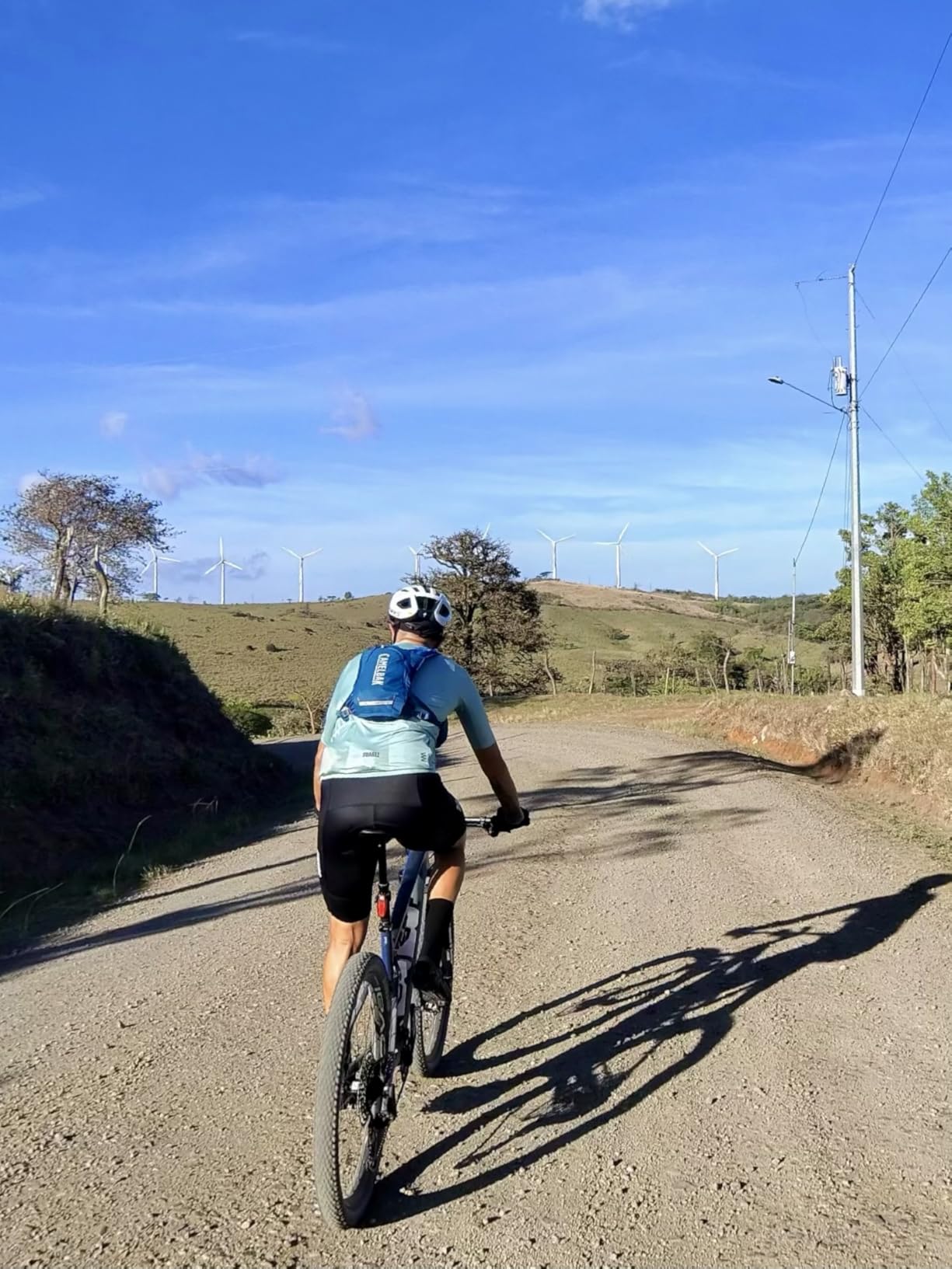
With 1.5L of water, it is best for rides up to about three hours in moderate temperatures. I paired it with two large bottles on the frame for a four-hour effort and that combo worked perfectly.
The integrated tool organization is well thought out. My CO2 inflator, tire lever, and mini pump each had a slot, so nothing rattled.
This vest is best for fast gravel rides and races
If your rides are punchy and race-paced, the lightweight racing fit keeps you aerodynamic. The stretch overflow pocket is just big enough for a light vest or arm warmers.
It is also one of the more breathable options I tested. The 3D Grid Mesh kept me from overheating during a midday gravel crit.
This vest is not ideal for riders who need all-day water
1.5L runs out quickly in summer heat. You will need to refill or supplement with bottles for anything over three hours.
The front pockets are also snug. My large phone fit, but it was a squeeze.
4. Osprey Escapist Velocity 6L — Premium Gravel Vest
Osprey Escapist Velocity 6L Bike Hydration Vest, Green L-XL
1.5L reservoir included
Vest-style gravel fit
Recycled 100D nylon
Dual adjustable chest straps
Pros
- Gravel-oriented vest fit
- large zippered front pockets
- magnetic hose clip
- recycled materials
- foam-padded harness pockets
Cons
- May not fit larger body types
- limited stock
- warmer than mesh-back vests
Osprey built the Escapist Velocity with gravel riding in mind, and it shows. The vest-style cut sits close to the body without the bulk of a traditional backpack.
I tested it on a mixed-terrain loop that included rail trail, doubletrack, and a nasty chipped-rock descent. The pack stayed stable through all of it.
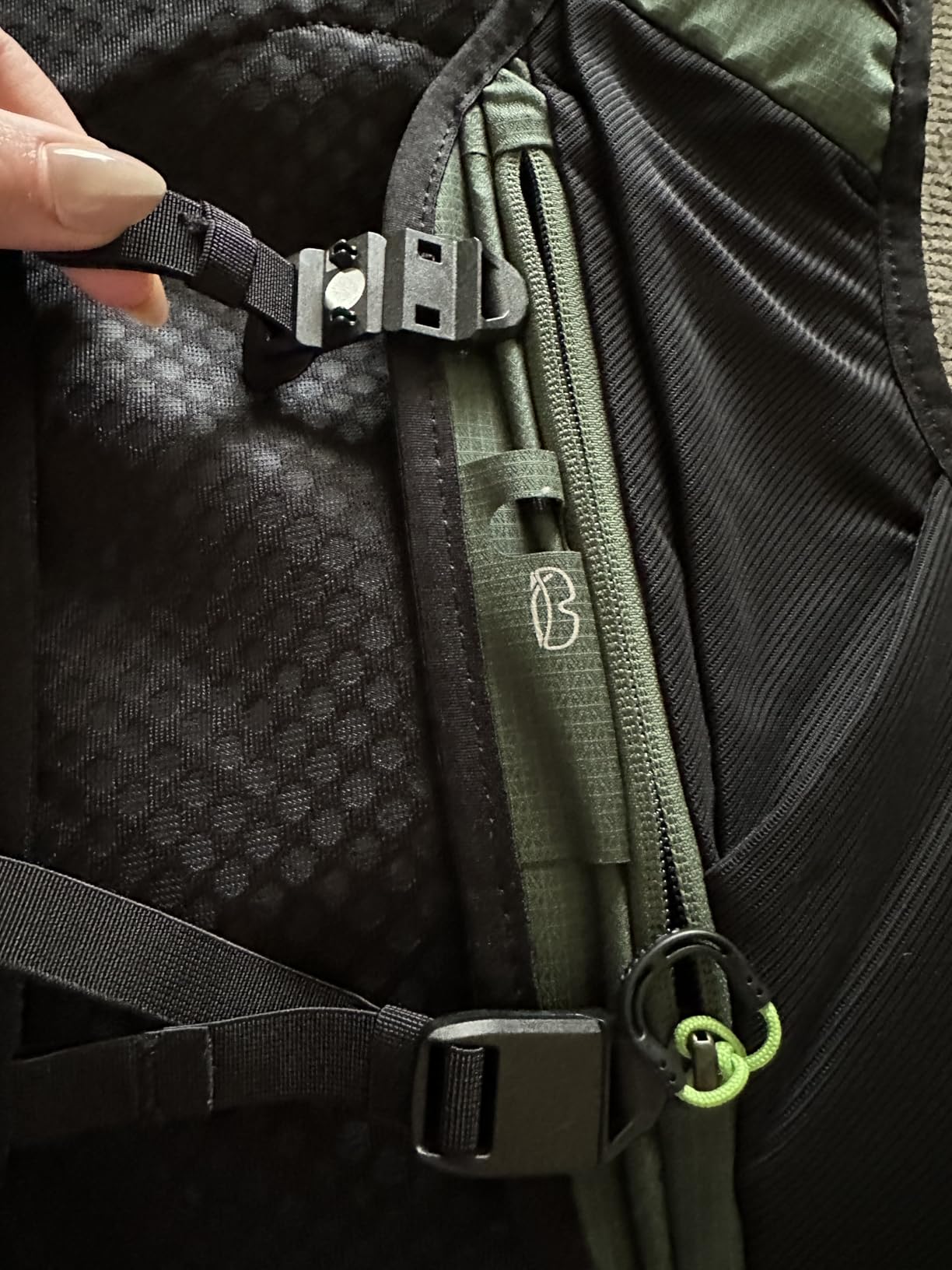
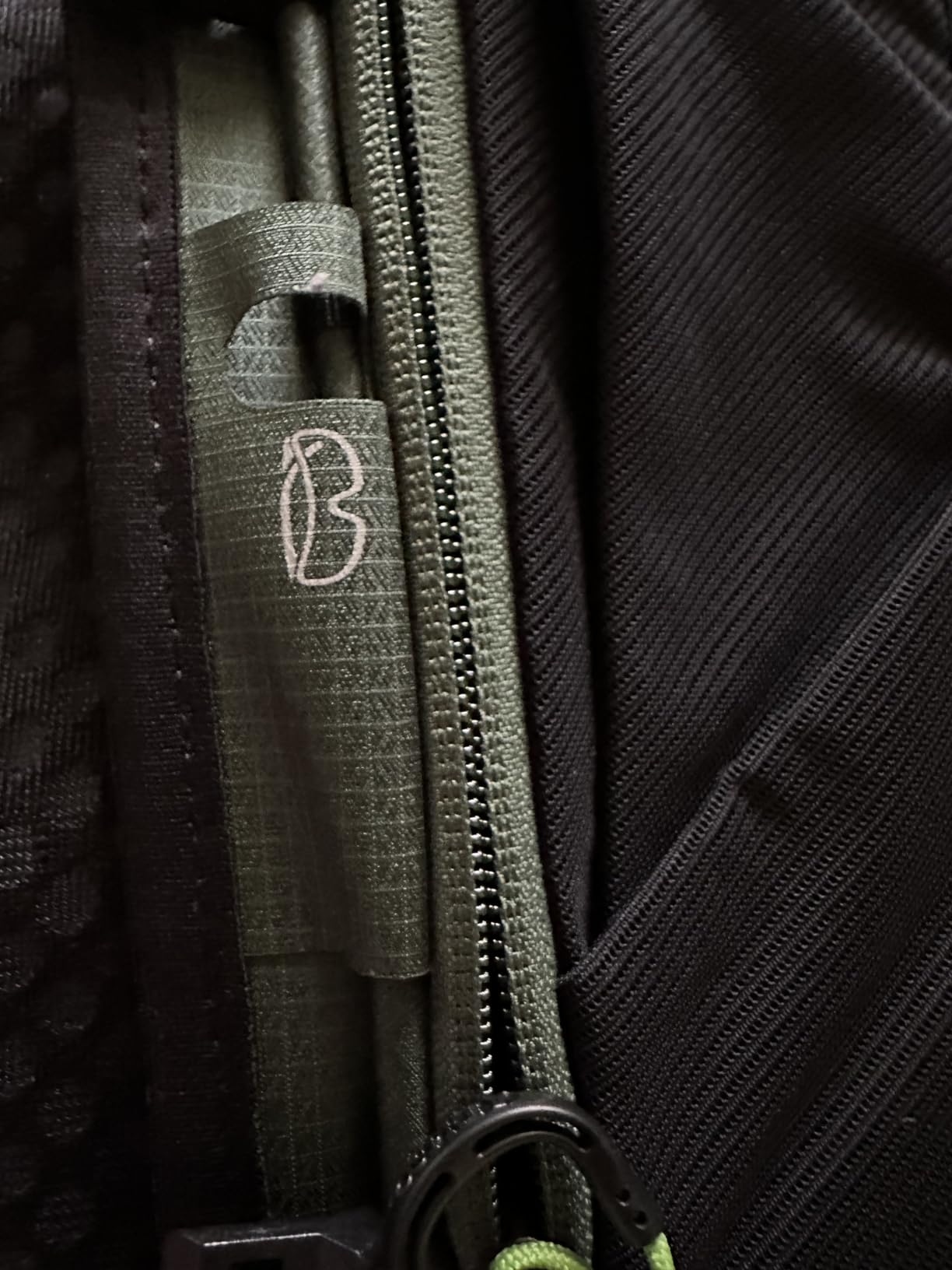
The vertical zippered harness pockets are a highlight. Foam at the base adds comfort, and the pockets are big enough for a phone and a couple of gels.
The magnetic hose clip is small but meaningful. It kept the bite valve exactly where I expected it, even after hours of jarring terrain.
This vest is best for riders who want premium build quality and organization
The recycled nylon feels substantial, and the zipper layout makes sense. You can access snacks, tools, and a phone without unpacking the whole vest.
It is a great match for long gravel fondos where you want to carry extra layers and food.
This vest is not ideal for very hot, humid rides
The back panel is comfortable but not the airiest I tested. On a 90-degree day I noticed more sweat than with the USWE or CamelBak Chase Race.
It also runs a bit slim. Riders with broader chests should check the fit carefully before committing.
5. CamelBak Rogue Light 7 — Lightweight Hydration Backpack
CamelBak Rogue Light 7 Hydration Backpack with Crux Reservoir, Lightweight Ventilated Design for Biking, Hiking, and Active Events, Dusty Olive 2.0
2L Crux reservoir
5L cargo capacity
Air Support back panel
Recycled materials
Pros
- Lightweight and compact
- Air Support ventilation
- Command Center harness
- recycled construction
- lifetime warranty
Cons
- May cover rear jersey pockets
- thin shoulder straps
- 5L cargo may limit longer trips
The Rogue Light 7 is a small backpack rather than a vest, but it is light enough that I forgot I was wearing it on a three-hour gravel loop. The 2L Crux reservoir and 5L cargo capacity cover most long rides.
I liked the Air Support back panel. It keeps the pack slightly off your skin, which helps with airflow on hot climbs.
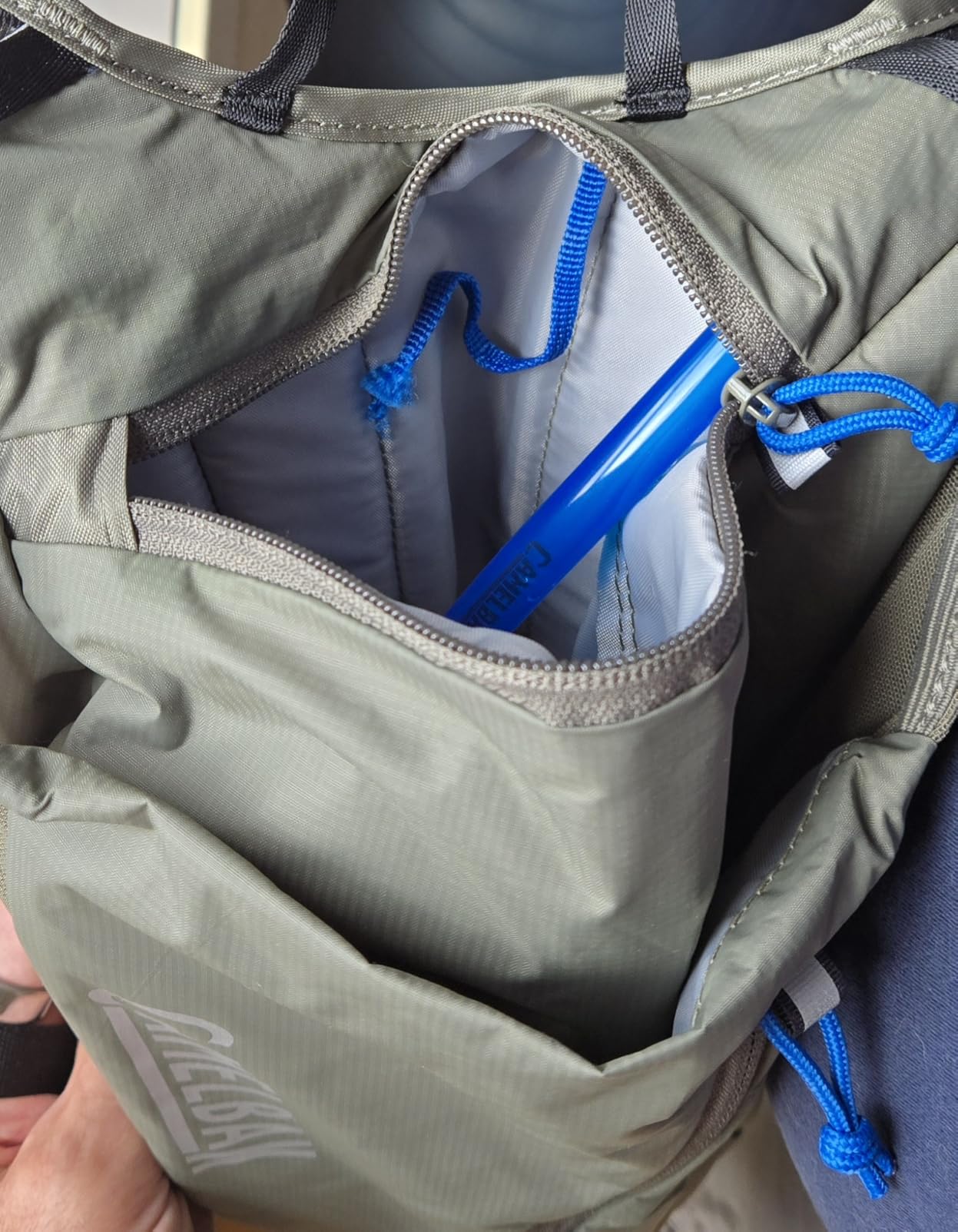
The Command Center harness puts a small pocket right at your chest. It is perfect for keys, a card, and a couple of gels.
It is made with recycled materials and backed by CamelBak’s lifetime warranty. That combo gives me confidence for rough use.
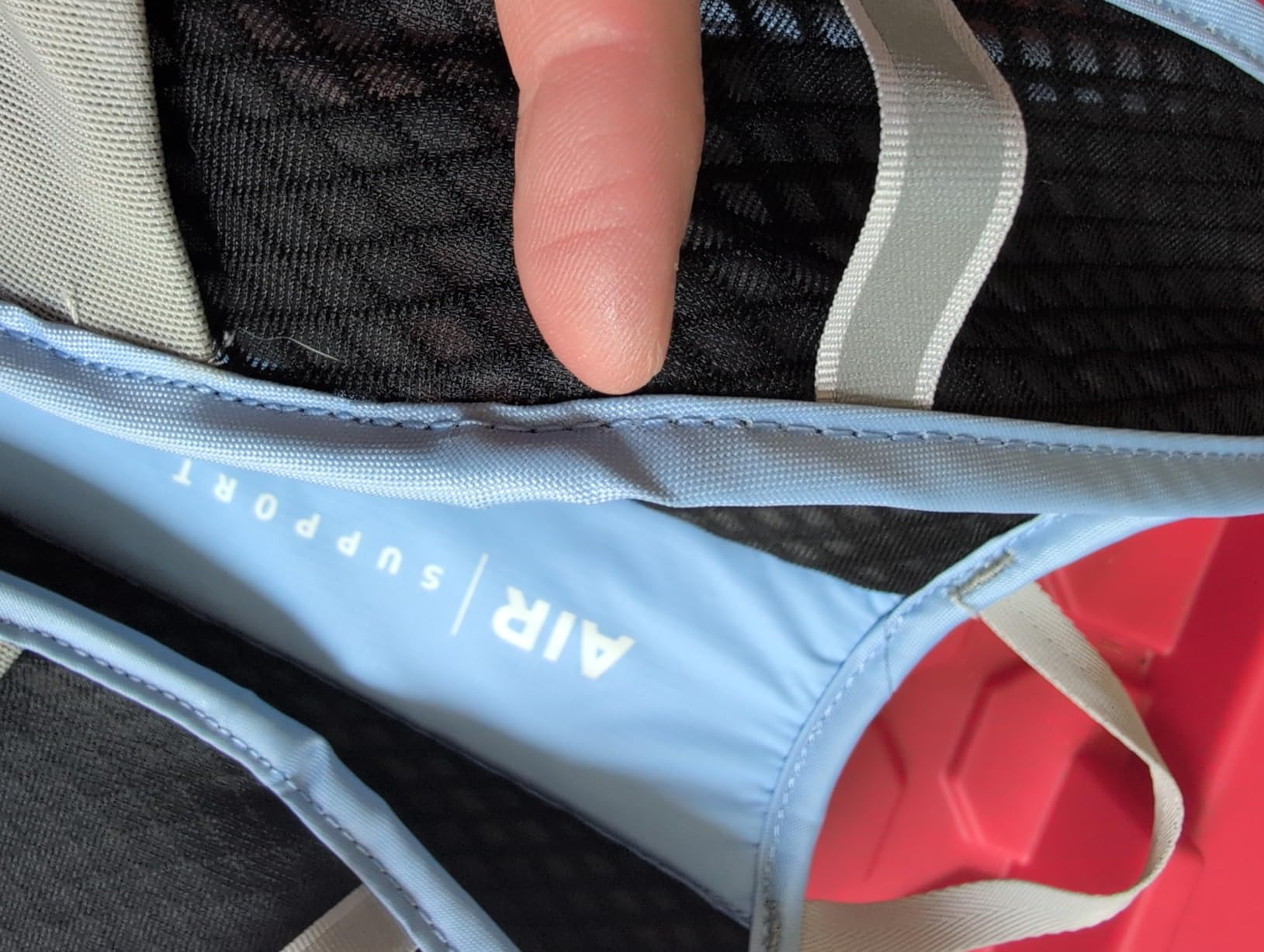
This pack is best for riders who want a simple, reliable hydration backpack
If you prefer a traditional backpack over a vest, the Rogue Light is a safe choice. It carries enough water for 3-4 hours and has room for a spare tube and rain jacket.
The insulation also keeps water cold longer than I expected. On a 95-degree day my water was still cool after two hours.
This pack is not ideal for riders who rely on rear jersey pockets
The pack sits low enough that it can cover your jersey pockets. I had to shift it up a bit to reach my back pockets while riding.
The shoulder straps are also on the thinner side. Heavier loads start to dig in after a few hours.
6. MIYCOO Hydration Backpack — Best Budget Hydration Pack for Gravel Riding
MIYCOO Hiking Backpack with 2L Water Bladder,Hydration Backpack for Running
2L BPA-free water bladder
Insulated bladder pocket
Breathable mesh straps
Multiple storage pockets
Pros
- Excellent value
- lightweight and comfortable
- leak-proof design
- insulated pocket keeps water cold
- 499+ reviews
Cons
- Water may taste like rubber
- too long for shorter users
- back panel can get warm
At first glance, the MIYCOO pack looks like a basic budget option. After a month of use, I think it is one of the best values for gravel riders who do not want to spend a lot.
The 2L bladder is BPA-free and the insulated pocket kept my water drinkable on 85-degree rides. The leak-proof opening is wide enough to clean with a bottle brush.
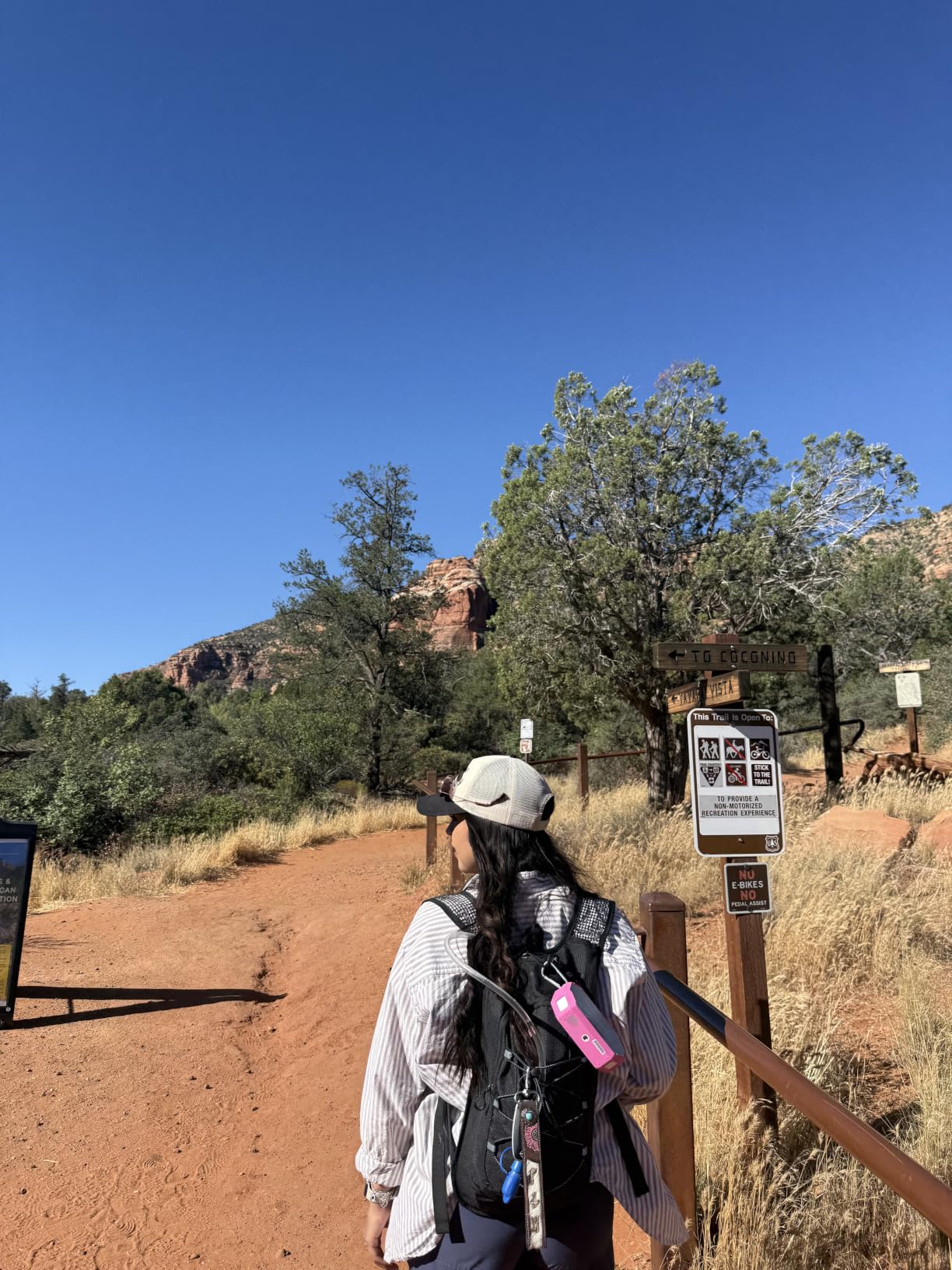
The mesh shoulder straps breathe better than I expected at this price. I did a two-hour gravel ride and came home without the soaked straps I have had on cheaper packs.
Storage is straightforward: three pockets hold the bladder, a towel, snacks, and a phone. It is not fancy, but it works.
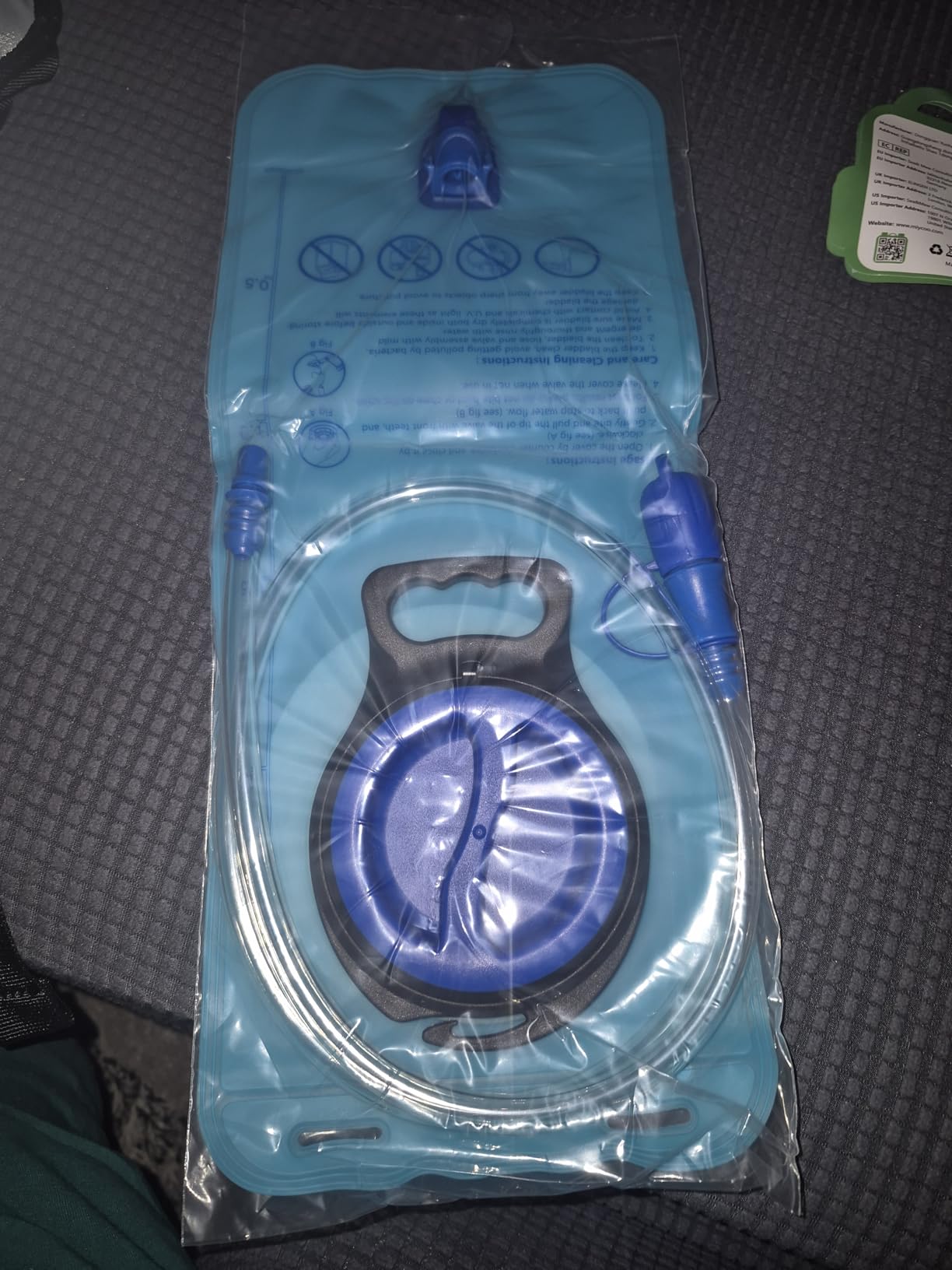
This pack is best for new gravel riders and casual training
If you are just getting into gravel and want to test whether a hydration pack fits your style, this is a low-risk entry point. The 499+ reviews back up the quality.
It is also light enough for shorter riders. The torso length fit my 5’6″ tester better than some of the longer packs.
This pack is not ideal for all-day epics or rough terrain
The back panel can get warm on long, hot climbs. I would not want to wear it for a six-hour ride in mid-summer.
Some users report a rubber taste from the bladder over time. I noticed it faintly on the first ride, but it faded after a few washes.
7. MSR Enduro Hydration Pack — Organized Off-Road Pack
MSR Enduro Hydration Pack 2 Liter Black 23
2L hydration capacity
4-point adjustable harness
9 pockets total
Magnetic hose clip
Pros
- Lightweight and comfortable
- great adjustable harness
- multiple pockets for organization
- quality bladder included
- magnetic hose clip
Cons
- Limited color options
- may be small for longer rides
- 4.5 lb weight
The MSR Enduro is a mid-sized pack that feels aimed at off-road adventure more than pure racing. I took it on a mixed gravel and singletrack ride and appreciated how much gear it could swallow.
It has nine pockets total, including four large chest pockets and five zippered rear pockets. That level of organization is rare at this size.
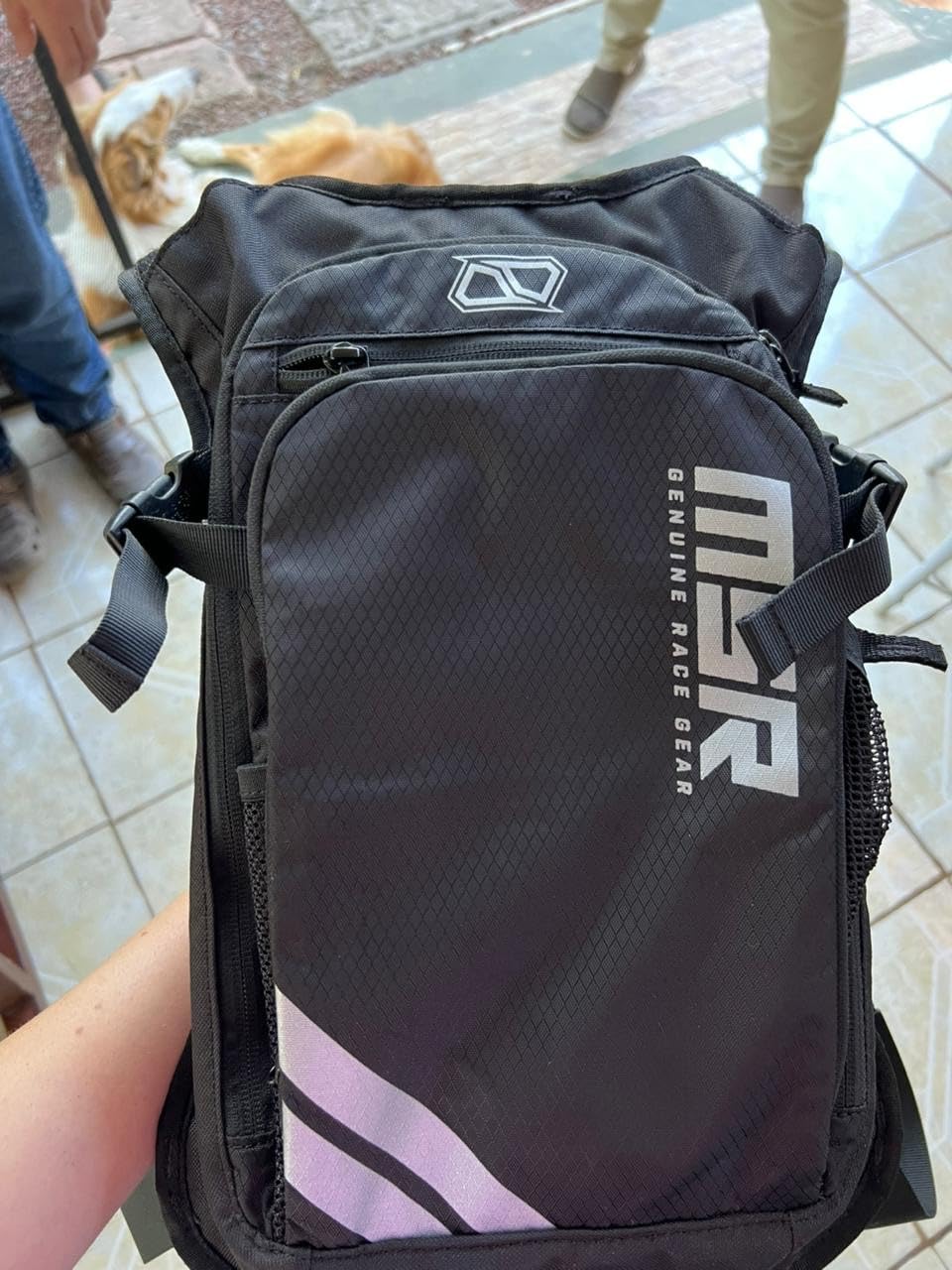
The 4-point harness is easy to adjust on the fly. I tightened it before a rough descent and loosened it for a long paved connector.
The magnetic hose clip is a nice touch. It keeps the bite valve from flopping around when you are not drinking.
This pack is best for riders who carry lots of small items
If you like a place for everything, the MSR layout will make you happy. Phone, tools, snacks, camera, and a light jacket all fit without turning into a jumbled mess.
It is a good middle ground between a minimalist vest and a big mountain bike pack.
This pack is not ideal for weight-conscious racers
At 4.5 pounds, it is heavier than most options here. You feel that weight on long climbs.
The limited color options and small review base also make it harder to judge long-term durability.
8. CamelBak Hydrobak — Minimalist Pack for Short Rides
CamelBak Hydrobak Bike Hydration Pack, Lightweight Minimalist Design for Short Rides and Commutes, 50oz, Black Graphite
1.5L Crux reservoir
13.4 oz weight
Air mesh back panel
Lifetime warranty
Pros
- Lightweight and compact
- easy refill handle
- air mesh back panel
- durable construction
- lifetime warranty
Cons
- Small zippered pocket
- 1.5L may be too small for long rides
- hose can be long for some
The Hydrobak is the smallest pack in this guide, and that is exactly its strength. It holds 1.5L of water and weighs just 13.4 ounces, making it barely noticeable on short gravel rides.
I used it for a 25-mile after-work ride with one long climb. It stayed put, and the air mesh back panel kept things cool.
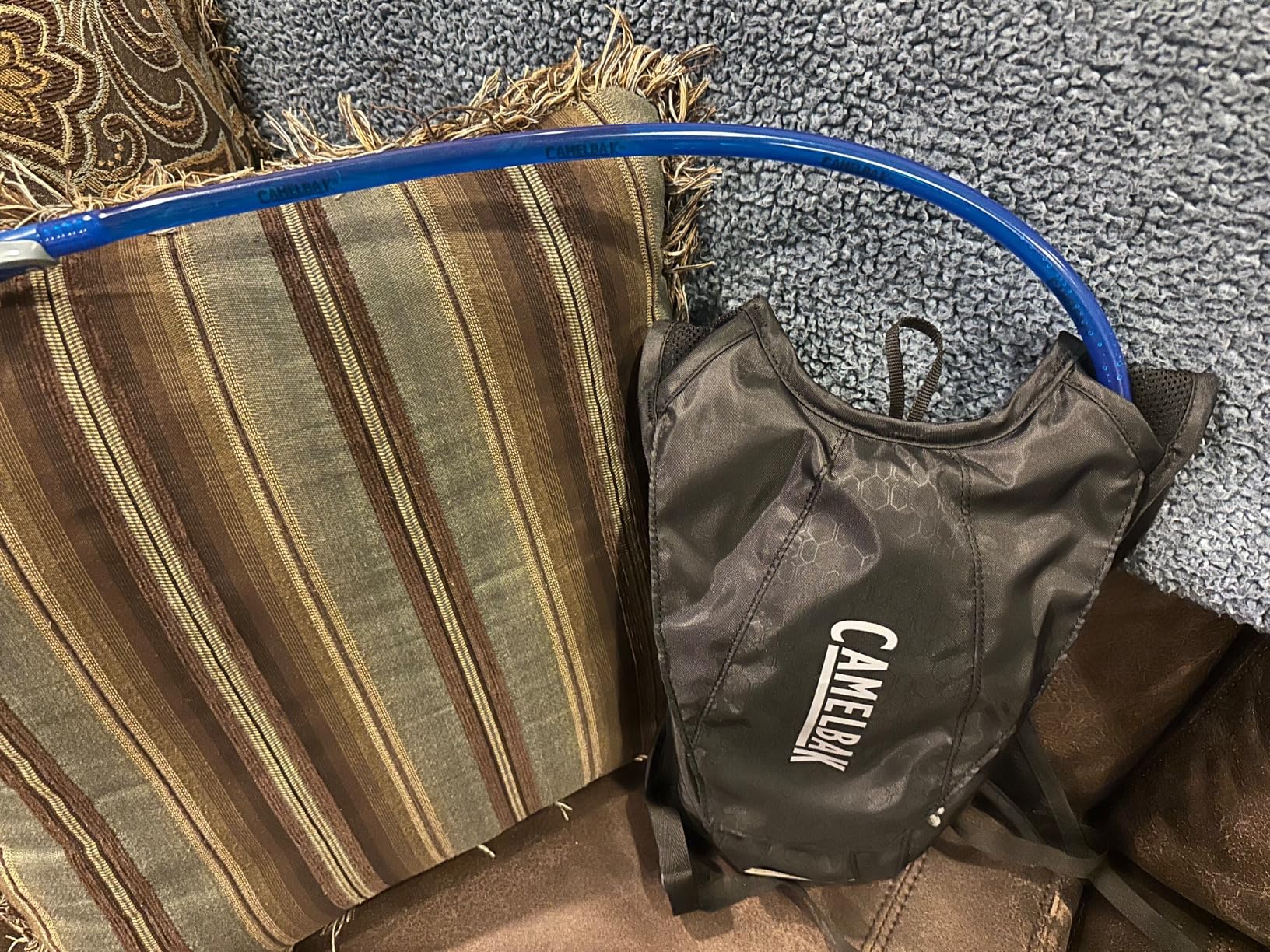
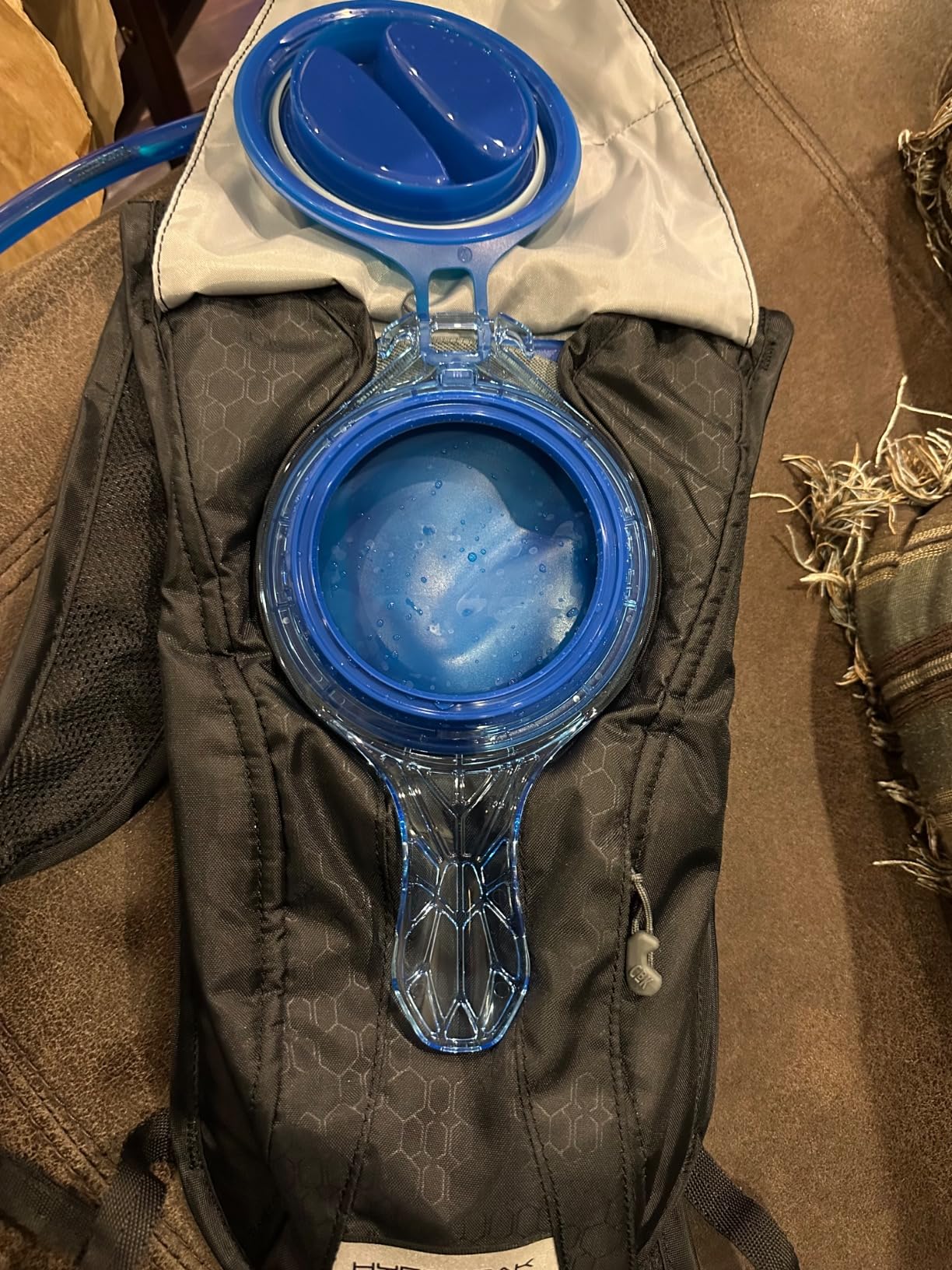
The Crux reservoir delivers good flow per sip, and the ergonomic handle makes refilling at a sink fast. CamelBak’s lifetime warranty is the cherry on top.
Storage is minimal. There is one zippered pocket for keys, a card, and maybe a gel.
This pack is best for short gravel rides and commutes
If your rides are under two hours and you just need water, the Hydrobak is hard to beat. It is light, low-profile, and reliable.
It also works as a backup pack for travel or trainer sessions.
This pack is not ideal for unsupported long rides
1.5L is not enough for a four-hour ride in warm weather. You will need bottles or a larger pack.
The single pocket is also limiting. You cannot carry tools, food, and a phone comfortably.
9. CamelBak M.U.L.E. 12 — High-Capacity Gravel and Bikepacking Pack
CamelBak M.U.L.E. 12 Mountain Bike Hydration Pack with 100oz Crux Reservoir, All Day Cooling and Smart Storage for Trail Riding, Black 2.0
3L Crux reservoir
9L cargo capacity
Air Support back panel
Magnetic tube management
Pros
- Excellent ergonomic fit
- 100oz reservoir with quick connect
- integrated tool organization
- removable waist strap
- stretch overflow pocket
Cons
- Outer pocket needs unbuckling
- key lanyard hard to reach
- higher price point
The M.U.L.E. 12 is a classic mountain bike pack that translates well to rugged gravel routes. With 3L of water and 9L of cargo, it is built for long days.
I loaded it for a six-hour exploration ride with extra food, a rain shell, and a small pump. The Air Support back panel handled the weight well and kept my back from overheating.
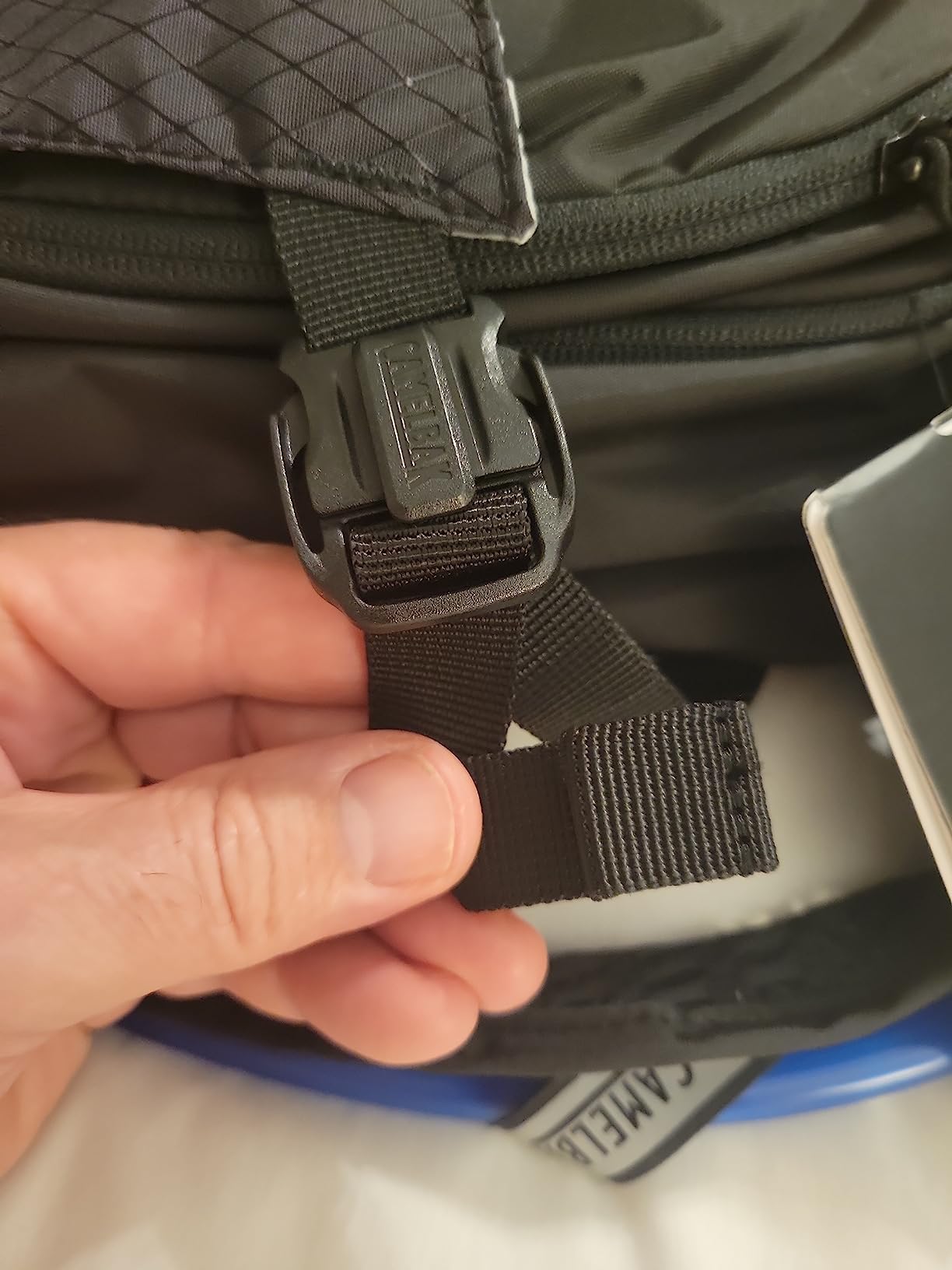
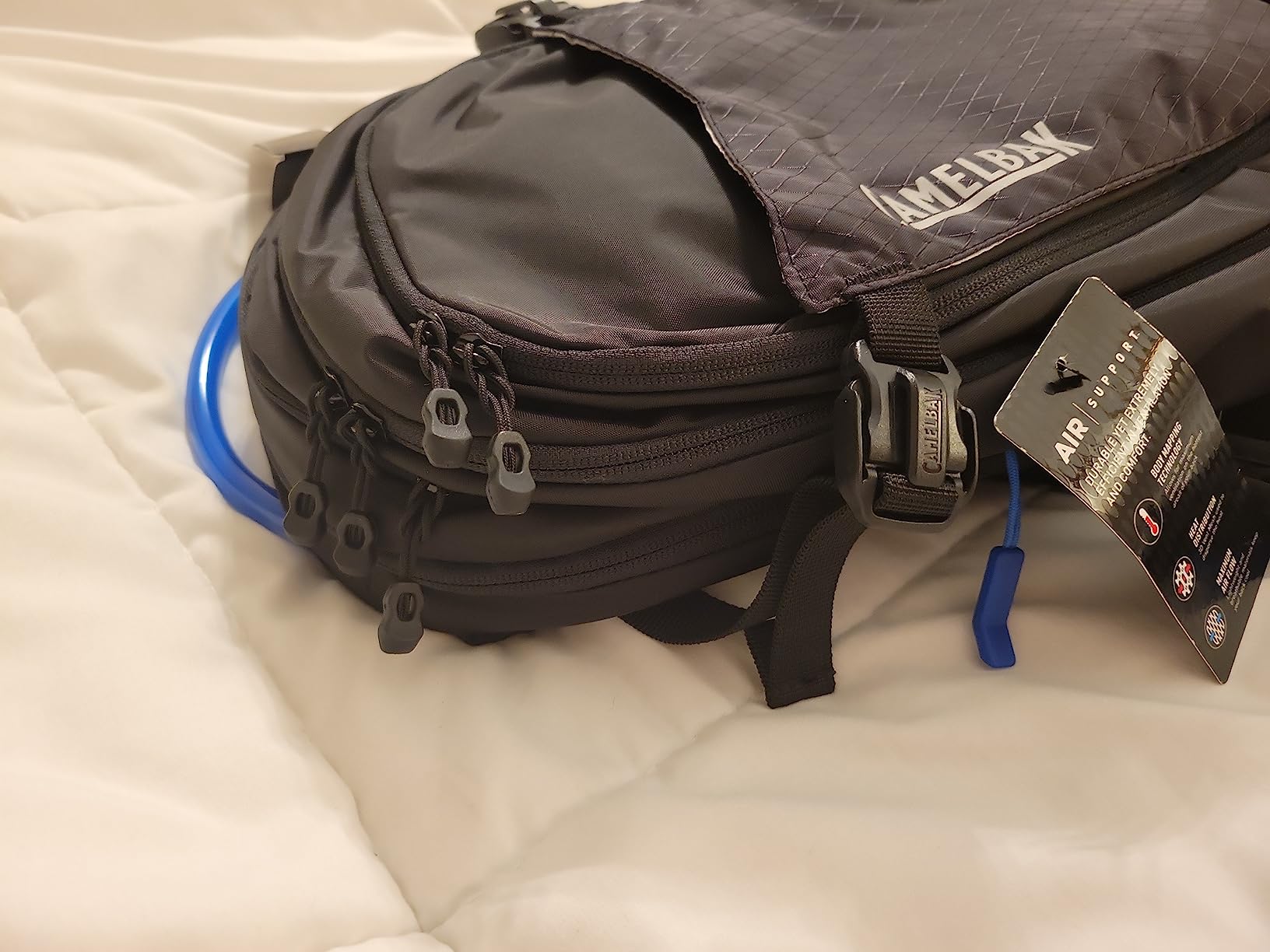
The magnetic tube management keeps the hose from dangling. That sounds minor until you are picking it out of a thorn bush after a narrow overgrown section.
Integrated tool organization and a stretch overflow pocket round out the feature set. It is the most capable pack in this roundup.
This pack is best for rugged all-day gravel and bikepacking
If you are heading into remote terrain for a full day, the M.U.L.E. has the capacity and durability you need. The 3L reservoir means fewer refills.
The removable waist strap also lets you trim the pack for shorter rides.
This pack is not ideal for racers or fast group rides
It is larger and heavier than a vest-style pack. You will notice it on punchy climbs and sprints.
The outer pocket requires unbuckling to access, which is awkward when you are trying to grab food quickly.
10. Osprey Raptor 10L — Full Backpack With Premium Fit
Osprey Raptor 14L Men’s Biking Backpack with Hydraulics Reservoir, Black
2.5L Hydraulics LT reservoir
Bike-specific winged harness
Air mesh wrap hipbelt
LidLock helmet attachment
Pros
- 2.5L reservoir included
- bike-specific winged harness
- hipbelt pockets
- LidLock helmet carry
- scratch-free electronics pocket
Cons
- Limited stock
- lower review count
- only 10L capacity
The Raptor 10L is a proper biking backpack with a bike-specific winged shoulder harness. It feels more stable than a generic daypack on technical descents.
I tested it on a gravel ride that included a long, rocky downhill. The air mesh wrap hipbelt kept the pack from lifting or shifting when I got airborne.
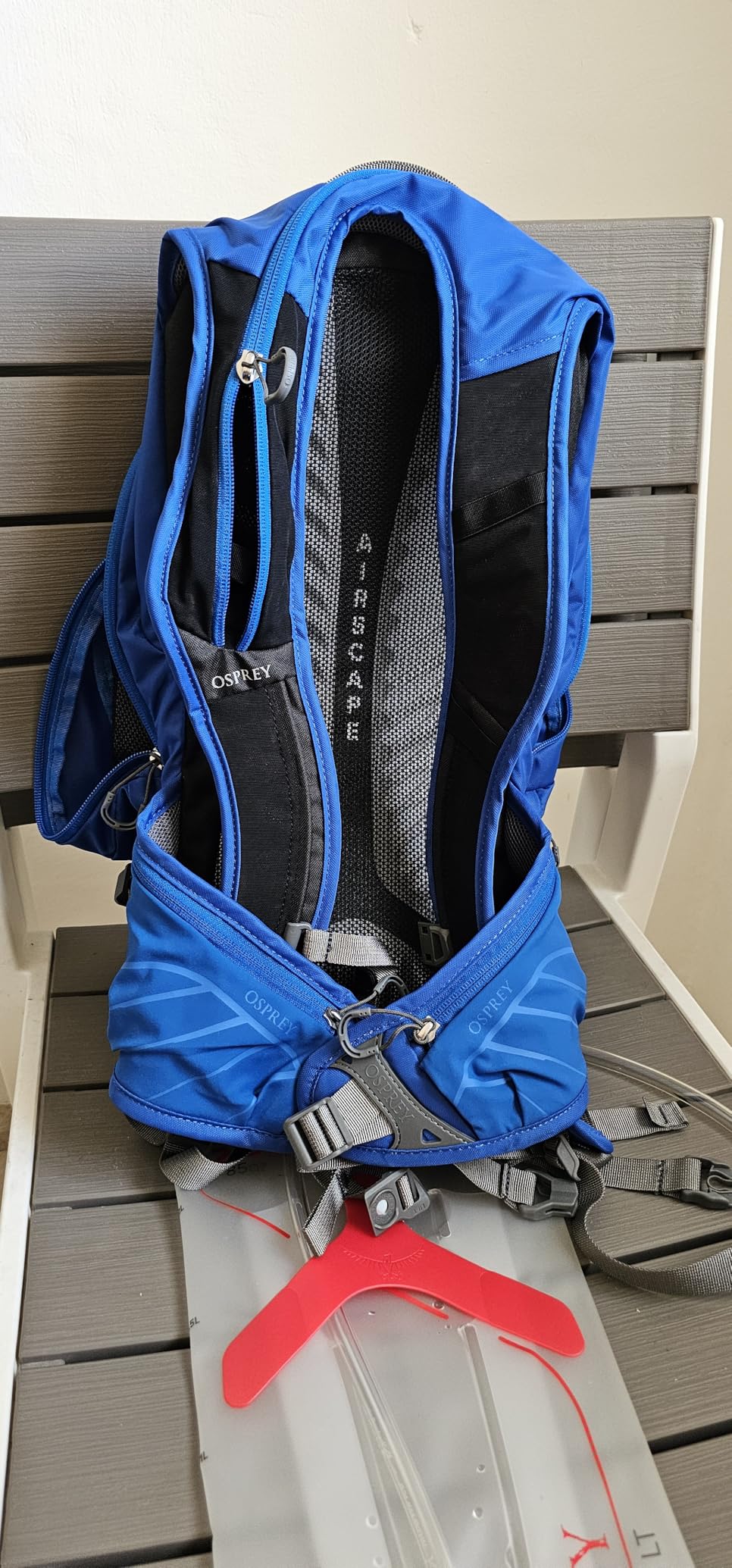
The 2.5L Hydraulics LT reservoir is easy to fill and clean. The quick zip access means I could top off without unpacking the whole bag.
Osprey’s LidLock helmet attachment is handy for mid-ride coffee stops. The scratch-free pocket is a safe home for sunglasses.
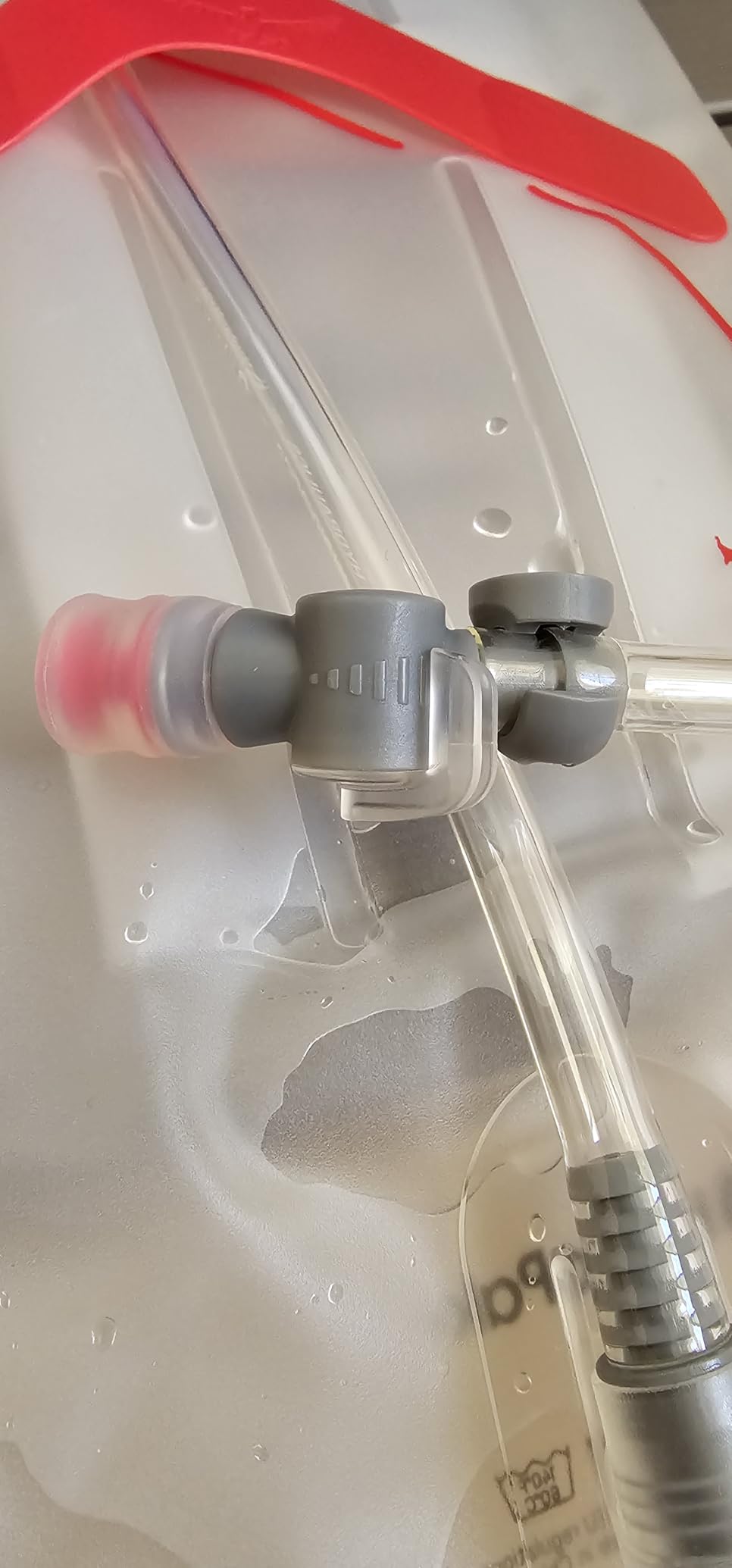
This pack is best for riders who want a full backpack with premium fit
If you carry heavier loads or prefer a backpack over a vest, the Raptor is one of the best-fitting options I tested. The hipbelt pockets keep snacks within reach.
The included tool roll is a nice bonus for gravel riders who self-support.
This pack is not ideal for riders who want maximum ventilation
It is warmer on the back than the vest options. On a 90-degree day I had to stop and let my back dry out once.
Stock is also limited, so you may have trouble finding your preferred color.
11. INOXTO Running Hydration Vest — Ultralight Option for Hot Gravel Rides
INOXTO Running Hydration Vest Backpack,Lightweight Insulated Pack with 1.5L Water Bladder Bag Daypack for Hiking Trail Running Cycling Race Marathon for Women Men (Light Gray Dark Blue)
1.5L water bladder
140 gram weight
Ventilated mesh cover
Adjustable straps
Pros
- Ultra-lightweight at 140g
- adjustable straps prevent bounce
- multiple pockets
- reflective trim
- 2
- 400+ reviews
Cons
- Bladder durability concerns
- small storage
- 1.5L capacity
The INOXTO vest is marketed for running, but it works surprisingly well for gravel riding. At just 140 grams, it is the lightest option in this guide.
I wore it on a hot 30-mile gravel ride with a 1.5L bladder. The ventilated mesh backing kept me cooler than expected, and the adjustable straps prevented bounce.
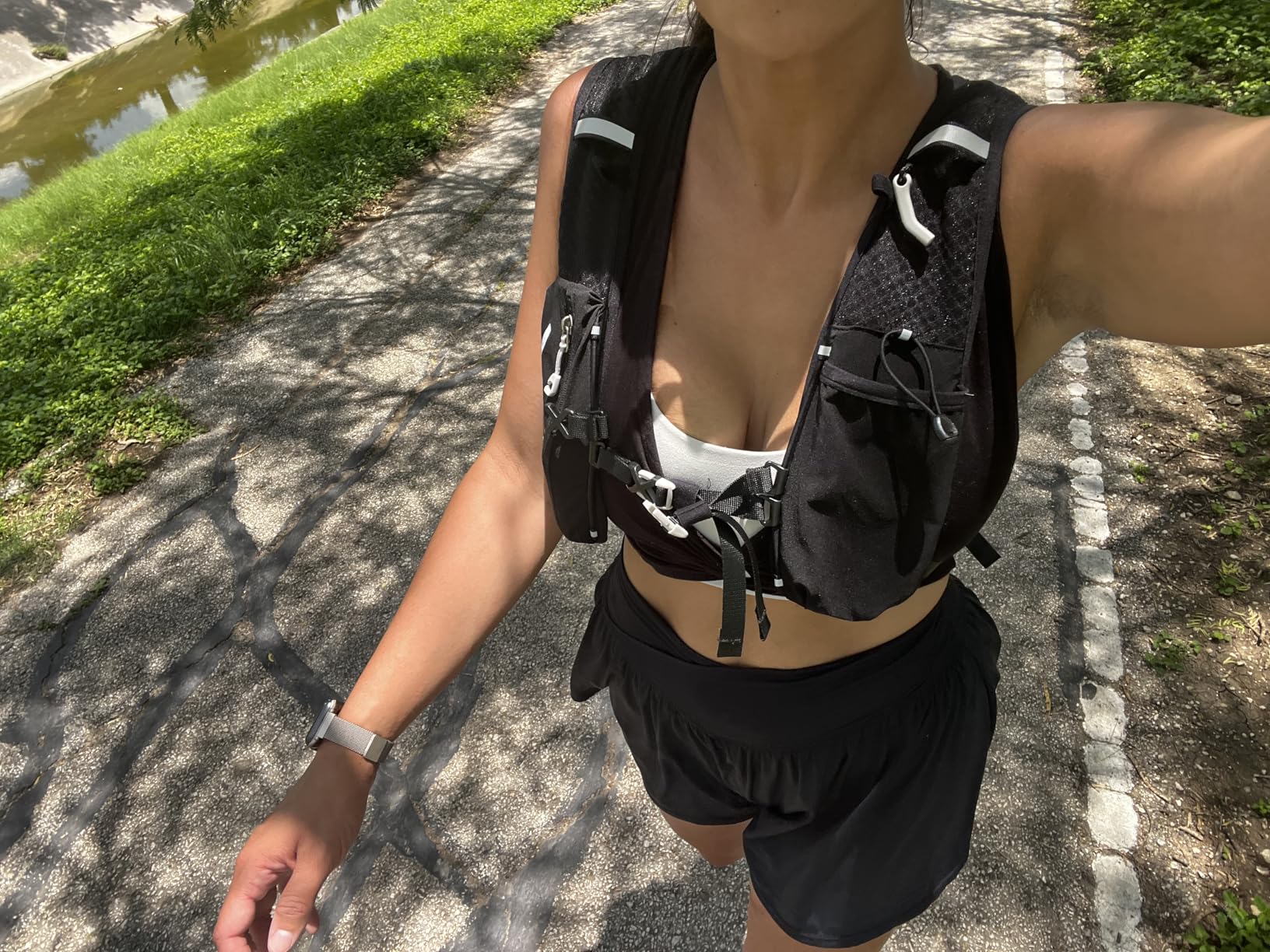
The four pockets hold a phone, keys, gels, and a small multitool. That is enough for shorter rides without adding bulk.
Reflective trim is a smart addition for early morning or evening gravel rides on low-traffic roads.
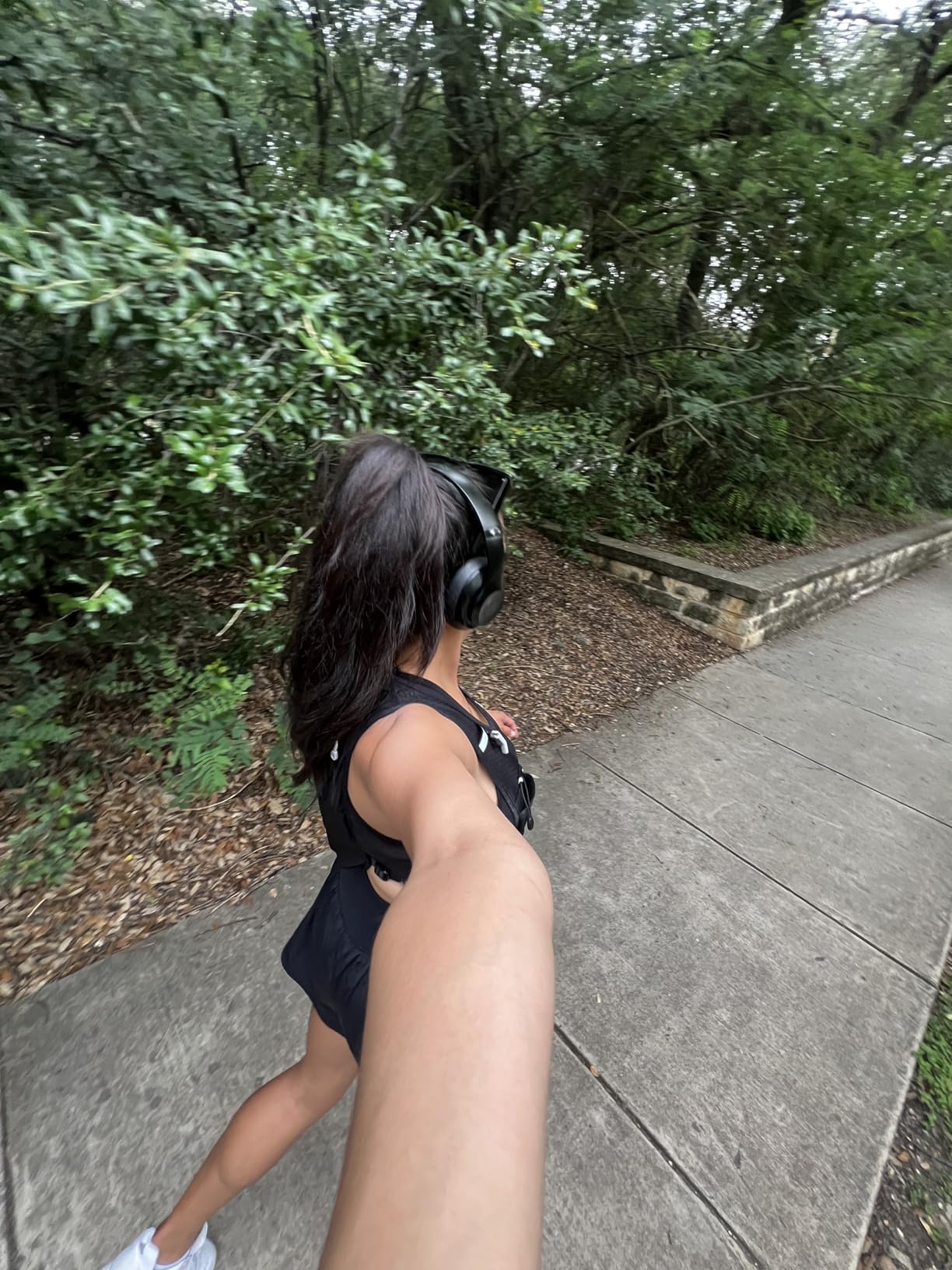
This vest is best for riders who want the lightest possible setup
If you are trying to keep your kit minimal, this vest disappears on your back. It is a great option for quick gravel loops and hot weather.
The 2,400+ reviews show it holds up across running and cycling use.
This vest is not ideal for carrying lots of gear or water
1.5L runs out fast, and the pockets are small. You cannot carry a pump, spare tube, and rain jacket together.
A few reviewers mention bladder durability concerns. I did not have issues, but it is worth monitoring.
12. Dakine Hot Laps Hip Pack — Sweat-Free Lumbar Hydration
Dakine Hot Laps Hip Pack with Lumbar Reservoir Backpack, Black, 5L
2L vertical Hydrapak reservoir
Magnetic hose clip
Padded 25mm hip belt
5L capacity
Pros
- Magnetic hose clip auto-locates
- comfortable padded hip belt
- breathable back panel
- internal organizers
- recycled materials
Cons
- Limited storage
- tube may be short for tall users
- may not fit waists over 35 inches
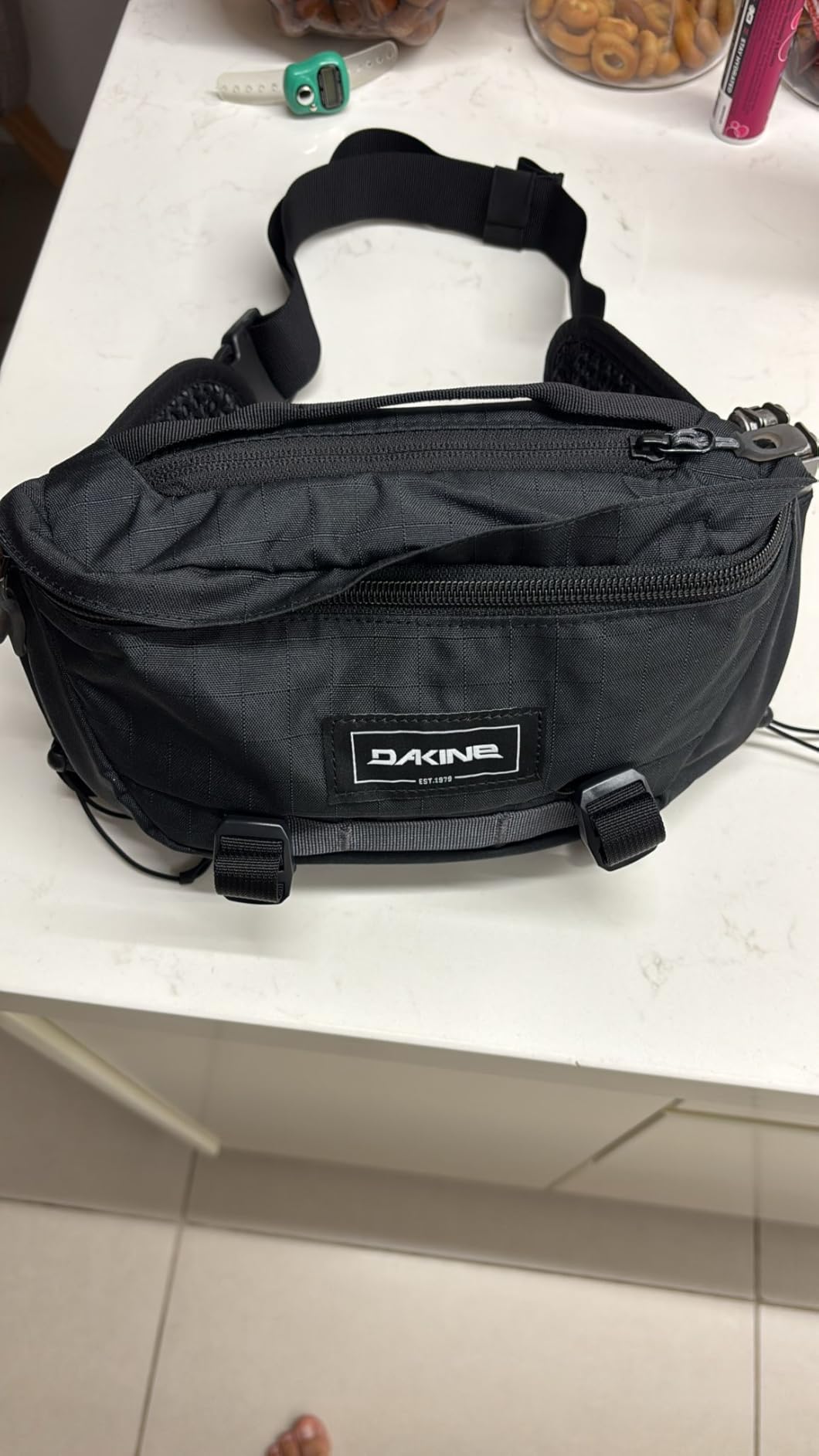
The Dakine Hot Laps is a hip pack, not a back pack, and that changes the ride experience completely. It sits on your lumbar area and keeps your back completely free.
I used it on a three-hour gravel ride with a 2L vertical reservoir. The padded hip belt was comfortable, and the magnetic hose clip auto-located the bite valve every time.
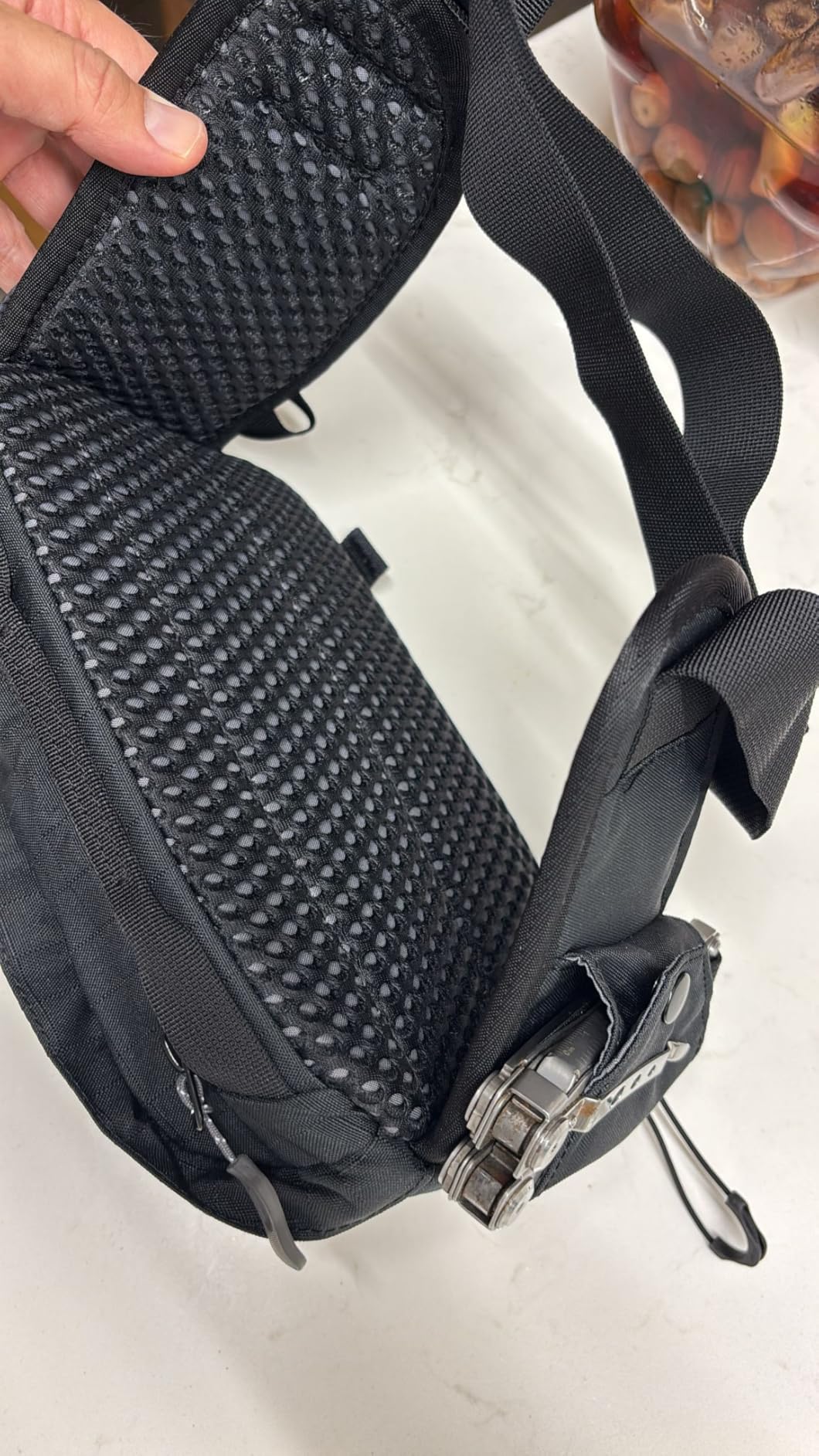
The breathable airflow back panel is minimal by design. My back stayed drier than with any backpack I tested.
Storage is limited to essentials. I fit a multi-tool, CO2, phone, and a couple of gels, but a rain jacket had to go under my jersey.
This hip pack is best for riders who hate back sweat
If a sweaty back is your biggest complaint about hydration packs, the Hot Laps solves it. Your back is open to the wind, which is a huge win in summer.
It is also great for riders who want quick access to gear without taking anything off.
This hip pack is not ideal for riders with larger waists or long torsos
Some taller riders report the tube is too short. I am 5’10” and had no issues, but riders over six feet should double-check fit.
The limited storage also means you need to pair it with jersey pockets or a frame bag for longer rides.
How to Choose the Best Hydration Pack for Gravel Riding?
Picking the right hydration pack comes down to matching the pack to your typical ride. Here is what we have learned from hundreds of miles on gravel.
Start with water capacity based on ride length
For rides under two hours, 1.5L is usually enough. For three to four hours, look for 2L. For all-day unsupported rides or hot conditions, 2.5L to 3L gives you a safety margin.
Plan for roughly 20-24 ounces of fluid per hour in moderate temperatures, and more when it is hot or humid. If your frame holds two bottles, a 2L pack plus bottles can stretch you past five hours.
Choose a vest for speed and a backpack for capacity
Vest-style packs sit higher and tighter, which makes them ideal for fast gravel and racing. They also tend to breathe better because they use less material on your back.
Backpack-style packs carry more water and gear, so they suit remote rides, bikepacking, or cooler weather when you need extra layers. Hip packs are a middle ground that keeps your back free but limits storage.
Prioritize a bounce-free harness for rough terrain
Gravel descents will expose a loose pack immediately. Look for dual sternum straps, hipbelts, or suspension systems like USWE’s NDM harness that lock the load to your torso.
A pack that bounces wastes energy and can throw off your balance. We consider a secure fit non-negotiable for anything beyond smooth rail-trail gravel.
Look for breathable back panels in hot climates
Back sweat is one of the most common complaints in forums. Mesh back panels, suspended designs, and ventilated shoulder straps all help move air.
If you ride in hot weather, avoid thick, solid back panels. A hip pack is the ultimate solution if you can get by with less storage.
Match storage to your gear list
Think about what you actually carry. Do you need a phone pocket, tool roll, rain jacket, and 1,200 calories? Or just water and a gel?
Front harness pockets are great for snacks and a phone. Rear pockets work better for layers. Tool organization keeps small items from rattling and protects your electronics.
Plan pack-and-bottle combos for ultra-long rides
For events like Unbound or self-supported 100-mile days, a hydration pack alone may not be enough. Pair a 2L pack with two large frame bottles to carry 3.5-4L total.
This approach lets you sip from the pack and refill bottles at aid stations. It also gives you a backup if one system fails.
Clean and maintain your bladder to avoid taste issues
Wash the bladder after every ride and dry it completely. A hanging drying rack or a paper towel stuffed inside prevents mold and the rubber taste some users report.
Replace the bite valve every season if you ride often. A worn valve can leak and waste the water you worked hard to carry.
Frequently Asked Questions About Hydration Packs for Gravel Riding
Is it worth using a hydration pack for rides that are 3-4 hours long?
Yes. A hydration pack is worth it for 3-4 hour gravel rides because it carries 2-3 liters of water, leaves your jersey pockets free, and keeps you stable on rough terrain. Most riders switch from bottles to a pack once rides pass the 3-hour mark, especially in warm weather.
At what sort of hours do you crack out the hydration pack?
Most gravel riders reach for a hydration pack around the 3-hour mark. Under 2 hours, bottles usually suffice. From 3-5 hours, a 2L pack works well. For rides over 5 hours or unsupported routes, combine a 2-3L pack with frame bottles.
What are good hydration backpacks for mountain and gravel biking?
Good hydration backpacks for mountain and gravel biking include the USWE MTB Hydro for bounce-free racing, the CamelBak M.U.L.E. 12 for high capacity, the Osprey Raptor 10L for premium fit, and the CamelBak Rogue Light 7 for a lightweight backpack option.
How do you drink when racing gravel?
When racing gravel, keep the bite valve clipped to your chest strap so you can drink without looking down. Sip small amounts every 15-20 minutes rather than chugging. Practice grabbing the valve with one hand so you can keep your other hand on the bars over rough sections.
Hydration pack vs bottles: which is better for gravel?
Hydration packs are better than bottles for rough gravel because they stay secure over washboard and descents, carry more water, and free up your hands. Bottles work fine for short, smooth rides, but packs become the safer and more practical choice as rides get longer and rougher.
Final Thoughts on the Best Hydration Packs for Gravel Riding 2026
The best hydration packs for gravel riding in 2026 balance capacity, stability, and breathability for the terrain you actually ride. The USWE MTB Hydro is our top pick for racers and rough-terrain riders who refuse to tolerate bounce. The CamelBak Chase Adventure 8 offers the best blend of vest comfort and cargo capacity for all-day adventures. The MIYCOO Hydration Backpack proves you do not need to spend much to get a capable gravel setup.
Match your pack to your ride length and climate, keep your bladder clean, and consider pairing a pack with frame bottles for the longest days. With the right setup, you can stay hydrated, keep your hands on the bars, and focus on the gravel ahead.
1 thought on “12 Best Hydration Packs for Gravel Riding (September 2026) Tested & Reviewed”