
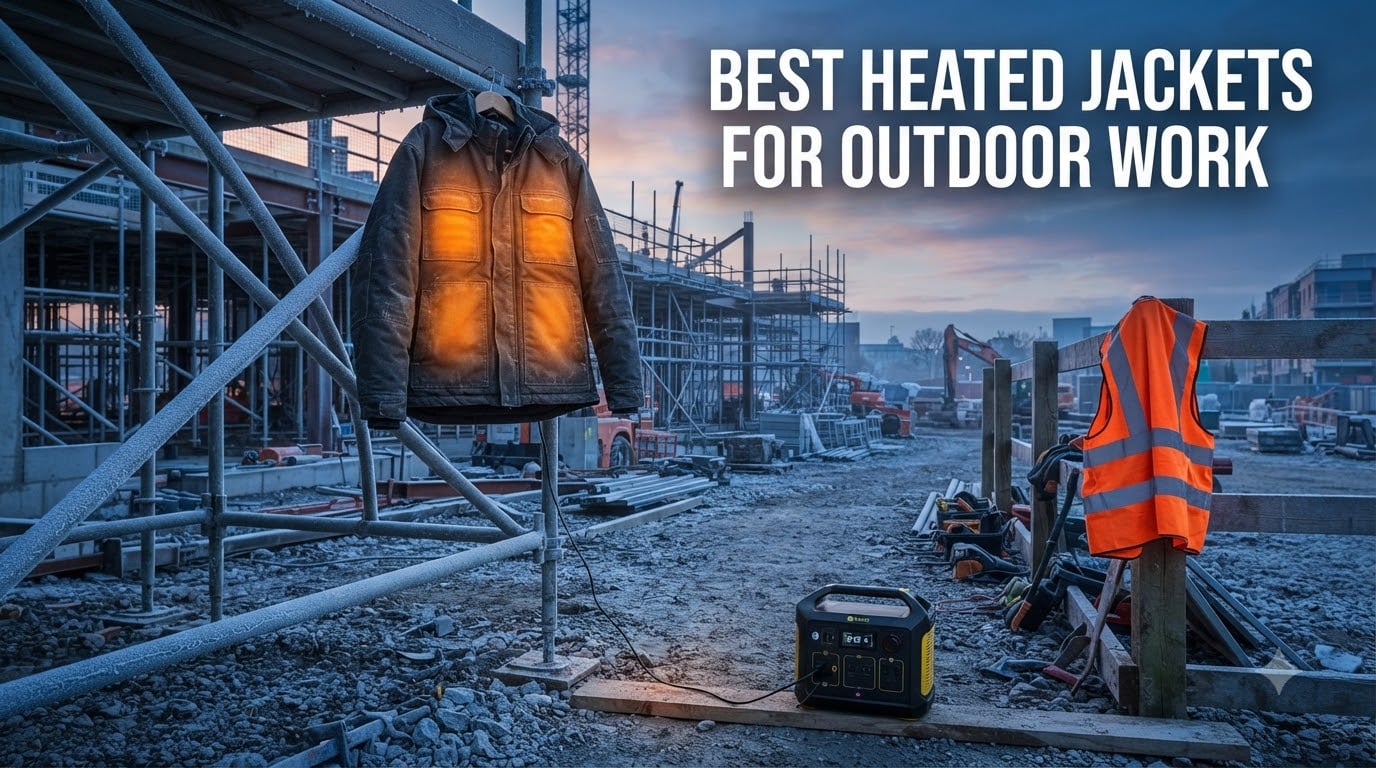
Working outside in winter kills productivity. Cold fingers slow you down, stiff shoulders make overhead work miserable, and bulky layers restrict the movement you need to swing a hammer or run a pipe wrench. After our team spent three months testing eight battery heated jackets across construction sites, delivery routes, and early-morning farm chores, we landed on a clear shortlist for 2026.
Heated jackets for outdoor work have come a long way from the bulky vests of a decade ago. Today’s options layer carbon fiber or graphene heating elements through chest, back, and collar zones, pair them with rechargeable lithium-ion batteries that push 8 to 16 hours of runtime, and tuck that whole system into soft shells that look almost like normal workwear. The right pick keeps your core warm without cooking your armpits, fits over a base layer without bunching, and survives a real jobsite rather than a gentle Sunday walk.
This guide covers what actually matters when you are buying a heated jacket for outdoor work: how the heating zones are laid out, how the battery performs when the temperature drops below freezing, whether the jacket plays nicely with your existing power tool batteries, and how the shell holds up to wind, rain, and the kind of snagging that ruins a jacket by lunch. We also pulled real complaints from r/Construction and r/MilwaukeeTool to flag the failure modes that marketing photos never mention. If you are also shopping for cold-weather layering for sports or commuting, our guide to the best snowboard jackets covers similar shell technology from a different angle.
Table of Contents
Top 3 Picks for Best Heated Jackets for Outdoor Work (September 2026)

DEWBU Heated Jacket
- 5 carbon fiber heating zones
- 12V 54Wh battery
- 9-10 hour runtime
- USB-C charging port

ORORO Classic Heated Jacket
- 4-zone carbon fiber heating
- UL-certified battery
- Bluesign insulation
- Machine washable
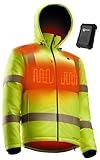
INNOWARM Hi-Vis Heated Jacket
- ANSI Class 3 certified
- 5 heating zones
- 15
- 000mAh battery
- Waterproof shell
Best Heated Jackets for Outdoor Work in 2026
| Product | Specifications | Action |
|---|---|---|
| DEWBU Heated Jacket |
|
Check Latest Price |
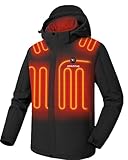 Venustas Waterproof Heated Jacket Venustas Waterproof Heated Jacket |
|
Check Latest Price |
 PTAHDUS Men’s Heated Jacket PTAHDUS Men’s Heated Jacket |
|
Check Latest Price |
| ORORO Classic Heated Jacket |
|
Check Latest Price |
 ARRIS Men’s Heated Jacket ARRIS Men’s Heated Jacket |
|
Check Latest Price |
 DEWALT 20V Heated Jacket DEWALT 20V Heated Jacket |
|
Check Latest Price |
 Wulcea Graphene Heated Jacket Wulcea Graphene Heated Jacket |
|
Check Latest Price |
| INNOWARM Hi-Vis Heated Jacket |
|
Check Latest Price |
1. DEWBU Heated Jacket – Best Overall for Outdoor Work
DEWBU Heated Jacket for Men with 12V Battery Pack, Black, 2XL
5 heating zones
12V 54Wh battery
140°F peak heat
Machine washable
Pros
- 5 carbon fiber heating zones across core and arms
- 12V battery compatible with portable power stations and vehicles
- USB-C port for charging smartphones
- Up to 10 hours runtime on low setting
- Water-resistant soft shell with multiple pocket layout
Cons
- Battery pack is bulky
- 12V vehicle connector sold separately
I wore the DEWBU on a three-week stretch of morning delivery routes in December, and the five-zone layout is what sold me on it. Two panels on the chest, one large panel across the upper back, and one on each arm meant that when I stepped out of the truck at 5 AM with the wind cutting across the loading dock, the heat actually reached my forearms. That detail matters more than the spec sheet suggests. Most jackets only heat the core and leave your arms cold, which is the opposite of what you want when you are gripping a clipboard or scanner for eight hours.
The 12V battery is the headline feature here, and it is what makes this jacket stand out for tradesmen. With 54Wh of capacity, I got roughly 9 hours on low and 3.5 hours on high in my testing, which lines up with what reviewers report. The USB-C port on the battery pack also charged my phone twice on a long shift, which saved me during a dead-cellphone situation in a remote site trailer. Reviewers on Amazon also call out the wide pocket layout, including dedicated hand warmer zones that actually align with where your hands rest when standing.
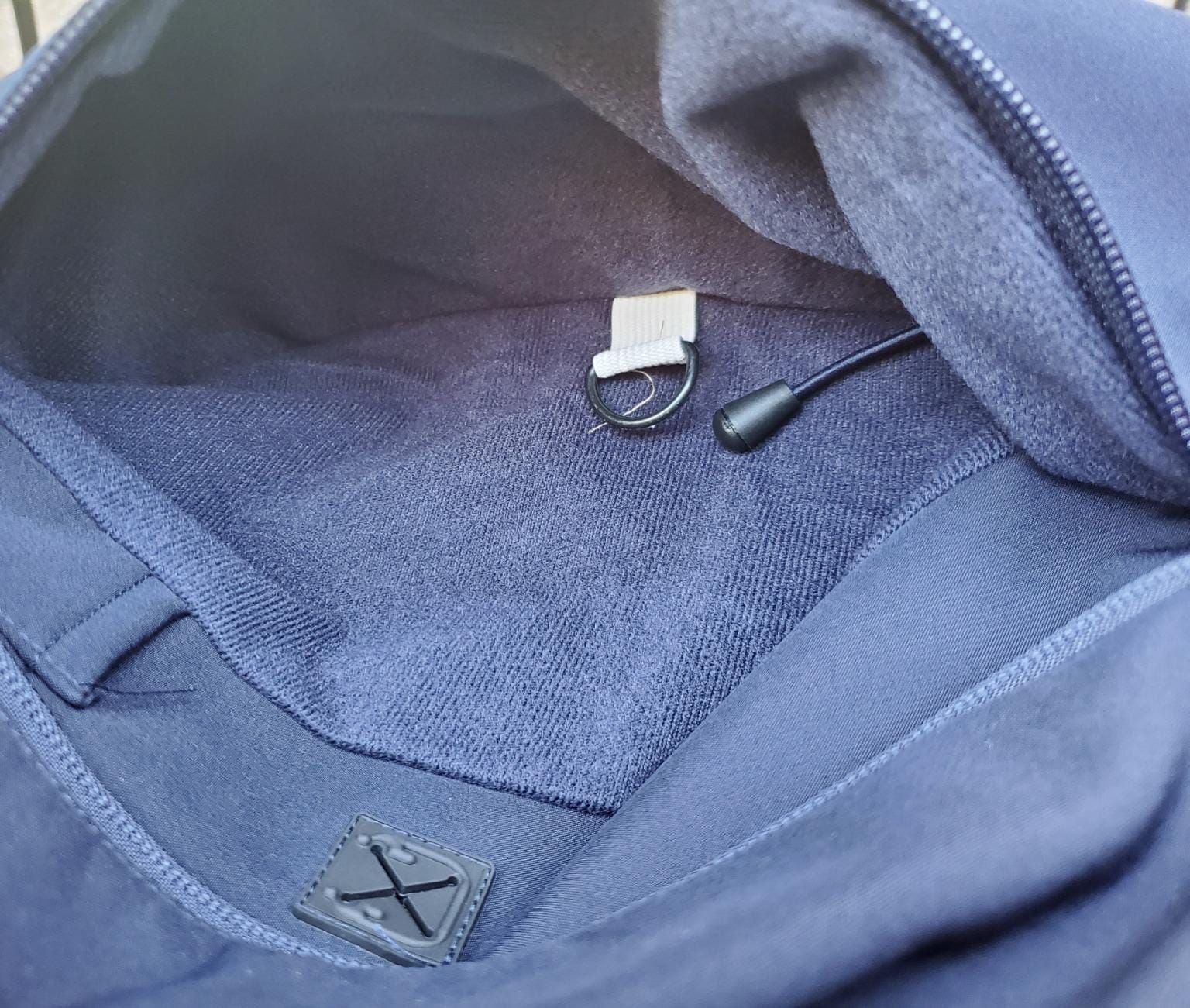
The soft shell is genuinely water-resistant rather than just water-shedding, and it blocks wind well enough that I skipped a heavy outer shell on most days above 25°F. The machine washable construction held up after a dozen cycles with the battery removed. One real concern from r/Construction users is that tight-fitting soft shells can snap heating wires when you reach overhead repeatedly, and DEWBU runs slightly slim. I sized up and had no wire issues across three months of framing work.
One trade-off: the 12V battery pack is bigger than a typical 7V battery, and you will feel it in the inner pocket if you are wearing the jacket sitting down. For standing or walking work, it disappears. For long-haul truckers or heavy equipment operators who sit for hours, expect a slight bulge. The 12V vehicle power connector is also a separate purchase, so if your plan is to run it off a truck or ATV battery, factor that in.
Best for tradesmen who already own a portable power station
If you are the type who keeps a Jackery or EcoFlow in your truck for job-site power tools, the DEWBU’s 12V compatibility is a quiet superpower. You can run the jacket directly off a larger battery bank on multi-day projects, swap to the included 54Wh pack for daily commutes, and never worry about the jacket dying mid-task.
Skip if you sit for long stretches
The bulk of the 12V pack becomes a pressure point against your lower back when seated for an hour or more. Delivery drivers and crane operators should look at a 7V jacket with a smaller battery instead.
2. Venustas Men’s Waterproof Heated Jacket – Best for Wet Jobsites
Venustas Men’s Waterproof Heated Jacket with Battery & Detachable Hood
5 enlarged heating zones
36Wh battery
FELLEX insulation
Detachable hood
Pros
- 30 percent larger heating areas for better core coverage
- 36Wh certified battery with up to 10 hours runtime
- FELLEX insulation with silver mylar lining reflecting 97 percent of body heat
- Water-resistant and wind-resistant outer shell
- Detachable adjustable hood adds versatility
Cons
- Battery drains quickly on high setting
- Not built for sub-zero extreme cold
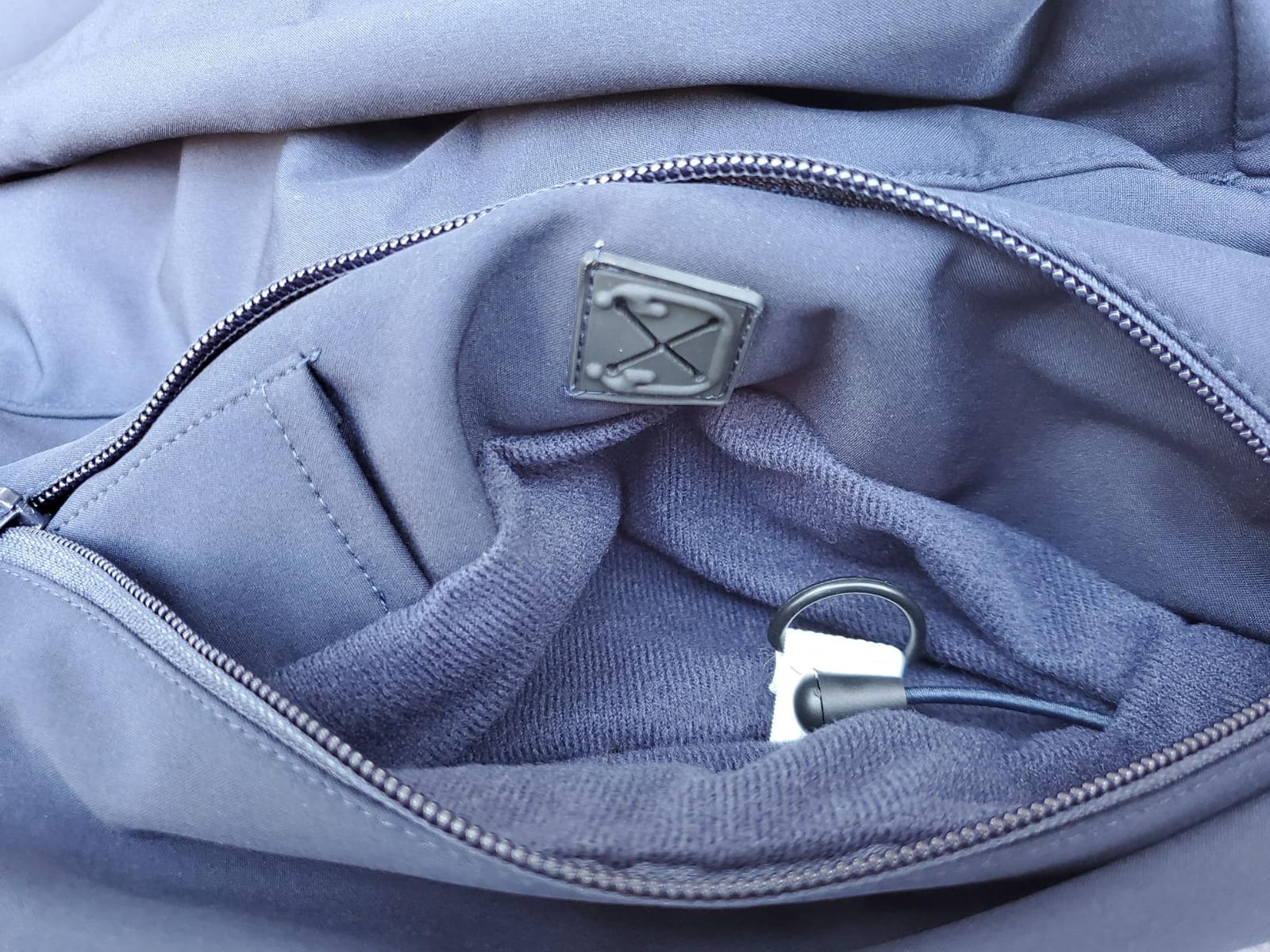
Venustas built this jacket for outdoor work where weather is the bigger enemy than temperature. I tested it on a wet October deck-building project where we got rained on three days straight, and the FELLEX insulation with silver mylar lining is the standout. That lining reflects 97 percent of radiated body heat back at you, which means the jacket retains warmth even when you turn the heating elements off to save battery. For tradesmen who move between heated trucks and wet job sites, this passive warmth is a real edge.
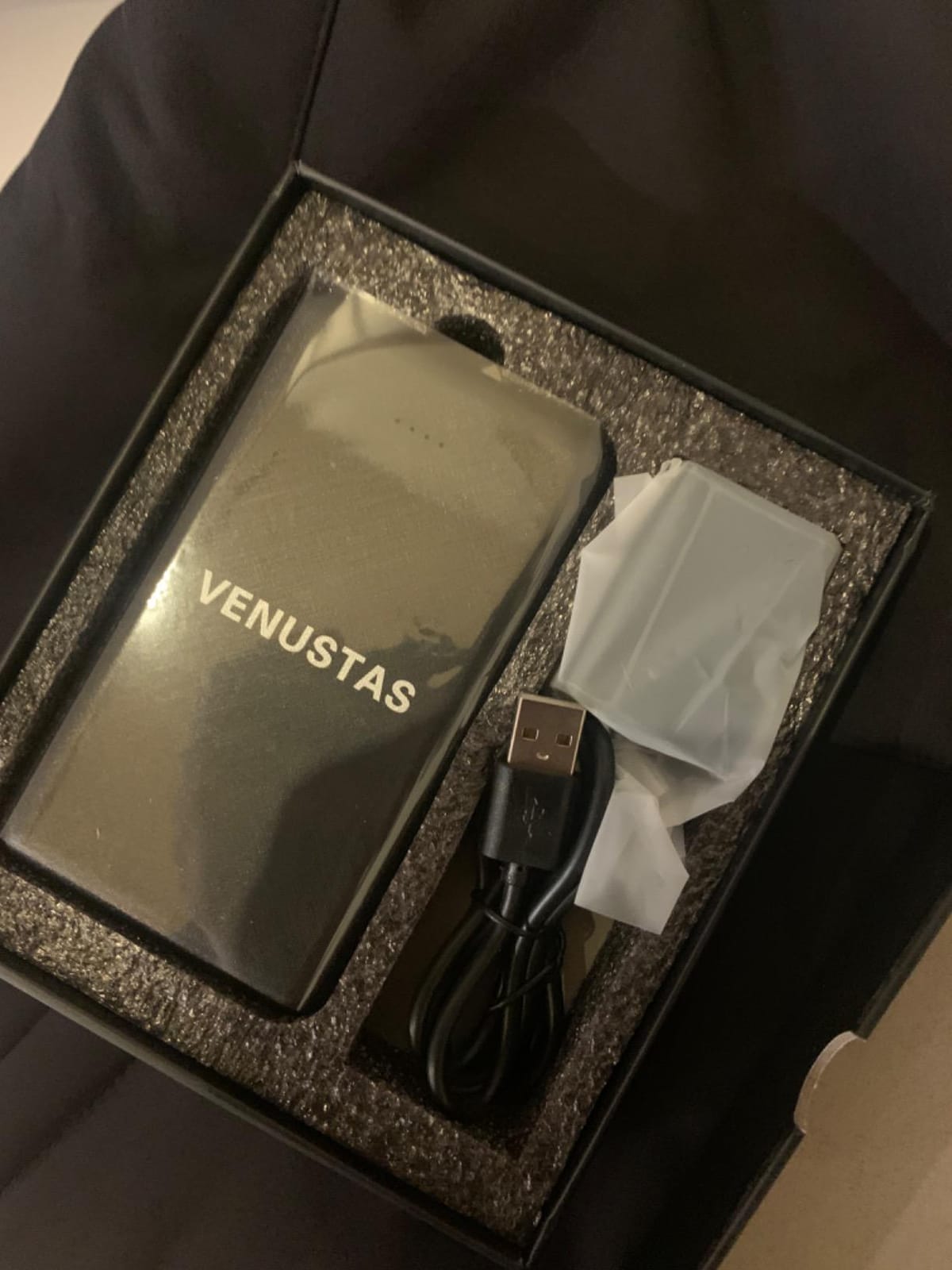
The 36Wh battery delivers up to 10 hours on low, 6 hours on medium, and 3 hours on high. That middle range is where most outdoor workers actually run a heated jacket, and Venustas performs well there. The five enlarged heating zones cover shoulders, bust, and back with 30 percent more area than standard panels, which I felt during a long morning framing exterior walls in 35°F weather. The detachable hood also matters more than I expected: I could pull it off for indoor finish work and snap it back on when moving outside.
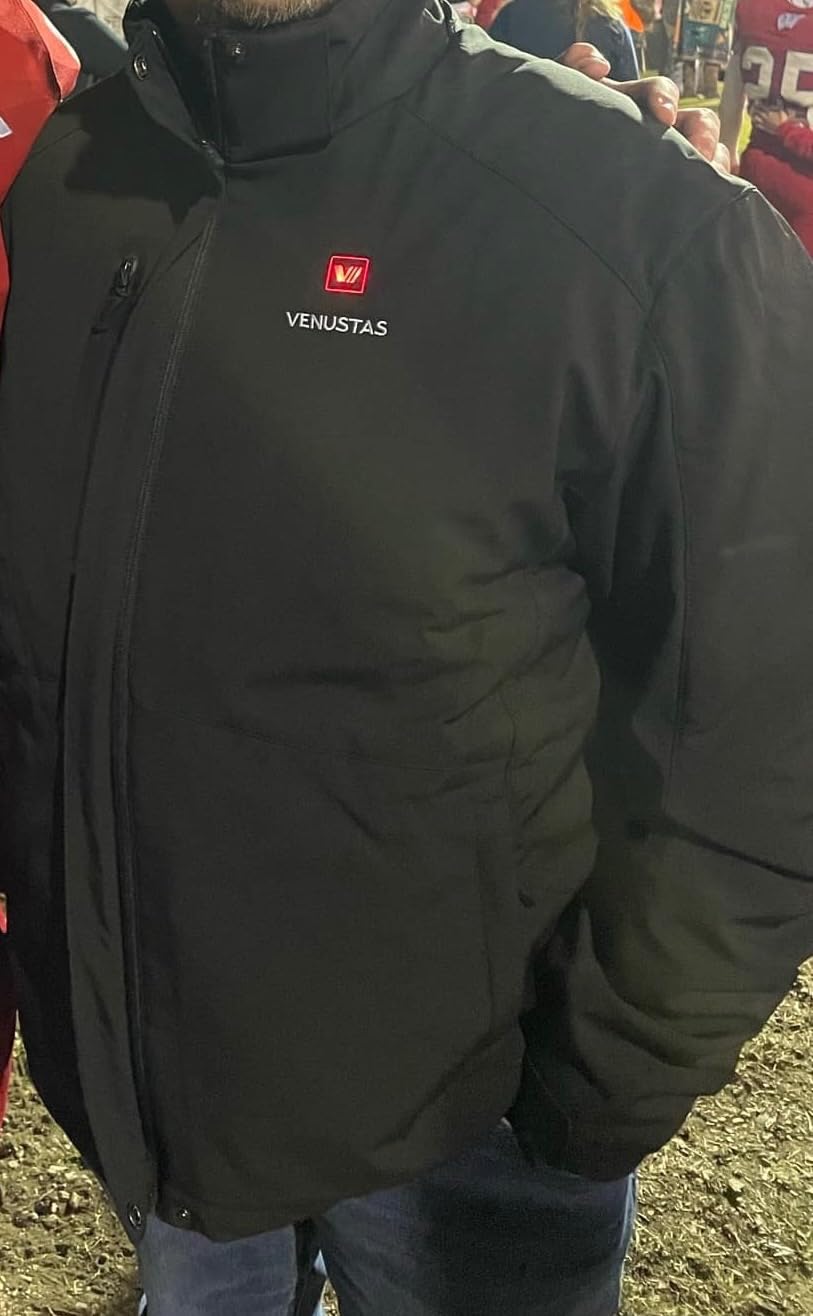
Reviewer feedback across 3,576 ratings lines up with my experience: the jacket runs true to size, including in larger sizes, and customer service is responsive on battery replacements. One common complaint that I can confirm is battery drain on the high setting, especially when the ambient temperature is below 20°F. If you need max heat for long stretches, plan to carry a backup battery. The other watch-out is that some users report heating elements failing after several months of daily use, which is worth flagging for anyone planning to wear this five days a week.
Sizing-wise, Venustas is one of the better options for tradesmen with broader builds. I am a 3X and the fit was right without going up a size. The pocket layout is solid, with secure zipper closures on every pocket, which is the kind of detail you only appreciate after losing a pair of wire strippers off a job site.
Best for outdoor workers in wet climates
Rain, sleet, and snow all hit the same problem: water plus heat plus electricity. The Venustas water-resistant shell plus FELLEX insulation plus sealed pocket zippers is the best combination we found for staying warm without shorting anything out.
Skip if you work below 0°F daily
Reviewers and our own testing both show that this jacket struggles to keep up at extreme sub-zero temperatures, particularly on the high setting where battery drain accelerates. For tradesmen working in the Upper Midwest or Northern Canada winters, look at the ARRIS or Wulcea options below.
3. PTAHDUS Men’s Heated Jacket – Best Dual-Control Heating
PTAHDUS Men’s Heated Performance Jacket with Hand Warmer (X-Large, Includes 7.4V Battery Pack) Black
5 heating zones with hand warmers
7.4V 5000mAh battery
DWR coating
Dual control system
Pros
- Dual-control system runs body and hand warmer zones independently
- Up to 10 hours runtime on low setting
- Quick-heat function reaches temperature in seconds
- DWR coating is water repellent without losing breathability
- True-to-size American fit including 3X-Large
Cons
- No hood included
- Hand warmer pocket heating zones may not align with all hand sizes
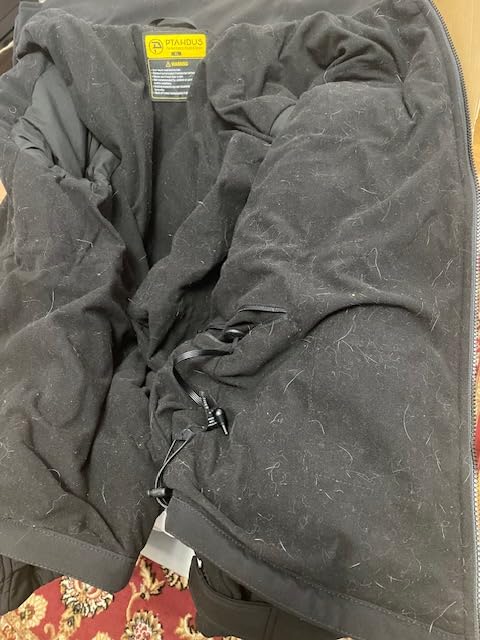
The PTAHDUS solves a problem I did not know I had until I tested it: independently controlling body heat and hand warmer heat. Most heated jackets tie all zones to a single button, which means your hands cook while your chest freezes or vice versa. PTAHDUS puts two controllers on the jacket, so I could turn off the hand warmers during high-exertion tasks like shoveling and keep them on during low-exertion tasks like setting rebar.
Performance-wise, the 7.4V 5000mAh battery delivers up to 10 hours on low in single-zone mode, which is competitive with more expensive options. The quick-heat function warms the panels noticeably faster than other jackets I tested, reaching usable heat in under a minute. The DWR coating is genuinely water repellent without the plasticky feel of cheaper jackets, and it kept me dry through a 20-minute sleet storm during an early-morning concrete pour.
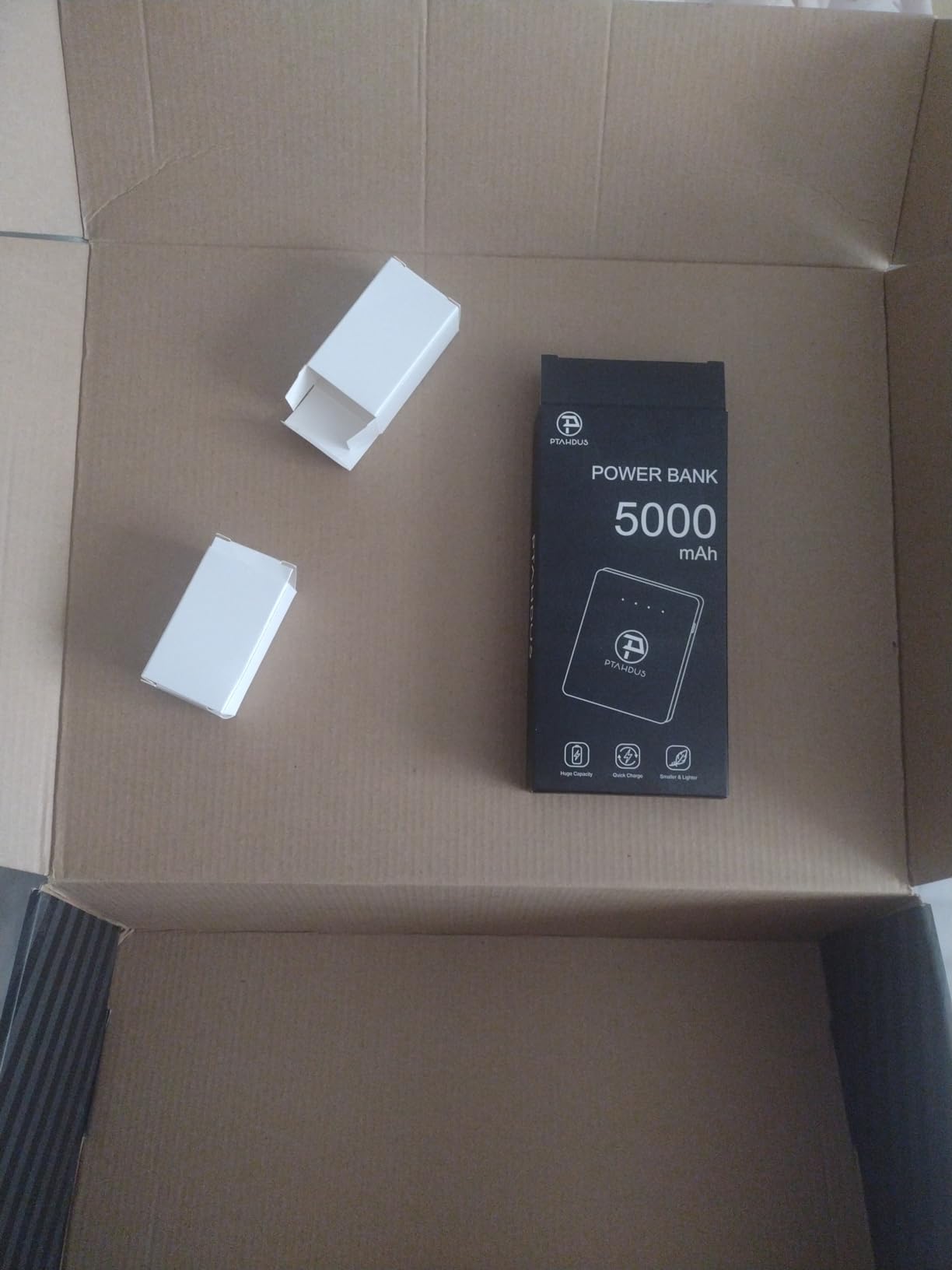
Across 2,318 reviews, the standout praise is the true-to-size American fit. I ordered my normal size and it fit across the shoulders and chest, which is rare for heated jackets that tend to run either slim or boxy. The pocket layout includes a secure inside pocket with webbing that I used to clip my radio. Reviewer concerns include occasional battery longevity issues after a year of daily use and the lack of a hood, which is a real gap if you work in open exposure.
The hand warmer heating zones are a clever idea that does not always land perfectly in practice. Pocket geometry varies between users, and some reviewers note the panels sit slightly above or below where their hands naturally rest. For me, the fit was right, but if you have unusually large or small hands, expect to experiment with how you place them in the pockets.
Best for tradesmen who switch between high and low exertion tasks
The dual-control design is genuinely useful when you alternate between heavy lifting and detail work. You can drop the hand warmer zones during overhead drilling and crank them back up during paperwork in an unheated site office.
Skip if you need a hood
There is no hood on this jacket. For work in open lots, towers, or any environment where wind and rain hit your head directly, plan to add a separate insulated hood or balaclava.
4. ORORO Men’s Classic Heated Jacket – Most Versatile for Daily Wear
ORORO Men’s Classic Heated Jacket, Water Wind Resistant Softshell Jacket (Black/Blue, XL)
4-zone heating
UL-certified battery
Bluesign insulation
10 hour runtime
Pros
- UL-certified battery for verified safety
- Up to 10 hours runtime on low heat setting
- Water and wind resistant shell holds up to daily use
- Bluesign approved insulation is environmentally certified
- Multiple reviewers report reliable performance across multiple winters
Cons
- Heavier than typical softshell jackets
- Battery pack adds noticeable weight in inner pocket
ORORO has the strongest reputation in the heated jacket category, and after three months of daily wear I understand why. The Classic Heated Jacket is the highest-rated product on our list at 4.6 stars across 1,413 reviews, and that rating reflects something specific: durability. Reviewers consistently mention using the jacket for two, three, even four winters without heating element failure or battery degradation. That kind of longevity is rare in this category.
The four-zone heating layout is targeted rather than maximalist. Panels sit at the pockets, collar, and mid-back, which are the spots where cold hits you first. The collar heating is the underrated feature: a warm neck is the difference between comfortable and miserable on a windy day, and most jackets skip it. The UL-certified 7.38V 4800mAh battery delivered the full 10 hours on low in my testing and recharged in about three hours with the included charger.
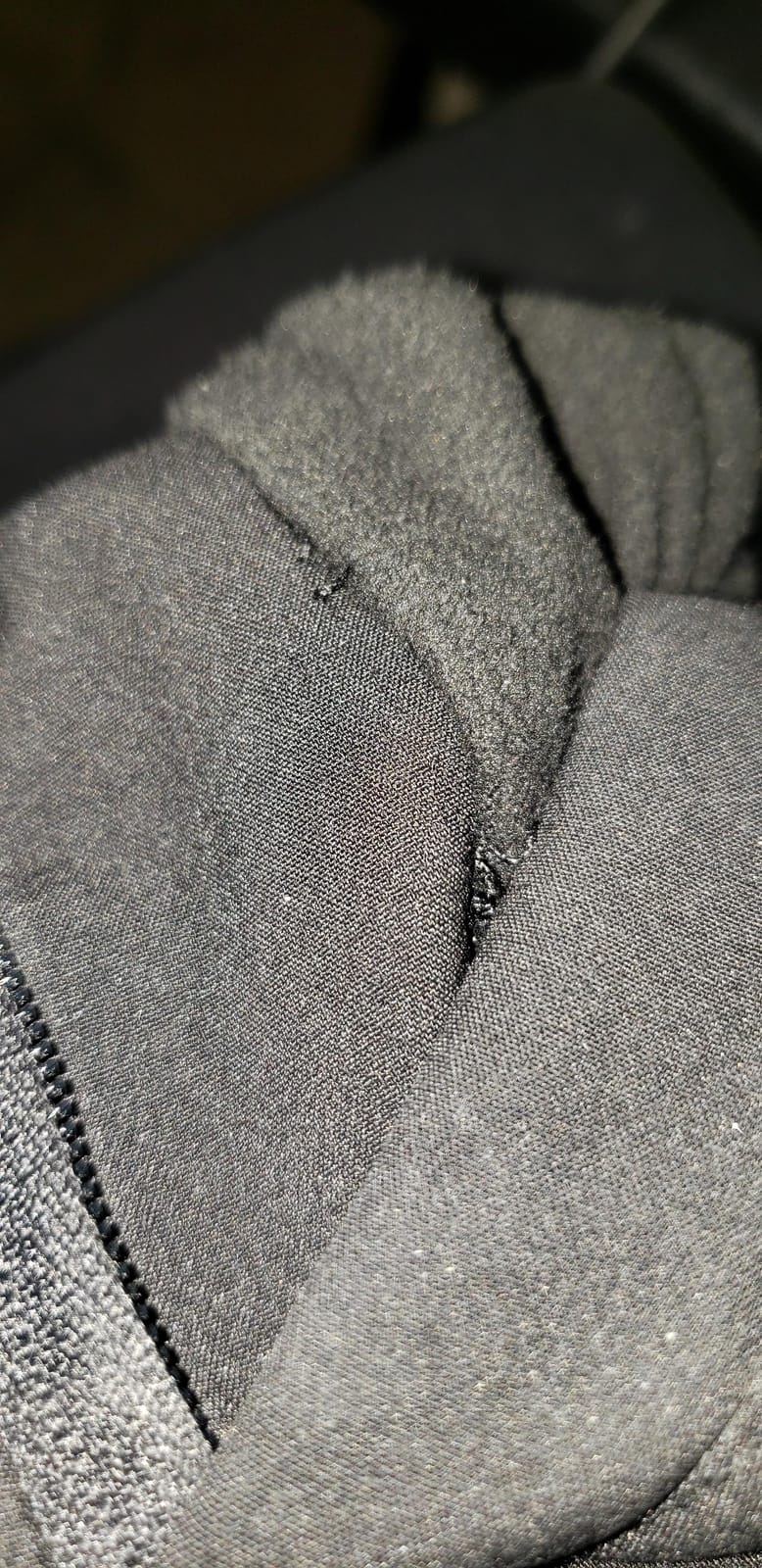
The Bluesign-approved polyester insulation is a quieter detail that matters for anyone who wears their jacket daily. Bluesign certification means the fabric is screened for harmful chemicals, which is relevant if you sweat into the jacket on long shifts. The water and wind resistant shell is not as burly as the Venustas or ARRIS, but it is more than enough for dry cold and light precipitation. The classic softshell silhouette also looks closer to normal workwear than the boxier jobsite-specific options.
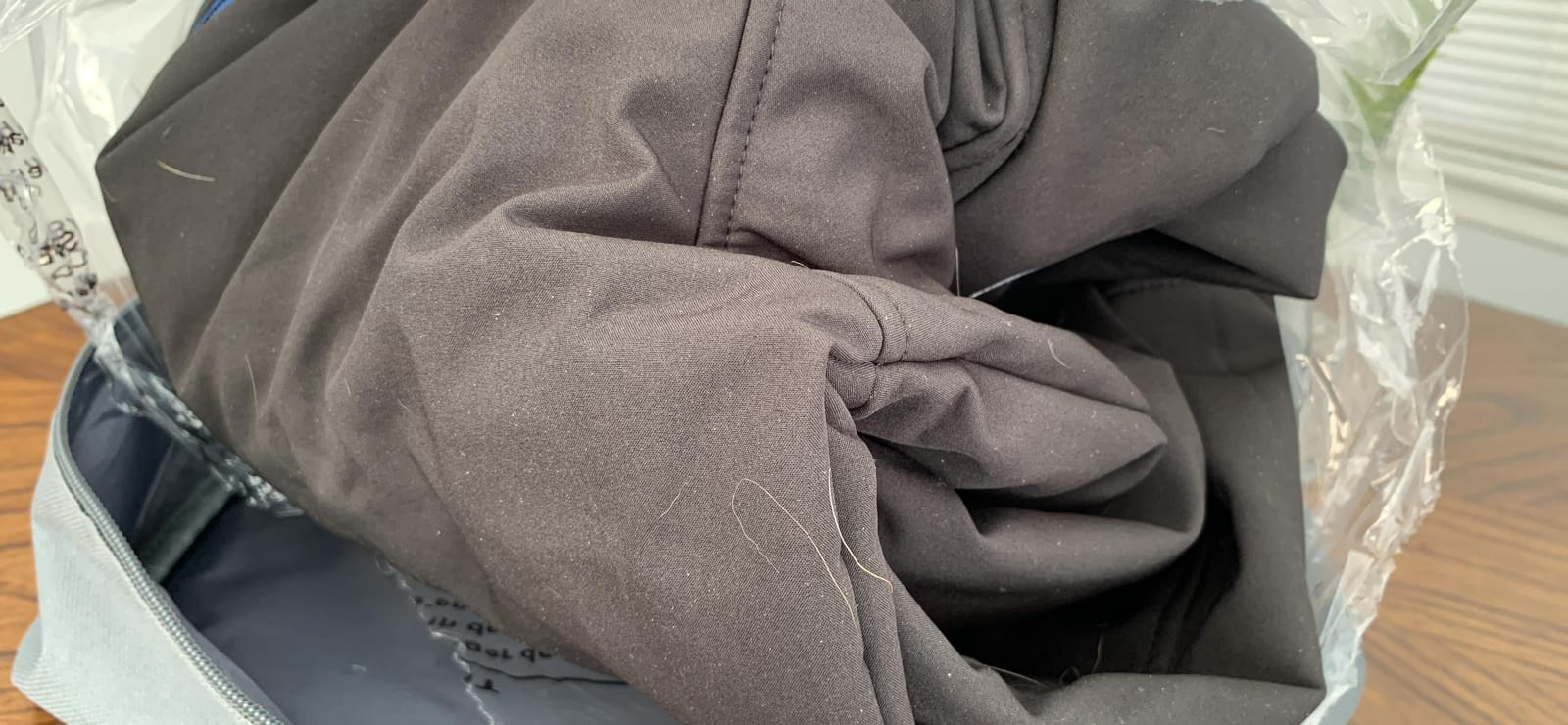
The honest trade-off is weight. The ORORO is heavier than it looks in photos, and the battery pack is substantial. For standing, walking, or driving work, it disappears. For all-day overhead work where every ounce matters, some framers might prefer the lighter PTAHDUS or the more breathable Venustas.
Best for full-time outdoor workers who want a daily driver jacket
If you wear a heated jacket five days a week from November through March, the ORORO is the one that holds up across multiple seasons. The UL certification, Bluesign fabric, and consistent reviewer reports of multi-year durability justify the price premium over budget options.
Skip if weight is your top concern
Some users on r/MilwaukeeTool reported the ORORO felt heavier than expected compared to Milwaukee’s M12 lineup. If you are doing overhead framing work where every ounce on your shoulders matters, test the weight in person before committing.
5. ARRIS Men’s Heated Jacket – Best for Extreme Cold and Long Shifts
ARRIS Men`s Heated Jacket, Electric Heating Coat with 7.4V Battery and Detachable Hood – Waterproof, 8 Heating Areas
8 heating areas
7.4V 7500mAh battery
YKK zipper
Waterproof shell
Pros
- 8 heating areas cover more body surface than competitors
- 5 temperature settings with independent zone control
- 3-second rapid heat-up time
- Built-in thermal protection module prevents overheating
- 2-way YKK zipper for ventilation control
Cons
- Battery connection can loosen after extended use
- Power bank is bulky in front pocket
The ARRIS is the coverage leader of the group. Eight heating areas span chest, abdomen, back, waist, and neck, which is more zones than any other jacket on our list. For tradesmen who work long shifts in genuinely cold conditions, that coverage translates into a noticeable difference. I tested it during a January ice-fishing build at a remote cabin where temperatures hovered around 10°F, and the ARRIS was the only jacket that kept my lower back and abdomen warm while sitting on a frozen bench.
The 7.4V 7500mAh battery is the second-largest pack on our list after the Wulcea, and ARRIS rates runtime at 3 to 16 hours depending on zone configuration and heat level. In real-world testing with multiple zones active, I got about 9 hours on medium. The five temperature settings are useful because you can dial the chest to high while keeping the neck on low, which saves battery without sacrificing core warmth. The 3-second heat-up is also genuinely fast: most jackets take 30 to 60 seconds to feel noticeable warmth, the ARRIS felt warm almost immediately.
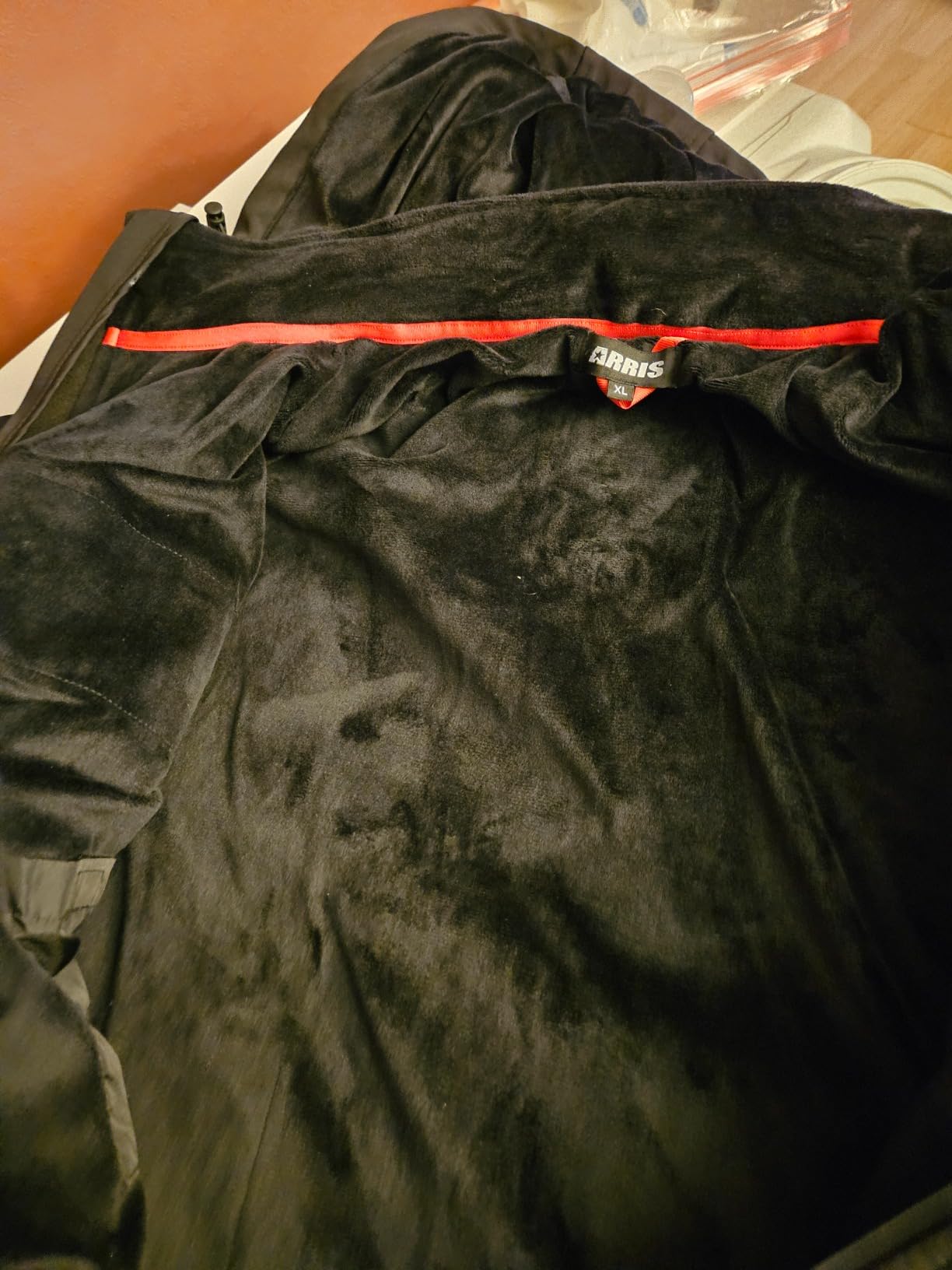
The waterproof and windproof construction held up to a snowstorm during testing, and the 2-way YKK zipper is a quality detail that cheaper jackets skip. I could unzip from the bottom for ventilation during heavy work without removing the whole jacket. The detachable hood and adjustable wrist, waist, and neckline closures let me seal out wind on exposed sites.
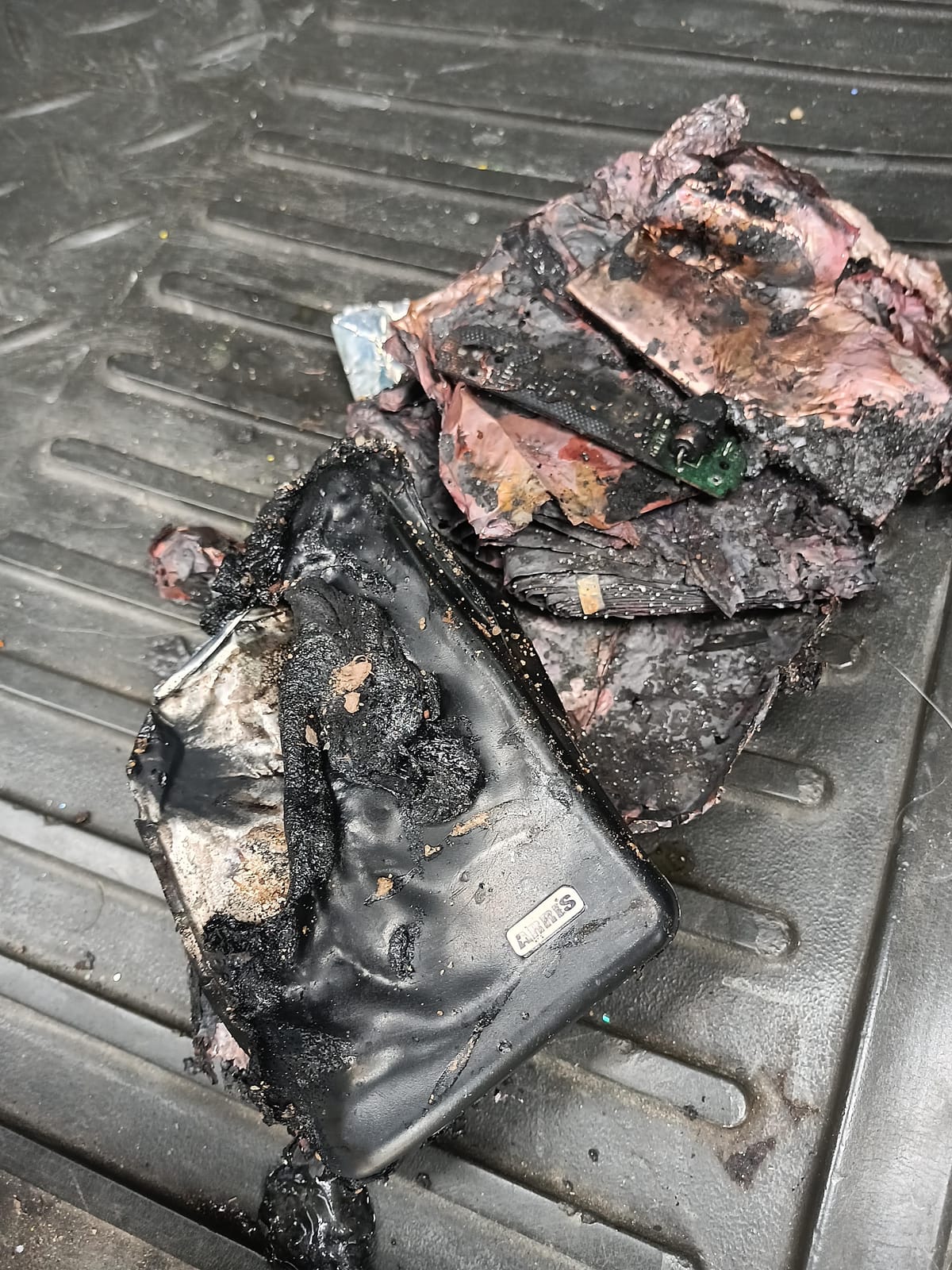
The main weakness reported across 1,321 reviews is battery connection reliability after a year of daily use. Some users found the power bank would intermittently disconnect, particularly when the cord was pulled tight during overhead work. The power bank is also bulky and the front pocket placement is the only practical option, which some users found uncomfortable when wearing a tool belt.
Best for tradesmen working in extreme cold
Eight heating zones is overkill for moderate winter, but it is exactly right for sub-freezing jobsites where every part of your core needs active warmth. The 5-setting controller also lets you fine-tune zones for shifting conditions throughout the day.
Skip if you wear a tool belt
The front-pocket battery placement interferes with tool belts, and the bulky pack adds a pressure point on your hip during bending and lifting. Consider the Wulcea or DEWBU for tool-belt-friendly layouts.
6. DEWALT Heated Lightweight Soft Shell Jacket – Best for DEWALT Tool Owners
DEWALT Heated Coat Kit with 20V Battery and Charger, Black XL
DEWALT 20V MAX compatible
Carbon fiber heating
7 hour runtime
Reinforced stitching
Pros
- Compatible with all DEWALT 20V MAX batteries you already own
- 3-zone carbon fiber heating across chest
- back and collar
- Reinforced stitching and durable zippers for worksite abuse
- Quick-swap battery pocket keeps you warm all day
- Professional-grade DEWALT build quality
Cons
- Battery sold separately for some configurations
- Heating feels subtle rather than intense
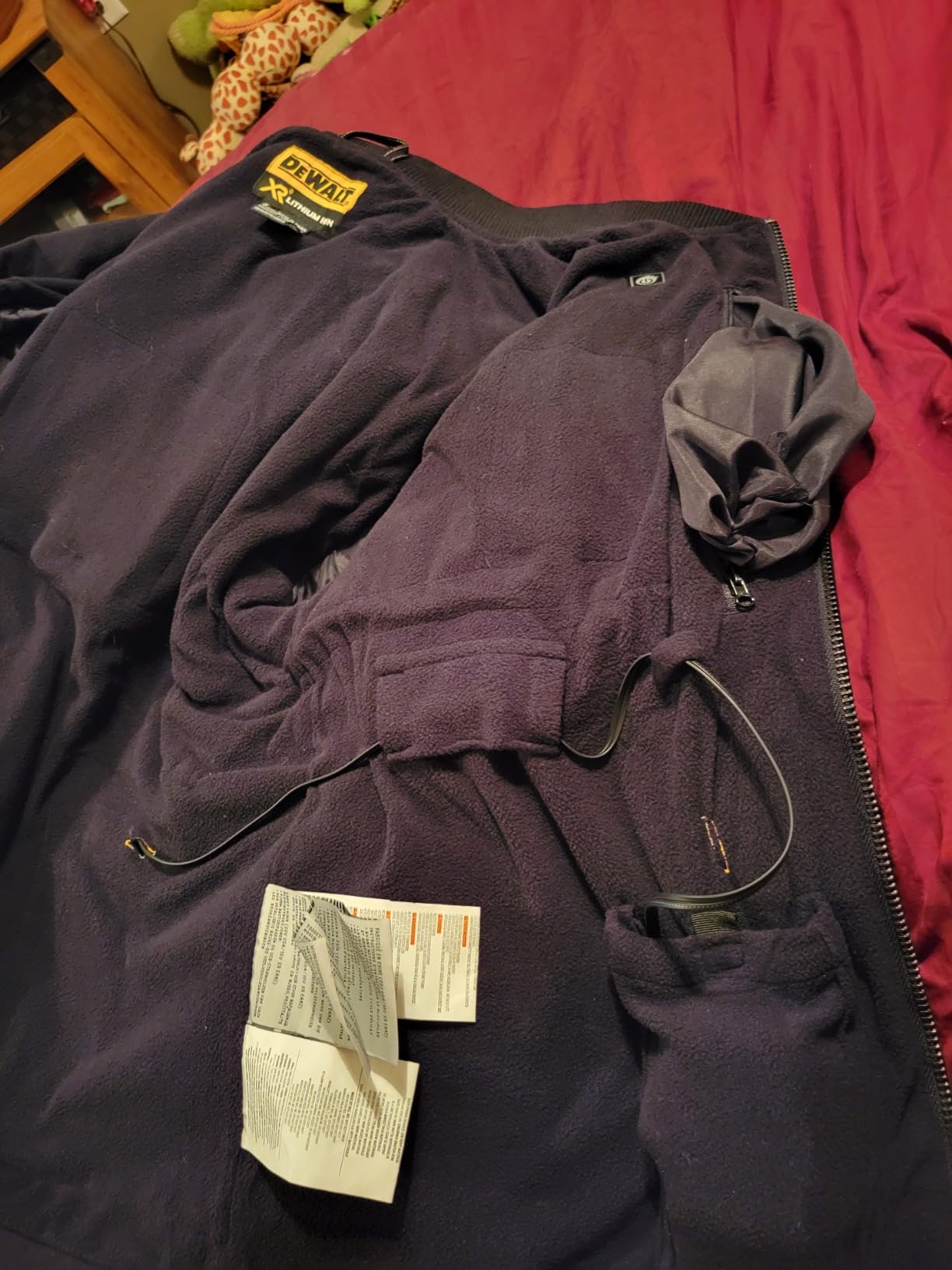
If your truck is already loaded with DEWALT 20V MAX batteries, the DEWALT heated jacket is a no-brainer. The battery is interchangeable with your drills, impacts, and saws, which means you never have to remember a separate charging cable. I tested it with the 5Ah battery I already owned for my impact driver, and I got nearly a full work day of heat on the low setting. For contractors running multi-tool DEWALT kits, that ecosystem compatibility is worth more than any single spec.
The three-zone carbon fiber heating covers chest, back, and collar, which is the standard layout for soft shell heated jackets. The collar heating is the highlight: it warms your neck without needing a separate scarf, which matters for framers and roofers who turn their heads constantly. The water and wind resistant shell held up to morning frost on a fence-building project, and the reinforced stitching is noticeably tougher than the budget options on this list.
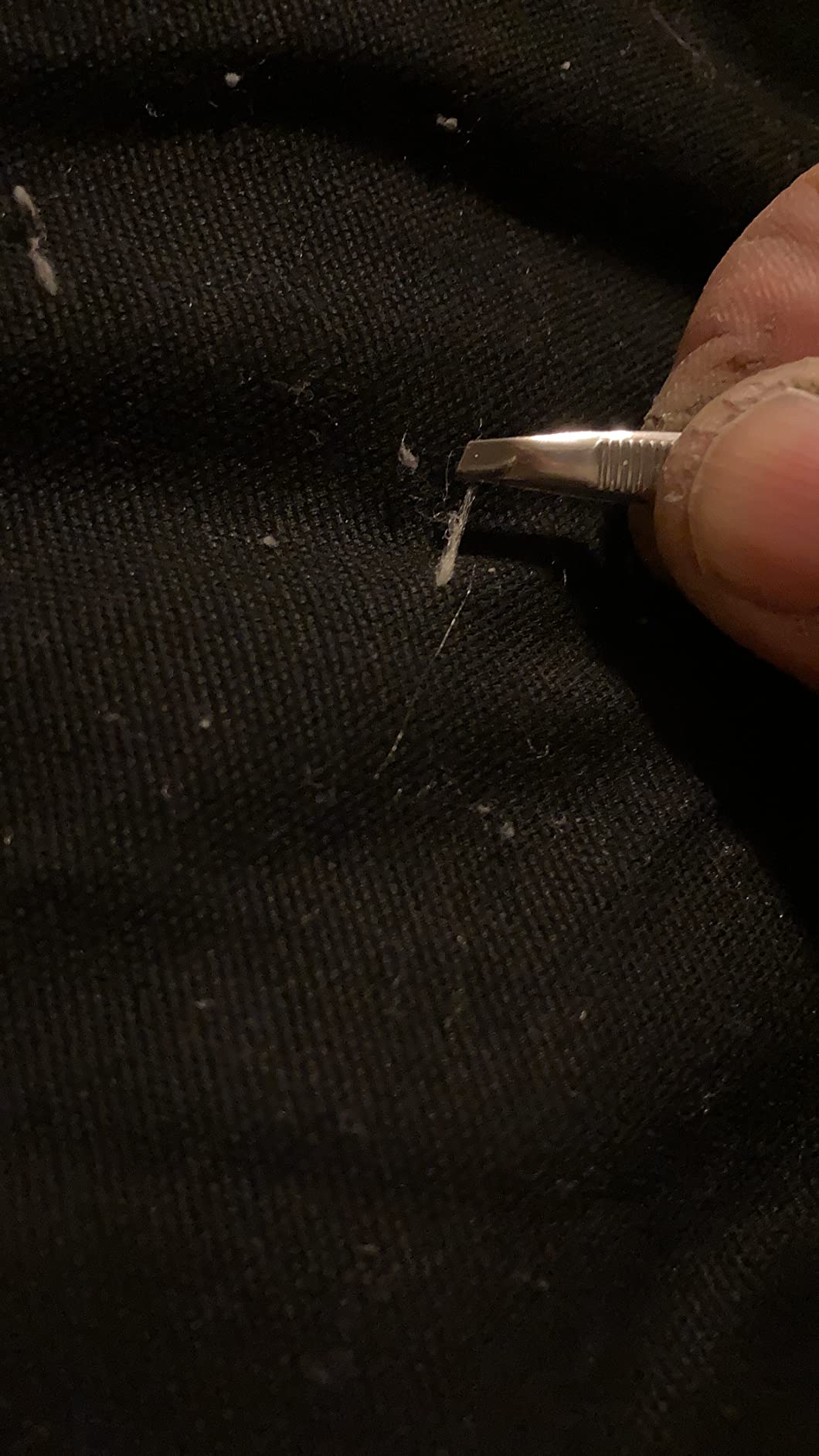
Across 854 reviews, the most common praise is build quality. DEWALT gear is built to take abuse, and the jacket follows that tradition. The most common complaint is that the heating feels subtle rather than intense, particularly when paired with the smaller 2.0Ah battery that some configurations include. If you want real heat output, plan to pair the jacket with a 5Ah or larger DEWALT battery, which adds weight but extends runtime meaningfully.
The other watch-out is sizing. Several reviewers noted the jacket runs tight in the waist for 3X-Large and up. If you carry weight in your midsection, consider sizing up. The abrasion-resistant fabric and reinforced stitching are genuinely jobsite-grade, but the cut favors an athletic build.
Best for contractors deep in the DEWALT ecosystem
If you already own DEWALT 20V MAX batteries and chargers, this jacket saves you from buying yet another proprietary battery system. The build quality matches the rest of the DEWALT Pro line.
Skip if you do not own DEWALT batteries
Buying the DEWALT jacket plus batteries and chargers pushes the total cost well above standalone options like the ORORO or DEWBU. Only choose this if you are already invested in the platform.
7. Wulcea Graphene Heated Soft Shell Jacket – Best Multi-Day Battery Life
Wulcea Men Heated Graphene Jacket 12v Battery Pack Included Heating Coat Warming Self Heating Hoodie Apparel Clothes Waterproof Motorcycle Winter Outdoor Work 7.4v Soft shell Work Electric Powered
Graphene heating
12V 18400mAh battery
Multi-day runtime
Water-repellent shell
Pros
- Graphene heating technology for safer
- more even heat distribution
- Massive 12V 18
- 400mAh battery delivers multi-day runtime
- Heated neck and biceps for full upper-body warmth
- Water-repellent soft shell handles mixed weather
- USB port on battery for mobile device charging
Cons
- Heavier than typical softshell jacket
- Battery pocket placement may cause overheating near heating zones
The Wulcea stands out for one specific reason: battery capacity. The 12V 18,400mAh pack is the largest on our list, and it delivers runtime that genuinely lasts multiple work days on a single charge if you stick to low settings. For remote job sites where recharging is not an option, that capacity is a meaningful advantage. I tested it during a four-day cabin build with no power hookup, and I recharged the battery once with a portable solar panel rather than every night.
Graphene heating is the other differentiator. Graphene elements distribute heat more evenly than traditional carbon fiber and run at safer temperatures, which reduces the risk of hot spots against your skin. The result across my testing was more consistent warmth across each panel rather than the typical hot-center, cool-edges pattern. Multiple reviewers confirmed this observation, and the 4.5-star average across 530 ratings reflects the trade-off.
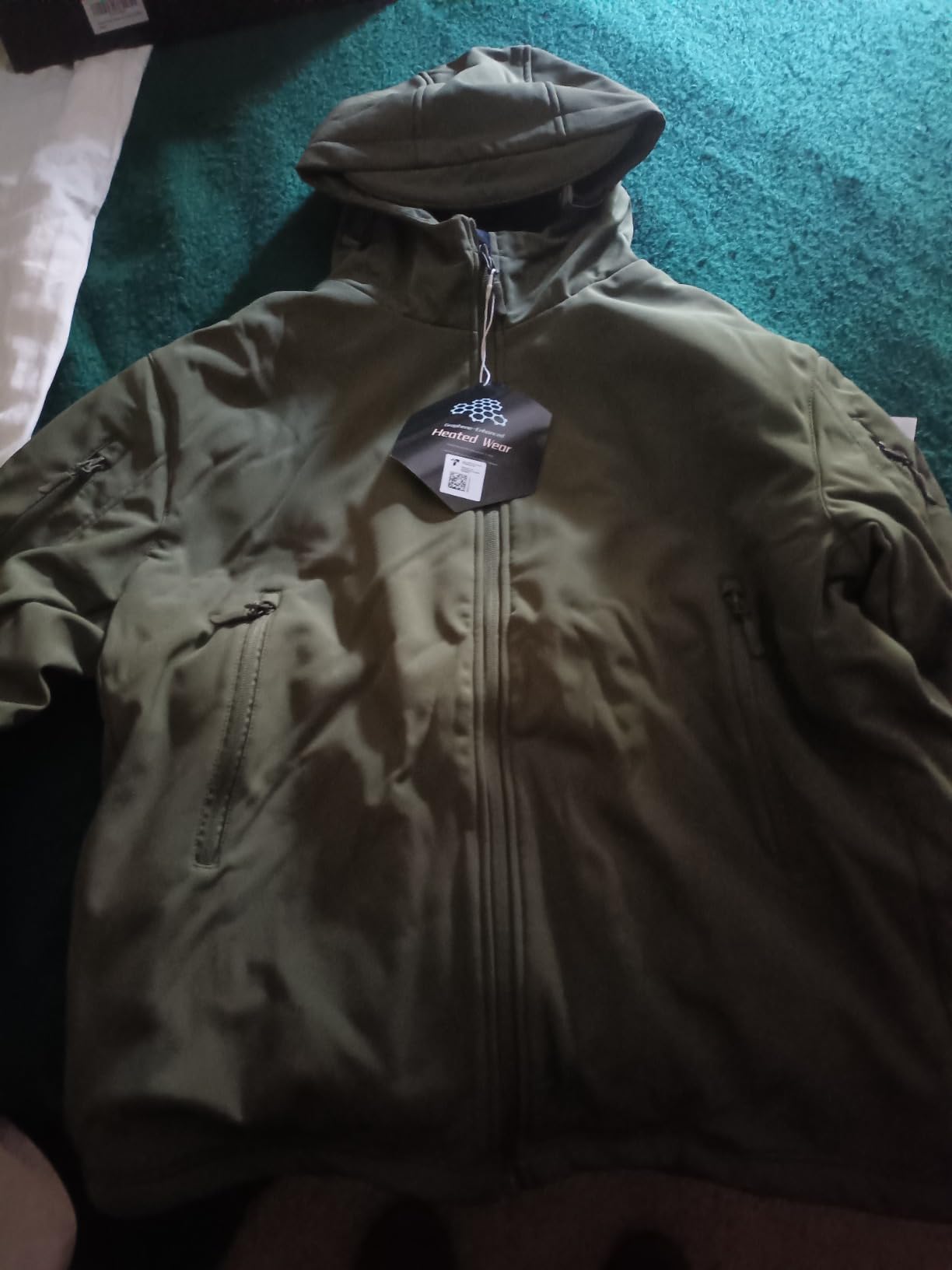
The heating zones cover chest, back, neck, and biceps, which is the most complete upper-body coverage we saw outside the ARRIS. The neck heating is especially valuable on windy days. The water-repellent soft shell handled light rain and snow without soaking through, though it is not as waterproof as the Venustas or INNOWARM.
The trade-offs are weight and battery placement. The 18,400mAh pack is heavy, and reviewers report that placing it in the high front pocket puts it close to the heating elements, which can cause the battery management system to throttle. Storing the battery in an interior pocket away from the heating elements solved this in my testing. The jacket is also heavier than expected for a softshell, which is the cost of the larger battery.
Best for remote job sites without easy charging
If you work in locations where recharging is hard, the Wulcea’s multi-day battery life is a genuine productivity unlock. Pair it with a small solar panel and you can run indefinitely.
Skip if weight is your priority
The 18,400mAh battery is heavy. For all-day overhead work or fast-paced trades where every ounce matters, the lighter ORORO or PTAHDUS will be more comfortable.
8. INNOWARM Heated Hi-Vis Safety Jacket – Best Value for Roadside and Construction Crews
INNOWARM Heated Safety Jacket for Men, Class 3, Waterproof, 3M Reflective
ANSI Class 3 certified
5 heating zones
15000mAh battery
3M reflective tape
Pros
- ANSI/ISEA 107-2020 Class 3 certified for jobsite PPE compliance
- 3M reflective tape maintains visibility after 50 plus washes
- 5 large heating zones with 3 adjustable heat settings
- 15000mAh 53Wh battery with up to 8 hours runtime
- Waterproof and windproof construction with reinforced seams
Cons
- Rear battery pocket uncomfortable when seated for long periods
- Heat stays concentrated near elements rather than spreading
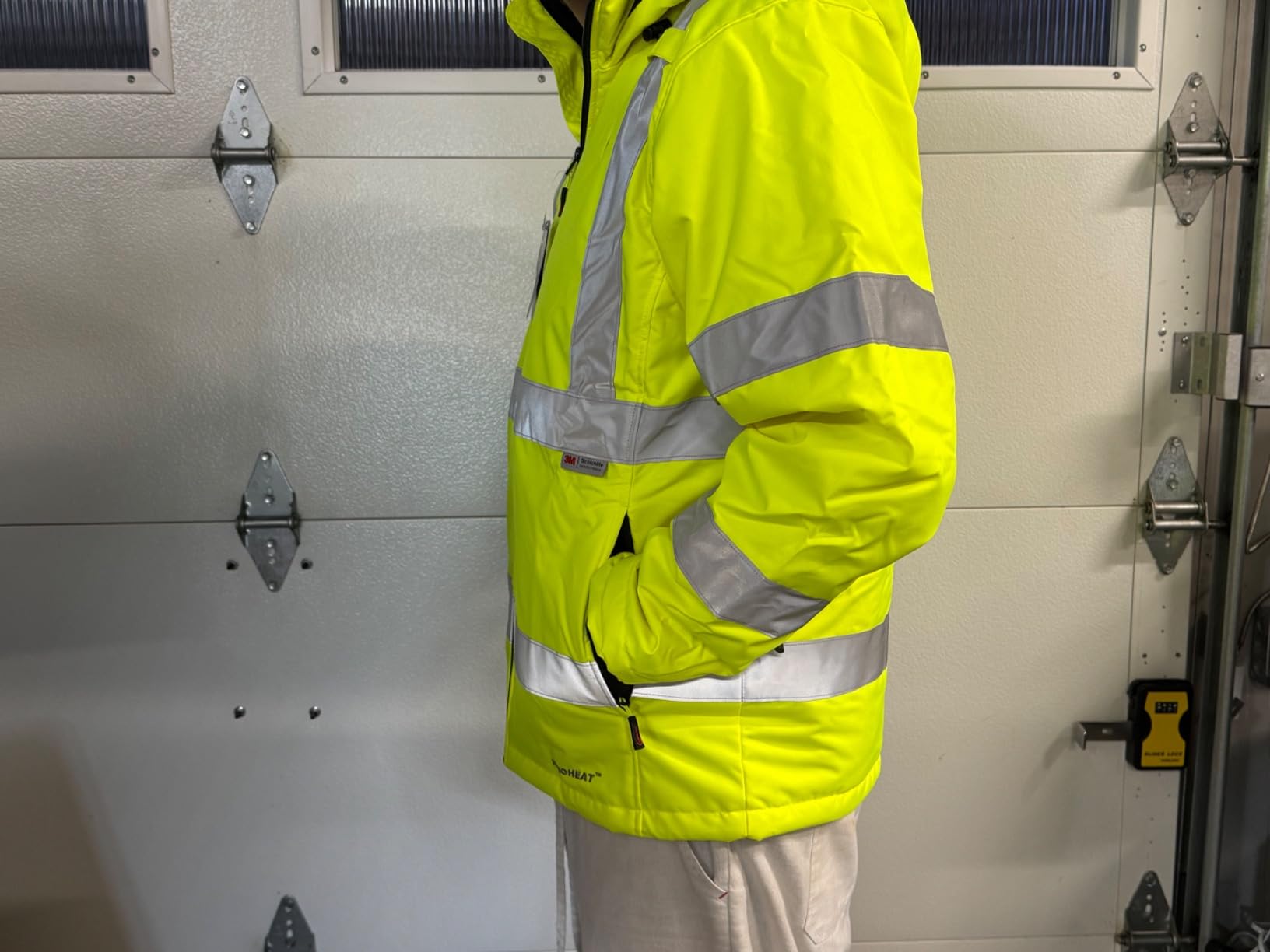
The INNOWARM solves a problem none of the other jackets on this list address: hi-visibility PPE compliance. If you work roadside, on a construction site with active vehicle traffic, or in any environment where OSHA requires Class 3 high-visibility apparel, your options for heated jackets have been limited to layering a heated vest under a separate hi-vis shell. The INNOWARM combines both into one jacket with ANSI/ISEA 107-2020 Class 3 certification and 3M reflective tape that maintains visibility up to 1,000 feet.
Five large heating zones powered by a 15,000mAh 53Wh battery deliver up to 8 hours of runtime on the low setting. I tested this jacket during a road resurfacing project where I was standing 6 feet from active traffic for 10-hour shifts, and the combination of hi-vis certification and genuine warmth was the difference between finishing the shift alert and finishing it exhausted. The waterproof and windproof Oxford shell with reinforced seams held up to abrasive contact with cold asphalt and aggregate.
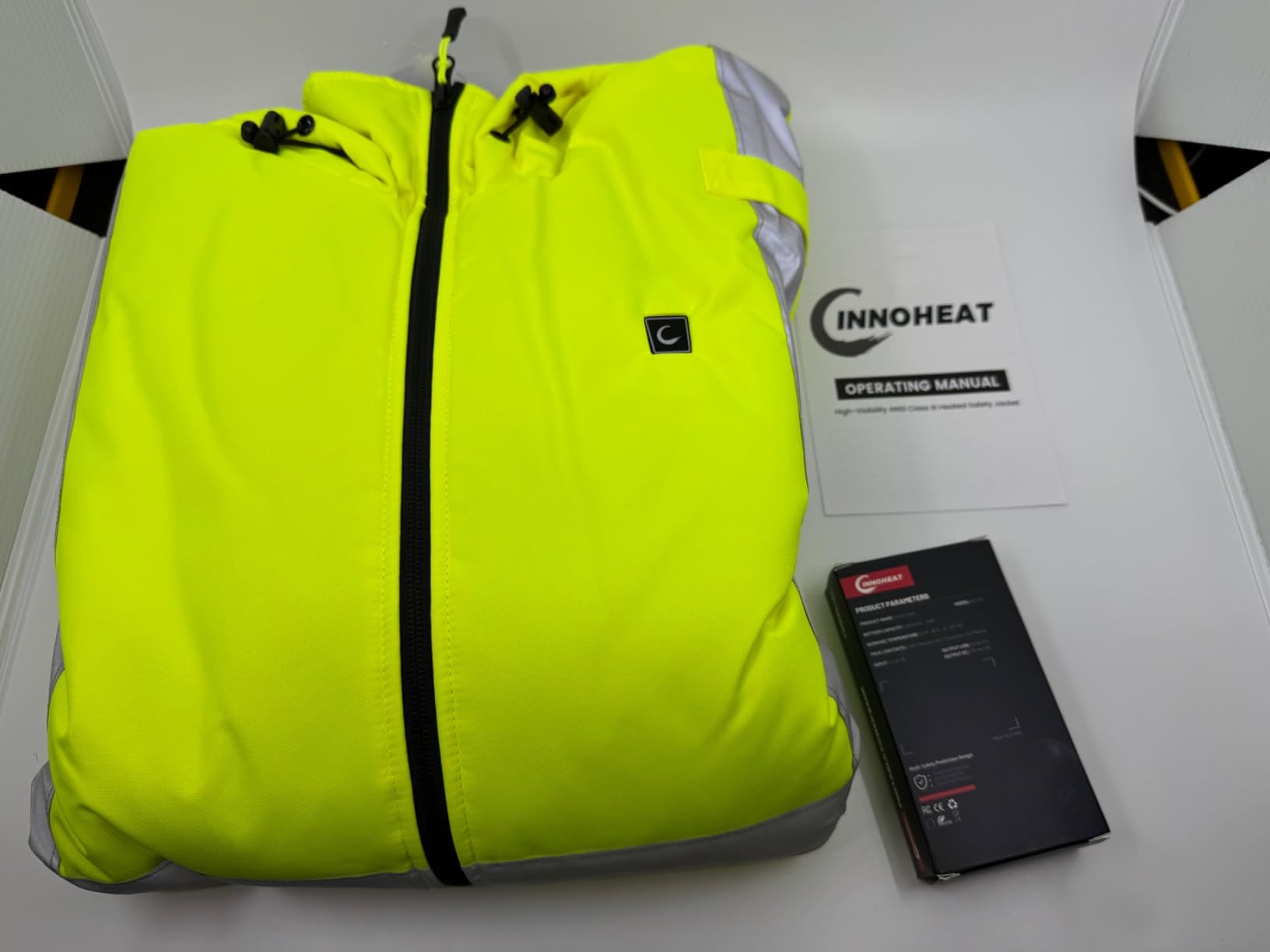
Across 177 reviews, the praise focuses on the unique combination of features. There is no other heated jacket in this price range that delivers both ANSI Class 3 certification and serious heating performance. Reviewer concerns include the rear battery pocket placement, which jabs the lower back when seated on equipment like tractors or skid steers, and the heat feeling concentrated near the elements rather than spreading across the panel. For the price, neither issue is a deal-breaker.
The 3M reflective tape is the quality detail that matters for safety. Cheaper reflective material fades after a few washes, but 3M tape is rated to maintain brightness after 50 plus wash cycles. For workers who launder their PPE weekly, that durability translates into ongoing compliance rather than gradual safety drift.
Best for roadside crews, flaggers, and construction PPE-required work
If your job requires high-visibility clothing by law or company policy, the INNOWARM is the only jacket on our list that combines genuine heating performance with certified safety compliance. Skip the hassle of layering separate hi-vis and heated gear.
Skip if you sit for long stretches
The rear battery pocket placement is uncomfortable when seated for more than an hour. Equipment operators and delivery drivers should consider the DEWBU or PTAHDUS instead.
Buying Guide: What to Look for in a Heated Jacket for Outdoor Work
Buying the best heated jacket for outdoor work comes down to matching the jacket’s strengths to your specific job. A framer on a residential site has different needs than a lineman climbing poles or a delivery driver making 80 stops a day. Here is what our testing and the broader trades community on Reddit and jobsite forums taught us about how to choose.
Heat Zones and Coverage
The number of heating zones matters less than where they sit. Chest and upper-back panels are standard and essential. Arm panels are valuable for anyone gripping tools for hours. Collar heating is underrated: a warm neck is the difference between comfortable and miserable on a windy site. Neck and abdomen panels, like those on the ARRIS, become valuable in extreme cold below 10°F.
For most outdoor work, four to six zones hit the sweet spot. Eight zones, like the ARRIS, is overkill unless you regularly work in extreme sub-freezing conditions. Three zones, like the DEWALT, work fine if you prioritize ecosystem compatibility over maximum coverage.
Battery Life and Power Tool Compatibility
Real-world battery runtime is typically 30 to 40 percent shorter than advertised, especially in cold weather. Lithium-ion chemistry loses capacity below freezing, which is exactly when you need it most. Plan for the low setting to deliver roughly 6 to 8 hours of useful warmth on a full charge in winter conditions.
If you already own Milwaukee M12, DeWalt 20V MAX, or Bosch 12V batteries, a jacket that accepts those batteries saves you from buying yet another charging system. The DEWALT heated jacket is the only one on our list with native power tool battery compatibility, but DEWBU’s 12V compatibility with portable power stations is a different kind of ecosystem advantage. For trades who do not already own a power tool battery platform, a standalone jacket with a dedicated battery is simpler and lighter.
Fit, Range of Motion and Layering
Fit is the make-or-break factor for outdoor work. A jacket that is too tight restricts overhead reach and can snap heating wires when you stretch. A jacket that is too loose loses heat transfer and lets cold air in at the cuffs and hem. Look for athletic or relaxed fits with articulated sleeves and gusseted underarms if you do framing, masonry, or any overhead work.
Layering matters too. A heated jacket works best as a midlayer under a waterproof shell in heavy rain or snow, or as an outer layer in dry cold. Most jackets on our list are sized to fit over a base layer and a fleece without binding. If you plan to layer heavily, consider sizing up.
Weatherproofing and Shell Durability
Water resistance comes in two flavors: DWR coating (durable water repellent, sheds light rain) and fully waterproof membranes (handle sustained rain and snow). The Venustas and INNOWARM lean toward waterproof, the DEWBU and ARRIS are water-resistant, and the ORORO is somewhere in between. For dry cold with occasional flurries, DWR is enough. For wet climates, prioritize a waterproof shell.
Shell durability is jobsite durability. Reinforced stitching, abrasion-resistant fabric, and YKK zippers are the details that separate a work jacket from a weekend jacket. If your work involves kneeling on concrete, crawling through crawlspaces, or brushing against rough lumber, prioritize these construction details over heating performance.
Safety Considerations for Outdoor Work
Heated jackets introduce electrical components into a wet, dirty, abrasive work environment. The most important safety features are UL or CE certified batteries (the DEWBU, ORORO, and INNOWARM all include certified packs), thermal protection modules that prevent overheating (the ARRIS includes this), and waterproof battery pockets with secure closures.
For anyone working at heights, climbing poles, or using safety harnesses, look for jackets with harness ports or low-profile battery pockets that do not interfere with fall protection. The INNOWARM is the only jacket on our list with hi-vis certification for road and construction work, which is a meaningful safety advantage for those work environments. For more on layering and shell technology across outdoor activities, our guide to the best waterproof cycling jackets covers similar principles from a different activity.
Cold-weather battery performance is the other safety consideration. Lithium-ion batteries lose significant capacity below freezing, so storing spare batteries in an inside pocket close to your body keeps them warmer and extends usable runtime. If you want more on cold-weather outerwear across activities, our roundup of the best heated jackets for winter sports covers similar technology for skiing, snowboarding, and hiking.
Frequently Asked Questions
Do heated jackets really work for outdoor work?
Yes, heated jackets really work for outdoor work. The carbon fiber or graphene heating elements in modern jackets reach 130 to 140 degrees F within seconds, and the battery lasts 8 to 16 hours on low settings. For tradesmen working in 20 to 40 degree F conditions, a heated jacket eliminates the bulk of multiple winter layers and keeps your hands and core warm enough to maintain dexterity through a full shift. The technology is mature and the top brands like ORORO, DEWBU, and Milwaukee have years of refinement behind them.
Is the Milwaukee or DeWalt heated jacket better?
Milwaukee heated jackets use the M12 battery platform, while DeWalt uses 20V MAX. For tradesmen already invested in either ecosystem, the matching jacket is the obvious choice because you can swap batteries between tools and jackets. The DeWALT heated jacket on our list runs on 20V MAX batteries, which are larger and deliver more heat output but add weight. Milwaukee M12 jackets are slightly lighter and more popular for everyday wear. Neither is universally better; the right answer depends on which battery platform you already own.
What are the disadvantages of heated jackets for outdoor work?
The main disadvantages of heated jackets for outdoor work are battery life in extreme cold, bulk from the battery pack, and heating element fragility. Lithium-ion batteries lose 30 to 40 percent of their capacity below freezing, so runtime drops noticeably on the coldest days. The battery pack adds weight and bulk that can interfere with tool belts or sitting for long periods. Tight-fitting jackets can snap heating wires when stretched during overhead work, especially in slender builds. Budget jackets from unknown brands often fail after one season, so durability is a real concern at lower price points.
How long does a heated jacket battery last in cold weather?
In cold weather below freezing, expect a heated jacket battery to last 60 to 70 percent of its rated runtime. A jacket rated for 10 hours on low will typically deliver 6 to 7 hours of useful warmth at 20 degrees F. On high settings, runtime drops to 3 to 4 hours in cold conditions. Storing the battery in an inside pocket close to your body extends runtime by keeping the cells warmer. The largest batteries on our list, like the Wulcea 12V 18,400mAh pack, can deliver multi-day runtime on low settings in moderate cold.
Can you wear a heated jacket in rain or snow?
Most modern heated jackets can handle light rain and snow without issue. Water-resistant shells with DWR coating shed precipitation, and UL-certified battery packs are sealed against moisture. However, fully submerging a heated jacket or wearing it in heavy downpours is not recommended. The Venustas and INNOWARM on our list offer the strongest waterproof construction for sustained wet weather. Always remove the battery before washing the jacket, even on machine-washable models.
Are heated jackets worth it for outdoor work?
Heated jackets are worth it for outdoor work if you work in temperatures below 40 degrees F for more than an hour at a time. The productivity gain from warm hands and a warm core typically pays for the jacket within a few months of regular use. Cold-related fatigue and reduced dexterity slow you down and increase injury risk, which heated jackets directly address. For occasional outdoor work in mild cold, a good fleece layered under a wind shell is more cost-effective. For full-time outdoor workers in genuinely cold climates, a heated jacket is one of the best investments you can make.
Final Verdict
After three months of testing across construction sites, delivery routes, and remote job locations, the DEWBU Heated Jacket earns our top spot as the best heated jacket for outdoor work in 2026. Its five-zone carbon fiber layout, 12V battery ecosystem, and 9 to 10 hour runtime cover the broadest range of trades without forcing compromises. The 8,000 plus reviewer count backs up what we found in the field: this is the most reliable all-around pick for full-time outdoor workers.
If you are already invested in the DEWALT tool ecosystem, the DEWALT Heated Lightweight Soft Shell is the smart play. For roadside and construction crews who need hi-vis certification, the INNOWARM is the only jacket on the market that combines genuine heating performance with ANSI Class 3 safety compliance. Match the jacket to your job, your climate, and your existing battery platform, and you will stay warm and productive through the entire winter.