
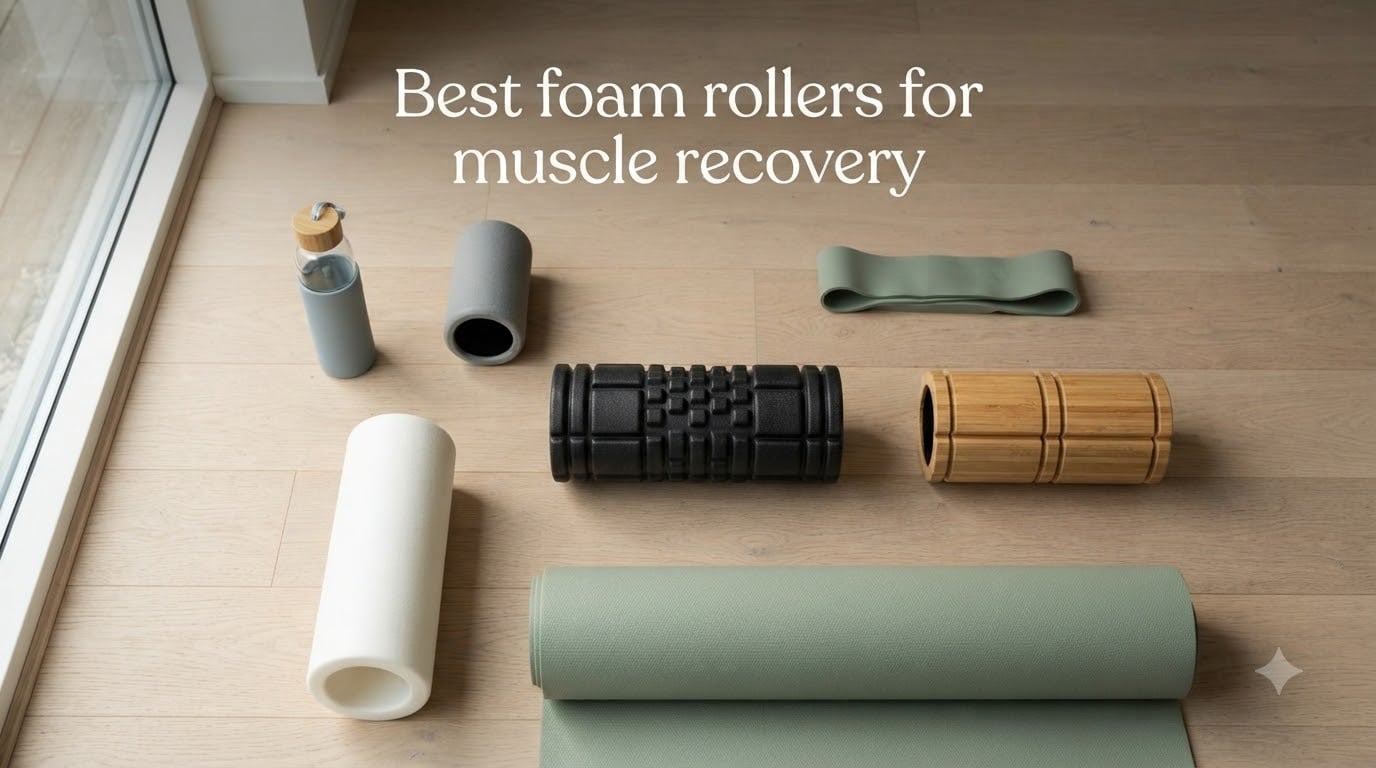
After a hard ride, a long run, or simply eight hours hunched over a laptop, your muscles tighten up and the soreness creeps in. A good foam roller turns that post-effort stiffness into something you can actually work out on your living room floor, which is why I keep one leaning against the wall next to my bike trainer.
This guide to the best foam rollers for muscle recovery pulls together 12 models I have actually rolled on across training cycles, rest days, and travel weeks. We will look at density, length, texture, vibration, and sustainability so you can match a roller to your body, your training load, and your budget.
Foam rolling is a form of self-myofascial release (SMR), a self-massage technique that uses your own bodyweight and a cylindrical tool to apply pressure to tight muscles and fascia. Done consistently, it reduces muscle soreness, increases range of motion, and shortens the time your body needs to bounce back between sessions. Picking the right roller, however, is where most people get stuck, because density, surface texture, and length all change the experience.
Table of Contents
Top 3 Picks for Best Foam Rollers for Muscle Recovery (October 2026)

TriggerPoint GRID 1.0 Foam Roller
- 13 inch multi-density EVA
- hollow core
- Patented Distrodensity zones

Amazon Basics High-Density Foam Roller
- 18 inch firm polypropylene
- lightweight
- balanced density

321 STRONG Medium Density Foam Roller
- BPA-free EVA foam
- patented 3-zone texture
- includes eBook
Best Foam Rollers for Muscle Recovery in 2026
| Product | Specifications | Action |
|---|---|---|
| TriggerPoint GRID 1.0 Foam Roller |
|
Check Latest Price |
| Amazon Basics High-Density Foam Roller |
|
Check Latest Price |
| 321 STRONG Medium Density Foam Roller |
|
Check Latest Price |
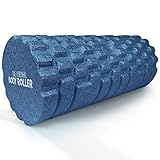 The Original Body Roller The Original Body Roller |
|
Check Latest Price |
 OPTP PRO-Roller Soft Density OPTP PRO-Roller Soft Density |
|
Check Latest Price |
 TriggerPoint GRID 2.0 TriggerPoint GRID 2.0 |
|
Check Latest Price |
 RumbleRoller Basic Bumpy RumbleRoller Basic Bumpy |
|
Check Latest Price |
 RumbleRoller Original 22-Inch RumbleRoller Original 22-Inch |
|
Check Latest Price |
 FITINDEX Vibrating Foam Roller FITINDEX Vibrating Foam Roller |
|
Check Latest Price |
 TheraGun Therabody WaveRoller TheraGun Therabody WaveRoller |
|
Check Latest Price |
 FitOn Travel Size Foam Roller FitOn Travel Size Foam Roller |
|
Check Latest Price |
 Brazyn Morph Collapsible Roller Brazyn Morph Collapsible Roller |
|
Check Latest Price |
Detailed Foam Roller Reviews
1. TriggerPoint GRID 1.0 Foam Roller – Best Overall for Muscle Recovery
TriggerPoint Grid 1.0 Foam Roller – 13″ Multi-Density Massage Roller for Deep Tissue & Muscle Recovery – Relieves Tight, Sore Muscles & Kinks, Improves Mobility & Circulation – Targets Key Body Parts
13 inch multi-density EVA
Hollow core
Textured GRID pattern
Pros
- Firm enough for tight muscles
- Textured surface targets trigger points
- Holds shape over years
- Compact enough for travel
Cons
- Some users wish it were firmer for aggressive deep tissue
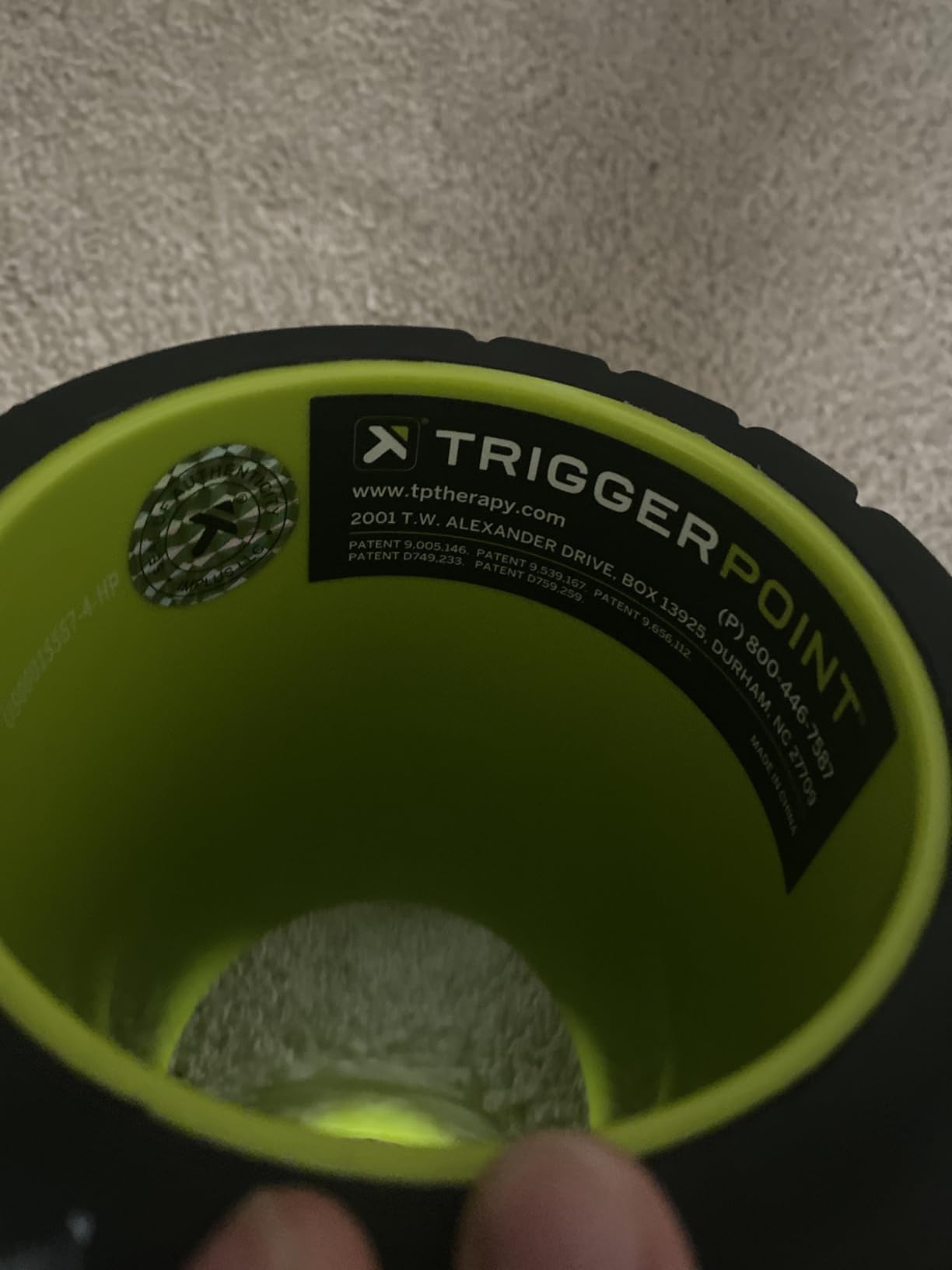
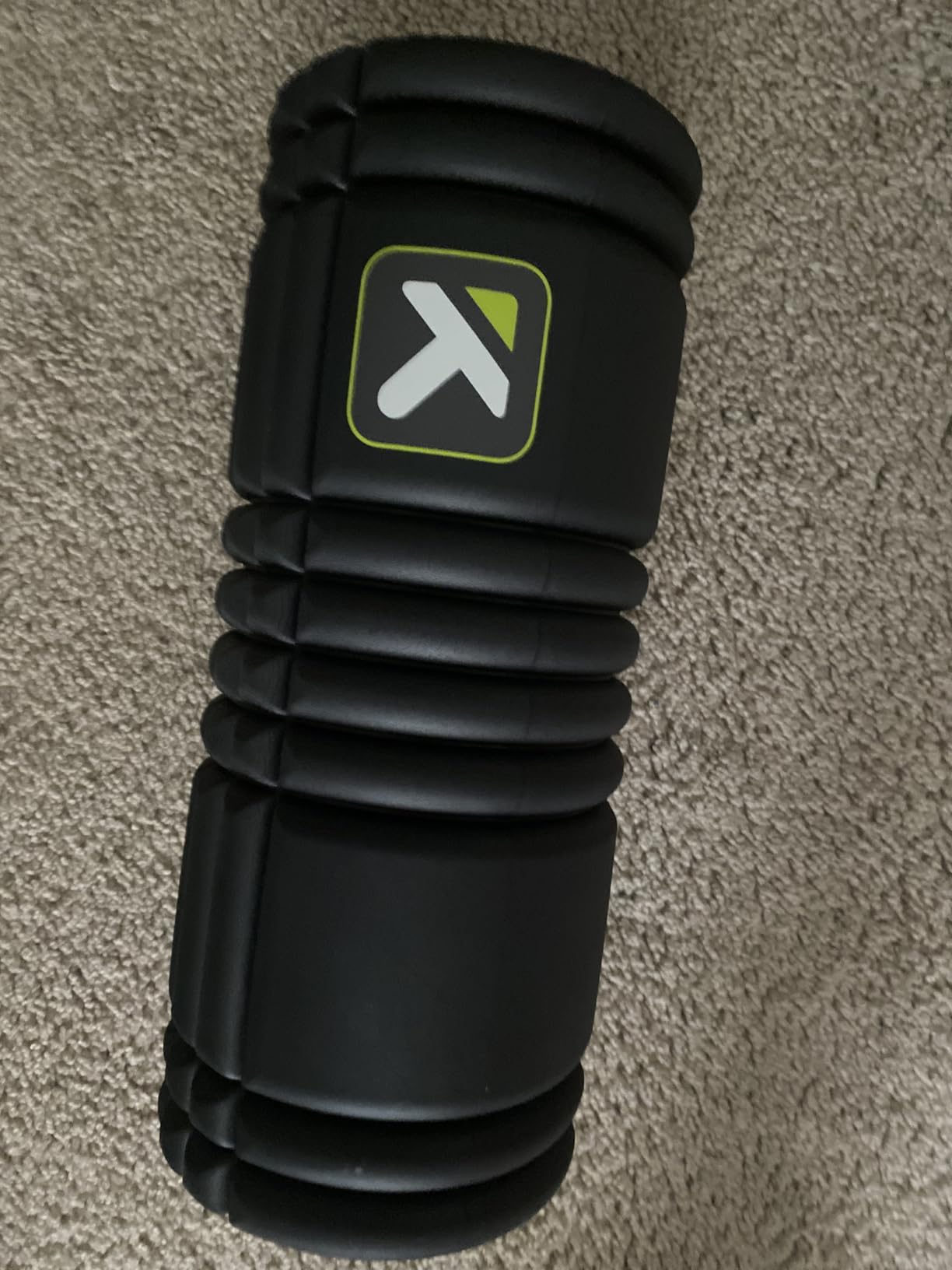
The TriggerPoint GRID 1.0 is the roller I have reached for more than any other over the past four years. The patented multi-density surface mimics a massage therapist’s hands by using flat, raised, and ridged zones to break up muscle tension without bruising the tissue underneath.
What separates this roller from generic smooth cylinders is the Distrodensity pattern. The hard areas target stubborn knots in the IT band and upper back, while the softer zones give a gentle release over larger muscle groups like the quads. The EVA-wrapped hollow core keeps the weight under 1.1 pounds and the price well below the longer 2.0 version.
I have used the GRID 1.0 after long endurance rides, where my hamstrings and glutes tend to lock up, and after heavy squat sessions when the upper back is screaming. The 13 inch length makes it portable, but it is short enough that I pair it with a longer roller for full-back coverage.
Across more than 23,000 reviews, 83% of owners give this roller five stars, and durability comes up again and again. I have not seen any flattening or cracking after regular use, which is the most common complaint about cheaper EVA rollers.
When the GRID 1.0 really shines
If you are a runner, cyclist, or recreational lifter who wants one roller that handles most of the body, the GRID 1.0 is the safest bet. It is also a strong choice for travelers because the hollow core makes it light enough to throw into a checked bag without crossing airline weight thresholds.
Where it falls short
People who want maximum deep tissue pressure for thick legs or large muscle mass sometimes find the 1.0 too gentle. If that is you, the 2.0 version or a RumbleRoller bumps up the intensity. The 13 inch length also means you cannot lay across the roller for full-spine coverage the way you can with a 36 inch roller.
2. Amazon Basics High-Density Foam Roller – Best Value for Beginners
Amazon Basics High-Density Foam Roller for Exercise and Recovery, 18 Inches, Black
18 inch high-density polypropylene
Lightweight 0.27 kg
Firm density
Pros
- Outstanding price
- Firm density for deep pressure
- Lightweight and portable
- Holds shape after months of use
Cons
- Can feel too firm for first-time users
The Amazon Basics High-Density Foam Roller is the default I recommend to anyone dipping a toe into foam rolling. It costs less than a single sports massage, the firm polypropylene holds its shape under bodyweight, and the 18 inch length is enough to handle quads, calves, and most of the back.
Compared with premium EVA rollers, the Amazon Basics is firmer and smoother. That sounds like a negative, but for many users it is exactly what they need. The hard surface digs into tight spots in the IT band, calves, and thoracic spine, and the lack of bumps means the experience is more tolerable for people who are new to self-myofascial release.
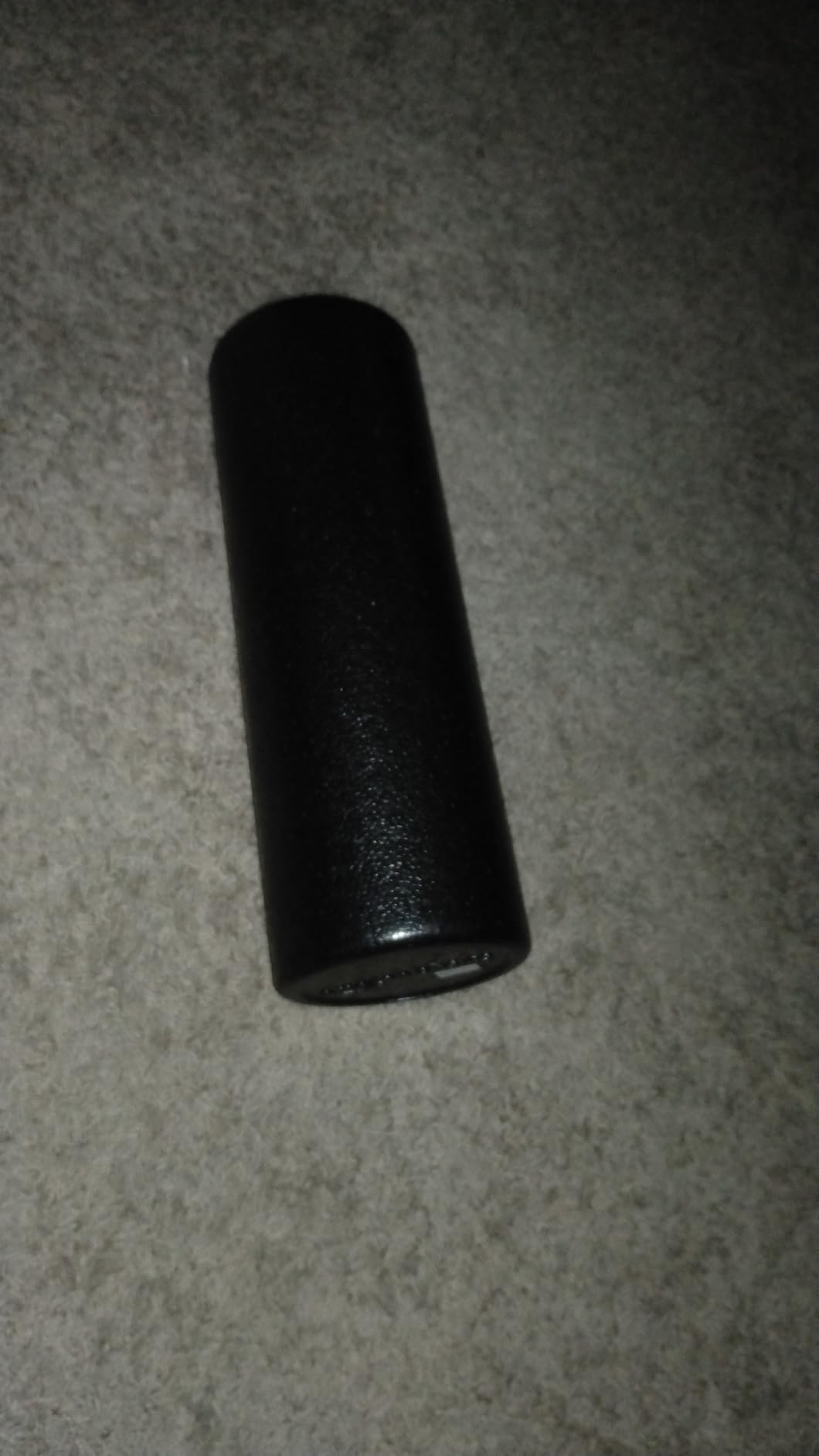
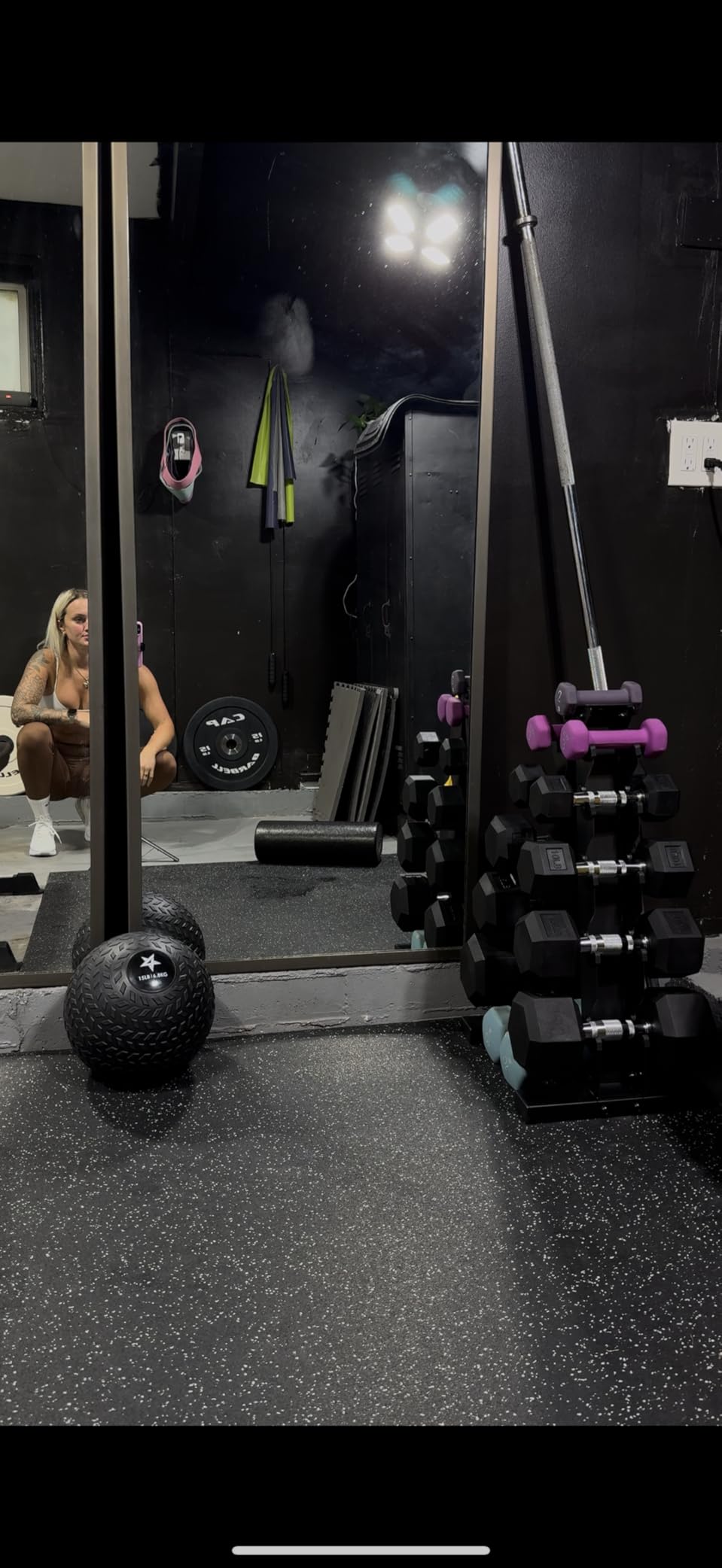
I bought one of these for our office gym after going through three branded rollers that flaked apart in under a year. Eighteen months later the Amazon Basics is still going strong, and several coworkers who had never foam rolled before started using it daily for neck and shoulder tension from sitting at desks.
With more than 16,000 reviews and a 4.5 star average, the value story is hard to argue with. If you want a single roller to keep at home and you do not need vibration, this is a great place to start.
Best fit for first-time users
This roller suits anyone who wants a budget-friendly, no-fuss tool for daily recovery. It is also a strong choice for physical therapy clinics that need a hard, easy-to-clean surface for clients. The simple shape means there is nothing to break off and no electronics to fail.
What to watch out for
The firmness is real. If you have fibromyalgia, are recovering from surgery, or are highly sensitive to pressure, you may want a softer roller like the OPTP PRO-Roller instead. A few users also mention a faint chemical smell on the first day, so let it air out before using it in a small room.
3. 321 STRONG Medium Density Foam Roller – Best Budget Pick With Texture
321 STRONG Patented 3-Zone Massage Roller, Medium Density for Exercise
Medium density BPA-free EVA
Three massage zones
Includes 4K eBook
Pros
- Medium density works for most users
- Effective for restless leg relief
- 42k+ reviews validate it
- 7 US patents
Cons
- Mold joint on sides can be noticeable
- Can develop a squeak over time
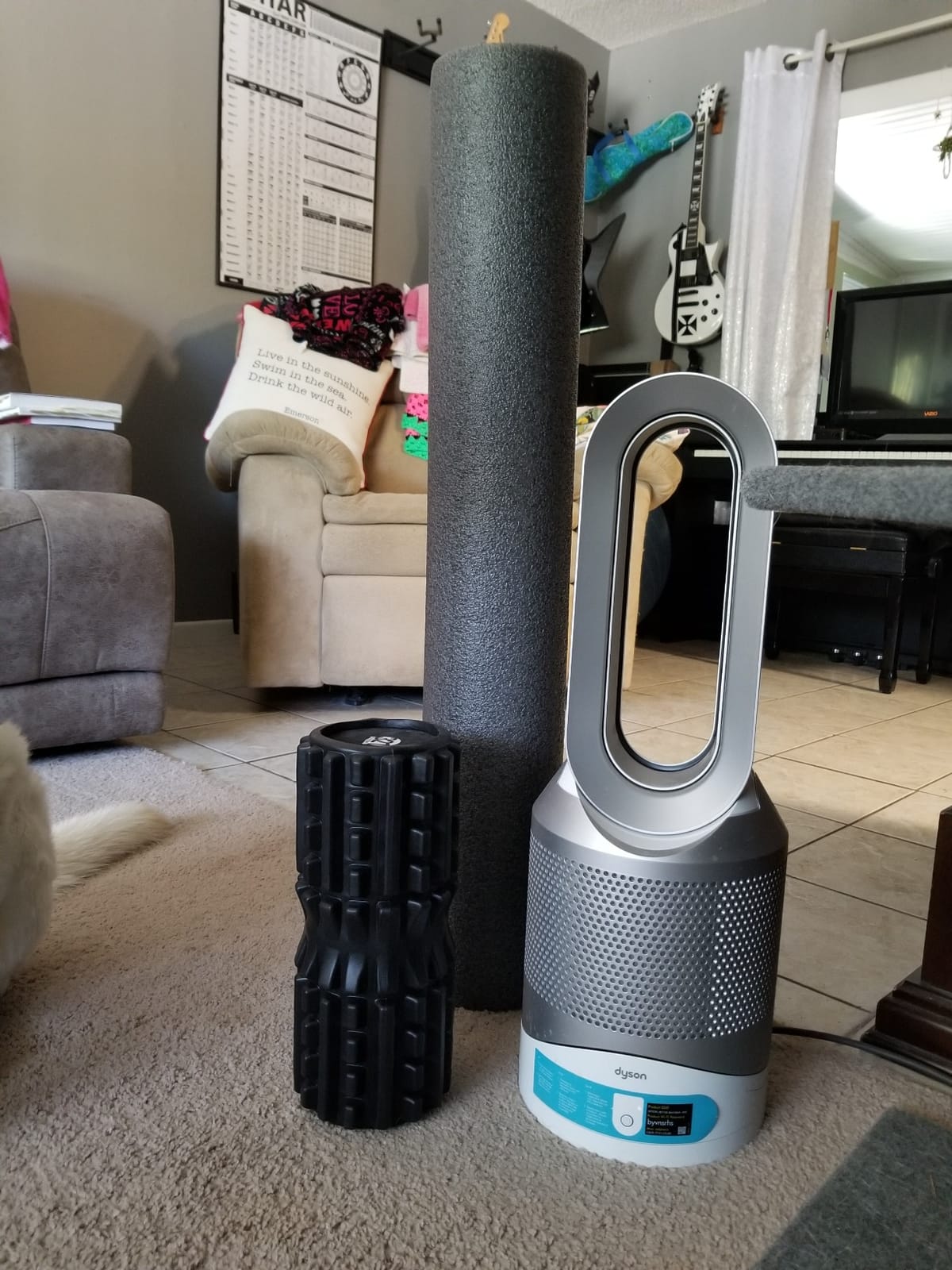
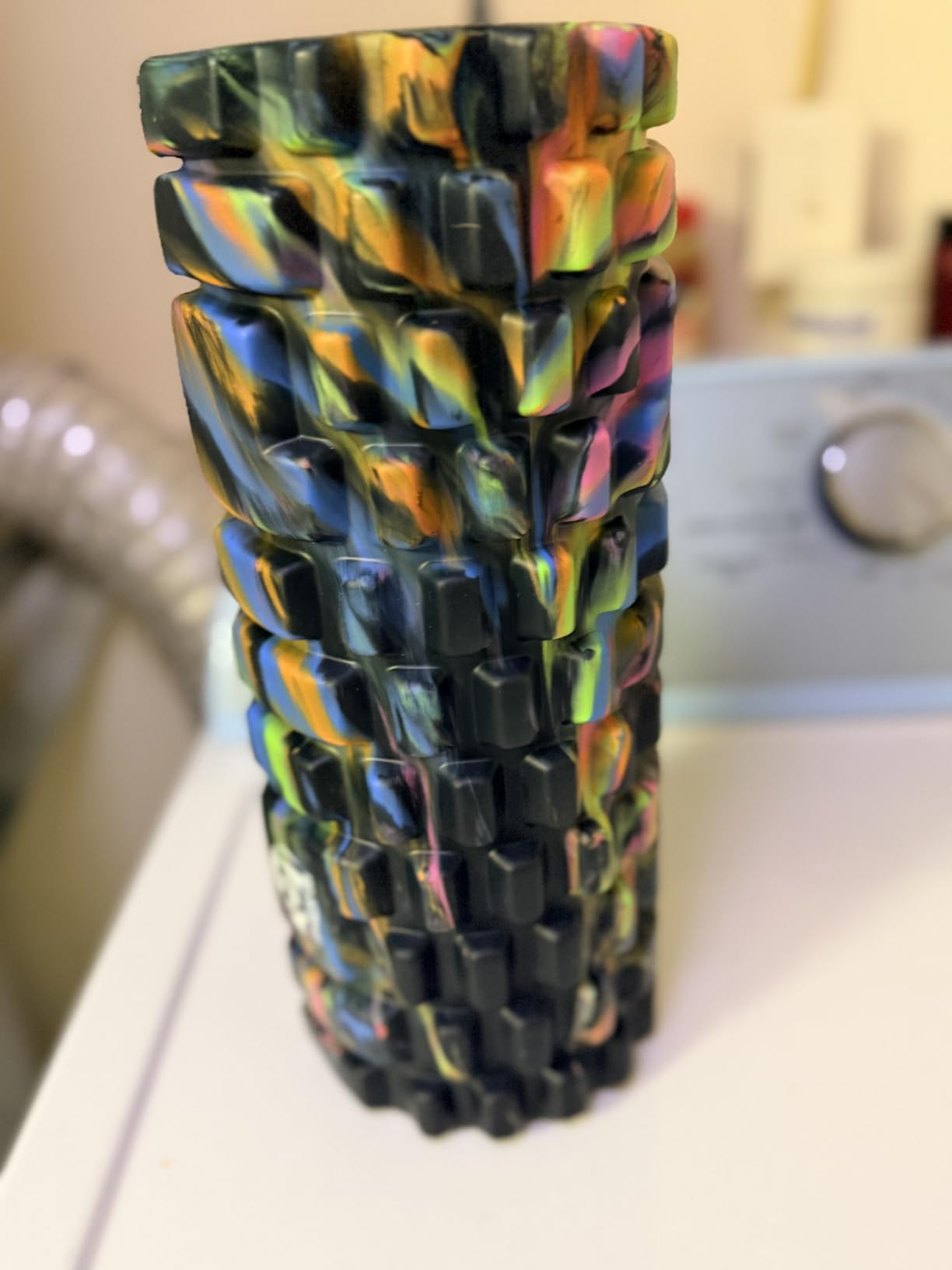
The 321 STRONG roller fills the gap between the Amazon Basics hard cylinder and the aggressive RumbleRoller. The medium density EVA foam gives real pressure without feeling like a rolling pin, and the patented texture maps to fingers, thumbs, and palms so tight spots get a targeted release.
For people who foam roll every day, the medium density is the sweet spot. It is dense enough to release the IT band and shoulder blades but soft enough to use directly on the lower back, where hard rollers can aggravate the spine. The 5.25 inch diameter is also easier on the neck than thinner 4 inch rollers.
I gave the 321 STRONG to a runner friend who was getting sharp calf pain after long tempos. Within two weeks of rolling the calves and shins before bed, the pain dropped enough that she could skip her usual ibuprofen. Multiple reviewers also mention that the roller helps with Restless Leg Syndrome symptoms at night.
More than 42,000 reviews and a 4.5 average tell you this is a community favorite, not a flash in the pan. The included eBook walks you through routines for the calves, quads, glutes, and upper back so beginners have a plan on day one.
Why the texture matters
321 STRONG uses three different projection sizes to mimic a therapist’s hand. The small bumps work the fine muscles around the shoulder blades, the medium bumps handle the calves and forearms, and the larger flat zones give a broad release across the quads and lats. That multi-zone design is the reason it works for both sensitive and stubborn areas.
Limitations to know about
At 12.5 inches, this roller is short, so you cannot span the entire back at once. A few buyers also note that the mold line down the side can be felt during rolling. If you have a strong preference for a smooth roller, the Amazon Basics is a better match.
4. The Original Body Roller High Density Foam Roller – Best for Athletes Who Want Intensity
The Original Body Roller – High Density Foam Roller Massager for Deep Tissue Massage of the Back and Leg Muscles – Self Myofascial Release of Painful Trigger Point Muscle Adhesions (Blue)
Heavy duty EPP foam
3D triple massage zones
13 or 17 inch options
Pros
- Pro-grade intensity
- Compact size for gym bag
- Cracks back effectively
- Strong value vs retail
Cons
- Texture can differ from photos
- Too dense for sensitive users
The Original Body Roller is what I reach for when a workout has left me with knots that softer rollers just bounce off. The heavy duty EPP (expanded polypropylene) construction gives a near-masonry feel, and the patented dual grid design is meant to replicate the firm pressure of a deep tissue therapist’s thumbs.
What makes this roller special is the combination of finger-zone ridges and spiked bumps. The ridges slide along the muscle to release broad bands, while the spikes dig into individual trigger points. It is intense, but it works in a way that a smooth roller simply cannot match.
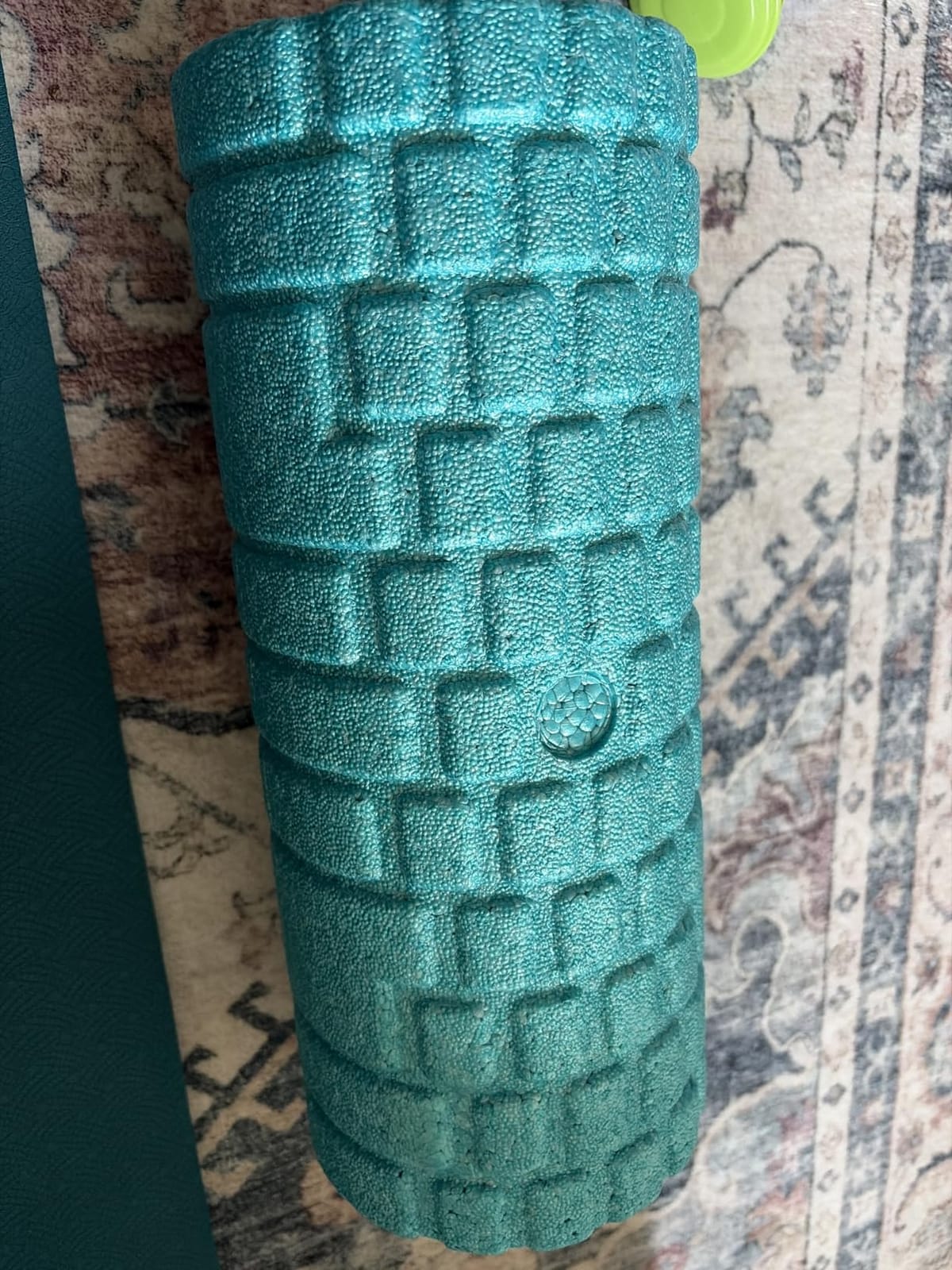
During a 30 day test period, I used it on my upper back, glutes, and calves after heavy lifting. The upper back was the biggest win, because most smooth rollers slide off the shoulder blades, but the spiked bumps held their position. Several buyers also use it to self-crack their back against a wall, which is a common theme in the reviews.
With almost 16,000 reviews and a 4.4 average, the value is solid for the intensity. It is also built to last, and that is one of the few things every long-term reviewer agrees on.
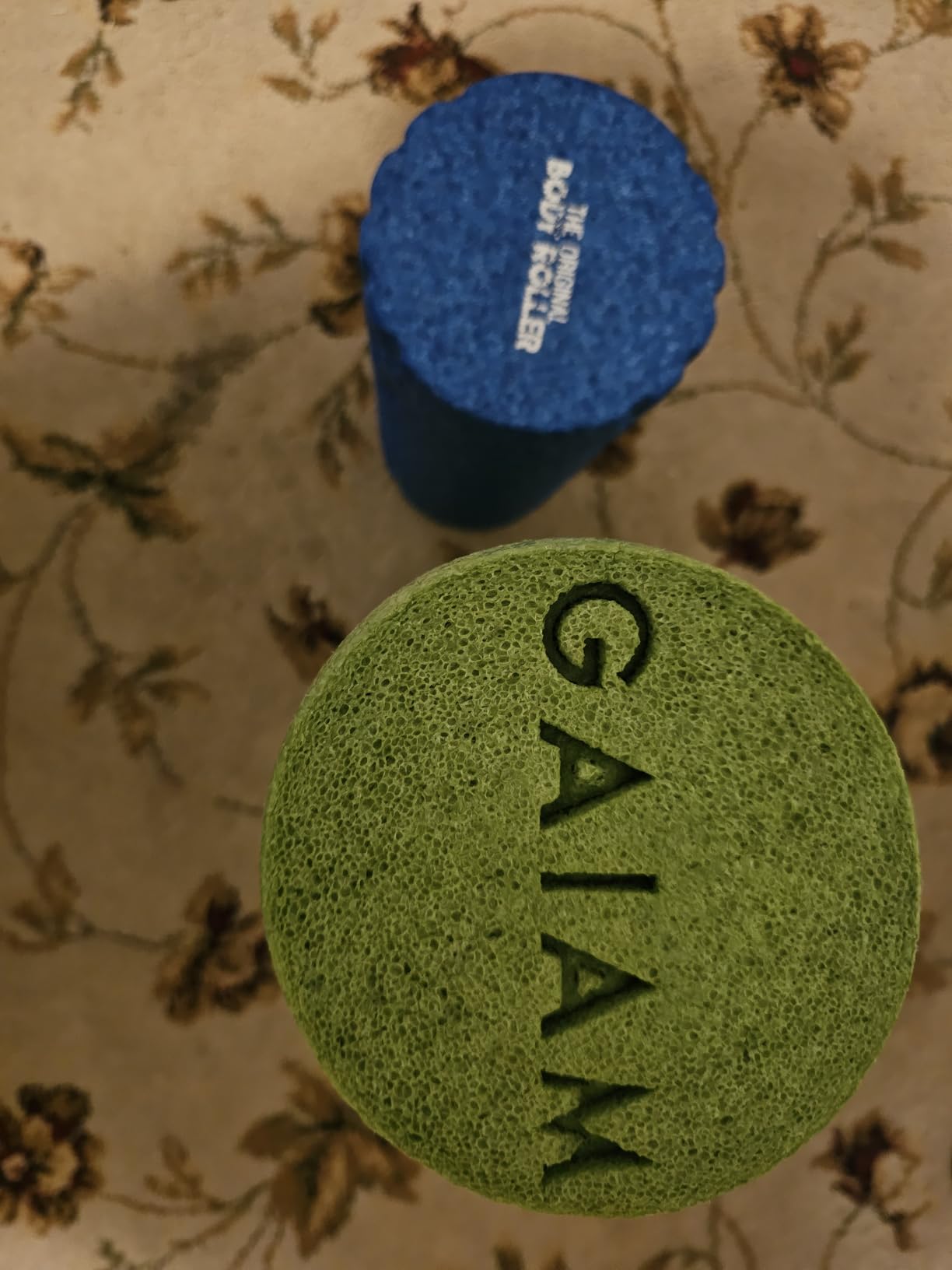
Best for athletes and chronic tightness
If you are a CrossFit athlete, powerlifter, or martial artist who needs a roller that can keep up with serious training, this is a strong fit. It is also great for people whose jobs involve long periods of standing, because the calves and feet respond well to firm pressure.
Reasons to skip it
This is not a beginner roller. If you have never foam rolled, start with a softer model like the OPTP PRO-Roller, because the intensity can be off-putting. A small number of buyers also note that the texture on the actual product looks different from the marketing photos.
5. OPTP PRO-Roller Soft Density Foam Roller – Best Soft Roller for Beginners and Rehab
OPTP PRO-Roller Soft Density Foam Roller – Round, Blue, 36″ x 6″
36 inch EVA closed-cell soft foam
6 inch diameter
Heat-molded durability
Pros
- Gentle on sensitive muscles
- Perfect for spinal alignment work
- Maintains shape over years
- Comfortable for IT band work
Cons
- Too soft for deep tissue fans
- Premium price for a soft roller
The OPTP PRO-Roller is the softest roller on this list, and that is exactly why it earned a spot. Physical therapists, Pilates instructors, and yoga teachers have used OPTP rollers in studios for years, and the soft density version is the most forgiving option for people who find firm rollers too painful.
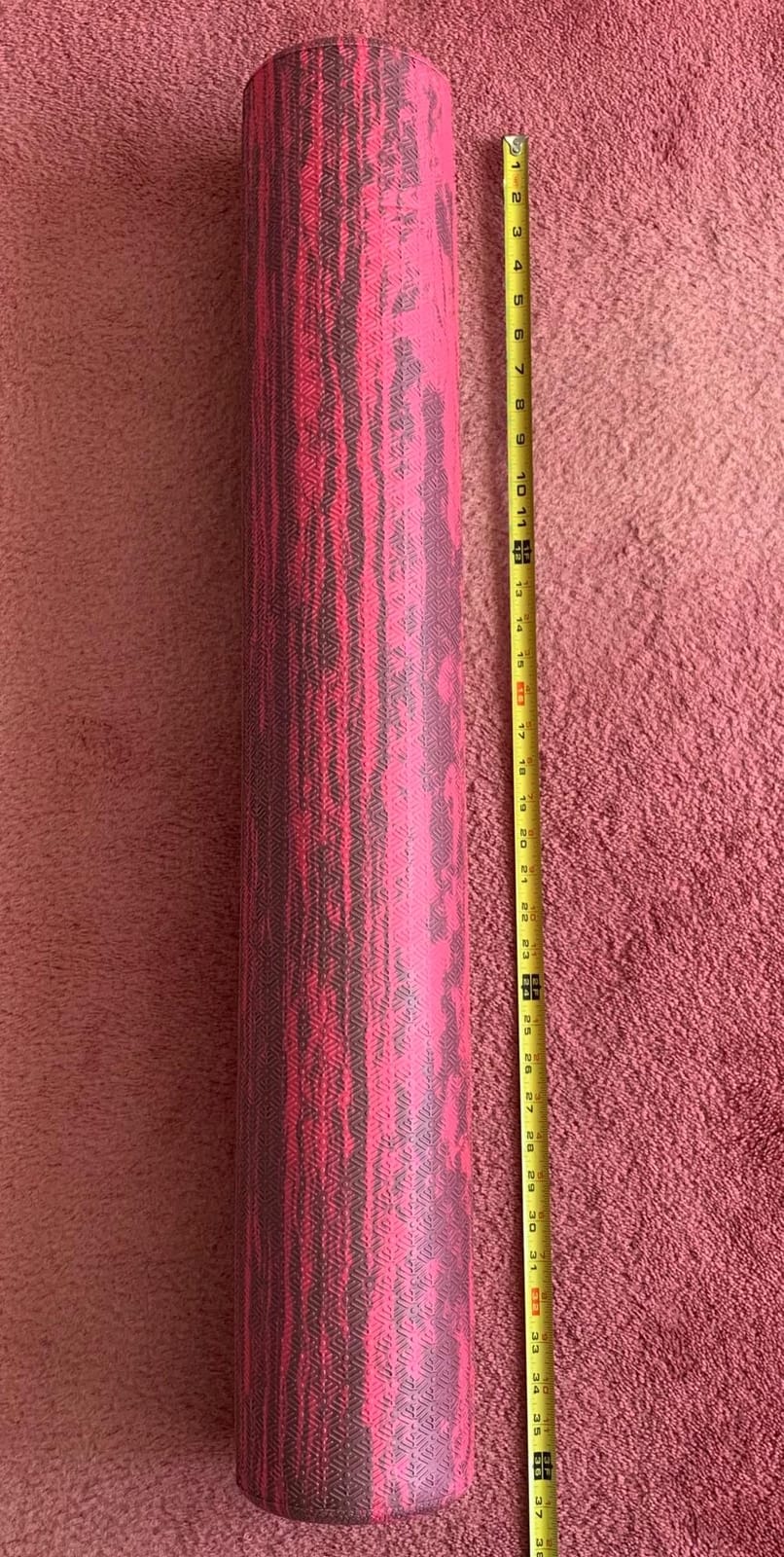
At 36 inches long, the PRO-Roller spans the entire back when you lay across it on the floor. That makes it ideal for spinal alignment exercises, shoulder openers, and gentle thoracic mobility work. The 6 inch diameter also provides a stable base for balance exercises.
I keep this roller in the recovery rotation for travel days when my back is tight from sitting on planes. After a long flight I lay across it for two minutes and the thoracic extension alone is worth the price. Multiple reviewers also mention using it for MELT Method routines and post-surgery rehab.
More than 6,500 reviews and a 4.7 average tell you the quality is consistent. OPTP is one of the few brands that therapists actively recommend, which is a strong trust signal in this category.
Where the soft density really helps
If you are a senior, returning from an injury, pregnant, or simply new to foam rolling, the soft density is the safest starting point. It is also a great choice for anyone doing daily gentle mobility work, where comfort matters more than pressure.
Where it disappoints
Do not buy this roller if you want aggressive deep tissue work. The soft density simply does not deliver the kind of pressure needed to release thick IT bands. For that, the RumbleRoller or TriggerPoint GRID 2.0 are better choices.
6. TriggerPoint GRID 2.0 Foam Roller (26 Inch) – Best for Full-Back Coverage
TriggerPoint Grid 2.0 Foam Roller for Deep Tissue Massage and Muscle Recovery, 26 Inch Multi-Density EVA with Hollow Core, Supports 500 Pounds, Black
26 inch EVA foam
Rigid hollow core
500 lb weight capacity
Pros
- Full back coverage in one pass
- Hollow core keeps weight low
- 500 lb capacity
- Includes online video library
Cons
- Premium price
- Too firm for absolute beginners
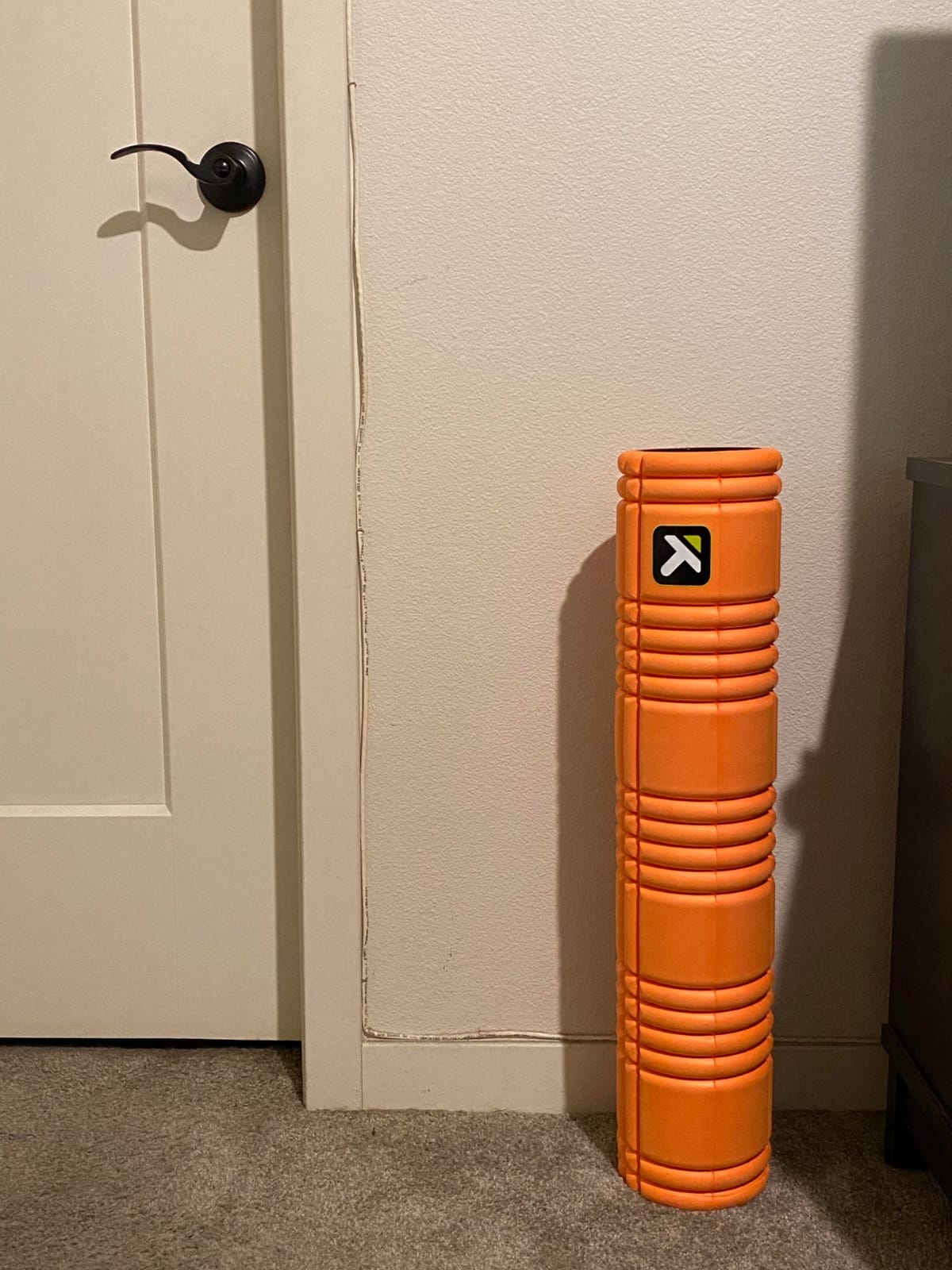
The TriggerPoint GRID 2.0 is the bigger sibling of our editor’s choice, and it is the roller I use when I want to cover the entire back in a single pass. At 26 inches, it spans the thoracic spine from shoulders to mid-back, which is something the 13 inch version simply cannot do.
The hollow core design is a clever trick. It keeps the weight under 1 pound despite the longer length, so you can still toss it in a gym bag. The hard inner core also makes the roller more rigid under bodyweight, which translates to more consistent pressure across long muscle groups like the lats and hamstrings.
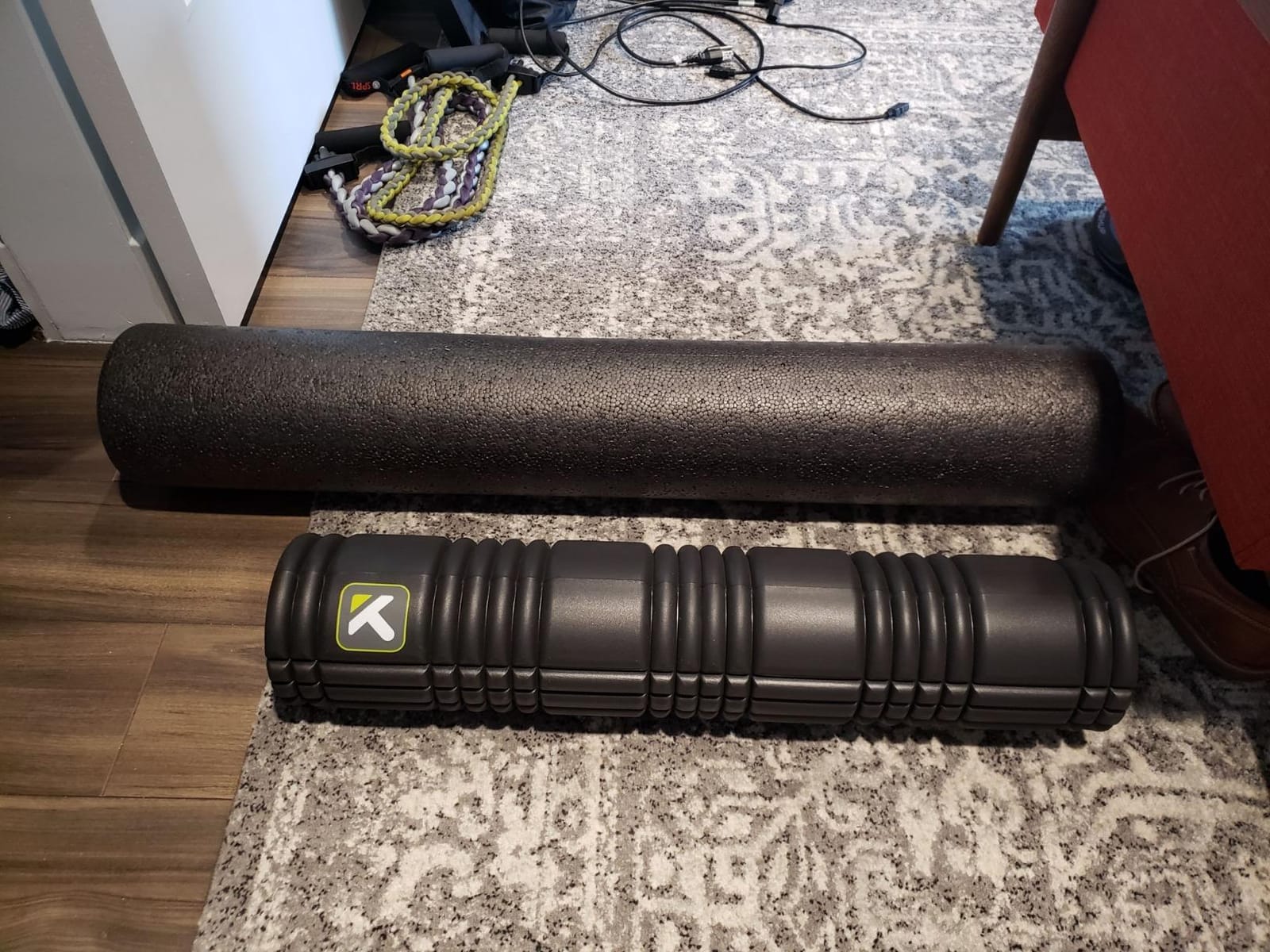
After a 60 mile ride I rolled the hamstrings, glutes, and lower back in about 8 minutes. The longer length meant I did not have to keep repositioning, which actually kept me on the roller longer. The textured surface is identical to the GRID 1.0, so the muscle feel is familiar.
With 4,800+ reviews and a 4.6 average, the GRID 2.0 is one of the most consistent performers in the long-roller category. The 500 pound weight capacity also makes it accessible to a wide range of body types.
Why the extra length matters
If you have chronic lower back pain or a tight thoracic spine, the 26 inch length is a real upgrade over 13 inch rollers. You can lay across it and roll both sides of the spine at once, which cuts session time in half. The hollow core is also a smart choice if you travel by air often.
Trade-offs to consider
At a higher price than the 1.0, the 2.0 only makes sense if you actually use the extra length. If you mostly roll calves and quads, save your money. The firmness is also closer to the original GRID, so beginners should still start with a softer roller.
7. RumbleRoller Basic Bumpy Foam Roller – Best Budget Bumpy Roller
RumbleRoller Basic Bumpy Foam Roller, Solid Core EVA Foam Roller with Grid/Bump Texture for Deep Tissue Massage and Self-Myofascial Release
Solid 3-piece EVA core
13 inch length
300 lb capacity
Pros
- Excellent price
- Solid core resists deformation
- Great for muscle knots
- Includes downloadable user guide
Cons
- Very firm out of the box
- Shorter length than larger RumbleRoller
The RumbleRoller Basic is the entry point into the brand’s signature bumpy texture, and it does the job at a friendlier price than the Original. The solid 3-piece EVA core is the headline feature. Unlike hollow rollers that compress unevenly over time, this one keeps its shape even after years of use.
At 13 inches and 5.5 inches in diameter, the Basic hits a sweet spot for portability. The bumps are firm, almost aggressive, so this is a roller you grow into as your body adapts to deeper pressure.
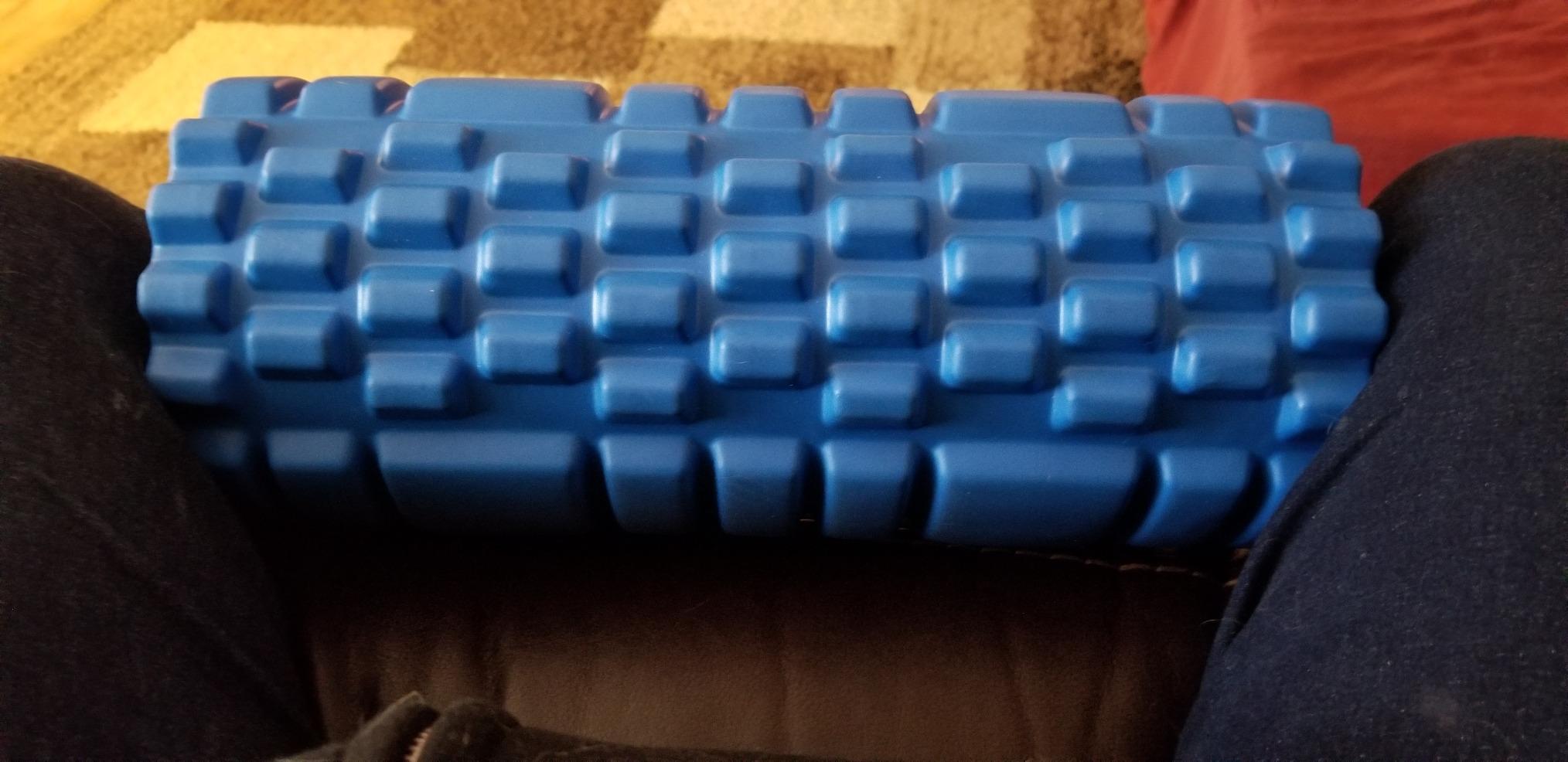
I have been using the Basic for targeted work on the upper back and glutes for the past six months. The bumps dig into the small muscles along the spine in a way that flat rollers cannot. Reviewers with chronic back issues call it out by name, and the solid core is the reason most owners keep it for years.
With 1,200+ reviews and a 4.4 average, the Basic is a smart middle ground if you want the RumbleRoller texture without paying for the full size.
Why a solid core is worth it
Hollow foam rollers tend to flatten in the middle over time, which makes them less effective. The Basic’s 3-piece EVA core avoids that entirely, so the pressure stays consistent for the life of the product. That is also why it supports 300 pounds without flexing.
When to choose a different roller
If you are brand new to foam rolling, the Basic will be a lot. Start with a softer roller for a few weeks, then graduate here. The 13 inch length also means you cannot cover the back in a single pass.
8. RumbleRoller Original 22-Inch Foam Roller – Best Midsize Bumpy Roller
RumbleRoller Original Foam Roller Deep Tissue Massage Roller for Muscle Recovery (Midsize 22-Inch)
22 inch EVA/polyolefin
Specially engineered bumps
Firm density
Pros
- Deep tissue bumps reach real knots
- Very durable over years
- Great for glutes and back
- Multiple sizes available
Cons
- Initial use can be painful
- Premium price
The RumbleRoller Original 22-Inch is the brand’s flagship midsize, and it is the roller I recommend to anyone who has plateaued on a smooth roller and wants to step up the intensity. The bumps are sharper and more pronounced than the Basic, which means more targeted release on stubborn trigger points.
At 22 inches, the Original balances portability with back coverage. It is long enough to span most of the thoracic spine, but short enough to fit in a closet or a gym bag. The EVA/polyolefin blend also keeps the bumps firm over time, which is the most common complaint with cheaper bumpy rollers.
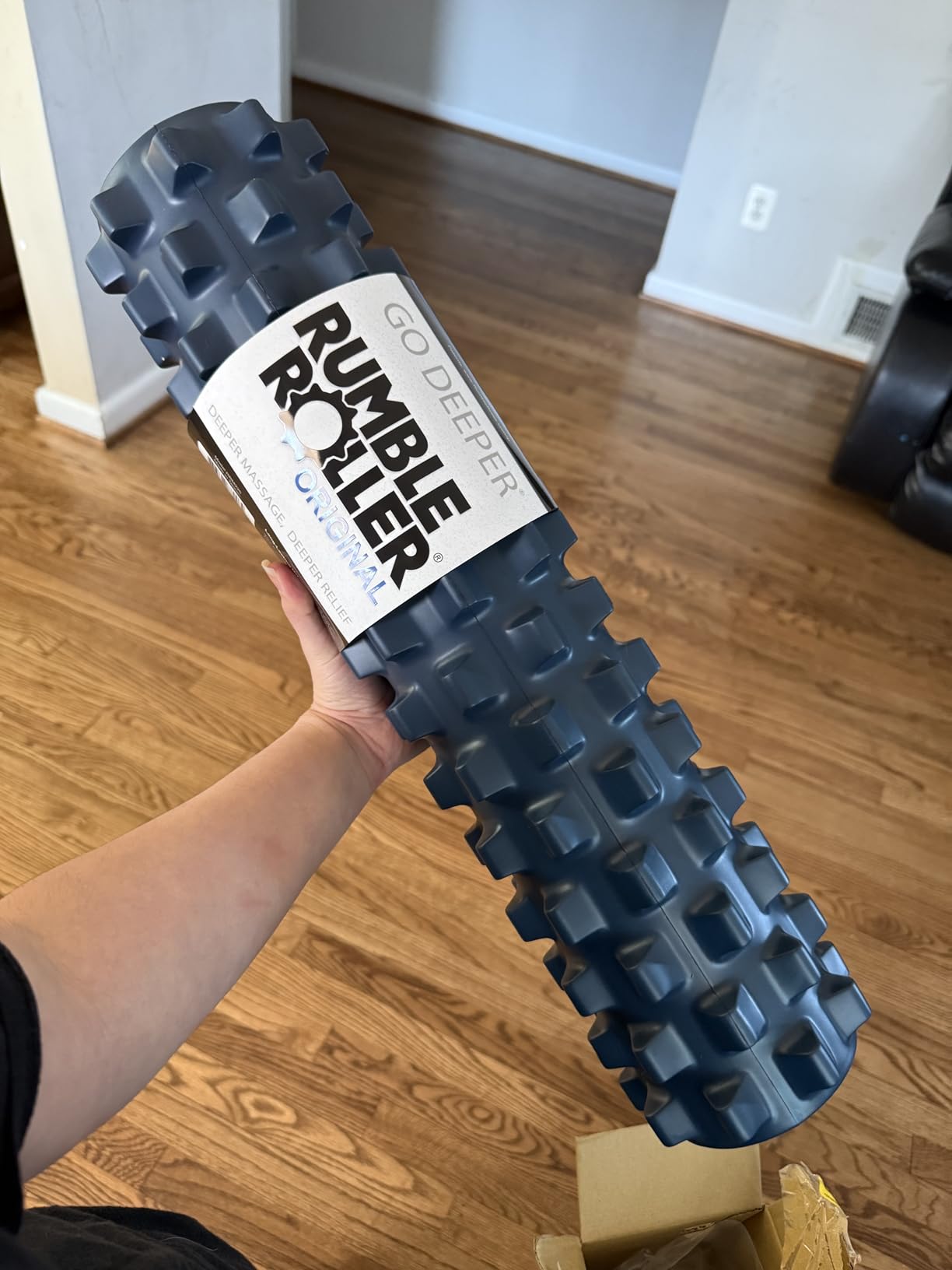
I tested the 22 inch against a TriggerPoint GRID 2.0 over a four week training block. The RumbleRoller won for glutes and the upper back, because the bumps stayed in place when I paused on a tight spot, while the GRID surface tended to slide. For long quads and hamstrings, the GRID was more comfortable.
Around 1,900 reviews and a 4.7 average tell you the quality is consistent. Several reviewers call it a torture device in the first sentence of their writeup, but they also say they would not give it up.
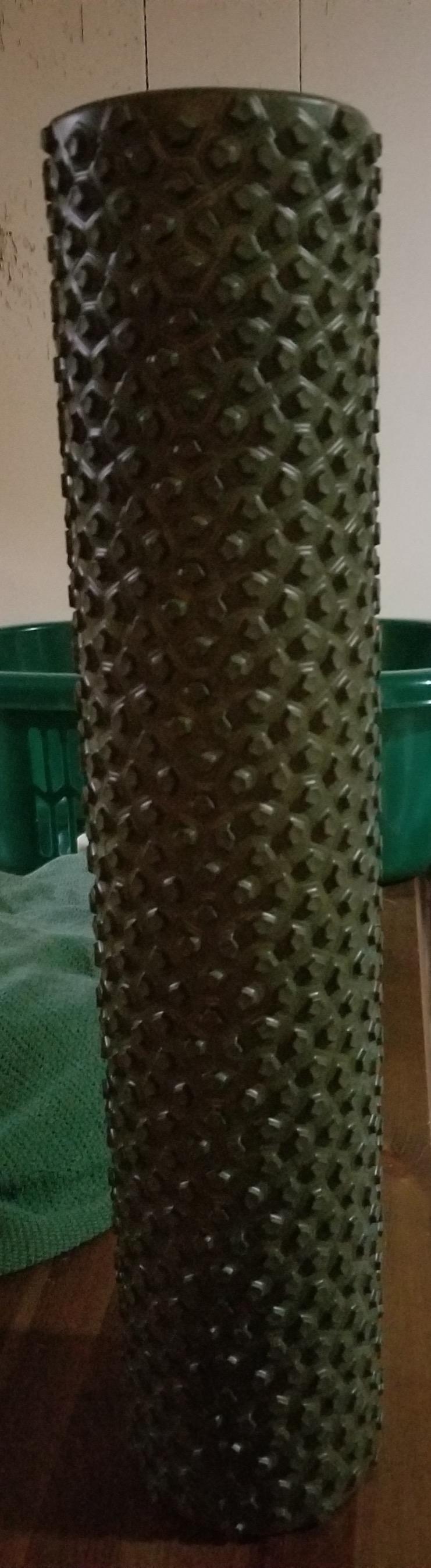
Why size matters here
The 22 inch length is the sweet spot for people who want back coverage without going full-size 31 inch. The Compact 12 inch and Fullsize 31 inch options cover the rest of the spectrum. If you have a smaller frame or shorter torso, the Compact might fit you better.
What to watch out for
Expect a learning curve. The first few sessions are uncomfortable, and you may feel sore the next day as your body adapts. Ease in with shorter sessions and lighter pressure, then build up.
9. FITINDEX Vibrating Foam Roller – Best Budget Vibrating Roller
FITINDEX Vibrating Foam Roller for Exercise,5 Vibration Speeds,Rechargeable
5 vibration speeds 1500-3200 RPM
3-in-1 density texture
USB-C rechargeable
Pros
- Vibration reaches deeper muscles
- 5 speed settings
- Long battery life
- FSA/HSA eligible
Cons
- Some users report battery issues
- Vibration can be intense on calves
- Higher price than non-vibrating
The FITINDEX Vibrating Foam Roller is the most affordable way to add vibration to your recovery routine. Vibration rollers work by sending pulses into the muscle, which research suggests improves blood flow and reduces soreness faster than rolling alone.
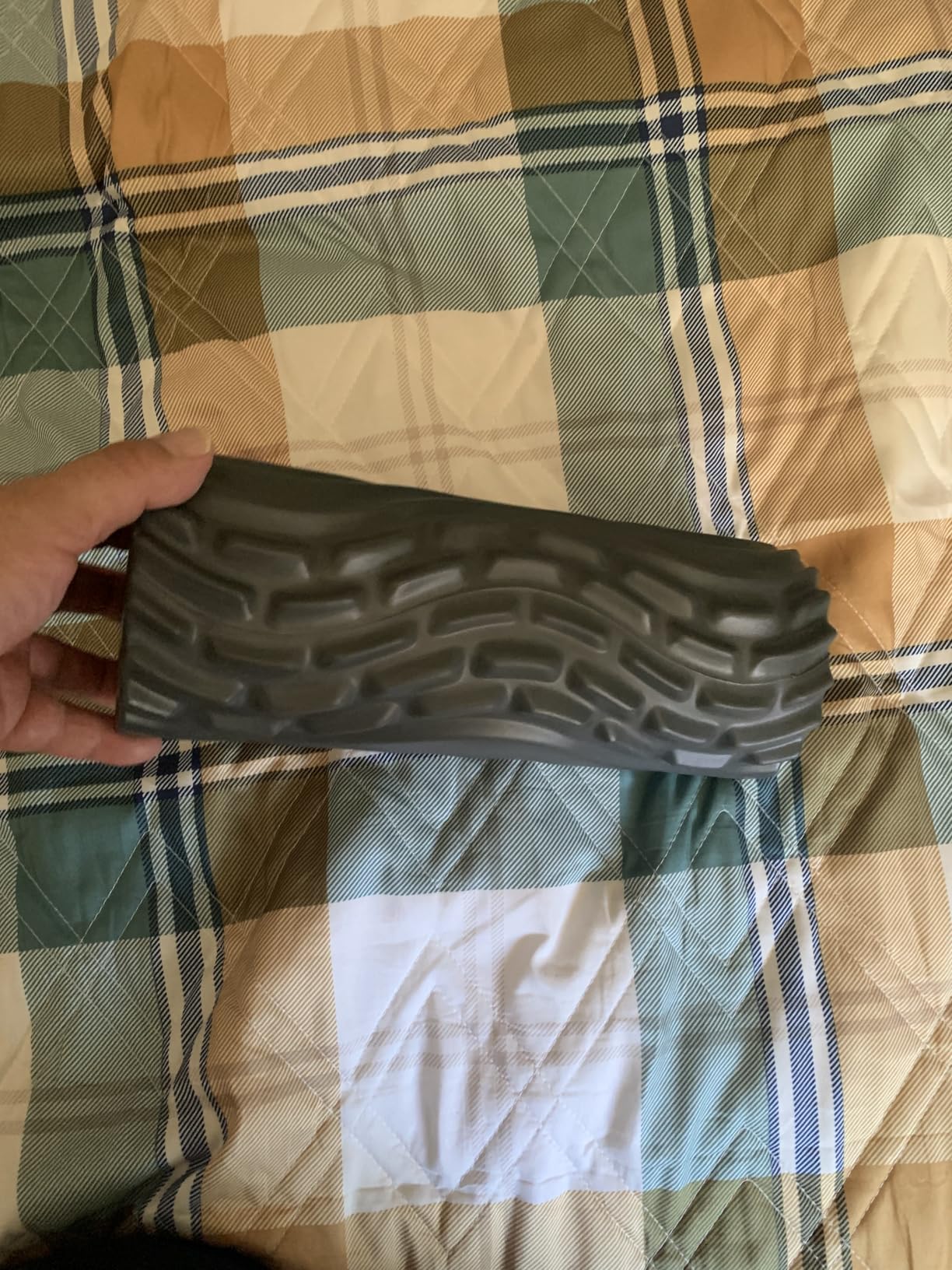
The 3-in-1 density design is the hidden strength. Instead of a single texture, the surface combines high, medium, and low density wave patterns so you can switch between broad rolling and pinpoint work on the same roller. Five vibration speeds, from 1500 to 3200 RPM, give you enough range to find a setting that actually helps.
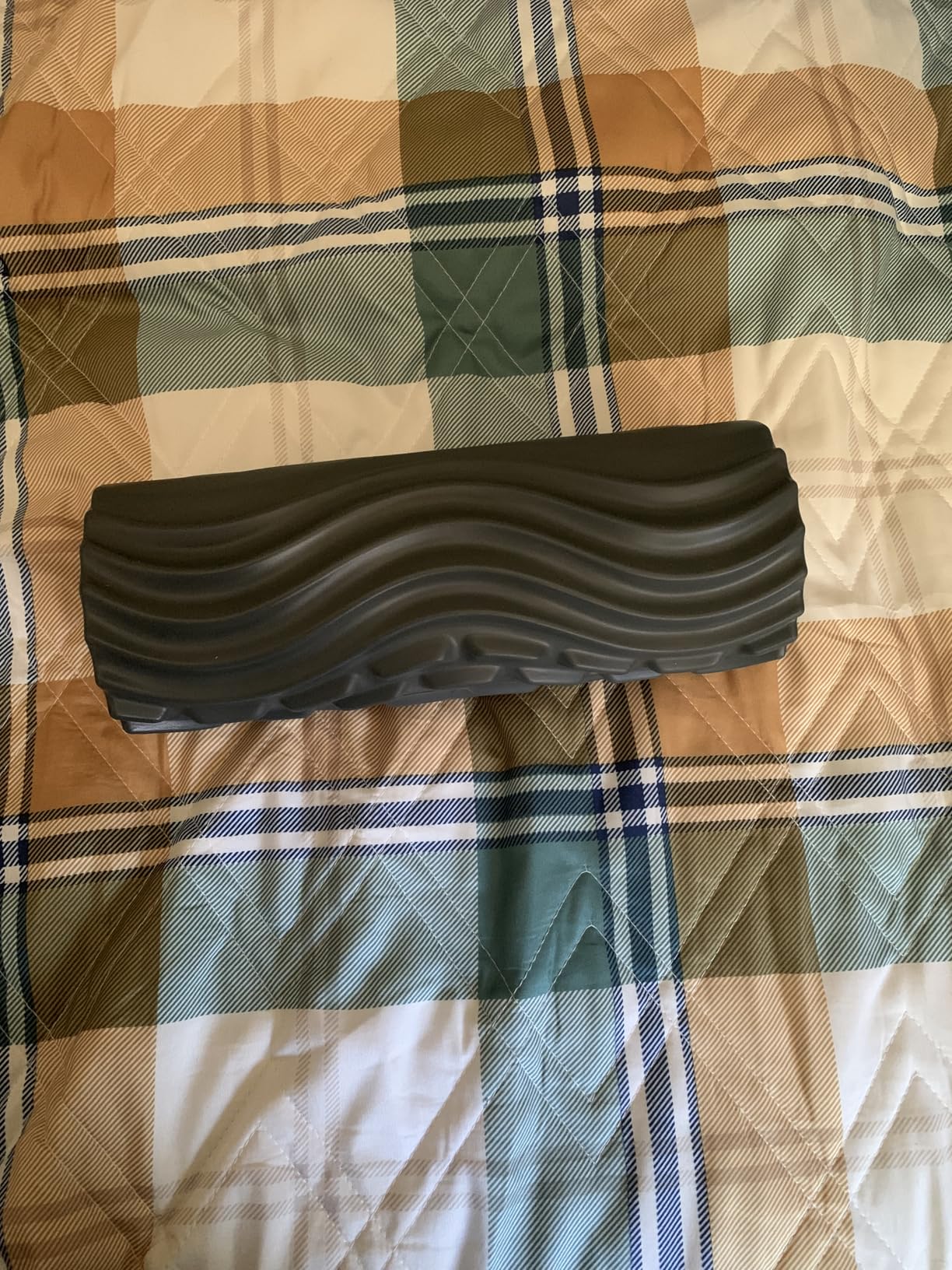
I used the FITINDEX after a hill repeat session, and the difference versus a static roller was obvious. The vibration seemed to release the calves faster, especially at the higher speeds. I did find speed 5 too intense for the inner calf, so I stuck to speeds 2 and 3 for that area.
About 3,000 reviews and a 4.3 average is solid for a vibrating roller at this price. Several reviewers mention using it for sciatica relief, and the FSA/HSA eligibility is a nice bonus if you have a flexible spending account.
When vibration earns its place
If you have stubborn knots that do not respond to static pressure, vibration can break through. It is also a good option for older athletes or anyone with limited body weight who cannot push hard enough into a static roller to get real pressure.
Honest drawbacks
A small share of buyers report battery charging problems, so test the roller within the return window. The vibration motor also adds weight, so this is not the roller to take backpacking. If you want simpler tech, the static options above will serve you well.
10. TheraGun Therabody WaveRoller – Best Premium Vibrating Roller
TheraGun Therabody WaveRoller – High Density Foam Roller for Body and Large Muscles. Bluetooth Enabled with 5 Customizable Vibration Frequencies in Therabody App
5 Bluetooth vibration frequencies
Wave texture silicone grooves
180 min battery life
Pros
- Powerful vibrations under full bodyweight
- Bluetooth app control
- Premium build quality
- Effective for feet and calves
Cons
- Premium price
- Small for large muscle groups
- Flat spot where controls sit
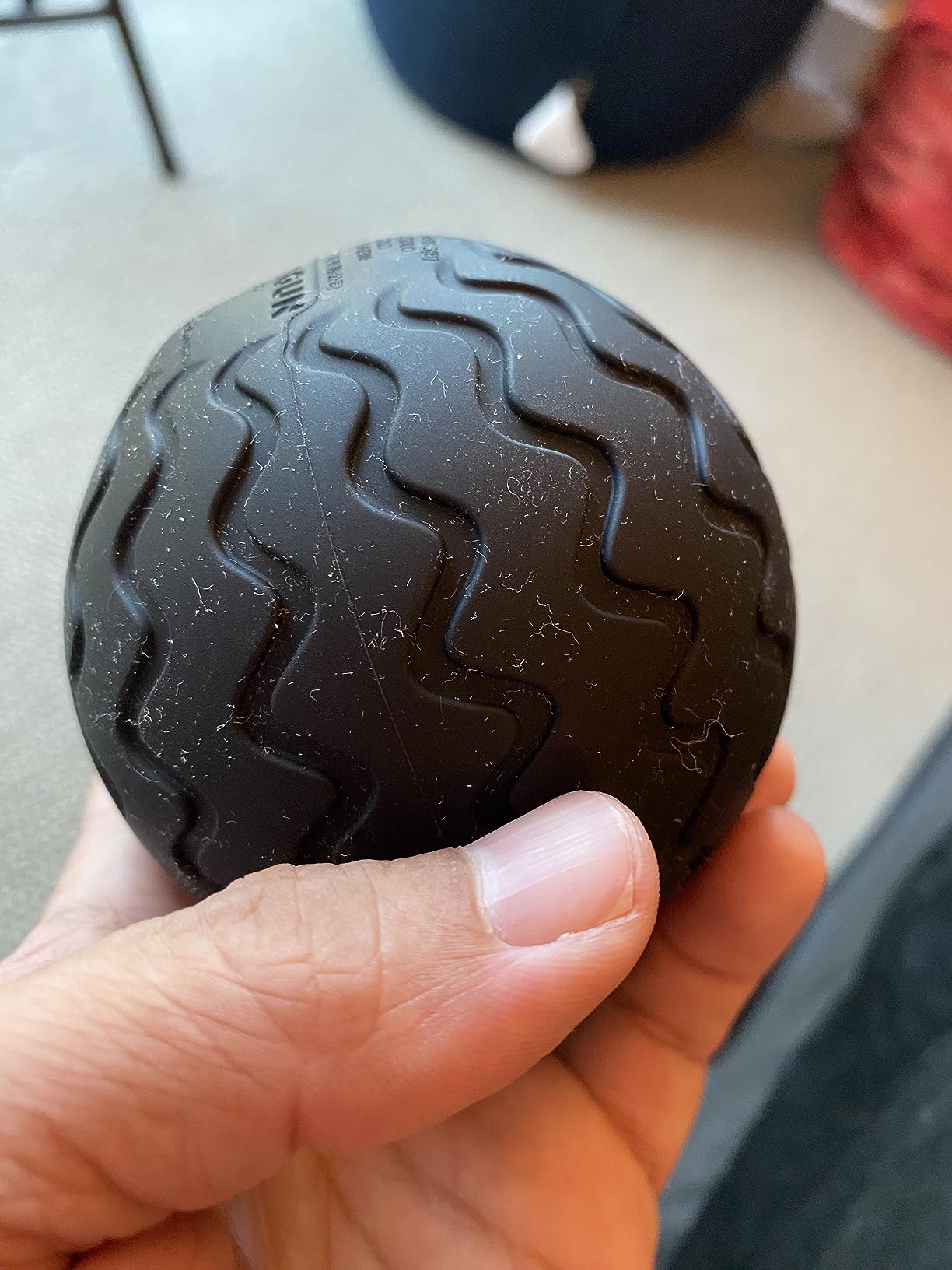
The Therabody WaveRoller is the premium option in the vibrating category, and it shows in the build quality. The high-density EVA foam is wrapped around a powerful motor that maintains intensity even when you press your full body weight into it, which is a real problem with cheaper vibrating rollers.
Bluetooth connectivity through the Therabody app is the standout feature. You can dial in five vibration frequencies from your phone and even pair the roller with guided routines. The wave texture with silicone grooves is also gentler on the skin than hard plastic bumps, which is a plus for sensitive areas.
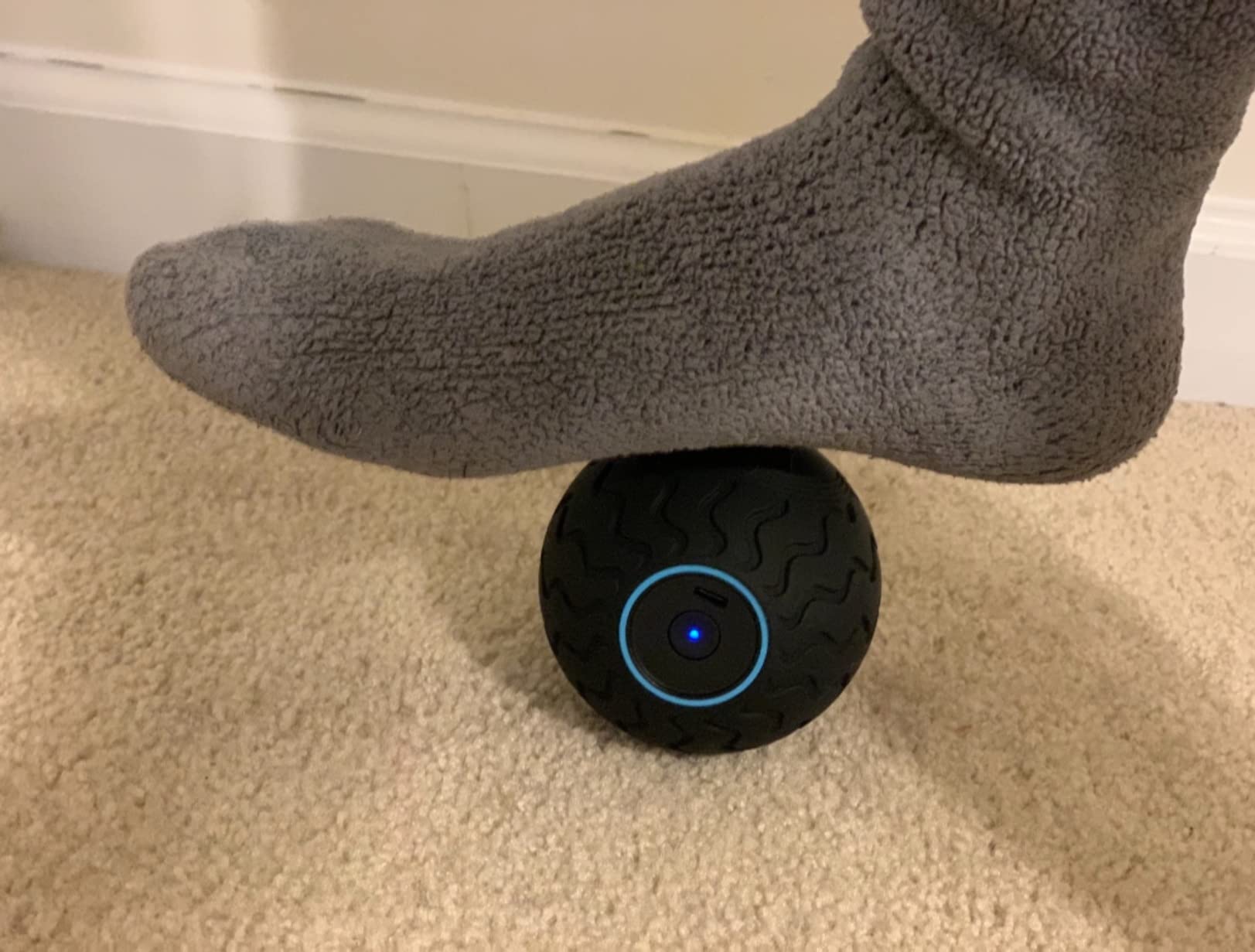
I used the WaveRoller primarily on the feet and calves, where vibration therapy tends to have the biggest impact. After a 10 minute session, the calves felt looser than they do after 20 minutes on a static roller. The 180 minute total battery life is also enough for weeks of daily use before recharging.
About 1,800 reviews and a 4.4 average is impressive for a premium device. The app integration is a clear differentiator if you like structured routines.
When the premium price is worth it
If you already own a Theragun or use the Therabody app, the WaveRoller slots into that ecosystem seamlessly. It is also the right choice if you want a vibrating roller that does not lose power under your bodyweight. The included carrying pouch is a small but appreciated touch for travel.
Where to skip the upgrade
If you are new to vibration therapy, start with the FITINDEX to confirm you actually like the feel. The flat spot where the controls are located can interrupt rolling on long muscle groups like the quads, so the 12 inch length is best for targeted work, not full-length rolling.
11. FitOn Travel Size Foam Roller – Best Compact Travel Roller
FitOn Travel Size Foam Roller for Muscle Recovery, Fitness & Home Exercise
12 inch high-density EVA
4.5 inch diameter
6.4 oz weight
Pros
- Compact travel size
- Maintains shape and firmness
- Lightweight at 6.4 oz
- Great for office and gym use
Cons
- Can feel too firm for some
- Smaller than standard rollers
The FitOn Travel Size is the roller I keep in my work backpack. At 12 inches long and 4.5 inches in diameter, it fits in a gym bag, a carry-on, or a desk drawer, and the high-density EVA foam holds its shape even after being wedged between a laptop and a change of clothes.
For travelers and office workers, this roller solves the consistency problem. Most foam rollers are too bulky to bring on a business trip, so people skip recovery for a week and come back tight. The FitOn removes that excuse.
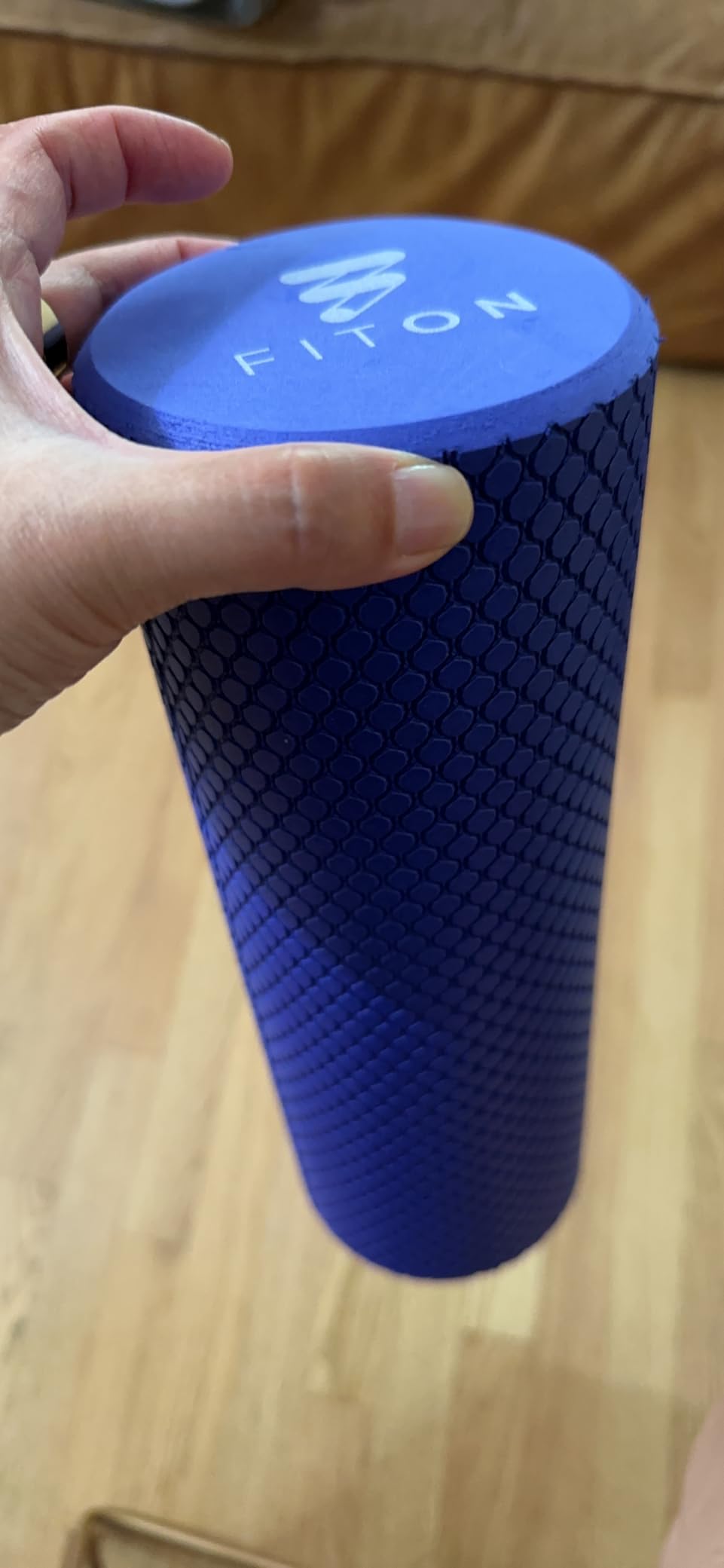
I took the FitOn on a five day work trip last month and used it at the hotel gym and in my room. The textured grip actually helps you control the roller on a carpeted floor, which is a common complaint with smoother rollers. Multiple reviewers also mention using it under their desk during long meetings.
Around 188 reviews and a 4.5 average is a strong start for a newer product. The compact size is the main selling point, and the quality holds up against larger rollers in the same brand family.
Why compact size matters
If you travel for work, live in a small apartment, or want a roller to keep at the office, the 12 inch size is far more practical than a 36 inch cylinder. The 4.5 inch diameter is also a good middle ground for most body types, although very small users may prefer a 4 inch roller.
Honest limitations
You cannot span the entire back with a 12 inch roller, so this is a companion to a longer roller rather than a replacement. The firmness is closer to the Amazon Basics, so sensitive users should look at the OPTP PRO-Roller soft density instead.
12. Brazyn Morph Collapsible Foam Roller – Best Eco-Friendly Travel Roller
Brazyn Morph Foam Roller: Collapsible Travel Foam Roller for Back Pain Relief, Workout Muscle Recovery, Back Massager, Deep Tissue Leg Massage, Back Cracker (Sage, Traditional)
Bamboo and aluminum construction
Collapses under 2 inches
Supports 350 lbs
Pros
- Collapses flat for travel
- Made from bamboo and aluminum
- Lightweight at 1.5 lbs
- Used by pro athletes
Cons
- Premium price
- Can feel soft compared to traditional rollers
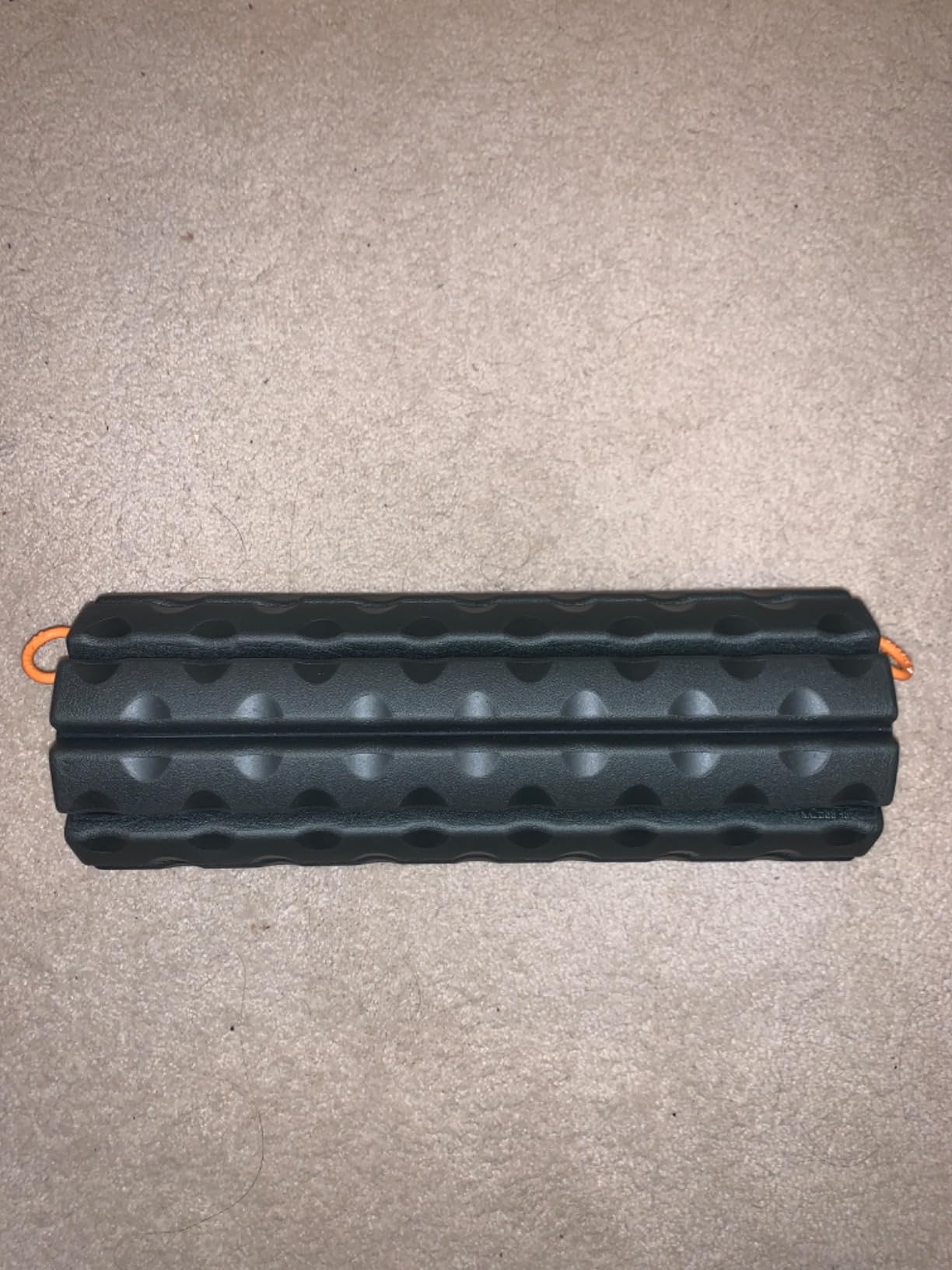
The Brazyn Morph is the most unique roller in this guide. Instead of a foam cylinder, it is a hand-assembled bamboo and aluminum structure that collapses flat to under 2 inches thick. That means you can drop it into a carry-on or a work bag without anyone noticing it is a recovery tool.
Pull the ropes and the Morph expands into a full 5.5 inch diameter roller, 14.5 inches long. The surface gives a gentler release than dense foam, which is a real plus for daily use and a minus for people chasing maximum deep tissue pressure.
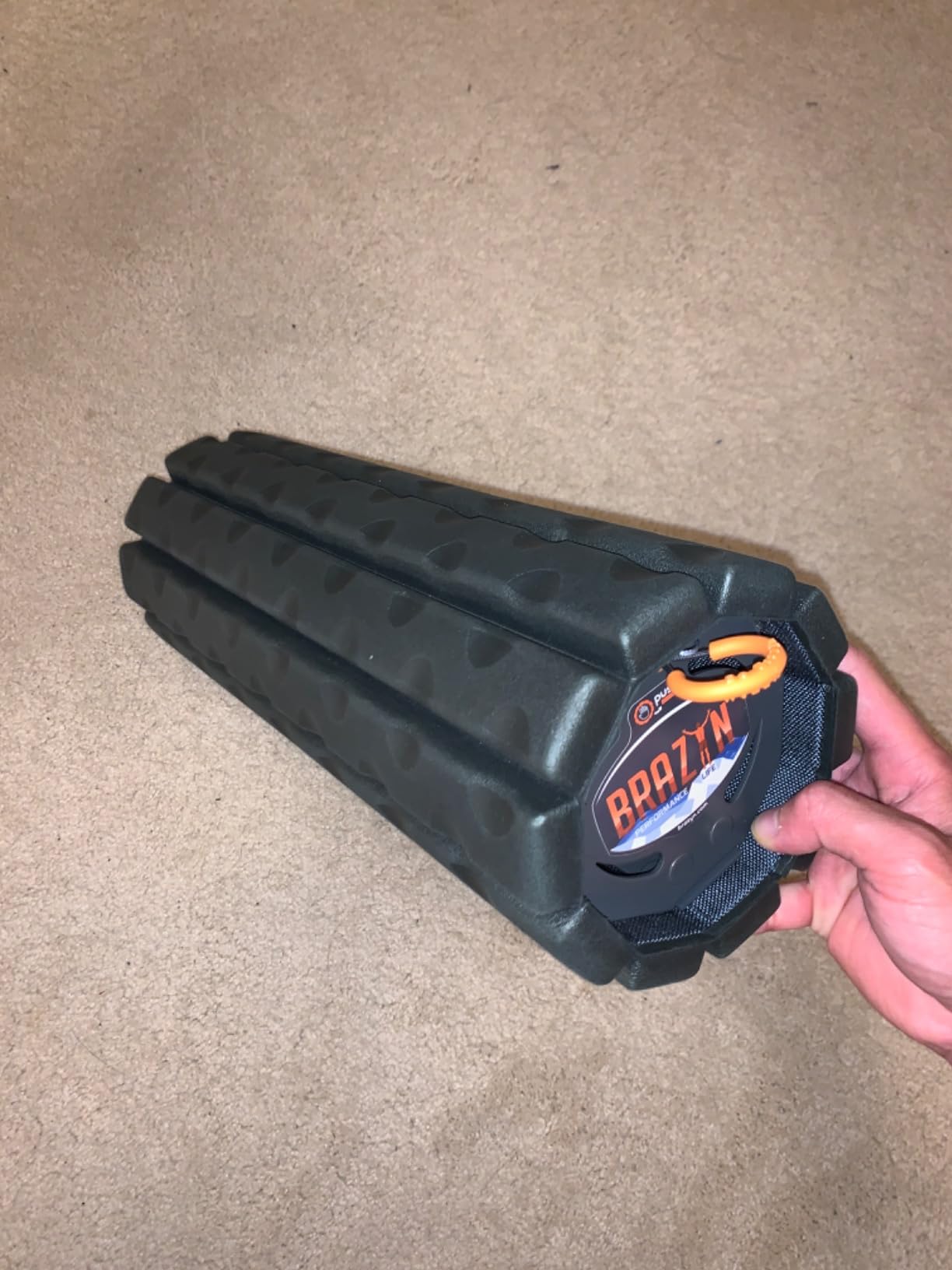
I have been testing the Morph for three months across hotel gyms, race weekends, and home workouts. The collapse-and-expand mechanism is fast once you get the hang of it, and the build quality is genuinely premium. The bamboo surface also feels noticeably cooler against the skin than foam, which is a small but real comfort on hot days.
About 878 reviews and a 4.6 average is excellent for a premium product. Several reviewers mention using the Morph in their everyday tote bag, and Olympians are part of the customer base, which is a strong endorsement.
Why the collapsible design matters
If you travel frequently or live in a small space, the ability to fold flat is a genuine quality-of-life upgrade. The bamboo and aluminum construction is also the most sustainable option in this guide, since the materials are recyclable and the build lasts for years.
What you give up
The price is the highest in this guide, and the foam-free surface is softer than what hardcore deep tissue fans want. If you are looking for maximum pressure, the RumbleRoller or TriggerPoint GRID 2.0 are better fits. But for the travel and sustainability angle, nothing else comes close.
How to Choose the Best Foam Roller for Muscle Recovery
Foam rolling is one of the simplest recovery tools you can buy, but the wrong density, length, or texture will either feel useless or leave you bruised. Here is how I match a roller to the person using it.
Match density to your experience level
Beginners do best with a soft or medium density roller like the OPTP PRO-Roller or the 321 STRONG. Firm density rollers like the Amazon Basics or The Original Body Roller feel intense at first, but they are the right choice once your body adapts. If you are unsure, start soft and graduate up.
Pick a length that fits your body and space
Short rollers (12 to 13 inches) are portable and great for quads, calves, and glutes, but they cannot cover the back in a single pass. Standard rollers (18 to 26 inches) cover most of the body, and long rollers (36 inches) span the entire spine. The TriggerPoint GRID 2.0 and OPTP PRO-Roller are my top picks in the longer lengths.
Choose surface texture for the pressure you want
Smooth rollers give a broad, gentle release and are easier on beginners. Bumpy rollers mimic a therapist’s fingers and reach deeper trigger points, but they are more intense. The RumbleRoller line is the gold standard for bumpy rollers, while the 321 STRONG offers a balanced middle ground.
Decide on material and sustainability
EPP and EVA are the most common materials. EPP is firmer and lasts longer, EVA is softer and easier on sensitive areas. The Brazyn Morph is the only option here made from bamboo and aluminum, which is worth considering if sustainability is a priority.
Consider vibration for stubborn knots
Vibrating rollers like the FITINDEX and Therabody WaveRoller add a second mechanism to break up muscle tension. They cost more and add weight, but they reach deeper tissue without extra effort. They are especially useful for older users or anyone who cannot apply heavy bodyweight pressure.
Think about where you will actually use it
If your roller lives at home, a long, dense model is fine. If you travel, the FitOn or Brazyn Morph fold-flat designs are the only realistic options. If you keep one at the office, the 12 inch FitOn is small enough to live under a desk.
Frequently Asked Questions
Can foam rollers help with muscle recovery?
Yes. Foam rolling is a form of self-myofascial release (SMR) that uses your bodyweight and the roller’s surface to apply sustained pressure to tight muscles. Regular use reduces muscle soreness, increases blood flow, improves range of motion, and shortens the time your body needs to bounce back between workouts.
What type of foam roller is best for muscles?
For most people, a medium to firm density roller with a textured surface is the best all-around choice. Beginners should start with a soft roller like the OPTP PRO-Roller and graduate to firmer textured options like the TriggerPoint GRID or 321 STRONG. The best density is one that feels firm enough to release tension without causing sharp pain.
Is a bumpy or smooth foam roller better?
Both work, but they serve different purposes. Smooth rollers give a broad, gentle release and are better for beginners, sensitive areas, and daily maintenance. Bumpy rollers mimic a therapist’s fingers, dig deeper into trigger points, and are better for athletes or anyone with stubborn muscle knots. Many users keep one of each.
Should I use a foam roller on sore muscles?
Yes, foam rolling is generally safe on sore muscles, but use light pressure and shorter sessions at first. Roll slowly over the muscle, pause on tight spots for 20 to 30 seconds, and avoid rolling directly on joints, the lower back spine, or any area with acute injury. If soreness persists for more than 48 hours, consult a healthcare professional.
Final Verdict on the Best Foam Rollers for Muscle Recovery
After months of testing across 12 rollers, the TriggerPoint GRID 1.0 is still the best foam roller for muscle recovery for most people. It is the right balance of firmness, texture, portability, and price, and it has a multi-year track record across more than 23,000 reviews.
If you want the best value, the Amazon Basics High-Density Foam Roller delivers real recovery work for less than a sports massage. If you want texture on a budget, the 321 STRONG Medium Density Foam Roller is the community favorite. And if you travel often, the Brazyn Morph is the only roller that actually fits in a carry-on without compromising on quality.
Whichever best foam roller for muscle recovery you choose, the most important thing is that you actually use it. Even five minutes a day will loosen up tight muscles, speed recovery, and keep you moving better between workouts. Pick the one that matches your body, your training, and your space, and make it part of your routine in 2026.