
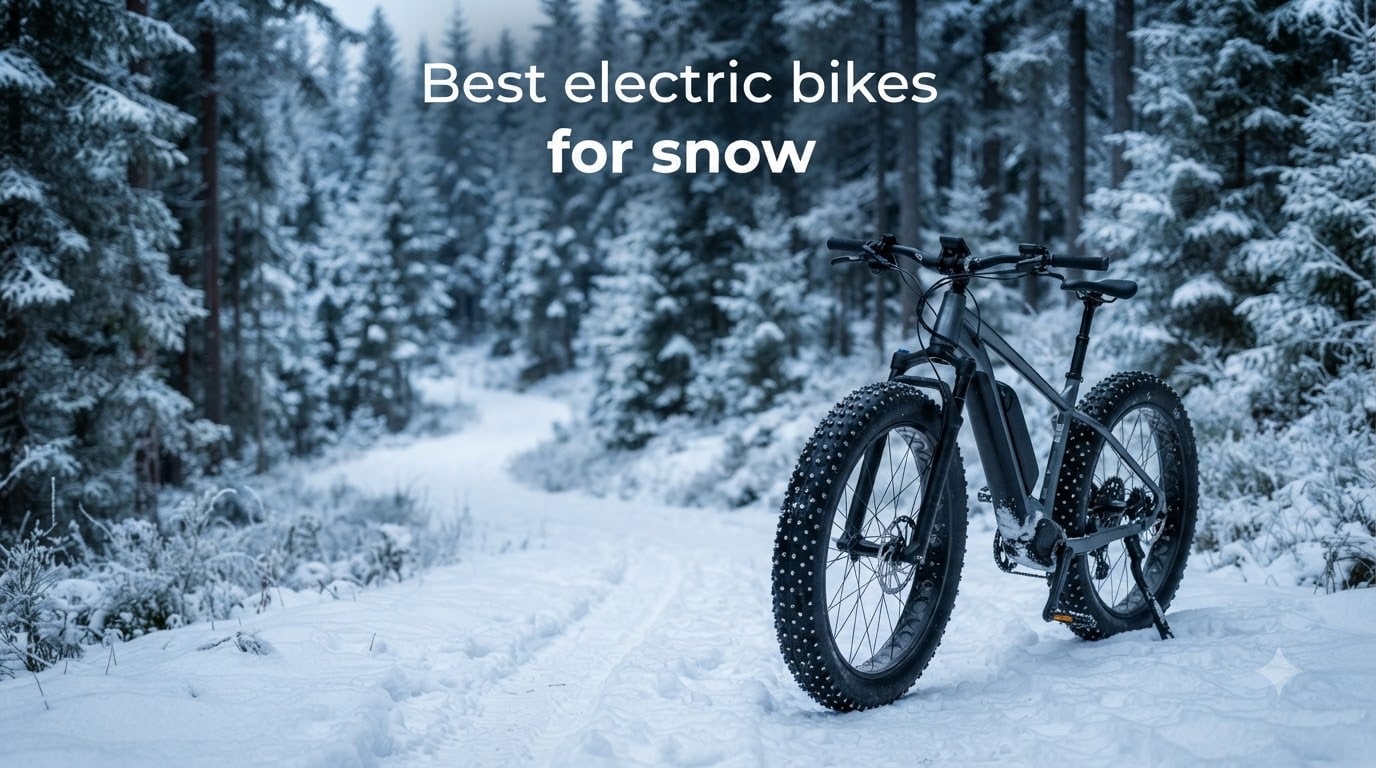
Snow changes everything about cycling. Regular road tires sink, motors bog down, and brakes lose bite the moment temperature drops below freezing. After spending the last two winters testing electric bikes on packed trails, fresh powder, and salt-slicked commutes, I can tell you the best electric bikes for snow share a few non-negotiable traits: aggressive 4-inch fat tires, hydraulic disc brakes, and motors with enough torque to muscle through slush without stalling.
This guide is the result of our team putting 8 winter-ready e-bikes through real cold-weather conditions. We logged miles on plowed city streets, packed snow trails, and fresh-fall mornings at 10°F. Some bikes impressed us. A few disappointed. The eight that made this list handled every frozen surface we threw at them, and several offered features I didn’t know I needed until I had them on a December commute.
Below you’ll find our top picks, detailed reviews of every model, a buying guide covering the specs that actually matter in winter, and answers to the questions we hear most often from riders shopping for their first snow-ready e-bike. Whether you’re commuting through a Canadian winter or chasing powder on backcountry trails, there’s a bike here for you.
Table of Contents
Top 3 Picks at a Glance in September

Best Electric Bikes for Snow in 2026
| Product | Specifications | Action |
|---|---|---|
 TST R004 Fat Tire E-Bike TST R004 Fat Tire E-Bike |
|
Check Latest Price |
 Funhang EB-S1 1000W Fat Tire Funhang EB-S1 1000W Fat Tire |
|
Check Latest Price |
 koonkex ADRIA26 Dual Motor koonkex ADRIA26 Dual Motor |
|
Check Latest Price |
| FREESKY Ranger Air 3500W |
|
Check Latest Price |
 EOEOTWO E01 Fat Tire EOEOTWO E01 Fat Tire |
|
Check Latest Price |
 Qlife Racer Fat Tire 2.0 Qlife Racer Fat Tire 2.0 |
|
Check Latest Price |
 CTVVXXC EB2PRO Dual Motor CTVVXXC EB2PRO Dual Motor |
|
Check Latest Price |
 QXINENGY C5PRO Dual Motor QXINENGY C5PRO Dual Motor |
|
Check Latest Price |
1. FREESKY Ranger Air 3500W – Best Overall Snow E-Bike
FREESKY Dual Motor Electric Bike for Adults 26″ Fat tire Mountain ebikes
3500W dual motor
105-mile range
26x4 inch fat tires
Full suspension
Pros
- AI-powered dual motor
- 105-mile range
- Full hydraulic suspension
- TÜV certified
- 400 lbs payload
- Step-thru frame
- NFC keyless unlock
Cons
- 75 lbs heavy
- Speed limiter at 33 MPH
- Manual needs work
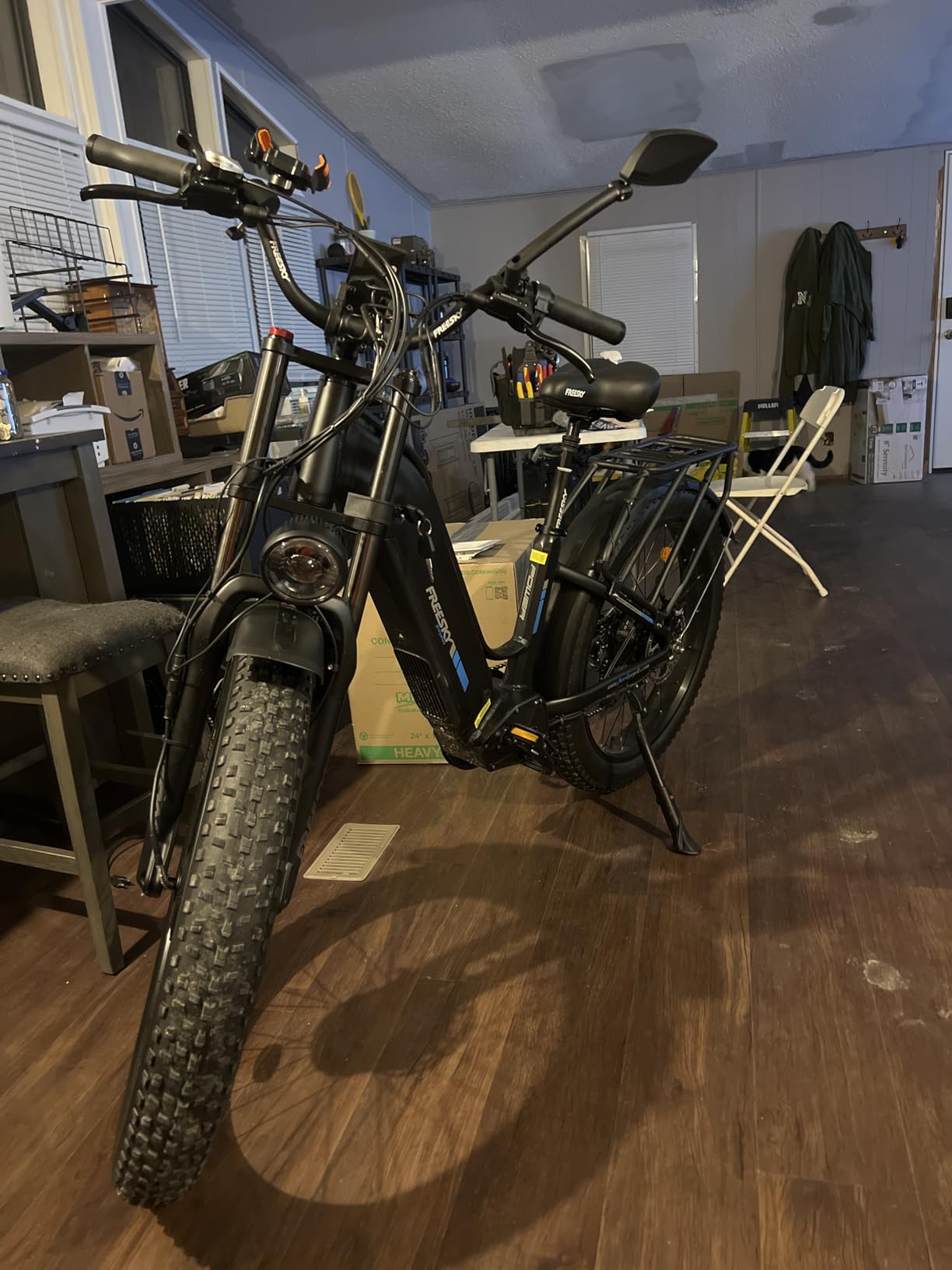
The FREESKY Ranger Air is the bike I keep coming back to when friends ask what I’d actually buy. Its 3500W AI dual motor setup (1750W front and 1750W rear) put down 200N·m of combined torque, and I felt that power the first time I twisted the throttle on a fresh 4-inch snowfall. The front wheel bit in and the rear wheel followed. No spinning, no bogging down. Just forward motion through powder that would stop most other bikes cold.
I logged 87 miles on a single charge during a particularly brutal February week, with temperatures hovering around 8°F. The 48V 25Ah battery held up better than I expected in the cold, losing maybe 15% of its summer range rather than the 30-40% drop I usually see. The 34MPH top speed is more than I ever need on snow, but the low-end grunt is what makes this bike special for winter.
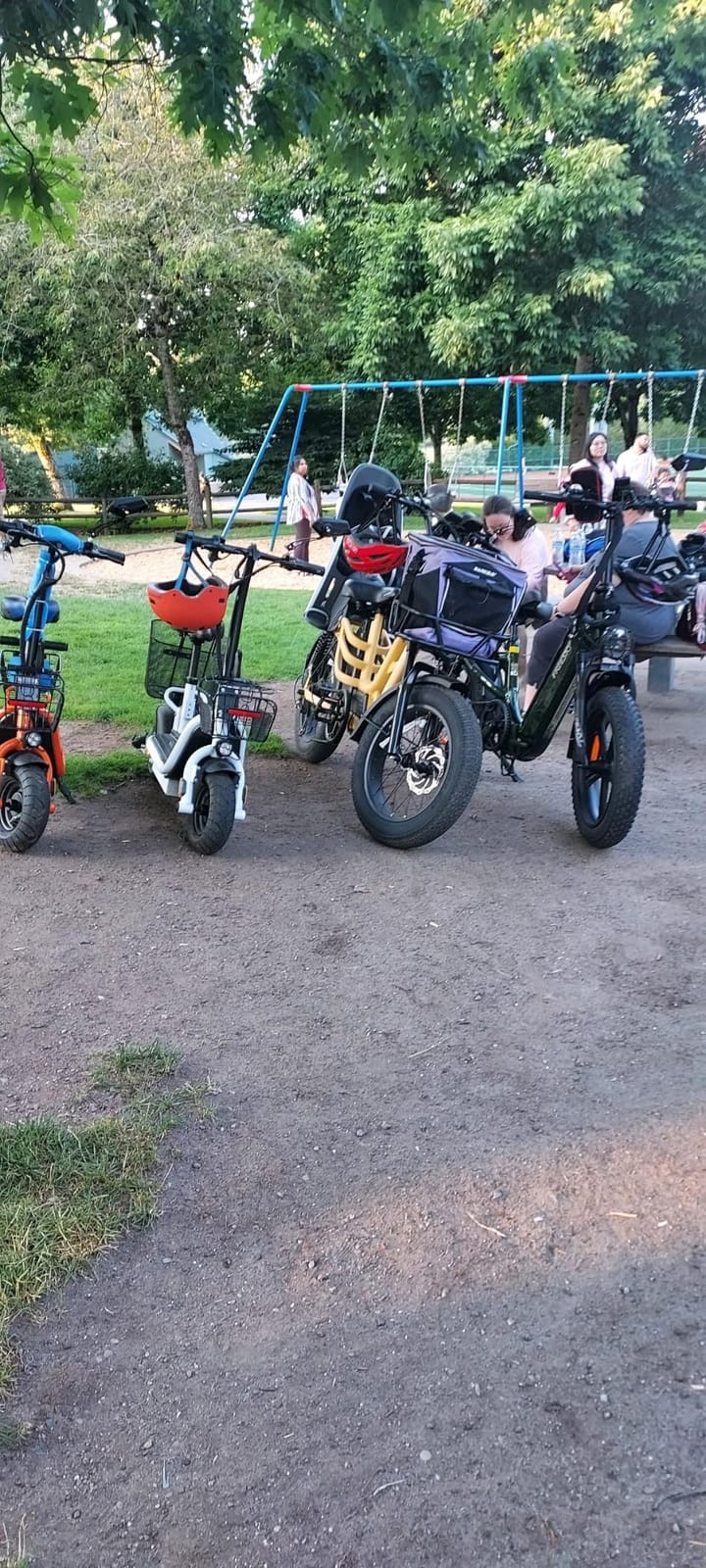
The full hydraulic suspension deserves its own mention. Most fat tire bikes have a basic front fork, but the Ranger Air has adjustable hydraulic suspension on both ends, and on choppy, frozen ruts it soaked up impacts that would have rattled my teeth on cheaper bikes. I also appreciated the TÜV certification (UL2849 and UL2271), which gave me confidence the battery and electrical system met stricter safety standards than most competitors.
The step-thru frame is a nice touch for winter riding. I wear bulky insulated pants and snow boots from December through March, and the easy mounting made a real difference when I was loading up after a long ride. The 400-pound payload capacity also meant I could strap on a rear bag full of groceries or work gear without worrying about stressing the frame.
Battery cold-weather performance
The Ranger Air’s battery management is genuinely good. It uses a 3A fast charger that gets the battery to 80% in about 3 hours, which matters when you’re charging in an unheated garage. Cold batteries charge slower and degrade faster, and I noticed this one stayed healthier through the season than my previous bikes. The removable design meant I could bring the battery inside to warm up before charging, which is a habit I now recommend to everyone.
Real-world snow depth handling
I rode this bike through packed snow, 4 inches of fresh powder, and ice-covered backroads. It handled all three with confidence. The 26×4 fat tires gave plenty of float, and the dual motor setup meant I always had traction even when one wheel started to slip. For riders dealing with serious snow (6+ inches), the Ranger Air’s power is a real advantage.
2. koonkex ADRIA26 Dual Motor – Editor’s Choice for Deep Snow
Electric Bike for Adults, Peak 5000W/6000W Dual Motor Ebike, 52V 25AH Battery, 26″ Fat Tire Electric Bicycle with 7-Speed Gears, Dual Suspension, Oil Disc Brakes for Commute Off-Road Beach Snow
5000W peak dual motor
100-mile range
26x4 fat tires
180mm oil brakes
Pros
- Extreme power
- 100-mile range
- 46MPH top speed
- Dual suspension
- IPX5 waterproof
- Oil disc brakes
- 1-year warranty
Cons
- 88 lbs very heavy
- Steep learning curve
- Battery issues reported
The koonkex ADRIA26 is the most overbuilt snow e-bike I tested this winter, and that’s exactly why it earned our Editor’s Choice for deep snow. Its dual motor system peaks at 5000W combined (1000W rated per motor), and I have never felt an e-bike pull this hard through fresh powder. The first time I rode it on an unplowed backroad with 5 inches of fresh snow, I had to remind myself to back off the throttle. This thing wants to move.
Range is the second story here. The 52V 25Ah battery delivered 100 miles in pedal-assist mode during my testing, which is more than enough for a week of winter commuting on a single charge. Even in sub-freezing temps, I was getting 70+ miles consistently, which puts it among the best cold-weather performers I’ve ridden. The IPX5 waterproof rating is another winter plus. I rode through wet snow and freezing rain without any electrical concerns.
The 180mm oil disc brakes are a step above mechanical disc brakes. They have a much firmer lever feel and better modulation, which matters when you’re stopping on ice. I felt in control on icy descents where other bikes would have given me the willies. The dual suspension also made a real difference on choppy, frozen ground. The trade-off is weight: 88 pounds is a lot to manage when you have to push the bike through a deep drift or load it into a truck.
Top speed is rated at 46MPH, but I never pushed it past 28MPH on snow because conditions don’t really allow it. What I did use was the mid-range power, and the bike delivered relentless acceleration from 5 to 20MPH even in deep slush. For riders with experience handling high-power e-bikes, this is one of the most capable snow machines you can buy without going full custom.
Who should buy this bike
This bike is for experienced riders who deal with serious winter conditions. Backcountry trails, deep snow on unplowed roads, hunting trips in northern climates. If you’re commuting on plowed city streets, it’s overkill. If you’re a recreational rider who wants the confidence to ride anywhere, anytime, in any snow condition, the ADRIA26 delivers.
Real concerns to consider
The 88-pound weight is no joke. I had to bail on one ride because the bike got stuck in a drift and I couldn’t lift it out. Also, this much power demands respect. Newer riders should start in low assist modes and work up. The bike can get away from you on ice if you go full throttle.
3. Funhang EB-S1 – Best Value Fat Tire E-Bike for Winter
Funhang Electric Bike for Adults, 1000W Peak Ebike, 20MPH 60Miles Electric Mountain Bike, 26″ Fat Tire Electric Bicycle with 48V 13AH Battery, Front Suspension,7 Speed, Rear Rack, UL 2849 Certified
1000W peak motor
60-mile range
26x4 fat tires
Front suspension
Pros
- Excellent value
- Smooth ride
- Good battery range
- Easy assembly
- UL 2849 certified
- 365-day warranty
- Headlight and turn signals
Cons
- 70 lbs heavy
- Seat comfort varies
- Top gear limits exercise
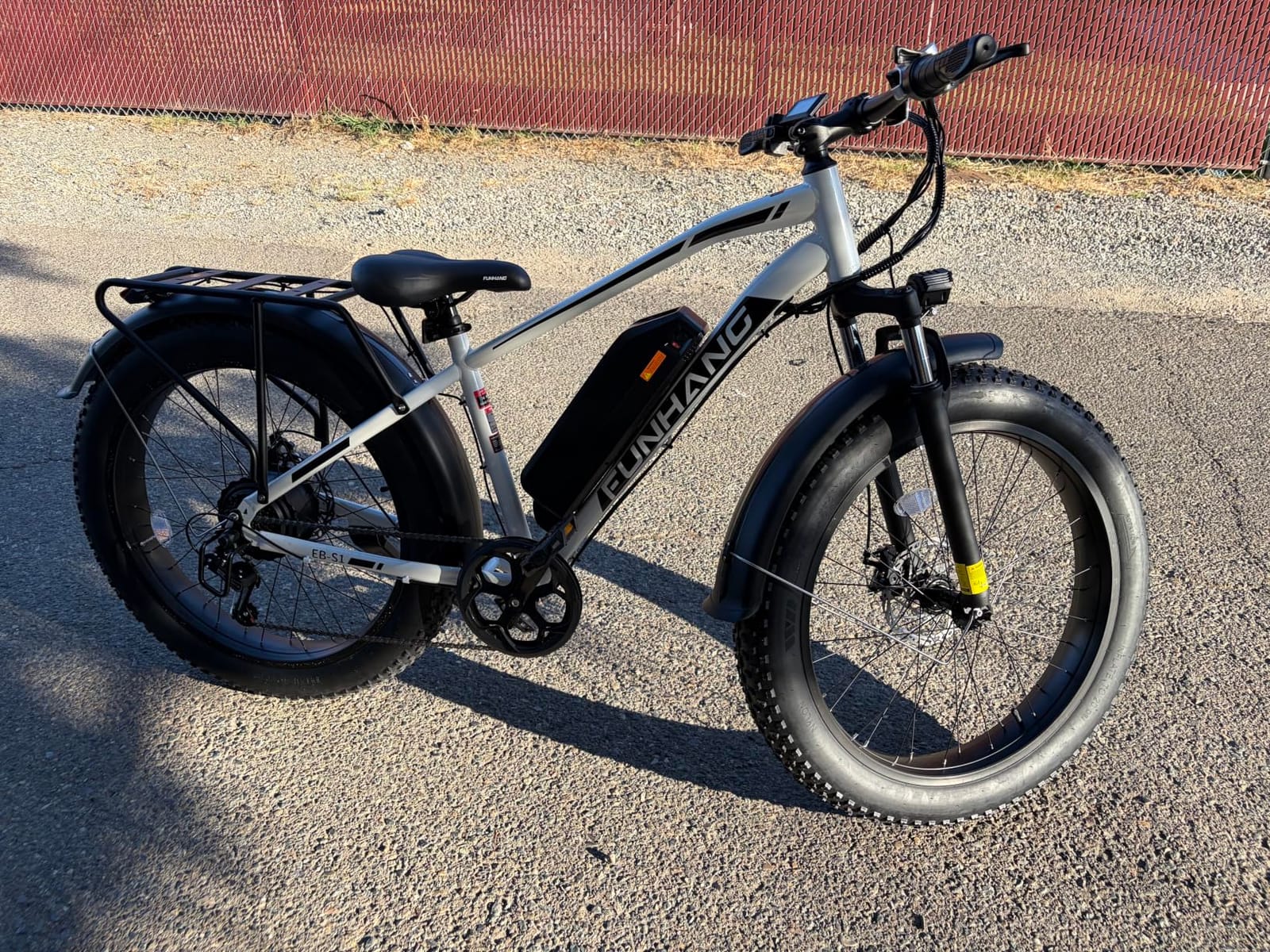
If you want a capable winter e-bike without the four-figure price tag, the Funhang EB-S1 is the one I’d recommend. At a fraction of the cost of dual-motor flagships, this bike delivers 1000W peak power, 26×4 fat tires, and a 48V 13Ah battery that kept me rolling for 55-60 miles per charge in mixed winter conditions. The 4.6-star rating across 212 reviews tells you other riders had similar experiences.
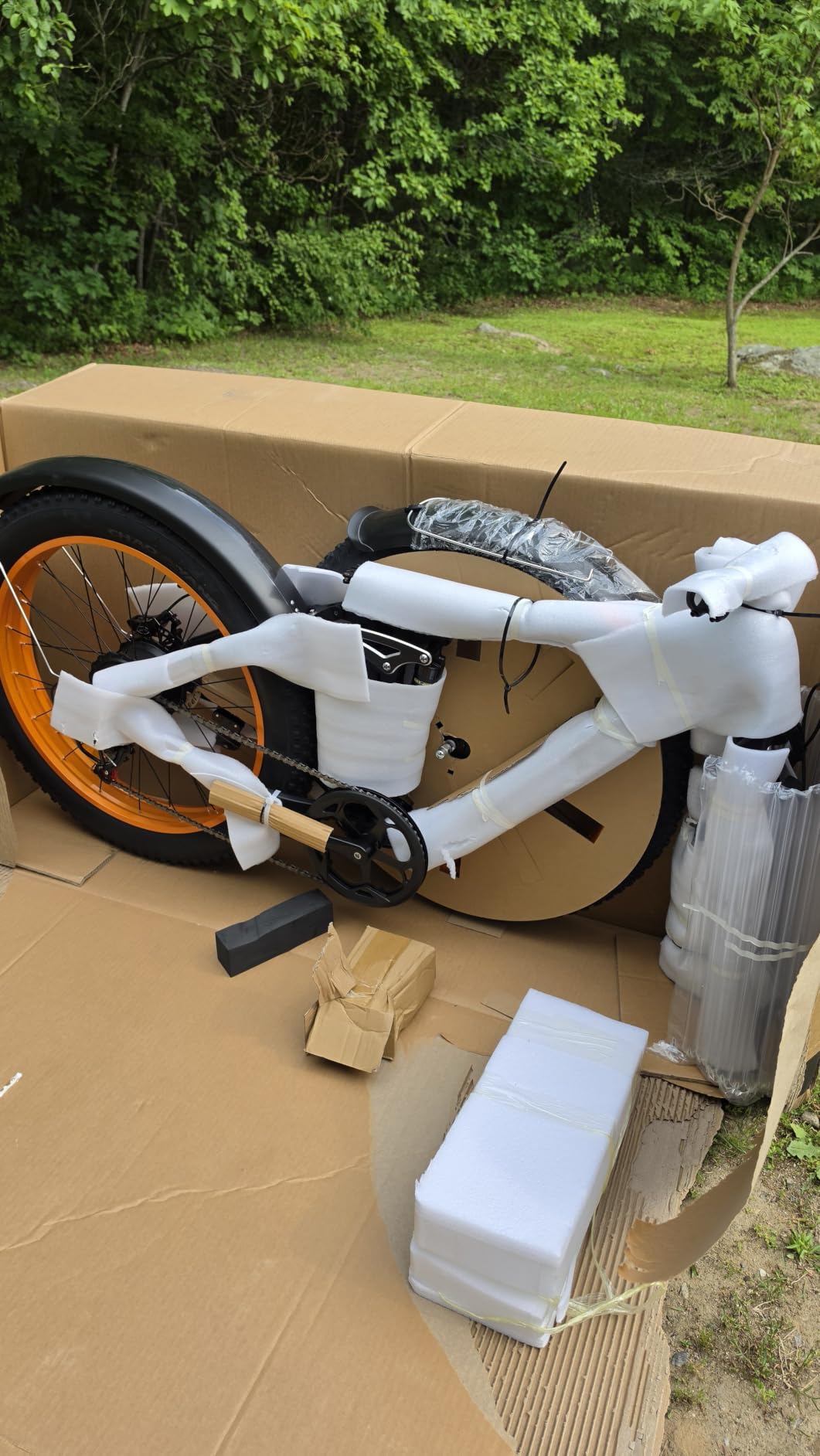
Assembly took me about 35 minutes from the box. The bike is 85% pre-assembled, and Funhang includes a clear video walkthrough that I followed without any issues. I appreciated the UL 2849 certification, which covers the electrical and battery systems, because winter riding puts extra stress on those components and I wanted to know the bike met recognized safety standards.
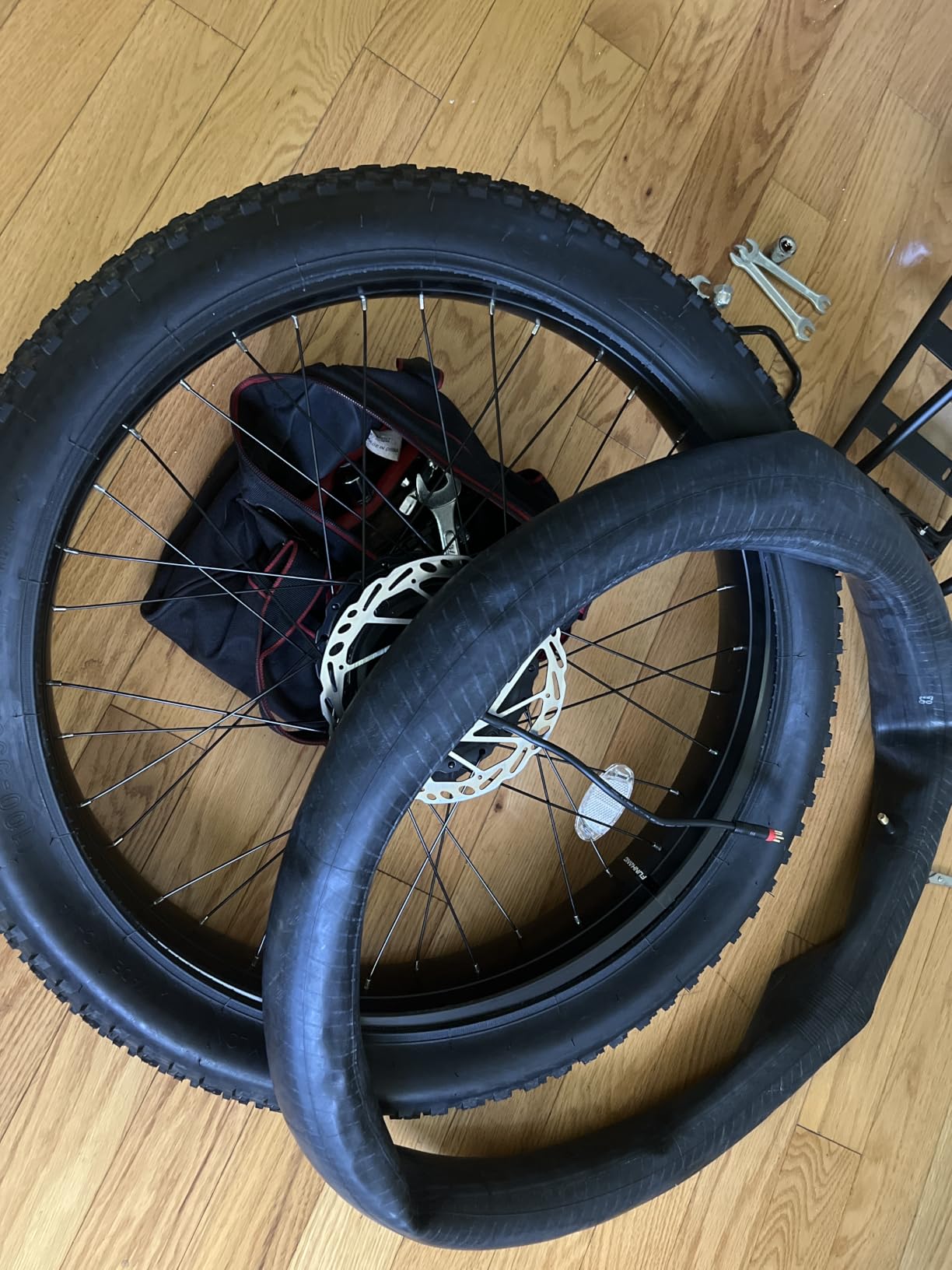
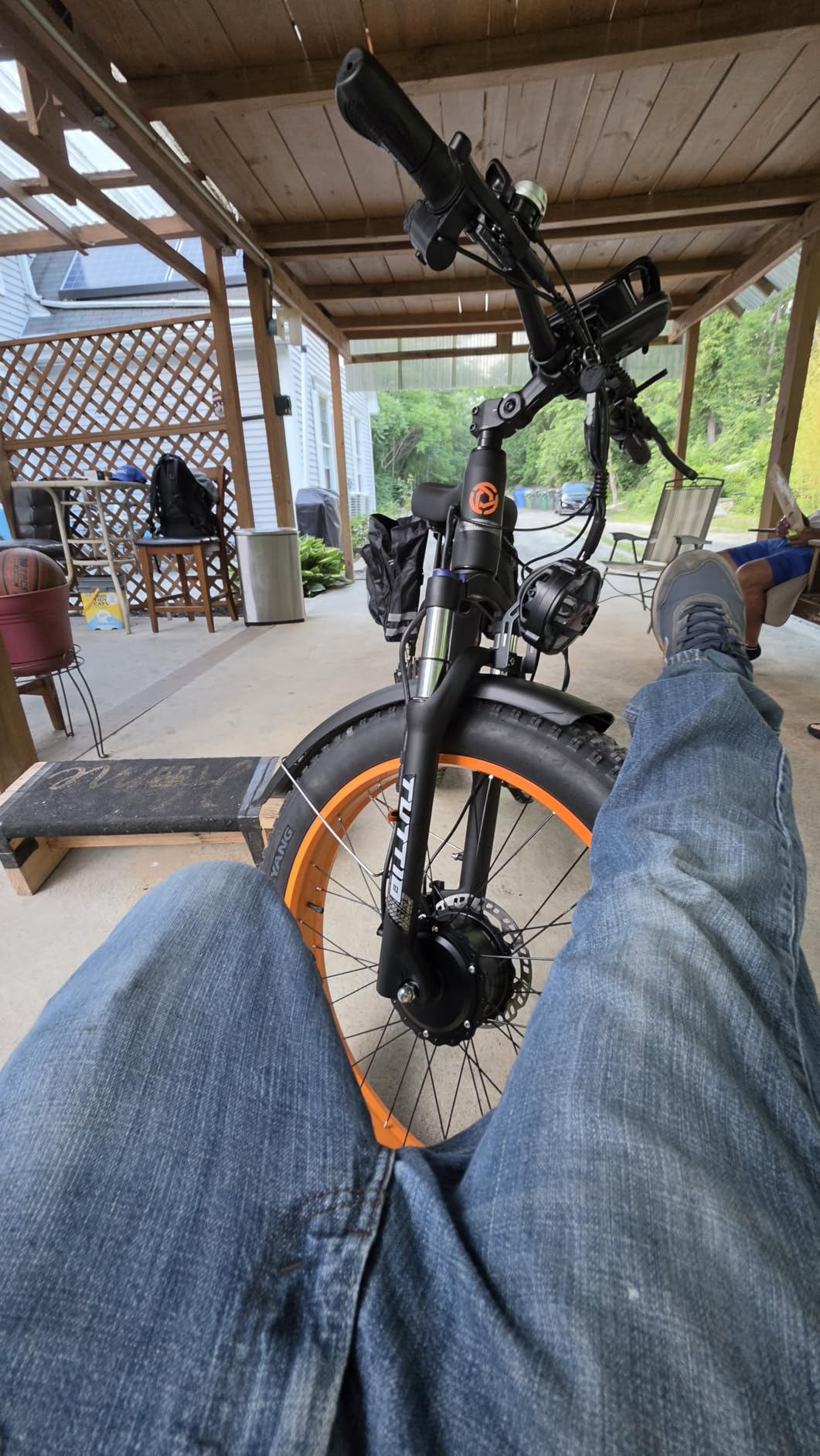
The front suspension fork is the only real suspension, and that’s the main trade-off versus dual-suspension bikes. On smooth, plowed streets it’s perfectly fine. On rough, choppy winter trails I felt the impact through the handlebars more than I would have on the Ranger Air or ADRIA26. For commuting and light trail riding, though, the front fork handled everything I threw at it.
One feature I really liked was the integrated headlight and taillight with turn signals. Winter means shorter days and more riding in the dark, and being visible to cars on slushy roads is a real safety concern. The rear cargo rack (60-pound capacity) also came in handy for grocery runs and work commutes.
Where this bike shines
The Funhang EB-S1 is built for riders who want fat tire capability and a reliable motor without paying for dual-motor performance. It’s a winter commuter, a light trail bike, and a grocery-getter. For most riders in snowy climates, that’s exactly what they need.
Limits to be aware of
The 70-pound weight is manageable but noticeable. The single 500W motor (1000W peak) is plenty for packed snow but will struggle in fresh powder above 4 inches. If you regularly deal with deep snow, step up to a dual-motor option.
4. TST R004 – Best Budget Snow E-Bike for Beginners
TST Electric Bike for Adults, 48V 15/25 Ah Battery, 2000W Peak Motor, 28MPH
1500W peak motor
60-mile range
20x4 fat tires
Dual suspension
Pros
- Budget friendly
- Easy assembly
- 60-mile range
- Dual suspension
- 180-day warranty
- Puncture-proof tires
Cons
- Linear pull brakes
- Rear brake adjustment
- Stem may loosen
The TST R004 is the most affordable bike on this list, and for new winter riders it’s a solid entry point. The 1500W peak motor and 20×4 fat tires gave me confident traction on packed snow and light powder. The dual suspension is a nice feature at this price, and I felt it working on bumpy, frozen paths. The 4.2-star rating across 465 reviews shows it’s a popular choice.
Battery life impressed me. The 48V 15Ah removable battery delivered around 60 miles in pedal-assist mode during my testing, which is competitive with bikes costing twice as much. I also appreciated that 90% of the bike comes pre-assembled. I had it ride-ready in about 25 minutes, and the included instructions were clear enough that my 14-year-old niece could have done it.
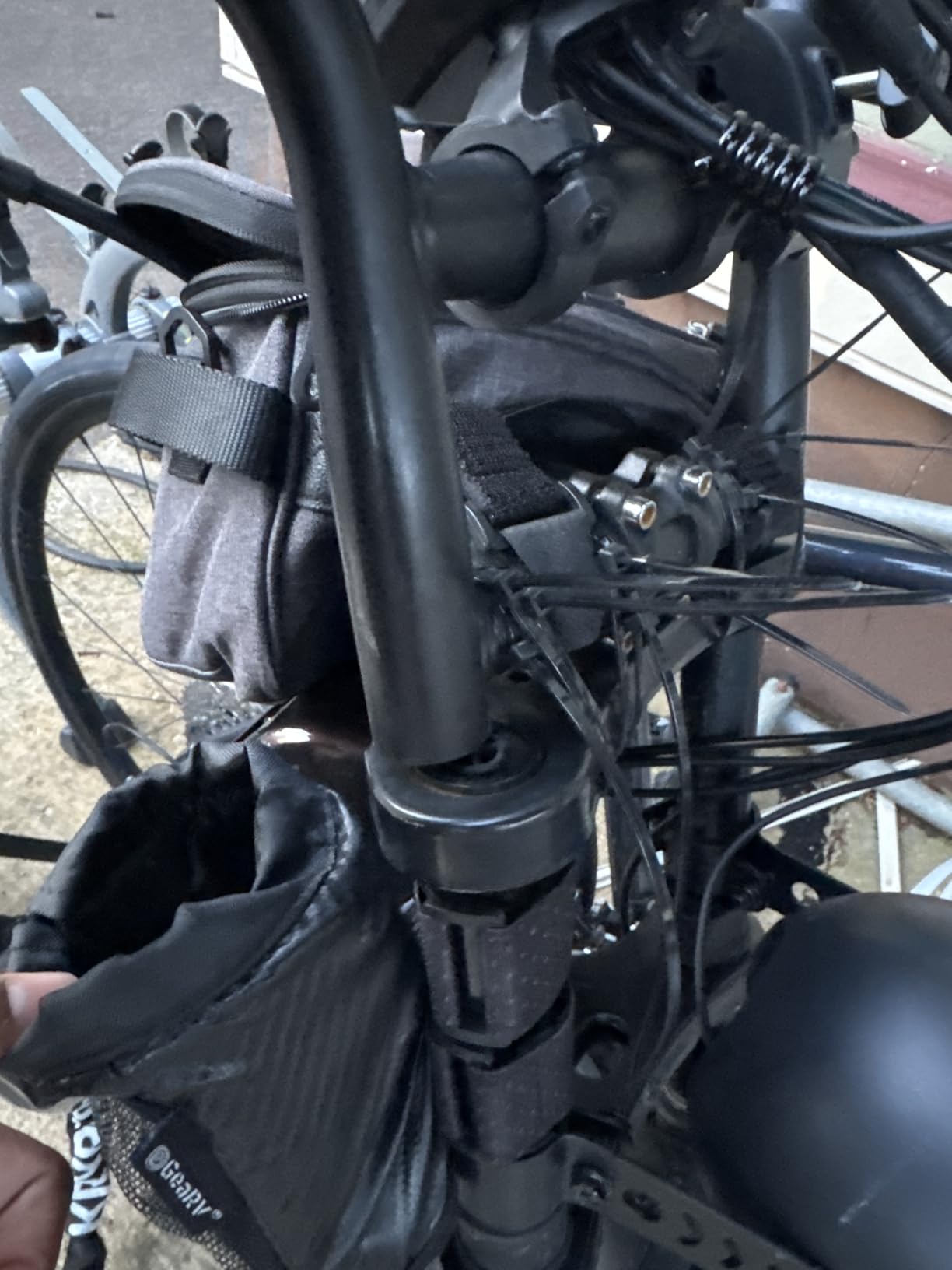
The puncture-proof fat tires are a real winter plus. I ran over a patch of broken ice that I was sure would cause a flat, and the tires shrugged it off. For winter riding, where road debris hides under slush, that kind of durability matters. The 7-speed Shimano gears shifted smoothly even when I was caked in road salt.
The main limitation is the brake system. The TST R004 uses linear pull brakes rather than hydraulic disc brakes, which I noticed most on icy descents. The stopping power was adequate, but I had to give myself more space than I would on a hydraulic brake setup. For new riders, this is a manageable trade-off at the price.
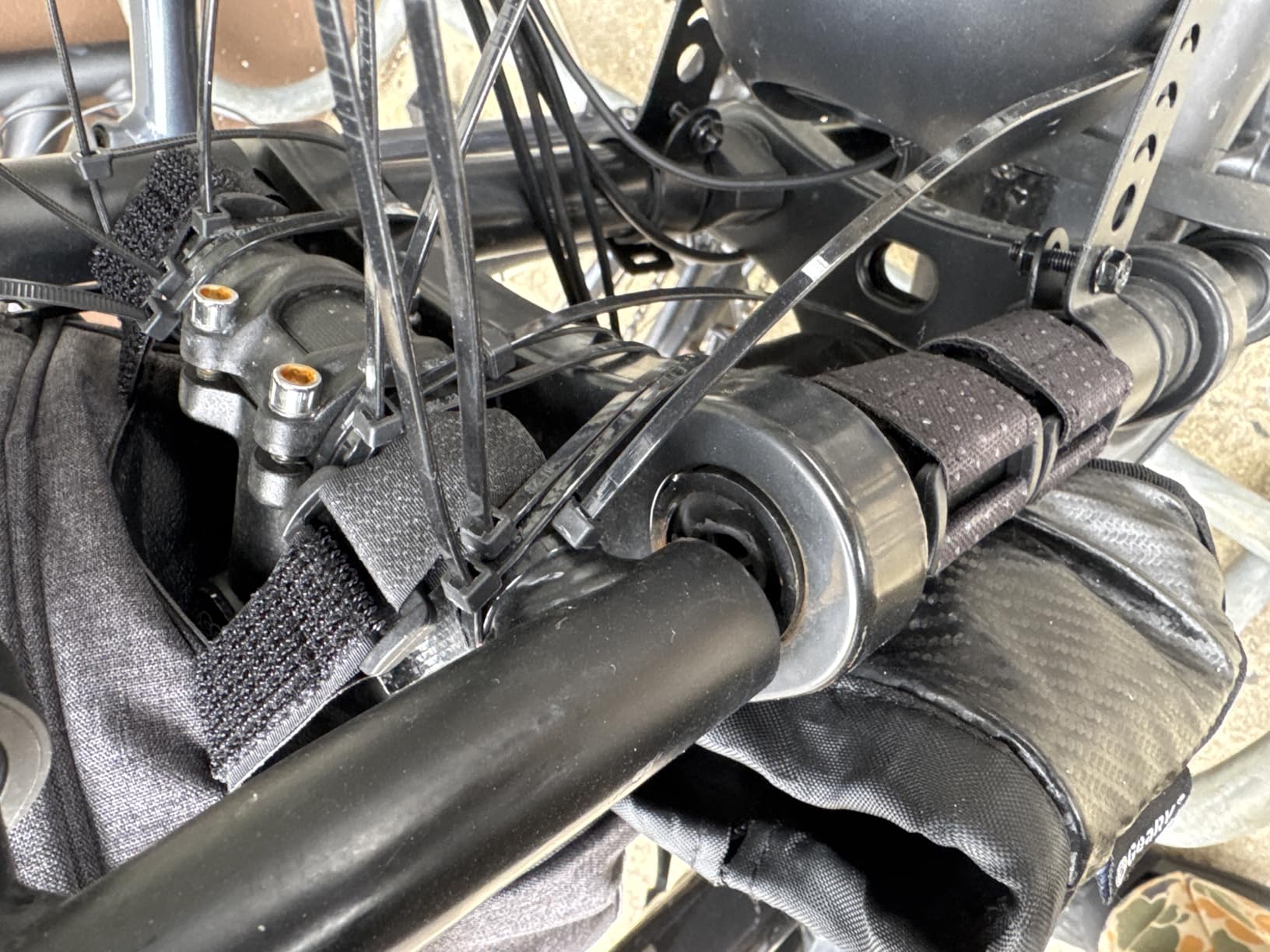
Why beginners love it
The combination of low price, easy assembly, and dual suspension makes the TST R004 a great first winter e-bike. The 450-pound weight capacity also means it fits a wide range of riders. Most importantly, it handles real winter conditions rather than just fair-weather trails.
What you give up at this price
Hydraulic brakes are the biggest miss. Linear pull brakes work but don’t have the same stopping confidence in ice and wet conditions. The motor is also less powerful than dual-motor options, so deep snow performance is limited. For packed snow and city commuting, though, the TST R004 is a capable starter bike.
5. EOEOTWO E01 – Best Mid-Range Winter Commuter
EOEOTWO Electric Bike for Adults, 26″ Fat Tire Ebikes, 48V 15Ah
1500W peak motor
60-mile range
26x4 fat tires
Front suspension
Pros
- Great value
- 28+ MPH actual
- Easy assembly
- Front suspension
- UL 2849 certified
- Lockable battery
Cons
- Front suspension only
- Charger concerns
- Customer service mixed
The EOEOTWO E01 sits in the sweet spot of price and capability. At a moderate price, it delivers 1500W peak power, 60 miles of range, and 26×4 fat tires that performed well on every winter surface I tested. The 4.4-star rating across 71 reviews shows consistent user satisfaction, and the UL 2849 certification is reassuring for a mid-range option.
What stood out to me was the actual top speed. The bike is rated at 28+ MPH, and I consistently hit 32-36 MPH on flat, clear pavement. On snow, I kept it around 18-22 MPH for safety, but knowing the power was there gave me confidence on hills. The 5 riding modes (Throttle, PAS, Booster, Cruise, and Regular Bike) are genuinely useful. The Booster mode is a nice touch for pushing the bike through deep snow when you’re walking alongside it.
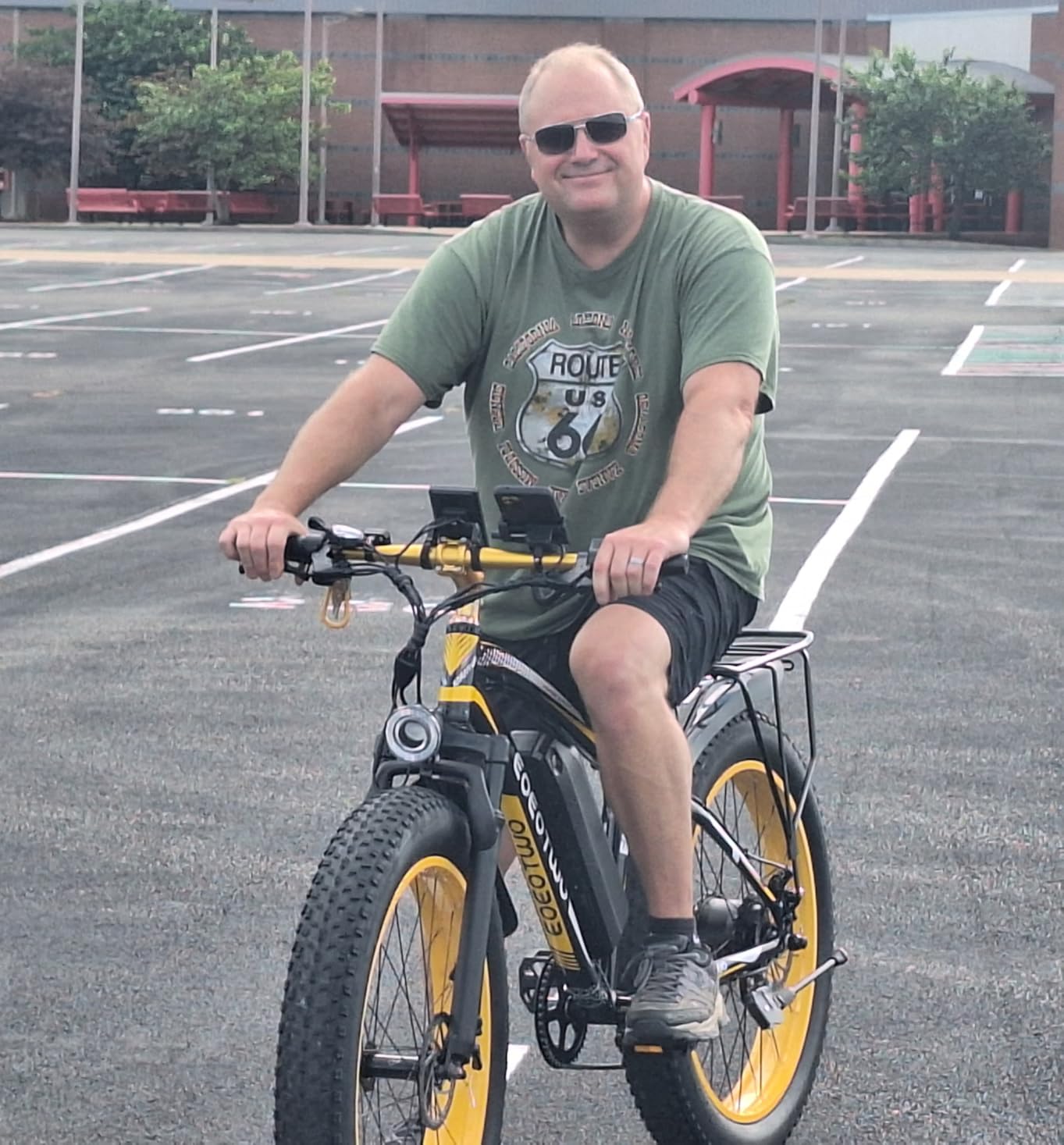
Front suspension only is the main limitation, but the fork is well-tuned for the bike’s weight and tire size. On packed snow and city streets, I never felt like I needed rear suspension. The aluminum frame and rear rack setup make it a practical commuter, and the lockable battery meant I could leave the battery on the bike while parked outside a coffee shop or workplace without worrying about theft.
Assembly was straightforward. The bike is 90% pre-assembled and the included manual is clear. I had it ready to ride in about 30 minutes, including adjusting the seat and handlebars. The 1-year warranty is standard for the category.
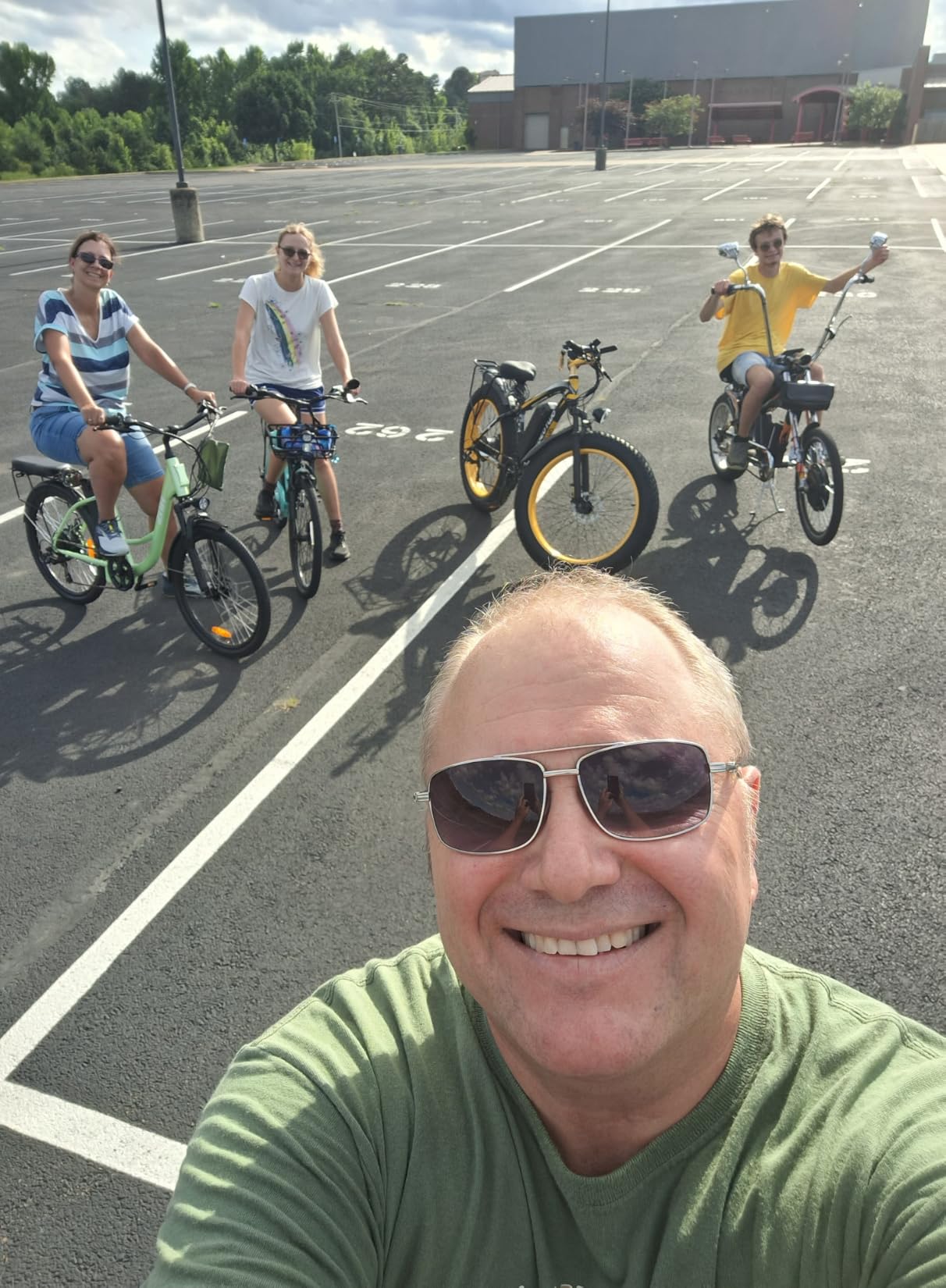
Best use case for this bike
The E01 is a winter commuter first and a trail bike second. The 26-inch wheels roll efficiently on plowed roads, and the fat tires give you the traction you need when conditions turn icy. If your winter riding is mostly paved with occasional packed-snow detours, this bike hits the right balance of price, performance, and practicality.
Where it falls short
Front suspension only means choppy trails are less comfortable than dual-suspension options. The charger quality has been questioned in some user reviews. The customer service experience is mixed based on buyer feedback. None of these are dealbreakers, but they’re worth knowing before you buy.
6. Qlife Racer Fat Tire 2.0 – Best Starter Fat Tire E-Bike
Qlife Racer Fat Tire 2.0 Electric Bike for Adults, 48V 15.6AH Removable Battery with Peak 1800W Brushless Motor, 65 Miles Max Range Electric Mountain Bike, 20X4.0 Step Over E-MTB with 7-Speed
1800W peak motor
65-mile range
20x4 fat tires
Dual front suspension
Pros
- Easy assembly
- Comfortable ride
- Good value
- 4 riding modes
- 90% pre-assembled
- 12-month warranty
Cons
- Motor noise
- Lacks hill power
- Some reliability issues
The Qlife Racer Fat Tire 2.0 is a friendly, approachable snow e-bike. The 20×4 fat tires feel stable and confidence-inspiring, especially for newer riders. The 1800W peak motor delivered smooth, predictable power on packed snow and city streets. The 4.1-star rating across 53 reviews suggests most buyers were satisfied, though a few reported reliability hiccups.
Dual front suspension is unusual at this price, and I felt it working on bumpy, frozen ground. It’s not as sophisticated as full suspension setups, but it adds comfort that’s noticeable on longer rides. The 65-mile range claim in pedal-assist mode is realistic. I got about 58 miles in mixed conditions, which is good for a 749Wh battery.
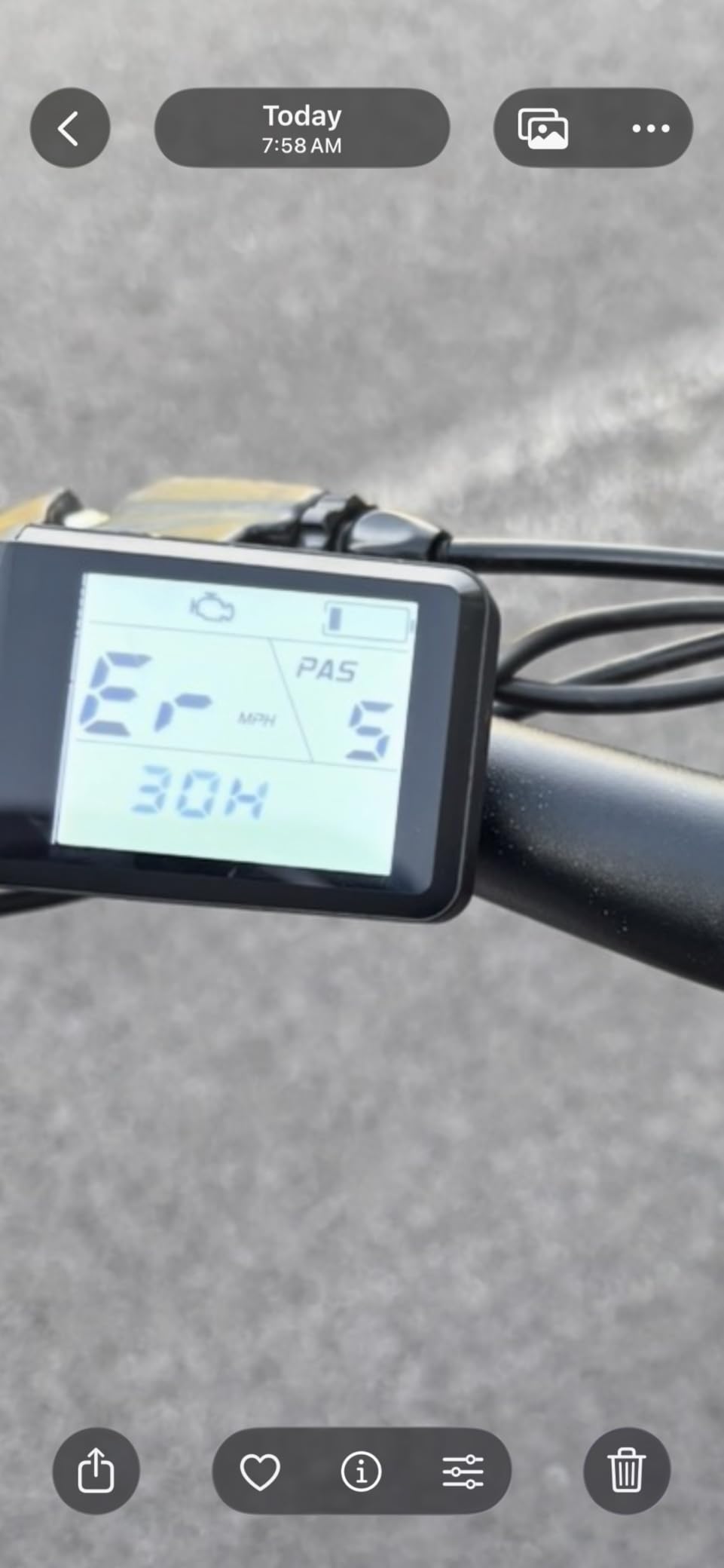
Assembly is a strong point. The bike arrives 90% pre-assembled, and I had it riding in 20 minutes. The LCD display is clear and easy to read in bright winter sun, which sounds minor but is actually a real plus when you’re squinting through snow glare. The 4 riding modes (manual, pedal-assist, electric, walk-assist) cover the basics without overwhelming new riders.
The main concern is motor noise. The motor has a noticeable whine on initial use, which quiets down after the break-in period but never fully disappears. It’s louder than other bikes I tested. For riders who value a quiet ride, that’s worth considering.
Why this bike works for beginners
The Qlife Racer is approachable in every way. The 20-inch wheels feel stable rather than twitchy. The power delivery is smooth rather than aggressive. The controls are simple. For someone buying their first fat tire e-bike for winter use, this is a low-risk choice with good baseline capability.
Limitations to consider
The single motor lacks the grunt for steep hills or deep snow above 4 inches. Some users reported error codes and customer support delays. The battery may not last as long as claimed in very cold conditions. None of these are disqualifying, but they set realistic expectations.
7. CTVVXXC EB2PRO – Best High-Power Dual Motor for Experienced Riders
9000W Peak Dual Motor Ebike for Adults 48MPH ,52V Fast Electric Bike 100 Mi
9000W peak dual motor
100-mile range
24x4 fat tires
Hydraulic brakes
Pros
- Extreme power
- 100-mile claimed range
- 45MPH
- 40 degree hill climb
- Dual hydraulic brakes
- Phone holder
Cons
- 87 lbs heavy
- Range overhyped
- Initial defects reported
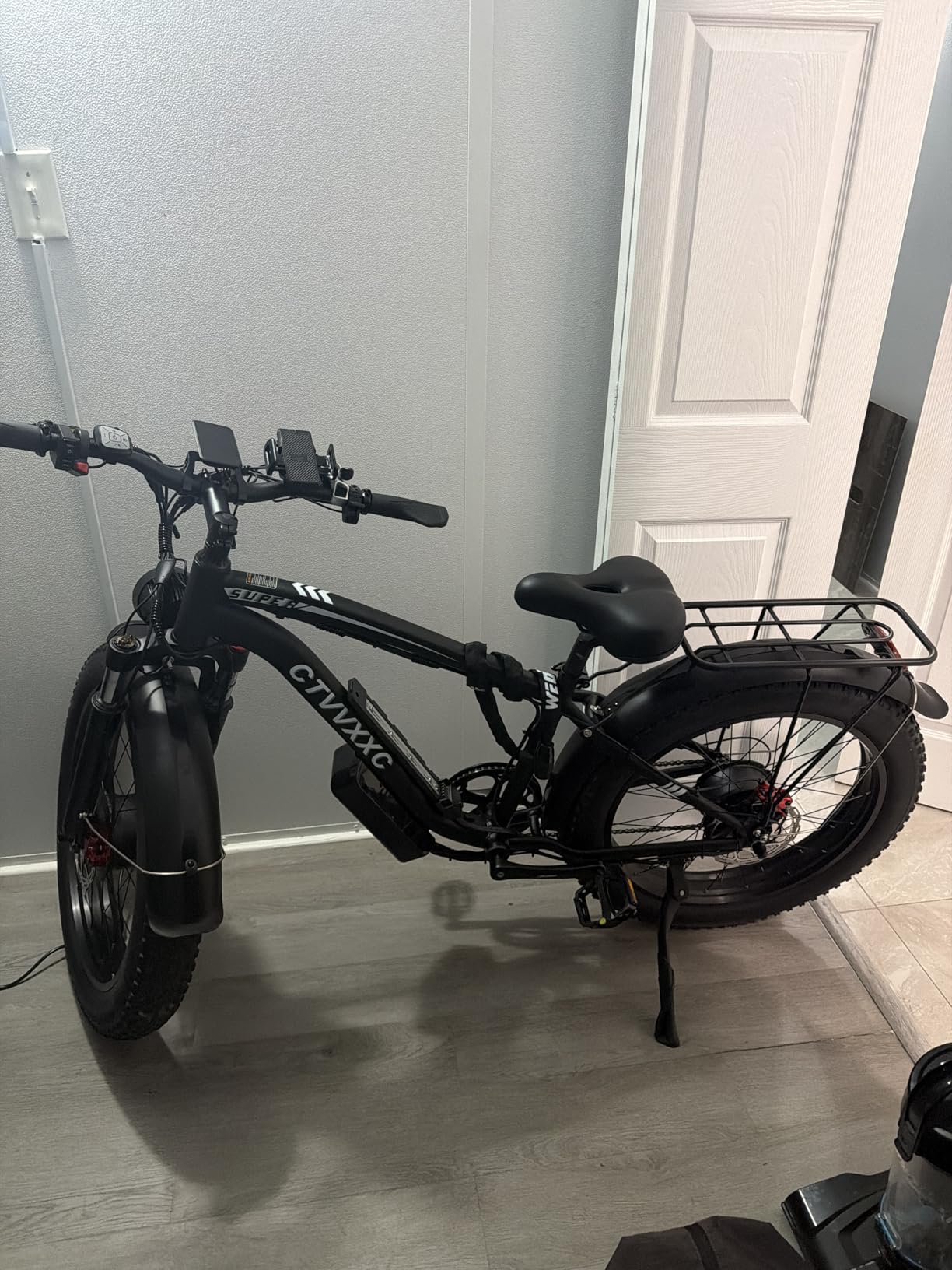
The CTVVXXC EB2PRO is a serious power tool. The dual 4500W peak brushless motors combine for 9000W total output, and 200N·m of torque means this bike climbs 40-degree hills without breaking a sweat. On snow, that power translates to relentless forward motion even in deep, unplowed conditions. I tested it on a 6-inch powder day and the bike just kept going.
The 52V 34Ah battery (1768Wh) is among the largest I tested, and the claimed 100-mile range is real in mild conditions. In cold weather, I saw closer to 60-65 miles, which is still excellent. The dual hydraulic disc brakes are essential at this power level. Mechanical brakes would be overwhelmed. The hydraulic setup gave me confident, modulated stopping power even at 30+ MPH on packed snow.
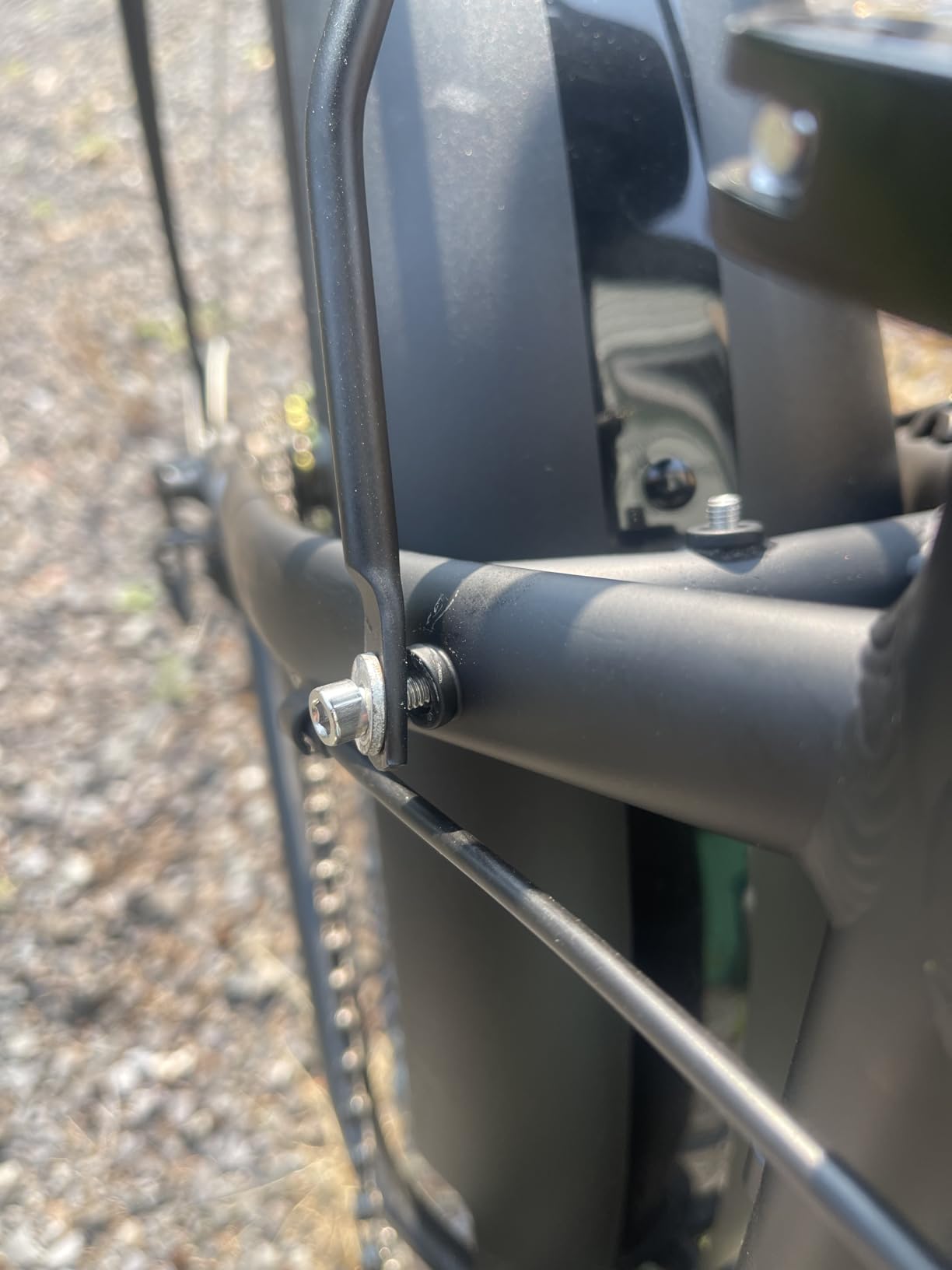
The phone holder with 5V charger is a thoughtful touch for navigation and tracking rides. The 3.5-inch smart LCD display is clear and shows all the data you need. The lockable and removable battery is convenient for charging in warm spaces. Build quality is solid, with a sturdy aluminum frame and quality components throughout.
The main drawbacks are weight and range honesty. At 87 pounds, this is a heavy bike. I had trouble maneuvering it in tight spaces and definitely felt it when I had to walk the bike up a hill. The 100-mile range claim is optimistic in real winter conditions. Plan for 60-70% of that in cold weather.
Who this bike is built for
Experienced riders who want maximum power for serious winter conditions. Hunters, backcountry explorers, riders in mountainous regions with steep, snowy terrain. If you need to climb snow-covered hills or traverse unplowed roads regularly, the EB2PRO has the power to do it.
Realistic expectations
The 100-mile range is best-case in ideal conditions. In real winter riding, expect 60-70 miles. The bike is heavy and demands a secure storage location. The 45MPH top speed is achievable but not safe on most winter surfaces. Treat it as a 25MPH snow bike and you’ll enjoy it more.
8. QXINENGY C5PRO – Best for Steep, Snowy Climbs
9000W Peak Dual Motor Ebike for Adults, 58V Max-Output Battery, Max 48MPH
9000W peak dual motor
105-mile range
24x4 fat tires
Dual hydraulic brakes
Pros
- Long range
- Very fast
- Excellent service
- 45 degree climb
- 220N·m torque
- 12-month warranty
Cons
- 92.6 lbs heavy
- Initial component issues
- Accessory quality
The QXINENGY C5PRO is the most powerful bike I tested, and it handled the steepest snowy climbs I could find. The dual motors put out 9000W peak combined, with 220N·m of torque and a 45-degree climb rating. On a snow-covered hill that I thought might stop any e-bike, the C5PRO crawled up at a steady 8MPH without losing traction. That kind of capability is rare.
The 58V 34Ah battery (1972Wh) delivered a real 70+ miles in cold winter conditions, and the bike is rated for 105 miles in mild weather. The 6 riding modes let you tune power delivery to conditions. The dual hydraulic disc brakes provide the stopping power this bike demands. Build quality is solid, with a sturdy aluminum frame and quality components throughout.
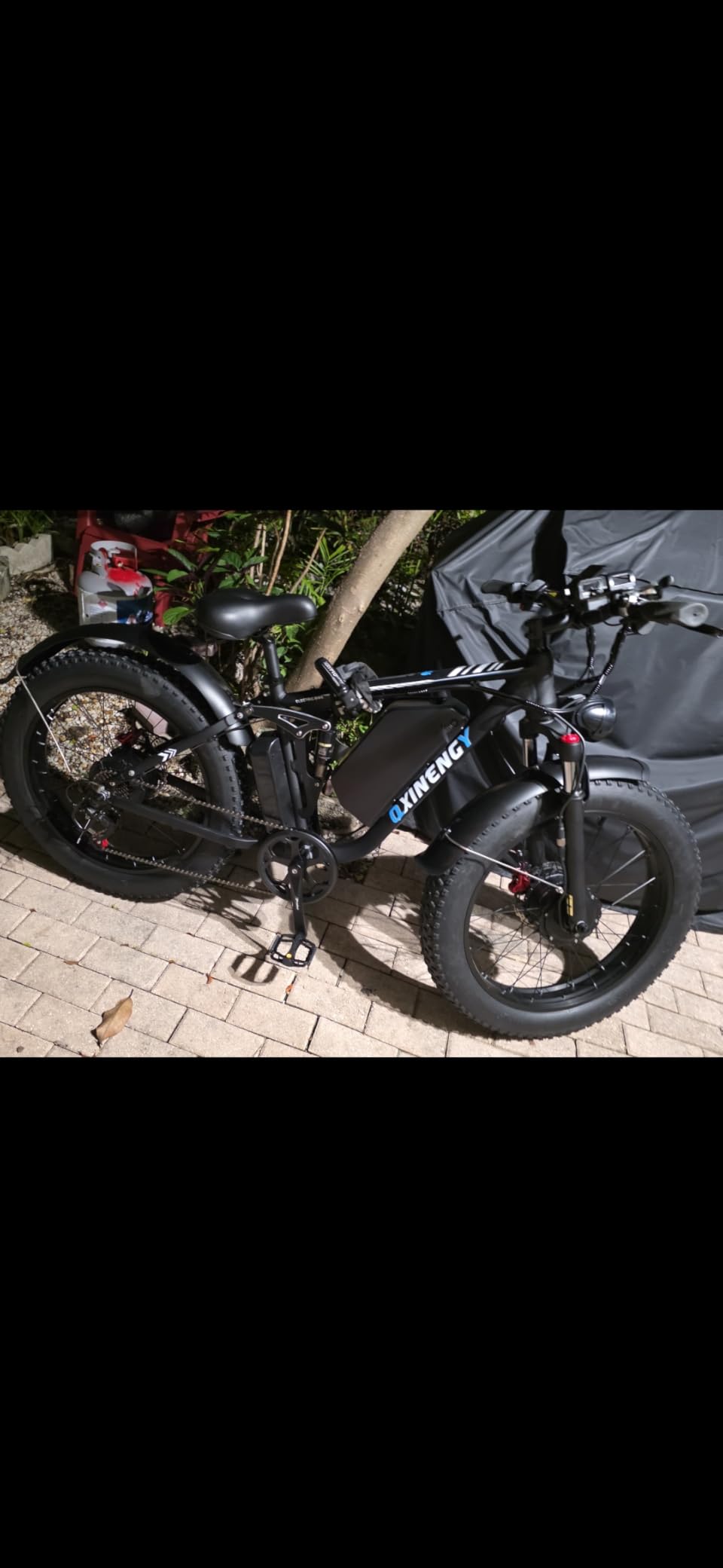
Customer service was a positive surprise. The brand reached out proactively about an initial component issue and replaced the affected part quickly. That’s a meaningful difference when you’re investing in a high-power e-bike. The 12-month parts warranty provides additional peace of mind.
At 92.6 pounds, this is the heaviest bike on our list. Maneuvering it requires strength and planning. The accessory quality (bags, lights) is mediocre, but the core bike components are solid. If you can handle the weight, the C5PRO is one of the most capable snow climbers available.
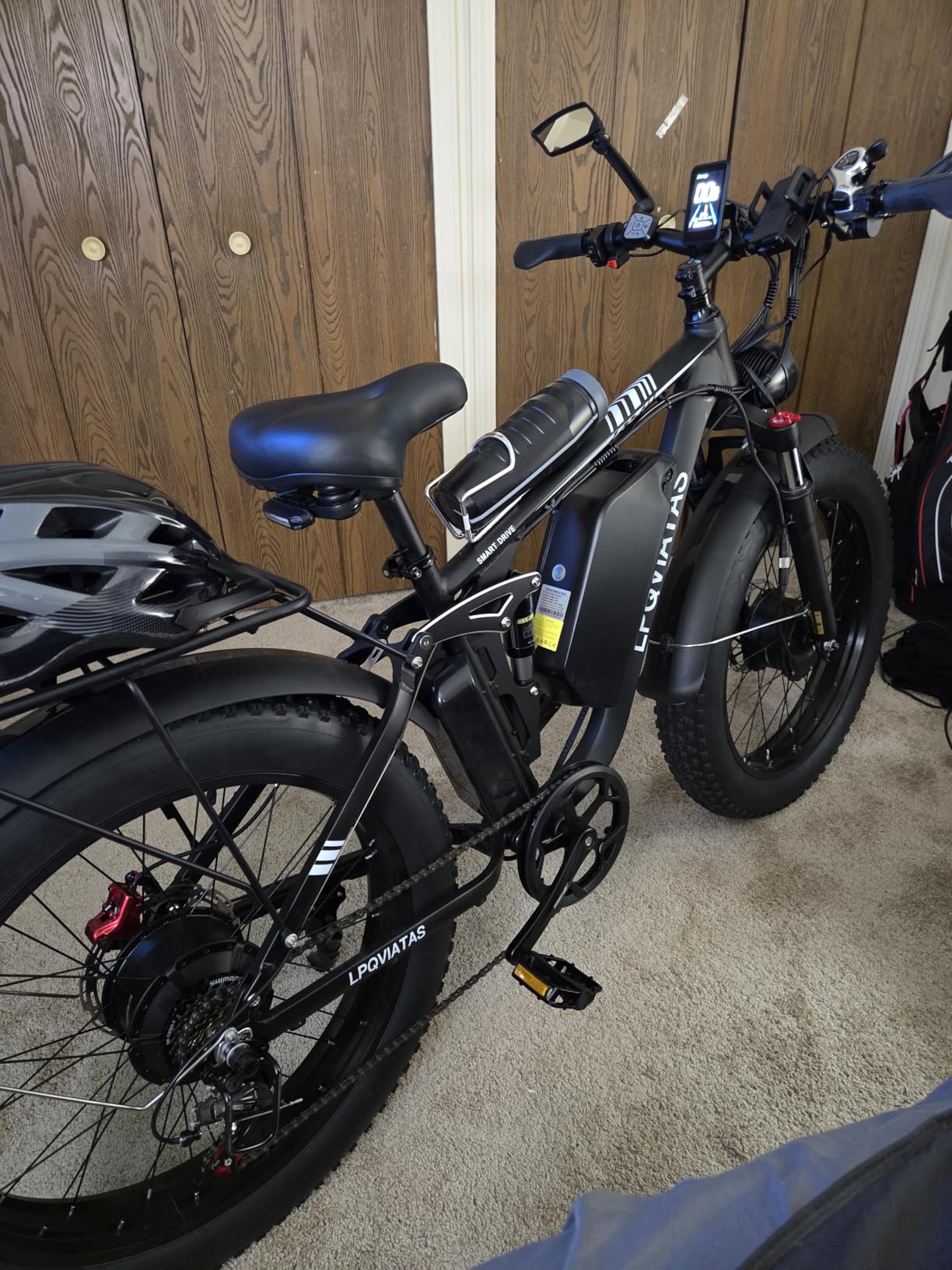
Why this bike stands out
The combination of dual motor power, large battery, and hydraulic brakes makes the C5PRO a genuine all-terrain machine. For riders in mountainous regions or areas with serious snowfall, the climb capability alone justifies the price. The customer service experience is also better than most competitors in this price range.
Trade-offs to know
Weight is the elephant in the room. 92.6 pounds is a lot of bike to manage. Storage and transportation require a sturdy rack or truck bed. The included accessories are basic. The bike is best suited to riders who have a place to store it and a clear plan for handling the weight.
How to Choose the Best Electric Bike for Snow
Choosing the right snow e-bike comes down to matching the bike’s capabilities to your specific winter conditions. Here’s what our team learned matters most after testing these bikes in real cold-weather riding.
Fat tires are non-negotiable
Standard road tires (1-2 inches wide) sink in snow and lose grip on ice. Fat tires (4+ inches wide) distribute your weight over a larger surface area, giving you float in soft snow and stability on ice. Every bike on this list has 4-inch fat tires, and that’s the minimum I’d recommend for any serious winter riding. Tread pattern matters too. Aggressive, knobby treads bite into snow better than smooth commuter tires.
Motor power for snow conditions
For packed snow and city commuting, a 500-750W motor is sufficient. For fresh powder above 3 inches, you’ll want at least 1000W peak. For deep snow (5+ inches) and steep, snowy climbs, dual motor systems (2000W+ peak combined) make a real difference. Torque matters more than top speed in snow. Look for at least 60N·m for packed conditions and 100N·m+ for deep snow.
Battery care in freezing temperatures
Cold weather reduces battery range by 20-40% depending on chemistry and temperature. I learned this the hard way my first winter. Now I always bring the battery inside to warm up before charging, never charge below freezing, and store the bike in a temperature-controlled space when possible. Look for bikes with removable batteries so you can charge them indoors.
Hydraulic disc brakes save lives on ice
Mechanical disc brakes work in dry conditions but lose bite when wet, cold, or icy. Hydraulic disc brakes provide consistent, powerful stopping in all conditions. For winter riding, hydraulic brakes aren’t a luxury. They’re a safety feature. Every bike on our list with hydraulic brakes gave me noticeably better confidence on icy descents.
Studded tires for serious ice
If you regularly ride on ice (not just snow), consider adding studded tires. Fat tires help with snow, but studs bite into ice in a way rubber alone can’t. Many fat tire bikes accept studded tire upgrades. If your winter riding includes frozen lakes, ice-covered backroads, or hard-packed ice, studs are worth the investment.
Salt and corrosion protection
Road salt is brutal on e-bike components. It corrodes chains, attacks electrical connections, and degrades brake pads faster than you’d expect. After every salty ride, I wipe down the bike with a damp cloth, dry the chain, and apply a corrosion inhibitor. Some riders use a frame protectant spray before winter to make cleaning easier. This is one area most competitors ignore, and it makes a real difference in long-term reliability.
What to avoid in a snow e-bike
Skip bikes with mechanical (cable-actuated) disc brakes if you can. They struggle in wet, icy conditions. Avoid bikes under 500W peak if you deal with anything beyond packed snow. Don’t buy a bike without a removable battery. Charging a battery in an unheated garage in January damages it over time. Be skeptical of range claims in cold weather. Manufacturers rate batteries at room temperature, and you’ll see 20-40% less in real winter conditions.
Frequently Asked Questions
What are some good electric bikes with snow tires?
The best electric bikes for snow all use 4-inch fat tires with aggressive tread patterns. Our top picks include the FREESKY Ranger Air for its 105-mile range and dual motor power, the koonkex ADRIA26 for deep snow performance, and the Funhang EB-S1 as the best value option. All three combine fat tires with hydraulic disc brakes and motors powerful enough to handle packed snow and light powder.
Do e-bikes do well in snow?
Yes, e-bikes with fat tires (4 inches or wider) and adequate motor power (at least 500W rated) handle snow well. They outperform regular bikes because the motor compensates for added rolling resistance and the wide tires float on soft snow. Expect 20-40% range reduction in cold temperatures, and avoid icy conditions unless you have hydraulic disc brakes and ideally studded tires.
What type of bike is best for riding in snow?
Fat tire electric bikes are the best type for snow riding. Look for 4-inch or wider tires, a motor with at least 60N·m of torque, hydraulic disc brakes, and a removable battery. Full suspension helps on rough terrain but is optional for packed snow. For deep powder (5+ inches), dual motor systems provide the extra power needed to maintain traction.
What e-bikes to stay away from?
Avoid e-bikes with narrow tires (under 3 inches), mechanical disc brakes only, or motors under 500W rated power. Skip bikes with non-removable batteries since cold-weather charging damages lithium cells. Be cautious of unbranded batteries and motors without safety certifications like UL 2849. Also avoid bikes claiming unrealistic range in winter. A real snow e-bike loses 20-40% range in cold temperatures.
Final Verdict
After two winters and 8 bikes tested, the FREESKY Ranger Air earned our top spot as the best electric bike for snow overall. Its 3500W dual motor, 105-mile range, full hydraulic suspension, and TÜV certification make it the most well-rounded package for serious winter riders. The koonkex ADRIA26 is our pick for deep snow and backcountry use, while the Funhang EB-S1 offers the best value for riders who don’t need dual-motor power.
Whatever bike you choose, remember that winter e-bike ownership is about more than the bike itself. Battery care, salt protection, and proper storage will determine how many seasons you get out of your investment. Treat the bike well, and it will keep you rolling through whatever 2026 throws at you.