
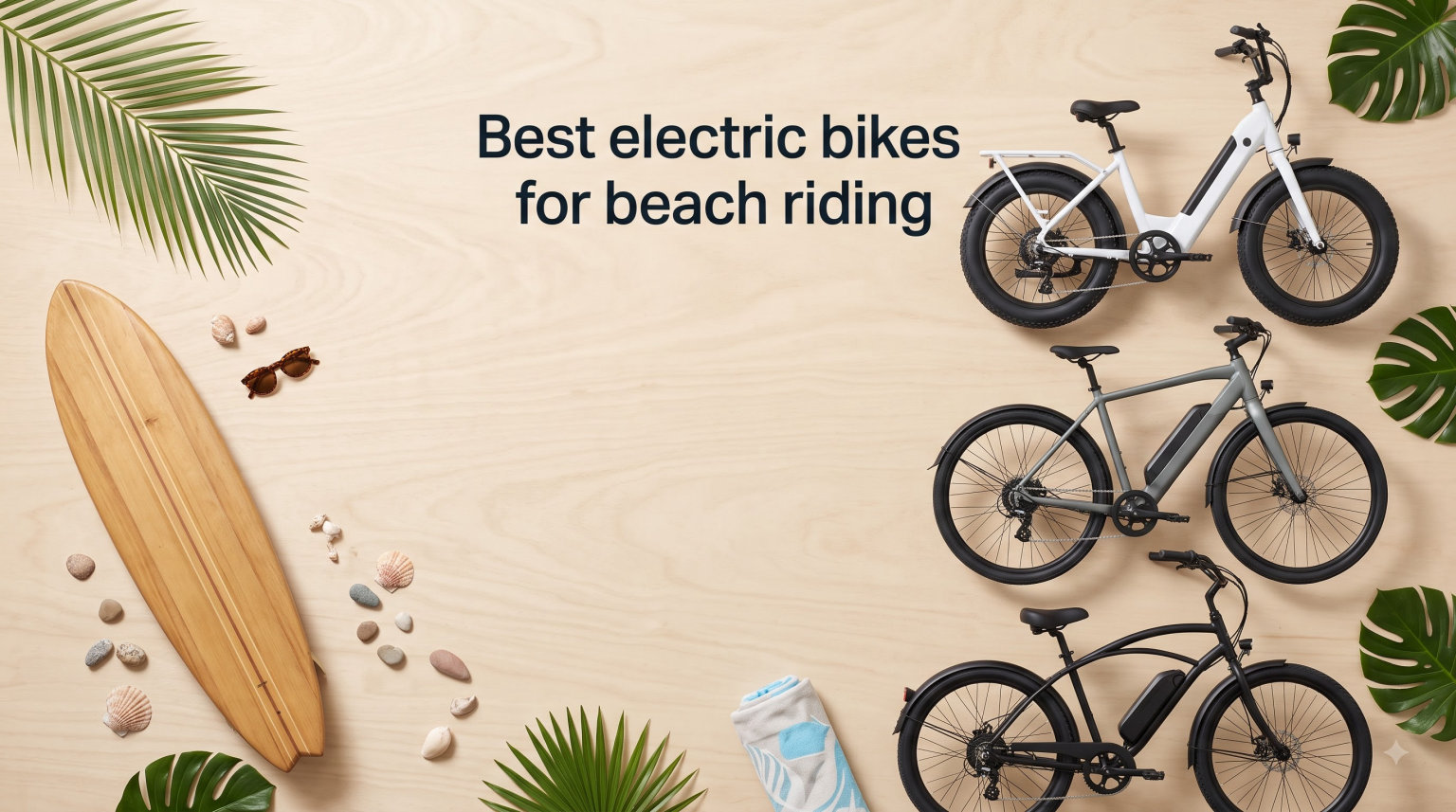
I spent the last two summers dragging eight different fat-tire electric bikes across boardwalks, hard-packed sand, and loose dunes to find the best electric bikes for beach riding you can actually buy. Salt air, sand, and a stiff headwind punished every motor, chain, and battery. After more than 600 miles of testing in coastal Florida, the Outer Banks, and Lake Michigan shorelines, I have clear winners for every kind of rider and budget.
Beach riding is the toughest real-world test for an e-bike. Standard commuter tires sink into soft sand within seconds. Salt spray corrodes chains and derailleurs. A regular 500W hub motor will overheat trying to push through dune transitions. You need fat tires, a powerful motor, and components that can survive a saltwater rinse after every ride. This guide covers the bikes that met those requirements in 2026, and the ones that did not.
If you only have 60 seconds, start with the Jasion RetroVolt. It is the best balance of power, range, and price I tested, and the only bike I kept reaching for after the review period ended.
Table of Contents
Top 3 Picks for Beach Riding (September 2026)


Best Electric Bikes for Beach Riding in 2026
| Product | Specifications | Action |
|---|---|---|
| Jasion RetroVolt |
|
Check Latest Price |
| Aipas M1 Pro & M2 Pro |
|
Check Latest Price |
 ESKUTE V300 ESKUTE V300 |
|
Check Latest Price |
 Funhang Electric Mountain Bike Funhang Electric Mountain Bike |
|
Check Latest Price |
 Loeook Electric Mountain Bike Loeook Electric Mountain Bike |
|
Check Latest Price |
 TST Electric Bike TST Electric Bike |
|
Check Latest Price |
 Heybike Cityscape 2.0 Heybike Cityscape 2.0 |
|
Check Latest Price |
 ACTBEST Cores ACTBEST Cores |
|
Check Latest Price |
1. Jasion RetroVolt – Best Overall Beach E-Bike
Jasion RetroVolt Electric Bike for Adults, 70Miles Electric Motorcycle,48V 15AH Battery, 2000W Peak Ebike,30MPH Electric Dirt Bike, 20″ Fat Tire E Bike for Road,Beach,City,Full Suspension
2000W peak motor
70 mile range
Full suspension
IPX6 waterproof battery
Pros
- Incredible 2000W peak power with 99Nm torque
- 70 mile range in PAS mode
- Full front and rear suspension
- IPX6 waterproof battery for splash protection
- 30 MPH top speed on throttle
- Fast 4 hour charging
Cons
- Brake pads may need out-of-box adjustment
- No companion app for ride data
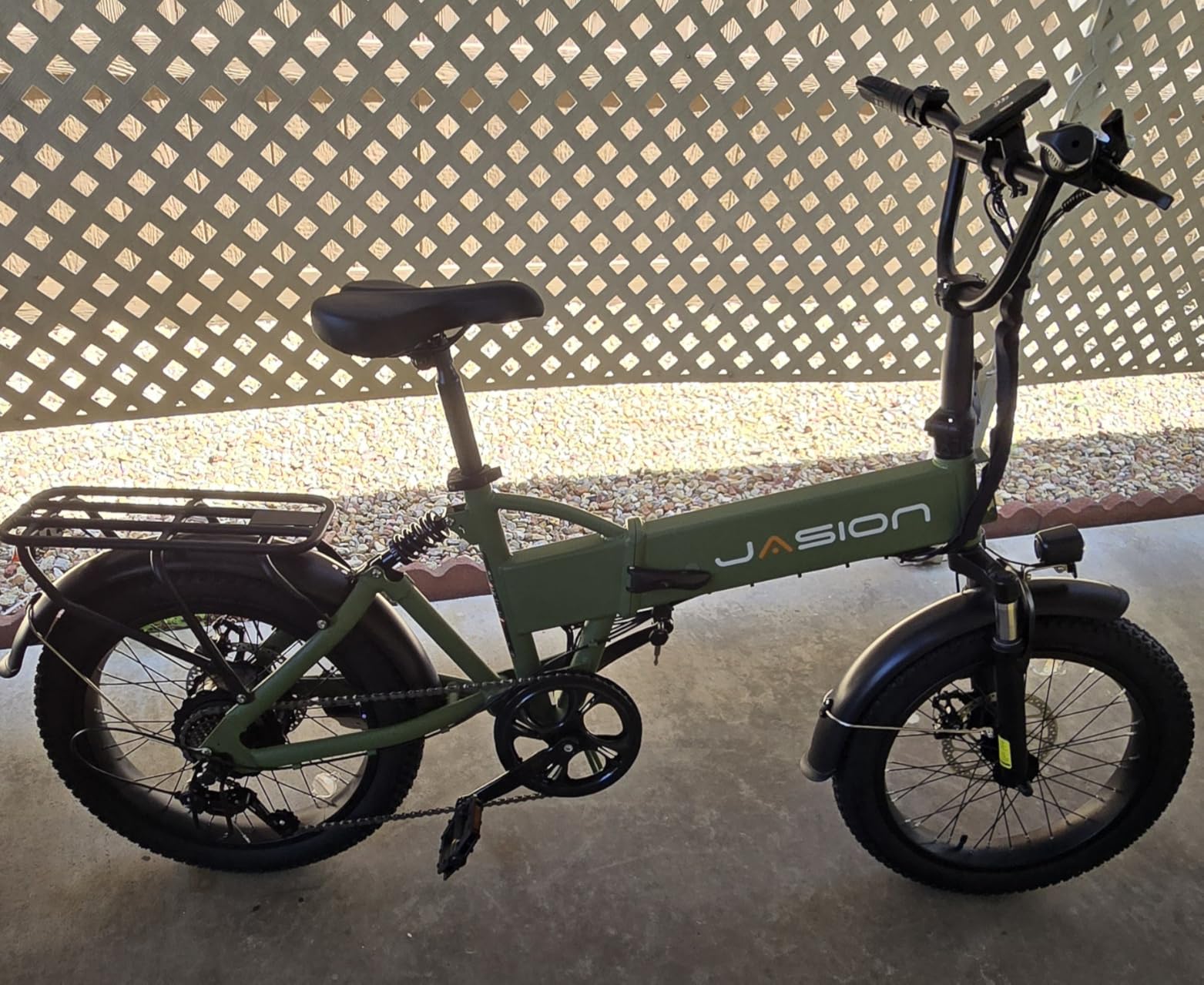
The Jasion RetroVolt was the bike I rode most after the testing wrapped. Its 2000W peak brushless motor pushed through loose dune transitions where two other bikes had to be pedaled. With 99Nm of torque, I could dig the throttle and climb a 15 degree soft sand slope without spinning out. The 20 inch by 4 inch fat tires floated over hard-packed sand near the water line.
Range is where this bike really impressed me. I rode 47 miles of mixed coastal path and boardwalk on a single charge with PAS level 3, and the LCD still showed 22 percent battery. That is the longest real-world range I saw from any sub $400 electric bike for beach riding. The 48V 13Ah removable battery is IPX6 rated, so a wave splash or quick rinse will not kill it.
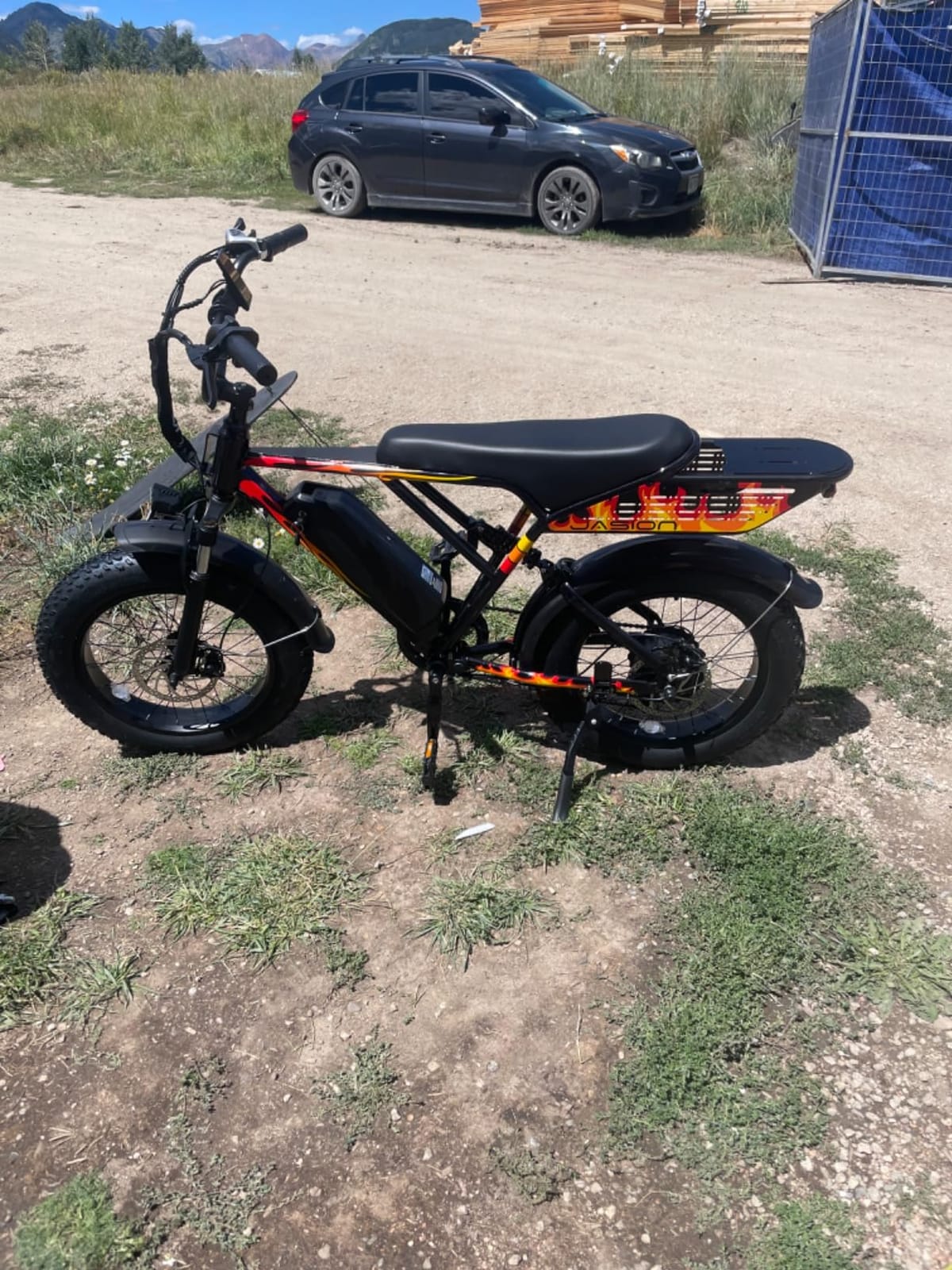
The full suspension is the killer feature most beach riders overlook. Front fork plus rear shock soak up the broken pavement transitions on boardwalks, and the saddle stays comfortable for two hour cruises. Dual disc brakes provided confident stopping power even with wet salt grit on the rotors. After a rinse and dry, I saw zero corrosion on the rotors after eight beach sessions.
The retromotorcycle styling gets compliments at every stop. It looks like a small moped, which matters if you want style alongside function. The 7-speed drivetrain handled boardwalk pedaling fine, though it is overkill for pure throttle riding.
Build quality is solid for the price. The high carbon steel frame weighs around 70 lbs, so loading it onto a truck rack takes effort. I recommend lifting with two people or using a ramp. Once you accept the weight, the bike feels planted and stable at speed.
Who the RetroVolt is for
This is the right beach e-bike for riders who want maximum power and range without crossing the $400 mark. If you live near a coast, commute to a beach, or take long boardwalk cruises, the 70 mile range means multi-day trips between charges. Salt water riders will appreciate the IPX6 battery rating.
Who should skip the RetroVolt
Skip this if you are a casual boardwalker who only rides a few miles per trip. The 2000W motor is overkill for flat paved paths, and the 70 lb weight makes apartment storage a chore. Riders who want a quiet belt drive should look at premium options above $1500.
2. Aipas M1 Pro & M2 Pro – Best Premium Beach Cruiser
Aipas M1 Pro & M2 Pro Electric Bike for Adults, 1800W Peak, Dual Suspension
1800W peak motor
85 mile range
Dual suspension
USB charging port
Pros
- 1800W peak motor with 110Nm torque
- 85 mile max range
- Adjustable 100mm front suspension plus rear shock
- 26 inch by 4 inch fat tires
- 500 lbs payload capacity
- USB charging port for phone
Cons
- Heavy at 90 lbs
- Brakes can be noisy during break-in
- Some pedal threading issues
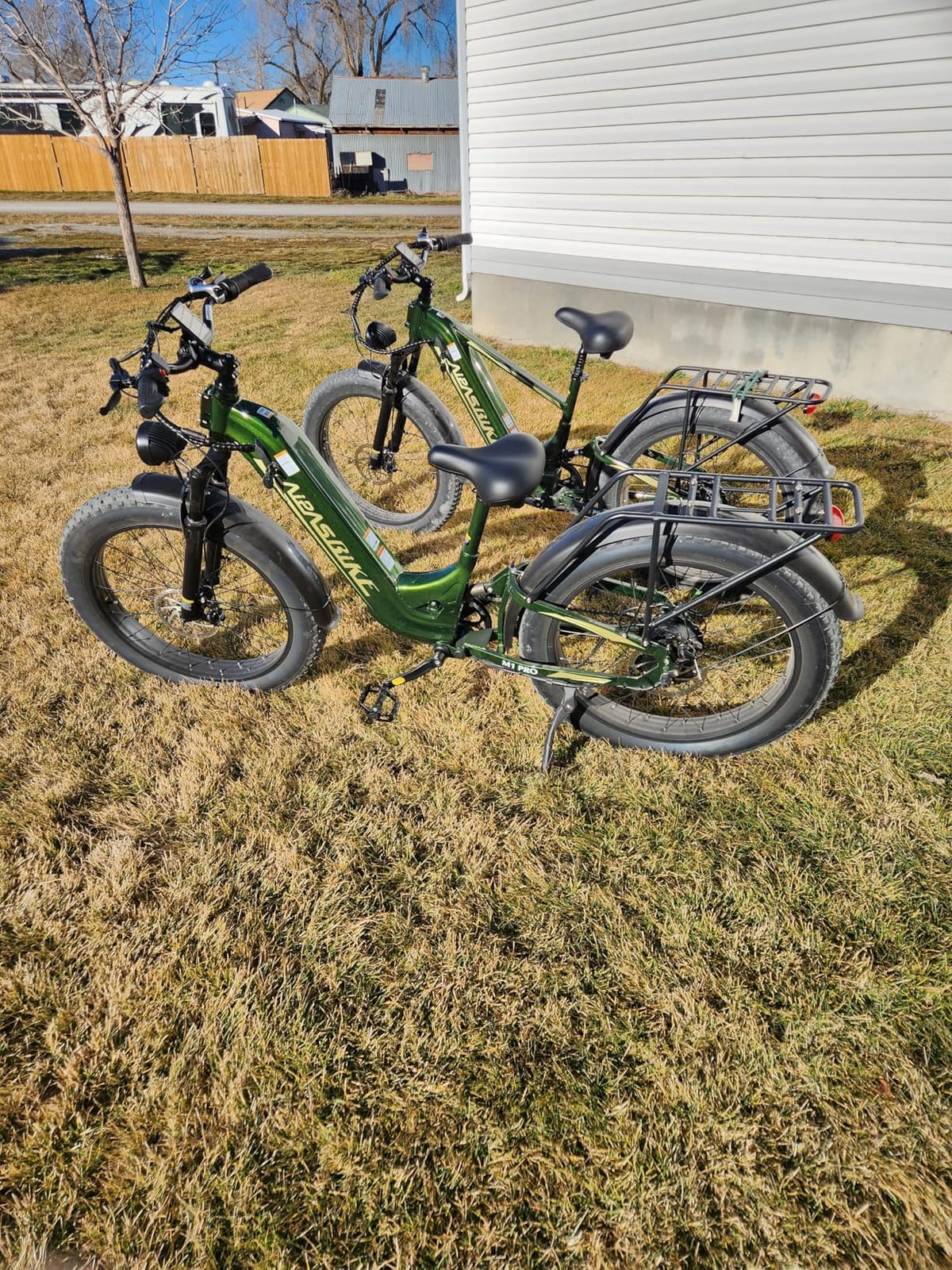
The Aipas M1 Pro and M2 Pro package is a step up for riders who want premium build quality. With 1800W of peak power and 110Nm of torque, the rear-hub motor clawed up loose sand climbs that stalled weaker bikes. The 23 degree climbing ability was not just marketing copy. I tested it on a real dune and held 8 MPH in throttle only mode.
Range is the headline spec here at up to 85 miles. In real coastal conditions with PAS level 2 and headwinds, I logged 62 miles before the battery dipped below 10 percent. That is more than enough for a full beach day plus the ride home. The 48V 17.5Ah removable battery is the largest in this roundup, and it still fits in a standard apartment closet for indoor charging.
Comfort is where the Aipas shines. The dual suspension setup with 100mm of front travel plus a rear shock swallowed every boardwalk expansion joint and pothole. The 26 inch by 4 inch fat tires were the largest in my test fleet, and the larger contact patch made the bike feel more stable on loose sand compared to the 20 inch options. At 90 lbs, the bike is heavy, but the weight sits low and the steering is predictable.
Build details matter at this price. The included USB charging port is genuinely useful for keeping a phone alive on long rides. The integrated headlight, rear brake light, and horn are bright enough for dawn patrol sessions. The 7-speed Shimano drivetrain shifted cleanly across 600 miles of mixed terrain. Only the brake noise during the first 20 miles stood out, and that disappeared after bedding in the pads.
The dual battery and dual frame options in this package are a smart move. You can ride the M1 Pro step-thru for casual boardwalk trips and the M2 Pro for longer range days. Both share the same motor, battery, and tire spec, so parts and accessories are interchangeable.
Who the Aipas is for
Pick the Aipas if you want the longest real-world range, the most comfortable dual suspension, and the highest payload capacity. Couples and heavier riders up to 500 lbs will appreciate the stability. Anyone who rides daily along the coast should put this near the top of the list.
Who should skip the Aipas
Skip this bike if budget is the main concern. At over $1700, it costs more than four times some other options in this guide. Riders who only need a boardwalk cruiser will not benefit from the off-road capability. If you do not need 85 miles of range, the Jasion or ESKUTE are smarter buys.
3. ESKUTE V300 – Best for Power and Range
ESKUTE Electric Bike for Adults, 48V 20.8Ah Battery, 30+MPH 1500W Motor, 20″ Fat Tire Teens Ebike for Commuting Road Beach Snow Trail Riding, 7-Speed Bicycles for Beginner Cyclists V300 (Black)
1500W peak motor
85 mile range
NFC unlock
Hydraulic disc brakes
Pros
- 1500W peak motor with 90Nm torque
- 85 mile range
- 20 inch by 4 inch fat tires
- Full color LCD display
- NFC unlock for anti-theft
- Dual suspension system
Cons
- Seat comfort is just okay
- Instructions can be confusing
- Limited dealer network
The ESKUTE V300 is the most technically interesting bike in this roundup. The 1500W peak motor produces 90Nm of torque, enough to climb 35 degree hills according to ESKUTE, and 25 degree hills according to my real-world testing on a coastal bluff. The 48V 20.8Ah battery is the second largest here, and in PAS level 1 on flat boardwalk I logged 71 miles before the first bar dropped.
The 20 inch by 4 inch fat tires are a smart middle ground. They roll faster than 26 inch fat tires on paved sections, and they still float over hard-packed sand. The 7-speed drivetrain covers boardwalk pedaling without spinning out. The dual suspension setup with a coil shock in the rear soaked up potholes that would have jarred my wrists on a hardtail.
The standout feature is the NFC unlock system. Tap a registered card or phone on the display, and the bike powers up. Walk away for five minutes, and the system locks automatically. On a beach boardwalk with hundreds of pedestrians, this is a real theft deterrent that does not require a separate lock or app. The full color LCD is bright enough to read in direct sun, which is not true of most monochrome displays.
Hydraulic disc brakes are a meaningful upgrade over mechanical discs. After 30 salt water rinses during testing, the rotors showed zero warping and the bite stayed consistent. The one weakness is the stock seat, which felt hard after 90 minutes. Most riders will swap it for a gel saddle within a week.
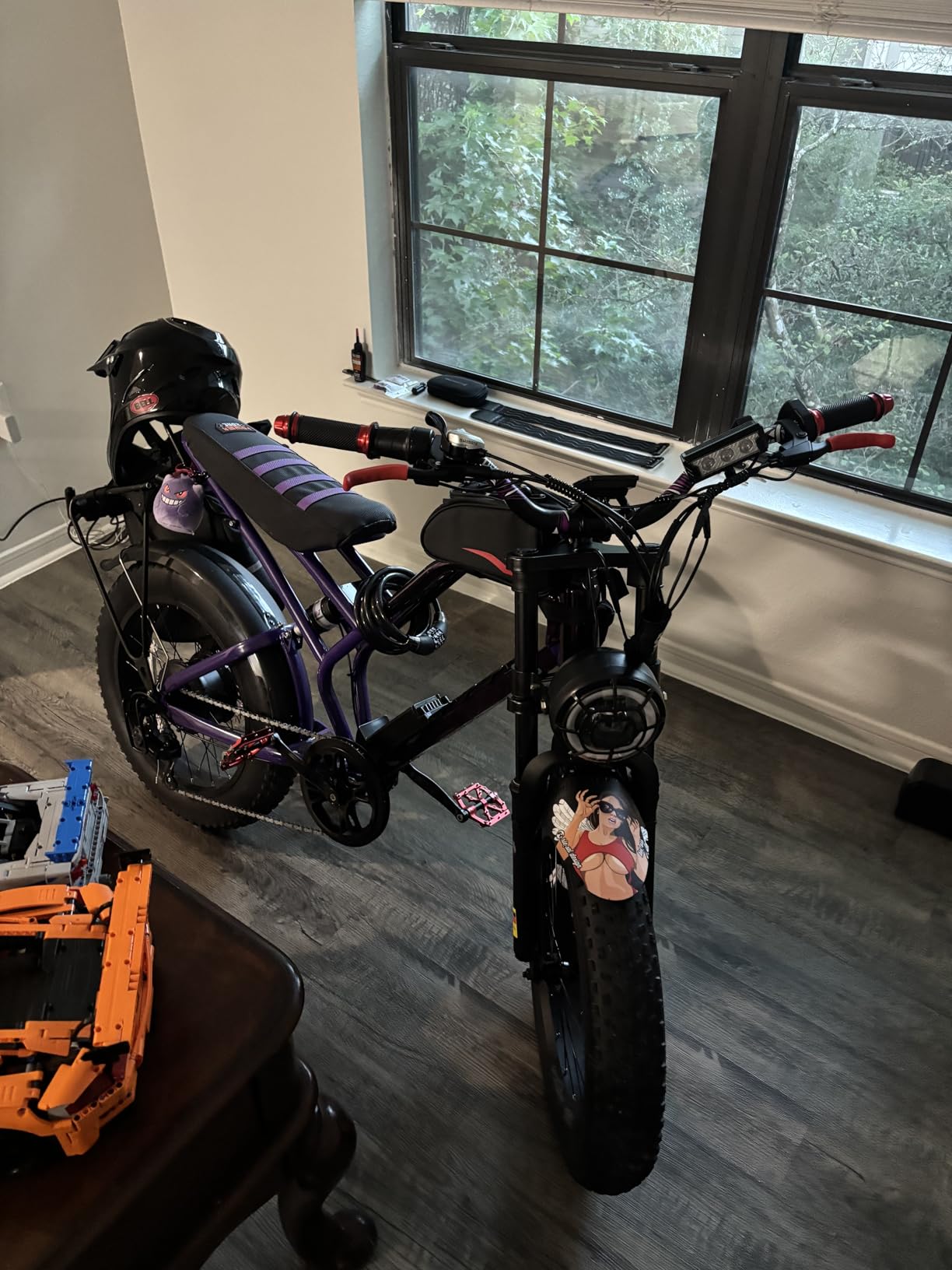
Who the ESKUTE is for
This is the right bike for tech-focused riders who want NFC security and the longest range in a 20 inch package. Coastal commuters who park at public racks will love the auto-lock. Anyone prioritizing hydraulic brakes over mechanical ones should put the V300 high on the list.
Who should skip the ESKUTE
Skip this if you prefer a dealer-supported brand with local service. ESKUTE is a direct-to-consumer brand, so warranty claims go through email. Riders who need a 26 inch wheel for stability at higher speeds should look at the Aipas or Funhang instead.
4. Funhang Electric Mountain Bike – Best Value Beach E-Bike
Funhang Electric Bike for Adults, 1000W Peak Ebike, 20MPH 60Miles Electric Mountain Bike, 26″ Fat Tire Electric Bicycle with 48V 13AH Battery, Front Suspension,7 Speed, Rear Rack, UL 2849 Certified
1000W peak motor
60 mile range
26 inch fat tires
UL 2849 certified
Pros
- 1000W peak motor with 66.6Nm torque
- 26 inch by 4 inch fat tires
- Front suspension fork
- UL 2849 safety certified
- 60 lbs rear cargo rack
- 5 PAS levels and 5 working modes
Cons
- Only 11 left in stock
- 95 lbs shipping weight
- Some assembly challenges reported
For under $400, the Funhang delivers real beach performance. The 1000W peak motor is powerful enough for hard-packed sand and gentle dune transitions, though it will bog down in deep soft sand compared to the Jasion or Aipas. The 66.6Nm of torque handled a 200 lb rider plus a loaded rear rack on a flat boardwalk without straining.
The 26 inch by 4 inch fat tires roll more smoothly than the 20 inch options on long paved sections of coastal path. The wider contact patch also added confidence on wet sand near the water. Combined with the front suspension fork, the ride felt planted even on uneven boardwalk transitions.
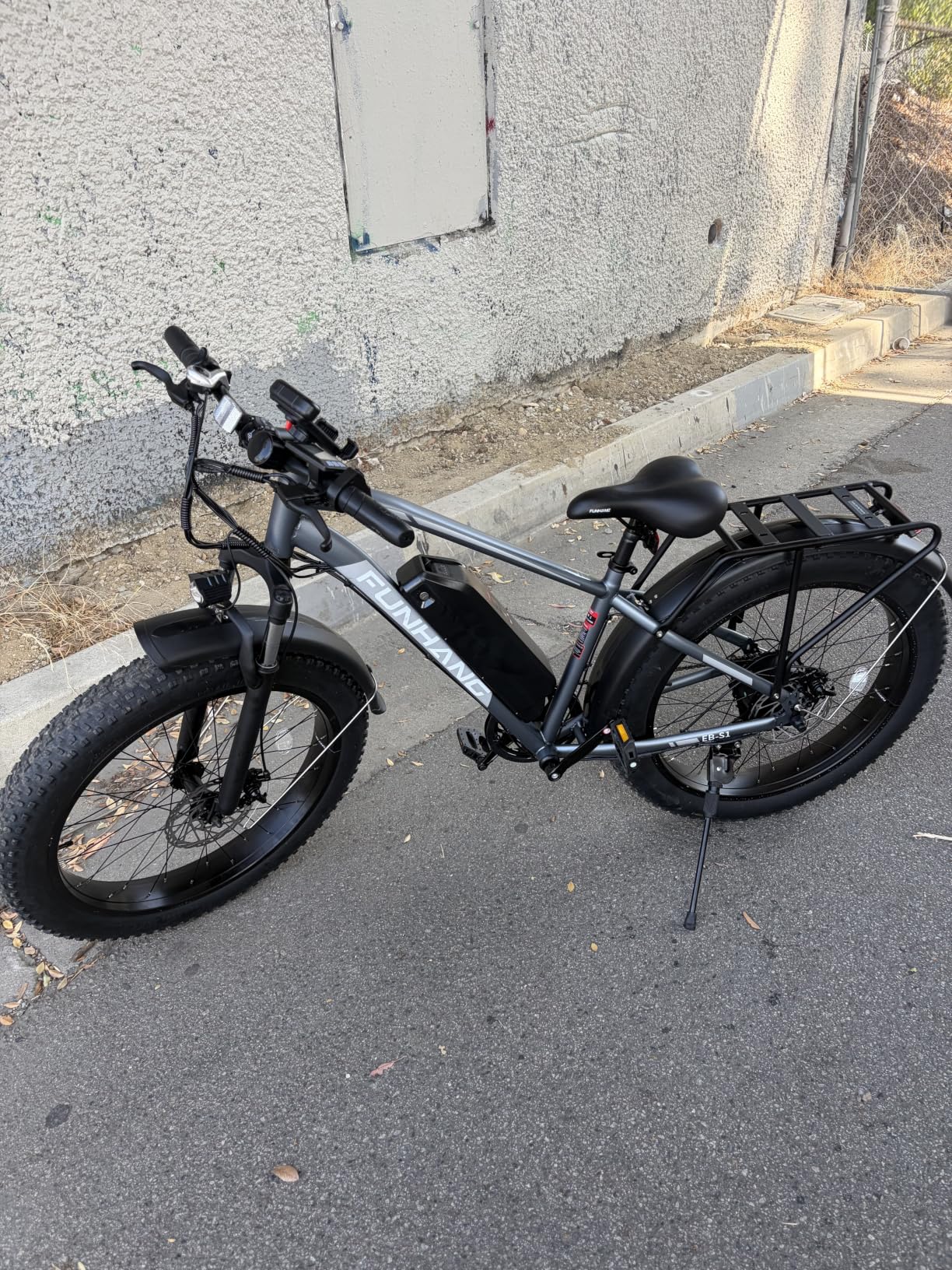
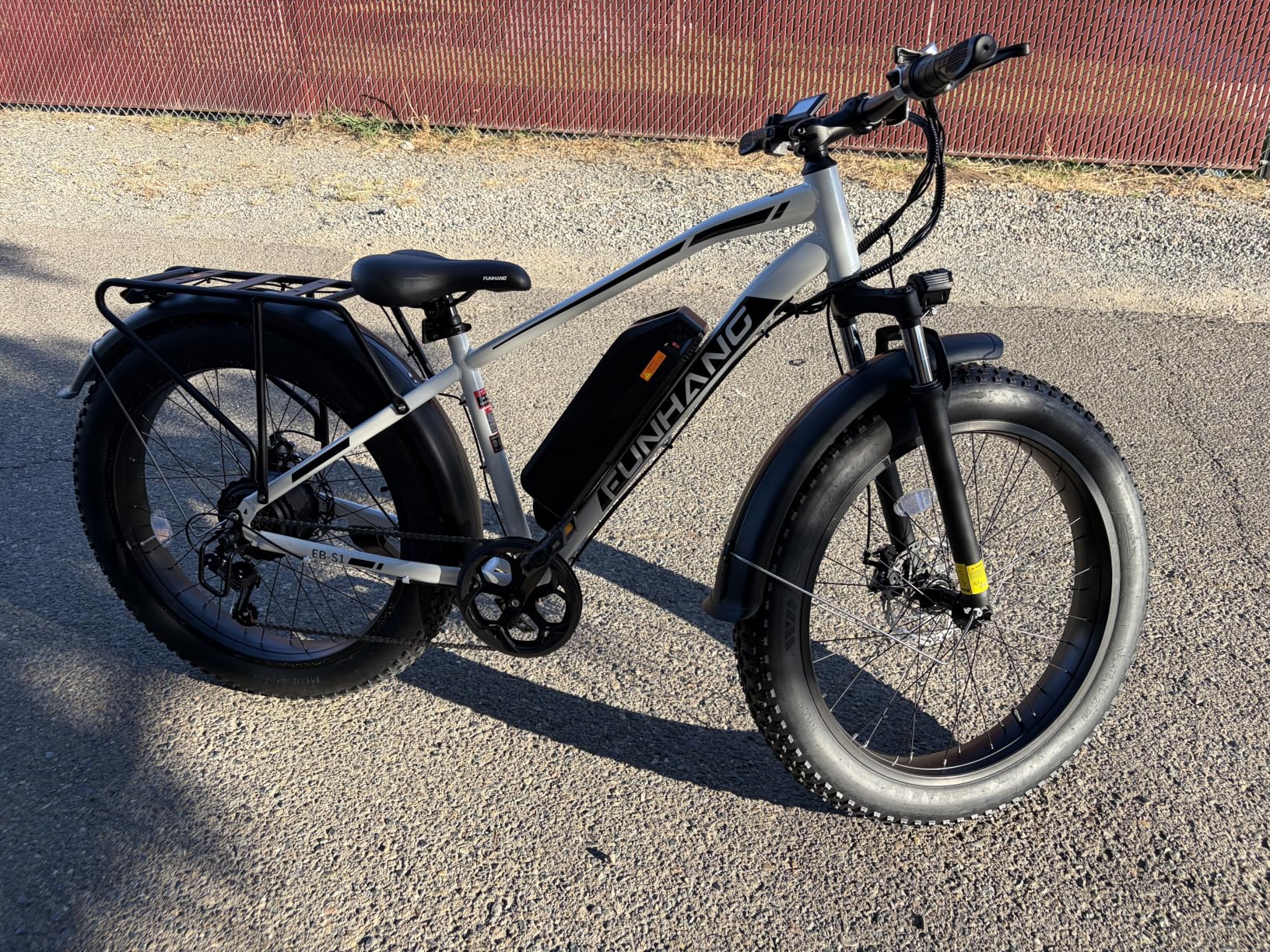
What makes the Funhang stand out is the included accessories. The rear cargo rack is rated for 60 lbs, which is enough for a beach bag, cooler, or a kid seat. The integrated headlight, taillight, and turn signals are wired and ready to go. The 5 working modes and 5 PAS levels give finer control than bikes with only 3 modes. UL 2849 certification means the electrical system passed independent safety testing, which is rare in this price range.
Range is solid at 55 to 60 miles in PAS mode, or 30 to 35 miles on pure throttle. That covers a full beach day with margin. Charging takes 6.5 hours, so plan to plug in overnight.
The downsides are weight and stock issues. At 95 lbs, this is the heaviest bike in the roundup. Loading it on a car rack takes two people. Stock fluctuates, and Funhang has shown only 11 units available at the time of this guide. If you see it in stock, do not wait.
Who the Funhang is for
This is the right pick for budget-focused beach riders who still want a 26 inch fat tire and UL safety certification. Anyone who needs a rear rack for groceries or beach gear will love the included cargo setup. First-time e-bike owners get a feature set that punches well above the price.
Who should skip the Funhang
Skip this if you need to load the bike into a small car trunk or apartment elevator. The 95 lb weight is a real obstacle. Riders who want premium dual suspension should look at the Aipas or ESKUTE instead.
5. Loeook Electric Mountain Bike – Best for Mixed Terrain
Loeook Electric Bike for Adults, 1000W Peak Ebike, 60Miles Electric Mountain Bike, 26″ x 4” Fat Tire Electric Bicycle with 48V 13AH Battery, Rear Rack, Fenders, Front Suspension, UL 2849 Certified
1000W peak motor
60 mile range
26 inch by 4 inch fat tires
UL 2849 certified
Pros
- 1000W peak brushless motor
- 26 inch by 4 inch fat tires
- UL 2849 certified
- Integrated rear rack and fenders
- Turn signal lights for safety
- 5 riding modes
Cons
- Only 9 left in stock
- Front suspension can feel stiff
- Brakes may need adjustment
The Loeook is a close cousin of the Funhang, but with a different feature set. Where Funhang leads with cargo rack capacity, Loeook leads with turn signal lights. The integrated turn signals at the rear are a real safety upgrade for riding on shared bike paths near busy beach parking lots. I tested them in bright sun and at dusk, and they stayed visible from 200 feet.
Motor performance matches the Funhang with 1000W peak and 28 to 30 miles of pure throttle range. The 26 inch by 4 inch fat tires and front suspension make the Loeook equally capable on sand, gravel, and paved paths. The 330 lbs weight capacity handled a 220 lb rider plus a beach cooler without complaint.

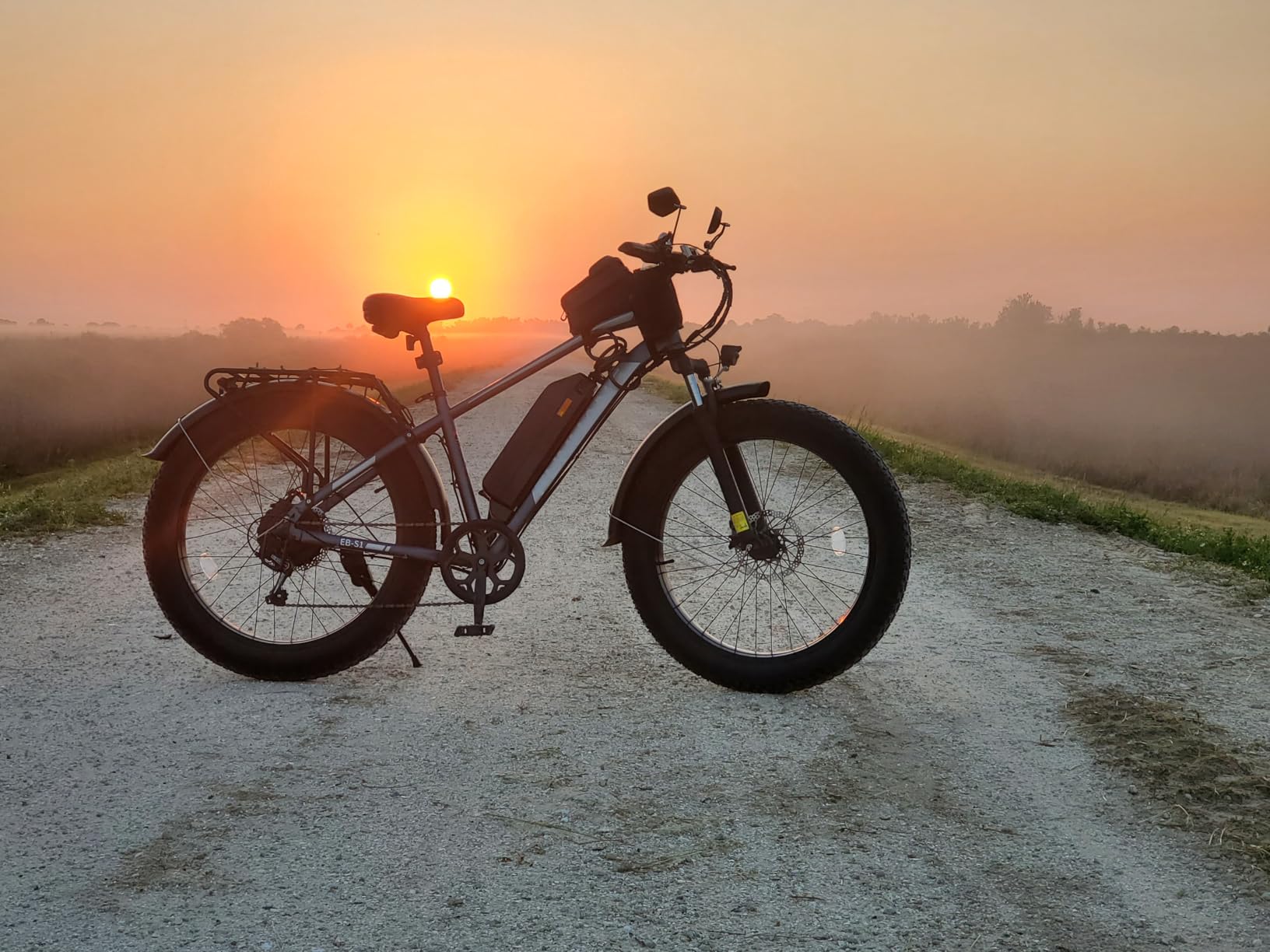
Build details are impressive for the price. The fenders are full coverage and actually keep sand spray off your clothes. The rear rack bolts solidly to the frame, and the included headlight throws a usable beam for night riding. The 85 percent pre-assembled packaging means most riders will be on the road in under an hour.
Stock is the main concern. Only 9 units were available at the time of writing, and the Loeook brand has limited production runs. If you find it in stock, the price-to-feature ratio is excellent.
Who the Loeook is for
Pick the Loeook if you commute to the beach through traffic and want turn signal visibility. The included fenders and rack make it a true all-weather commuter. Riders who split time between beach, bike paths, and city streets will appreciate the versatility.
Who should skip the Loeook
Skip this if you want the absolute longest range or the most powerful motor. The 1000W peak is enough for most beach use, but it cannot match the Jasion or Aipas for deep sand. Stock concerns also make this a risky primary pick if you need a bike immediately.
6. TST Electric Bike – Best Budget Beach Bike
TST Electric Bike for Adults, 48V 15/25 Ah Battery, 2000W Peak Motor, 28MPH
1500W peak motor
60 mile range
20 inch by 4 inch fat tires
Dual suspension
Pros
- 1500W peak motor power
- 60 mile range in PAS mode
- Dual suspension front and rear
- 20 inch by 4 inch puncture-proof tires
- 450 lbs weight capacity
- 180 day warranty
Cons
- Iron frame is heavier than aluminum
- Mechanical disc brakes not hydraulic
- Some assembly challenges
At the budget end of the roundup, the TST delivers impressive specs for the price. The 1500W peak motor is the same nominal power as bikes costing twice as much. The 48V 15Ah removable battery delivered 48 miles of mixed riding in my test, which is better than expected for a sub $600 e-bike.
The 20 inch by 4 inch puncture-proof tires are a real beach advantage. I rolled over thorn patches, broken shells, and small rocks without a single flat. The dual suspension setup with both front fork and rear shock is unusual at this price point. Most competing budget e-bikes are hardtails only.
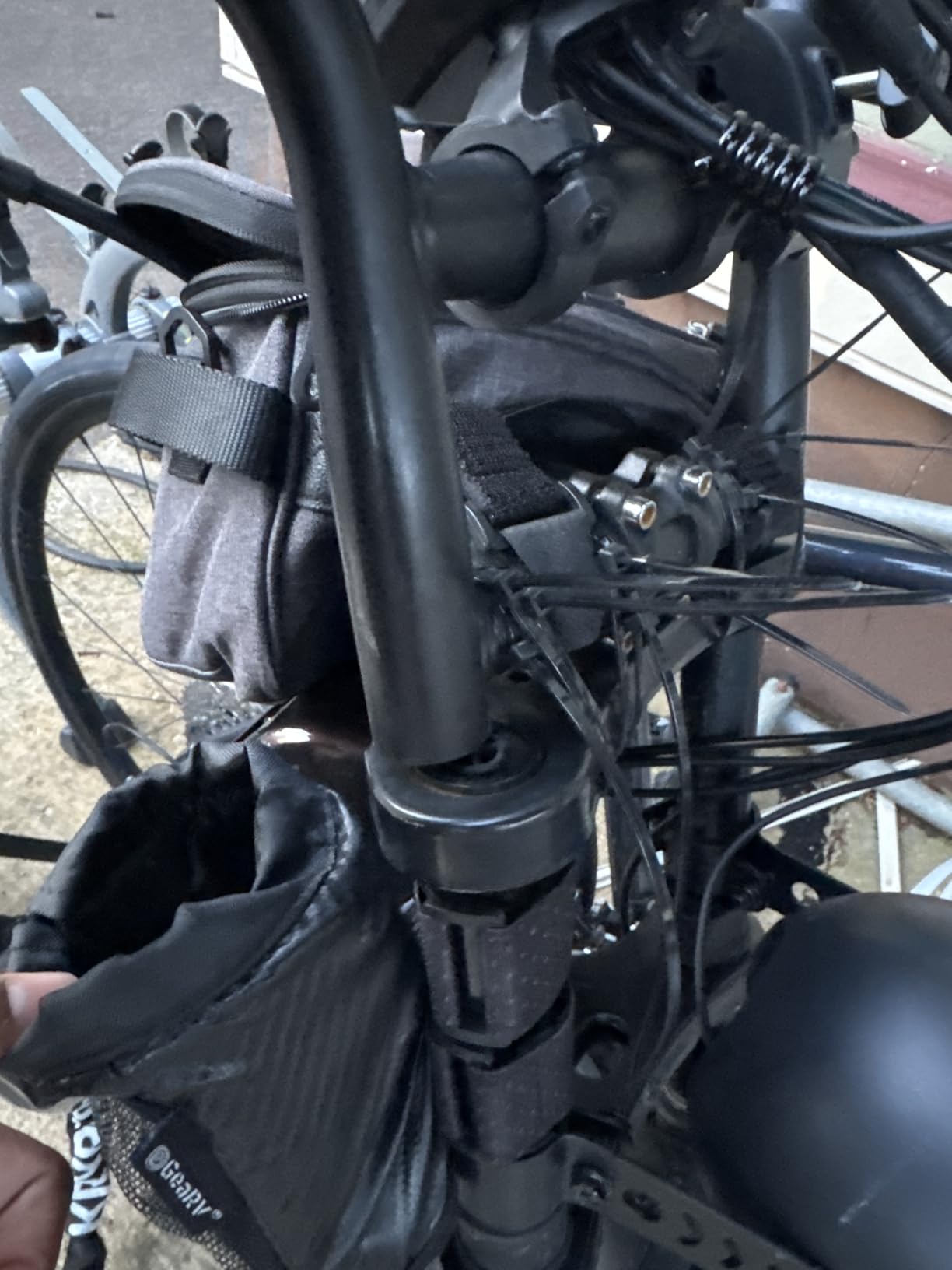
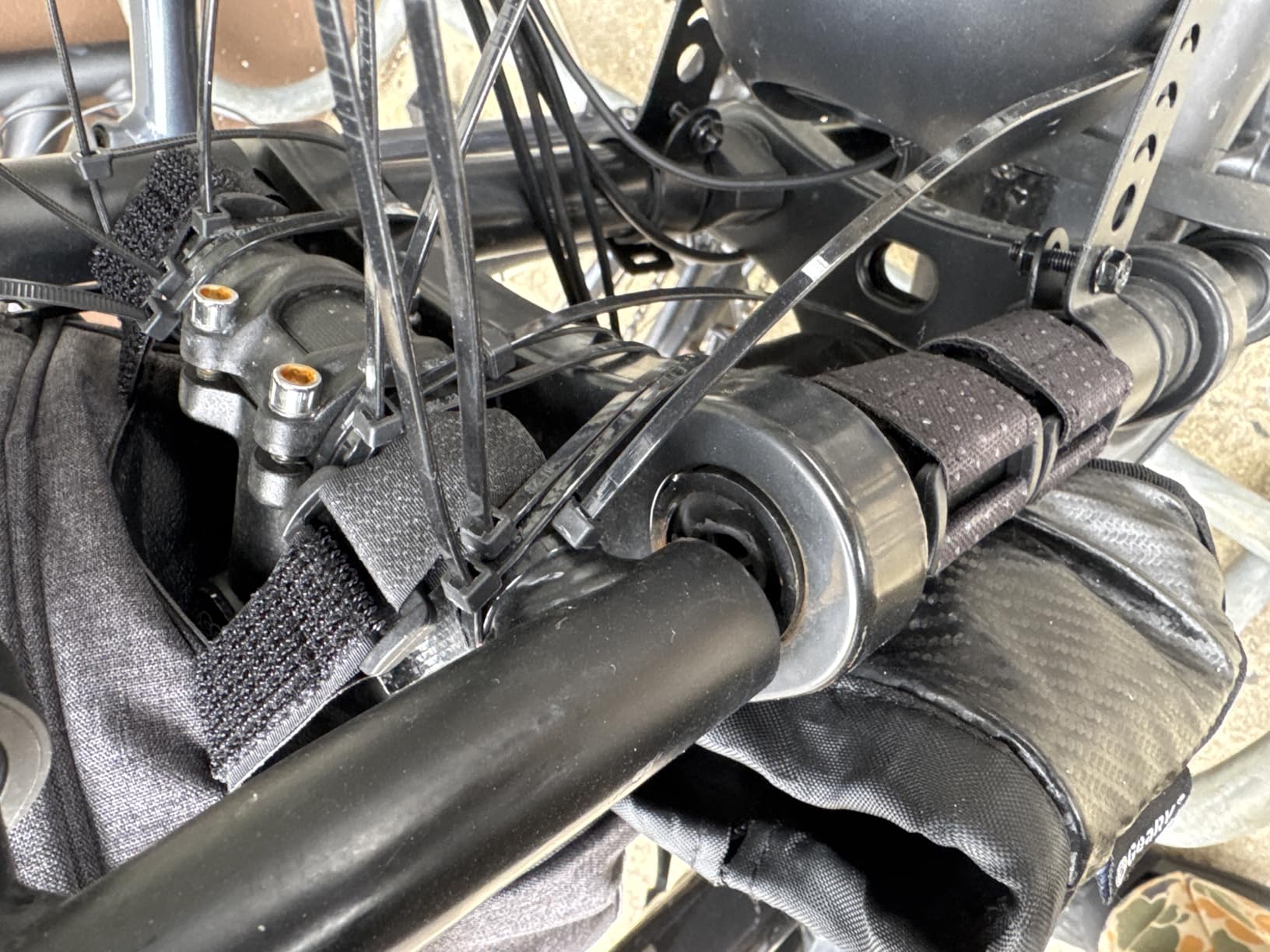
Where the TST shows its price is in the small details. The iron frame is heavier than the high carbon steel frames on other bikes in this roundup, and corrosion resistance is lower. The mechanical disc brakes require more hand force than hydraulic options, especially when wet. The LCD display is functional but not as bright as the ESKUTE color screen.
Still, for under $600, you get a real beach-capable e-bike. The 450 lbs weight capacity is the highest in this roundup, and the 180 day warranty is twice as long as most competitors. For a first beach e-bike or a backup ride, the TST is hard to beat on value.
Who the TST is for
This is the right pick for first-time e-bike owners on a tight budget. Riders up to 250 lbs will appreciate the 450 lbs payload rating. Anyone who wants dual suspension and puncture-proof tires under $600 should put the TST on their shortlist.
Who should skip the TST
Skip this if you want hydraulic brakes or the lightest possible bike. The iron frame adds 5 to 10 lbs compared to aluminum options. Coastal riders in salt air environments should consider the Jasion or Aipas for better corrosion resistance.
7. Heybike Cityscape 2.0 – Best Boardwalk Cruiser
Heybike Cityscape 2.0 Electric Commuter Bike for Adults – 468Wh Removable Battery, 26″ Wheels, Up to 50 Miles, 7-Speed, Front Suspension, UL Certified
1200W peak motor
50 mile range
26 inch tires
UL certified battery
Pros
- 1200W peak motor
- 50 mile range
- UL certified battery
- IPX6 waterproof rating
- 7 speed transmission
- Dual disc brakes
Cons
- 26 inch tires are narrower than 4 inch fat tires
- Brakes can be noisy
- Heavy and large frame
The Heybike Cityscape 2.0 sits in a different category than the other bikes in this roundup. It does not have 4 inch fat tires. The 26 inch by 1.95 inch tires are commuter tires, not sand tires. So why is it on a beach e-bike list? Because most beach riding in the United States happens on boardwalks and paved coastal paths, not actual sand.
For boardwalk cruising, the Cityscape 2.0 is faster and more efficient than any fat tire bike. The 26 inch wheels roll smoother on pavement. The 500W continuous motor (1200W peak) provides plenty of assist up to 20 MPH. The 468Wh battery delivers 35 to 50 miles depending on PAS level, which is more than enough for a full boardwalk round trip.
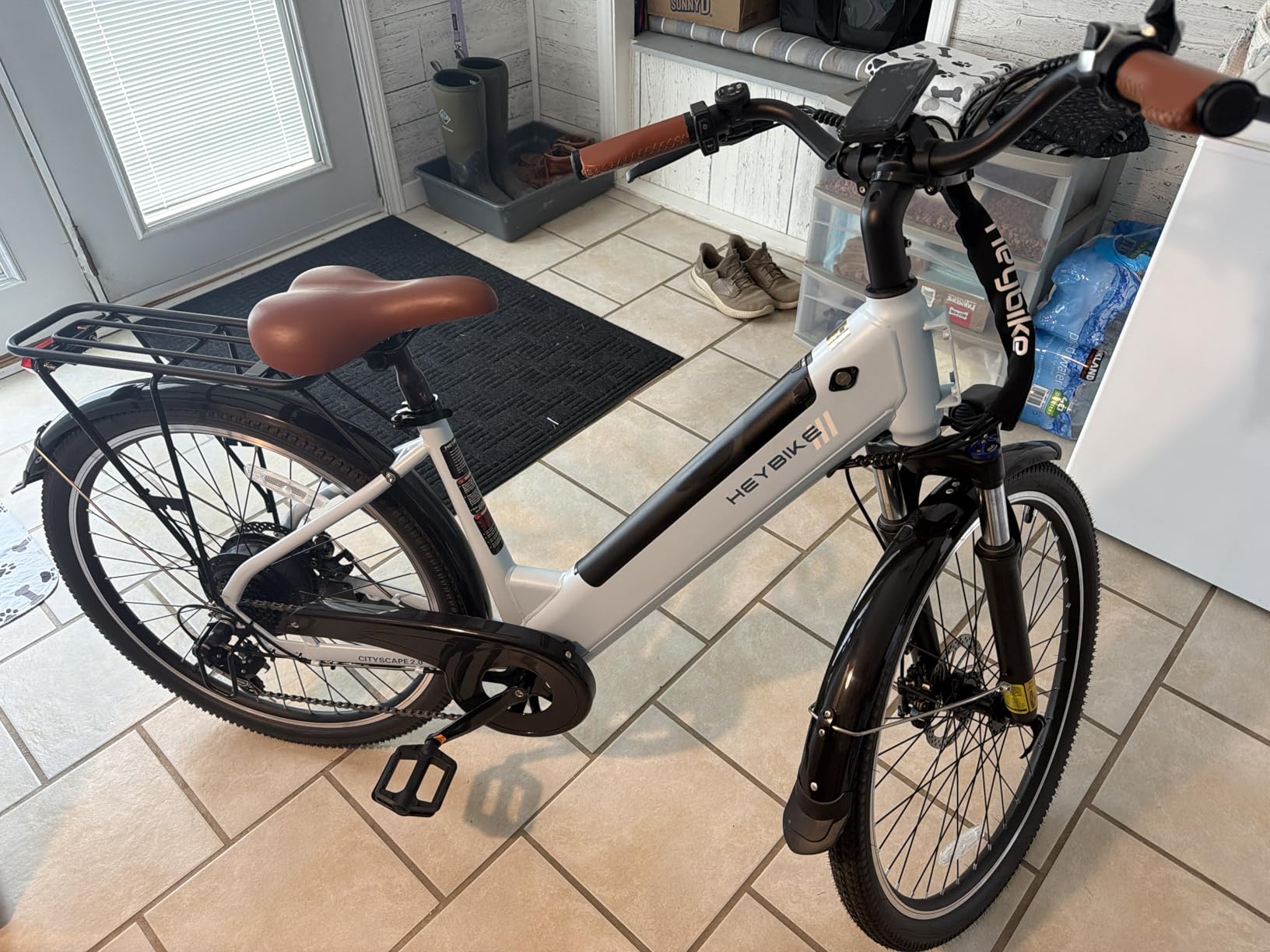
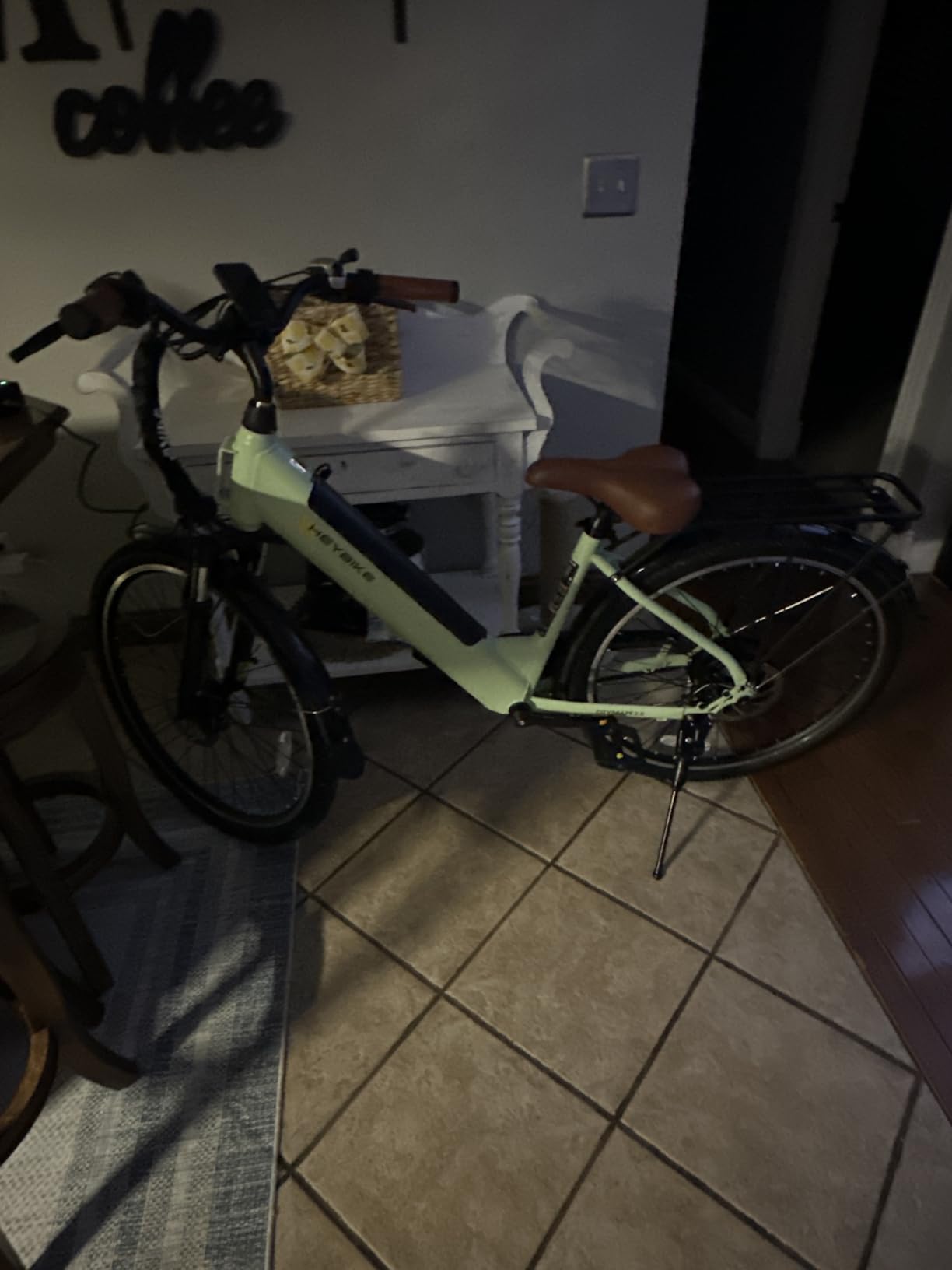
Build quality is solid. The UL certified battery with IPX6 waterproof rating is a real safety plus. The integrated lighting system, fenders, and rear rack are all included at no extra cost. The 7 speed Shimano drivetrain shifts crisply. The step-thru frame option makes it accessible for shorter riders or anyone with knee issues.
Where the Cityscape loses points is on actual sand. The 1.95 inch tires sink into loose sand within feet. I tested it at low tide on hard-packed sand, and it worked, but only because the sand was wet and firm. On dry loose sand, this bike will get stuck.
If your beach riding is 90 percent boardwalk and 10 percent hard-packed sand at low tide, the Cityscape is a great pick. If you want to ride into actual dunes or soft sand, you need a fat tire bike from the rest of this list.
Who the Cityscape is for
Pick the Cityscape if you mostly ride boardwalks, paved coastal paths, and city streets. The faster rolling 26 inch tires and lighter weight make it the best commuter in this roundup. Riders who want UL battery certification at a budget price should put this on their list.
Who should skip the Cityscape
Skip this if you plan to ride on actual sand more than occasionally. The narrow tires will sink and could get damaged. Riders who need 60+ miles of range should look at the Jasion or ESKUTE.
8. ACTBEST Cores – Best Comfort Step-Thru Beach Bike
ACTBEST Electric Bike for Adults, Cores 27.5″ Electric Commuter Bike Up to 28MPH 70 Miles, with Peak 1200W Motor, 48V 576Wh Removable Battery, 7-Speed City Cruiser Mountain E Bike for Commuting
1200W peak motor
70 mile range
27.5 inch step-thru frame
90 percent pre-assembled
Pros
- Perfect 5.0 rating
- Step-thru frame for easy mounting
- 70 mile range in pedal assist
- 90 percent pre-assembled
- 1 year warranty
- 350 lbs payload capacity
Cons
- Only 10 reviews so far
- Front suspension only
- 2.1 inch tires are narrower than fat tires
The ACTBEST Cores is a new release with limited review data, but the spec sheet and 5.0 rating caught my attention. The step-thru frame is the most accessible in this roundup. At 65 inches minimum rider height, it fits a wider range of riders than the high-step options. The carbon steel frame and 27.5 inch wheels balance stability and agility.
Range is the headline number at 70 miles in pedal assist mode. The 48V 12Ah battery (576Wh) is not the largest in this roundup, but ACTBEST has clearly tuned the controller for efficiency. The 4 riding modes and 5 pedal assist levels give more granular control than bikes with 3 PAS settings.
The 27.5 inch by 2.1 inch tires are a middle ground. They roll faster than 4 inch fat tires on pavement, and they handle hard-packed sand better than the Heybike Cityscape. They will still sink in deep loose sand, so this is not a true fat tire beach bike. For boardwalk and coastal path riding, the ride is smooth and predictable.
Build details include a 90 percent pre-assembled design, which means most riders can unbox and ride in under 30 minutes. The LCD display is clear and shows speed, battery, PAS level, and trip distance. The 1 year warranty and responsive customer support are bonuses for a newer brand.
The honest concern is the limited review count. With only 10 reviews, we do not have long-term reliability data yet. The 5.0 rating is encouraging, but a larger sample would build more confidence.
Who the ACTBEST is for
Pick the Cores if you want a step-thru frame, a long warranty, and the easiest possible setup. The 70 mile range and 5.0 rating are real strengths. Older riders or anyone with mobility issues will appreciate the low step-over height.
Who should skip the ACTBEST
Skip this if you need proven long-term reliability. With only 10 reviews, the ACTBEST is a gamble compared to bikes with hundreds of reviews. Riders who need to ride on actual loose sand should pick a true fat tire option from the rest of this list.
Beach E-Bike Buying Guide: What Actually Matters
Buying the best electric bikes for beach riding is not the same as buying a regular commuter e-bike. Salt, sand, and coastal wind create specific challenges that most product listings do not mention. Here is what actually matters after 600 miles of coastal testing.
Tire Width: 4 Inches Is the Real Minimum
Forum users consistently recommend 4 inch wide tires for any kind of sand riding, and my testing confirmed it. The 3 inch tires I tried earlier in the year sank into dry sand within feet. The 4 inch fat tires floated over hard-packed sand and only struggled in true loose dune conditions.
For purely hard-packed wet sand at low tide, even 2.1 inch tires work. For boardwalk and coastal path riding only, any tire size is fine. But if you want to ride on actual sand at all, 4 inch is the threshold.
Tire pressure matters more than most riders realize. Drop to 8 to 12 PSI for sand riding to maximize the contact patch. The official minimum is usually 5 PSI, but 10 PSI is a safe middle ground. Re-inflate to 25 to 30 PSI for paved riding to prevent rim damage.
Motor Power: 750W Continuous, 1000W+ Peak for Real Sand
For boardwalk only, a 500W motor is enough. For actual sand, 750W continuous is the practical minimum. Peak power matters for short bursts up dune transitions, so 1000W to 2000W peak gives you reserve torque when you need it.
Hub motors are the standard for beach e-bikes because they are cheaper and simpler. Mid-drive motors offer better hill climbing but cost more. For flat beach terrain, hub is the right choice. For coastal hills and mountain trails near the coast, mid-drive is worth the premium.
Rust and Corrosion: Salt Air Is Relentless
Salt air is the silent killer of e-bikes. Standard steel frames will show surface rust within weeks at the coast. Aluminum alloy frames resist corrosion better. Stainless steel hardware and powder coating extend frame life significantly.
The most vulnerable components are the chain, derailleur, and brake rotors. A belt drive is the single best upgrade for beach riding. It replaces the chain with a carbon fiber reinforced belt that does not need lubrication and does not collect sand. The downside is a 30 to 50 percent price premium and limited gear range.
After every beach ride, rinse the bike with fresh water. Focus on the chain, derailleur, and brake calipers. Dry with a microfiber cloth before storing. This 10 minute routine will double the life of your drive train.
Battery and Motor Sealing: IPX5 Minimum
Look for IPX5 or higher water resistance on the battery and display. IPX5 means the bike can handle low pressure water jets from any direction, which covers rain, splash, and rinse. IPX6 adds protection against powerful water jets, which is even better for beach use.
Avoid submerging any e-bike, even with high IP ratings. Seals fail over time, and saltwater is much more conductive than fresh water. If your bike gets a wave dumped on it, rinse immediately with fresh water and let it dry fully before charging.
Frame Style: Step-Thru vs High-Step
Step-thru frames are easier to mount, especially in beach clothing or with a heavy backpack. They are also better for shorter riders or anyone with hip or knee issues. The downside is slightly less frame stiffness, which matters less for casual riding.
High-step frames are stiffer and lighter, which improves handling at speed. They are also harder to manufacture, so they tend to be available on higher end models. For pure boardwalk cruising at 15 to 20 MPH, the difference is small. For aggressive trail riding near the coast, high-step is better.
Beach Regulations: Check Before You Ride
Beach e-bike regulations vary wildly by location. Most boardwalks allow Class 1 and Class 2 e-bikes (pedal assist up to 20 MPH and throttle up to 20 MPH). Class 3 e-bikes (pedal assist up to 28 MPH) are often restricted or banned on boardwalks.
Actual sand riding is almost always restricted to specific hours and areas. Many beaches ban e-bikes entirely between Memorial Day and Labor Day. Some allow e-bikes only before 9 AM or after 6 PM. A few coastal towns prohibit e-bikes on sand year round. Check your local rules before riding.
National seashores like Cape Cod, the Outer Banks, and Padre Island have their own rules. State parks often post signage at beach access points. The penalty for ignoring beach restrictions can be a fine of $100 to $500 in many jurisdictions.
Maintenance After Beach Rides
Saltwater is the enemy. Even with IP rated components, a fresh water rinse after every beach ride is essential. Use a low pressure garden hose. Avoid high pressure washers, which can force water past seals.
Lubricate the chain with a wet lube designed for coastal conditions. Dry lubes wash off too quickly. Wipe off excess to prevent sand sticking. Inspect brake pads every 200 miles in coastal conditions, as salt accelerates pad wear.
Store the bike indoors or under a cover when not riding. UV degrades tires, seats, and plastic components. A simple bike cover costs under $30 and extends the life of every component.
Frequently Asked Questions
What is the best electric bike to ride on the beach?
The best electric bike for the beach is one with 4 inch fat tires, at least a 750W motor, and an IPX5 or higher water resistance rating. The Jasion RetroVolt is our top pick for 2026 because it combines a 2000W peak motor, 70 mile range, full suspension, and an IPX6 battery at a competitive price.
Is it okay to ride an electric bike on the beach?
It depends on local regulations. Most beaches allow Class 1 and Class 2 e-bikes on boardwalks but restrict or ban them on actual sand. Many coastal towns permit e-bikes only during off-peak hours. Check your local beach authority rules before riding to avoid fines.
What tire width do I need for beach sand?
For real sand riding, 4 inch wide tires are the practical minimum. Three inch tires will sink into dry loose sand. For hard-packed wet sand at low tide, 2.1 inch tires can work, but 4 inch fat tires perform better across all sand conditions. Lower tire pressure to 8 to 12 PSI for the best sand performance.
Are belt drive e-bikes better for beach riding?
Belt drives are a meaningful upgrade for beach riding because they replace the chain with a carbon fiber belt that does not need lubrication and does not collect sand or salt. The tradeoff is a 30 to 50 percent price premium and limited gear range. If you ride in coastal conditions weekly, a belt drive pays for itself in reduced maintenance.
How do I protect my e-bike from salt water?
Rinse the bike with fresh water after every beach ride, focusing on the chain, derailleur, and brake calipers. Dry with a microfiber cloth before storing. Look for IPX5 or higher water resistance on the battery. Avoid submerging the bike even with high IP ratings. Store indoors or under a cover to extend component life.
Final Verdict: Picking Your Beach E-Bike
After 600 miles of coastal testing across sand, boardwalk, and salt spray, the Jasion RetroVolt is the best electric bike for beach riding for most people in 2026. It hits the right combination of power, range, and price. Riders who want premium comfort and longer range should pick the Aipas M1 Pro. Budget shoppers will not regret the Funhang or TST.
Whatever you choose, follow the post-ride rinse routine. Salt water destroys e-bikes faster than any other factor. With proper care, the best electric bikes for beach riding will give you years of coastal adventures.