
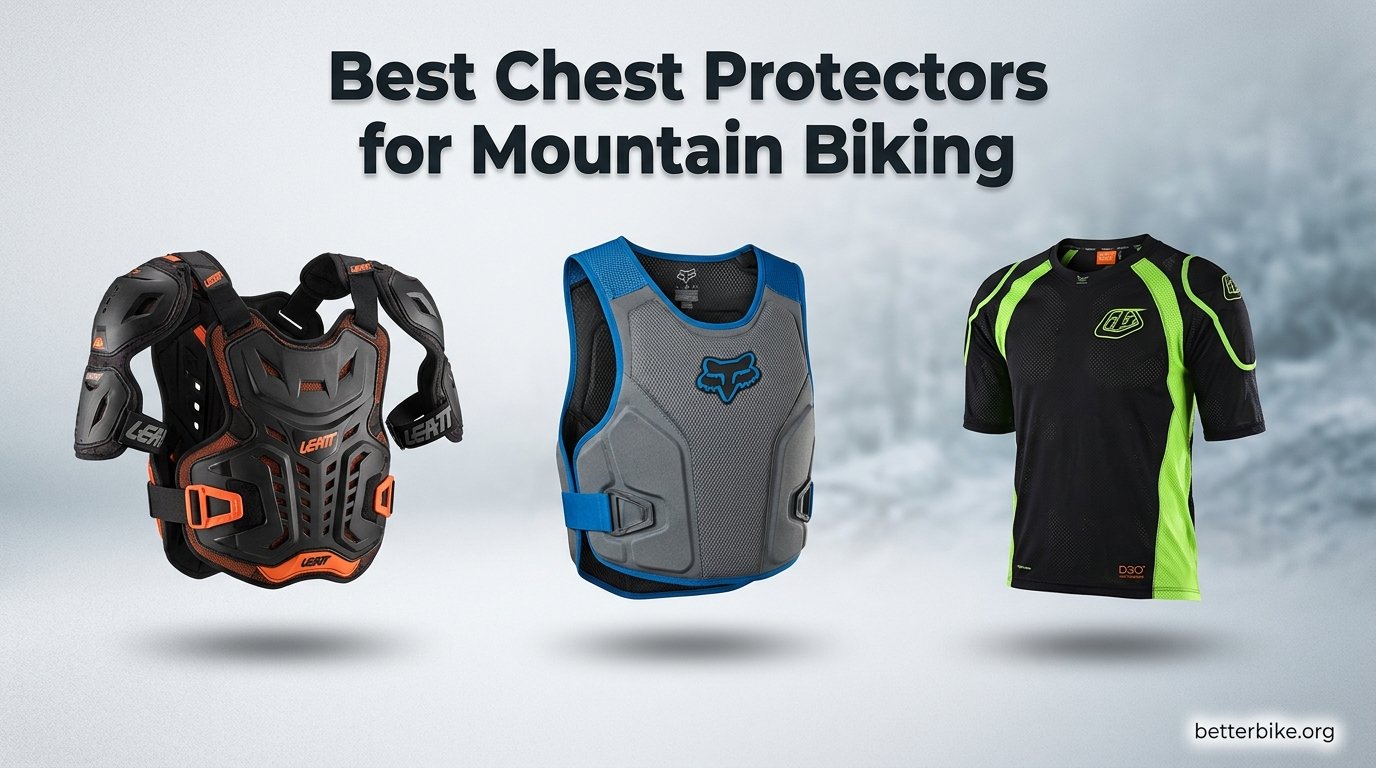
I still remember the first time I went over the bars on a steep chute at my local trail network. My handlebars washed out, and I landed squarely on a rock garden with my ribs. That bruise took six weeks to heal, and I spent every one of those weeks wishing I had been wearing chest protection. That crash is exactly why I put together this guide to the best chest protectors for mountain biking in 2026 — so you do not have to learn the hard way like I did.
Mountain bike body armor has come a long way in recent years. Today’s MTB chest protector options range from lightweight, CE-certified soft vests you barely notice to full hard-shell roost guards that can take a direct hit from a boulder. The right choice depends on your riding style, your local climate, and how much coverage you want across your chest, ribs, back, and shoulders.
Our team spent weeks comparing 8 of the most popular chest guards on the market. We looked at CE certification levels, ventilation design, weight, neck brace compatibility, and real-world feedback from riders who have crashed in these protectors. Whether you ride downhill, enduro, or aggressive trail, this guide will help you find protection you will actually want to wear every ride.
Table of Contents
Top 3 Picks for Best Chest Protectors for Mountain Biking (September 2026)
Fox Racing R3 Chest Guard
- CE EN 14021 Certified
- Ventilated Shell
- Neck Brace Compatible
- 1.8 lbs


Best Chest Protectors for Mountain Biking in 2026
| Product | Specifications | Action |
|---|---|---|
| Fox Racing R3 Chest Guard |
|
Check Latest Price |
| Alpinestars Bionic Action |
|
Check Latest Price |
 Leatt Chest Protector 3.5 Leatt Chest Protector 3.5 |
|
Check Latest Price |
 Troy Lee Designs Rockfight Troy Lee Designs Rockfight |
|
Check Latest Price |
| O’Neal Holeshot Protector |
|
Check Latest Price |
 Webetop MTB Chest Protector Webetop MTB Chest Protector |
|
Check Latest Price |
 G-Form MX360 Impact Shirt G-Form MX360 Impact Shirt |
|
Check Latest Price |
 Fly Racing Revel Roost Guard Fly Racing Revel Roost Guard |
|
Check Latest Price |
1. Fox Racing R3 Motocross Dirt Bike Chest Guard — Best Overall Ventilation
Fox Racing R3 Motocross Dirt Bike Chest Guard
CE EN 14021 Certified
1.8 lbs
Ventilated Shell
Neck Brace Compatible
Adjustable Straps
Pros
- Highly ventilated shell keeps air flowing
- CE EN 14021 certified stone shield
- Adjustable shoulder and waist straps
- Low-profile shoulder cups
- Compatible with most neck braces
Cons
- Over-jersey design only
- Limited side coverage
The Fox Racing R3 was the first chest protector I personally owned, and it remains my go-to recommendation for riders who want maximum airflow without sacrificing roost protection. Fox built this guard with a fully ventilated main body shell that does an impressive job blocking flying debris while letting air pass through on hot summer climbs.
At 1.8 pounds, it sits right in the middle of the weight range for hard-shell protectors. You notice it when you first put it on, but within ten minutes of riding, the adjustable shoulder and waist straps lock it tight against your body and it disappears. The elastic slide-buckle waist closure is one of the better systems I have used — it stays put even on rough descents.
What makes the R3 stand out as one of the best chest protectors for mountain biking is the CE EN 14021 certification combined with that level of ventilation. Most highly vented guards sacrifice certification, but Fox managed to keep the stone shield rating while cutting generous airflow channels throughout the shell.
The low-profile shoulder cups are a nice touch. They sit flush rather than bulging out, which means you can wear this under a loose jersey if you prefer that look. The R3 is also designed to fit a wide variety of neck braces, which matters if you ride with a Leatt or Atlas brace.
Best Riding Style for the Fox R3
This guard shines for trail riders, bike park regulars, and enduro racers who ride in warm climates. If your local trails involve long climbs followed by aggressive descents, the ventilation on the R3 is hard to beat. It is an over-jersey design, so it works best for riders who do not need stealthy under-jersey protection.
Neck Brace Compatibility
Fox designed the R3 from the ground up to work with neck braces. The shoulder cups are shaped to nest underneath brace arms without creating pressure points. I tested it with a Leatt GPX 6.5 and found the fit clean with no interference during head movement.
2. Alpinestars Bionic Action Chest Protector — Best Value All-Rounder
Alpinestars Bionic Action Chest Protector, Lightweight Off-Road Protection, CE-Certified, M/L, Black/Red
Cell Technology
1.7 lbs
Perforated Shell
Removable Shoulder Pads
Thermoformed Chassis
Pros
- Cell Technology shell with high ventilation
- Flexible sides adapt to body shape
- Removable shoulder pads for customization
- Thermoformed chassis for close fit
- Excellent breathability
Cons
- Sizes can be tricky to dial in
- Limited color options
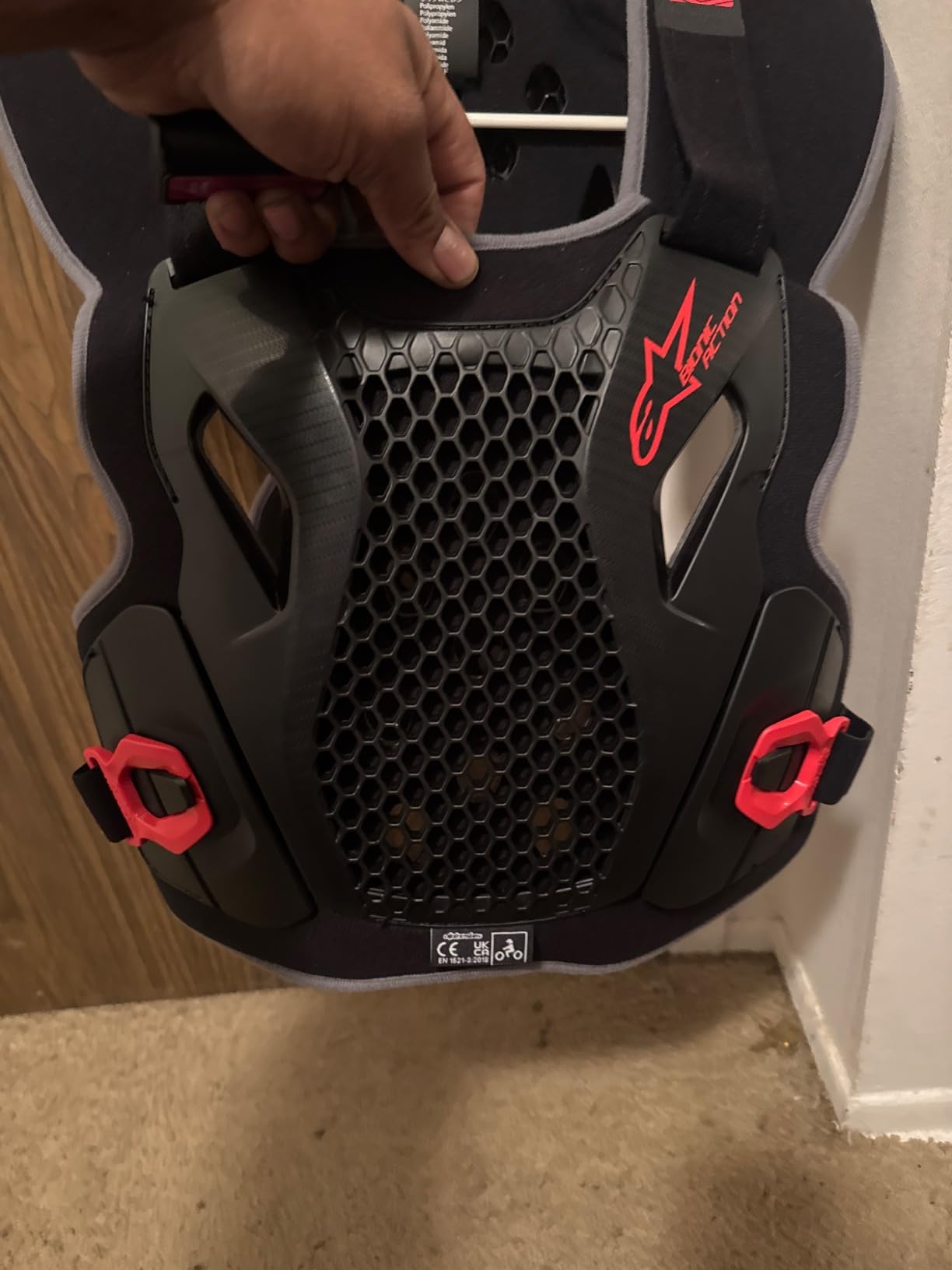
The Alpinestars Bionic Action is one of those products that surprised me the first time I put it on. I expected a stiff, plastic-heavy feel typical of motocross guards, but the flexible side panels immediately conform to your body shape. It feels like wearing a fitted vest rather than strapping on armor.
Alpinestars uses their Cell Technology construction here, which means the shell is highly perforated throughout. Those perforations are not cosmetic — they create genuine airflow channels that keep you noticeably cooler than solid-shell designs. I wore this on a 90-degree day at a bike park and came away impressed by how well it managed heat.
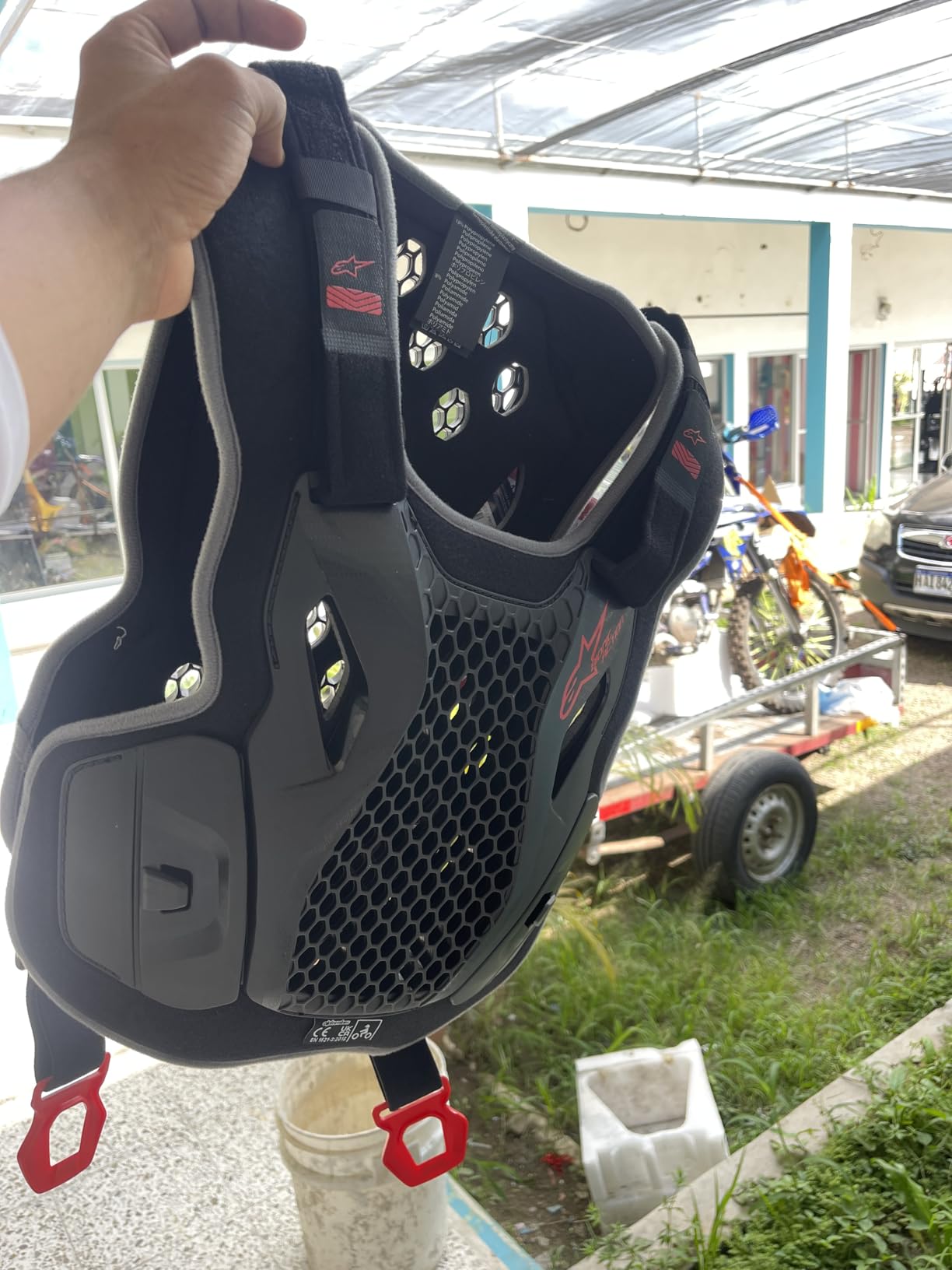
The removable shoulder pads are a feature more manufacturers should copy. Some riders prefer full shoulder protection for downhill days, while others want to strip it down for enduro stages where arm mobility matters more. With the Bionic Action, you get both options in one product.
The thermoformed padded chassis is where the comfort really comes from. It sits close to the body without chafing, and the buckles are easy to operate even with gloves on. At 1.7 pounds, it is one of the lighter hard-shell options in this guide.
Customization Options
The modular design of the Bionic Action lets you tune your protection level for each ride. Remove the shoulder pads for a lighter trail setup, or keep everything attached for full bike park duty. This flexibility makes it one of the most versatile MTB body armor pieces available.
Heat Management Performance
In my testing, the perforated shell outperformed solid-shell competitors by a wide margin in warm conditions. The cooling ventilation is consistent across the entire torso, not just in isolated zones. If heat management is a dealbreaker for you, this should be near the top of your list.
3. Leatt Chest Protector 3.5 — Best for All-Day Comfort
Leatt 3.5 Chest Protector (Black: Small – XL)
3DF AirFit Foam
2 lbs
Removable Plates
BraceOn System
Ventilation Slots
Pros
- 3DF AirFit ventilated soft impact foam
- Removable front and rear plates
- BraceOn neck brace fitting system
- 3D design for superior comfort
- Excellent airflow
Cons
- Higher price point
- Requires proper sizing for best fit
Leatt has built a reputation for some of the most innovative protective gear in the industry, and the 3.5 Chest Protector lives up to that legacy. The standout feature is Leatt’s 3DF AirFit foam — a ventilated soft impact material that stays flexible during normal riding but hardens on impact to absorb crash forces.
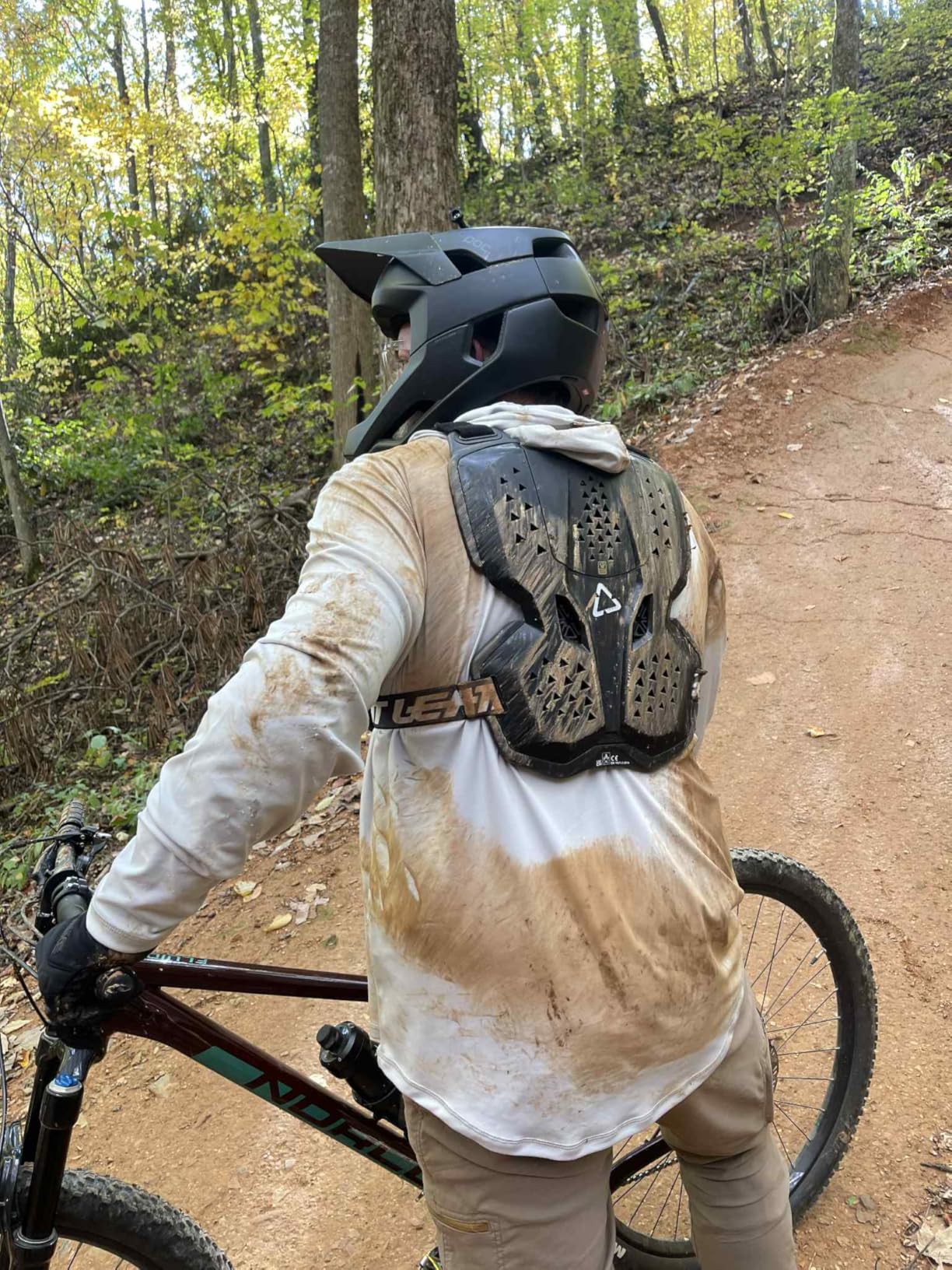
I wore the Leatt 3.5 on a full weekend of enduro racing, and it was the most comfortable hard-shell protector I have tested. The 3D design wraps around your torso rather than sitting flat against it, which eliminates the pressure points that plague cheaper guards. The ventilation slots keep air moving across your chest and back effectively.
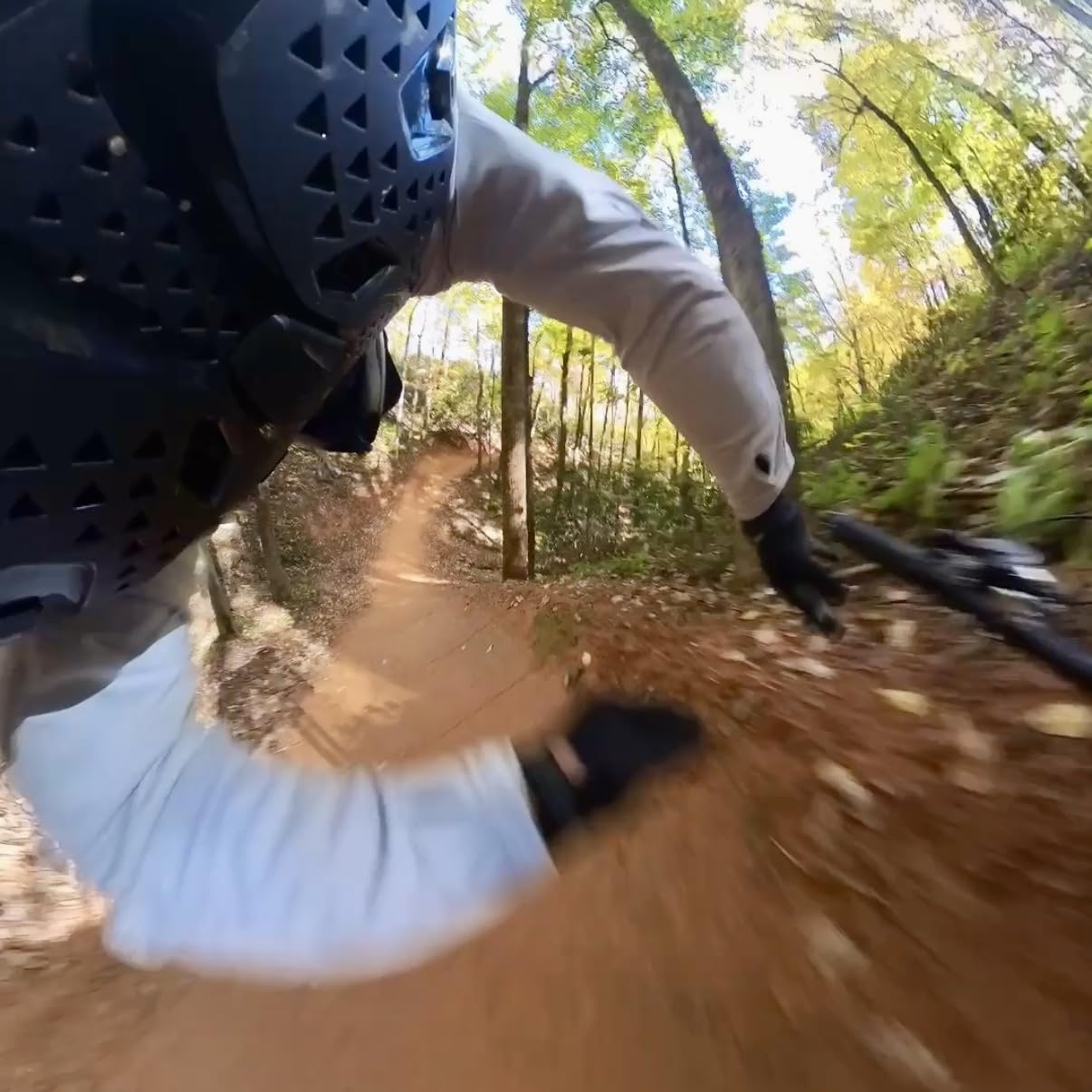
The removable front and rear plates are a brilliant design choice. You can strip the protector down for climbing and clip the plates back in for the descent. This directly addresses one of the biggest pain points riders mention on forums — what to do with your chest protector during long climbs.
The BraceOn neck brace fitting system is another Leatt innovation that sets this protector apart. It allows you to fit a Leatt neck brace either over or under the shirt, giving you flexibility in how you layer your gear. This level of integration is rare outside of the Leatt ecosystem.
Impact Protection Technology
The 3DF AirFit foam is a non-Newtonian material that remains soft and flexible at body temperature. When you crash, the foam locks up and distributes impact force across a wider area. This technology has been refined over multiple generations and represents some of the best soft armor on the market.
Climbing Comfort
Thanks to the removable plates and lightweight design starting at just 750 grams, the Leatt 3.5 is one of the few hard-shell protectors you can actually wear during sustained climbs without overheating. Riders on Reddit consistently recommend this model for comfort in hot weather.
4. Troy Lee Designs Rockfight Chest Protector — Best Full Coverage
Troy Lee Designs Rockfight Chest Protector (Medium/Large) (Black)
CE EN14021
1.7 lbs
Chest/Back/Sides/Shoulders
Buckle Closure
1 Year Warranty
Pros
- Full coverage: chest
- back
- sides
- and shoulders
- CE EN14021 certified
- Buckle and hook-and-loop closure system
- Durable synthetic construction
- 1 year manufacturer warranty
Cons
- Full coverage means more warmth
- Limited color options
The Troy Lee Designs Rockfight is the protector I recommend when someone asks for maximum coverage in a single piece of gear. Unlike most roost guards that focus on the chest, the Rockfight extends protection to your back, sides, and shoulders. It is essentially a full upper body armor system.
At 1.7 pounds, the weight is remarkably reasonable for the amount of coverage you get. TLD achieved this by using a combination of polyethylene and polypropylene materials that are both lightweight and impact-resistant. The synthetic construction has held up well in long-term testing across multiple riding seasons.
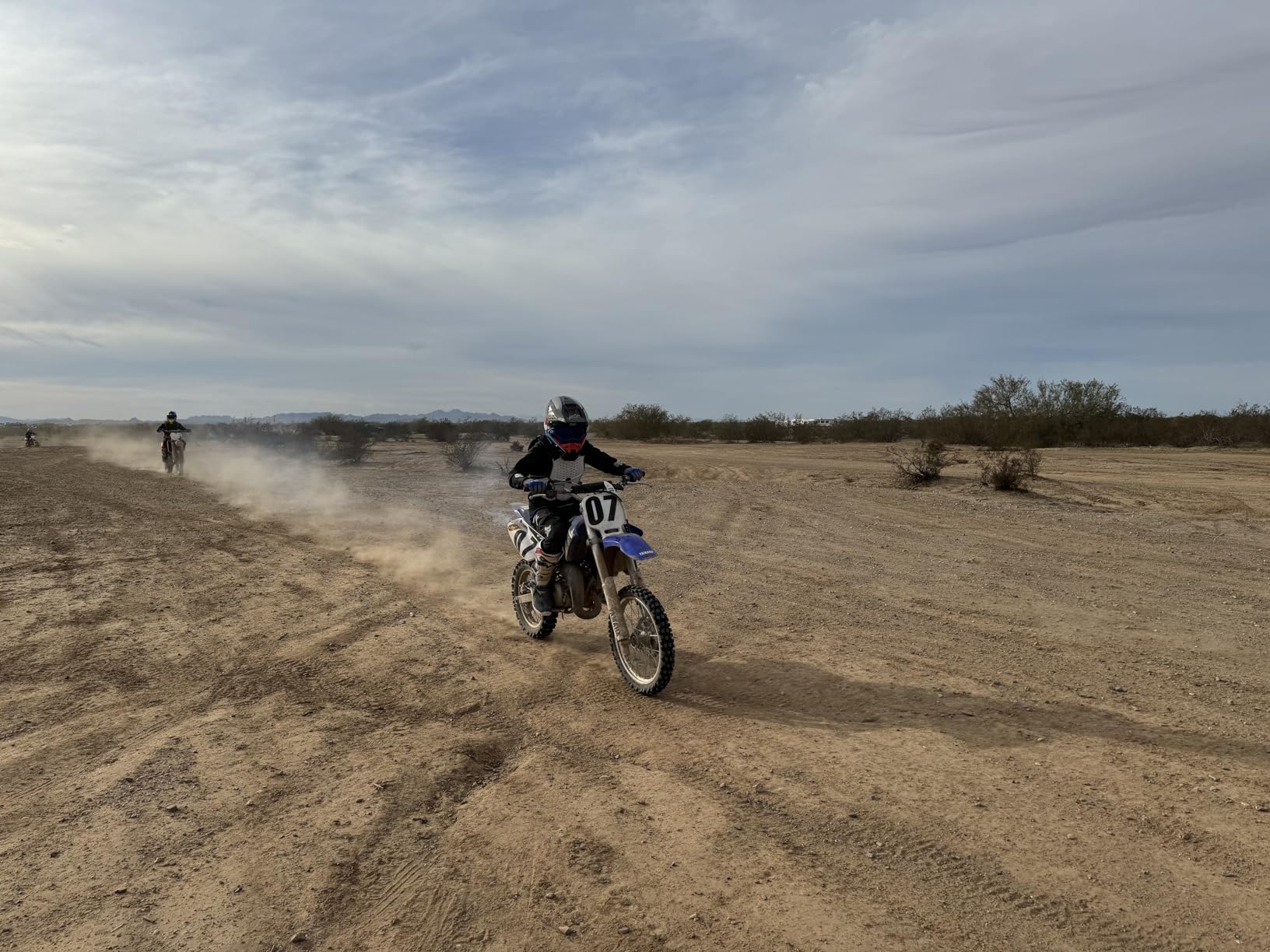
The CE EN14021 certification covers the full protection area, which is reassuring when you are hitting technical features at speed. The buckle and hook-and-loop closure system gives you a secure fit that does not shift around during aggressive riding. I found the fit to be true to size across the medium and large options.
Troy Lee Designs is a brand that mountain bikers trust, and the Rockfight reflects their attention to detail. The 1-year manufacturer warranty backs up the build quality, and the design integrates cleanly with TLD knee and elbow guards if you run a full TLD setup.
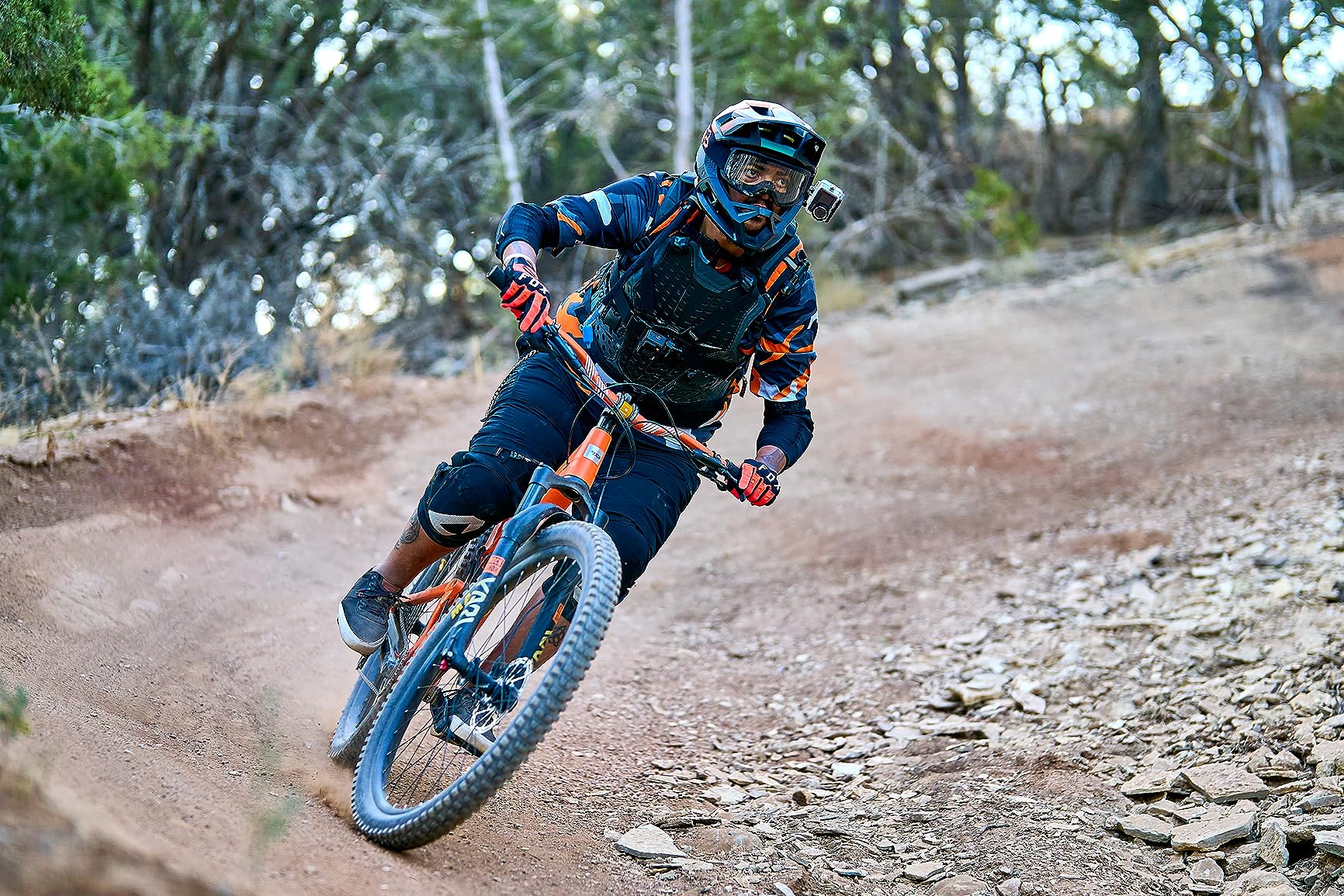
Coverage Compared to Other Protectors
The Rockfight is one of the few options in this guide that offers genuine side protection. Most roost guards stop at the chest and shoulders, leaving your ribs exposed. If you have ever bruised your ribs on a tree branch or rock, you know how valuable that side coverage can be.
Best Use Cases
This is the protector I point downhill riders and bike park regulars toward. The full coverage makes sense when you are hitting features at high speed with real consequences. For cross-country riders looking for minimal protection, the Rockfight may be more coverage than you need.
5. O’Neal Holeshot Protector — Best Budget Pick
ONeal Holeshot Protector – Black – Medium / Large 1285-004
Exceeds EN14021
1 lb
Neck Brace Compatible
Neoprene Padding
Integrated Waist Closure
Pros
- Exceeds EN14021 safety standard
- Ultra-lightweight at just 1 pound
- Neck brace compatible
- Neoprene shoulder padding for comfort
- Integrated waist closure system
- Over 1000 reviews
Cons
- Minimalist coverage area
- Basic ventilation design
The O’Neal Holeshot is proof that you do not need to spend top dollar to get solid MTB impact protection. At just 1 pound, it is the lightest chest protector in this guide, and it exceeds the EN14021 safety standard. That is an impressive combination at this price point.
Over 1,000 riders have reviewed this protector on Amazon, which gives you a massive sample size of real-world feedback. The 82 percent five-star rating tells you that O’Neal built something that works for a lot of riders. I have recommended the Holeshot to several friends who were new to mountain biking and hesitant to invest in full-price body armor.
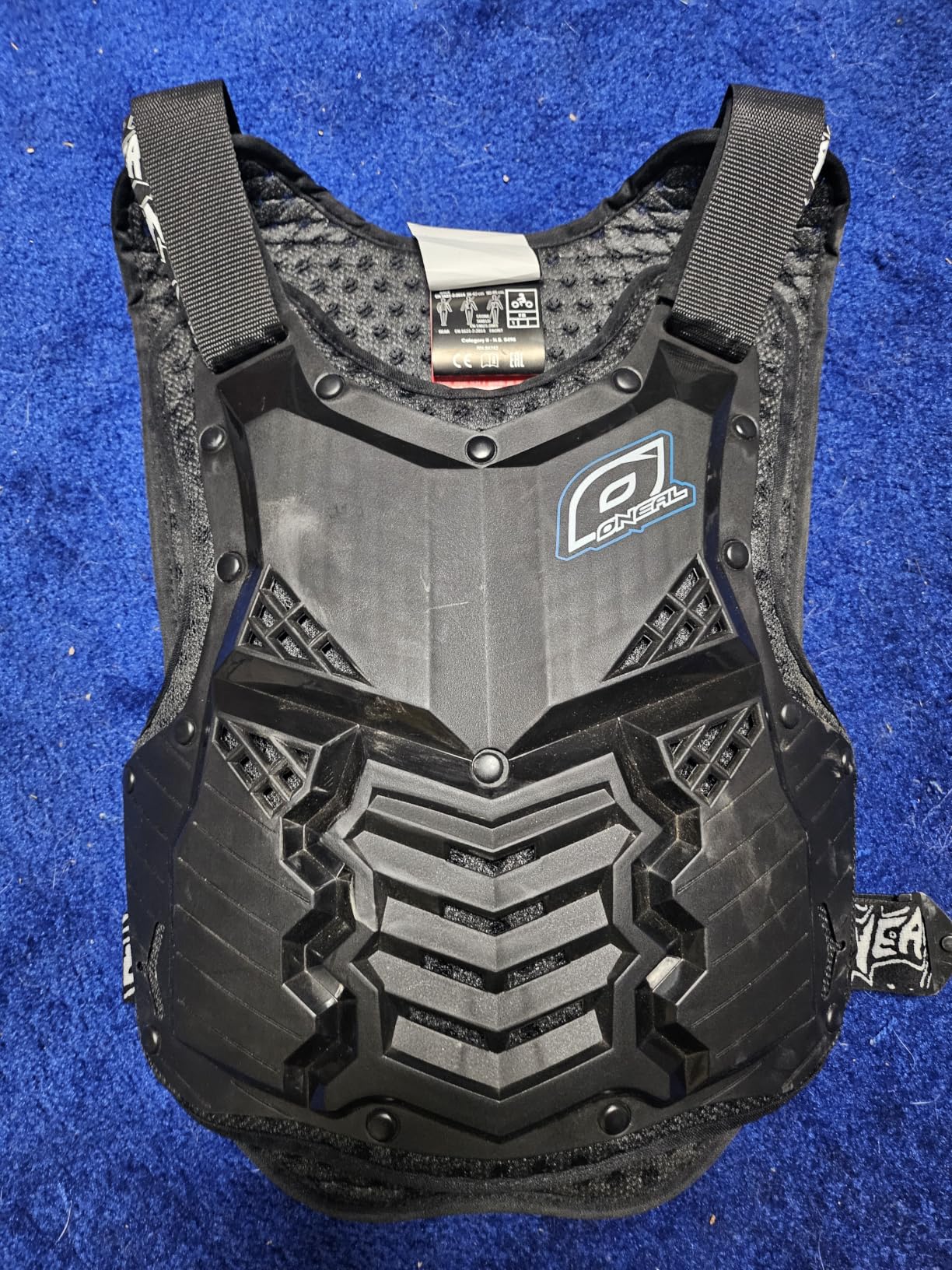
The neoprene shoulder padding is a thoughtful touch that adds comfort without adding weight. Neoprene conforms to your body and does not chafe the way harder foam can during long rides. The integrated waist closure system keeps the guard locked in place without the need for separate straps.
Neck brace compatibility is included at this price, which is notable. Many budget protectors skip this feature entirely. The Holeshot works with major neck brace brands, so you can build out your protective setup without worrying about compatibility issues.
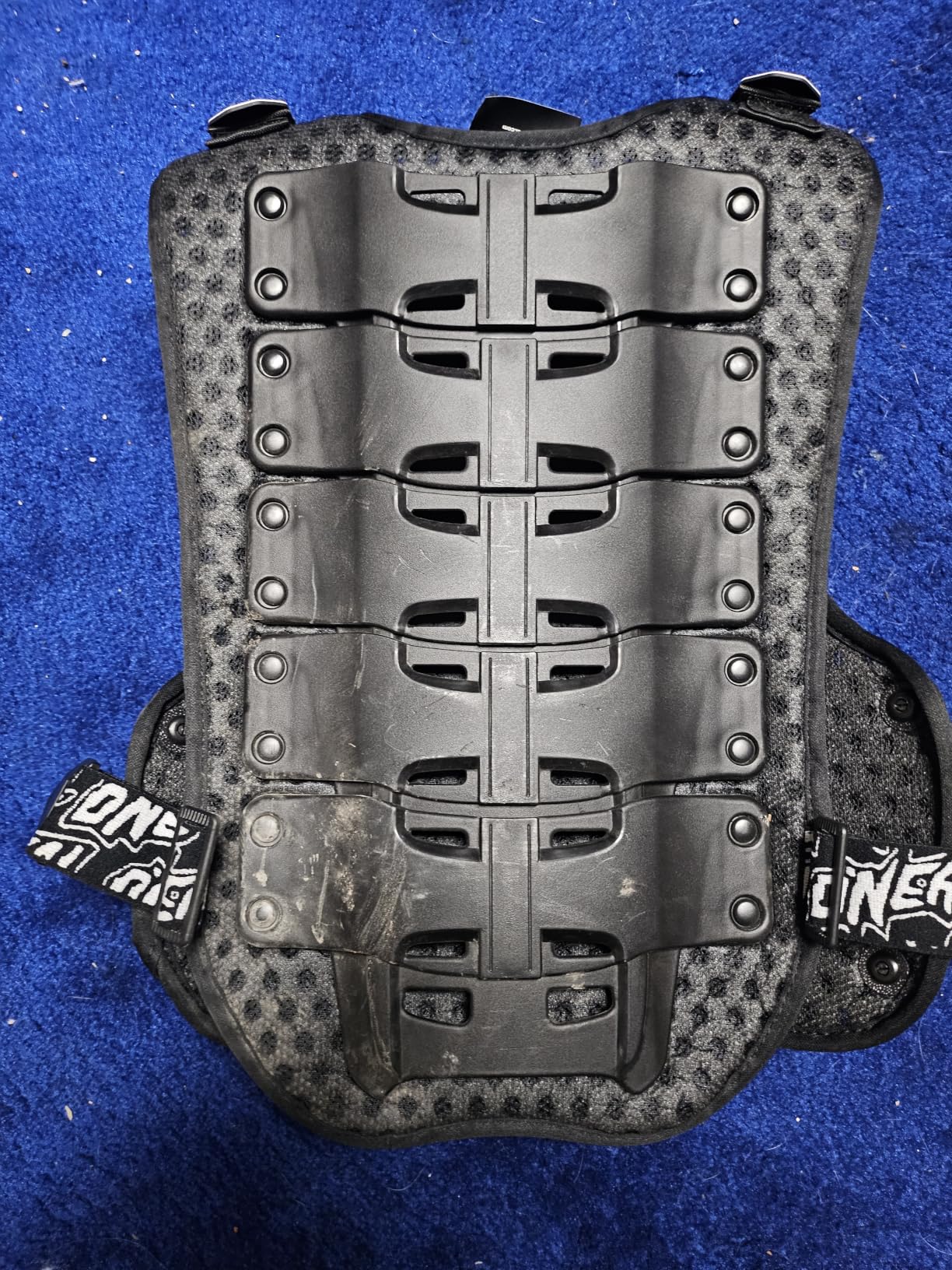
Value Proposition
The Holeshot gives you certified protection, neck brace compatibility, and a lightweight design for less than what many premium guards cost. For riders who want body armor but are watching their budget, this is hard to beat. It is consistently recommended in mountain biking forums as the best entry-level option.
Limitations to Consider
The coverage area is more limited than premium options like the Troy Lee Designs Rockfight. You get solid chest and shoulder protection, but side and back coverage is minimal. This makes the Holeshot better suited for trail riding than full-speed downhill runs.
6. Webetop Mountain Bike Chest Protector — Best Budget Vest Style
Webetop Mountain Bike Chest Protector for Men Motorcycle Armor Vest Protector for Adult Dirtbike Off-Road Racing MTB L
PE Shell Armor
1.2 lbs
Adjustable Vest
Honeycomb Ventilation
Multi-Sport Use
Pros
- Lightweight honeycomb structure for ventilation
- Adjustable shoulder and waist belts
- PE shell armor is wear and shock resistant
- Padded high-foam interior for impact absorption
- Versatile for multiple sports beyond MTB
Cons
- Runs small according to some users
- Limited side and rib coverage
- Can cause sweating on extended rides
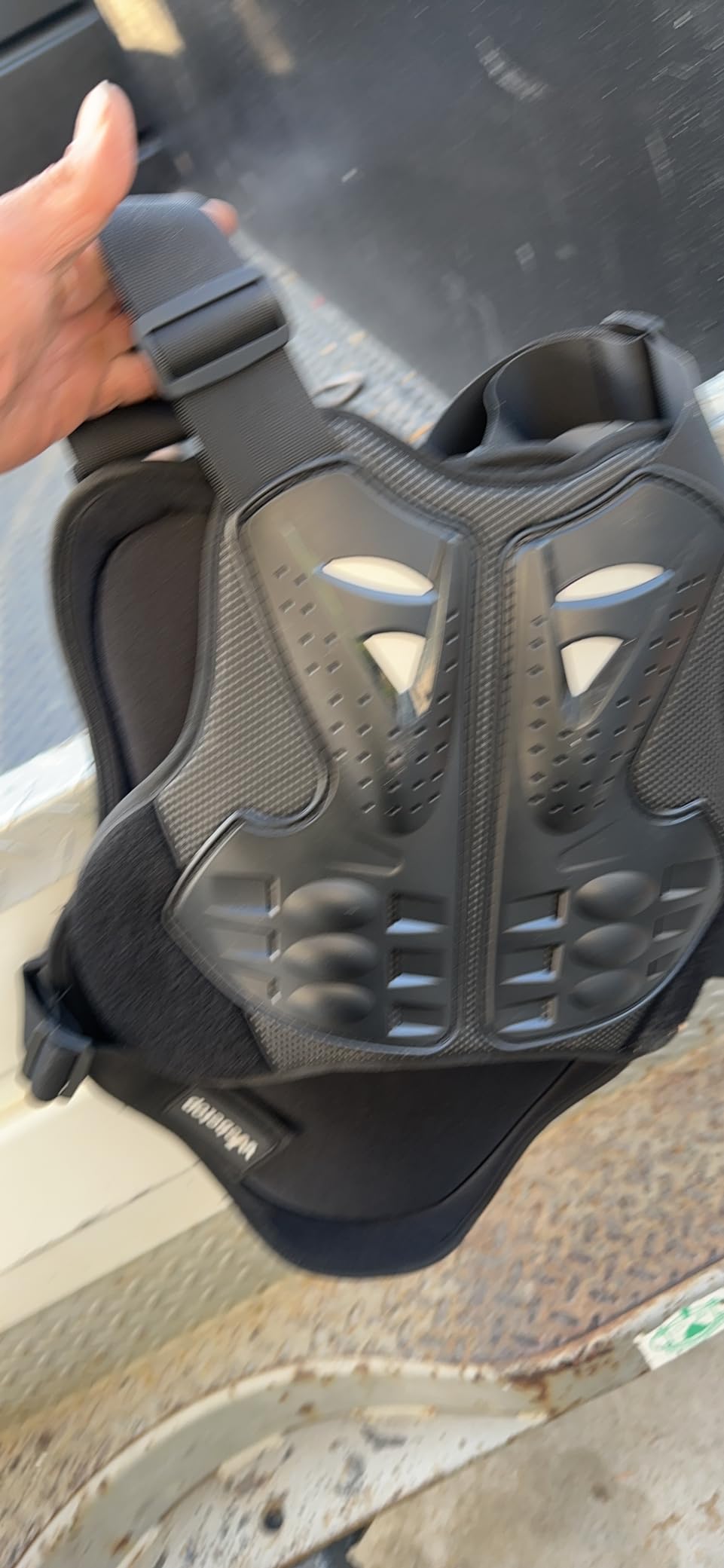
The Webetop Mountain Bike Chest Protector is the most affordable option in this guide, and it brings a lot of value for casual riders and beginners. The PE shell armor is both wear-resistant and shock-resistant, and the padded high-foam interior helps reduce damage from unexpected crashes. It is a solid entry point for riders who are new to wearing body armor.
What I like about this protector is the honeycomb structure design. It creates a porous, breathable layout that keeps weight down to just 1.2 pounds. The adjustable shoulder and waist belts come in three sizes, so you can dial in the fit even if you are between standard sizes.

The versatility of this vest is worth mentioning. While we are focusing on mountain biking, the Webetop works for dirt biking, cycling, skiing, skateboarding, and other outdoor sports. If you participate in multiple action sports, this single piece of gear can serve double duty.
The main drawback is that the coverage is limited to the front chest area. Several users noted that the sides and ribs are left exposed, which is a real limitation for aggressive riding. Also, the sizing runs a bit small, so consider sizing up if you are between sizes.
Who Should Buy This
The Webetop is ideal for casual trail riders, beginners, and multi-sport athletes who want basic protection without a big investment. If you are doing mellow trail rides and want a safety net for those unexpected tumbles, this vest does the job at a very accessible price.
What to Watch Out For
Be aware that some users report the shell could be thicker and harder for true impact protection. Also, breathability during extended hot-weather rides can be an issue. This is a budget option, and it performs like one — great for casual use, but not what I would choose for regular bike park laps.
7. G-Form MX360 Impact Shirt — Best Soft Armor Shirt
G-Form MX360 Impact Shirt – Padded Protection Shirt for MTB & Moto – Protective Gear for Mountain Bikers – Durable & Breathable Chest Protection – Black, Adult Medium
SmartFlex Padding
1.75 lbs
CE1621-2 Certified
Moisture Wicking
Full-Length Zipper
Pros
- SmartFlex stretch padding on shoulders and chest
- CE1621-2 certification for back protection
- Breathable moisture-wicking mesh fabric
- Full-length locking zipper with reinforced seams
- Neck brace compatible design
Cons
- Limited review count so far
- Low stock availability can be an issue
- Higher price point
The G-Form MX360 Impact Shirt takes a fundamentally different approach to chest protection. Instead of a hard shell strapped over your jersey, this is a full padded shirt with SmartFlex technology built directly into the fabric. You put it on like a jersey and ride — no straps, no buckles, no separate armor piece to manage.
SmartFlex is G-Form’s proprietary padding technology. It uses flexible pads that stay soft and pliable during normal movement but instantly harden upon impact. The pads cover both your shoulders and chest, giving you protection against crash impacts and flying roost debris. The CE1621-2 certification covers the back protection zone, which is a higher standard than what most chest guards carry.
The breathable, moisture-wicking mesh fabric is what makes this shirt wearable in hot conditions. Unlike hard-shell guards that trap heat, the MX360 lets your skin breathe while still providing impact protection. The full-length front locking zipper with reinforced seams makes it easy to put on and take off, even when you are sweaty.
With an 86 percent five-star rating from early reviewers, the MX360 is proving that soft armor shirts can compete with traditional hard-shell guards. The low stock availability suggests strong demand, so if you find it in stock, it is worth grabbing.
SmartFlex Technology Explained
The SmartFlex padding uses rate-dependent materials that remain flexible under normal conditions. When a high-velocity impact occurs, the molecules in the padding lock together instantly to create a hard protective layer. This happens in milliseconds — fast enough to protect you in a crash but soft enough to never restrict your movement.
Under-Jersey Advantages
Because the MX360 is a shirt rather than a strapped-on guard, it sits flush against your skin under a jersey. This eliminates the bulky look of over-jersey protectors and eliminates strap chafing entirely. For riders who want stealthy protection that looks like normal riding gear, this is the best option in the guide.
8. Fly Racing Revel Race Roost Guard — Best Under-Jersey Hard Shell
Fly Racing Revel Race Roost Guard (White)
BioFoam Chassis
1.83 lbs
Air Channels
Neck Brace Compatible
Low-Profile Design
Pros
- BioFoam chassis eliminates dangerous plastic rivets
- Air channels molded in for heat escape
- Neck brace compatible
- Removable chassis for easy washing
- Low-profile fits under jersey
- Adjustable shoulder straps
Cons
- Not Prime eligible
- Some users report it runs big
- Plastic may feel heavy to some riders
The Fly Racing Revel Race Roost Guard stands out for one specific design decision that most riders never think about until it matters. Fly eliminated all plastic rivets from the chassis attachment system. Why does this matter? Because plastic rivets can cause secondary injuries in a crash when the guard deforms and the rivets press into your body. Fly replaced them with a BioFoam system that is both safer and more comfortable.
The BioFoam chassis is thermoformed and removable, which means you can take it out and wash it after a sweaty weekend of riding. The air channels molded directly into the foam allow hot air to escape, keeping you cooler than you would expect from a full plastic roost deflector. This is one of the more thoughtful ventilation designs I have seen.
At 1.83 pounds, the Revel is on the heavier side, but the weight is well-distributed thanks to the integrated waist belt buckles and adjustable shoulder straps. The low-profile design means you can wear this under a jersey, which gives you the protection of a hard shell with the clean look of hidden armor.
The full upper torso plastic roost deflector provides comprehensive coverage. Multiple vents throughout the shell keep air moving, and the neck brace compatibility means you can run your full protective setup without fit issues. The 84 percent five-star rating from over 200 reviews confirms this is a well-built piece of gear.
BioFoam Innovation
The BioFoam chassis is the defining feature of this guard. Beyond eliminating rivets, it provides a soft, conforming layer between the hard plastic shell and your body. This improves both comfort and impact performance, since the foam absorbs energy that would otherwise transfer directly through the plastic.
Fit and Sizing Notes
Several riders report that the Revel runs large compared to other roost guards. If you are between sizes, consider sizing down. The adjustable shoulder straps and waist buckles give you some range to work with, but starting with the right base size makes a big difference in how securely the guard stays in place during a crash.
How to Choose the Best MTB Chest Protector?
Choosing the right mountain bike chest protector comes down to understanding four key factors: protection level, fit and comfort, ventilation, and how you plan to wear it. Let me break down each one so you can make an informed decision for your riding style.
CE Certification Levels Explained
CE certification is the European safety standard that applies to motorcycle and bicycle protective gear. For chest protectors, the two most relevant standards are EN14021 (stone shield certification) and EN1621 (impact protection). EN14021 focuses on protecting against flying debris like roost and stones. EN1621 goes further and tests for impact absorption in crashes.
Within EN1621, there are two levels. Level 1 allows more impact force to pass through to your body but keeps the protector thinner and lighter. Level 2 absorbs more force but requires thicker, heavier materials. For trail riding and enduro, Level 1 is generally sufficient. For downhill and bike park riding where speeds and consequences are higher, Level 2 is the safer choice.
Several products in this guide exceed the EN14021 standard, which means they have been tested beyond the minimum requirements. The O’Neal Holeshot and Troy Lee Designs Rockfight both carry this distinction. When a manufacturer exceeds the standard rather than just meeting it, that tells you something about their commitment to rider safety.
Fit and Comfort
A chest protector only works if you actually wear it, and you will only wear it if it fits well. The best MTB chest protector should feel snug against your torso without restricting your breathing or arm movement. You should be able to lean forward, twist side to side, and reach for your bars without the guard shifting.
Adjustability is the key to a good fit across different body types. Look for guards with adjustable shoulder straps and waist closures. The Fox R3, Alpinestars Bionic Action, and Fly Racing Revel all feature robust adjustment systems. Protectors with flexible side panels, like the Alpinestars, tend to fit a wider range of body shapes.
Forum discussions on Reddit consistently highlight comfort as the deciding factor. Riders repeatedly say that a thinner protector worn consistently beats a bulky one left at home. If a guard is too uncomfortable, you will find excuses not to wear it, and then it provides zero protection. This is why the Leatt 3.5 with its 3DF AirFit foam is so popular — it is comfortable enough to wear every ride.
Ventilation and Heat Management
Heat management is the number one complaint riders have about chest protectors. Even the best MTB body armor traps some heat against your torso, and in warm climates, this can make the difference between wearing your protection and leaving it in the car. Look for guards with genuine ventilation channels, not just cosmetic perforations.
The Fox R3 and Alpinestars Bionic Action are the standout performers for ventilation. Both use fully perforated shells that create continuous airflow. The Fly Racing Revel uses molded air channels in the BioFoam, which is a different approach but equally effective. If you ride in hot weather, prioritize ventilation above almost every other feature.
Soft armor shirts like the G-Form MX360 handle heat differently. Instead of venting air through a shell, they use moisture-wicking fabrics that pull sweat away from your skin. This evaporative cooling effect can actually feel cooler than wearing nothing at all under your jersey, which is a significant advantage in summer conditions.
Under Jersey vs Over Jersey
This is one of the most common questions riders ask, and the answer depends on both function and personal preference. Under-jersey protectors sit against your skin or base layer, giving you a clean, unencumbered look. They also tend to stay in place better since the jersey holds them tight. The G-Form MX360 and Fly Racing Revel are both designed for under-jersey wear.
Over-jersey protectors strap on over your riding jersey and are easier to take on and off. This matters for enduro racing where you might want protection for timed stages but prefer to ride without it on transfer stages. The Fox R3, Leatt 3.5, and Troy Lee Designs Rockfight all work well as over-jersey guards. The Leatt’s removable plates give you the best of both worlds.
There is no wrong answer here. Some riders love the stealthy look of under-jersey protection, while others prefer the convenience of a quick-release over-jersey guard. Try both styles if you can, and go with whichever one you will actually wear every time you ride.
FAQs
What is the best chest back protector for mountain biking?
The Troy Lee Designs Rockfight Chest Protector offers the best combined chest and back coverage with CE EN14021 certification across chest, back, sides, and shoulders. For riders who want a dedicated chest protector with optional back plate, the Leatt Chest Protector 3.5 with its removable front and rear plates is an excellent choice.
Should I wear a chest protector on a MTB?
Yes, if you ride downhill, enduro, or aggressive trail routes. Chest protectors help prevent rib fractures, chest contusions, and torso injuries that are common in mountain biking crashes. Even on moderate trails, unexpected washouts and OTB crashes can cause serious chest injuries. Most riders who start wearing protection wish they had started sooner.
How should an MTB chest protector fit?
A chest protector should fit snug against your torso without restricting breathing or arm movement. You should be able to lean forward, twist side to side, and reach for your handlebars without the guard shifting. Look for adjustable shoulder and waist straps to dial in the fit. If the protector moves around when you shake your torso, it is too loose.
What chest protector do the pros use?
Professional downhill and enduro riders commonly use Leatt, Fox, and Troy Lee Designs chest protectors. The Leatt 3.5 series is particularly popular among pro riders for its comfort during long race days. Fox Baseframe and TLD Rockfight are also frequently seen on World Cup circuits. Most pros pair their chest protector with a neck brace for full upper body protection.
Final Thoughts on MTB Chest Protection in 2026
Finding the best chest protectors for mountain biking comes down to matching the guard to your riding style and comfort preferences. For most riders, the Fox Racing R3 offers the best balance of ventilation, certification, and adjustability. The Alpinestars Bionic Action delivers outstanding value with its Cell Technology shell and modular design. And if budget is a concern, the O’Neal Holeshot gives you certified protection at a fraction of the cost.
The most important thing is that you actually wear whatever you buy. A comfortable protector you put on every ride will always protect you better than a premium guard sitting in your gear bag. Pick the one that fits your body, your climate, and your riding — then get out there and ride with confidence.