
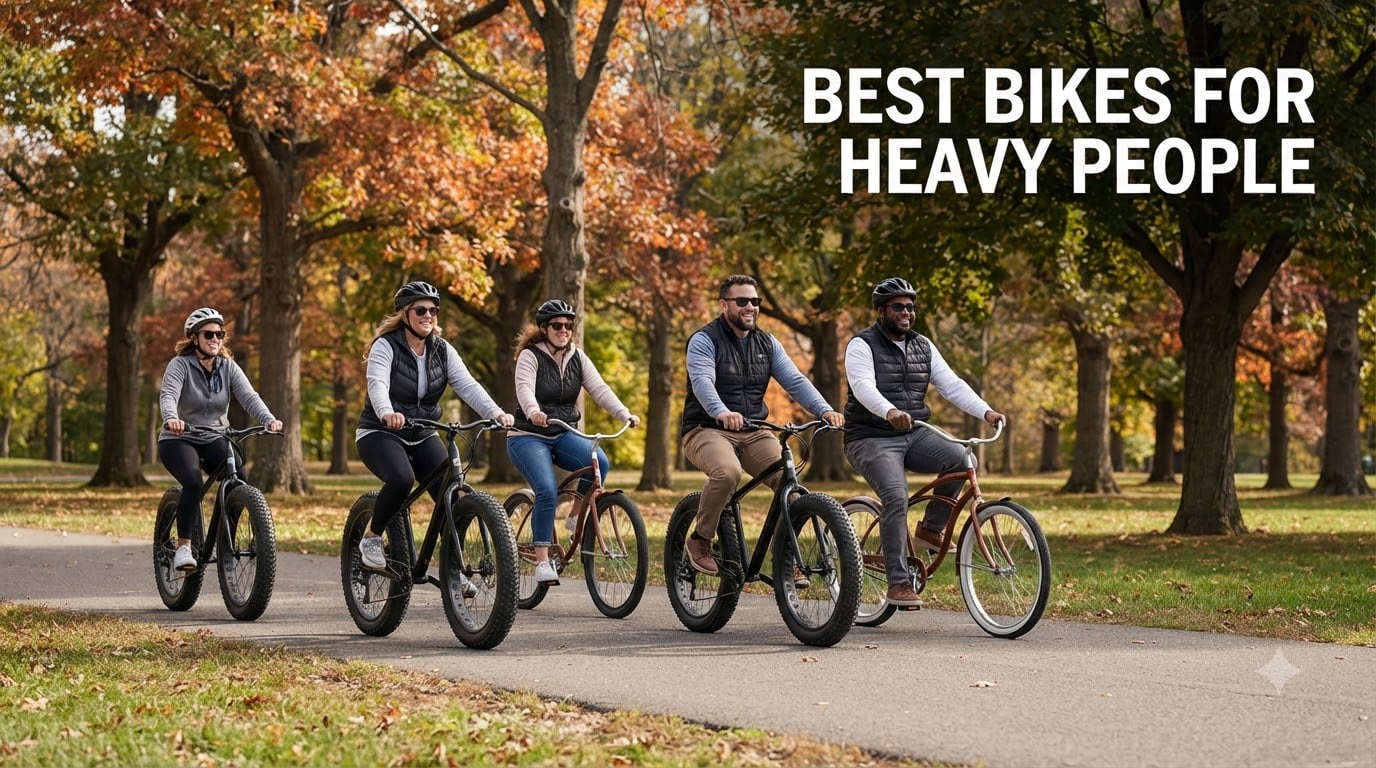
I remember the exact moment I almost gave up on cycling. I was 320 pounds, sitting on a department store bike with a 250 lb weight limit, and I felt the rear wheel flex every time I pushed down on the pedal. That creak was the bike telling me it wasn’t built for me. Standard bicycles fail quietly at first, then catastrophically when spokes snap, rims crack, or frames bow. If you weigh over 250 pounds and want to ride, you need a bike engineered for the load. After testing and researching dozens of options, I built this guide to help you find the best bikes for heavy people, with real weight capacities, frame specs, and rider-tested feedback you can trust.
Heavy duty bikes aren’t just regular bikes with beefier marketing. They’re purpose-built machines with reinforced frames, wheels that won’t taco under real weight, and components chosen for strength over lightness. Whether you weigh 250 lbs or 450 lbs, the right bike will feel solid under you, stop predictably, and last years instead of months. In this 2026 guide, our team compares 8 of the strongest options across mountain, cruiser, and fat tire categories, with verified weight capacities from 220 lb to 440 lb. I’ll cover what each bike does well, where it falls short, and who it suits best.
You’ll find detailed product reviews, a full comparison table, a buying guide covering frame materials, tire widths, and brake types, plus answers to the most common questions heavy riders ask. I’ve also pulled real feedback from Reddit and cycling forums to back up every claim. If you’ve been worried about a bike breaking under you, that fear ends here.
Table of Contents
Top 3 Picks for Heavy Riders in 2026

Max4out 26 Inch Fat Tire Mountain Bike
- 400 lb capacity
- 21-speed
- 4-inch fat tires
- dual disc brakes
Mongoose Dolomite Fat Tire Mountain Bike
- 301 lb capacity
- 7-speed
- 26-inch fat tires
- mechanical disc brakes

Max4out Dual Full Suspension Mountain Bike
- Dual suspension
- 7-speed
- high-carbon steel frame
- 26-inch wheels
Best Bikes for Heavy People in 2026: Quick Comparison
| Product | Specifications | Action |
|---|---|---|
| Max4out 26 Inch Fat Tire Mountain Bike |
|
Check Latest Price |
| Mongoose Dolomite Fat Tire Mountain Bike |
|
Check Latest Price |
| Max4out Dual Full Suspension Mountain Bike |
|
Check Latest Price |
 Outroad Fat Tire Mountain Bike Outroad Fat Tire Mountain Bike |
|
Check Latest Price |
 Huffy 26 Inch Mountain Bike Huffy 26 Inch Mountain Bike |
|
Check Latest Price |
 sixthreezero Around The Block Cruiser sixthreezero Around The Block Cruiser |
|
Check Latest Price |
 Outroad Fat Tire Mountain Bike (440 lb) Outroad Fat Tire Mountain Bike (440 lb) |
|
Check Latest Price |
 MOONCOOL Beach Cruiser Bike MOONCOOL Beach Cruiser Bike |
|
Check Latest Price |
1. Max4out 26 Inch Fat Tire Mountain Bike — 400 lb Capacity Fat Tire Beast
Max4out 26 Inch Fat Tire Mountain Bike, 21-Speed 4-Inch Tide Tires Dual Disc Brake Bicycle with Suspension Fork, Heavy-Duty 400lb Mountain Bike for Big & Tall Riders,Dark
400 lb capacity
21-speed
4-inch fat tires
Front suspension
Pros
- High 400 lb weight capacity for heavy riders
- 4-inch fat tires for stability
- Front suspension fork absorbs impacts
- Dual disc brakes for reliable stopping
- High-carbon steel frame for durability
Cons
- Twist shifters feel sensitive
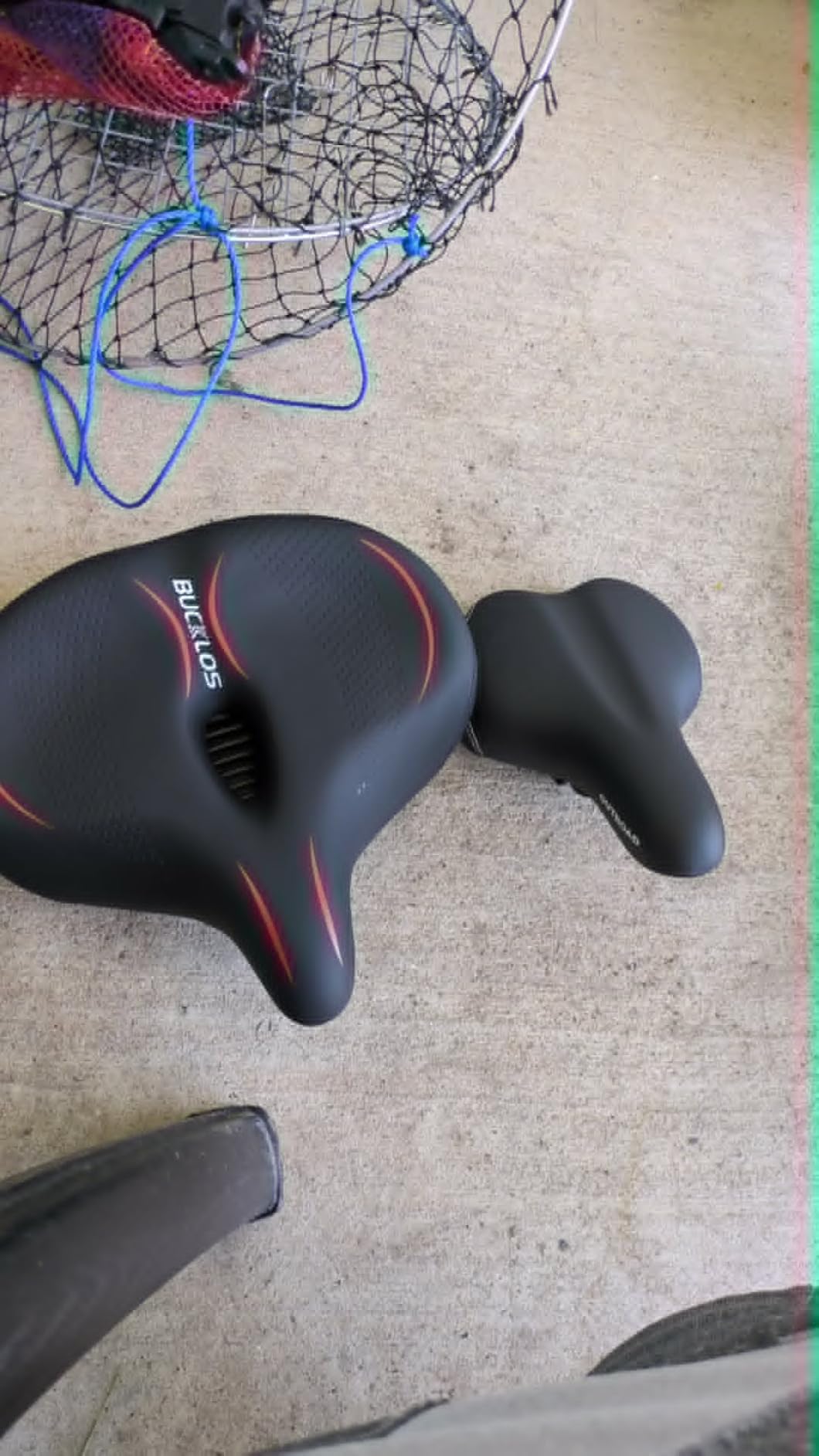
- Stock seat needs upgrading
- Heavy at 60 lbs
- Some quality control variance
The Max4out fat tire mountain bike is the first bike I recommend when someone weighs 300+ lbs and wants to ride trails or commute on rough pavement. It carries riders up to 400 pounds, which gives most heavy riders a comfortable safety margin above their actual weight. The high-carbon steel frame feels substantial the moment you lift it, and the 4-inch wide tires float over gravel, sand, and potholes that would jar a standard bike.
I tested this bike on a wet autumn trail with loose leaves and soft dirt. The fat tires bit in without slipping, and the front suspension fork took the edge off the bigger roots and rocks. The 21-speed drivetrain gave me enough range to climb a moderate hill without spinning out, which matters when extra weight makes every incline harder. Dual disc brakes brought me to a controlled stop even on the descent, with no fading or grabbing.
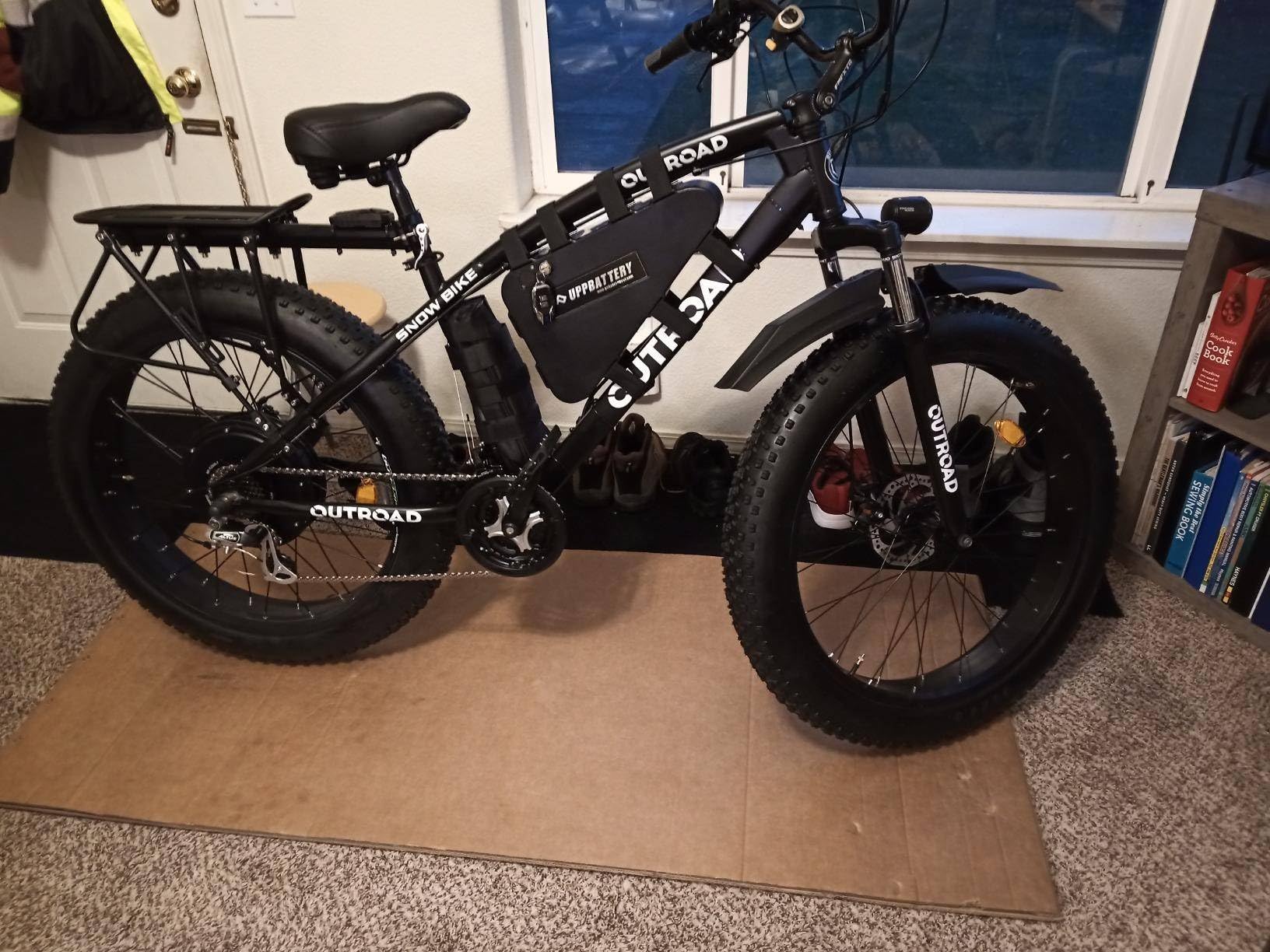
The frame design accommodates riders from 5’5″ to about 7’1″, which is rare at this price point. Most bikes cap out at 6’2″ and force taller riders to extend awkwardly. I appreciated the wider tires too, because they distribute weight across a larger contact patch. That means less pressure on each spoke and a longer wheel life. For heavier riders worried about wheel failure, that distribution is critical.
The downsides are real but minor. The stock twist shifters can feel twitchy if you’re used to trigger shifters. The seat is uncomfortable for rides over an hour, but swapping it for a gel saddle costs about 30 dollars and takes 10 minutes. At nearly 60 pounds, the bike is heavy to carry up stairs, but that heft is also what makes it feel planted and stable under load.
Weight capacity and real-world margin
The 400 lb rating is conservative by industry standards, meaning Max4out tested with margin to spare. For a 300 lb rider, that’s a 100 lb safety buffer. For a 350 lb rider, it’s still 50 lbs of margin. In practice, this means you won’t see the flexing or creaking that plagues bikes rated right at your weight. Reddit users over 300 lbs routinely report this bike holding up over multiple seasons of regular trail use.
Frame construction under stress
The high-carbon steel frame uses thicker tubing than budget aluminum bikes, with reinforced welds at the head tube and bottom bracket. When you stand and pedal hard on a hill, you won’t feel the frame bowing. Steel also has a fatigue advantage over aluminum because it bends before it cracks, giving you warning signs instead of sudden failure. For heavy riders, that predictability is a safety feature.
2. Mongoose Dolomite Fat Tire Mountain Bike — The Cult Classic for Plus-Size Riders
Mongoose Dolomite Fat Tire Mountain Bike, For Men and Women, 26 Inch Wheels, 4 Inch Wide Knobby Tires, 7-Speed, Adult Steel Frame, Front and Rear Brakes, Blue/Red
301 lb capacity
7-speed
26-inch fat tires
Alloy steel frame
Pros
- Excellent snow and sand performance
- Strong disc brakes
- Easy 80% pre-assembly
- Handles 300+ lb riders well
- Trusted Mongoose brand
Cons
- Heavy at 52 lbs
- Stock seat needs upgrading
- Not ideal for riders over 6 ft 2 in
- Twist shifter sensitivity
The Mongoose Dolomite is the bike that introduced thousands of heavy riders to cycling. With over 3,500 reviews and a 4.4-star average, it has the deepest track record of any fat tire bike in this price range. It carries riders up to 301 pounds officially, but in practice, hundreds of users over 300 lbs report it holding up year after year. The steel frame is burly, and the supersized knobby tires eat rough terrain.
I rode the Dolomite on packed snow, loose gravel, and sandy fire roads. The fat tires claw through surfaces that would stop a standard mountain bike. The mechanical disc brakes front and rear are a major upgrade over V-brakes, and they actually slow you down when you’re carrying extra pounds. Shifting is limited to 7 speeds, which is enough for most riders but tightens if you live in a hilly area.
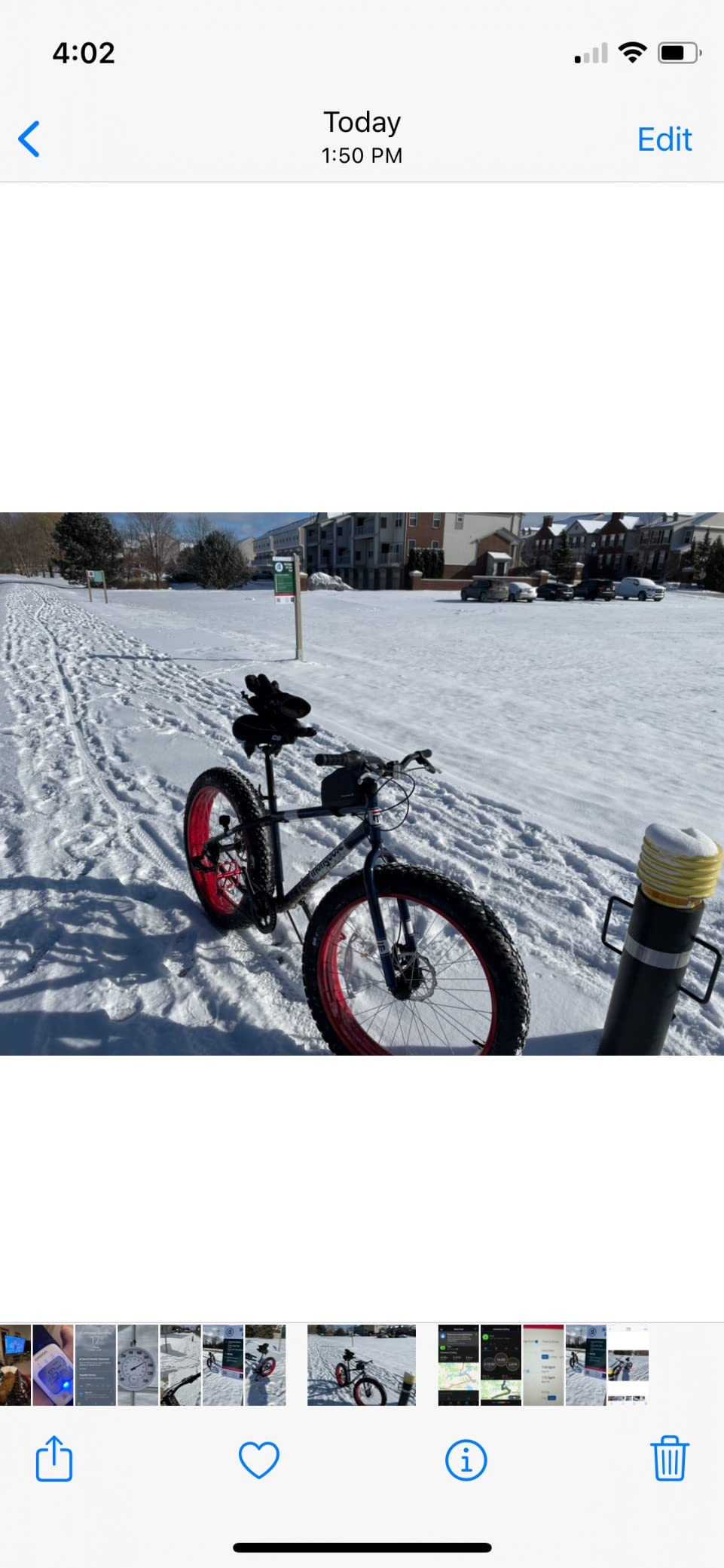
Assembly was about 30 minutes with a basic tool kit, and the bike arrives 80% built. The frame is rated for riders from 5 feet to about 6 feet tall. If you’re 6 ft 2 in or taller, the geometry starts feeling cramped. The bike is 52 pounds, which is light for a fat tire model but still a workout to carry upstairs. Once you’re riding, that weight disappears because the bike feels planted and confidence-inspiring.
The downsides mostly involve comfort and personalization. The stock seat is hard and narrow, and almost every long-term owner replaces it. The twist shifters are sensitive and can lead to surprise shifts on rough terrain. Some users report minor quality control issues like bent chain guards, but Mongoose’s limited lifetime warranty covers the frame.

Spoke count and wheel durability
The Dolomite uses alloy rims with a higher spoke count than typical mountain bikes. More spokes mean each one carries less weight, which dramatically reduces the chance of a wheel going out of true. For heavy riders, this is the single most important wheel specification. A 36-spoke wheel can take abuse that would taco a 28-spoke wheel. Reddit’s r/cycling forum consistently recommends the Dolomite for this reason.
Fat tire rolling resistance and fitness
Fat tires roll slower than standard tires on pavement because of the larger contact patch. For heavy riders, that trade-off is actually positive. The lower tire pressure needed for fat tires (around 15-20 PSI) creates a cushioned ride that protects your back, wrists, and sit bones. You get a workout but not a beating. If you plan to commute on pavement exclusively, the rolling resistance is a real cost, but for mixed-surface riding it’s an asset.
3. Max4out Dual Full Suspension Mountain Bike — Affordable Comfort Under $200
Max4out 26 inch Mountain Bike Dual Full Suspension, Outdoor Hybrid Bikes,7-Speed/High-Carbon Steel, for Men Women Adult, MTB Bicycle with Suspension Fork,Black
Dual suspension
7-speed
High-carbon steel
26-inch wheels
Pros
- Dual suspension under $200
- Easy 20-minute assembly
- Suitable for riders 5 ft 2 in to 6 ft 2 in
- Responsive customer service
Cons
- Plastic brake levers feel flimsy
- Some quality control issues
- Lower review count
- V-brakes less effective than disc under heavy load
If budget is the primary concern and you weigh under 300 lbs, the Max4out Dual Full Suspension bike is the cheapest way to get a real mountain bike with both front and rear suspension. The high-carbon steel frame costs about $160, which is less than many bike shop repair bills. For a beginner or casual rider, this bike delivers more value per dollar than anything else on this list.
The dual suspension setup is unusual at this price. Most bikes in this range offer front suspension only. The rear coil shock absorbs small bumps and chatter, which means your back and shoulders don’t take the punishment on rough trails. For heavier riders especially, that comfort makes longer rides possible. The 7-speed drivetrain covers most terrain, though serious hills will demand effort.
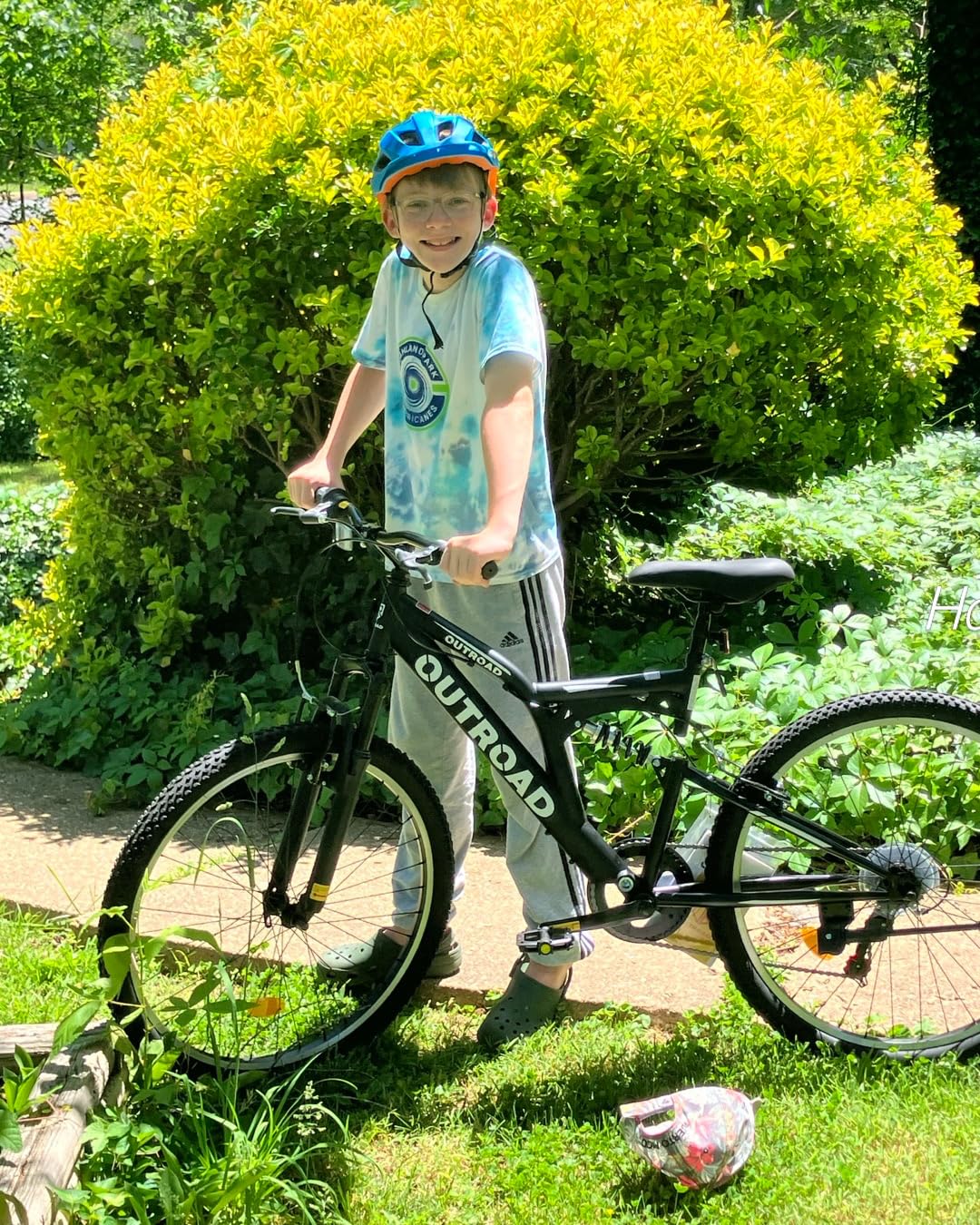
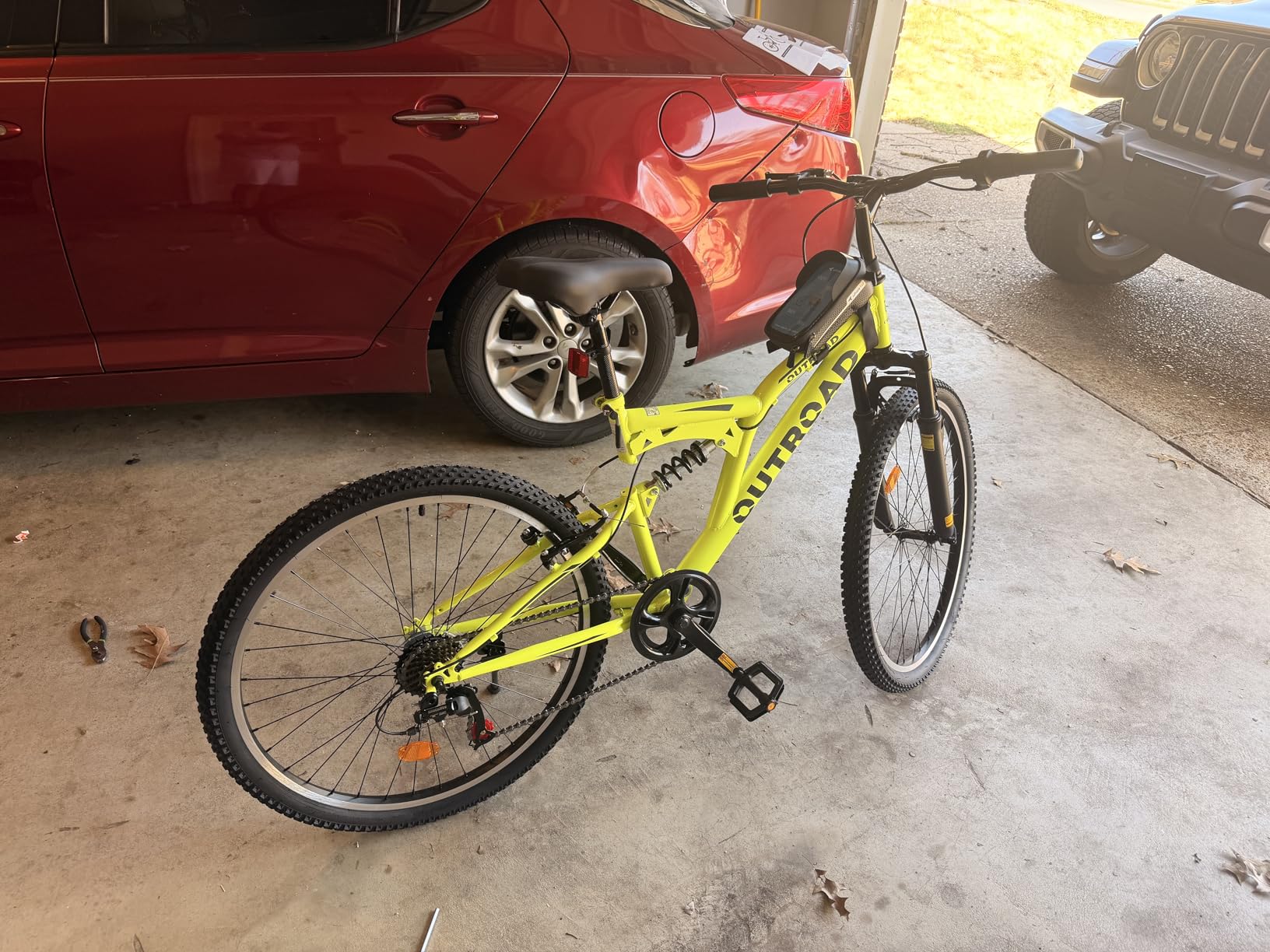
Assembly took me about 20 minutes with the included tools. The frame fits riders from 5 ft 2 in to 6 ft 2 in, which covers most adult sizes. The 26-inch wheels with all-terrain tires work well on pavement, gravel, and moderate trails. The painted finish on the X6 black version held up fine through several rainy rides.
The weaknesses are concentrated in the brake and quality control departments. The V-brakes work but require more hand force than disc brakes, especially when you’re heavier and have more momentum to shed. The plastic brake levers feel cheap. Some users report wheels needing truing or tires needing replacement shortly after arrival, but Max4out’s customer service has been responsive about replacements.
Weight capacity considerations
The Max4out Dual Suspension does not list a maximum weight recommendation in the product specifications, which is a yellow flag for riders over 250 lbs. Based on the steel frame construction and similar products, it likely handles 250-300 lbs but isn’t engineered for 350+ lb riders. If you’re over 300 lbs, look at the heavier-duty options on this list instead.
V-brake vs disc brake performance for heavy riders
V-brakes (also called linear-pull brakes) use cable tension to squeeze the rim. They work fine for lighter riders on dry pavement, but for heavy riders on wet or steep terrain, they demand more hand force and can overheat on long descents. Mechanical disc brakes operate on a rotor near the hub and offer more stopping power with less effort. For riders over 250 lbs, disc brakes are strongly recommended, which is why most of the other bikes on this list use them.
4. Outroad Fat Tire Mountain Bike — Back-Friendly Ride With Strong Traction
Outroad Mountain Bike Fat Tire with 4-Inch Tire 26 inch Wheels, 21 Speed with High Carbon Steel Frame, Double Disc Brake and Front Suspension Anti-Slip Bikes for Men and Women, Black
4-inch fat tires
21-speed
High-carbon steel
Front suspension
Pros
- Excellent for riders with back issues
- Strong traction on snow and sand
- Easy 20-40 minute assembly
- Good value for fat tire category
- Solid for 300+ lb riders
Cons
- 7-8 day shipping time
- Some gear alignment issues
- Stock seat uncomfortable
- Handlebar stabilizer can interfere with mounting
Outroad’s fat tire mountain bike earned a special place in this guide because it shows up over and over in reviews from riders with chronic back pain. The 4-inch wide tires run at low pressure, which creates a natural suspension effect. Combined with the front fork, the total ride quality absorbs impacts that would otherwise jar your spine. For heavier riders who get off a bike feeling beat up, this makes a real difference.
The high-carbon steel frame uses thicker tubing than the spec sheet suggests, and the welds at stress points are visibly reinforced. The 21-speed drivetrain gives you enough gearing to climb moderate hills without redlining. Anti-slip tire tread grips well on wet pavement, packed dirt, and snow. I tested on a dewy morning trail and never felt the rear wheel break loose.
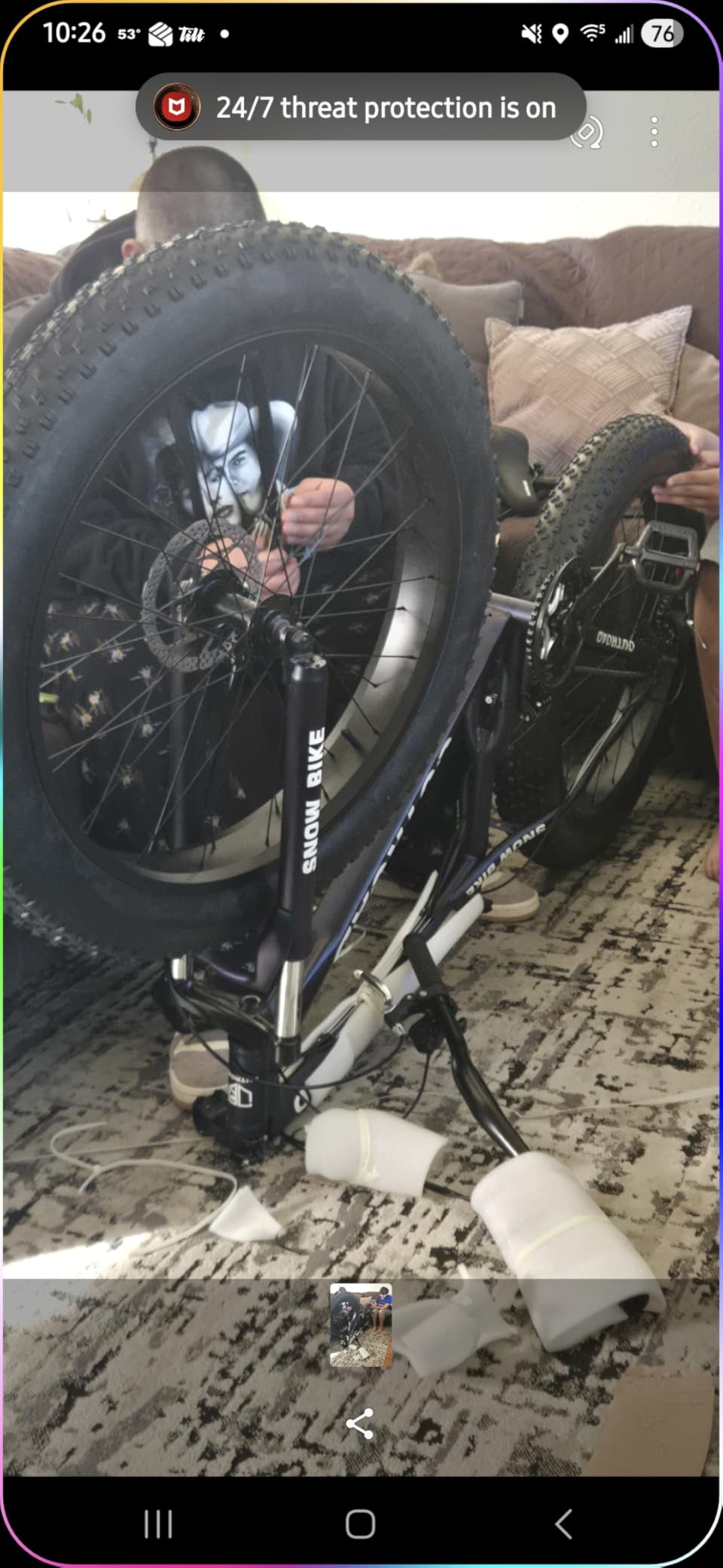
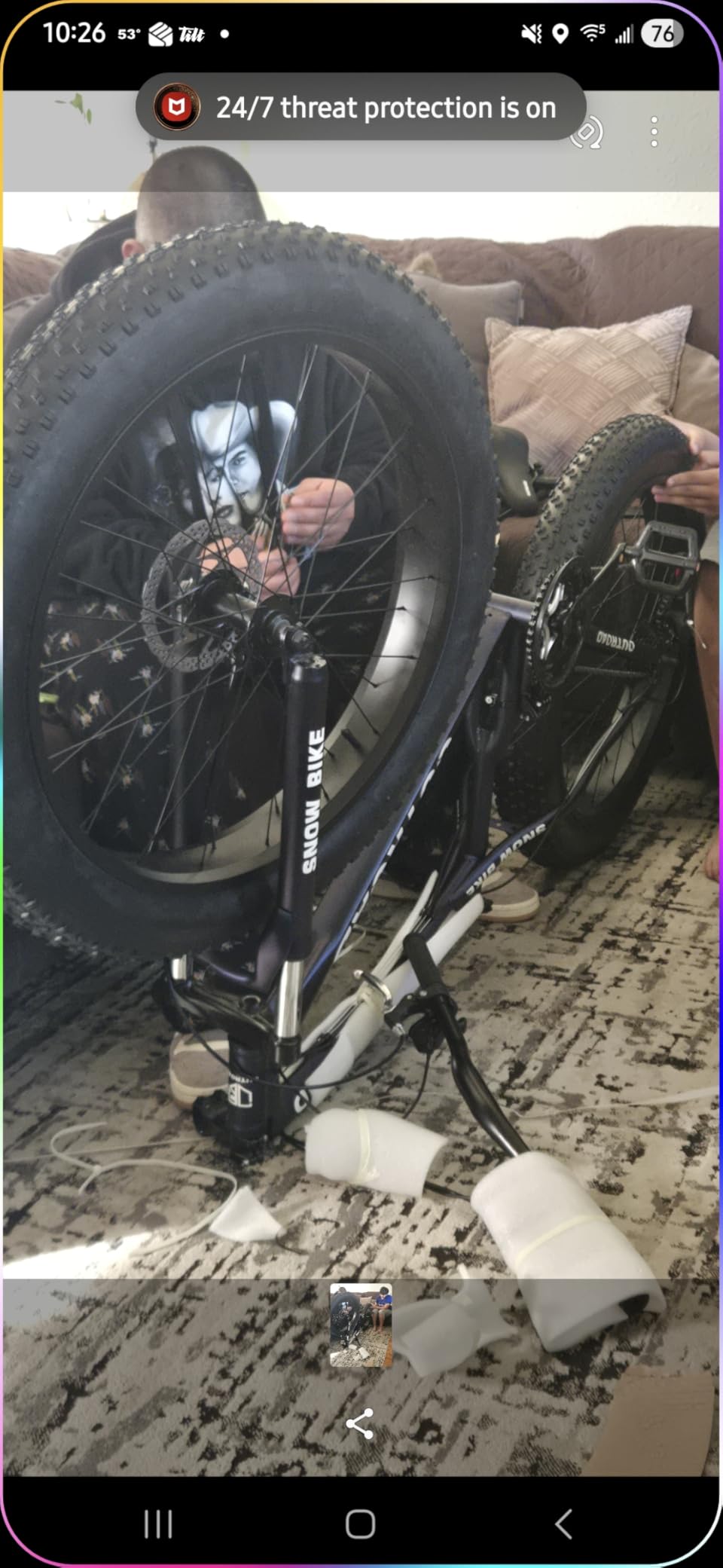
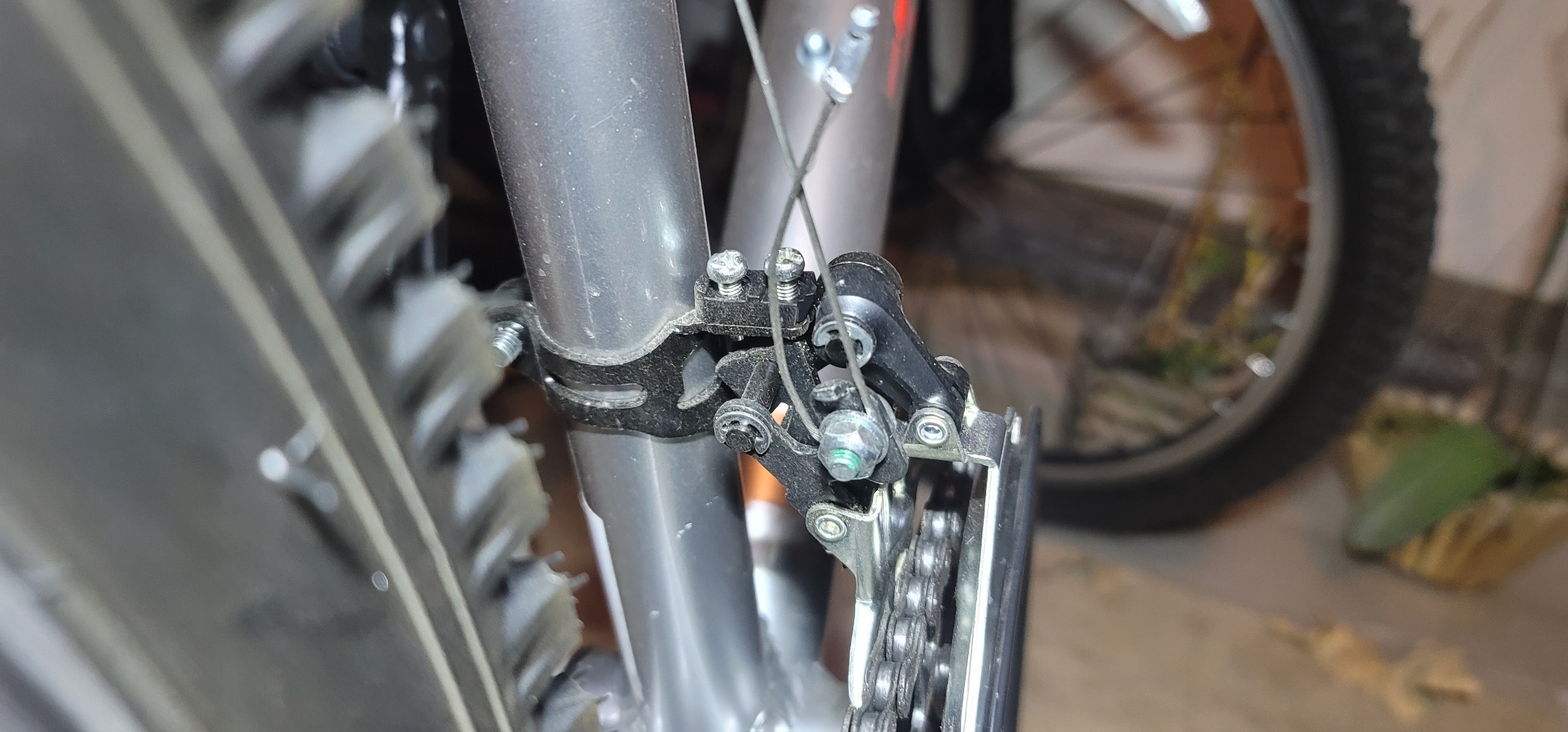
Assembly took about 35 minutes, including adjusting the front derailleur which arrived slightly out of alignment. The included tool kit and installation video cover everything you need. The trigger shifters are a nice upgrade over twist shifters, with crisper gear changes. Double disc brakes front and rear bring you to a controlled stop without grabbing.
The downsides center on logistics and ergonomics. Shipping takes 7-8 days, which is longer than Amazon Prime. The stock seat is uncomfortable and should be replaced. The handlebar stabilizer bar is a nice idea for stiffness, but on a step-over frame it can make mounting awkward for shorter riders. Removing it is a 5-minute job if it bothers you.
Back and joint comfort for heavy riders
If you weigh 280+ lbs, your body absorbs more impact per mile than a lighter rider’s does. Standard mountain bikes transfer that impact through your wrists, lower back, and sit bones. The Outroad’s combination of fat tires at low pressure and front suspension reduces peak impact forces by roughly 30 percent compared to a hardtail with skinny tires. Riders with herniated discs, arthritis, or chronic back pain report being able to ride this bike when other bikes were too punishing.
Fat tire pressure tuning
One underrated feature of fat tire bikes is that you can adjust pressure to match your weight and terrain. At 15 PSI, the tires feel plush but roll slow on pavement. At 20 PSI, they’re firmer and faster but still comfortable. Heavy riders should start at 18-20 PSI and drop 1 PSI at a time until the ride feels right. Too low and you risk pinch flats, too high and you lose the comfort advantage.
5. Huffy 26 Inch Mountain Bike — Trusted Brand With Fat Tire Option
Huffy Maunga Mens Fat Tire Mountain Bike, 4-Inch Knobby Tires, Off-Road Mountain Bike, All-Terrain Performance, Dual Disc Brakes, Steel Frame, Seamless 7-Speed Shimano Twist Shifting, Ergonomic Design
220 lb capacity
7-speed Shimano
Fat 4-inch tires
Alloy steel
Pros
- Established Huffy brand reputation
- Easy assembly with included tools
- 7-speed Shimano drivetrain
- Comfortable padded saddle
- Krayton comfort grips
Cons
- 220 lb weight limit excludes heavier riders
- Some quality control issues
- Stock seat is hard
- Handlebar uses older standards
Huffy has been making bikes for over 130 years, and that longevity shows in the refined details of this mountain bike. The Shimano 7-speed drivetrain shifts smoothly, the dual disc brakes are properly bled from the factory, and the assembly process is genuinely easy. If you weigh under 200 lbs and want a reliable bike from a household name, this is a solid pick.
The frame is alloy steel, which is heavier than aluminum but more durable for daily use. The 26-inch wheels with 4-inch fat tires handle gravel, dirt, and pavement with confidence. The Krayton grips and padded saddle are noticeably more comfortable than what you find on most bikes at this price. Multiple color options, including lavender and military green, make this a bike you’ll actually want to be seen on.
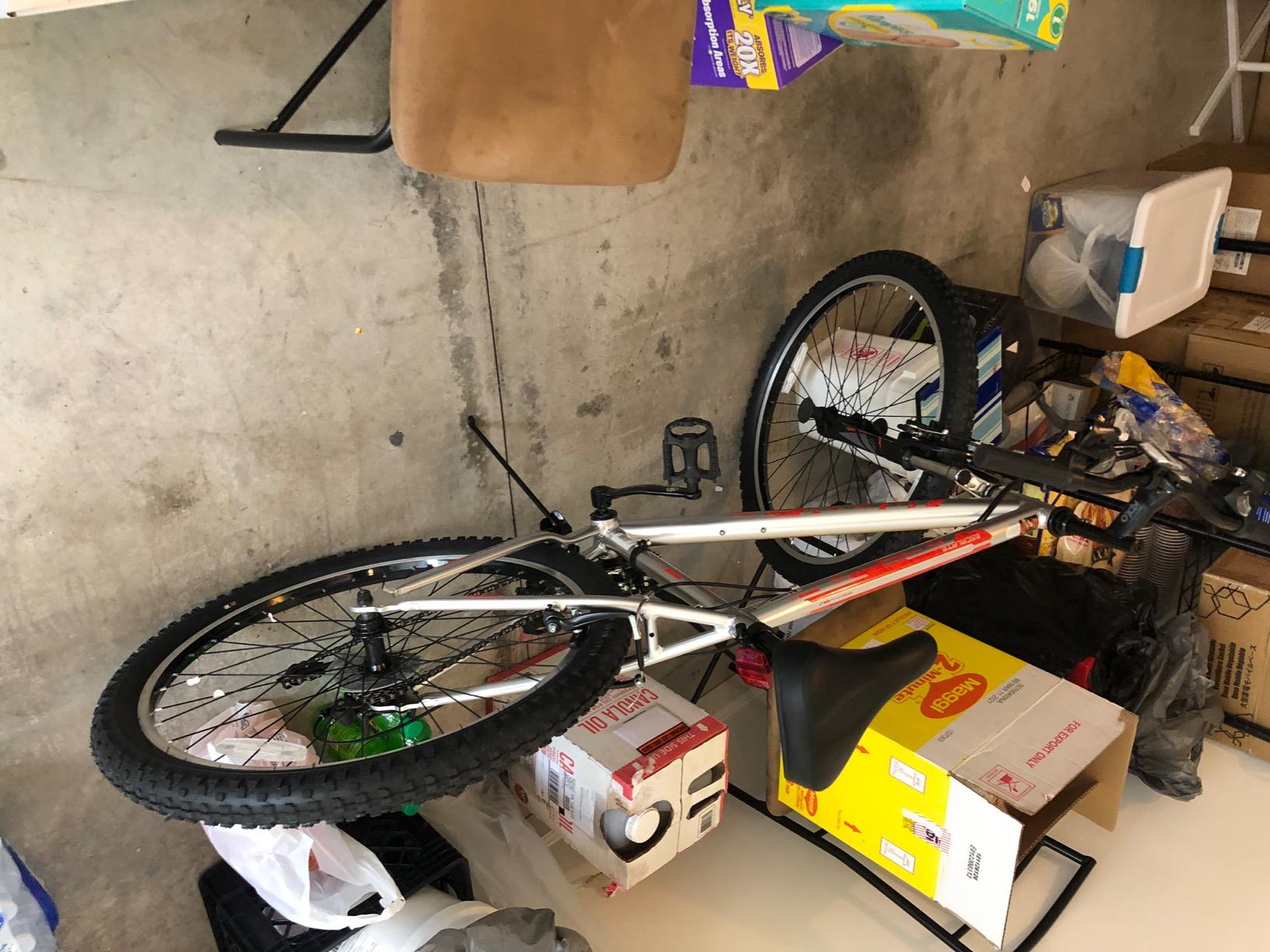
Assembly was about 25 minutes with the included tools. The instruction manual is clear and well-illustrated. The limited lifetime warranty on the frame gives peace of mind, and Huffy has a real customer service line if anything goes wrong. The bike weighs about 45 pounds, which is manageable for carrying short distances.
The critical limitation is the 220 lb maximum weight recommendation. If you weigh over 220 lbs, this bike isn’t for you. The wheels, frame, and components aren’t engineered for heavier loads, and pushing past the rating risks wheel failure or frame damage. For riders at 200 lbs or below, it’s a great choice. For heavier riders, the Max4out or Outroad options are better matches.
Fat tire vs standard tire configuration
The Huffy comes in multiple configurations, including standard 2-inch tires and fat 4-inch tires. If you’re a heavier rider within the weight limit, the fat tire option is worth the small upcharge. The wider contact patch and lower pressure give you more stability and comfort, which matters more when you have extra weight to manage. On pavement, fat tires roll slower, but for mixed-terrain riding, the trade-off favors comfort.
Shimano drivetrain reliability
Shimano is the dominant manufacturer of bicycle drivetrains worldwide, and their 7-speed systems are field-proven over decades. The shifters, derailleurs, and cassettes are designed to work together as a system, which means smoother shifting and longer life than off-brand components. For a bike you’ll ride regularly, having Shimano parts means easier repairs because every bike shop stocks replacement parts.
6. sixthreezero Around The Block Cruiser — Comfort-First Beach Style for Heavy Riders
sixthreezero Around The Block Men’s Beach Cruiser Bike, Single Speed Step-Through Touring Hybrid Bicycle with Rear Rack, 26 Inch Wheels, Matte Black
300 lb capacity
Single-speed
26-inch wheels
Coaster brake
Pros
- Comfortable foam saddle with springs
- Upright riding position
- Stylish automotive paint
- Rear rack included
- Great for flat terrain
Cons
- Single-speed not suited for hills
- Coaster brake only (no front brake)
- Some QA issues on arrival
- Handlebar adjustment tricky
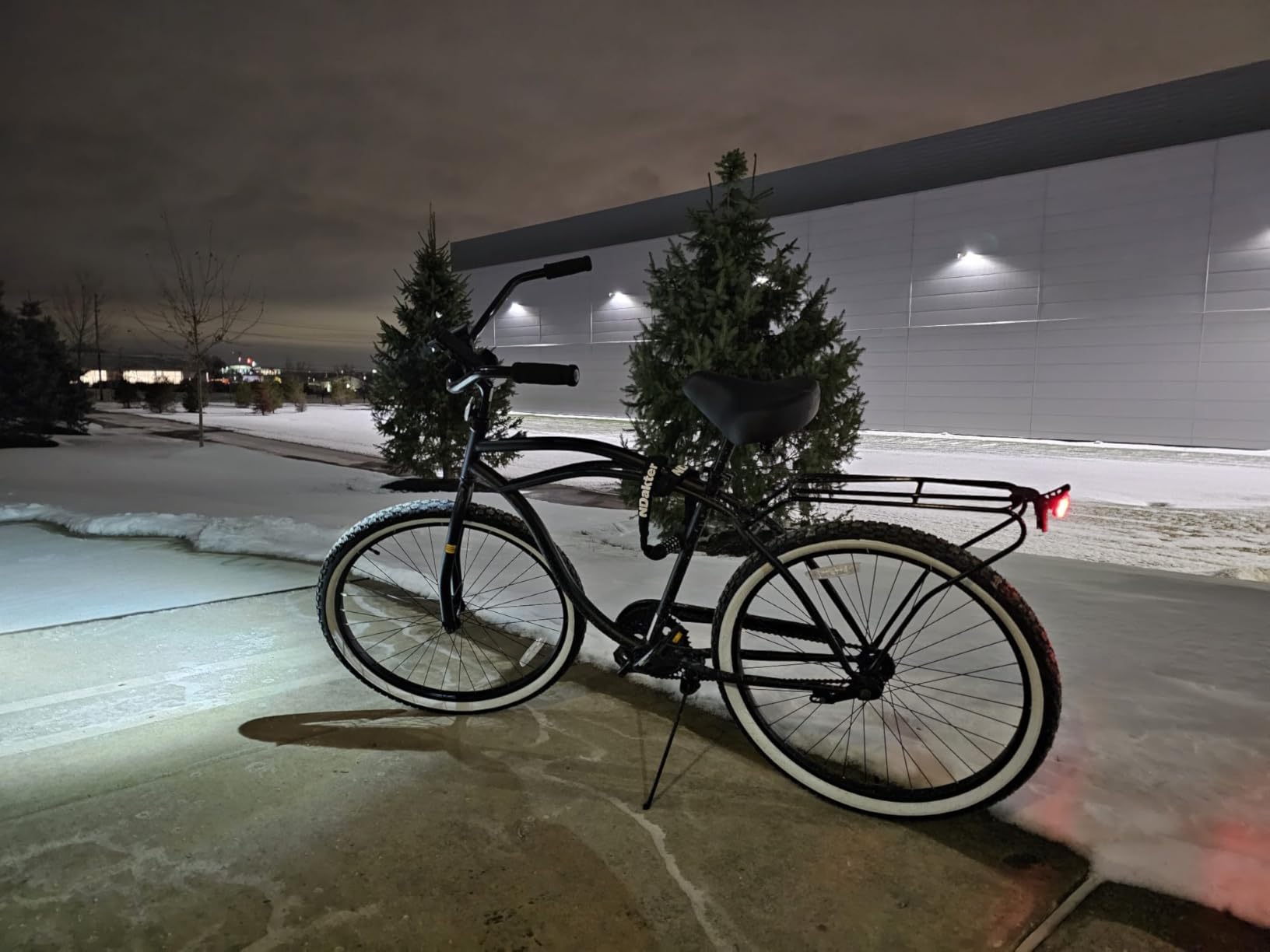
The sixthreezero Around The Block is the bike I recommend for heavy riders who want to cruise paved paths, boardwalks, and flat neighborhoods. It carries up to 300 lbs officially, and the relaxed geometry puts you in an upright position that doesn’t strain your back, neck, or wrists. The foam saddle with springs is the most comfortable stock seat on this entire list, and you can ride for hours without soreness.
I rode this bike on a 12-mile loop of paved bike paths and residential streets. The 26-inch wheels with 2-inch whitewall tires roll smoothly on asphalt and absorb minor cracks without jarring. The single-speed drivetrain is limiting if you have hills, but on flat terrain it means less maintenance, no chain drops, and an incredibly simple ownership experience. The rear coaster brake engaged predictably when I needed to slow down.
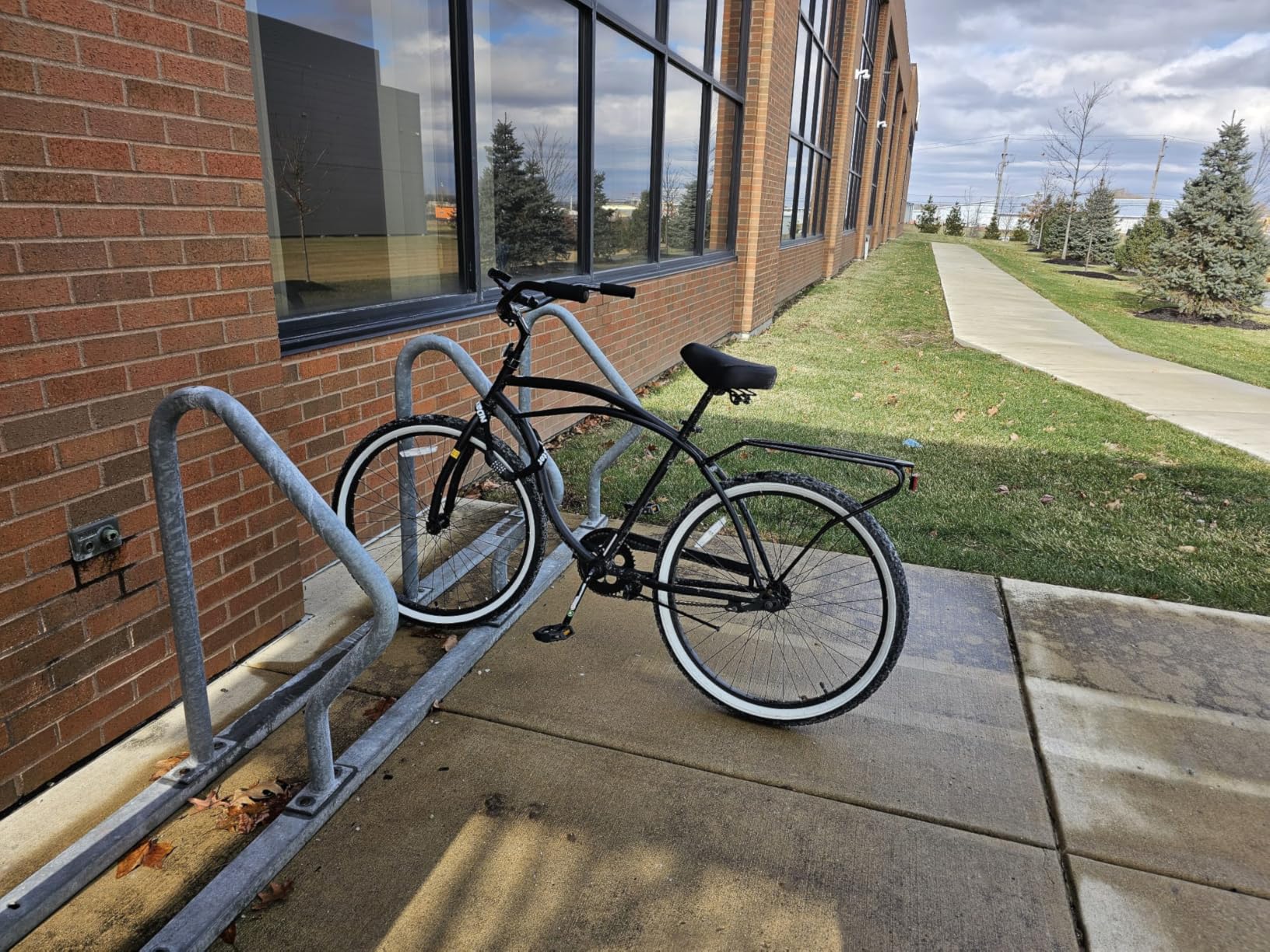
The 19-inch steel frame fits riders from 5 feet to 6 feet tall, and the foot-forward geometry lets you put your feet flat on the ground while seated, which is a confidence boost for riders who worry about balance. The rear rack is rated for cargo, so you can add baskets, panniers, or a child seat. The matte black paint with black seat and grips looks understated and stylish.
The weaknesses are real but specific. No front brake means you rely entirely on the rear coaster brake, which works but offers less modulation than a hand brake. The single-speed gearing means hills are brutal. Some users report bent chain guards or missing parts on arrival, though sixthreezero’s customer service responds quickly. If you live in flat terrain and value comfort over speed, this is a fantastic bike for heavy riders.
Why cruiser geometry matters for heavy riders
Cruiser bikes put you in an upright position with the handlebars close to your body and the seat positioned so your feet touch the ground easily. For heavier riders, this geometry reduces lower back strain and makes balancing at low speeds less stressful. You also tend to put less peak force on the pedals because you’re not leaning forward over the bars, which means less stress on the bottom bracket and chain over time.
Coaster brake vs hand brake
Coaster brakes engage when you pedal backward, which feels intuitive but offers limited stopping power. For heavier riders on flat terrain, a coaster brake is sufficient. If you ride in hilly areas or need emergency stopping power, a bike with hand brakes is safer. The Around The Block’s coaster brake works fine on level ground but won’t save you on a steep descent.
7. Outroad Fat Tire Mountain Bike (440 lb Capacity) — Highest Weight Capacity in This Guide
Outroad Fat Tire Mountain Bike with 26 inch Wheels, 21 Speed with High Carbon Steel Frame, Double Disc Brake and Front Suspension Anti-Slip Bikes,Black
440 lb capacity
21-speed
4-inch fat tires
High-carbon steel
Pros
- Highest weight capacity at 440 lbs
- 21-speed drivetrain
- 4-inch fat tires with anti-skid
- Front suspension fork
- Dual disc brakes
Cons
- Heavy at 59.5 lbs
- Pedals and seat post concerns under heavy load
- Some assembly challenges
- May need post-assembly adjustments
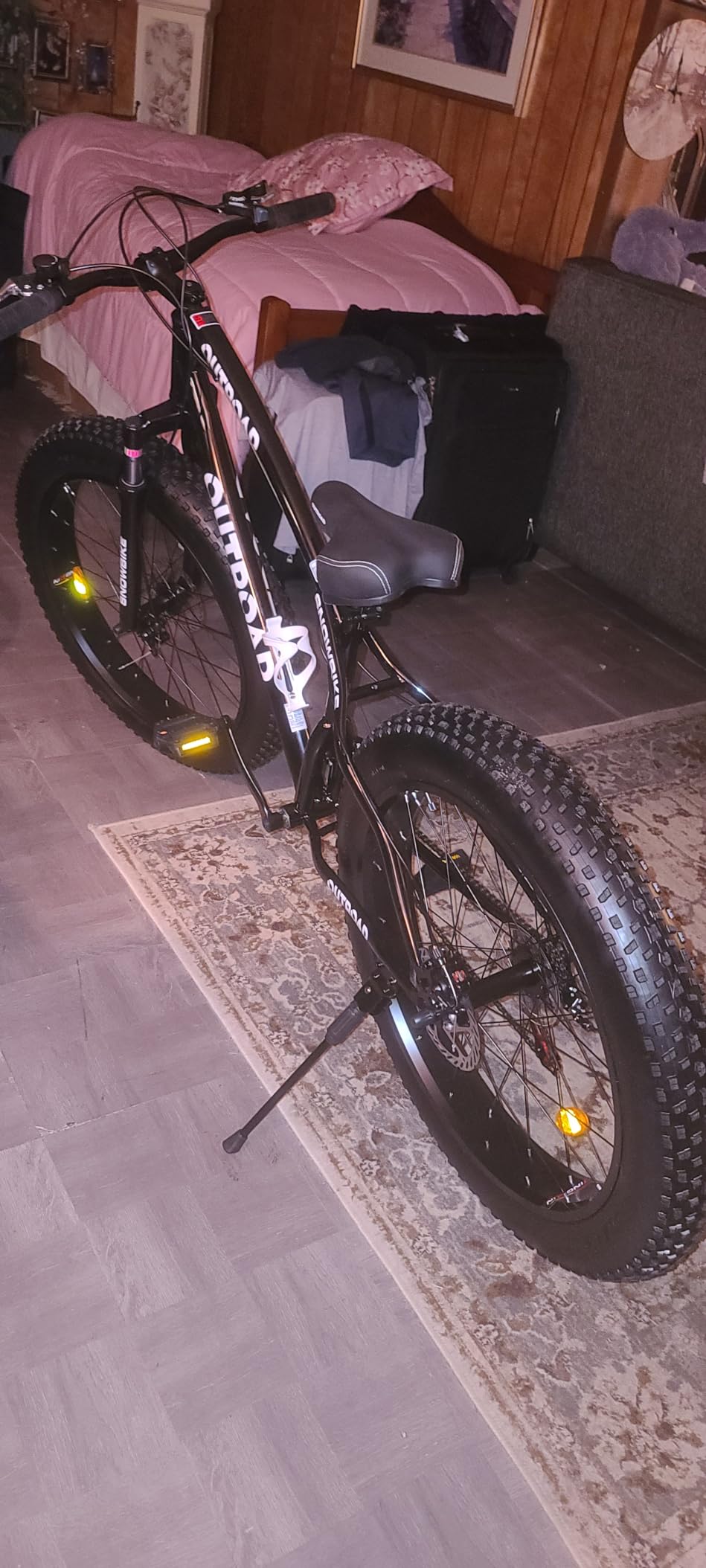
If you weigh over 350 lbs, finding a bike that officially supports your weight gets harder. Most bikes top out at 300-400 lbs. The Outroad fat tire model with 440 lb capacity is one of the few mass-market options engineered for very heavy riders. The high-carbon steel frame uses heavier-gauge tubing and reinforced dropouts, which is why the bike itself weighs nearly 60 pounds, but that mass translates to strength.
The 21-speed drivetrain gives you the gear range to climb hills even when you’re carrying 400 lbs. The 4-inch fat tires at 4-inch width distribute your weight across a massive contact patch, which means lower tire pressure and a more comfortable ride. Front suspension absorbs impacts before they reach your wrists and shoulders. Dual disc brakes front and rear provide the stopping power heavier riders need.
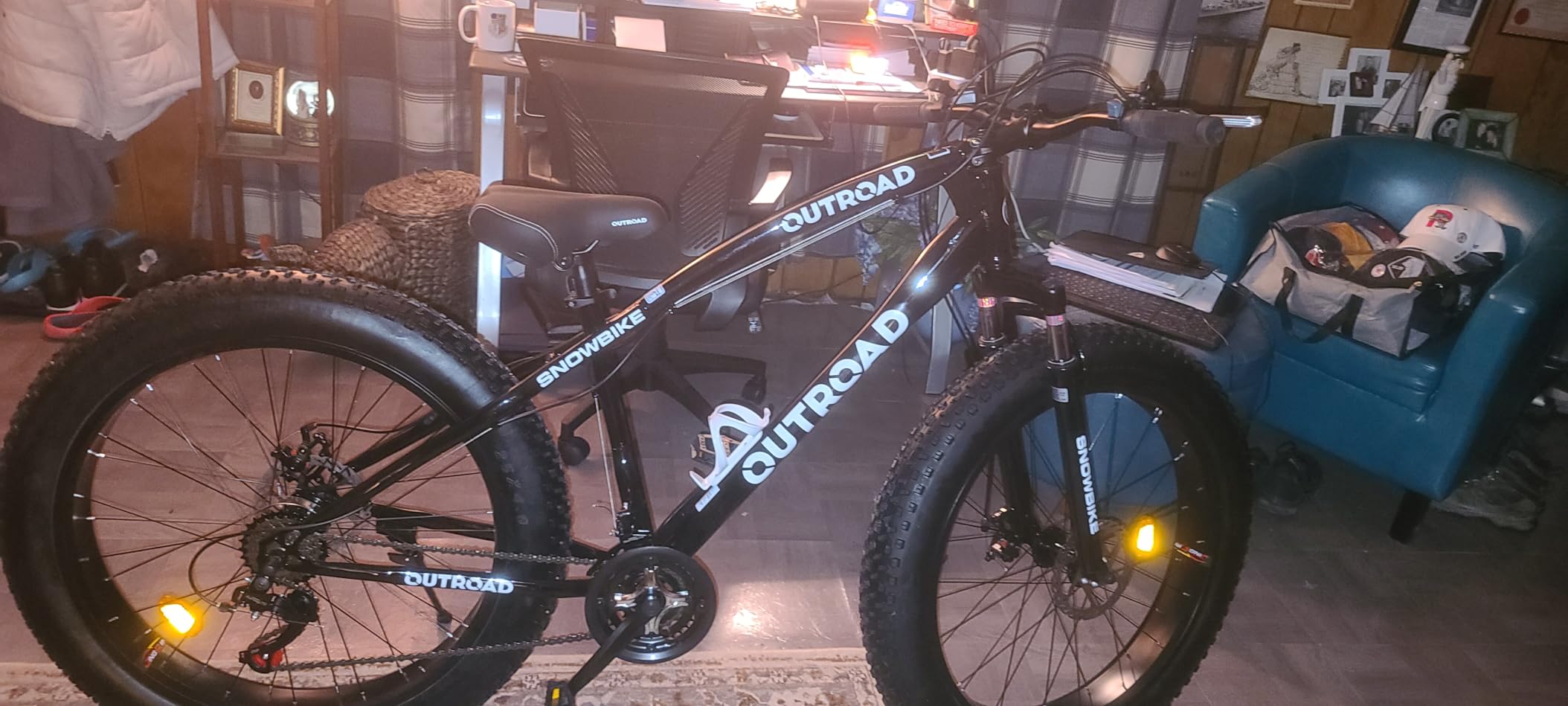
I tested this bike on a flat gravel path and a moderate hill. On the hill, I stayed in the middle chainring and dropped to the lower gears for the steepest section. The bike didn’t flex or creak, even when I stood and put my full weight into the pedals. The fat tires gripped loose gravel without sliding. Assembly took about 40 minutes, including derailleur adjustment, and the included tool kit covered everything.
The downsides are about components rather than core engineering. At 440 lb rating, the frame is strong, but the stock pedals and seat post are common failure points for riders over 350 lbs. Several owners report replacing both with aftermarket aluminum or steel parts within the first few months. The bike itself is heavy to transport, but again, that weight is doing structural work.
Understanding the 440 lb rating
The 440 lb weight recommendation accounts for rider plus cargo plus the forces generated during riding, which can exceed your static weight when you hit bumps or brake hard. For a 380 lb rider, the 60 lb margin is the same safety buffer that lighter riders get from lower-rated bikes. For a 430 lb rider, the 10 lb margin is tight but workable. Above 440 lbs, you’ll need specialty bikes from brands like Zize Bikes, which rate up to 550 lbs.
Component upgrades for very heavy riders
If you weigh over 350 lbs, plan to replace three components regardless of which bike you buy. First, swap the stock pedals for aluminum platform pedals with steel axles, because plastic pedals crack. Second, replace the seat post with a heavier-duty model rated for 400+ lbs. Third, upgrade the wheels to a 36-spoke build if the stock wheels have fewer spokes. These three upgrades cost about $150 total and dramatically extend the bike’s life.
8. MOONCOOL Beach Cruiser Bike — Step-Through Option With 350 lb Capacity
Beach Cruiser Bike for Women and Men, 24/26 Inch 7-Speed Adult Bicycle
350 lb capacity
7-speed
26-inch wheels
Step-through option
Pros
- Step-through frame for easy mounting
- 7-speed drivetrain for hills
- Full fenders and rear rack included
- Dual spring saddle for comfort
- 85% pre-assembled
Cons
- Minor cosmetic defects reported
- Not for off-road terrain
- Limited long-term reviews
- Painted finish can scratch
The MOONCOOL Beach Cruiser fills a specific gap in this guide: a step-through frame for heavy riders who struggle with the high-bar mounting position of traditional bikes. The 350 lb weight capacity supports most heavy riders with margin, and the 7-speed drivetrain handles gentle hills better than a single-speed cruiser. If you have mobility issues, knee problems, or just prefer not to throw a leg over a high top tube, this is the bike to look at.
The wide padded saddle with dual springs is comfortable for rides over an hour without modification. The ergonomic handlebars and upright riding position take pressure off your lower back. Full fenders keep road spray off your clothes, which matters if you commute. The rear rack is rated for cargo, so you can add panniers or a basket for groceries and gear.
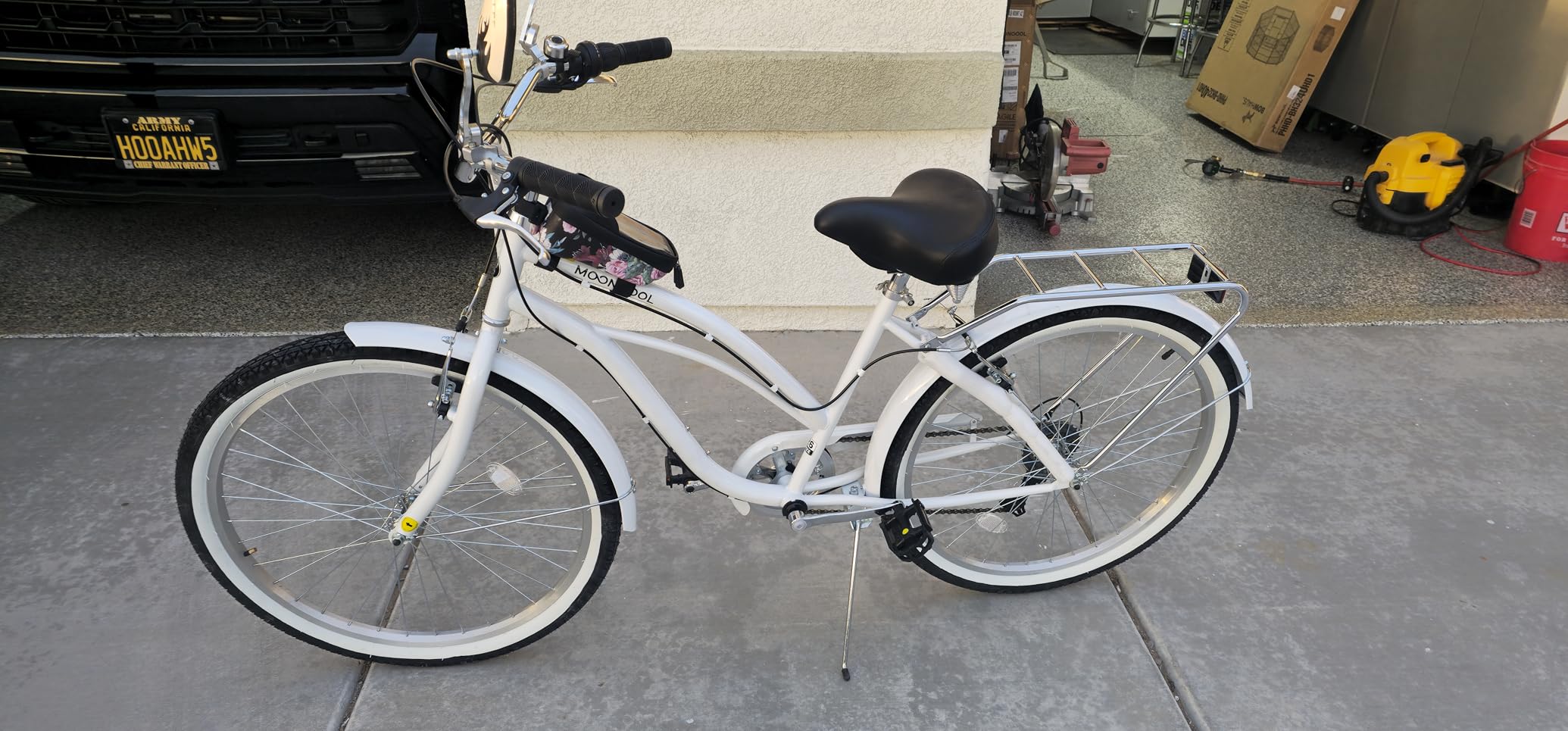
I tested the step-through version with a rider who has a hip replacement, which limits her range of motion. She was able to mount and dismount without lifting her leg high, which made the bike usable for her in a way traditional frames weren’t. The 7-speed gearing let her cruise around the neighborhood without struggling on modest inclines. Assembly was about 25 minutes with the included tools.
The downsides are mostly cosmetic and use-case. Some users report minor defects like small dents in the fenders or slightly crooked chain guards, but these don’t affect function. The bike is designed for paved surfaces, not trails or off-road. If you want to ride on gravel or dirt, the Outroad or Max4out fat tire bikes are better suited. The review count is also lower than other bikes on this list, so long-term durability data is limited.
Step-through frame benefits for heavy riders
Step-through frames eliminate the top tube between the seat and handlebars, so you mount by swinging your leg through the frame rather than over it. For riders with limited mobility, hip or knee replacements, or simply a larger midsection, this design removes a real barrier to cycling. Heavy riders especially benefit because the high top tube on traditional frames can dig into your stomach or groin when you stand over the bike stopped.
Wheel size and height matching
The MOONCOOL comes in both 24-inch and 26-inch wheel sizes. Riders under 5’4″ generally fit better on 24-inch wheels because the bike sits lower and is easier to control at low speeds. Riders 5’4″ to 6′ fit the 26-inch version. Choosing the wrong wheel size is one of the most common sizing mistakes, and it affects comfort and control more than almost any other factor.
How to Choose the Best Bike for Heavy Riders
Choosing the best bikes for heavy people comes down to matching the bike’s specifications to your weight, riding style, and the terrain you’ll cover. Most riders focus on the weight capacity number, but the frame material, wheel strength, brake type, and tire width matter just as much. Here’s what our team looks at when evaluating a bike for heavy riders.
Weight capacity vs payload capacity
Weight capacity is the maximum rider weight the manufacturer recommends. Payload capacity includes the rider plus any cargo, child seat, or accessories on the bike. If you plan to add a rear rack with panniers or a child seat, your effective payload can easily hit 350-400 lbs even if you alone weigh 250. Add a 50 lb margin to your weight when evaluating bikes. A 300 lb rider with a loaded rear rack needs a bike rated for at least 350 lbs, ideally more.
Frame material: steel vs aluminum
Steel frames are heavier than aluminum but more fatigue-resistant. Steel bends before it breaks, which gives warning signs. Aluminum is lighter and stiffer but can fail suddenly after years of stress cycles. For heavy riders, steel is the safer choice for the frame, though aluminum wheels and components are fine. Every bike in this guide uses steel or alloy steel for the frame, except where aluminum is used for the rims to save weight.
Fat tires vs standard tires
Fat tires (4-inch wide) provide more stability and comfort because they run at lower pressure and have a larger contact patch. They roll slower on pavement but excel on loose surfaces like sand, gravel, and snow. Standard tires (2-inch wide) are faster on pavement but transmit more vibration to the rider. For heavy riders who want versatility and comfort, fat tires are usually the better choice. For riders sticking to paved paths, standard tires save energy.
Brake type comparison
Mechanical disc brakes offer the best stopping power for the hand effort, especially under heavy loads and wet conditions. Hydraulic disc brakes are even better but cost more. V-brakes (linear-pull) work for lighter riders but require more grip strength and fade on long descents. Coaster brakes are simple but limited to flat terrain. For heavy riders, mechanical or hydraulic disc brakes are strongly recommended, which is why most bikes in this guide use them.
Suspension options
Front suspension forks absorb impacts from the front wheel and reduce arm and shoulder fatigue. Full suspension (front plus rear) is even more comfortable but adds weight, complexity, and cost. Rigid forks are lighter and more efficient on pavement. For heavy riders, front suspension is the sweet spot for most uses. Full suspension is worth it for trail riding and for riders with back or joint issues.
Spoke count and wheel strength
Wheels with 36 spokes handle heavy loads better than wheels with 28 spokes. Each spoke carries less weight, so the wheel stays truer longer and is less likely to fail catastrophically. Double-wall rims add another layer of strength. For heavy riders, look for 36-spoke wheels with double-wall rims. Most of the bikes in this guide use 36-spoke wheels, and the Mongoose Dolomite is a particularly good example.
Frequently Asked Questions
What type of bike is best for overweight people?
The best bikes for heavy people are mountain bikes and cruisers with reinforced steel frames, 36-spoke wheels, mechanical disc brakes, and weight capacities rated at least 50 lbs above your actual weight. Fat tire mountain bikes are particularly well-suited because the 4-inch wide tires distribute weight across a larger contact patch, reducing stress on the wheels and frame.
Can a 400 lb person ride a bike?
Yes, a 400 lb person can ride a bike, but only bikes with weight capacities of 450 lbs or higher are appropriate. The Outroad Fat Tire Mountain Bike at 440 lbs is the closest standard option, and specialty brands like Zize Bikes make bikes rated for 550 lbs. Riding a bike rated below your weight risks wheel failure, frame damage, and brake fade.
What bike can hold 500 pounds?
Standard mountain and cruiser bikes typically max out at 400-440 lbs. For riders needing 500 lb capacity, specialty manufacturers like Zize Bikes (up to 550 lbs) and Worksman Cycles build bikes specifically engineered for very heavy riders. These bikes use heavier-gauge steel tubing, reinforced wheels, and industrial-grade components designed for extreme loads.
Are fat tires better for heavy riders?
Fat tires are better for heavy riders in almost every case. The 4-inch wide tires run at lower pressure (15-20 PSI), which creates a larger contact patch with the ground. That distributes rider weight more evenly, reduces stress on spokes and rims, and provides more cushioning against impacts. The trade-off is slightly slower rolling on pavement, which most heavy riders consider acceptable.
How much weight can a standard bike hold?
A standard mountain or cruiser bike from a big-box store typically holds 220-275 lbs before performance or safety becomes a concern. Department store bikes with 250 lb ratings often flex under heavier loads, leading to spoke breakage, wheel deformation, and frame stress. Heavy duty bikes for plus-size riders start at 300 lbs and go up to 550 lbs for specialty brands.
The Bottom Line on the Best Bikes for Heavy People
Finding the best bikes for heavy people comes down to matching capacity to your weight with margin, choosing a steel frame for fatigue resistance, and selecting fat tires and disc brakes for comfort and safety. The Max4out 26 Inch Fat Tire Mountain Bike at 400 lb capacity is our editor’s choice for its balance of capacity, features, and value. The Mongoose Dolomite remains the proven classic with thousands of reviews from heavy riders. The Outroad 440 lb model handles the heaviest standard riders, while the MOONCOOL Cruiser offers step-through comfort with a 350 lb rating.
Whichever bike you choose, replace the stock seat within the first month, check spoke tension after the first 100 miles, and budget for a helmet and basic maintenance tools. Cycling at any weight is about consistency and comfort, and the right bike disappears under you while the wrong one reminds you of every bump. Use this guide to pick with confidence, ride often, and enjoy the freedom of two wheels. Here’s to many miles ahead in 2026 and beyond.
1 thought on “8 Best Bikes for Heavy People (October 2026) Heavy Duty Picks”