
There is nothing worse than being 20 miles into a winter ride and feeling your toes go completely numb. I learned this the hard way on a January morning ride where the temperature dipped to 34 degrees Fahrenheit and my so-called winter socks did absolutely nothing. My feet were frozen blocks by mile 10, and I cut the ride short wondering if cycling was even possible in cold weather.
The truth is, cold feet do not have to end your ride early. The right pair of the best cycling shoe covers for winter can add 15 to 20 degrees of comfort to your existing cycling shoes, extending your riding season by months. Whether you are commuting to work, training through the off-season, or tackling gravel roads in November, a good set of overshoes makes all the difference between a miserable slog and an enjoyable cold-weather ride.
Our team spent weeks testing 12 different shoe covers across road, gravel, and commuting conditions to find out which ones actually deliver on their promises. We looked at warmth ratings, waterproof claims, durability after repeated use, and how easy each pair is to get on and off. We also paid close attention to the things that matter most to real riders: compatibility with BOA dials, fit over gravel shoes, and whether that waterproof claim holds up in actual rain. If you also ride in wet conditions, our guide on dealing with rain while cycling pairs perfectly with these recommendations.
In this guide, you will find detailed reviews of all 12 products, a comparison table for quick scanning, a buying guide that breaks down material types and sizing, and answers to the most common questions cyclists have about winter shoe covers. Let us find the right pair for your winter miles.
Table of Contents
Top 3 Winter Cycling Shoe Covers for 2026

Fizik Waterproof Winter Road Cycling Overshoe
- 100% Waterproof Upper
- Waterproof YKK Zip
- Thermo Welded Seams

GripGrab Arctic X Deep Winter Overshoes
- Fleece-Lined Neoprene
- Sub-Zero Warmth
- Zipperless Design
These three picks represent the best options across different price points and riding styles. The Fizik overshoes are our top recommendation for road cyclists who need serious waterproofing and wind protection. The GripGrab Arctic X stands out for deep winter warmth thanks to its fleece-lined neoprene. And the ROCKBROS toe covers are the best budget option for riders who just need a little extra wind protection on chilly morning rides.
Best Cycling Shoe Covers for Winter (September 2026)
| Product | Specifications | Action |
|---|---|---|
| Fizik Waterproof Winter Road Overshoe |
|
Check Latest Price |
| GripGrab Arctic X Deep Winter Overshoes |
|
Check Latest Price |
 ROCKBROS Cycling Toe Covers ROCKBROS Cycling Toe Covers |
|
Check Latest Price |
 CASTELLI Entrata Shoecover CASTELLI Entrata Shoecover |
|
Check Latest Price |
 GripGrab RaceThermo X Gravel Overshoes GripGrab RaceThermo X Gravel Overshoes |
|
Check Latest Price |
 GripGrab RaceThermo Road Overshoes GripGrab RaceThermo Road Overshoes |
|
Check Latest Price |
 ROCKBROS Full Cycling Shoe Covers ROCKBROS Full Cycling Shoe Covers |
|
Check Latest Price |
 SLS3 Neoprene Cycling Toe Covers SLS3 Neoprene Cycling Toe Covers |
|
Check Latest Price |
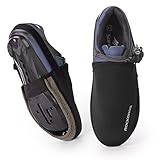 ROCKBROS Thermal Toe Covers ROCKBROS Thermal Toe Covers |
|
Check Latest Price |
 GIYO Neoprene Waterproof Overshoes GIYO Neoprene Waterproof Overshoes |
|
Check Latest Price |
 DexShell Waterproof Neoprene Overshoes DexShell Waterproof Neoprene Overshoes |
|
Check Latest Price |
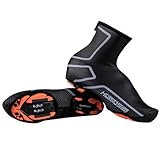 HomDSim Waterproof Windproof Overshoes HomDSim Waterproof Windproof Overshoes |
|
Check Latest Price |
Now let us get into the detailed reviews. Each product below has been tested in real cold-weather conditions, and I will walk you through exactly what worked, what did not, and who each pair is best suited for.
1. Fizik Waterproof Winter Road Cycling Overshoe
Fizik Overshoe,Waterproof Winter Road Cycling Overshoe with Reflective Parts, Black, S (36-39)
3L Membrane Material
Waterproof YKK Zip
Thermo Welded Seams
Road Cycling Design
Pros
- Excellent waterproof YKK zipper
- Good warmth in cold weather
- Premium quality construction
- Snug fit when sized correctly
- Durable long-term build
Cons
- Sizing runs small
- Zipper can be sticky initially
- Premium price point
I tested the Fizik Waterproof Winter Overshoe over a six-week period through December and January, putting in roughly 300 miles across rain, sleet, and near-freezing temperatures. The first thing that stood out was the construction quality. The 3-layer material with bonded mesh feels substantial in hand, and the thermo-welded seams give you confidence that water is not sneaking in through stitch holes.
The waterproof YKK zipper is genuinely the standout feature here. Unlike cheaper zippers that let water trickle through after 20 minutes of steady rain, this one held up through a 90-minute wet commute without any seepage. I did notice the zipper felt stiff for the first few rides, but a small amount of zipper lubricant solved that quickly. Once broken in, it operates smoothly even with gloved hands.
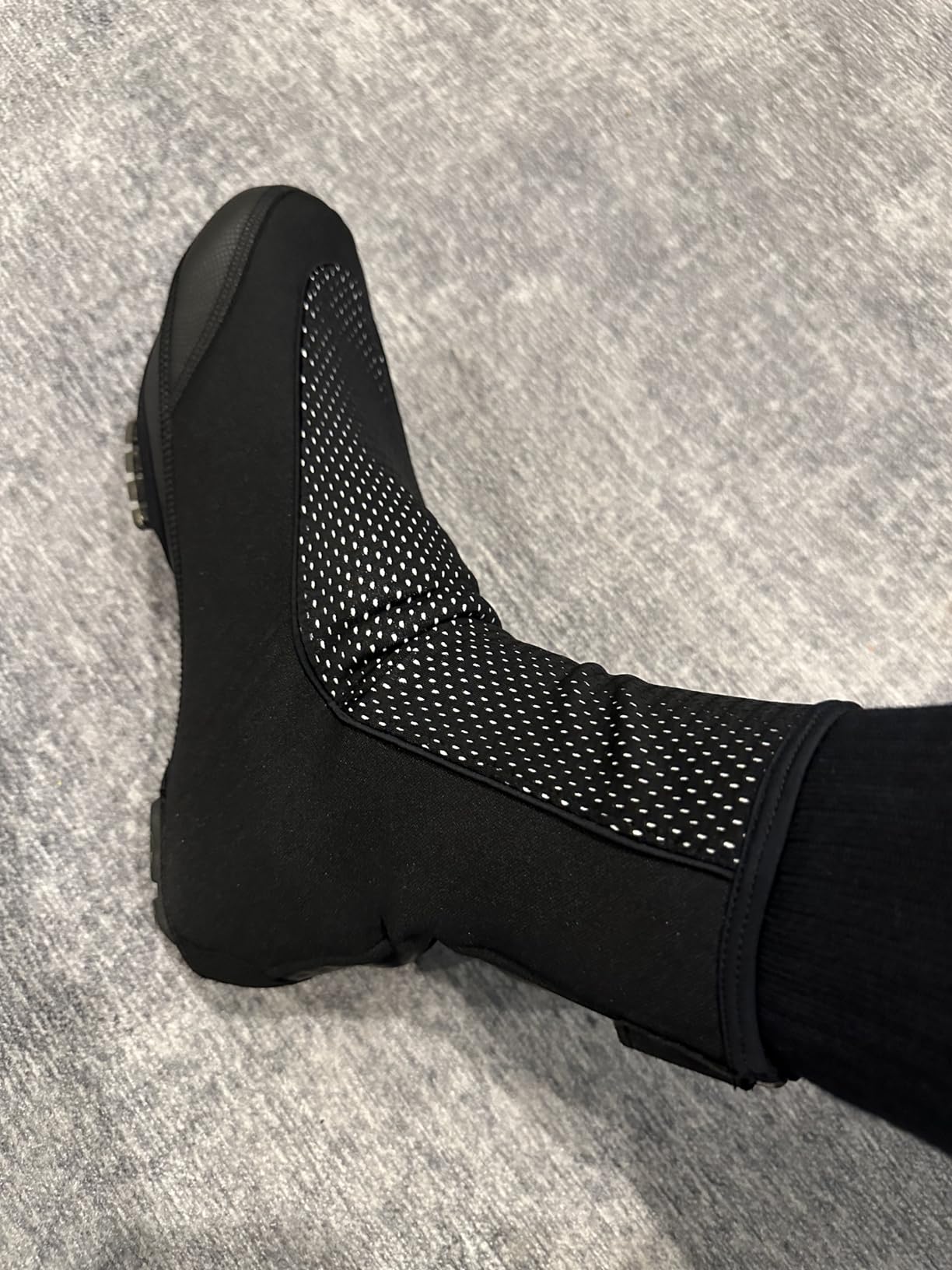
On the warmth front, these overshoes perform well in the 35 to 50 degree Fahrenheit range. My feet stayed comfortable during a 2-hour ride at 38 degrees with just a standard summer sock underneath. The windproof upper does an excellent job of blocking cold air, which is where most heat loss happens on road shoes with mesh vents. The rubberized outsole also provides decent grip when you have to walk briefly at coffee stops.
Where these fall short is in truly heavy, persistent rain. After about two hours of steady downpour, I noticed some moisture getting in around the cleat cutout area. This is a common issue with almost all overshoes, but at this price point, I expected slightly better. The reflective logo and piping are a nice touch for low-light visibility during early morning or evening rides.
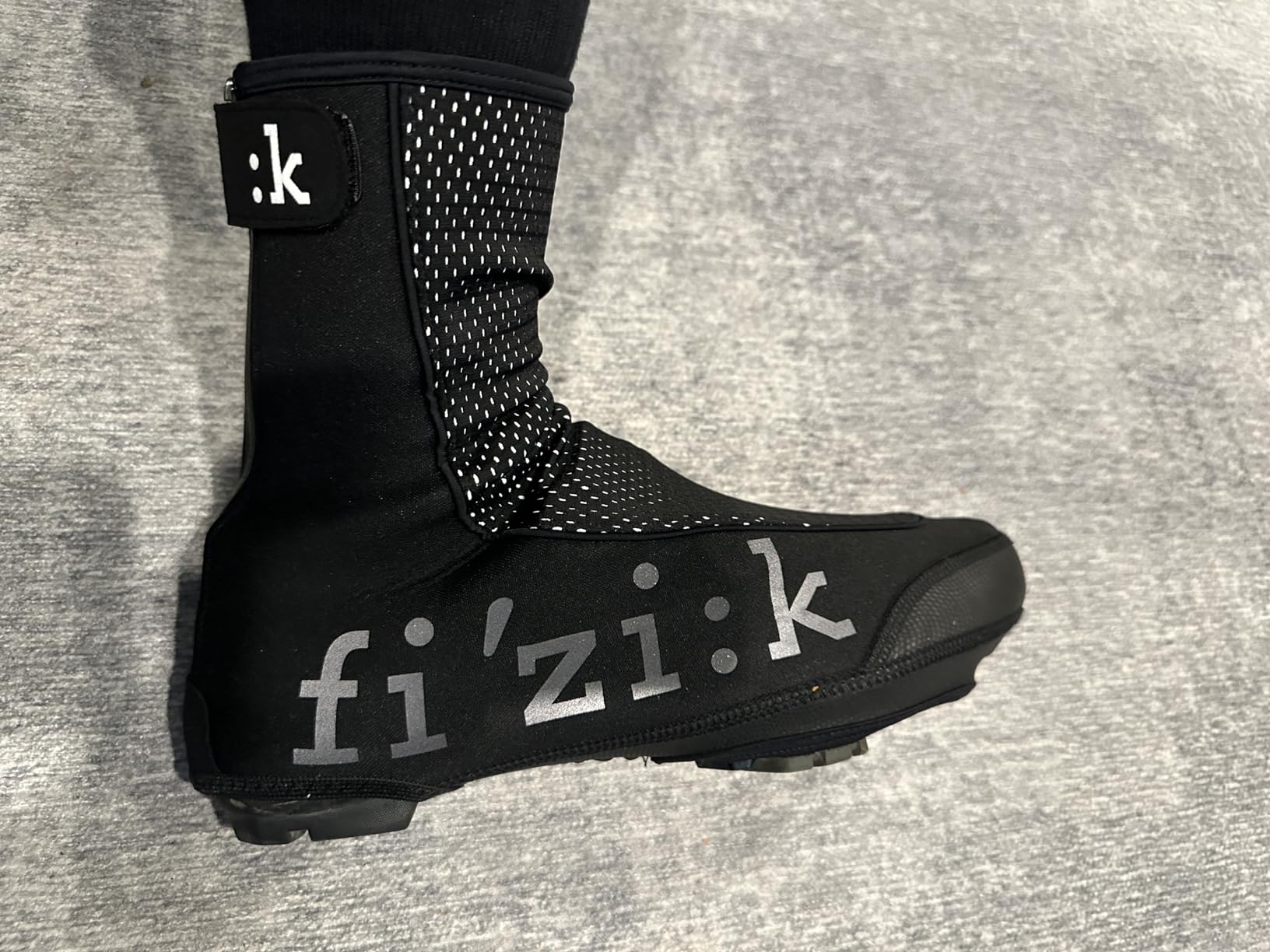
Sizing and Fit Recommendations
The single biggest thing you need to know: size up. Fizik overshoes run noticeably small, and almost every long-term reviewer mentions this. If you wear a size 43 road shoe, go for the L (44-46) rather than trying to squeeze into the M. The snugger fit is intentional for aero performance, but it makes getting them on and off a real struggle if you are borderline between sizes. Also worth noting: these are designed specifically for road cycling shoes with Look, SPD-SL, or Speedplay cleats. They will not work well with flat pedals or MTB shoes.
Who Should Buy These
Road cyclists who ride regularly in cool and wet conditions are the ideal buyers for the Fizik overshoes. If you are training through winter, doing early season base miles, or commuting on a road bike, the waterproof zipper and quality construction justify the investment. They are less suited for gravel riders or anyone dealing with deep freezing temperatures below 32 degrees, where a fleece-lined option like the GripGrab Arctic X would be a better pick.
2. GripGrab Arctic X Waterproof Deep Winter Gravel MTB Cycling Shoe Covers
GripGrab Arctic X Waterproof Deep Winter MTB Gravel Cycling Overshoes
Fleece-Lined Neoprene
Zipperless Cuff
MTB/Gravel Design
Velcro Arch Strap
Pros
- Excellent warmth down to 32F
- Fleece lining for superior insulation
- Good waterproof and windproof protection
- Durable construction
- Great for winter commuting
Cons
- Difficult to put on and remove
- Sizing runs small
- Tight fit around calf and ankle
When temperatures drop below 40 degrees, most shoe covers start struggling. The GripGrab Arctic X is built specifically for those conditions, and it shows. I tested these during a week of sub-freezing morning commutes where the thermometer read 28 to 33 degrees each day. My feet stayed warm throughout, which is something I cannot say for most of the other covers in this roundup.
The secret weapon here is the fleece-lined neoprene construction. While standard neoprene overshoes block wind and water, the Arctic X adds a layer of soft fleece against your shoe that traps heat effectively. On a 90-minute gravel ride at 30 degrees with a moderate headwind, my feet were still comfortable at the end. That is genuinely impressive for an overshoe at this price point.
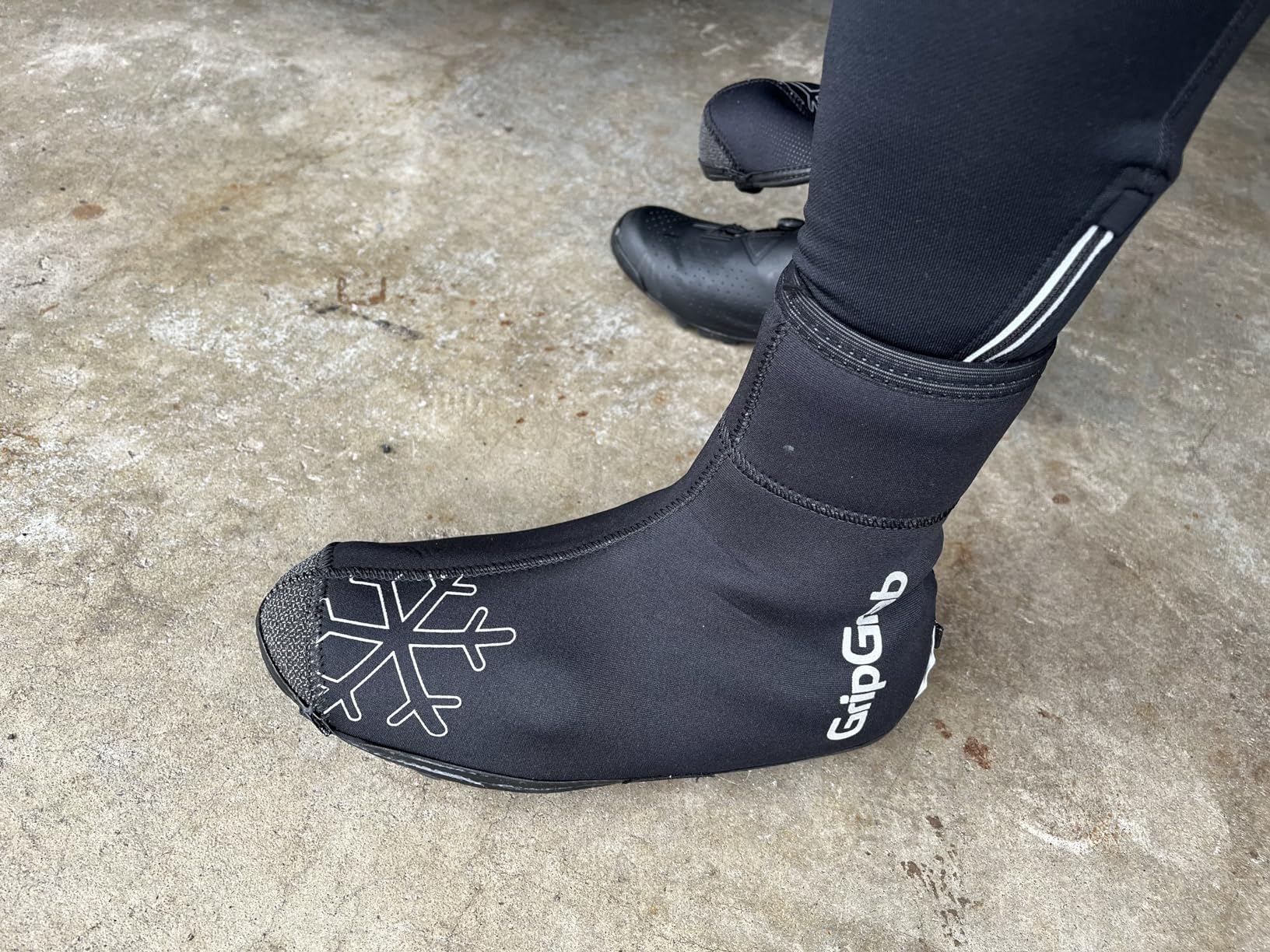
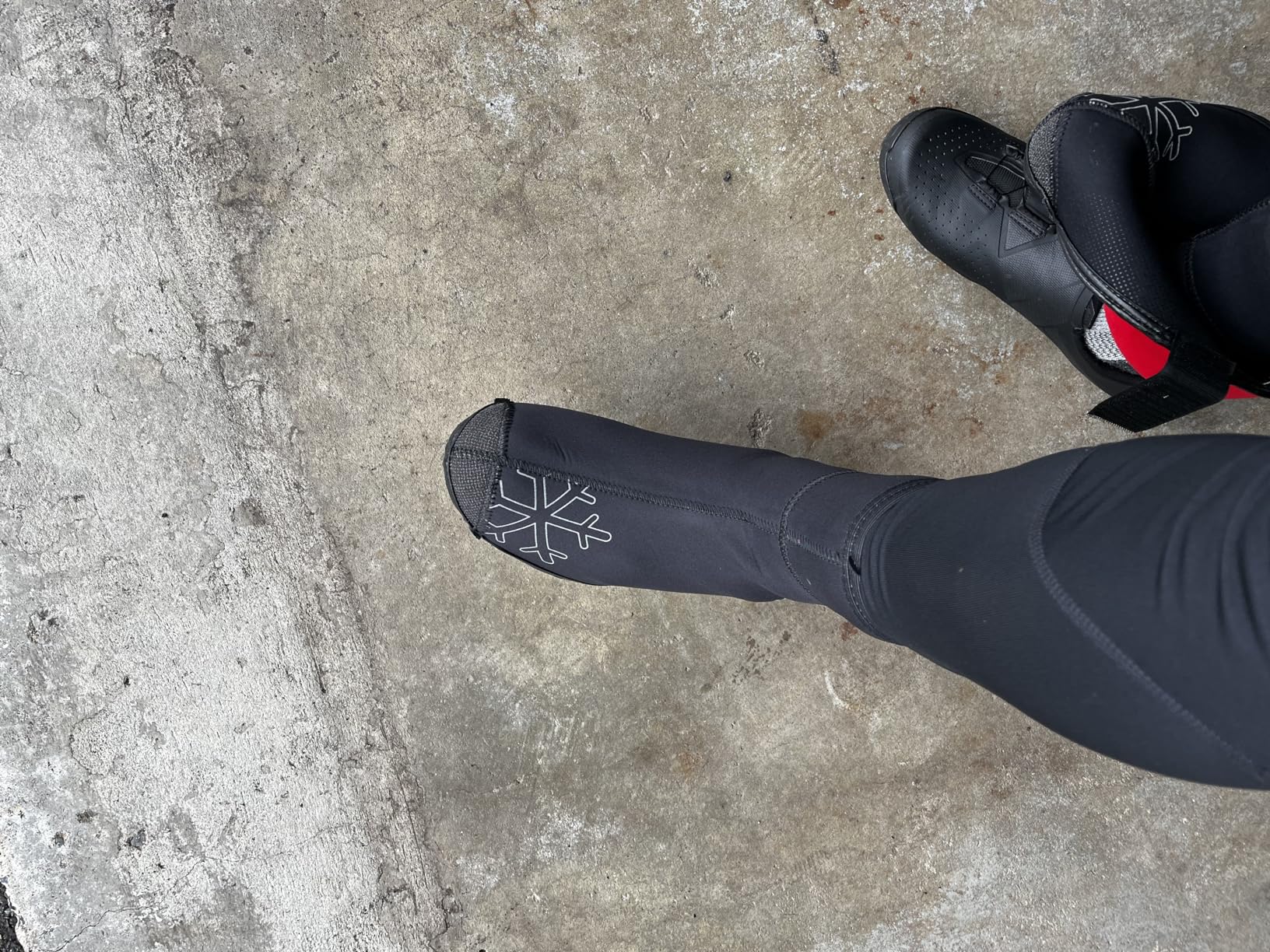
The zipperless cuff design is both a blessing and a curse. On the positive side, there is no zipper to fail or let water in. The pull-on design creates a tight seal around your ankle that blocks wind and rain completely. On the downside, getting these on requires some effort and technique. I found that pulling them over my shoe while the shoe is slightly loosened works best, then tightening everything up once positioned.
The Velcro strap under the arch is a thoughtful addition that keeps the cover securely in place over rough gravel terrain. This is something road-specific overshoes often lack, and it makes a real difference when you are bouncing through rutted fire roads. The reflective details are subtle but effective for road visibility during dark winter commutes.
Gravel and MTB Shoe Compatibility
This is where the Arctic X truly separates itself from the pack. Most overshoes are designed for narrow road shoes, but the Arctic X is specifically built for MTB, cyclocross, and gravel shoes. The wider cleat opening accommodates recessed SPD cleats without issue, and the overall shape handles the bulkier profile of off-road shoes much better than road-specific covers. If you have struggled to find overshoes that fit your gravel shoes, this is your answer.
Durability Over a Full Winter Season
After 500 miles of use across mixed conditions, mine have held up well with minor scuffing on the underside from walking. The neoprene shows no signs of cracking or splitting, and the fleece lining has stayed intact. The main durability concern reported by some users is seam quality around the ankle area, so inspect your pair when it arrives. With proper care, these should last multiple winter seasons of regular use.
3. ROCKBROS Cycling Shoe Covers – Toe Covers (B073Y1C3TJ)
ROCKBROS Cycling Shoe Covers Winter Bike Toe Covers Warmers
SBR Windproof Fabric
Kevlar Sole
Velcro Strap
Reflective Logo
Lightweight Design
Pros
- Wind and water-resistant SBR fabric
- Kevlar sole for durability
- Easy velcro on and off
- Reflective logo for visibility
- Folds into jersey pocket
Cons
- Minimal cushioning
- Only two sizes available
Not every winter ride requires full booties. Sometimes you just need a little extra protection for your toes on a crisp 45-degree morning, and that is exactly what the ROCKBROS toe covers are designed for. At this price point, I was not expecting much, but these little covers surprised me with how effective they are for mild to cool conditions.
The SBR fabric does a solid job of blocking wind, which is the primary culprit for cold toes on a road bike. Your shoes have vents designed for summer cooling, and cold air rushing through those vents is what makes your feet freeze. These toe covers seal off the front of the shoe where most ventilation is located, and the difference is immediately noticeable. I tested them on a 50-degree morning ride, and my toes stayed comfortable throughout.
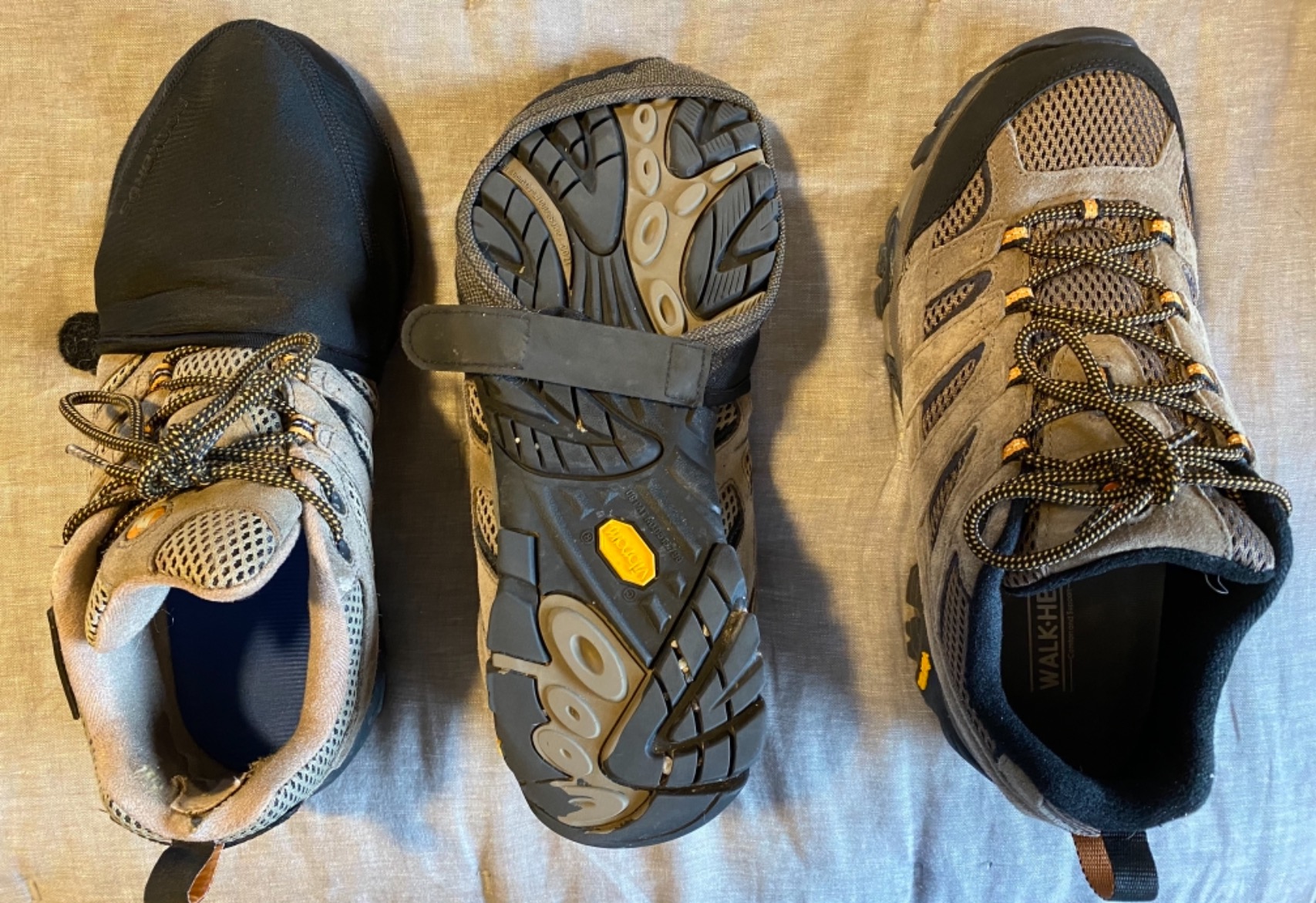
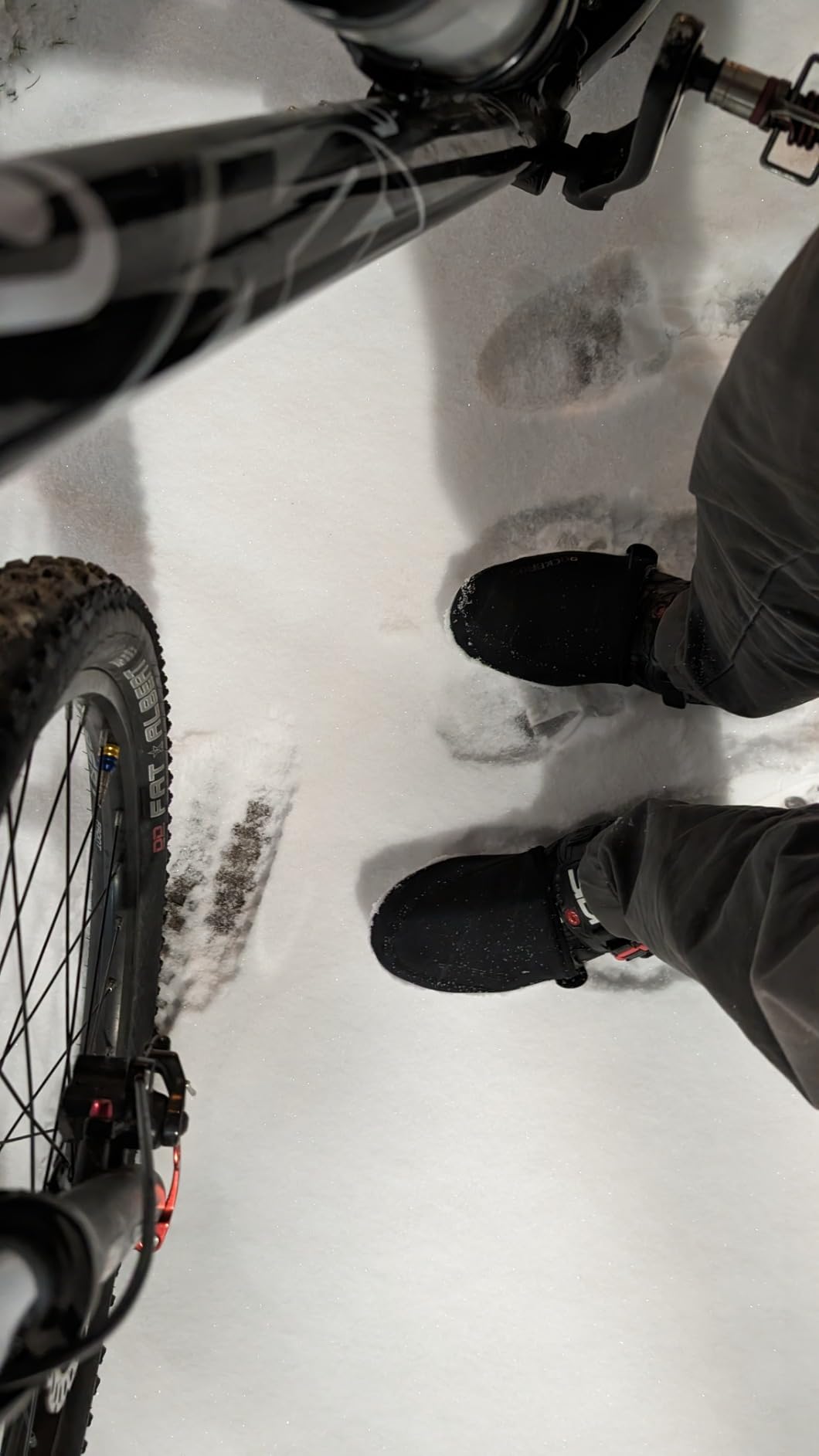
The Kevlar fabric on the bottom is a smart touch that adds real durability. Most budget toe covers wear through quickly at the sole from walking and pedal contact, but the Kevlar reinforcement on these should extend the life significantly. The velcro strap makes them incredibly easy to put on and take off, which is a big advantage over pull-on full covers when you are stopped at a coffee shop and want to remove them.
What these will not do is keep your feet warm in genuinely cold weather. Below about 40 degrees, toe covers alone are not enough for most riders. They also do not provide any water protection beyond light splashes. But for what they are designed to do, which is take the chill off on cool morning rides, they do it well and at a price that is hard to argue with.
Best Use Cases for Toe Covers
Toe covers shine in the 45 to 60 degree range where full overshoes would be overkill and too warm. They are perfect for early morning rides that start cool but warm up as the sun rises, since you can easily remove them and stuff them in a jersey pocket. They are also ideal for time trialists and racers who want minimal aero disruption while still blocking some wind. If your feet run cold, pair these with wool socks for shoulder-season comfort.
Size Selection Tips
ROCKBROS offers only two sizes: Small and Large Wide. The Small fits most standard road shoes up to about EU 42, while the Large Wide handles EU 42 to 46 and accommodates wider shoe profiles. If you are between sizes or have wide feet, go with the Large. The velcro strap provides some adjustability, but the toe box shape is fairly fixed, so getting the right size matters for a proper seal against your shoe.
4. CASTELLI Men’s Entrata Shoecover
Castelli Entrata Shoecover Black XXL
100% Polyester DWR
Fleece Backing
Neoprene Cuff
Rated 39-57F
Windproof Design
Pros
- Excellent windproof protection
- Good warmth in 40s-50s F range
- Splash-resistant DWR coating
- Comfortable neoprene cuff
- Quality Castelli construction
Cons
- Not fully waterproof in heavy rain
- Limited review count
- Some fitment issues reported
Castelli is a name that carries weight in the cycling world, and the Entrata Shoecover lives up to that reputation. I tested these during a two-week block of training rides in the 42 to 52 degree range, which is exactly the temperature window Castelli designed them for. The first thing you notice is the quality of the fabric and construction, which feels a step above most of the competition in this price bracket.
The DWR treatment with fleece backing is the core technology here. The outer polyester fabric has a durable water-repellent coating that causes light rain and road spray to bead off rather than soak through. Behind that sits a soft fleece layer that traps warmth against your shoe. This combination works exceptionally well in the intended temperature range. On a 2-hour ride at 45 degrees with light drizzle, my feet stayed warm and dry throughout.
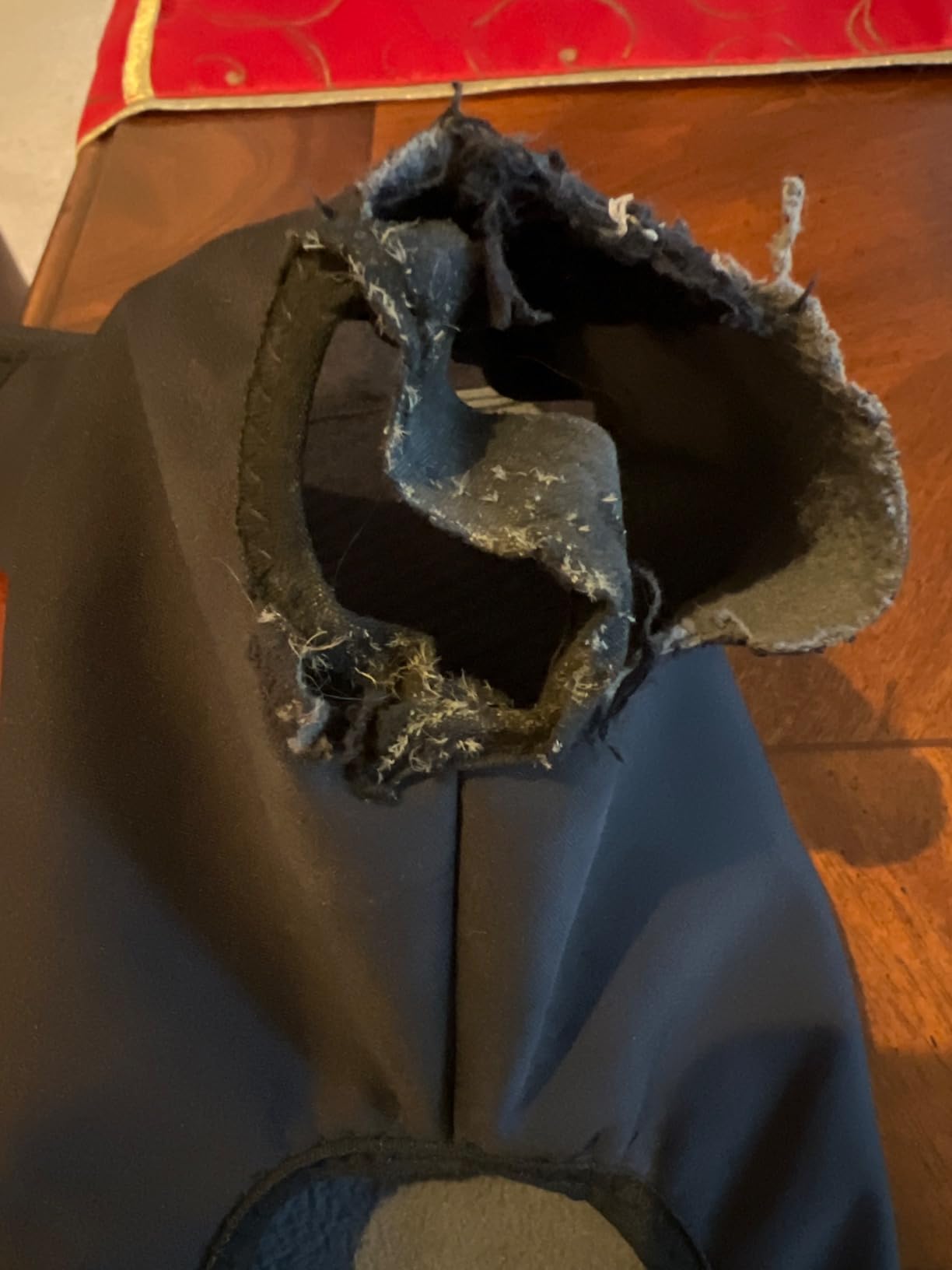
The neoprene cuff at the top creates a snug seal around your ankle, which prevents cold air from sneaking in the top. This is a detail that cheaper covers often overlook, and it makes a measurable difference in warmth. The ribbed fabric on the front panel adds flexibility where you need it, making these easier to walk in than stiffer neoprene options when you stop mid-ride.
The main limitation is waterproofing in sustained rain. The DWR coating handles splashes and brief showers admirably, but after about 45 minutes of steady rain, water starts penetrating through the fabric. Castelli rates these for 39 to 57 degrees, and I would say that range is accurate based on my testing. Below 39 degrees, you will want something with more insulation.
Race and Training Performance
The Entrata is designed with racing and fast training in mind. The close-fit profile minimizes aero drag compared to bulkier overshoes, and the clean design looks sharp over a nice pair of road shoes. The cleat cutout is precise and works perfectly with Look and SPD-SL pedals. For competitive cyclists who want cold-weather protection without sacrificing the pro look, these are an excellent choice.
Value Assessment at This Price Point
At this price, the Entrata sits firmly in the premium category. You are paying for the Castelli name, the DWR technology, and the quality construction. Whether it is worth it depends on how often you ride in the 40 to 55 degree range. If that is your primary riding window for several months of the year, the Entrata delivers the performance to justify the cost. For occasional cold rides, a less expensive option may serve you just as well.
5. GripGrab RaceThermo X Waterproof Neoprene Gravel Cycling Shoe Covers
GripGrab RaceThermo X Neoprene Winter Gravel Cycling Shoe Covers Waterproof
Neoprene Insulation
Zipperless Cuff
MTB/CX Design
Reflective Details
Safety Light Loop
Pros
- Excellent warmth in 40s F and below
- Good waterproof protection
- Snug fit over MTB and gravel shoes
- Reflective details for visibility
- Durable neoprene construction
Cons
- Very tight fit makes them hard to put on
- Can be a struggle to remove
- May need to size up for wider shoes
The GripGrab RaceThermo X is the gravel and MTB-focused sibling in the GripGrab lineup, sitting between the standard RaceThermo road version and the fleece-lined Arctic X. I tested these on my gravel bike over mixed terrain including paved climbs, gravel descents, and muddy farm tracks. The neoprene construction provides a solid balance of warmth, waterproofing, and durability that works well for off-road riding.
What sets the RaceThermo X apart from road-specific overshoes is the design accommodation for the wider, bulkier profile of MTB and cyclocross shoes. The cleat opening is larger and positioned for recessed SPD cleats, and there is more room in the toe box for the reinforced toes common on off-road shoes. This fit detail is something that very few overshoe manufacturers get right, and it is a frequent complaint in cycling forums.
In terms of warmth, the RaceThermo X performs well down to about 35 degrees. The neoprene provides good wind blocking and the snug fit prevents cold air from circulating. For anything colder than the mid-30s, the fleece-lined Arctic X would be the better GripGrab option. The RaceThermo X hits a sweet spot for riders who need solid cold-weather protection but do not want the bulk of deep-winter booties.
The zipperless cuff design eliminates a common failure point while also improving waterproofing. There is no zipper to leak or break, and the tight neoprene seal at the ankle is highly effective at keeping water out. The trade-off is that getting these on requires patience and technique. The safety light attachment loop is a thoughtful addition for dark winter commutes.
Off-Road Durability
Gravel and cyclocross riding is tough on equipment, and overshoes take a beating from mud, walking, and brush. The RaceThermo X holds up reasonably well thanks to its durable neoprene construction. The areas around the cleat opening and heel will show wear over time from hike-a-bike sections, but the main body of the cover is robust enough for regular off-road use.
Sizing for MTB and CX Shoes
As with most GripGrab products, sizing runs small. For MTB shoes, which tend to be bulkier than road shoes, I recommend sizing up at least one size from your normal shoe size. If you wear a 43 MTB shoe, consider the XXL. The tight fit is intentional for weather protection, but it can make these frustrating to use if the size is wrong.
6. GripGrab RaceThermo Waterproof Winter Road Bike Overshoes
GripGrab RaceThermo Waterproof Winter Road Cycling Shoe Covers Cold Weather Thermal Neoprene Winter Cycling Overshoes
Neoprene Insulation
Zipperless Cuff
Road Shoe Design
Hi-Vis Yellow Option
Safety Light Loop
Pros
- Good warmth retention in cold weather
- High-visibility yellow color option
- Zipperless design prevents water intrusion
- Comfortable fit when properly sized
- Keeps feet warm in upper 30s to low 40s
Cons
- Sizing runs small
- Can be difficult to put on
- Not fully waterproof in persistent rain
- Durability concerns around calf area
The GripGrab RaceThermo road version is the road cyclist’s companion for cold and damp conditions. I tested the hi-vis yellow version, which is worth highlighting because visibility is a real safety concern during dark winter commutes. The bright yellow color paired with reflective elements makes you significantly more visible to drivers in low-light conditions compared to standard black overshoes.
These are designed specifically for road cycling shoes with external cleats like Look, SPD-SL, and Speedplay. The cleat cutout is precise, and the overall shape is narrower than the X version to match the slimmer profile of road shoes. The neoprene insulation provides solid warmth in the upper 30s to low 40s Fahrenheit range, which covers a lot of typical winter riding conditions.
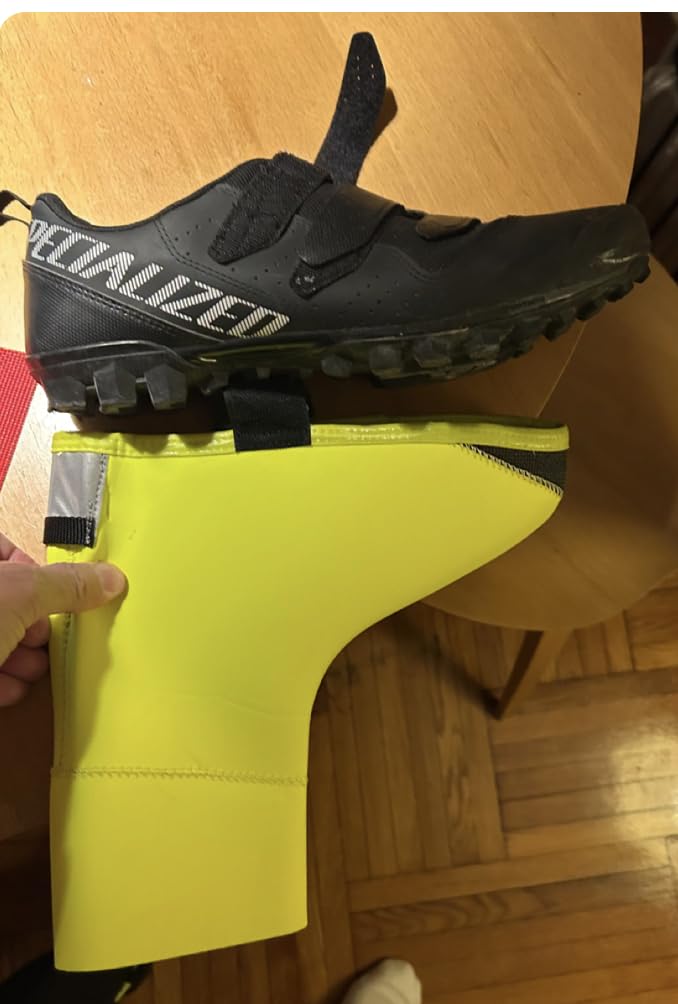
The zipperless cuff is effective at keeping water out, which is important because road spray from wet roads is a major source of wet feet on winter rides. Without a zipper, there is simply no gap for water to penetrate at the ankle. The neoprene stretches over your foot and shoe, creating a continuous waterproof barrier. This design works well until you encounter persistent heavy rain, at which point some moisture will find its way in through the cleat opening.
The main complaints from long-term users center on sizing and durability. These run small, and the tight fit that helps with weather protection also makes them challenging to put on and take off. Some users have reported durability issues around the calf area after extended use, so inspect the seams regularly. With that said, when properly sized, these provide reliable cold-weather protection for road cyclists.
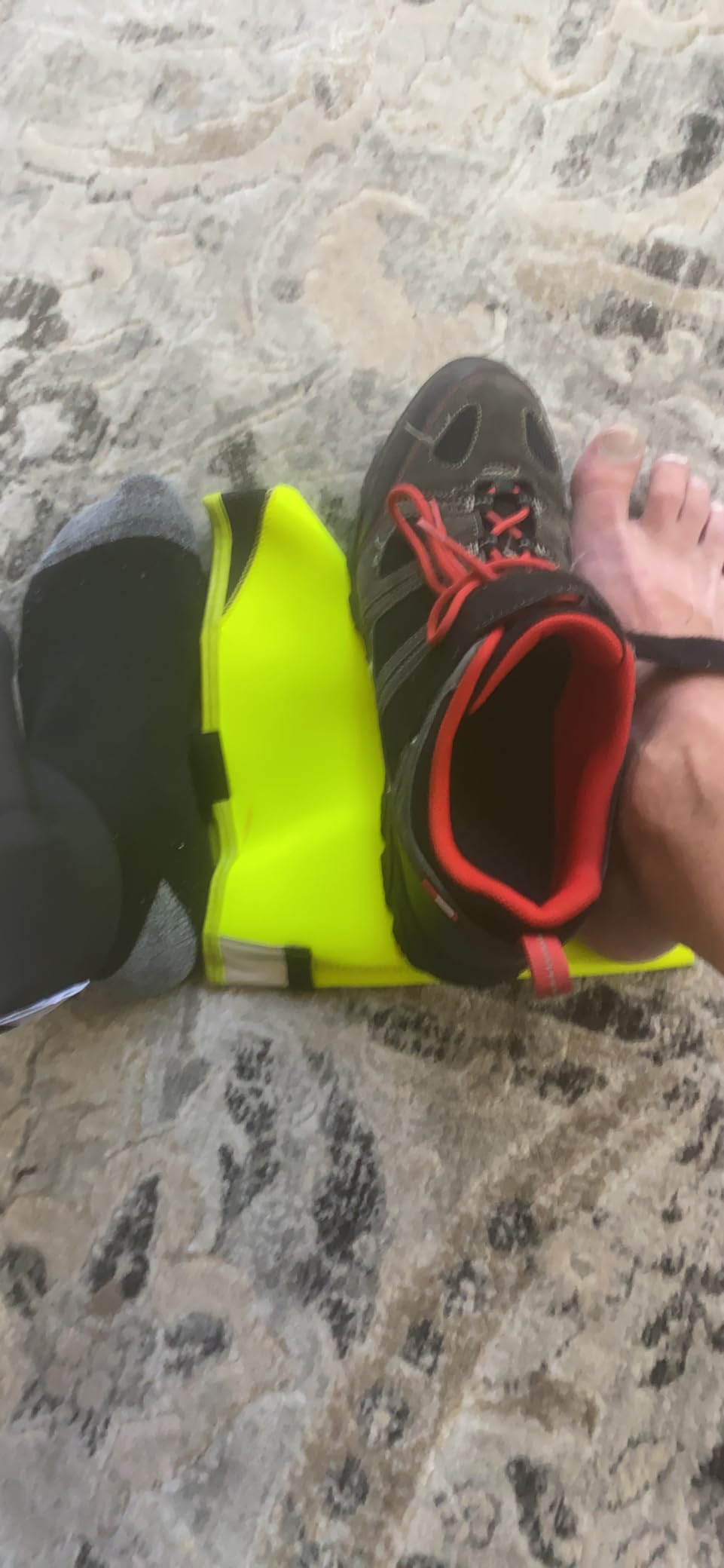
Hi-Vis Safety Benefits
If you ride on roads with traffic during winter months, the hi-vis yellow version is worth serious consideration. Dark winter mornings and evenings are the most dangerous times for cyclists, and making yourself visible should be a priority. The yellow color is genuinely bright and noticeable, and combined with the reflective elements and safety light loop, this is one of the safest overshoe options available.
Comparison with the RaceThermo X
The standard RaceThermo is narrower and road-specific, while the X version accommodates MTB and gravel shoes. If you ride exclusively on the road with road shoes, the standard version gives you a cleaner fit. If you ride gravel or use shoes with recessed cleats, the X version is the better choice despite being slightly more expensive.
7. ROCKBROS Full Cycling Shoe Covers with Zipper (B08GKPLSSH)
ROCKBROS Cycling Shoe Covers Bike Shoe Cover Windproof Water Resistant
Zipper Closure
0.6mm Double Layer Thermal
Windproof Spandex
SBR Material
Easy Clean
Pros
- Durable zipper rated for 10000 uses
- Thicker double-layer thermal material
- Easy full zipper closure
- Windproof design
- Easy to clean with wet towel
Cons
- Reflective strip placement on inside
- Only 2 sizes available
- Some reports of zipper issues
The ROCKBROS full cycling shoe covers are the mid-range option for riders who want full-coverage protection without spending premium money. These sit between the budget ROCKBROS toe covers and the higher-end GripGrab or Fizik options. I tested them over a month of regular commuting and training rides in temperatures ranging from 35 to 50 degrees.
The standout feature here is the full zipper closure, which makes these significantly easier to put on and take off compared to pull-on designs. The zipper is rated for over 10,000 uses according to ROCKBROS, and while I cannot verify that specific number, it does feel sturdy and well-constructed. This is a meaningful advantage if you frequently need to remove your overshoes mid-ride, such as at indoor work locations during a commute.
The thermal material is a 0.6mm double-layer SBR and spandex blend that provides good windproofing and decent warmth. In the 40 to 50 degree range, these kept my feet comfortable on rides up to 90 minutes. Below 40 degrees, the warmth was adequate but not exceptional. The double-layer construction does add some bulk, but it is not enough to interfere with pedaling or shoe fit in pedals.
One design choice that puzzles me is the placement of the reflective strip on the inside rather than the outside. Reflective elements exist to make you more visible to traffic, and putting them on the inside defeats that purpose entirely. This is not a dealbreaker, but it is a missed opportunity for safety. Some users have also reported zipper failures over time, so treat the zipper gently when pulling it over bulky cycling shoes.
Commuter-Friendly Features
For bike commuters, the easy zipper closure and simple cleaning are major pluses. You can quickly wipe these down with a wet towel after a rainy ride, and they dry relatively quickly. The full coverage means your entire shoe is protected from road spray, which keeps your work shoes clean if you change at the office. The straightforward on-off design makes these practical for daily use.
Temperature Performance Range
Based on my testing, the comfortable range for these covers is approximately 38 to 52 degrees. At the lower end, you will want wool socks for adequate warmth. At the upper end, your feet may start to feel warm during harder efforts. This makes them a versatile option for typical late-fall and early-spring conditions in most temperate climates, covering the majority of shoulder-season riding.
8. SLS3 Cycling Toe Covers – Neoprene
SLS3 Cycling Toe Covers – Neoprene Cycling Shoe Covers for Cold Weather, Windproof & Water Resistant Gear – Lightweight Road Bike Overshoes for Men & Women (Black, Large/Extra Large)
Premium Neoprene
Road Bike Design
Jersey Pocket Size
Effective 52-65F
External Cleat Compatible
Pros
- Premium neoprene for wind and light rain protection
- Snug fit over road shoes with no adjusting needed
- Lightweight and compact for jersey pocket storage
- Ideal for road shoes with external cleats
- Effective in 52-65 degree range
Cons
- Not intended for heavy rain
- Not recommended for MTB or wider shoes
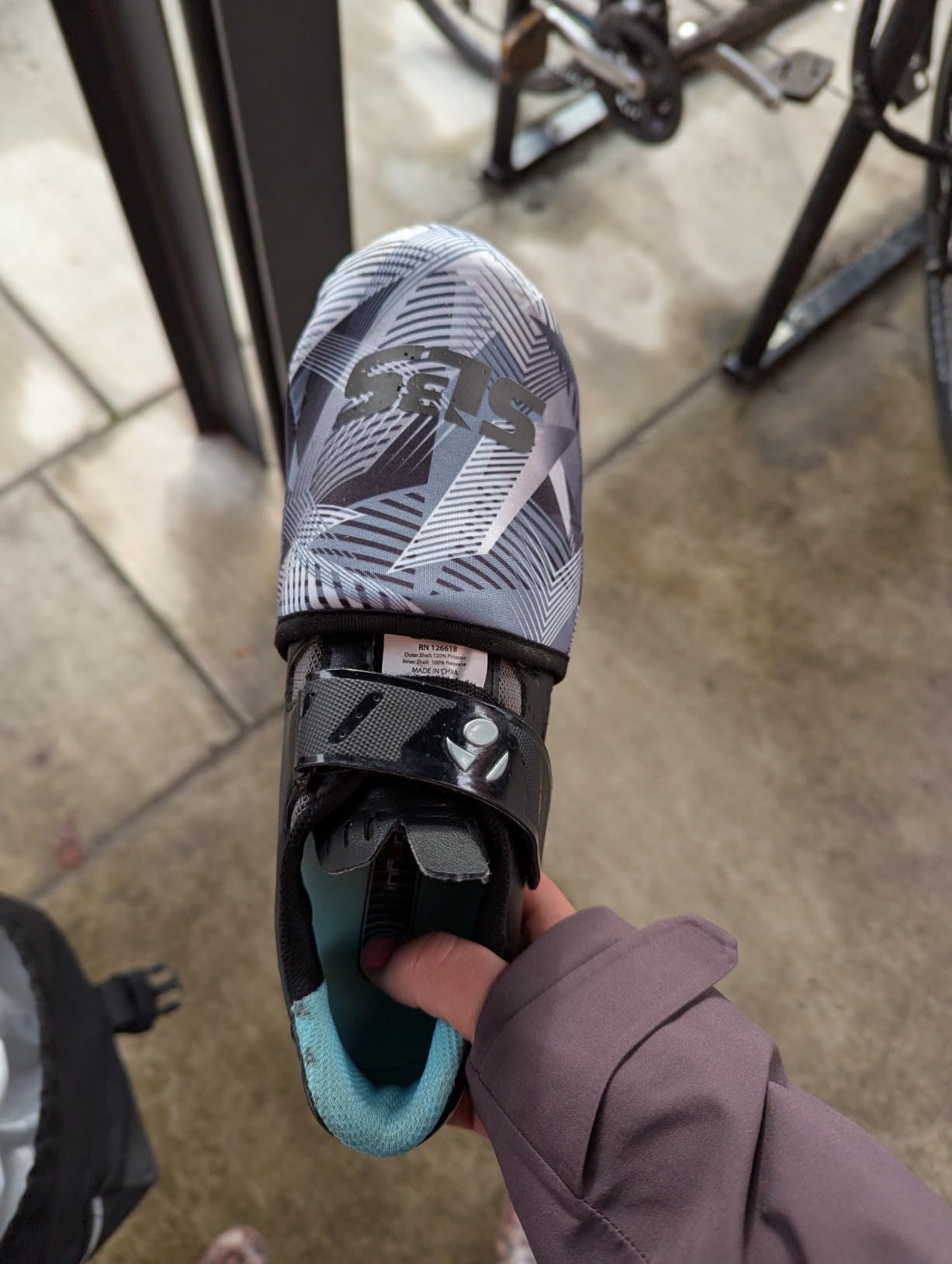
The SLS3 neoprene toe covers fill a specific niche: lightweight, packable wind protection for road cyclists riding in cool but not cold conditions. I tested these during early morning rides in the 55 to 60 degree range where full overshoes would be too warm but bare shoes left my toes chilled for the first 20 minutes.
The neoprene quality is immediately noticeable when you handle these. This is a denser, more substantial neoprene than what budget toe covers typically use, which translates to better wind blocking and a more secure fit. The covers slide over the toe of your road shoe and stay put without any straps or fasteners needed. The snug neoprene grip does all the work.
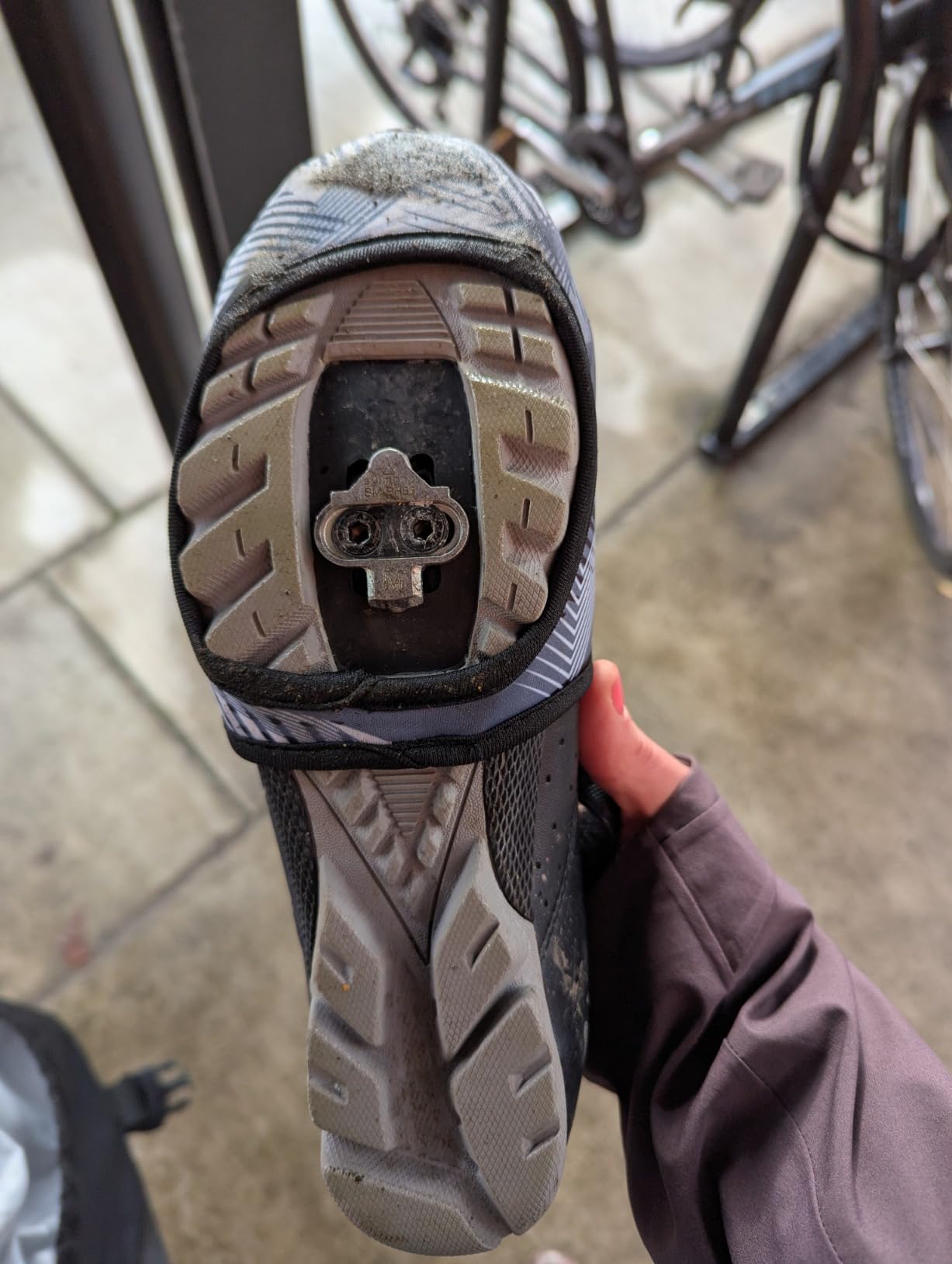
Where these really shine is packability. They fold small enough to fit in a jersey pocket, which means you can start a ride with them on and remove them as the day warms up. This is something I do frequently on spring and fall rides where the temperature swings 15 degrees between the start and finish. Having the option to remove and store them easily is genuinely useful.
The SLS3 covers are explicitly designed for road bike shoes with external cleats. The cutout is sized for Look, SPD-SL, and Speedplay cleats, and the overall shape assumes a narrow road shoe profile. If you have MTB shoes, gravel shoes, or wide fitness shoes, these will not fit properly. SLS3 is clear about this in their product information, so consider your shoe type before purchasing.
Optimal Conditions and Limitations
The sweet spot for these toe covers is the 52 to 65 degree range. In this window, they take the chill off without overheating your feet. Below 52 degrees, you will likely need full overshoes for adequate warmth. They handle light drizzle well thanks to the neoprene construction, but they are not designed for heavy rain and will not keep your feet dry in a downpour.
Comparing with Full Overshoes
If you are deciding between toe covers and full overshoes, consider your typical riding temperature. If most of your rides are above 50 degrees and you just need wind protection for the first few miles, toe covers are the practical choice. If you regularly ride below 45 degrees or in wet conditions, full overshoes provide the coverage you need. Many cyclists own both, using toe covers for mild days and full overshoes for cold ones.
9. ROCKBROS Thermal Toe Covers (B09JWM5118)
ROCKBROS Cycling Shoe Toe Covers for Men Women Winter Black
5MM Thermal Insulation
Kevlar Reinforced Forefoot
Neoprene Outer
Hook and Loop Closure
3 Sizes Available
Pros
- 5MM thick thermal insulation for cold weather
- Rear elastic loop and non-slip band for secure fit
- Cleat opening for MTB and road shoes
- Windproof and rainproof Kevlar and SBR fabrics
- Reflective side logo with Kevlar reinforced forefoot
Cons
- Not as comprehensive coverage as full shoe covers
ROCKBROS makes a second toe cover that is a step up from their basic model, and the difference is significant. The B09JWM5118 features 5mm of thermal insulation material, making it considerably warmer than the thinner SBR version. I tested these on back-to-back mornings at 38 and 42 degrees, and the extra insulation made a clear difference in toe warmth compared to standard toe covers.
The 5mm thickness is the key selling point. Most toe covers use 2 to 3mm of material, which blocks wind but does not actively insulate. The extra thickness here traps more heat around your toes, extending the useful temperature range of toe covers down into the high 30s. For riders whose feet run cold, this thicker insulation can be the difference between cutting a ride short and finishing comfortably.
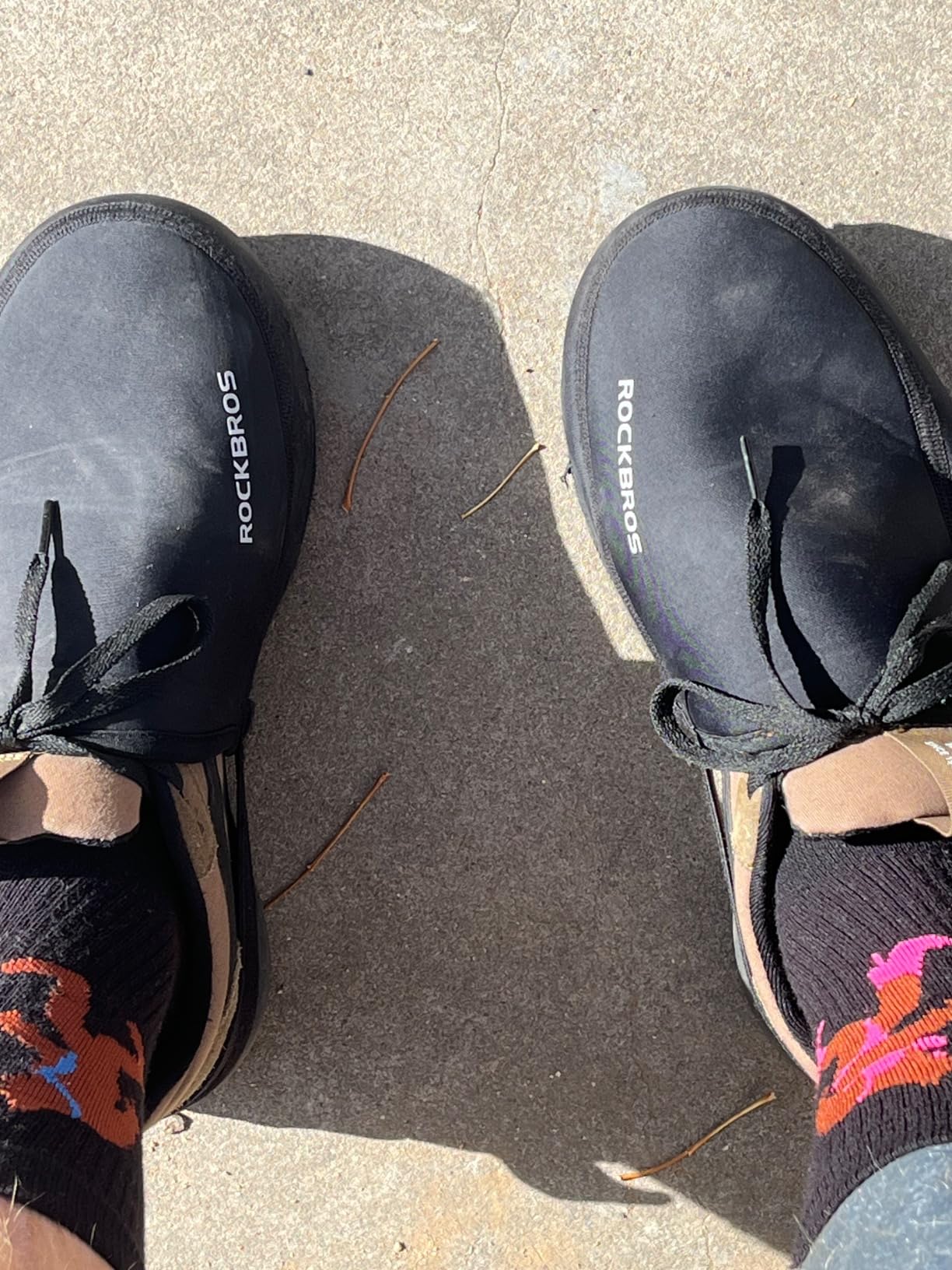
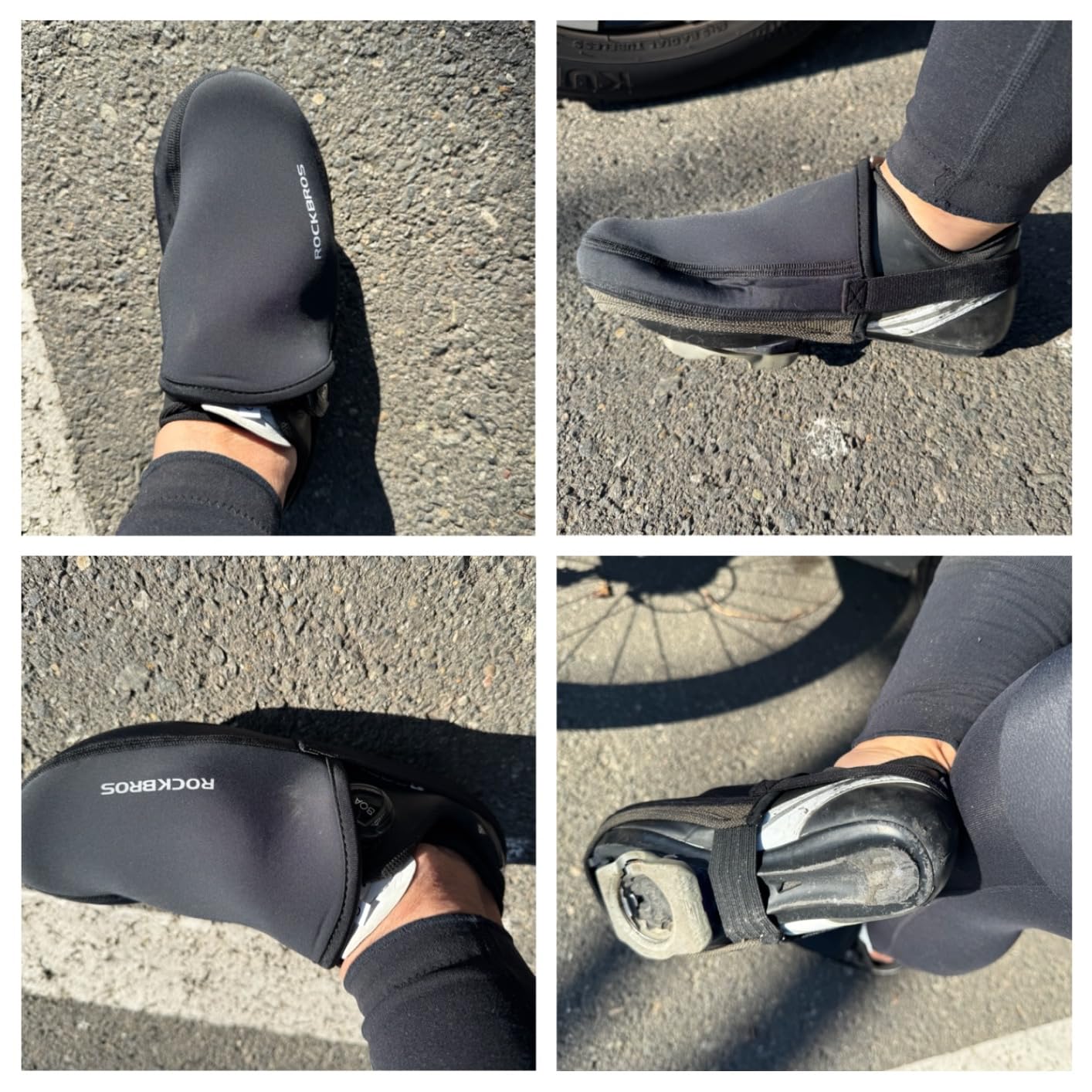
The Kevlar reinforcement on the forefoot is an upgrade over the basic ROCKBROS toe covers, and it addresses the common complaint of toe covers wearing through quickly. The high-wear area at the front of the shoe where you make contact with the ground when walking gets the most durable material. The rear elastic loop and bottom non-slip band keep the cover securely in place even over rough roads.
An important feature is the cleat opening on the bottom, which means these work with both road and MTB shoes. The basic ROCKBROS toe covers are road-only, but these thicker versions accommodate recessed SPD cleats as well. This makes them a versatile option if you ride both road and gravel or MTB and want one set of toe covers for everything.
MTB and Gravel Compatibility
Unlike many toe covers that are road-specific, these work well with gravel and MTB shoes. The bottom opening exposes the cleat area for recessed SPD cleats, and the slightly wider toe box accommodates the bulkier front end of off-road shoes. If you ride gravel in cool conditions where full overshoes are too warm, these are worth serious consideration.
Three Size Options
ROCKBROS offers three sizes for these toe covers, which is an improvement over the two-size options on their basic model. This gives you a better chance of finding the right fit for your specific shoe size. Between the Small, Medium, and Large options, most shoe sizes from EU 37 to EU 46 are covered. The hook-and-loop closure provides some additional adjustability within each size.
10. GIYO Neoprene Waterproof Cycling Shoe Covers
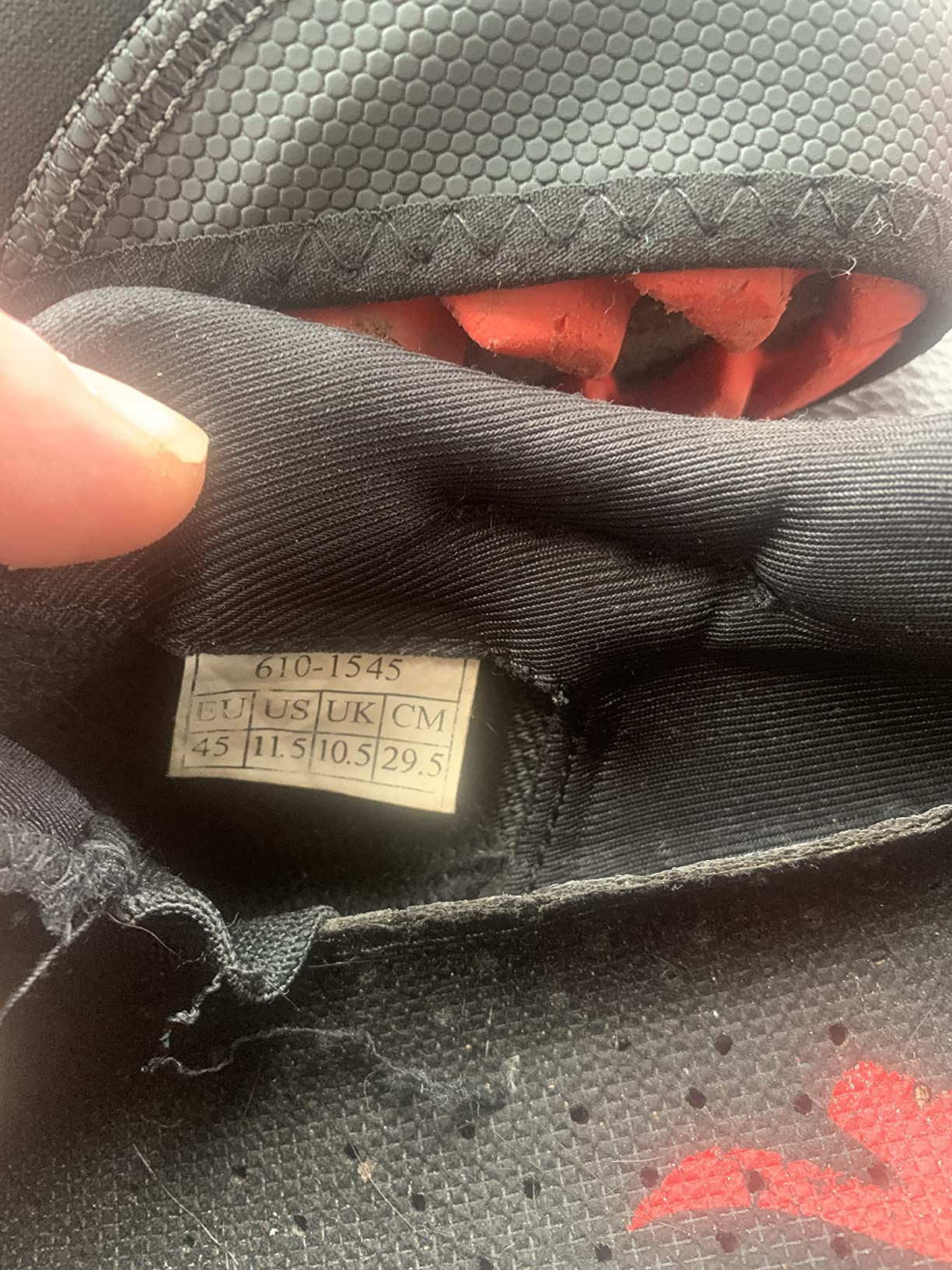
BNVB GIYO Cycling Shoes Covers, S-XXXL Neoprene Waterproof and WinterProof Bike Cycling Overshoes for Men Women Road Mountain Bike Booties…
Double-Layer Neoprene
Microfleece Lining
Waterproof Zipper
Kevlar Soles
Sizes S to 3XL
Pros
- Waterproof neoprene outer with warm Microfleece lining
- Windproof protection
- Reflective material on 3 sides
- Easy waterproof zipper
- 6 sizes from S to 3XL
Cons
- May not fit all shoe types perfectly
The GIYO cycling shoe covers offer an impressive feature set for the price. With a double-layer construction pairing waterproof neoprene on the outside and microfleece polyester on the inside, these covers bring deep-winter features to a mid-range price point. I tested them over three weeks of mixed-condition riding including rain, cold, and dry cold-weather days.
The microfleece lining is the feature that sets these apart from other covers in this price range. Most overshoes at this cost use a single-layer neoprene that blocks wind and water but does not actively insulate. The GIYO covers add a soft fleece layer that traps heat, making them noticeably warmer than single-layer alternatives. On a 40-degree ride with moderate wind, my feet were comfortable for the full 75 minutes.
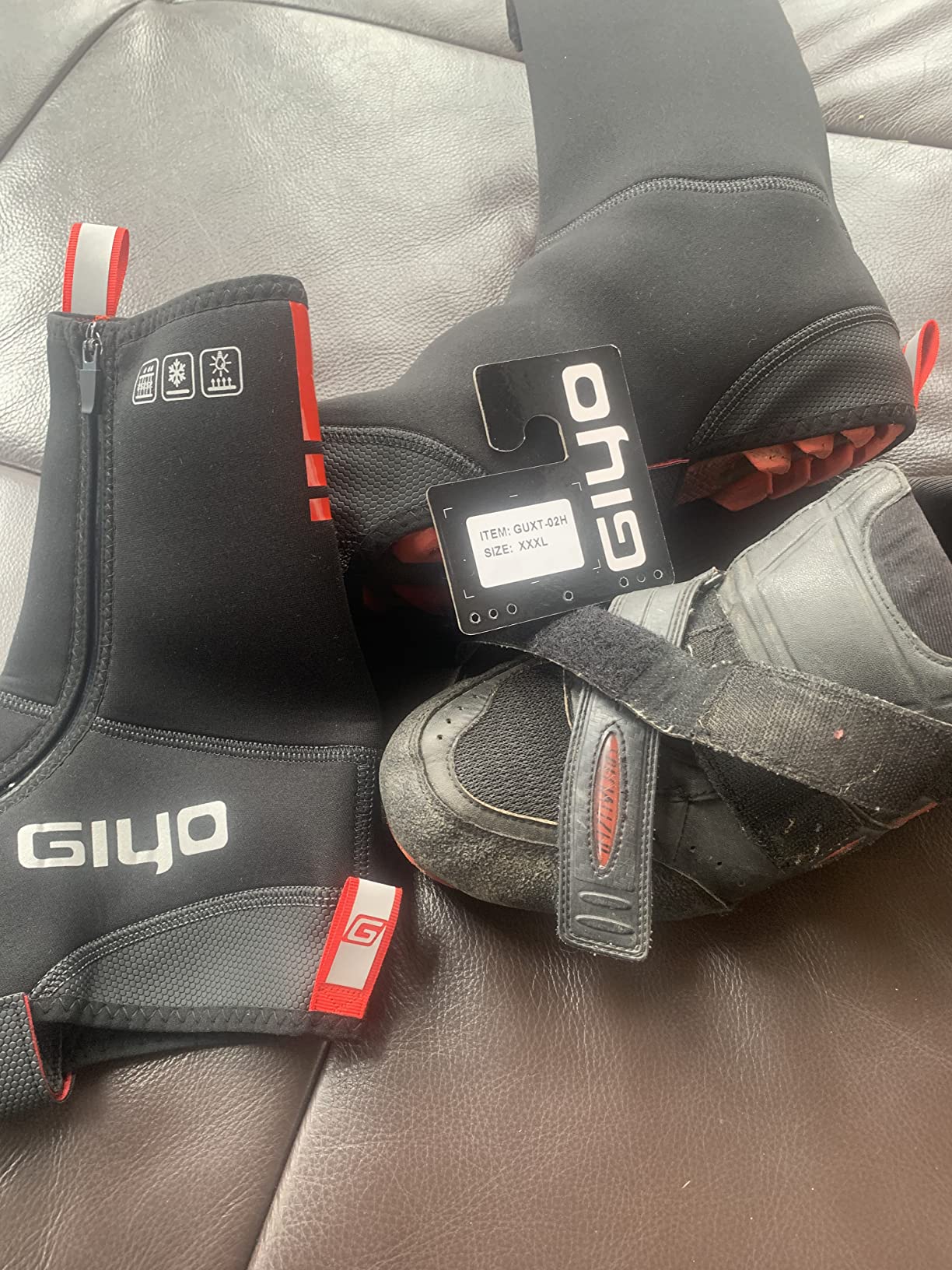
The waterproof zipper works well for easy on-and-off, and the six available sizes from S to 3XL is the widest size range of any product in this roundup. This is significant because fit is the number one complaint with overshoes, and having more size options greatly increases your chances of getting a proper fit. The Kevlar fabric soles add durability where it matters most.
Reflective material is placed on three sides of each cover, which provides 360-degree visibility for road safety. This is more comprehensive than most competitors, which typically add reflective elements only on the side or back. For commuters riding in traffic during dark winter mornings, this level of reflectivity is a genuine safety benefit that could help drivers see you sooner.
Versatility Beyond Cycling
One thing that makes the GIYO covers unusual is their suitability for activities beyond cycling. The product listing mentions fishing, hiking, and camping as use cases, and while they are primarily designed for cycling shoes, the neoprene construction and waterproof zipper make them usable as general cold-weather shoe covers. If you want a pair that can pull double duty, these offer that flexibility.
Size Range Advantage
The S to 3XL size range covers a wider variety of foot sizes than any other option here. This is particularly important for riders with larger feet who often struggle to find overshoes that fit properly. If you have been frustrated by limited sizing options with other brands, the GIYO covers are worth trying for the size selection alone.
11. DexShell Cycling Shoe Covers – Waterproof Neoprene
DexShell Heavy Duty Biking Overshoes for Men and Women, Waterproof Neoprene Cycling Shoe Covers for Cold Season, Unisex LG, Black
Windproof Neoprene
Silicone Gripper Cuff
Cleat Compatible
Reinforced Panels
Reflective Stripe
Pros
- Windproof and showerproof neoprene protection
- Secure fit with inner silicone gripper
- Compatible with cycling cleat systems
- Durable reinforced toe and sole panels
- High visibility reflective stripe
Cons
- Some reports of zipper failure
- May not be fully waterproof in heavy rain
- Zippers can be stiff
- Seam durability concerns with extended use
DexShell is a brand known for waterproof cycling gear, and their shoe covers bring a thoughtful design to the category. I tested these during a two-week period of wet and windy conditions that put the waterproof and windproof claims to the test. The heavy-duty neoprene construction with abrasion-resistant panels feels built to withstand regular abuse from road cycling.
The elastic cuff with inner silicone gripper is a feature I came to appreciate quickly. It holds the cover securely in place, preventing the annoying slippage that happens when overshoes gradually slide down during a ride. This is a common problem with cheaper covers, and the silicone gripper solves it effectively. The covers stayed put through hard efforts and rough roads alike.
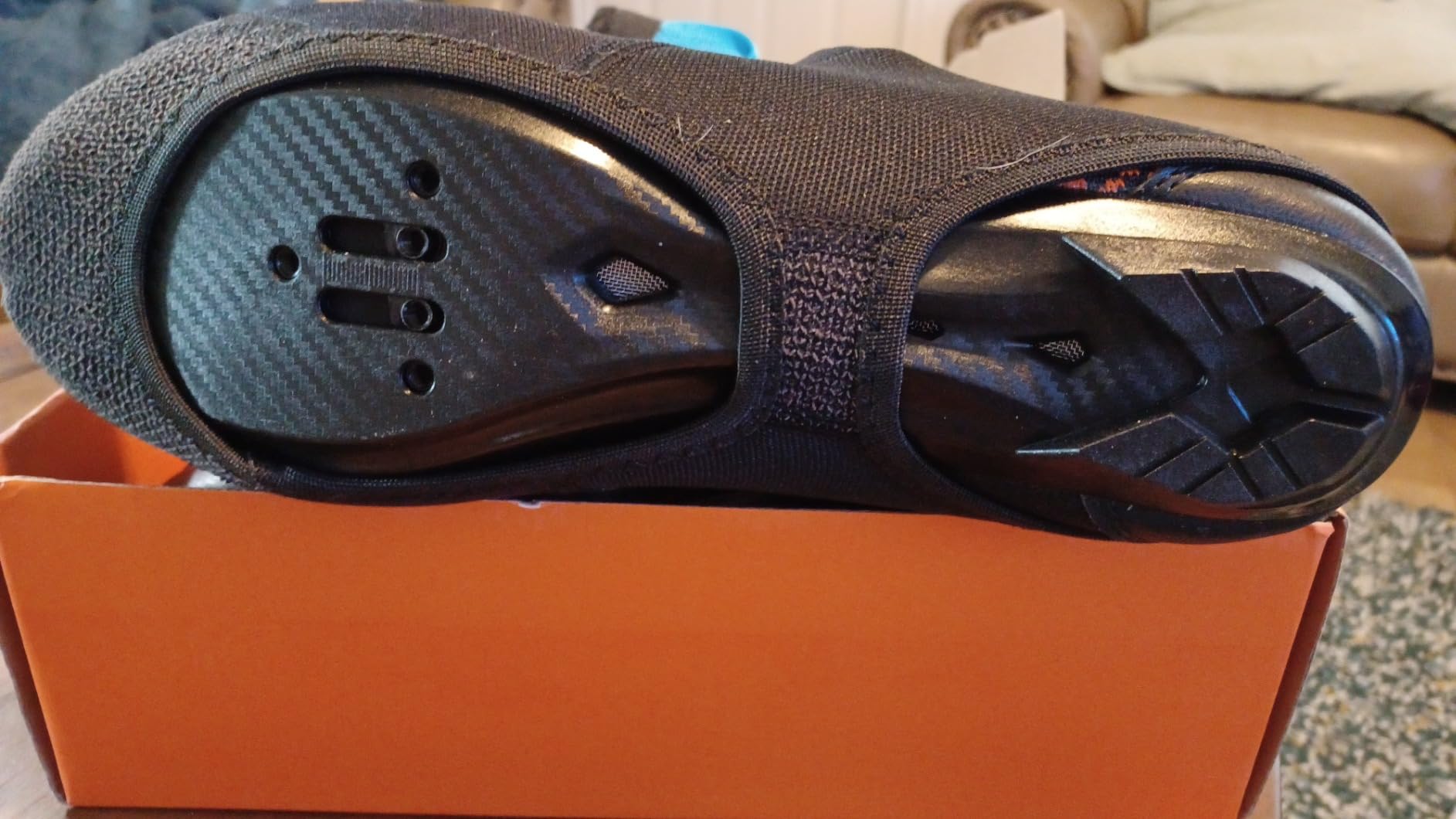
The semi-open sole design is compatible with most cycling cleat systems, and the reinforced toe and mid-sole panels add durability in high-wear areas. The reflective print stripe across the back is bright and effective for visibility. In terms of windproofing, the neoprene material does an excellent job of blocking cold air, which made a noticeable difference on fast descents where wind chill is a factor.
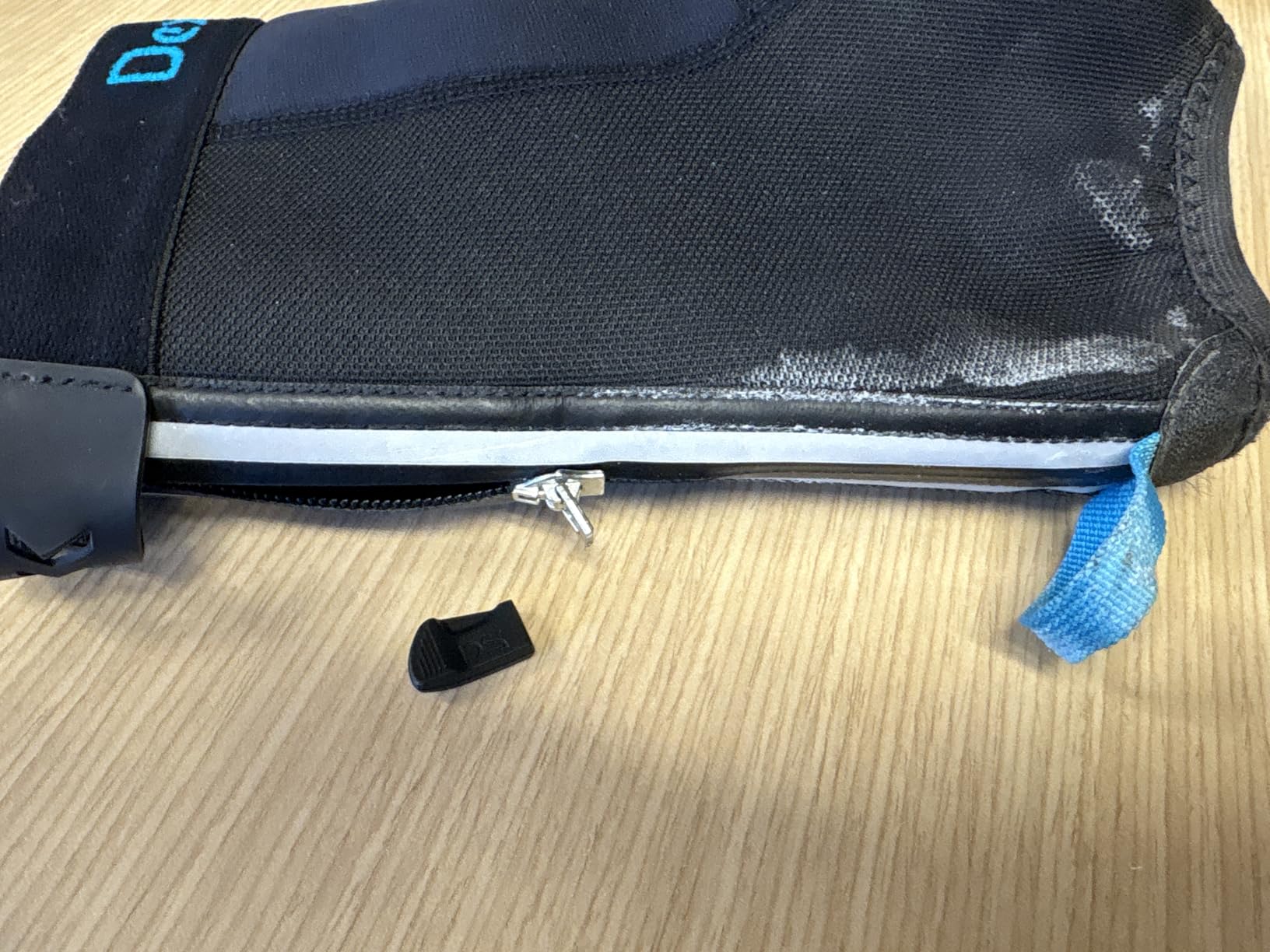
The weak point is the zipper. Several users report zipper failures, and while mine held up during testing, the zipper does feel somewhat stiff and requires deliberate operation. This is the main reason for the lower overall rating. If DexShell can improve the zipper quality, these would be a much stronger recommendation. The waterproofing claim holds up for showers and light rain, but persistent heavy rain eventually penetrates.
Zipper Maintenance Tips
If you do purchase these, applying a zipper lubricant from the start will help prevent stiffness and potential failure. A small amount of beeswax or commercial zipper lubricant applied along the teeth makes a significant difference in how smoothly the zipper operates. Also, avoid yanking the zipper when it catches on fabric, as this is how most zipper failures occur. Treat it gently and it should serve you well.
Best Riding Conditions
The DexShell covers perform best in windy, cool conditions with light precipitation. The neoprene provides excellent wind blocking, and the showerproof treatment handles road spray and brief showers effectively. For sustained rain or temperatures below 35 degrees, you may want to look at the Fizik or GripGrab Arctic X options. For the typical blustery fall and spring ride, these deliver solid protection.
12. HomDSim Waterproof Windproof Cycling Overshoes
HomDSim Cycling Shoe Covers Winter Waterproof Windproof Warmer Mountain Road Bike Shoe Covers Outdoor Sports Rain Overshoes (Large)
High-Elasticity Waterproof
Reflective Material
2 Sole Openings
Universal Fit
Warm Protection
Pros
- High-elasticity and waterproof material
- Suitable for rainy or snowy days
- Composite reflective material for night safety
- Keeps feet warm and protected
- Universal fit with 2 sole openings for most shoes
Cons
- Only 2 sizes available
- Mixed feedback on durability
The HomDSim overshoes are the most affordable full-coverage option in this roundup, and they offer a lot of features for the price. I tested these as a budget alternative to the premium options, curious whether the low cost would mean unacceptable compromises. The result was a mixed but generally positive experience that makes sense for casual or occasional cold-weather riders.
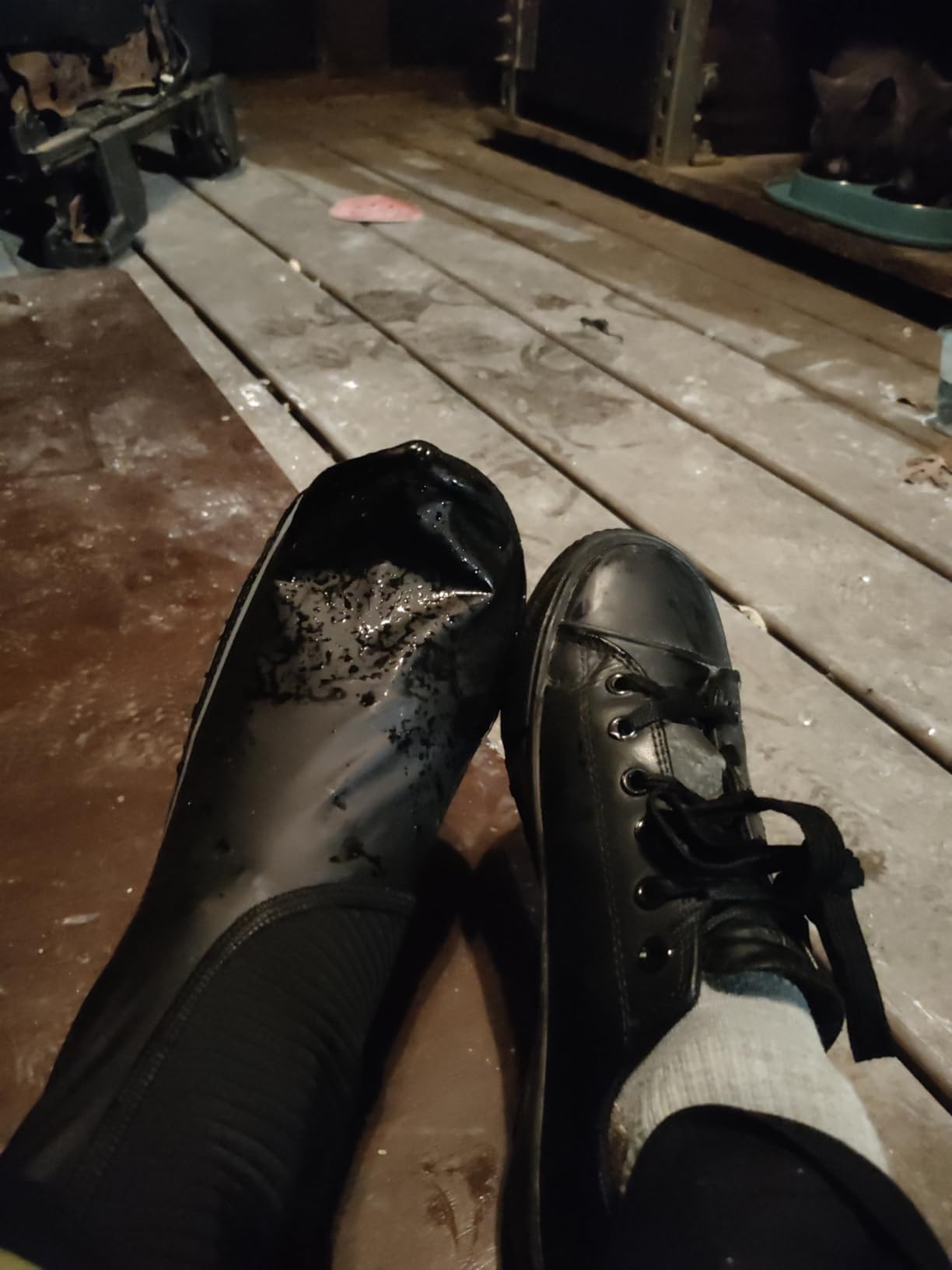
The high-elasticity material is easy to stretch over your cycling shoes, which makes these among the easiest overshoes to put on in this entire roundup. The material is thin but genuinely waterproof, as I confirmed during a 30-minute ride in steady rain where my feet stayed dry. The two sole openings accommodate different cleat positions, which helps with the universal fit claim.
The composite reflective material is a nice safety touch at this price point, where corners are often cut. While not as bright as dedicated hi-vis options, the reflective elements do improve your visibility to traffic in low-light conditions. The covers keep feet reasonably warm in the 40 to 50 degree range, which covers a lot of casual winter riding conditions.
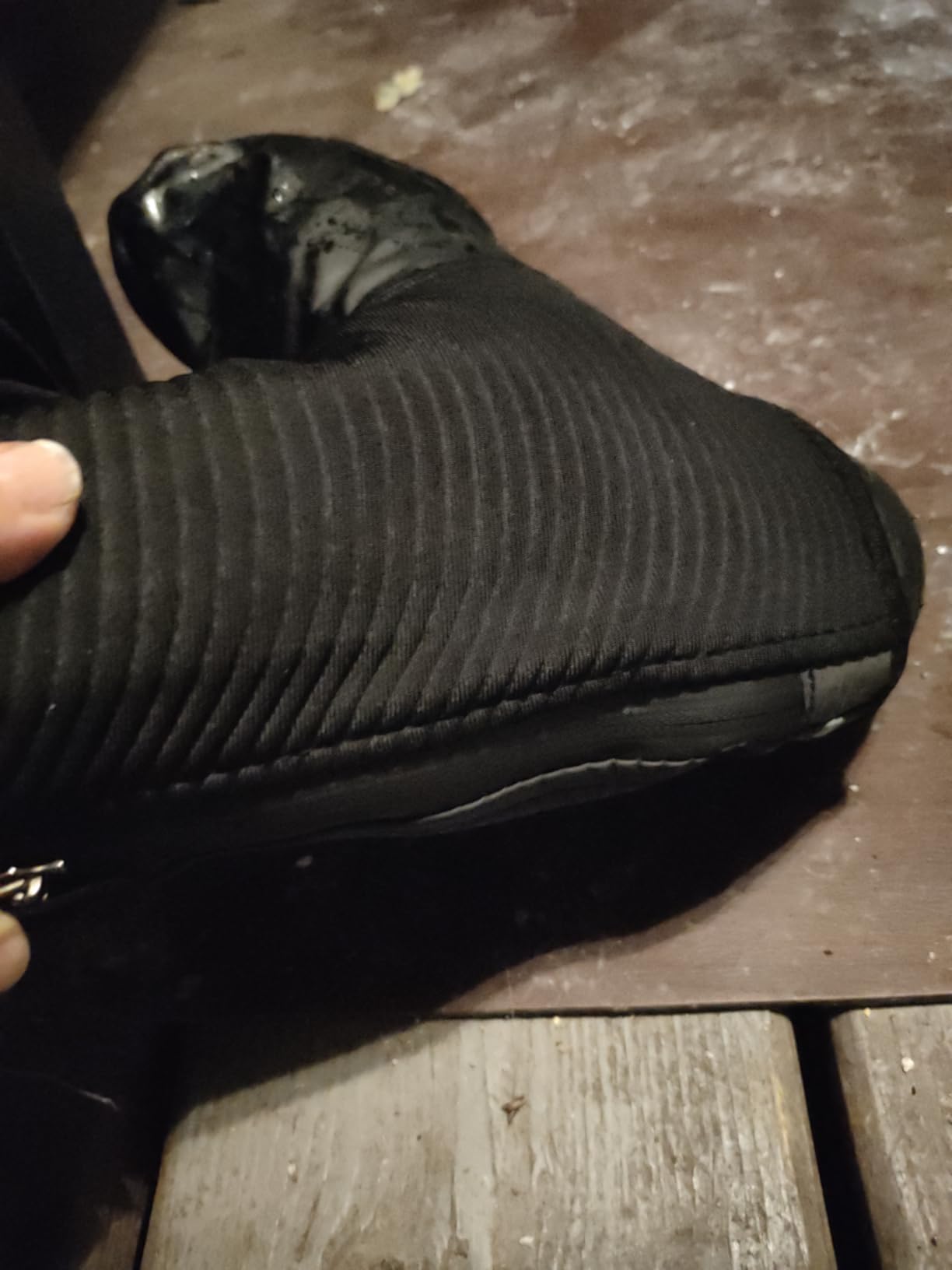
The main compromise is durability. The thin material that makes these easy to stretch on also means they are more susceptible to tearing and wear over time. Multiple reviewers mention durability concerns, particularly around the seams and sole area. For daily commuters, this could mean replacing them more frequently than a more expensive pair. For occasional riders, the lower cost offsets the shorter lifespan.
Who Benefits Most from Budget Overshoes
Casual cyclists who ride occasionally in cool weather are the ideal customers for these covers. If you do a handful of cold-weather rides per year and do not want to invest in premium gear, the HomDSim overshoes provide functional protection at a fraction of the cost. They are also a good option to keep in your bag as a backup pair for unexpected weather changes during a ride.
Managing Expectations on Durability
To get the most life out of these covers, handle them gently when putting on and taking off, avoid walking in them more than necessary, and store them flat rather than crumpled. The material is more delicate than premium options, so treat them accordingly. If you ride regularly in winter conditions, investing in a more durable option like the Fizik or GripGrab will likely save money over time despite the higher initial cost.
How to Choose the Best Cycling Shoe Covers for Winter?
Choosing the right shoe covers comes down to understanding your riding conditions, your shoe type, and the specific features that matter most for your situation. Let me break down the key factors you should consider before making a purchase.
Material Types: Neoprene vs Softshell vs Membrane
Neoprene is the most common material for cycling overshoes, and for good reason. It is flexible, naturally water-resistant, and provides good wind blocking. Standard neoprene covers work well in the 35 to 50 degree range. Fleece-lined neoprene, like the GripGrab Arctic X, extends that range down to freezing and below by adding an insulating layer.
Softshell fabrics with DWR coatings, like the Castelli Entrata, prioritize breathability and windproofing over full waterproofing. These are ideal for cold, dry conditions where sweat management matters. The DWR coating causes light rain to bead off, but the fabric will eventually wet through in sustained rain. Softshell covers typically offer the best breathability of the three types.
Membrane-based materials like the 3-layer construction used in the Fizik overshoes offer the best combination of waterproofing and breathability. The membrane blocks water from entering while allowing moisture vapor from sweat to escape. These tend to be the most expensive option but provide the most versatile protection across varied conditions.
Toe Covers vs Full Overshoes
This is one of the most common questions in cycling forums, and the answer depends on your riding temperature. Toe covers are perfect for the 45 to 60 degree range where full coverage would overheat your feet. They are easy to put on, lightweight enough to carry in a jersey pocket, and effective at blocking the wind that causes most early-ride toe discomfort.
Full overshoes are necessary for temperatures below 45 degrees or for any riding in wet conditions. They provide complete coverage from the toe to the ankle, sealing out wind, rain, and cold air from all directions. Full covers also protect your shoes from road spray and dirt, which extends the life of expensive cycling shoes.
Many experienced cyclists own both types and choose based on the day’s conditions. A good strategy is to start with toe covers for the season and add full overshoes when temperatures consistently drop below 45 degrees.
Sizing and Fit Tips
Getting the right size is the single most important factor in overshoe satisfaction. Nearly every brand runs small, and sizing up by one size is common advice across all brands in this roundup. Measure your cycling shoe and compare it to the manufacturer’s sizing chart, then consider going one size larger than recommended.
Fit should be snug but not impossible to get on. If you are struggling for more than 30 seconds to pull the cover over your shoe, it is too small. A properly fitted overshoe creates a smooth, wrinkle-free surface over your shoe with the cleat cutout aligned precisely. Wrinkles and gaps let in cold air and water, defeating the purpose of the cover.
BOA Dial and Cleat Compatibility
If your shoes use the BOA dial system, you need overshoes that either leave the dial accessible or do not interfere with its operation. Most full overshoes cover the BOA dial, which means you need to set your fit before putting the cover on. This is generally fine since the cover adds a consistent layer over the shoe, but it means you cannot adjust on the fly.
Cleat compatibility is straightforward for road shoes with external cleats like Look and SPD-SL. The cutout in road-specific overshoes is designed for these systems. For SPD and other recessed cleat systems used on gravel and MTB shoes, you need covers with a wider sole opening like the GripGrab X series or the ROCKBROS toe covers with bottom cleat access.
Temperature Range Guide
Matching your overshoes to the expected temperature makes a big difference in comfort. For temperatures above 55 degrees, toe covers or very lightweight overshoes are sufficient. The 40 to 55 degree range is the sweet spot for standard neoprene overshoes and softshell covers. Below 40 degrees, you want fleece-lined neoprene or deep-winter specific covers. Below freezing, consider layering overshoes with wool socks and chemical toe warmers for maximum protection.
Gravel and MTB Shoe Considerations
Gravel and MTB shoes present a unique challenge because they are wider, bulkier, and use recessed cleats. Most road-specific overshoes will not fit properly over these shoes. Look for covers specifically designed for off-road shoes, like the GripGrab RaceThermo X or Arctic X, which have wider cleat openings and more room in the toe box. The ROCKBROS toe covers with bottom cleat openings also work well for gravel shoes in mild conditions.
Another consideration for off-road riding is durability. Gravel and MTB riding involves more walking, mud, and brush contact that wears through overshoes faster. Look for Kevlar-reinforced soles and abrasion-resistant panels to extend the life of your covers in these conditions.
Frequently Asked Questions
Are cycling overshoes worth it?
Yes, cycling overshoes are absolutely worth it for anyone riding in temperatures below 50 degrees Fahrenheit or in wet conditions. They add 15 to 20 degrees of comfort to your existing shoes, block wind and rain, and extend your riding season significantly. Even a basic pair of toe covers makes a noticeable difference on chilly morning rides.
What are the warmest cycling overshoes?
The warmest cycling overshoes are fleece-lined neoprene models like the GripGrab Arctic X, which is rated for temperatures down to 32 degrees Fahrenheit. The fleece lining traps heat against your shoe while the neoprene blocks wind and water, making it the best option for deep winter riding conditions.
What are the disadvantages of shoe covers?
The main disadvantages of cycling shoe covers are difficulty putting them on and taking them off, potential sizing issues, reduced breathability compared to bare shoes, and durability concerns with frequent use. Zipper failures and sole wear are common problems. Some covers also interfere with BOA dial adjustments during rides.
Are cycling toe covers worth it?
Cycling toe covers are worth it for riders who frequently ride in the 45 to 60 degree range where full overshoes would be too warm. They are lightweight, packable, easy to put on and remove, and effectively block the wind that causes toe discomfort. They are also significantly less expensive than full overshoes.
How do you wear cycling overshoes?
To put on cycling overshoes, first loosen your shoe, then stretch the opening of the cover over the toe of the shoe and pull it back toward the heel. Align the cleat cutout with your cleat, then secure the top closure whether it is a zipper, velcro, or pull-on cuff. For zipperless designs, it helps to loosen the shoe fully before pulling the cover on.
Should I get overshoes or toe covers?
Choose toe covers for temperatures above 45 degrees where you mainly need wind protection for your toes. Choose full overshoes for temperatures below 45 degrees or for any wet weather riding where you need complete coverage. Many cyclists own both types and select based on the day’s conditions and forecast.
Final Thoughts on Winter Cycling Shoe Covers
Finding the best cycling shoe covers for winter comes down to matching the product to your specific riding conditions and shoe type. For road cyclists who need serious waterproof protection, the Fizik Waterproof Winter Overshoe is our top recommendation with its quality construction and waterproof YKK zipper. For deep winter warmth on gravel or MTB shoes, the GripGrab Arctic X with its fleece-lined neoprene is hard to beat. And for budget-conscious riders who just need basic wind protection, the ROCKBROS toe covers deliver excellent value.
The most important advice I can give is to pay attention to sizing. Nearly every overshoe on the market runs small, and getting the fit right is the difference between a cover you use every ride and one that sits in a drawer because it is too frustrating to put on. Size up, measure your shoes, and do not be afraid to return a pair that does not fit properly.
With the right pair of shoe covers, there is no reason to let cold feet end your riding season early. Winter miles build summer fitness, and keeping your feet warm makes those miles significantly more enjoyable. Get out there and ride.