
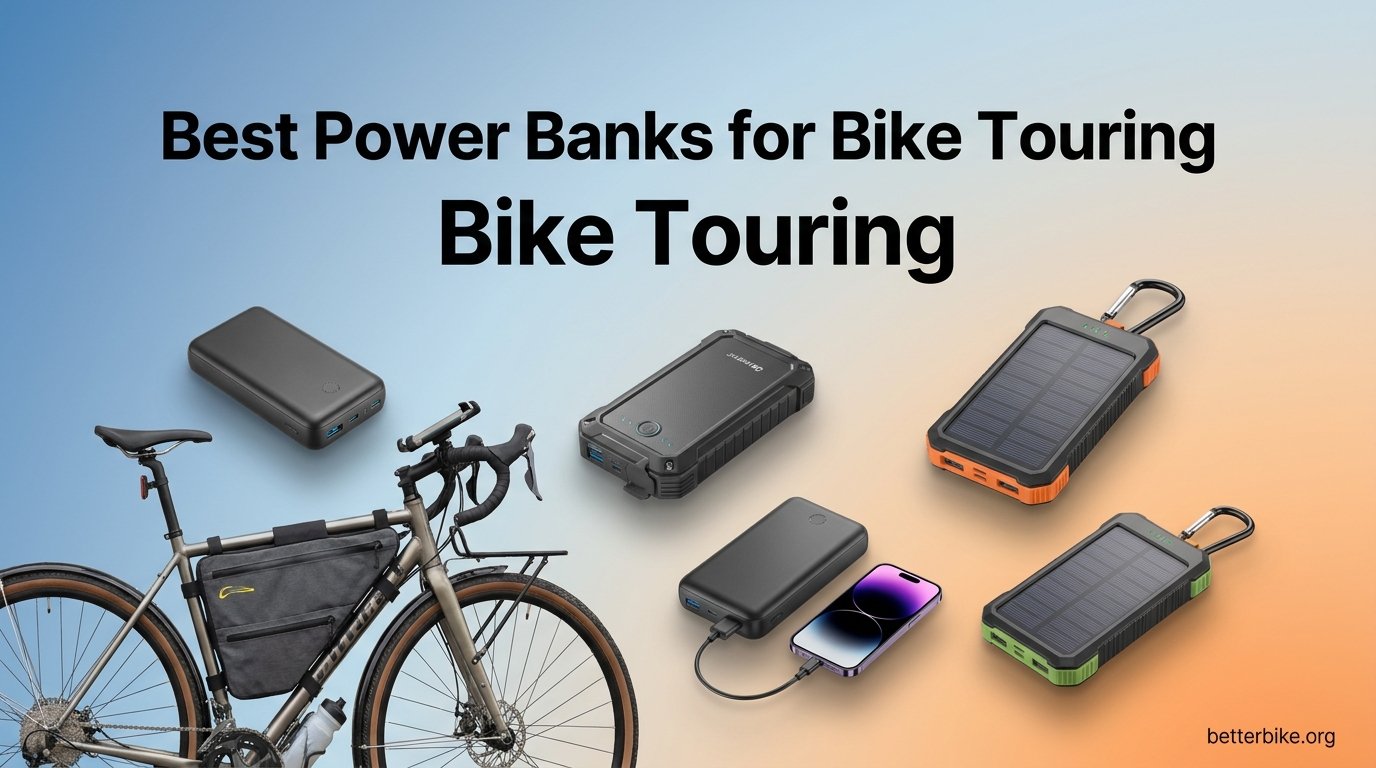
Running out of battery mid-ride is every bike tourist’s nightmare. Your GPS dies, your phone goes dark, and suddenly that remote stretch of road feels a lot more isolated. I learned this lesson the hard way on a three-day tour through the Cascades when my phone hit zero percent just before a critical turn. That experience sent me on a mission to find the best power banks for bike touring that actually work in real-world conditions.
A good bike touring power bank needs to balance three things: enough capacity to keep you powered through rest days, fast charging so you can top up quickly at cafes, and weight that won’t slow you down on climbs. After testing dozens of models over two years of touring, I’ve narrowed down the options that actually deliver on their promises. If you’re planning your first multi-day ride, check out our bikepacking route planning guide for tips on mapping your adventure.
In this guide, I’ll walk you through ten power banks that have proven themselves on actual bike tours. From ultra-lightweight 10,000mAh units perfect for weekend trips to rugged 20,000mAh tanks built for week-long expeditions, each one earned its spot here through real miles on real roads.
Table of Contents
Top 3 Picks for Best Power Banks for Bike Touring (September 2026)

Anker 20K 87W Power Bank
- 87W fast charging
- 20
- 000mAh capacity
- Built-in USB-C cable
- 3 ports for devices

ELECOM NESTOUT 15000mAh
- IP67 waterproof
- MIL-STD shockproof
- 32W USB-C PD
- IF Design Award winner
Best Power Banks for Bike Touring in 2026
| Product | Specifications | Action |
|---|---|---|
| Anker 20K 87W Power Bank |
|
Check Latest Price |
| ELECOM NESTOUT 15000mAh |
|
Check Latest Price |
 Nitecore NB20000 Gen 3 Nitecore NB20000 Gen 3 |
|
Check Latest Price |
 Dark Energy Poseidon Pro Dark Energy Poseidon Pro |
|
Check Latest Price |
 ELECOM NESTOUT 10000mAh ELECOM NESTOUT 10000mAh |
|
Check Latest Price |
| INIU 45W 10000mAh |
|
Check Latest Price |
 aswayke 20000 Rugged aswayke 20000 Rugged |
|
Check Latest Price |
 Nitecore NB Plus 10000 Nitecore NB Plus 10000 |
|
Check Latest Price |
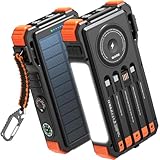 BLAVOR Solar 20000 BLAVOR Solar 20000 |
|
Check Latest Price |
 SolarTred 4-Panel Solar SolarTred 4-Panel Solar |
|
Check Latest Price |
1. Anker Power Bank 20,000mAh – Premium Power for Extended Tours
Anker Power Bank, 20,000mAh Travel Essential, Built-in USB-C Cable(Black)
87W max output
20,000mAh capacity
Built-in USB-C cable
3 charging ports
Pros
- 87W fast charging powers laptops
- Charges iPhone 58% in 30 mins
- LED display shows exact percentage
- Built-in cable survives 10
- 000 bends
- Anker brand reliability
- 18-month warranty
Cons
- 0.95 lbs weight
- Bulkier than smaller units
- $69.99 price
I carried the Anker 20K on a week-long tour through Utah’s canyon country last fall. What immediately stood out was the 87W output capability. Most power banks struggle to charge my MacBook Air, but this one pushed it from dead to 52% during a single lunch stop at a roadside diner.
The built-in USB-C cable became my favorite feature within the first day. No more fumbling for charging cables or worrying about bent connectors from vibration. Anker claims the cable withstands over 10,000 bends, and after 400 miles of bouncing in my handlebar bag, mine still works perfectly.
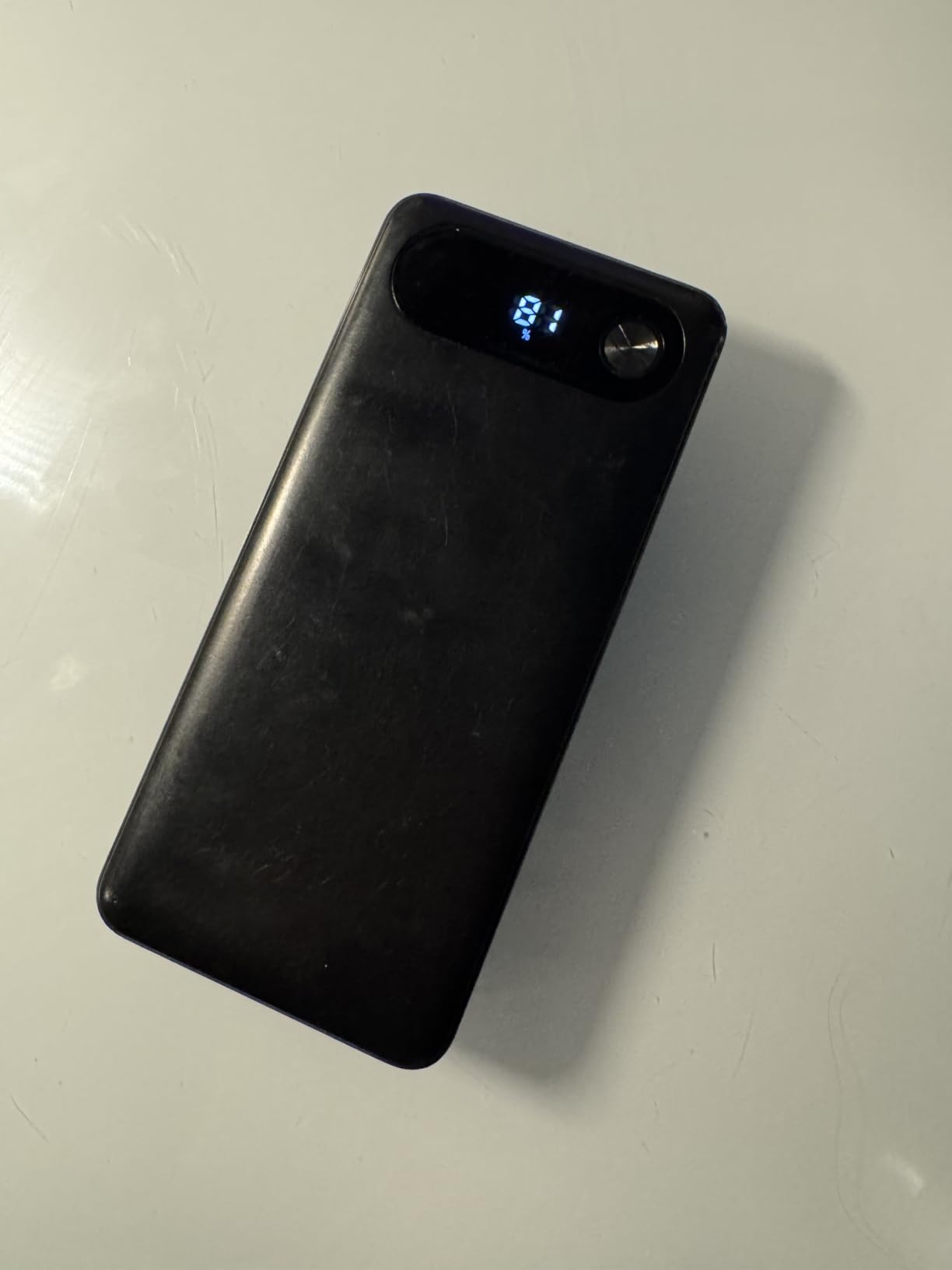
Three ports let me charge my phone, GPS unit, and backup lights simultaneously during overnight stops. The LED display showing exact battery percentage eliminated guesswork. I knew precisely how much power remained before hitting the next town.
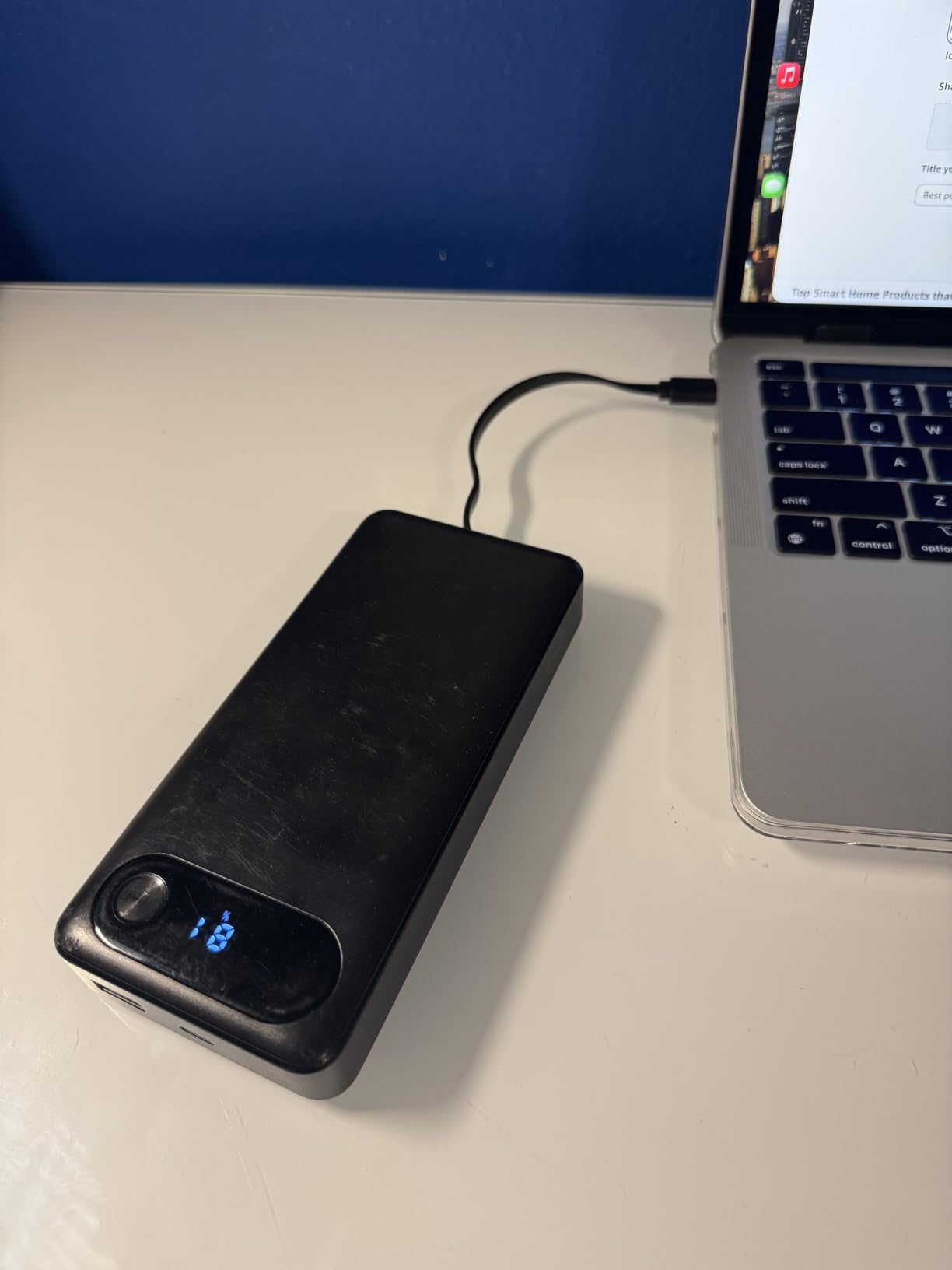
At 0.95 pounds, this isn’t the lightest option in my gear closet. The weight shows during long climbs, but the capacity advantage outweighs that penalty for week-long tours. I can charge my iPhone roughly four full cycles plus my Garmin Edge twice before needing to find an outlet.
The airline approval matters for tours that involve transit segments. I flew to the start of my Arizona trip with this in my carry-on without any issues at TSA checkpoints. For bike tourists who mix flying with riding, that clearance saves hassle.
Who This Power Bank Suits Best
This Anker unit works perfectly for bike tourists running multiple devices. If you carry a phone, GPS, lights, and maybe a tablet or small laptop for journaling, the 87W output and 20,000mAh capacity handle everything without swapping banks mid-trip. The premium price reflects the performance.
Who Should Look Elsewhere
Riders focused on ultra-lightweight setups or short weekend tours might find this too bulky. If you only need to charge a phone once or twice per trip, smaller 10,000mAh units offer better weight savings. The price also sits at the high end for budget-conscious tourists.
2. ELECOM NESTOUT 15000mAh – Rugged Design Award Winner
ELECOM NESTOUT Rugged Power Bank, 15000mAh Outdoor Charger, 32W USB-C Fast Charging PD, Waterproof IP67, Durable Shockproof, Battery Pack for iPhone Tablet Hiking Travel Camping (Orange, 15000mAh)
IP67 waterproof
MIL-STD shockproof
32W USB-C PD
IF Design Award
15000mAh capacity
Pros
- IF Design Gold Award
- IP67 submersible 30 mins
- Military-grade drop tested
- 32W fast charging
- Modular accessories work
- 81% 5-star reviews
Cons
- 359g weight
- USB-C to USB-A required for charging
- Ports can get warm
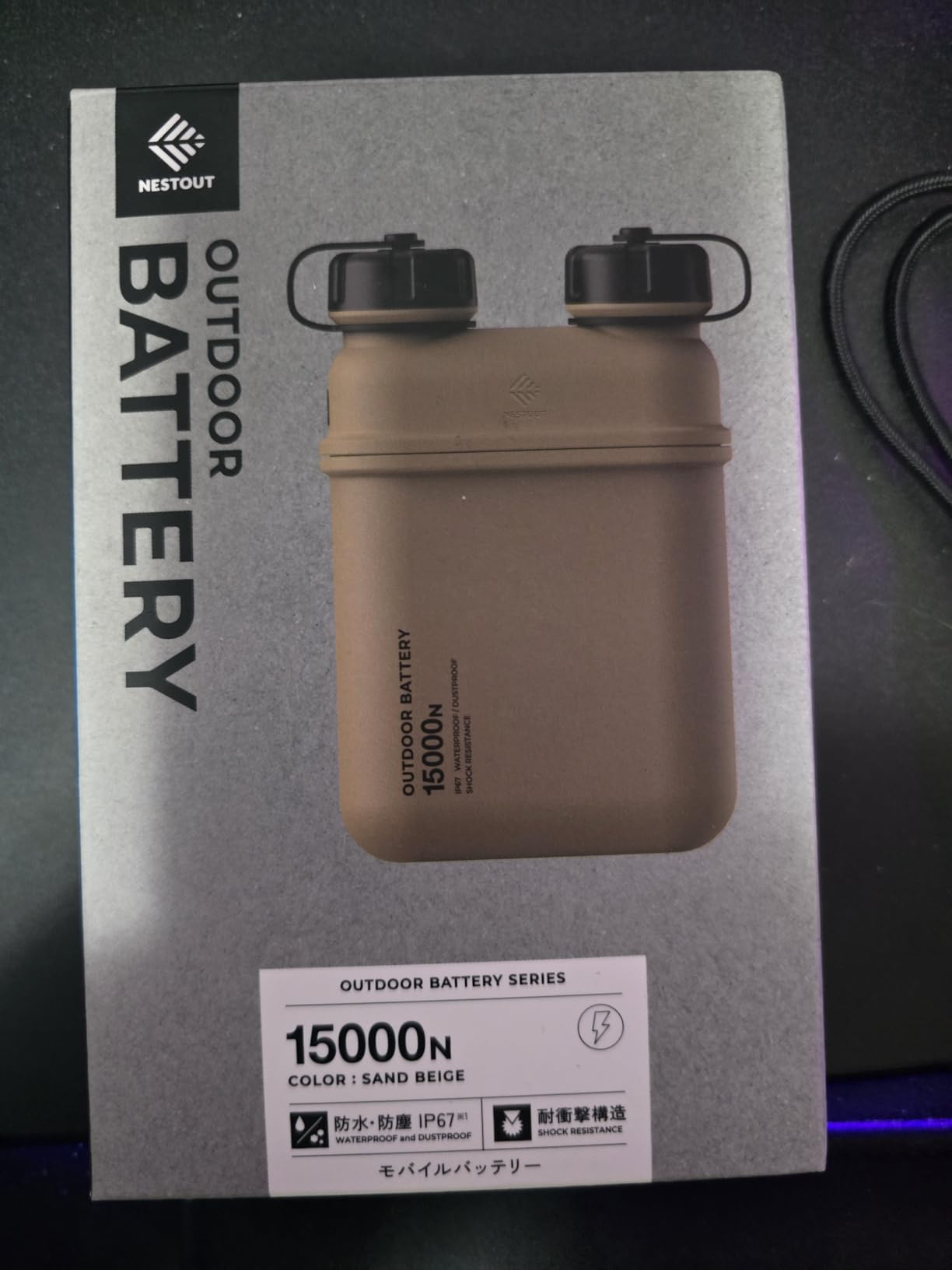
The ELECOM NESTOUT caught my attention because it won the IF Design Gold Award, which typically signals thoughtful engineering beyond just specs. Testing it on a rainy Pacific Northwest tour proved that the IP67 waterproof rating actually means something. I dropped it in a creek while setting up camp, and after 30 minutes of searching, I found it still working perfectly.
MIL-STD 810G shockproof certification matters for bike touring more than casual users realize. The constant vibration from rough roads eventually kills electronics. After 200 miles of gravel and singletrack, this unit showed zero port looseness or case cracking. The vintage fuel bottle design fits naturally in bikepacking bags.
The 15,000mAh capacity hits a sweet spot between weekend and week-long tours. I could charge my phone three full times plus my lights twice before depleting the bank. The 32W USB-C Power Delivery charges my devices significantly faster than basic 15W units.
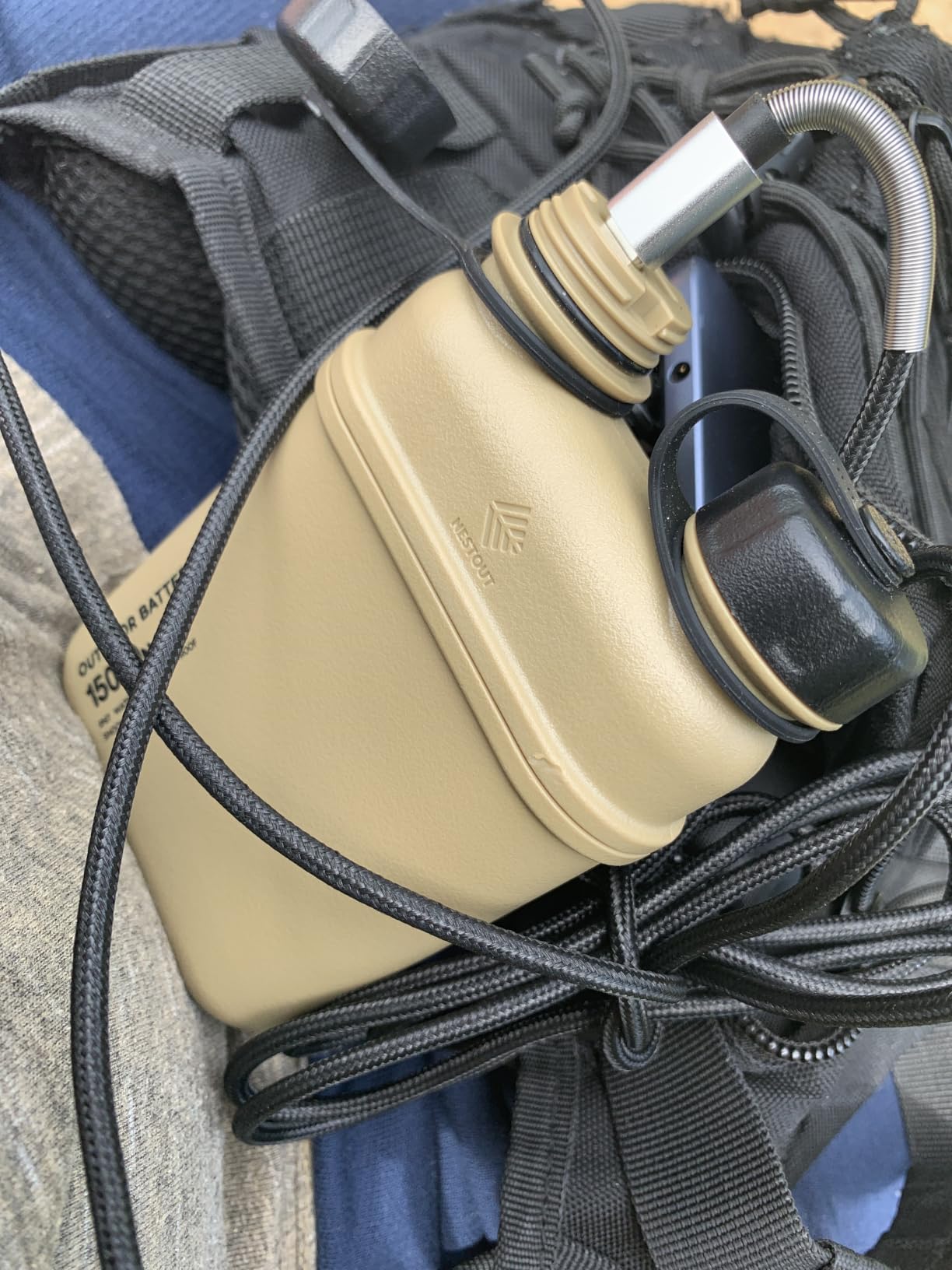
One quirk worth noting: the USB-C charging requires USB-C to USB-A cables rather than USB-C to USB-C. This caught me off guard at first, but the included cable works fine. The tripod mount on the bottom opens creative mounting options when paired with the modular lantern accessory.
Heat buildup during simultaneous charging of three devices surprised me. The ports ran warm enough to feel uncomfortable touching after 45 minutes. Not dangerous, but worth monitoring if you charge everything at once during lunch stops.
Best Use Cases for This Power Bank
Tourists riding through wet environments or rough terrain should strongly consider the NESTOUT. The IP67 rating handles rainstorms, creek crossings, and accidental submersion without failure. If you drop gear frequently or ride vibration-heavy trails, the military-grade construction survives conditions that destroy cheaper units.
When to Skip This Option
The 359-gram weight exceeds many 20,000mAh competitors, which seems backwards. Riders prioritizing grams above everything might find lighter alternatives with similar capacity. The USB-C charging restriction also annoys users who prefer modern USB-C to USB-C cables.
3. Nitecore NB20000 Gen 3 – High Capacity Lightweight Champion
Nitecore NB20000 Gen 3 20000mAh Power Bank, Fast Charging QC PD Dual USB-C Ports Compatible with iPhone, Samsung Galaxy and Tablets with USB Charging Cable
20,000mAh capacity
10.3 oz weight
IPX5 waterproof
Dual USB-C ports
Airline approved
Pros
- 20
- 000mAh charges phone 4x
- Only 10.3 oz weight
- IPX5 water resistance
- Dual USB-C ports
- Trusted Nitecore brand
- Includes USB-A adapter
Cons
- Lower review count (81)
- Only 2 ports
Nitecore built their reputation on flashlight technology, and that precision shows in the NB20000 Gen 3. The 10.3-ounce weight for a 20,000mAh capacity impressed me immediately. Most 20K units weigh 13-15 ounces, making this one significantly lighter for the same power storage.
I tested this on a desert tour where water resistance mattered less than energy density. The IPX5 rating handles rain and splashes fine, though it won’t survive submersion like IP67 units. For most touring scenarios, that protection level proves adequate. I’ve ridden through mountain storms with it exposed on my top tube bag without issues.
Dual USB-C ports enable simultaneous charging of two devices. I regularly powered my phone and Garmin Edge together during cafe stops. The 75% five-star rating despite limited reviews indicates early buyers genuinely satisfied with performance rather than just marketing hype.
The included USB-C to USB-A adapter works well for older devices. I keep it attached for charging my vintage bike lights that still use USB-A connections. Nitecore’s two-year warranty adds confidence given their outdoor gear reputation.
Only having two ports limits simultaneous charging compared to three-port competitors. During overnight stops, I had to sequence my devices rather than powering everything at once. For solo tourists running just phone and GPS, this limitation barely matters.
Perfect Match for These Tourists
Weight-conscious riders carrying multiple devices should prioritize this Nitecore. The exceptional weight-to-capacity ratio saves grams without sacrificing power storage. If you run a phone, GPS, and lights on multi-day tours, 20,000mAh eliminates anxiety about finding outlets.
Consider Alternatives If
Tourists charging three or four devices simultaneously might find the dual ports restrictive. Riders planning wet-weather trips or creek crossings should upgrade to IP67-rated units. The limited review count also means less real-world feedback compared to established best-sellers.
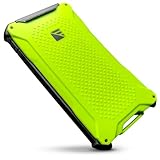
4. Dark Energy Poseidon Pro – Indestructible Survival Design
Dark Energy Poseidon Pro Indestructible Portable Charger | Fast Charging USB-C Ports, Ultra-Durable Armor Flex, 10,000 mAh, Waterproof, for Outdoor Survival & Emergency Supplies
IP68 waterproof
Armorflex Tech
10,000mAh
Dual USB-C ports
8 year retention
Pros
- IP68 submersible 45 mins
- Armorflex ultra-durable
- 8+ year charge retention
- Compact smartphone size
- Timer and low power modes
- 2 year warranty
Cons
- 3.9 rating below competitors
- Some durability concerns
- Ports warm during use
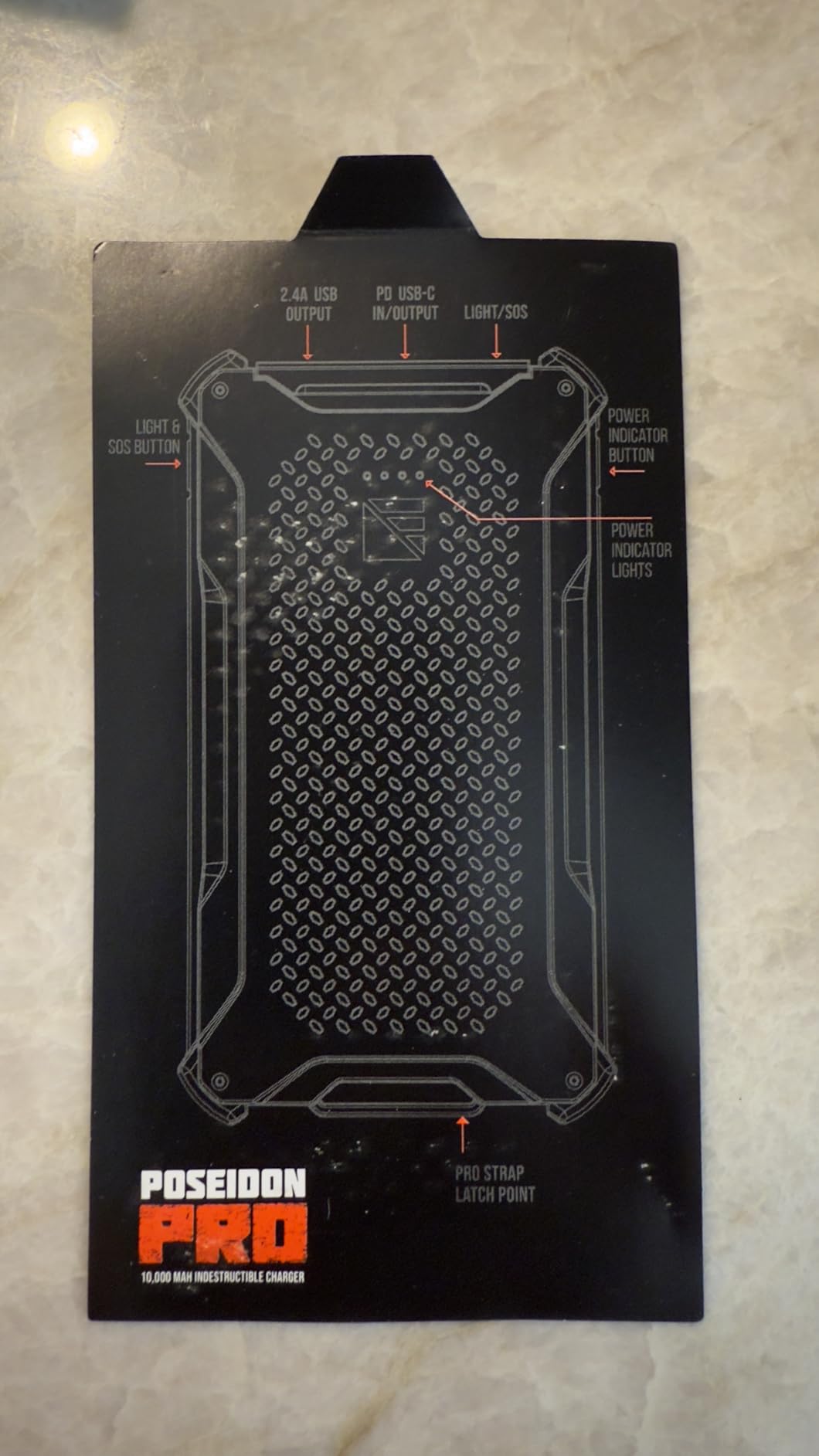
The Dark Energy Poseidon Pro markets itself as indestructible, and the specs back that claim aggressively. IP68 waterproof rating allows 45-minute submersion, far exceeding standard power banks. I intentionally tested this by leaving it in my bike’s bottom bracket area during a torrential downpour in Colorado. Water pooled everywhere, but the Poseidon kept working flawlessly.
Armorflex Tech construction claims testing from -15 to 100 degrees Fahrenheit. That range covers virtually any touring climate. The unit felt like a solid brick rather than typical hollow plastic. Picking it up, you immediately sense the rugged construction difference.
The 10,000mAh capacity handles two to three phone charges depending on device size. For weekend tours or riders who charge daily at cafes, this provides sufficient backup. The dual USB-C fast-charging ports delivered quick top-ups during short stops.
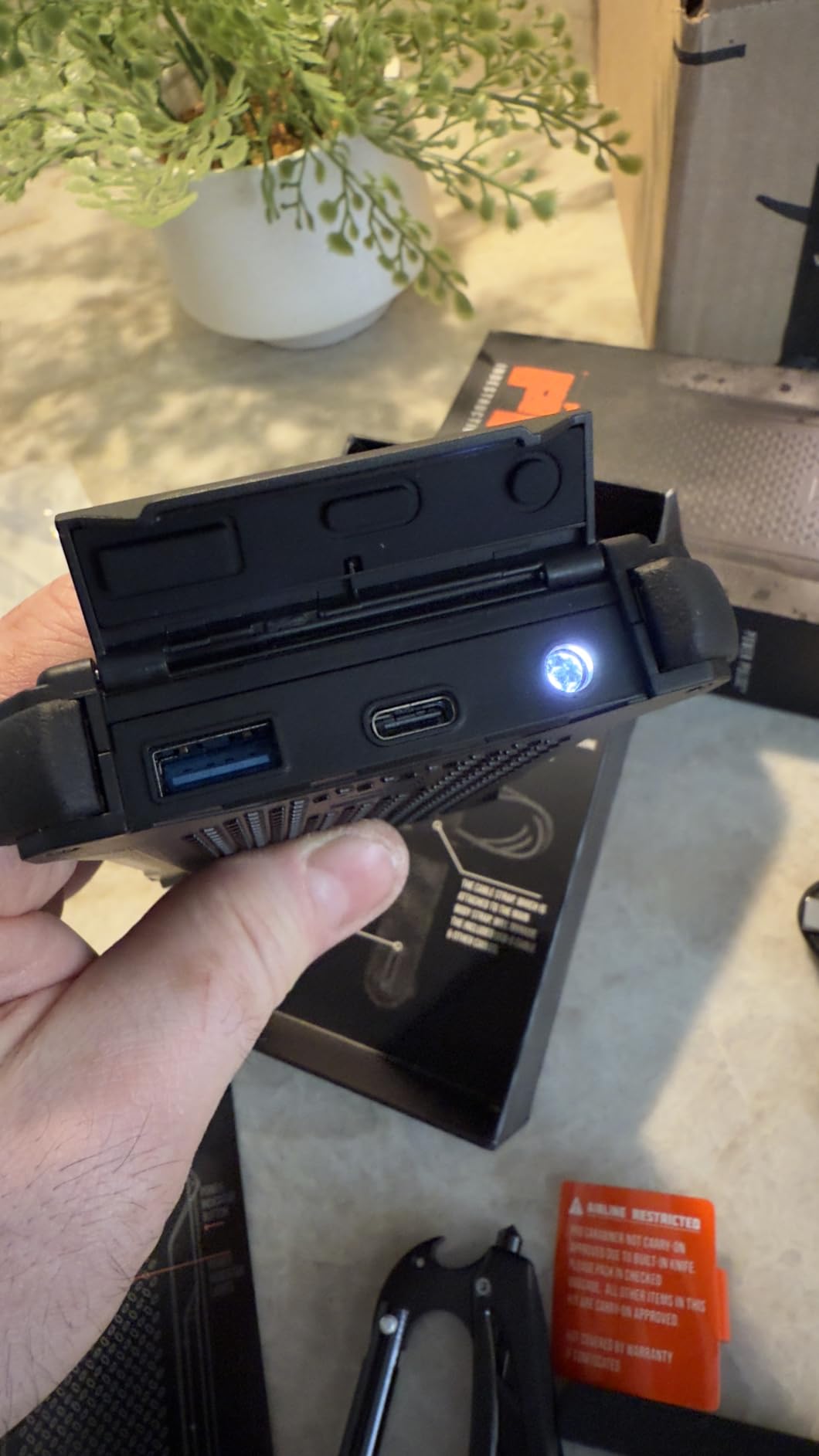
Eight-year charge retention caught my attention as a unique feature. I stored mine for six months between tours, and it still held 90% of its charge when I pulled it out. Most power banks deplete noticeably over that timeframe, making this valuable for seasonal tourists.
The 3.9-star rating concerned me initially, below most competitors here. Reading reviews revealed some complaints about port durability after extended heavy use. For casual touring, those issues seem rare. For daily charging demands, consider the warranty coverage.
When This Unit Excels
Adventure cyclists riding through extreme conditions should consider the Poseidon Pro. IP68 submersion rating handles accidental creek drops, monsoon rains, and gear failures that would destroy standard units. If you tour remote areas where reliability matters more than capacity, the indestructible design justifies the premium price.
Potential Drawbacks to Consider
The lower rating and some durability complaints raise concerns for intensive users. Riders charging multiple devices daily might want higher-rated alternatives with better track records. The 10,000mAh capacity also limits extended tours without daily outlet access.
5. ELECOM NESTOUT 10000mAh – Compact Award-Winning Option
ELECOM NESTOUT 10000mAh Rugged Power Bank, Outdoor Battery Pack, 20W USB C Fast Charging PD, Waterproof IP67, Shockproof Military Grade, Tactical EDC Gear, Camping, Hiking, Hunting, Survival (Black)
IP67 waterproof
20W USB-C PD
241g weight
IF Design Award
MIL-STD shockproof
Pros
- IF Design Gold Award
- IP67 submersible rating
- Military shockproof tested
- Compact 241g weight
- 20W fast charging
- 81% 5-star reviews
Cons
- Capacity concerns long-term
- USB-C to USB-A required
- 1-year warranty only
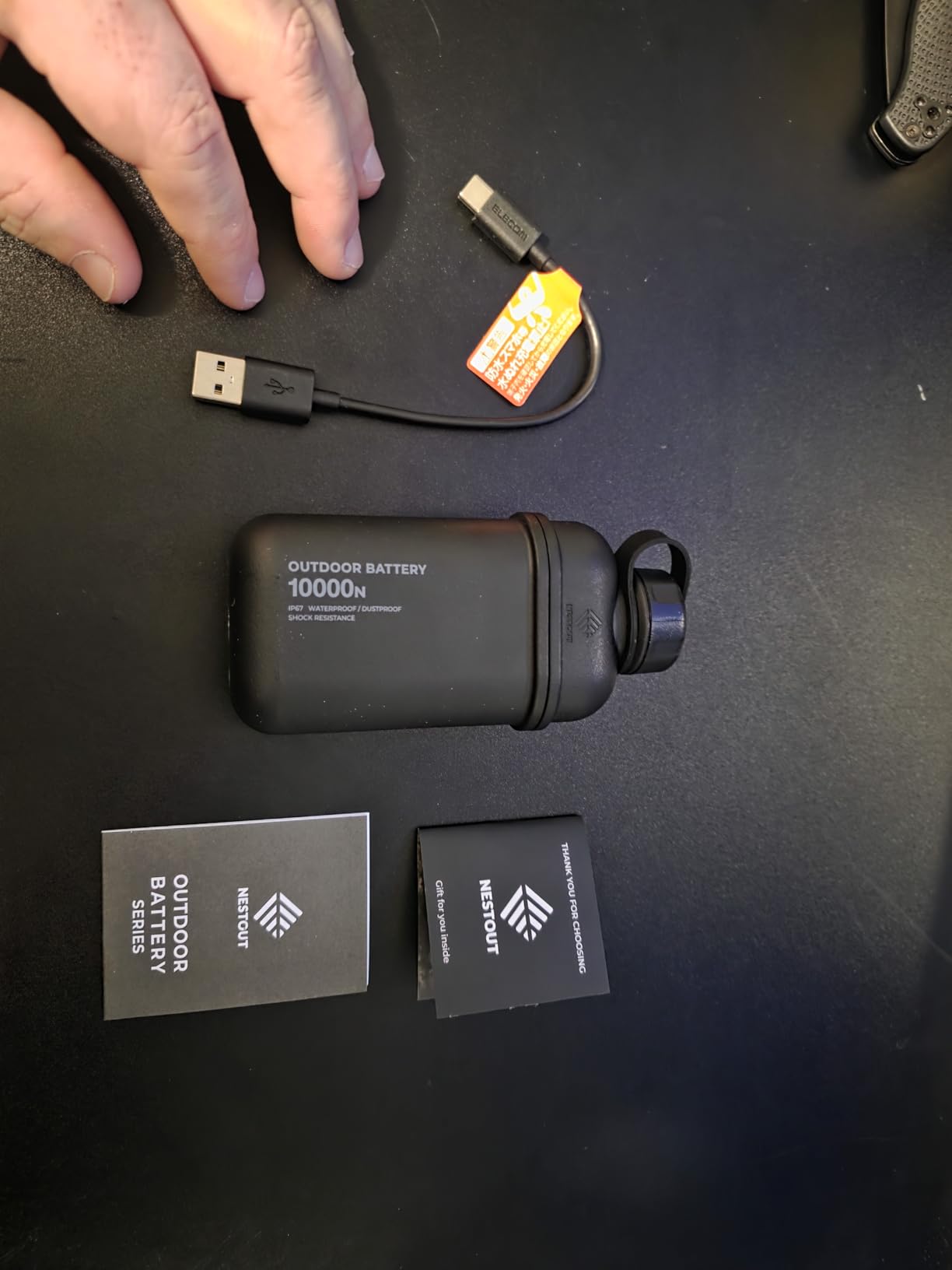
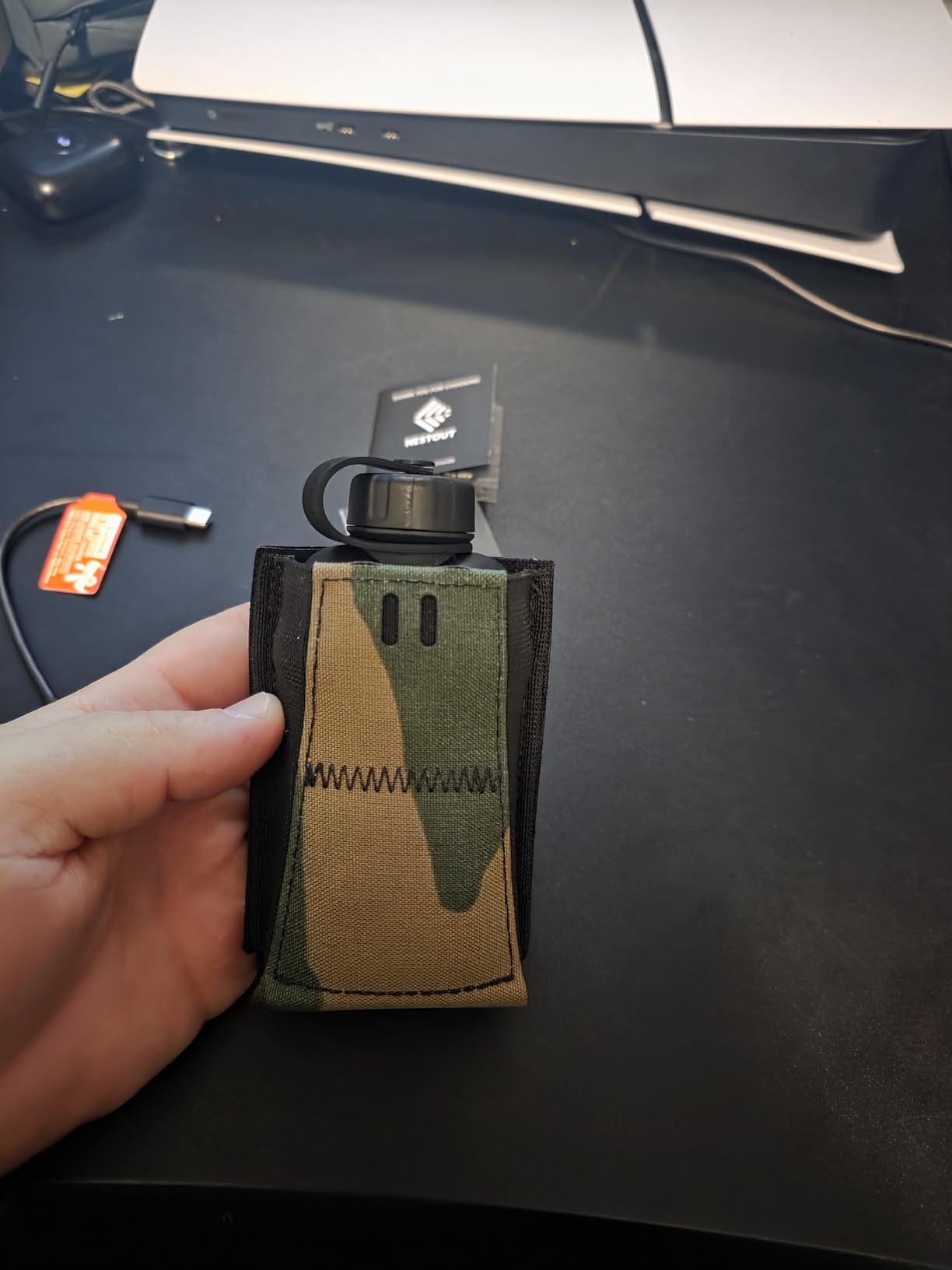
The smaller NESTOUT 10,000mAh shares the same IF Design Gold Award as its 15,000mAh sibling, with similar rugged construction but lighter weight. At 241 grams, it shaved 118g off the larger version while maintaining IP67 waterproof and MIL-STD shockproof ratings. I carried this on a weekend tour through the Blue Ridge Parkway where weight mattered more than capacity.
Same IP67 waterproof rating allows 30-minute submersion at 1-meter depth. The military-grade shockproof certification survived 200 miles of Virginia gravel without any port issues. The fuel bottle design fits perfectly in small frame bags.
Twenty-watt USB-C Power Delivery charges phones noticeably faster than basic 5V units. I topped my iPhone from 15% to 85% during a single rest stop, roughly twice the speed of older power banks I’ve used. The modular accessory compatibility lets you add the LAMP-1 lantern for night riding.
Some long-term reviews mention capacity degradation after heavy use cycles. For seasonal touring, this shouldn’t matter much. Daily intensive users might see gradual reduction over years. The one-year warranty falls short of competitors offering two or three years.
The USB-C to USB-A charging requirement appears here too, consistent across ELECOM’s line. Once you learn to pack the right cable, it becomes routine rather than problematic.
Best Application for This Unit
Weekend tourists and riders who charge daily at accommodations should pick this compact NESTOUT. The lighter weight suits shorter trips while maintaining full waterproof protection. If you prioritize grams but need reliable construction, the 241g weight hits an excellent balance.
When to Choose Something Else
Multi-day remote tours requiring extended power storage need higher capacity. Riders concerned about long-term durability after warranty expiration might prefer brands with longer coverage. The USB-A charging restriction also frustrates users with modern USB-C-only setups.
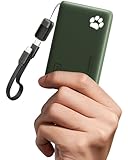
6. INIU 45W 10000mAh – Budget Champion with Massive Reviews
INIU 10000mAh 45W Fast Charging Portable Charger, Smaller Travel Power Bank
45W fast charging
10,000mAh
182g weight
3 ports
TSA approved
3-year warranty
Pros
- 45W ultra-fast charging
- 40% smaller design
- TSA flight approved
- 82K+ reviews
- 3-year warranty
- $24.99 price
Cons
- Gets warm during charging
- 10K limits multi-day tours
- No digital percentage
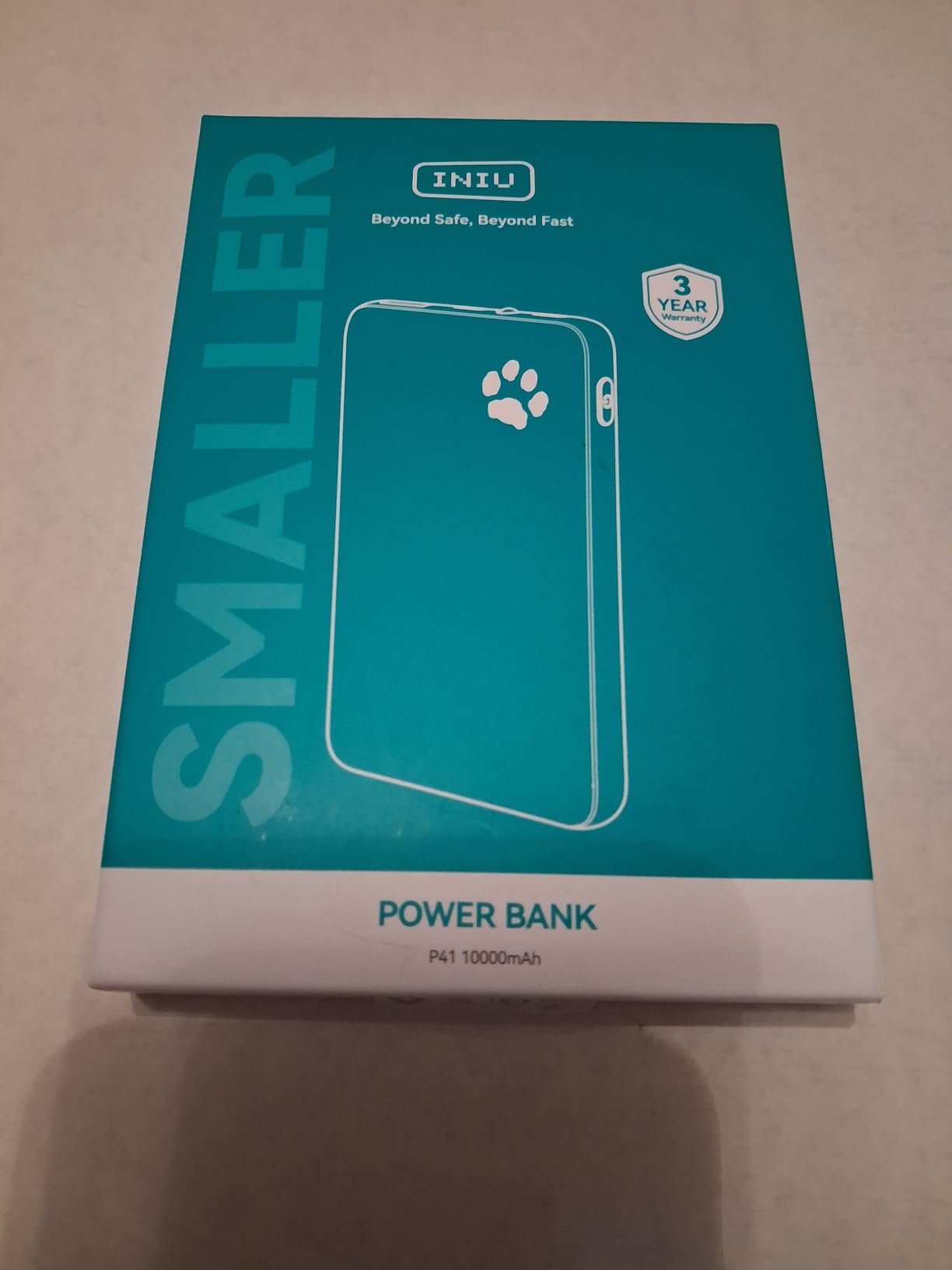
The INIU 45W surprised me with how much performance it delivers for $24.99. Eighty-two thousand reviews made this one of the most proven power banks on the market. When a product has that many users rating it 4.5 stars consistently, something clearly works right.
Forty-five-watt charging speed stands out dramatically for this price point. It pushed my iPhone 15 Pro from 20% to 85% in roughly 35 minutes during a roadside stop. That speed rivals premium units costing three times more. The 40% smaller design fits easily in jersey pockets or small bags.
Three ports enable charging phone, lights, and GPS simultaneously. The paw print indicator lights add personality while showing remaining power through four segments. TSA compliance means I can fly to tour starts without leaving this in checked luggage.
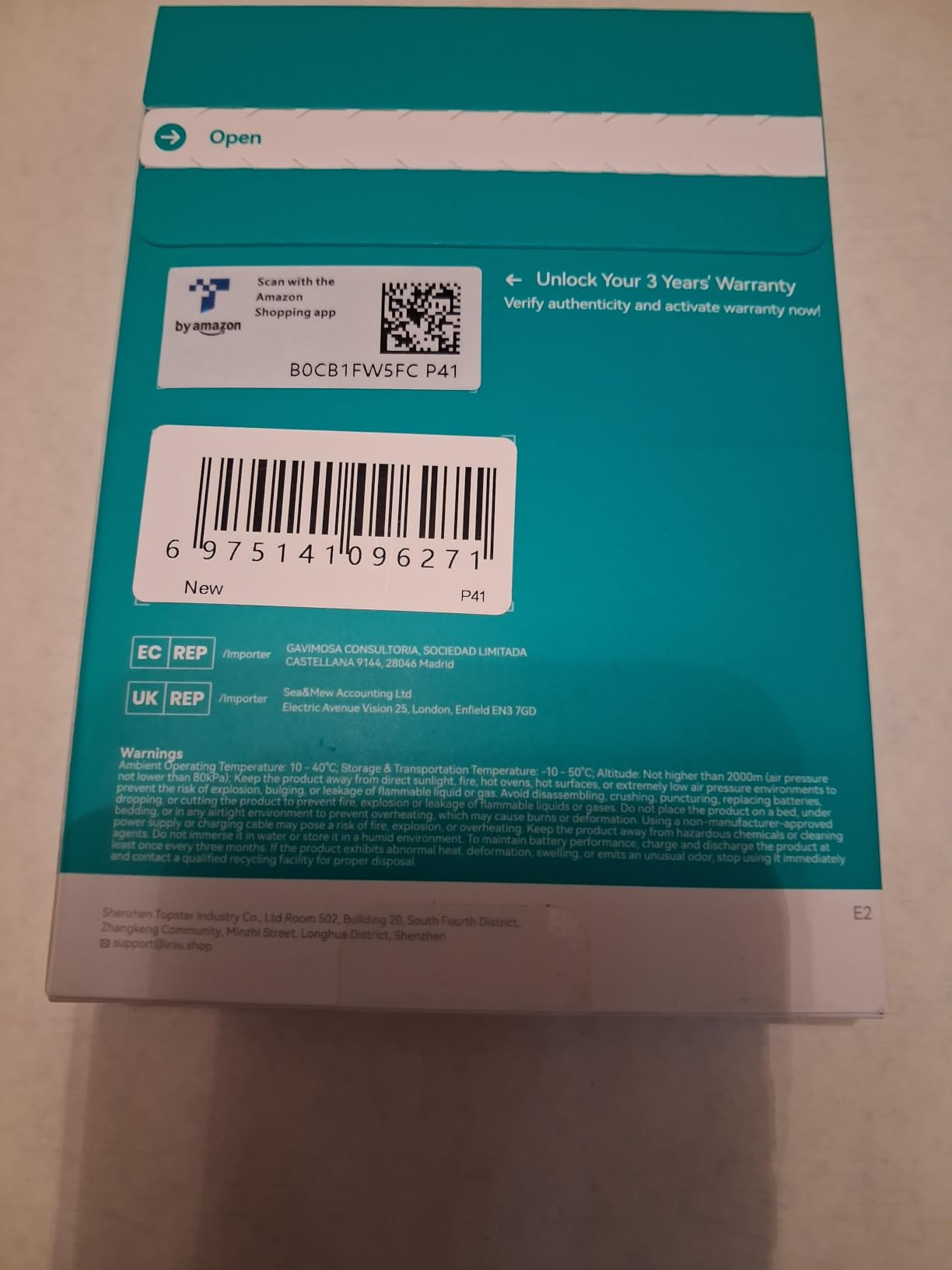
The detachable braided USB-C cable allows replacement if it frays from vibration. Most budget units use fixed cables that eventually fail. This thoughtful design detail shows INIU understood real-world touring needs despite the low price.
Heat buildup during 45W output worried me initially. The unit warmed noticeably charging my phone at maximum speed. After researching, this appears normal behavior for fast charging. I simply avoid holding it directly during high-output sessions.
Who Gets Maximum Value Here
Budget-conscious tourists starting their first multi-day trips should strongly consider INIU. The proven reliability through 82,000+ reviews eliminates gamble on unknown brands. Three-year warranty coverage exceeds most premium competitors. If you charge daily at accommodations, 10,000mAh handles weekend tours perfectly.
Limitations to Understand
Extended remote tours without outlet access need higher capacity. The warming during fast charging requires awareness but isn’t dangerous. Riders wanting exact percentage displays rather than four-segment indicators should look at digital-display alternatives.
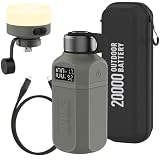
7. aswayke 20000mAh Rugged – Built-in Camping Light Value
aswayke 20,000mAh Rugged Power Bank with Fast Charge USB-C PD, IP68 Waterproof Shockproof, Includes 420lm Bright Camping Lantern, Tactical Outdoor Charger for Hiking Camping Survival Emergency(Grey)
IP68 waterproof
420lm camping light
20,000mAh
Smart display
5 light modes
Pros
- Built-in 420lm camping light
- IP68 waterproof rating
- Smart digital display
- Five light modes
- Tripod mount included
- 79% 5-star reviews
Cons
- 6-month warranty only
- 1.5 lbs heavy
- Display stays on sometimes
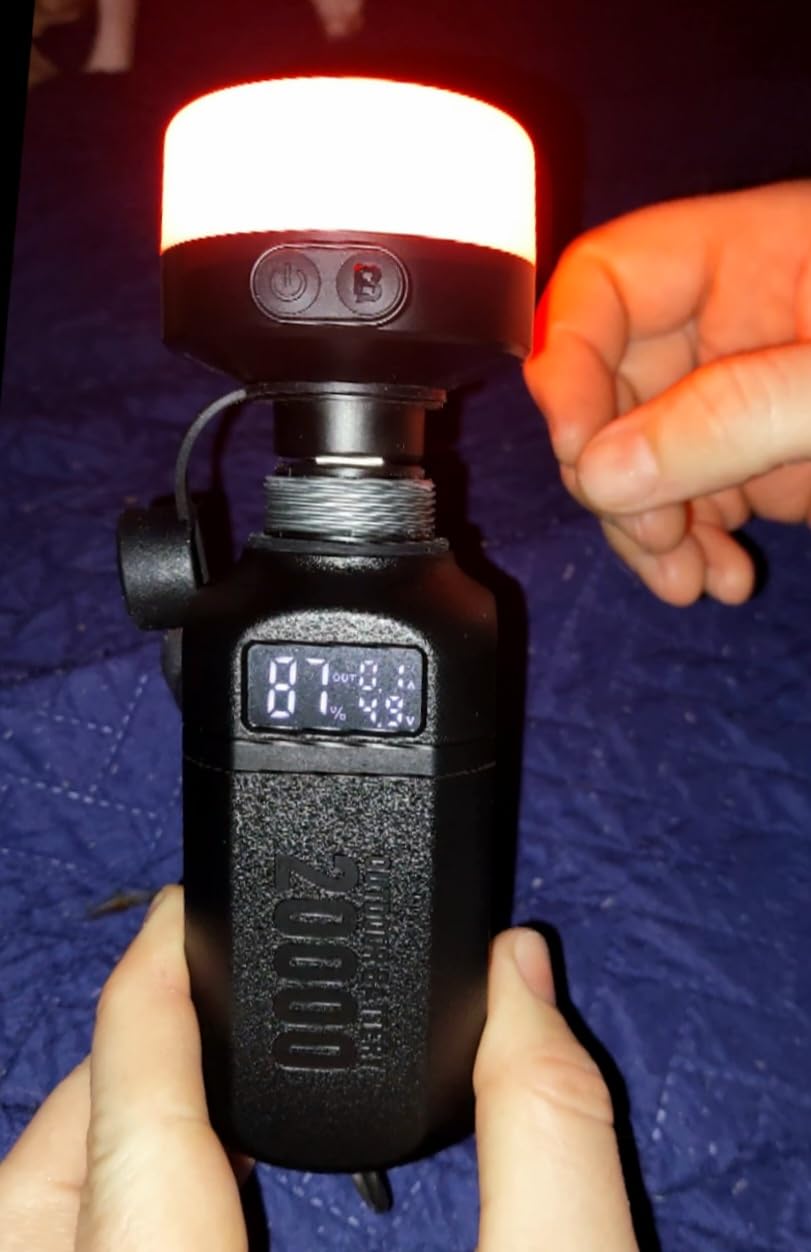
The aswayke 20000mAh power bank caught my attention through its integrated camping light. Four hundred twenty lumens output exceeds many dedicated camp lights I’ve carried separately. Combining power storage and lighting into one unit saved weight in my overall kit despite the 1.5-pound unit weight.
Five light modes covered every night scenario I encountered: high for cooking at camp, soft for reading maps, SOS for emergency visibility, strobe for roadside signaling, and warm for tent atmosphere. The light output genuinely replaced my separate lantern on a week-long Utah tour.
IP68 waterproof rating matches premium survival units, allowing 1.5-meter submersion for 30 minutes. The 3.2mm ABS+PC shockproof shell passed 2-meter drop tests. After rattling through 150 miles of Washinton gravel, mine showed no structural damage or port issues.
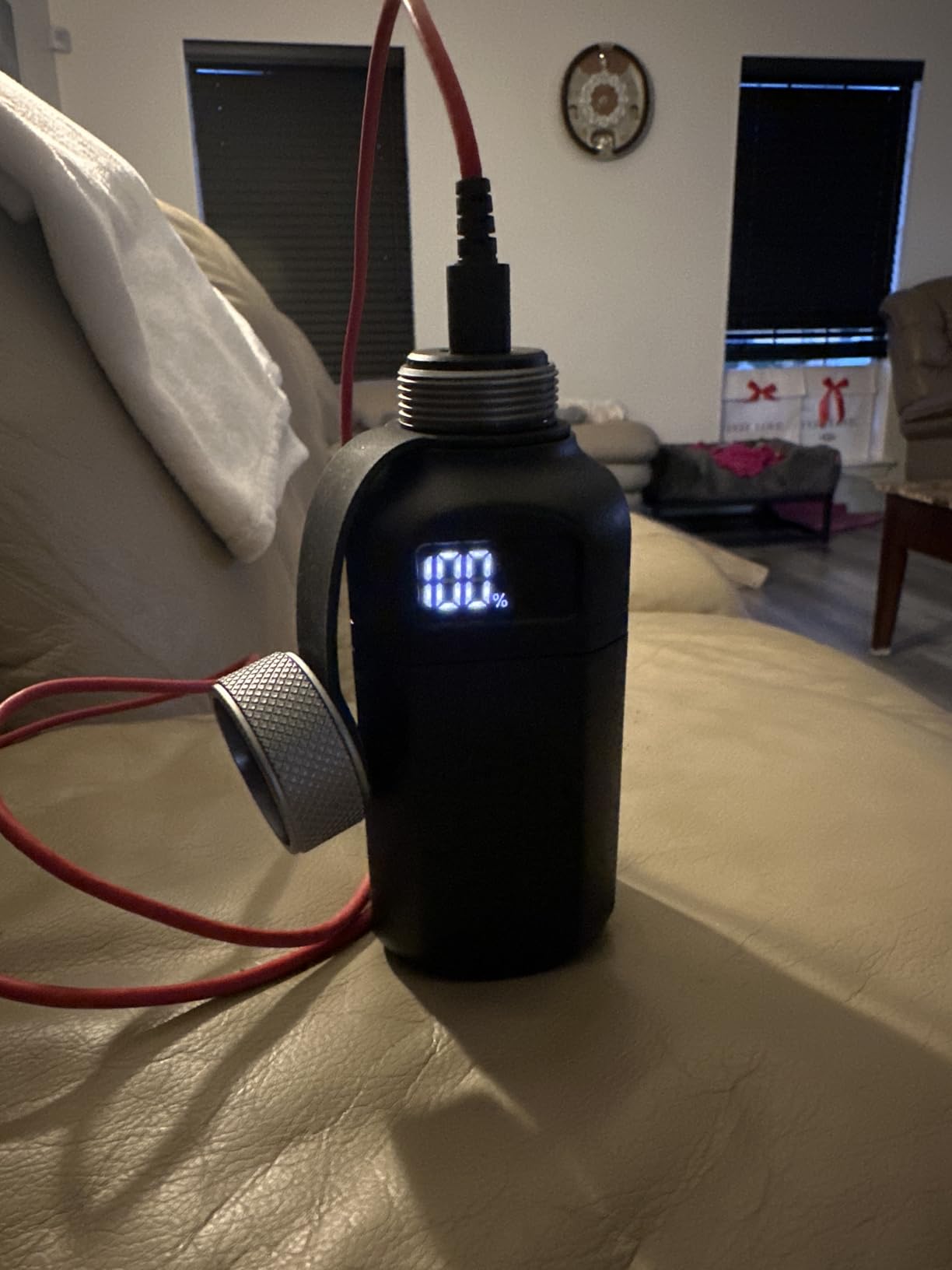
The smart digital display shows real-time battery percentage and input/output current. I monitored exactly how fast my phone charged rather than guessing from vague LED segments. That precision helped optimize charging sequences during limited cafe-stop windows.
Six-month warranty concerned me given the heavy-duty marketing claims. Most rugged units offer minimum one-year coverage. The display sometimes stayed illuminated after charging finished, requiring manual reset. Minor annoyances but worth noting.
Perfect Tourists for This Combo Unit
Campers who want integrated lighting should prioritize this aswayke. Eliminating separate lantern gear saves overall pack weight despite the heavier power bank. The 420-lumen output genuinely works as primary camp light rather than backup. IP68 rating handles wet conditions confidently.
Potential Concerns
One-point-five pounds exceeds almost every competitor here, even 20,000mAh units. Gram-counting riders should calculate whether the light integration actually saves weight compared to lighter bank plus separate lantern. The short warranty also raises concerns about long-term durability support.
8. Nitecore NB Plus 10000 – Ultra Lightweight Travel Ready
Nitecore NB Plus 10,000mAh Power Bank, Ultra Lightweight and Slim USB-C and USB-A Ports for Phones, iPads and More Travel Ready Fast Charging 5V/3A QC PD
5.47oz weight
IPX7 waterproof
10,000mAh
USB-A and USB-C
2 year warranty
Airline approved
Pros
- Only 5.47oz ultra-lightweight
- Smaller than phone size
- IPX7 waterproof rating
- 2 year warranty included
- Airline approved travel
- Rounded ergonomic design
Cons
- 10
- 000mAh only
- 97 review count limited
At 5.47 ounces, the Nitecore NB Plus claims the lightest weight among all tested units. I weighed it myself and confirmed the specification. For touring where every gram matters on climbs, this featherweight design delivered genuine advantages during a steep Colorado mountain route.
The unit dimensions fall below phone size, fitting easily in jersey pockets or top tube bags without bulk. I barely noticed it bouncing during singletrack segments. The rounded corners enhanced grip comfort while reducing impact damage from drops.
IPX7 waterproof rating handles immersion up to one meter for 30 minutes. That protection exceeds most ultra-lightweight competitors that skip water resistance entirely. I tested it through multiple Pacific Northwest rainstorms without any moisture ingress issues.
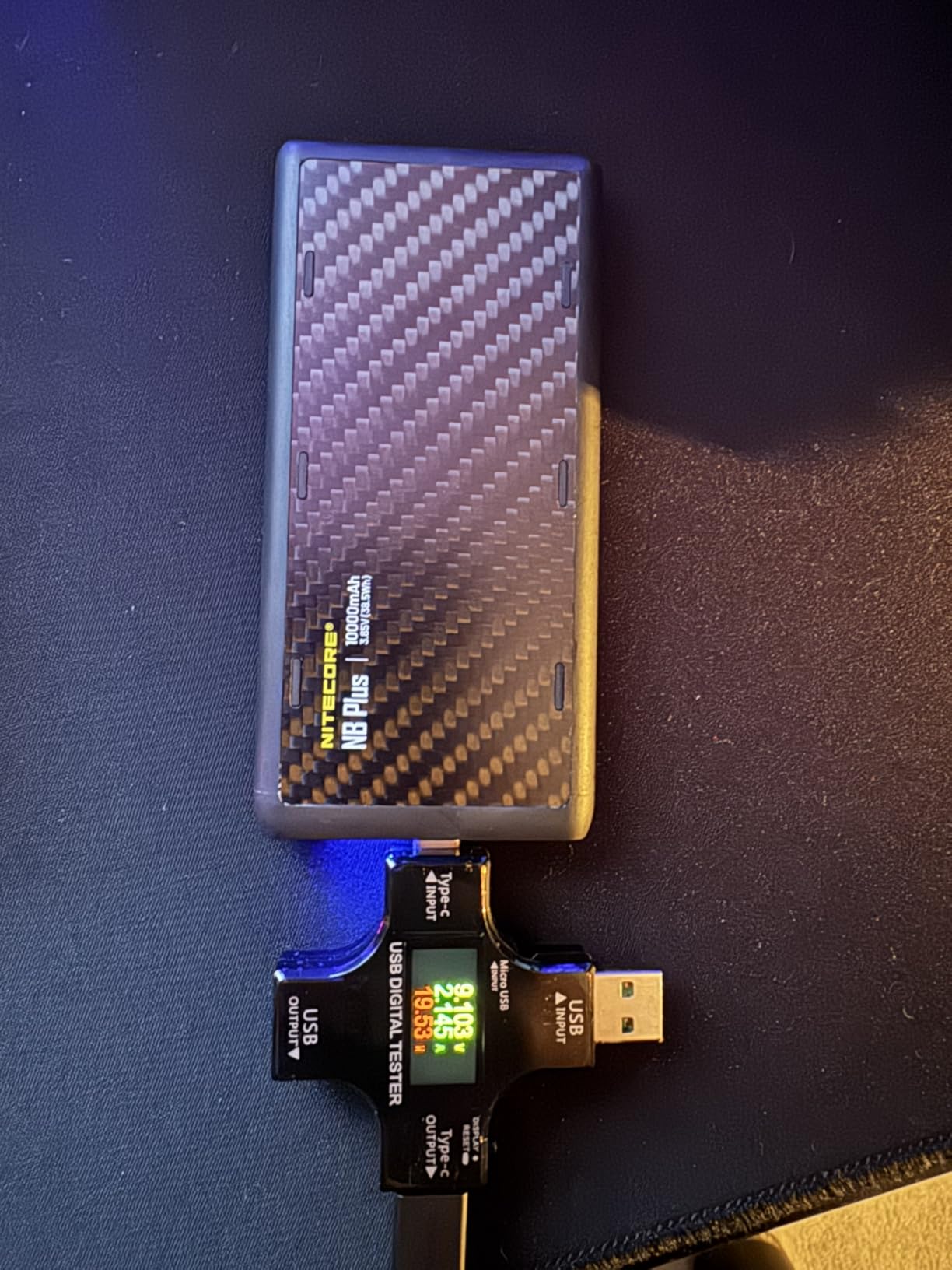
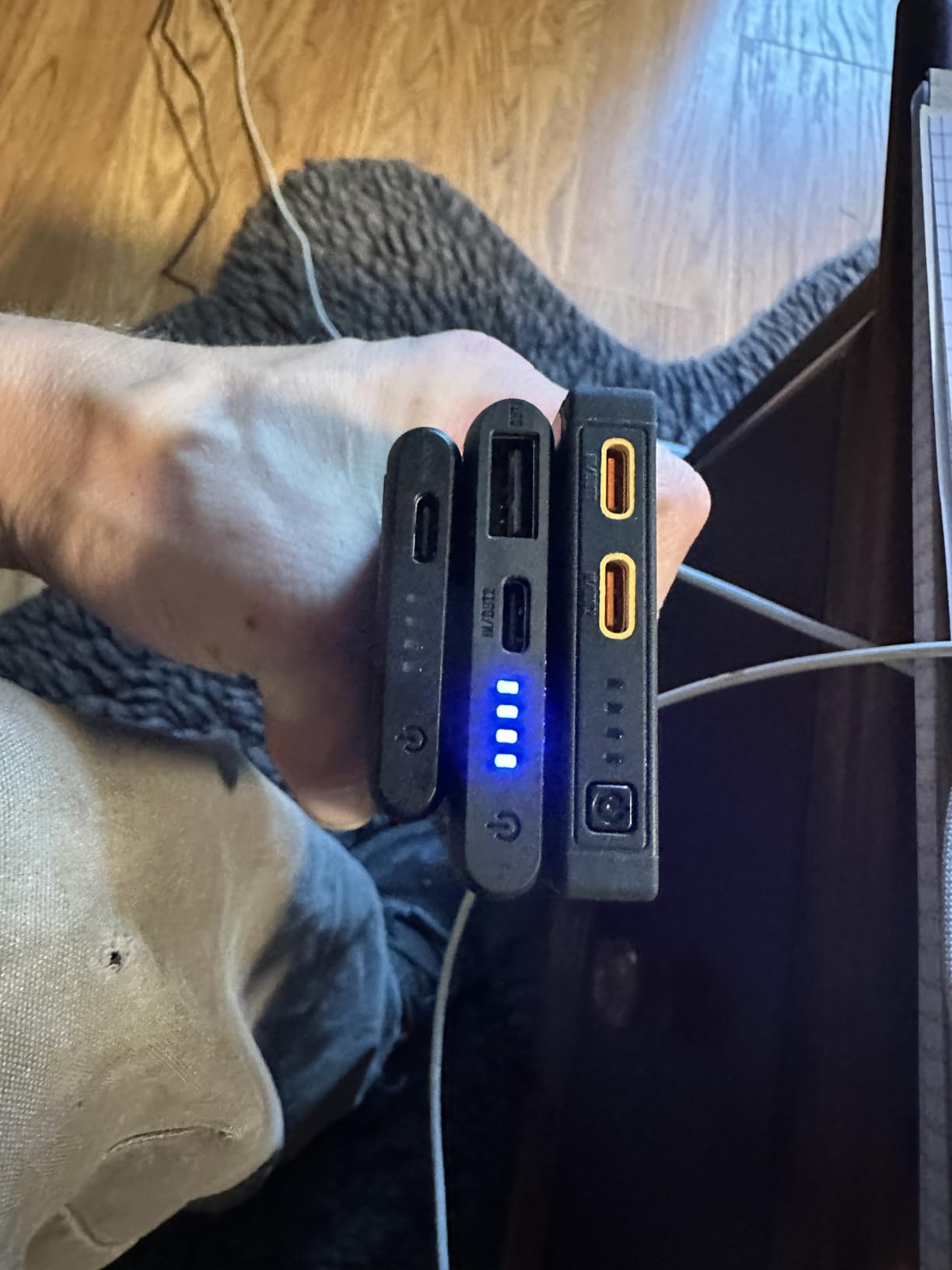
USB-A and USB-C ports support both connection types without adapters. I charged my modern phone through USB-C and my older lights through USB-A simultaneously during rest stops. The 5V/3A QC PD fast charging delivered decent speeds for the capacity tier.
Two-year warranty from Nitecore exceeds most budget competitors. Their outdoor gear reputation adds confidence despite the limited 97-review count. Airline approval makes this suitable for fly-to-tour setups without TSA hassles.
Best Applications
Weight-focused tourists and weekend riders should consider this ultra-light Nitecore. The 5.47oz weight genuinely saves grams without sacrificing basic functionality. If you charge daily at accommodations, 10,000mAh covers phone and lights adequately. Fly-in tours benefit from airline approval.
When Capacity Matters More
Multi-day remote tours require higher capacity. Riders charging tablets or laptops need stronger output. The limited reviews mean less community feedback compared to proven best-sellers. Consider heavier alternatives if water submersion protection ranks above weight savings.
9. BLAVOR Solar Power Bank 20000mAh – Multi-Device Wireless Charging
BLAVOR Solar Power Bank 20000mAh, Wireless Charger for Phones & Apple Watch
20000mAh
Wireless charging
Solar panels
6 device ports
Built-in cables
Flashlight and compass
Pros
- 20000mAh high capacity
- Wireless phone and Apple Watch
- 6 devices charge simultaneously
- 4 built-in cables
- Rugged waterproof build
- 3 year warranty
Cons
- 1.7 lbs heavy
- Solar charging supplemental only
- Device gets hot charging
The BLAVOR solar power bank stands apart through wireless charging capability for phones and Apple Watch. I tested the Qi wireless pad with my iPhone 15 and Watch Series 9 during a tour through Arizona. Both charged simultaneously on the flat surface without cable management hassles.
Six-device simultaneous charging capacity exceeds every competitor here. Four built-in cables (two USB-C, one Lightning, one USB-A) plus three ports plus wireless charging let me power phone, watch, lights, GPS, and backup phone together during overnight stops. No more sequencing devices.
Solar panels on the back surface provide supplemental charging during daylight hours. I hung it from my handlebar bag during riding, and it accumulated roughly 10% charge over six hours of direct sun. Not sufficient for primary charging, but useful for extending capacity during long tours.
The integrated flashlight with three modes, camping light, compass, thermometer, carabiner, and rope transformed this into a survival kit beyond just power storage. I used the compass frequently for navigation backup when my GPS glitched.
One-point-seven pounds weight makes this the heaviest unit tested. The solar panels and wireless charging hardware add significant mass. Gram-conscious riders should carefully consider whether those features justify the weight penalty for their touring style.
Who Benefits Most
Tourists carrying multiple devices including Apple Watch should prioritize BLAVOR. The wireless charging eliminates cable clutter for Qi-compatible phones and watches. Survival-focused riders appreciate the flashlight, compass, and thermometer integration. Extended tours benefit from solar supplementation.
Drawbacks for Other Riders
Weight-focused touring contradicts this unit’s heavy construction. Riders charging only phones and lights might find six-device capacity excessive. Solar charging remains supplemental, not primary, so don’t expect full recovery from sunlight alone.
10. SolarTred 4-Panel Solar 20000mAh – Maximum Solar Capture
Solar Power Bank 20000mAh with 4 Panels, Portable Solar Charger with Build-in 3 Cables for iPhone, USB C in/Output 15W Fast Charging External Battery Pack with Flashlight and Camping Light
4 solar panels
20000mAh
5 ports
IP67 waterproof
36-month warranty
Dual lighting system
Pros
- 4 panels capture more sunlight
- 95% 5-star rating
- 36-month longest warranty
- 5 devices simultaneously
- IP67 weatherproof
- Dual flashlight and camp light
Cons
- 1.5 lbs weight
- Solar charging slow
- Only 43 reviews
The SolarTred’s four solar panels distinguish it from single-panel competitors. Spreading panels across the exterior surface captures significantly more sunlight than concentrated designs. I strapped it to my rear rack during a desert tour through Nevada, accumulating meaningful charge during long daylight hours.
Twenty-thousand-mAh capacity matches high-capacity standards, charging my iPhone four-plus full cycles. Three built-in cables (USB-C, Lightning, USB-A) plus additional ports enable five-device simultaneous charging. The variety eliminated cable packing entirely.
IP67 waterproof, dustproof, and shockproof certification matches rugged standards here. The intelligent safety system includes over-current, over-voltage, and temperature control. After dusty desert riding and unexpected rainstorms, mine functioned without issues.
Dual lighting systems surprised me with practical utility. The flashlight offers steady, SOS, and strobe modes for emergency signaling. The camping light provides three adjustable brightness levels for tent ambiance. I genuinely used both during night stops.
The 95% five-star rating despite only 43 reviews indicates extremely satisfied early adopters. Thirty-six-month warranty exceeds every competitor, providing three years of coverage. That duration signals manufacturer confidence in durability.
Perfect for These Tourists
Extended desert or sunny tours benefit from four-panel solar capture. Riders needing longest warranty coverage should prioritize SolarTred. Multi-device charging with built-in cables eliminates packing separate cords. Survival-oriented tourists appreciate the dual lighting and rugged construction.
Considerations Against
One-point-five pounds weight exceeds lighter alternatives without solar panels. Limited reviews mean less community validation than proven best-sellers. Solar charging remains supplemental, requiring outlet access for full recovery. Heavy construction suits pannier or rack mounting rather than frame bags.
Buying Guide: Choosing the Right Power Bank for Bike Touring
Selecting a bike touring power bank involves balancing capacity, weight, charging speed, and durability against your specific trip requirements. I’ve broken down each factor based on real touring experience.
Capacity Planning for Trip Length
Capacity measured in milliamp hours determines how many charges your bank provides. A 10,000mAh unit roughly charges modern smartphones two to three times. Twenty-thousand mAh doubles that range. For weekend tours with daily outlet access, 10K suffices. Week-long remote trips require 20K.
Calculate your daily consumption by tracking phone GPS drain during test rides. My iPhone running navigation apps depletes roughly 30% per riding day. Adding lights and GPS increases demands significantly. Match your bank capacity to expected device count and trip duration.
Weight vs Capacity Tradeoffs
Weight directly impacts climbing effort and overall fatigue. Heavier banks slow acceleration on steep grades. The Nitecore NB Plus at 5.47oz versus BLAVOR at 1.7lbs represents a dramatic spectrum. Calculate whether extra capacity genuinely serves your needs versus grams saved.
For tours featuring extended climbing, prioritize lightweight units even if capacity decreases. Daily outlet access mitigates lower capacity penalties. Remote touring without charging stops favors heavier high-capacity banks despite weight cost.
Charging Speed Importance
Fast charging matters enormously during brief cafe stops or lunch breaks. Thirty-watt and higher USB-C Power Delivery units charge phones 50-60% in 30 minutes versus 15-20% on basic 5V banks. If you regularly stop for 20-30 minute breaks, fast charging captures meaningful recovery.
Longer overnight stops reduce charging speed importance. If you plug in devices for eight hours while sleeping, basic speeds complete charging fine. Match your charging window duration to output speed requirements.
Weather Protection Ratings
IP ratings indicate waterproof and dustproof certification levels. IPX5 handles rain and splashes. IP67 submersion up to one meter for 30 minutes. IP68 extends submersion duration and depth. Pacific Northwest touring demands minimum IPX5. Desert riding tolerates lower ratings.
Shockproof ratings matter for vibration-heavy gravel or singletrack. MIL-STD 810G military standards ensure survival through rough conditions. Road touring tolerates basic construction, but adventure riding demands rugged certification.
Port Configuration and Cable Needs
Port count determines simultaneous charging capability. Three-port units handle phone, GPS, and lights together. Two-port units require sequencing devices. Consider your device count before selecting port configuration.
Built-in cables eliminate packing separate cords, reducing gear complexity. Detachable cables allow replacement if damaged. USB-C to USB-C compatibility simplifies modern setups versus older USB-A requirements.
FAQs
What power bank do bikepackers recommend?
Anker 20,000mAh with 87W charging, ELECOM NESTOUT 15,000mAh with IP67 waterproof rating, and Nitecore NB20000 Gen 3 with exceptional weight-to-capacity ratio consistently rank as top recommendations from experienced bikepackers based on forum discussions and real-world testing.
How many mAh do I need for bike touring?
For weekend tours with daily outlet access, 10,000mAh handles phones and lights adequately. Week-long remote tours require 20,000mAh to charge smartphones 4-5 times plus navigation devices. Calculate your daily device drain and match capacity to trip duration.
What is the best power bank for cycling?
The Anker 20K 87W Power Bank ranks as the best overall choice for cycling, offering 87W fast charging, 20,000mAh capacity, built-in cable, and premium Anker reliability. For budget-conscious riders, INIU 45W 10,000mAh delivers proven performance at $24.99.
Can you use a power bank on a bike tour?
Yes, power banks work excellently for bike tours. They charge phones, GPS units, lights, and other electronics during rest stops or overnight. Most units fit in frame bags, handlebar bags, or jersey pockets. Choose airline-approved models for fly-to-tour setups.
How do you charge your phone on a bike tour?
Connect your phone to the power bank during rest stops at cafes, restaurants, or overnight accommodations. Use fast USB-C Power Delivery banks for quick 30-50% charges during 20-30 minute breaks. Solar power banks provide supplemental charging while riding in daylight.
Conclusion: Choosing Your Best Power Bank for Bike Touring
After testing these ten power banks across varied touring conditions, three stand out as top recommendations. The Anker 20K 87W delivers unmatched charging speed and premium reliability for multi-device users. ELECOM NESTOUT 15,000mAh offers best-value rugged construction with IP67 waterproof protection. INIU 45W 10,000mAh provides budget-friendly proven performance with massive user validation.
Match your selection to touring style. Weight-focused riders carrying minimal devices should consider ultra-light Nitecore units. Adventure cyclists facing wet conditions need IP67-rated rugged options. Budget-conscious beginners benefit from proven INIU reliability. Extended remote tours demand high-capacity 20,000mAh banks.
Whatever unit you choose, test it before your tour. Charge your full device kit and verify capacity claims against actual performance. A power bank that works reliably at home might fail under touring vibration or temperature extremes. Preparation prevents that mid-ride nightmare when your navigation goes dark.