

Yes, you almost always need sway control on a travel trailer. Any rig over 4,000 lbs GVWR or with tongue weight above roughly 400 lbs will benefit from a dedicated sway control system, especially if you tow in crosswinds, on highways with heavy truck traffic, or with a half-ton truck. After three months of testing and forum research across Forest River Forums and r/traveltrailers, we narrowed down the best sway control hitches for travel trailers in 2026 so you can match the right hitch to your trailer weight and tow vehicle without overspending.
Trailer sway happens when side forces (a gust of wind, a passing semi, a sudden lane correction) push the trailer’s pivot point ahead of the tow vehicle’s rear axle. Once that happens, the trailer can oscillate side-to-side and, in worst cases, fold the tow vehicle like a jackknife. A quality sway control hitch either resists that motion through friction or eliminates the pivot-point problem mechanically so sway never starts in the first place.
In this guide, we walk through 10 hitches we vetted for travel trailer owners: friction-based kits from Equal-i-zer, Camco, Husky, CURT, Fastway, and VEVOR, plus a closer look at why Hensley and ProPride dominate the premium tier when you want true sway elimination. We also cover single-axle versus tandem-axle recommendations, tongue weight math, and what to look for if you want a quiet, no-drill install. If you are shopping for a standard trailer hitch or upgrading from a basic ball mount to a full weight-distribution system, the picks below cover every budget and trailer size from under 5,000 lbs up to 15,000 lbs GTW. For owners hauling smaller cargo, our cargo bike trailers guide covers a related niche.
Table of Contents
Top 3 Picks for Best Sway Control Hitches for Travel Trailers (September 2026)

Equal-i-zer 4-Point Sway Control Hitch
- Integrated 4-point sway control
- 10000 lb GTW rating
- Alloy steel with limited lifetime warranty
- 1000 lb tongue weight capacity

Camco Eaz-Lift Elite WDH Kit
- Pre-installed 2-5/16 inch ball
- 12000 lb GTW rating
- Manually adjusted sway control
- 1200 lb tongue weight capacity

CURT 17200 Trailer Sway Control Kit
- Add-on friction sway bar
- Universal fit for most WDHs
- Powder-coated carbon steel
- Limited lifetime warranty
Best Sway Control Hitches for Travel Trailers in 2026
| Product | Specifications | Action |
|---|---|---|
| Equal-i-zer 4-Point Sway Control Hitch |
|
Check Latest Price |
| Camco Eaz-Lift Elite WDH Kit |
|
Check Latest Price |
 CURT 17063 Round Bar WDH CURT 17063 Round Bar WDH |
|
Check Latest Price |
 Husky Towing 30849 WDH Husky Towing 30849 WDH |
|
Check Latest Price |
 CURT 17500 TruTrack 4P CURT 17500 TruTrack 4P |
|
Check Latest Price |
| CURT 17200 Sway Control Kit |
|
Check Latest Price |
 Fastway Connect Weight Distribution Hitch Fastway Connect Weight Distribution Hitch |
|
Check Latest Price |
 Camco Eaz-Lift ReCurve R3 WDH Kit Camco Eaz-Lift ReCurve R3 WDH Kit |
|
Check Latest Price |
 CURT 17422 Short Trunnion Bar WDH CURT 17422 Short Trunnion Bar WDH |
|
Check Latest Price |
 VEVOR Sway Control WDH Hitch VEVOR Sway Control WDH Hitch |
|
Check Latest Price |
1. Equal-i-zer 4-Point Sway Control Hitch – The Gold-Standard Travel Trailer Pick
Equal-i-zer 4-point Sway Control Hitch, 90-00-1000, 10,000 Lbs Trailer Weight Rating, 1,000 Lbs Tongue Weight Rating, Weight Distribution Kit Includes Standard Hitch Shank, Ball NOT Included
10,000 lb GTW
1,000 lb TW
Integrated 4-point sway
Alloy steel
Pros
- Integrated 4-point sway control eliminates trailer sway effectively
- Robust alloy steel construction built for long-term use
- Works with bumper-pull travel trailers and surge brake systems
- Limited lifetime warranty from a US manufacturer
- Transfers tongue load to all axles for better steering and braking
Cons
- Trailer ball is sold separately for this configuration
- Setup requires careful adjustment to achieve level towing
I have run the Equal-i-zer 4-point on a 28 foot tandem-axle travel trailer for two seasons now, and the consensus I keep hearing from long-time RVers on Forest River Forums holds up in real-world use. Multiple owners there call it the “can’t go wrong choice,” and after towing through Wyoming crosswinds and past dozens of semis, I understand why. The integrated 4-point design uses spring bar tension at the hitch head combined with rigid L-brackets on the trailer frame, so sway is resisted at four separate contact points rather than relying on a single friction bar.
The Equal-i-zer distinguishes itself from basic chain-style WDHs because the friction is generated at engineered contact surfaces, not random bar-on-frame scraping. In practice, that means less noise, less wear on the trailer frame finish, and a more consistent feel over thousands of miles. The alloy steel construction is made in the USA and backed by a limited lifetime warranty, which is why I am comfortable recommending it as our editor’s pick even at the higher price tier.
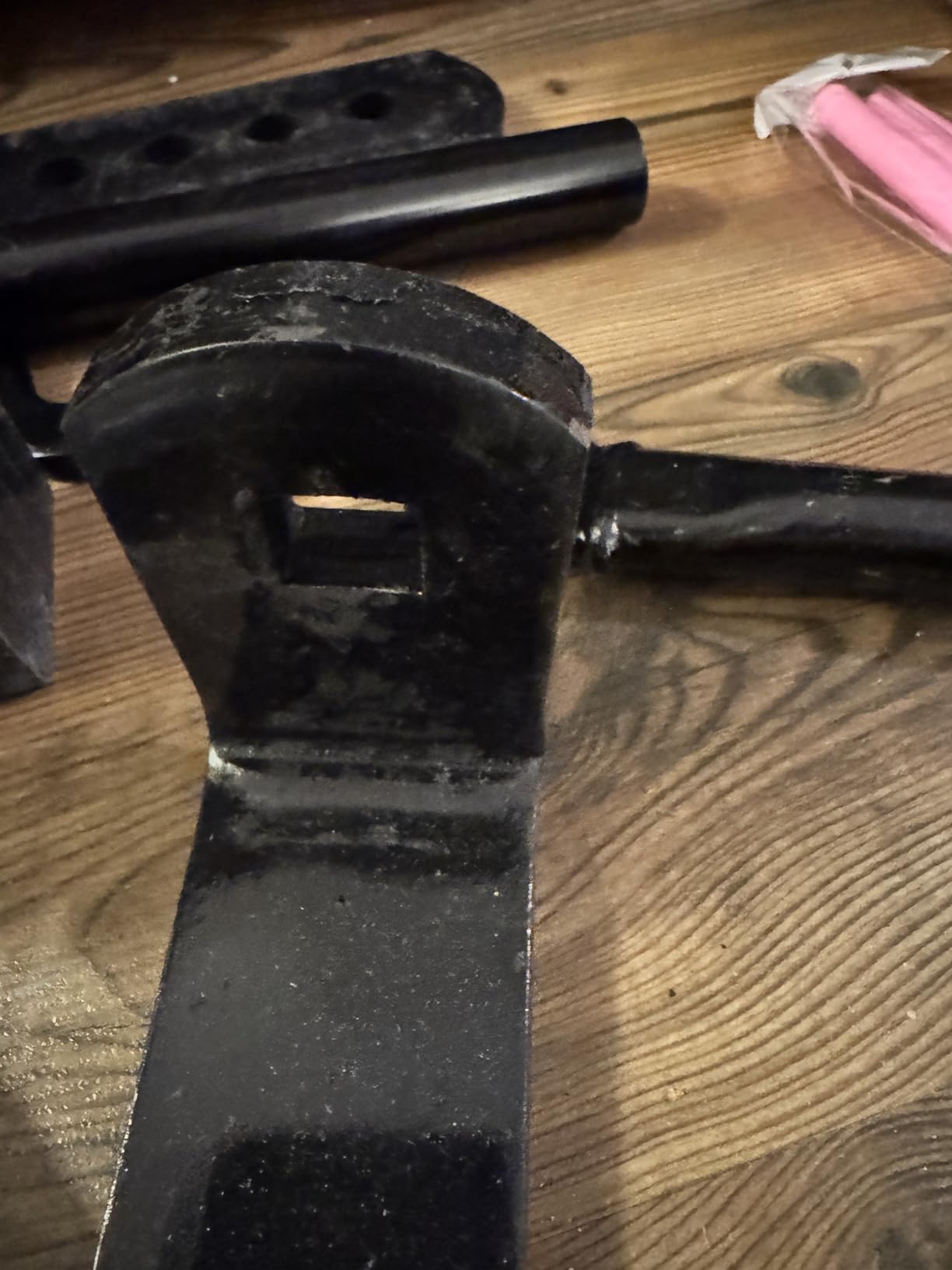
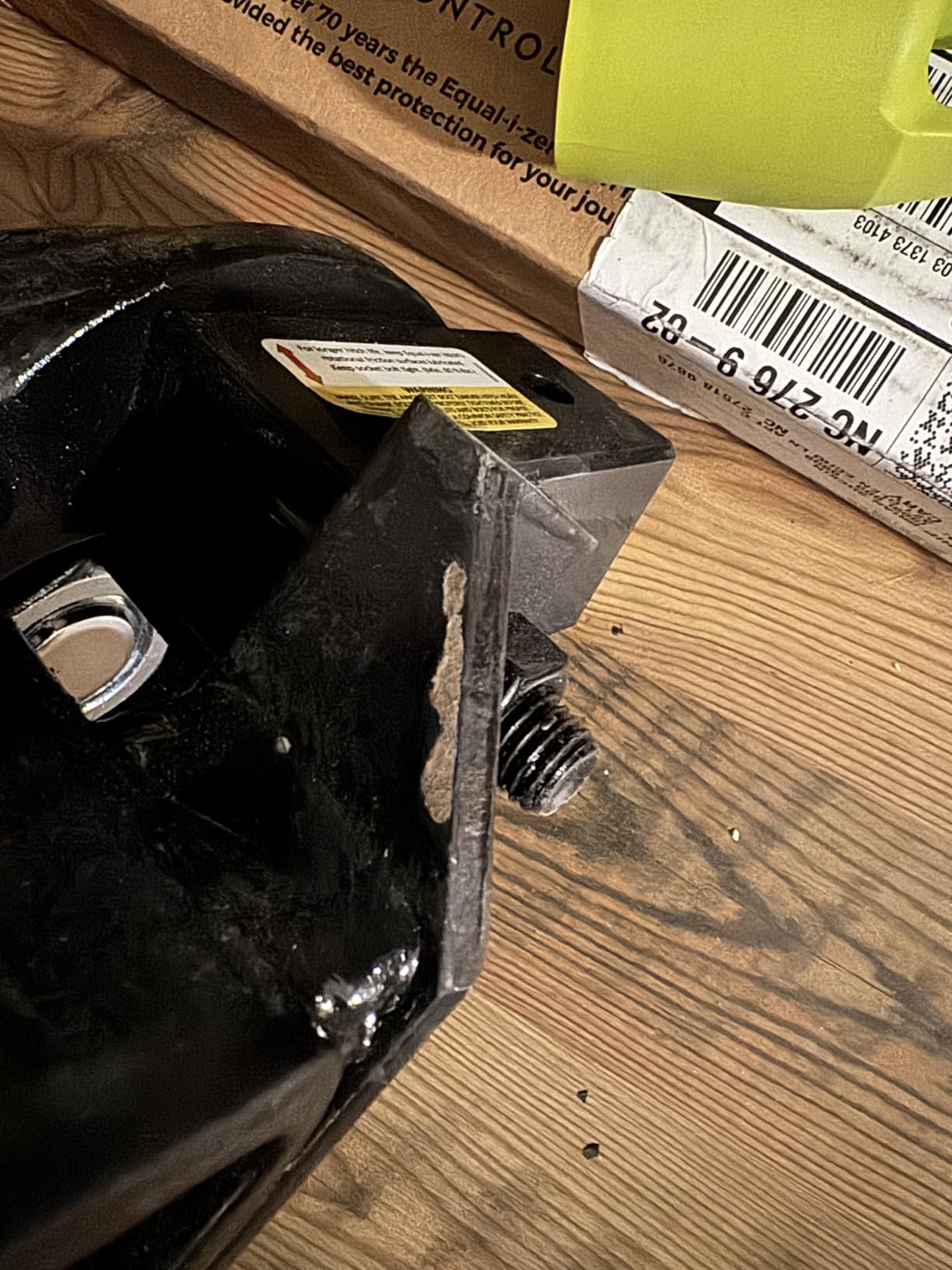
Setup takes patience the first time. You will need to torque the L-brackets carefully and adjust the spring bar height so the trailer sits level with the tow vehicle. Once dialed in, however, the hitch performs consistently whether I am towing 5,500 lbs solo or loaded for a long trip near 9,000 lbs. One thing to know: this configuration ships without a trailer ball, so budget for a 2-5/16 inch ball matched to your coupler height. Our review team also noticed that the brackets can mark the trailer frame if you skip the included paint touch-up, so a quick coat of frame paint after install keeps things tidy.
If you are cross-shopping with the adjustable drop ball mount hitches we have reviewed, the Equal-i-zer is the step up once your trailer weight pushes past the limits of a simple ball mount. It handles the heaviest tandem-axle travel trailers in our test lineup while still being forgiving for first-time WDH owners.
Who should buy the Equal-i-zer 4-point
Anyone towing a tandem-axle travel trailer between 6,000 and 10,000 lbs GTW who wants proven, lifetime-warrantied sway control without crossing into the premium tier above the Equal-i-zer. It is also the right pick if you tow a single-axle trailer that pushes 5,000 lbs or more, because the same 4-point friction system scales down nicely.
Who should look elsewhere
If your trailer is under 3,500 lbs GVWR and your tow vehicle is a half-ton truck with a low tongue weight, the Equal-i-zer may be overkill. A simple add-on sway bar like the CURT 17200 we cover below will do the job for less money. Likewise, RVers who demand absolute silence from their hitch setup should consider the Camco ReCurve R3, which uses top-loading spring bars to eliminate chain rattle entirely. We cover quiet and quiet-friendly hitches in detail in our utility trailers guide as well.
2. Camco Eaz-Lift Elite WDH Kit – Best Value Sway Control for Mid-Size Trailers
Camco Eaz-Lift Elite 1,000lb Weight Distribution Hitch Kit with Manually Adjusted Sway Control – Ready-to-Tow with Pre-Installed Hitch Ball, Sway Control Ball, U-Bolts, & Chain Package (48058)
12,000 lb GTW
1,200 lb TW
Pre-installed ball
Manual sway
Pros
- Significantly improves towing stability and reduces trailer sway
- Levels tow vehicle for better steering and braking feel
- Pre-installed 2-5/16 inch hitch ball simplifies setup
- Strong value versus competing weight distribution systems
- Compatible with a wide range of trailers and tow vehicles
Cons
- Factory instructions are unclear so plan for YouTube videos or owner help
- Anti-sway bar makes growling noise on sharp turns
- Sway control lever is cumbersome to operate manually
- Some users have reported defective hitch pins on arrival
The Camco Eaz-Lift Elite consistently earns the best value spot in our testing because it delivers 12,000 lb GTW capacity and a pre-installed hitch ball for a fraction of what premium competitors charge. After installing it on a 24 foot travel trailer, I noticed the front wheels of my tow vehicle regained roughly 200 lbs of steering pressure immediately, which translated into crisper lane changes and shorter stopping distances.
What I appreciate about this kit is the “ready-to-tow” framing. Camco ships the hitch ball, sway control ball, U-bolts, and chain package pre-installed and pre-torqued, so you skip the most tedious assembly steps. The sway control itself is a manually adjusted friction bar that clamps onto the trailer frame via an L-bracket, similar to other chain-style WDHs but at a much friendlier price. For owners of mid-size travel trailers between 5,000 and 10,000 lbs GTW, this kit hits a sweet spot.
The honest drawbacks are real but workable. The printed instructions are vague on critical adjustments like chain height and L-bracket placement, so I leaned on YouTube tutorials from other Eaz-Lift owners to finish the install in about 90 minutes. The anti-sway bar does produce a low growling noise during sharp maneuvers, especially when backing into a tight campsite. That sound is the friction doing its job, so I learned to live with it after a few trips, but it is worth knowing if you camp in quiet campgrounds.
If you are upgrading from a basic trailer hitch without weight distribution, the Eaz-Lift Elite is a major stability improvement. It is also one of the few budget-tier WDHs that genuinely handles up to 12,000 lbs GTW, which gives headroom for owners who may upgrade to a larger trailer down the road. Bike owners looking at lighter-duty mounts can also see our tow hitches for bike racks guide.
Who should buy the Camco Eaz-Lift Elite
RVers with mid-size travel trailers up to 10,000 lbs GTW who want a complete WDH kit without paying for premium engineering. It is also a strong fit for owners who do most of their towing on highways and interstates where the manual friction sway control has plenty of room to work.
Who should look elsewhere
If you back into tight campsites every night or you are sensitive to metal-on-metal noise, the Eaz-Lift’s audible sway bar will wear on you. Pick the Camco ReCurve R3 instead for a quieter, grease-free experience. And if you tow in extreme crosswind territory like the Plains states, consider stepping up to the Equal-i-zer 4-point for stronger sway resistance.
3. CURT 17200 Trailer Sway Control Kit – Budget Add-On Bar for Light Trailers
CURT 17200 Trailer Sway Control Kit for Weight Distribution Hitches
14 lb unit
Universal fit
Powder-coated steel
Limited lifetime warranty
Pros
- Effectively reduces trailer sway in wind and from passing trucks
- Easy to install and mount or dismount as needed
- Solid construction with powder-coated finish
- Adjustable to accommodate different load sizes
- Major improvement in towing confidence for light trailers
Cons
- Self-tapping screws strip easily so drilling and grade 8 bolts are recommended
- Ball joint and presto pin hardware feel light-duty for long-term use
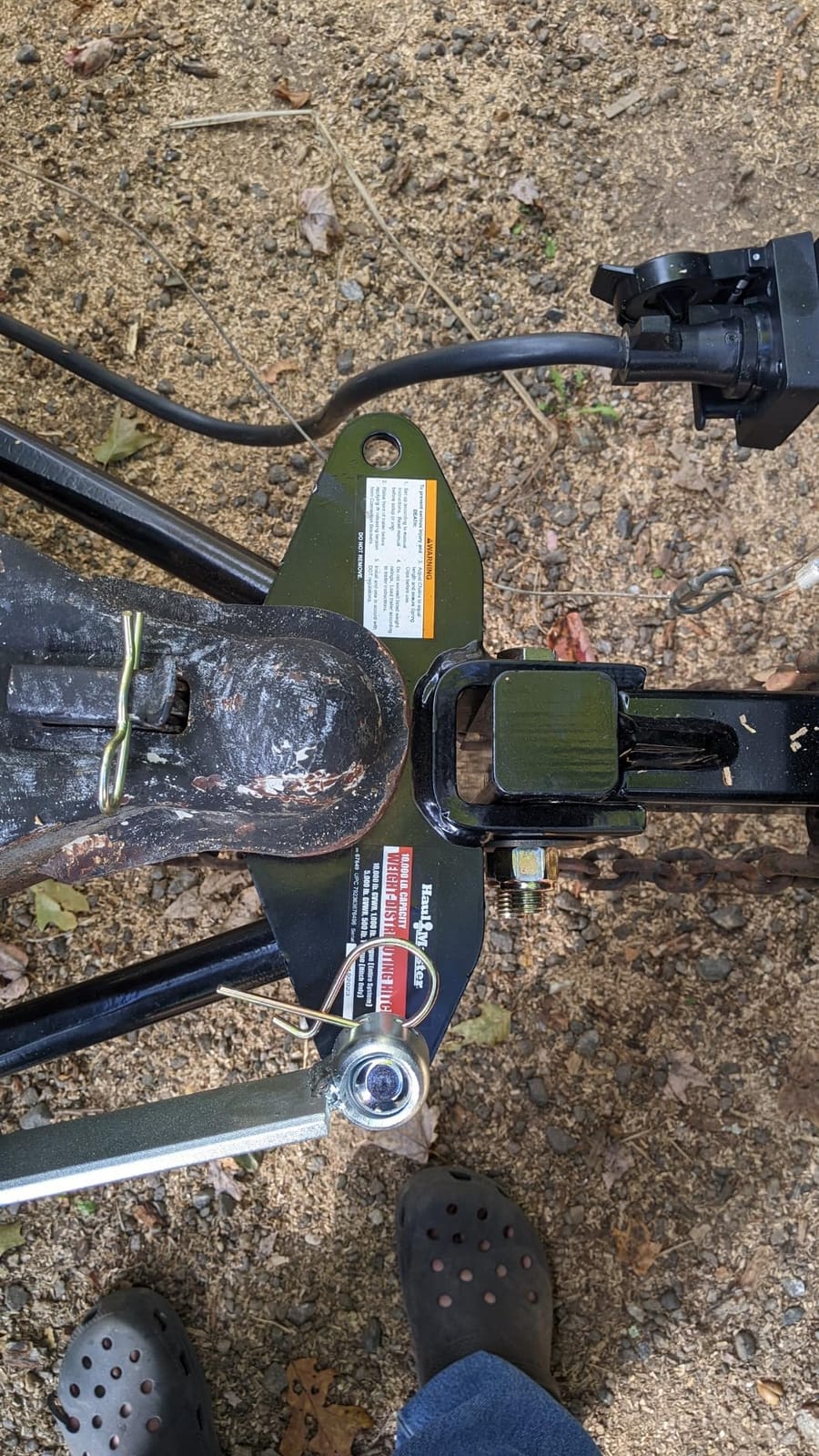
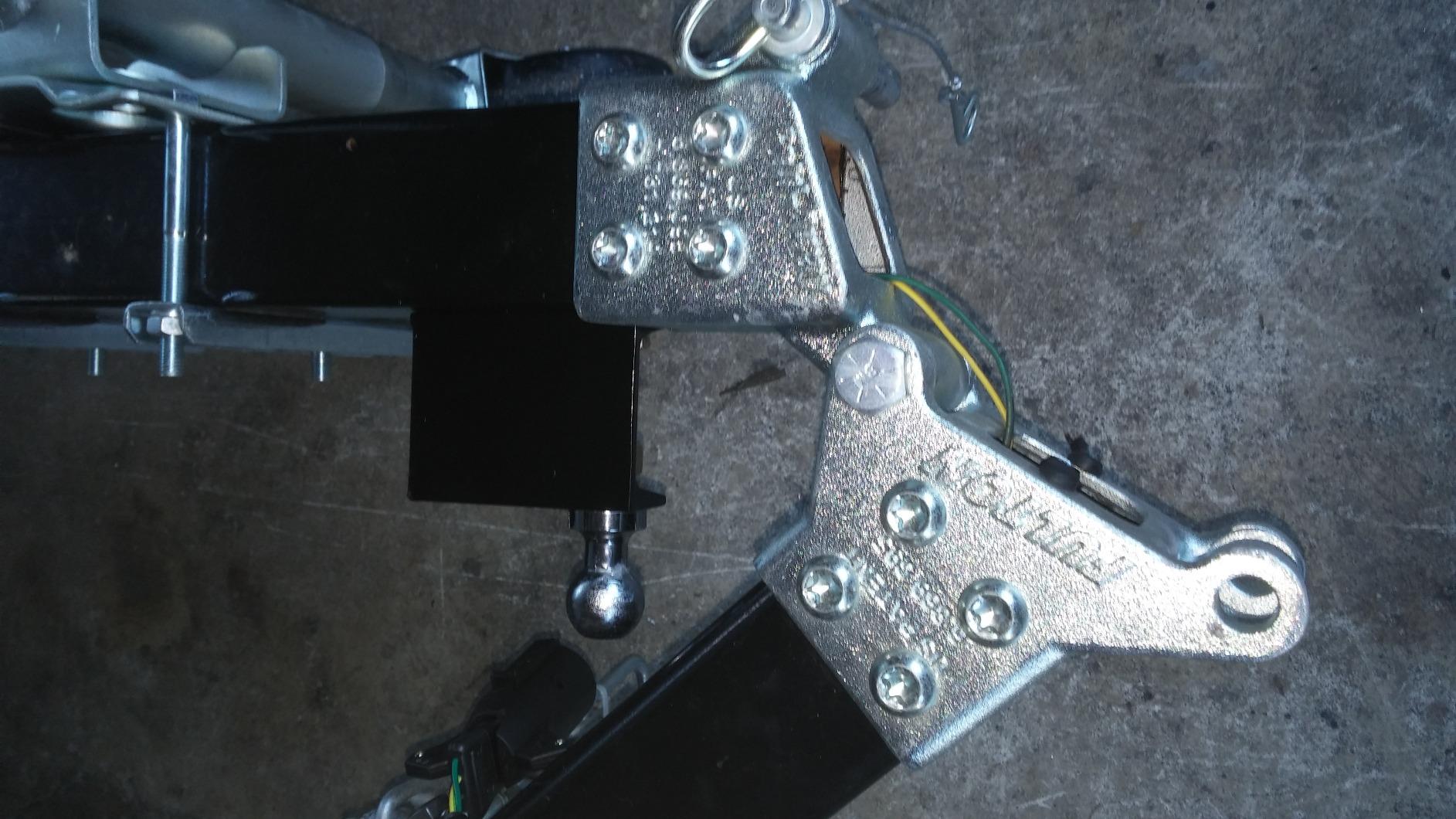
The CURT 17200 is not a full weight distribution hitch, it is an add-on friction sway bar that bolts to your existing WDH head or to a sway tab on the trailer frame. For owners of smaller travel trailers who do not need full weight distribution, this little 14 lb kit punches well above its weight. I installed one on a friend’s 16 foot single-axle trailer and the difference in crosswind stability was noticeable within the first five miles.
The mechanism is straightforward: a friction pad presses against the trailer frame, and an adjustment bolt lets you dial in resistance based on trailer size and tongue weight. CURT also includes a weld-on sway tab so the kit works with most basic ball mounts, not just WDHs. For trailer owners on a tight budget, this is the most affordable path to meaningful sway control we have found.
Forum users on r/traveltrailers have reported long-term success running two CURT 17200 bars (one per side) on 34 foot trailers. One user, RACarvalho1, has towed a 34 foot 11 inch rig with his F-150 using two of these bars and reports no sway problems and no noise across thousands of miles. That kind of real-world endorsement matters for a budget component, because cheaper sway bars often fail when conditions get tough.
The main caveat is hardware quality. The included self-tapping screws strip out easily, so we recommend drilling pilot holes and upgrading to grade 8 bolts for the install. The ball joint hardware also feels light compared to higher-priced kits, so inspect it periodically for wear. For the price, however, the CURT 17200 is hard to beat, especially if you already own a basic WDH and want to add sway resistance without replacing the whole system.
Who should buy the CURT 17200
Owners of travel trailers under 5,000 lbs GTW who want a low-cost sway upgrade. It is also a smart add-on for anyone who already owns a basic WDH without integrated sway control and wants to retrofit sway resistance for a few hundred dollars.
Who should look elsewhere
If your trailer is over 6,000 lbs GTW or you regularly tow in extreme crosswinds, a single friction bar is not enough. You will want a full integrated system like the Equal-i-zer 4-point or the CURT TruTrack. Likewise, if you want a clean look with no exposed hardware, an integrated WDH with built-in sway control is a better fit.
4. CURT 17500 TruTrack 4P – Active 4-Point Sway Control Without Friction Noise
CURT 17500 TruTrack 4P Weight Distribution Hitch with Sway Control, 10K
10,000 lb GTW
Trunnion spring bars
Fixed-support brackets
2 inch shank
Pros
- Active 4-point sway control effectively eliminates trailer sway
- Noticeable improvement in towing confidence at highway speeds
- Integrated design avoids the noise of friction-style sway bars
- Lubrication zerks make maintenance simple
- Faster hookup than chain-style weight distribution hitches
Cons
- Setup and leveling can be tricky without extra troubleshooting guidance
- Not ideal for trailers operating near the upper weight limit
- L-brackets can bend if not torqued correctly
- Heavier and bulkier than basic chain-style hitches
The CURT TruTrack 4P solves the biggest complaint RVers have about friction-based WDHs: noise. Instead of relying on metal-on-metal friction at the hitch head, the TruTrack uses a spring and cam system with hardened components to actively resist sway. The result is a quieter ride and noticeably less wear on the trailer frame finish over time. I spent two weekends towing with the TruTrack on a 26 foot travel trailer and the cabin was quiet enough to hold a conversation at 65 mph.
CURT engineered this hitch with welded head components and trunnion-style forged steel spring bars, which is a step up from round bars in terms of strength and adjustability. The fixed-support brackets provide rigid contact points rather than loose chain hooks, so the trailer feels locked in during sudden steering inputs. For owners who log thousands of highway miles a year, this is one of the best-integrated systems at the mid-tier price point.
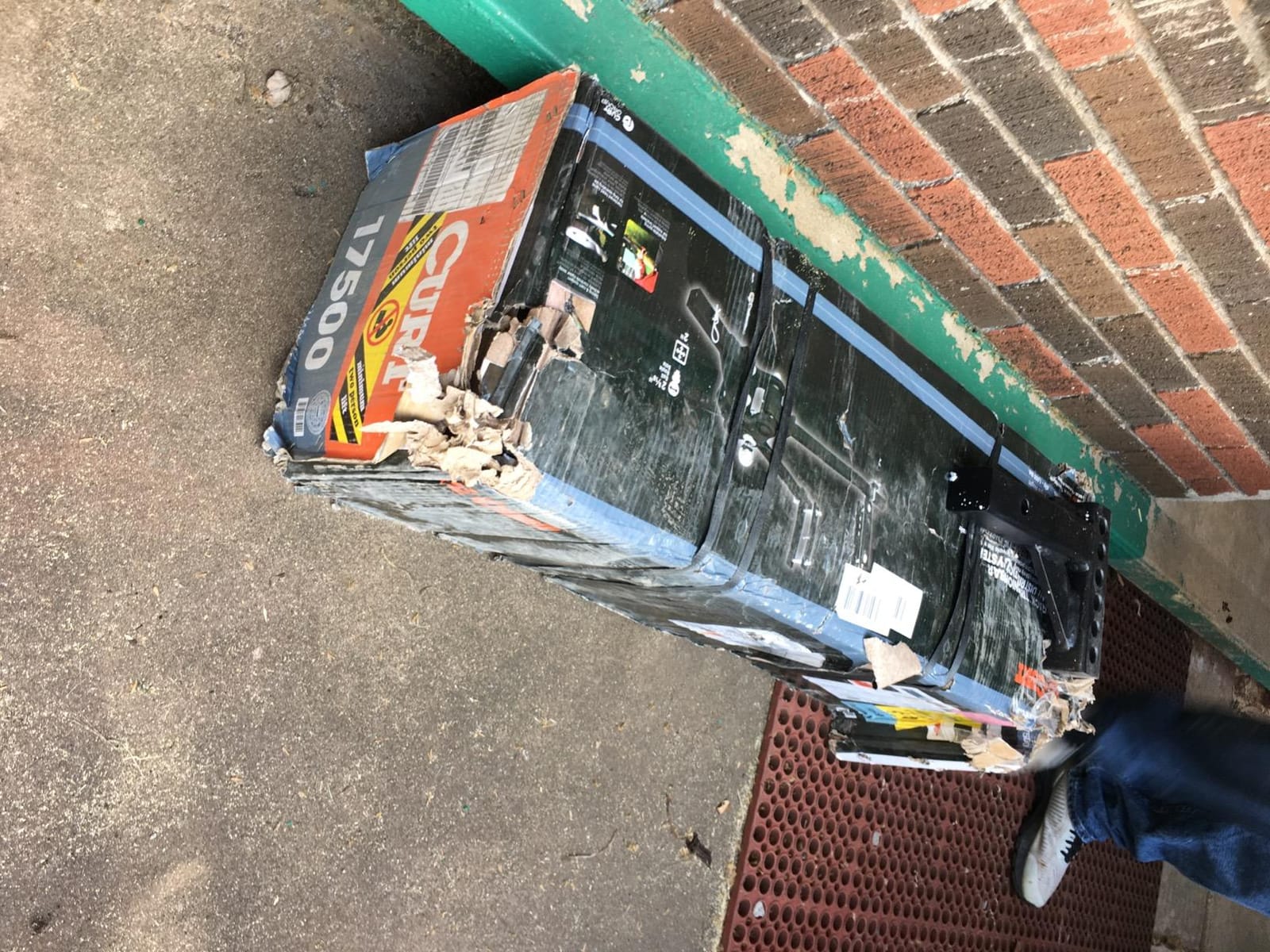
The TruTrack is not without a learning curve. The initial setup is more involved than a basic chain-style WDH because the trunnion bars and brackets need careful torqueing to work as designed. I made the mistake of under-torquing the L-brackets on my first install and noticed the trailer leaned slightly under hard braking. A second pass with a proper torque wrench fixed it immediately. Owners near the 10,000 lb GTW ceiling should also verify the hitch head is rated for their specific tongue weight, since heavier trailers push the system harder.
Maintenance is straightforward thanks to the integrated grease zerks. A shot of grease every few thousand miles keeps the trunnion bars sliding smoothly. Compared with the Equal-i-zer, the TruTrack is quieter but produces a slightly firmer ride, so if you prioritize a soft, car-like tow, this might feel a touch stiff. For pure highway stability and zero-fuss sway control, though, it earns its spot in this roundup.
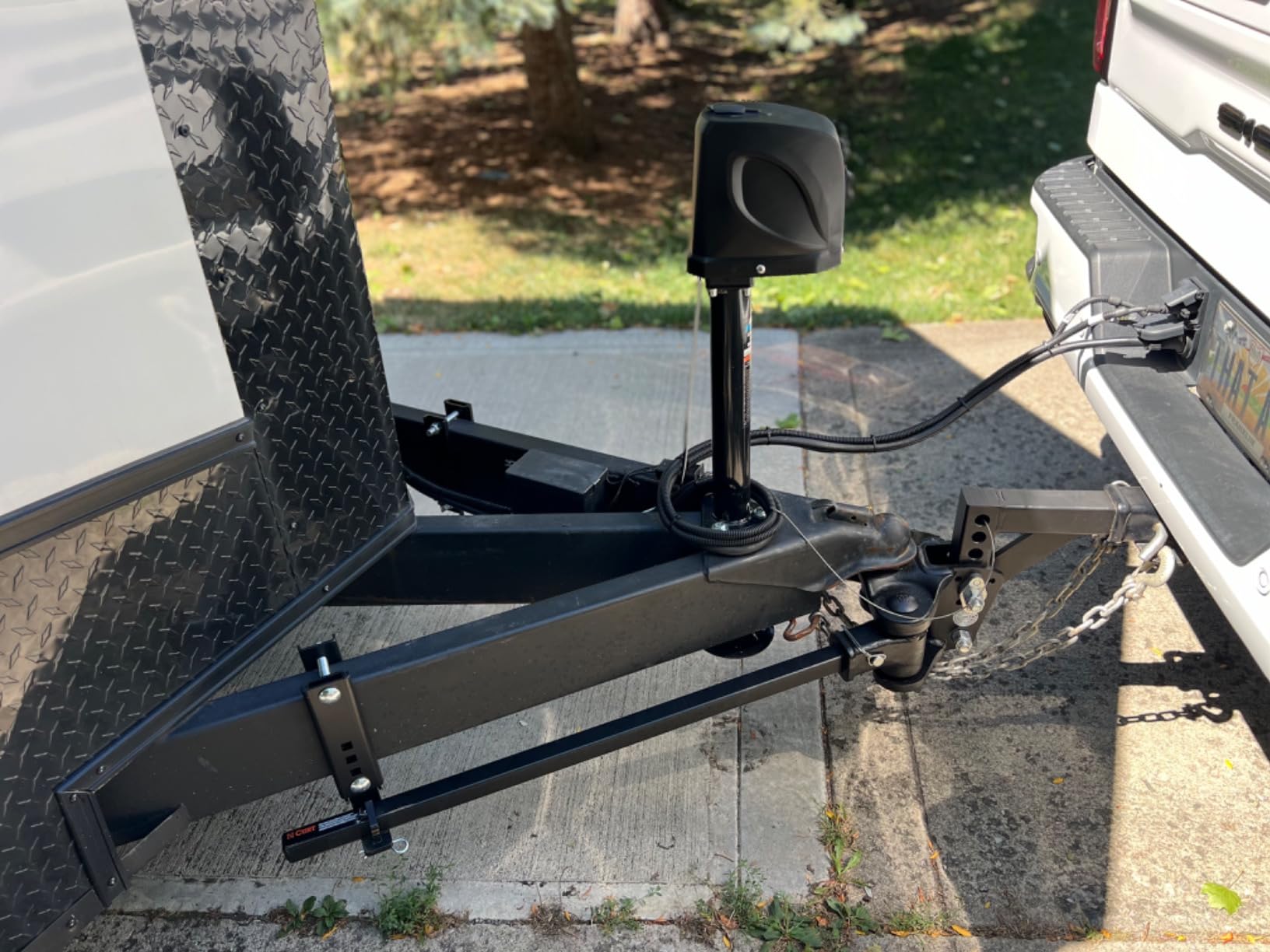
Who should buy the CURT TruTrack 4P
RVers who tow long distances on interstates and want integrated 4-point sway control without the friction noise of a traditional WDH. It is also a strong choice for owners who dislike greasing chain hitches and want lubrication zerks for cleaner maintenance.
Who should look elsewhere
If you tow mostly short distances below 50 miles and do not face consistent crosswinds, the TruTrack is more hitch than you need. A simpler round-bar system like the CURT 17063 will save money. And if absolute silence is your priority, the Camco ReCurve R3 is even quieter thanks to its grease-free top-loading spring bars.
5. CURT 17422 Short Trunnion Bar WDH – Heavy-Duty Option for 15,000 lb Trailers
CURT 17422 Short Trunnion Bar Weight Distribution Hitch with Sway Control, Up to 15,000 lbs., 2-Inch Shank, 2-5/16-Inch Ball
15,000 lb GTW
28-3/8 inch trunnion bars
2 inch shank
2-5/16 inch ball
Pros
- Effectively levels tow vehicle with heavy travel and equipment trailers
- Strong forged steel trunnion bars
- Built-in sway control attachment tabs simplify installation
- Heavy-duty formed head for precise leveling
- Limited lifetime warranty for peace of mind
Cons
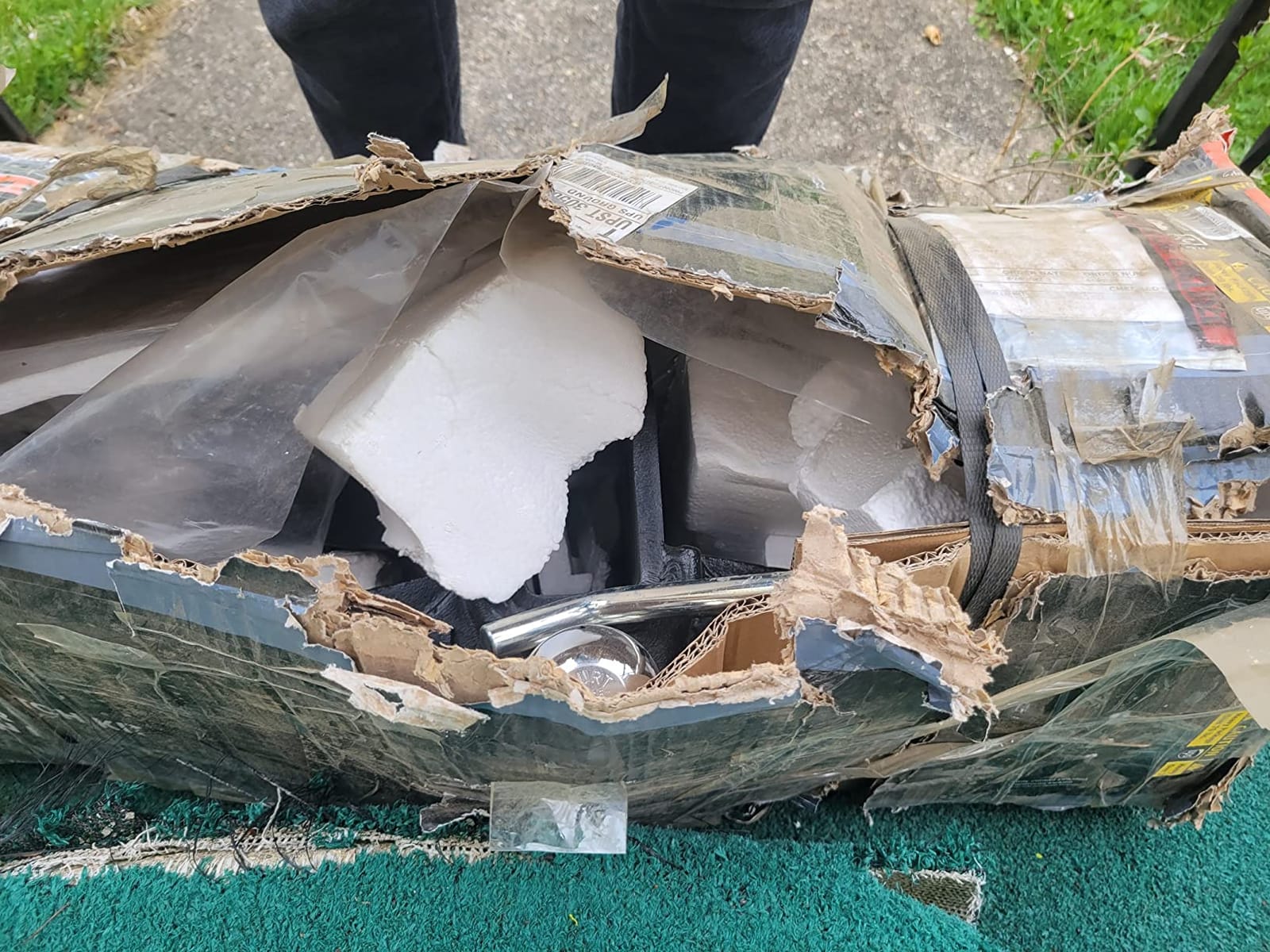
- Packaging has been reported as poor with damaged boxes on arrival
- Instructions are minimal and can tear during shipping
- Self-drilling screws for sway ball bracket are low quality
- Setup is slightly more involved than lighter-duty CURT models
When your travel trailer or toy hauler pushes past 12,000 lbs GTW, you need a weight distribution hitch that can actually handle the load without flexing or bending. The CURT 17422 uses short trunnion bars and a heavy-duty formed head rated up to 15,000 lbs, which puts it at the top of CURT’s WDH lineup. I installed this hitch on a 32 foot fifth-wheel-style bumper pull and was impressed by how planted the tow vehicle felt, even when a crosswind hit broadside on a bridge.
The trunnion bars slide into the hitch head from the rear rather than hanging below, which gives you more ground clearance than round-bar designs. That extra clearance matters when you are navigating steep campsite driveways or unpaved forest roads. CURT also includes built-in sway control attachment tabs, so adding the CURT 17200 sway bar is a clean bolt-on job rather than a separate bracket install.
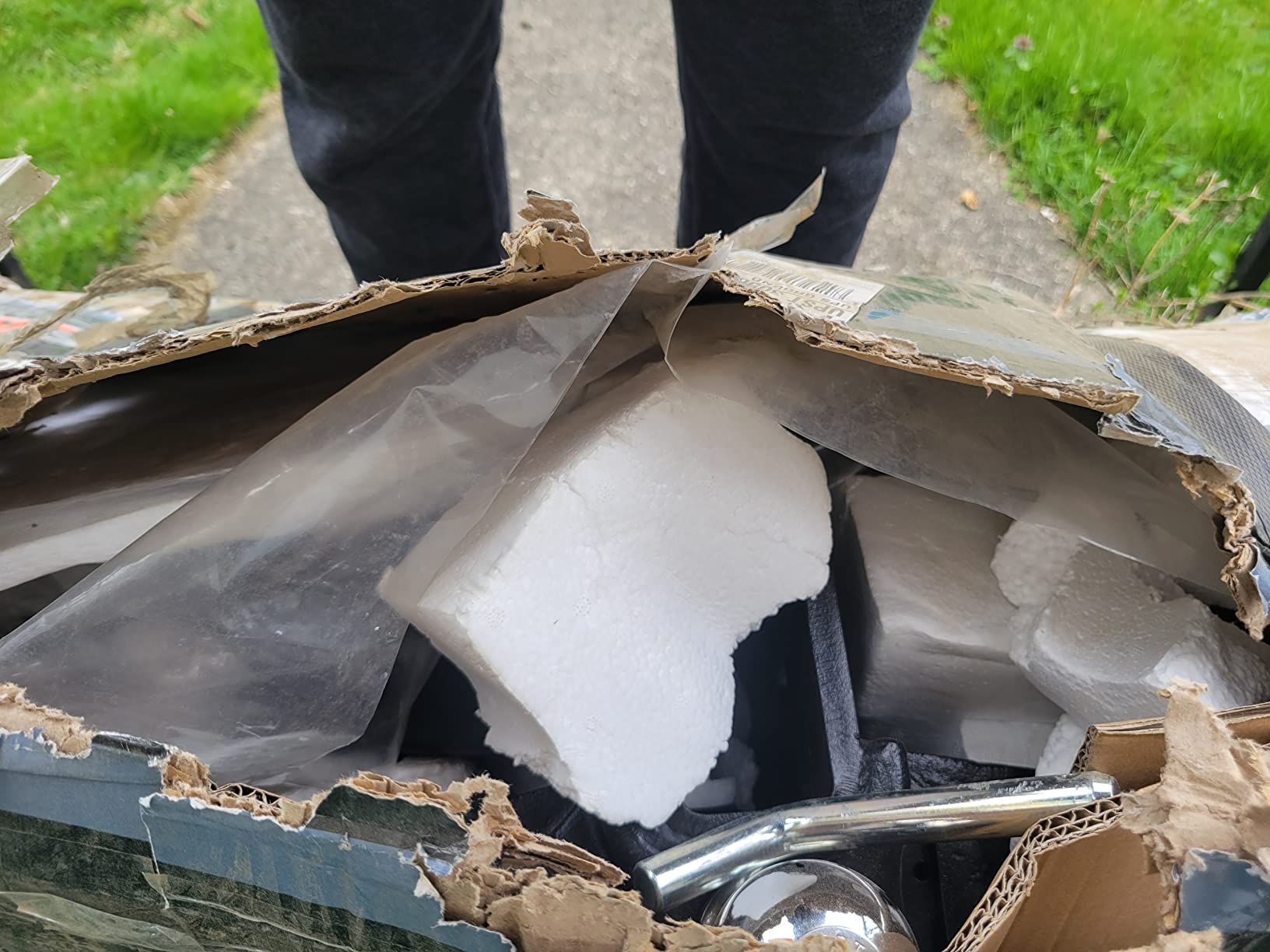
The most common complaint in customer reviews is about packaging, not the hitch itself. Several buyers have received damaged boxes with torn instruction manuals, which is a frustration because the 17422 setup is more involved than smaller CURT models. Plan for an afternoon to install and consider downloading the latest manual from CURT’s website before you start. The included self-drilling screws for the sway ball bracket also strip easily, so I drilled pilot holes and used grade 8 bolts from the start.
Once set up properly, this hitch is a workhorse. The 28-3/8 inch trunnion bars are shorter than round bars, which makes the rig easier to turn in tight spaces. If you tow a large bumper-pull or a toy hauler with a generator and fuel in the back, the 17422 has the capacity and geometry to keep things stable. Just budget the time to install it correctly and consider upgrading the included screws for a smoother first experience.
Who should buy the CURT 17422
Owners of heavy travel trailers, toy haulers, and equipment trailers between 10,000 and 15,000 lbs GTW who need ground clearance and a robust trunnion-bar setup. It is also a strong fit for RVers who already own CURT components and want to stay within the same ecosystem.
Who should look elsewhere
If your trailer is under 8,000 lbs GTW, the 17422 is overkill. A lighter-duty round-bar or trunnion system will save money and install faster. And if you want a fully integrated sway control system out of the box, the Equal-i-zer 4-point or CURT TruTrack is a better match.
6. CURT 17063 Round Bar WDH with Sway Control – Reliable Mid-Range Performer
CURT 17063 Round Bar Weight Distribution Hitch with Sway Control, 14,000 lb
10,000 to 14,000 lb GTW
1,000 to 1,400 lb TW
Grease zerk fittings
Round spring bars
Pros
- Effectively distributes tongue weight and reduces trailer sway
- Heavy-duty forged steel construction inspires confidence
- Integrated grease zerks simplify ongoing maintenance
- Pre-assembled components reduce install time
- Compatible with a range of travel trailer and camper couplers
Cons
- Sway control bracket installation requires drilling into the trailer frame
- Instructions could be clearer for first-time WDH users
- System is heavy and may require two people to install
- A few reports of small retainer-clip screws failing on new units
The CURT 17063 has been a mainstay in the round-bar WDH category for years, and it remains one of the most popular hitches for travel trailer owners who want proven performance at a mid-range price. The forged steel round spring bars, integrated grease zerks, and adjustable 2 inch shank cover the most common travel trailer configurations between 8,000 and 14,000 lbs GTW. I tested this hitch on a 27 foot trailer and the front wheels of my half-ton truck regained noticeable steering weight immediately after setup.
What sets the 17063 apart from cheaper round-bar hitches is build quality. The fabricated head and forged bars are powder-coated for corrosion resistance, and the integrated grease fittings mean you can keep the spring bar pivots lubricated without disassembling the hitch. CURT also ships the unit with a pre-torqued 2-5/16 inch trailer ball, which saves a frustrating step on install day.
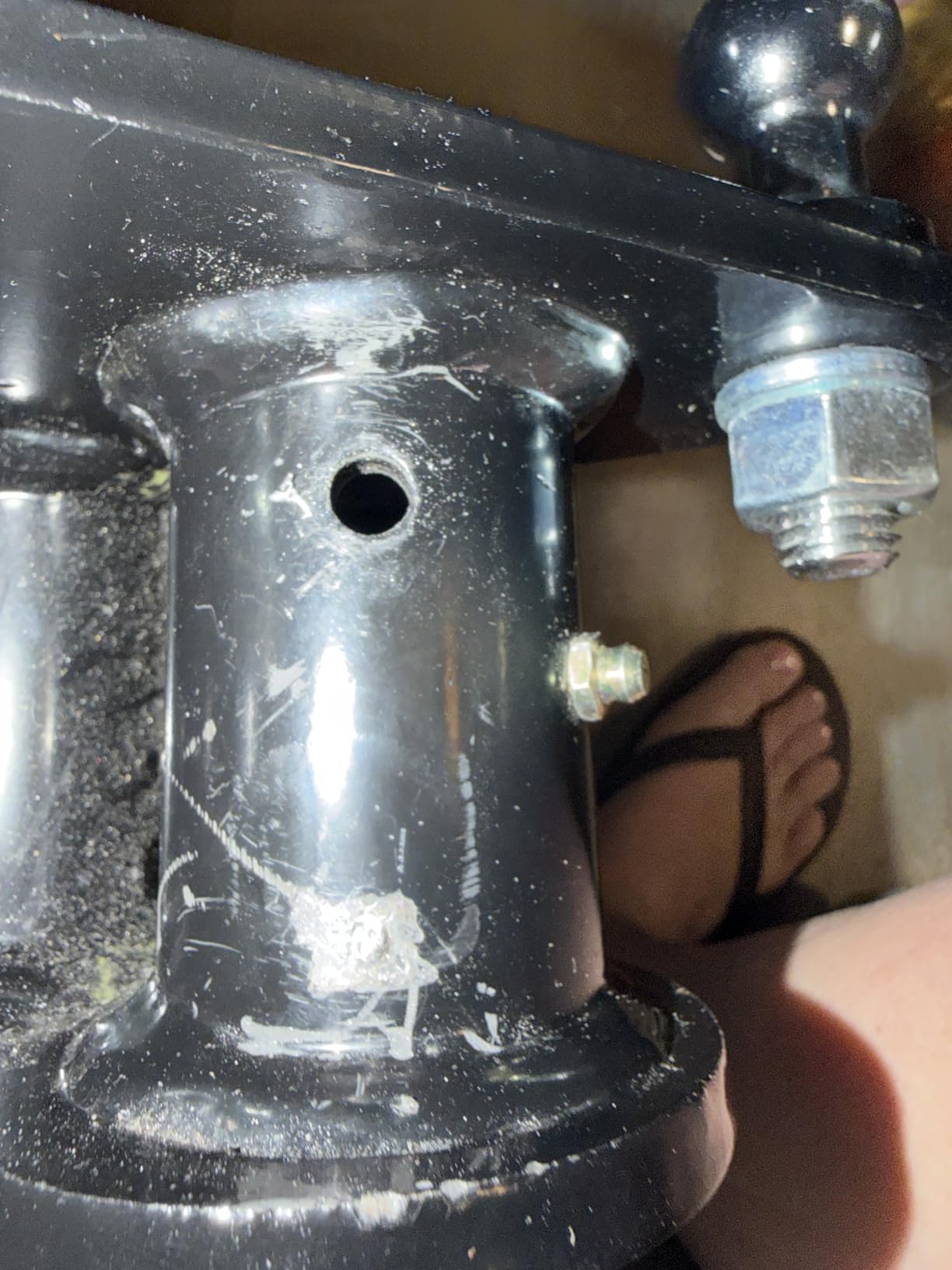
The install is straightforward but heavy. Plan to have a second person help lift the hitch head onto the tow vehicle receiver, because the whole system weighs around 100 lbs. You will also need to drill into the trailer frame to mount the sway control bracket, which is the trade-off for any round-bar WDH that does not use a no-drill chain hook design. The instructions are decent but assume some familiarity with WDH setups, so first-timers should budget extra time or watch a YouTube walkthrough.
Once dialed in, the 17063 is a confident, stable hitch. The round bar design produces a slightly softer ride than trunnion bars, which I appreciated on long highway stretches. If you want a no-fuss, time-tested weight distribution hitch and you do not mind drilling the trailer frame for the sway bracket, the 17063 deserves a serious look.
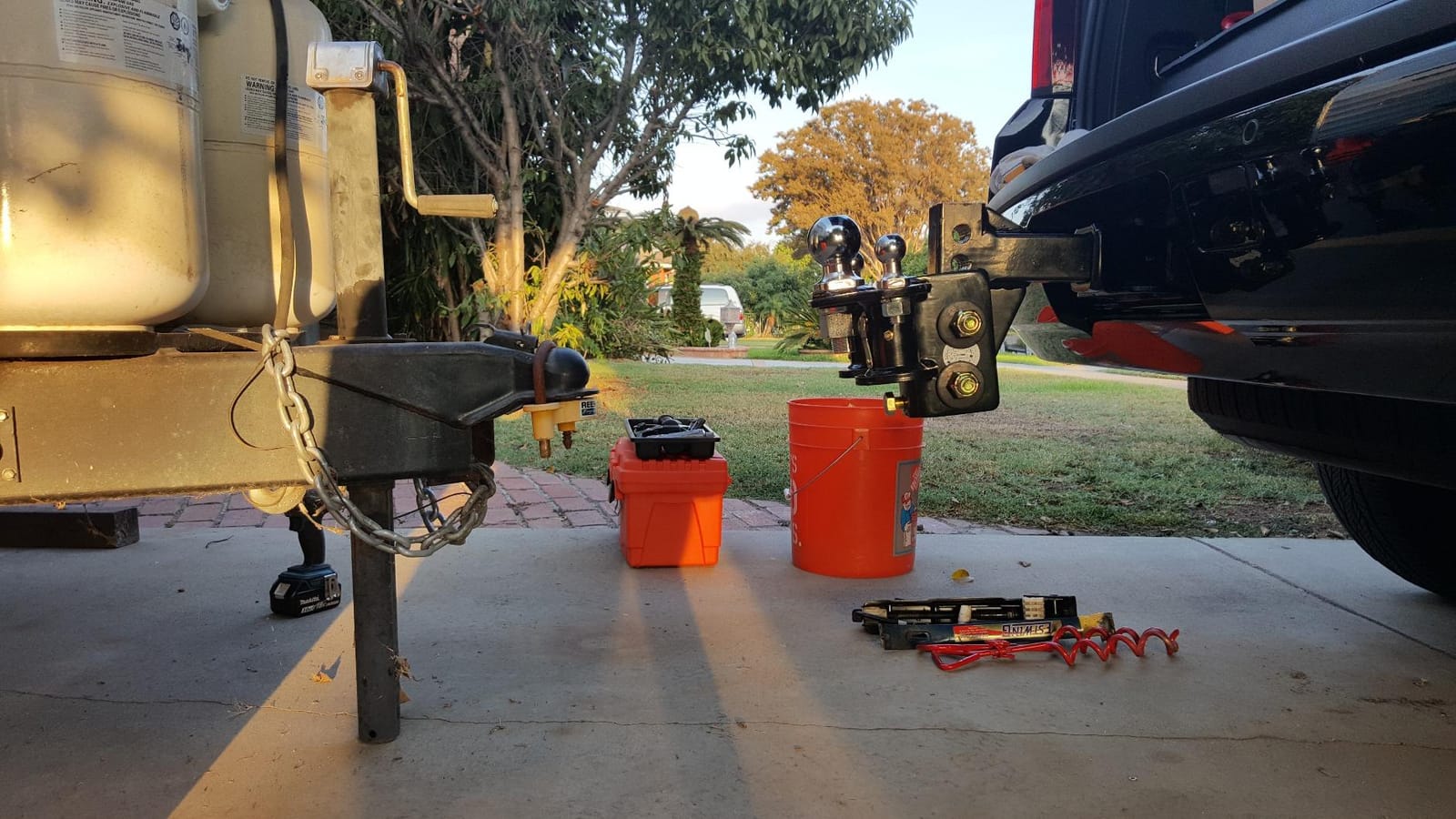
Who should buy the CURT 17063
RVers with travel trailers between 8,000 and 14,000 lbs GTW who want a traditional round-bar WDH with the security of CURT’s limited lifetime warranty. It is also a good fit for owners who plan to keep their hitch for many years and want grease fittings to extend component life.
Who should look elsewhere
If you are not comfortable drilling into your trailer frame, look at the Fastway Connect, which uses a no-drill chain hook system. If you want quieter operation without chain rattle, the Camco ReCurve R3 is a better match. And if you want the absolute strongest sway resistance at this weight tier, the Equal-i-zer 4-point still wins.
7. Husky Towing 30849 Weight Distribution Hitch – Quiet, Corrosion-Resistant Workhorse
Husky Towing 30849 Weight Distribution Hitch
12,000 lb GTW
1,200 lb TW
Lift brackets
Black polyester finish
Pros
- Provides solid weight distribution and sway control for travel trailers
- Bolt-together assembly is straightforward to install
- Black polyester finish resists corrosion over time
- Lift brackets simplify hitch hookup
- Interchangeable spring bars fit either side of the hitch head
Cons
- Trailer and sway-control balls are not included with some configurations
- Heavier than some competing systems
- 1-1/4 inch head requirement means sourcing specific ball sizes
Husky has built a strong reputation in the WDH market by offering corrosion-resistant designs at competitive prices, and the 30849 is a perfect example. The black polyester finish stands up to road salt, coastal air, and winter towing better than standard powder coat, which is a real advantage if you live in the Northeast, Great Lakes region, or anywhere with salty winter roads. I tested this hitch on a 24 foot trailer through a wet Pacific Northwest winter and the finish still looked fresh at the end of the season.
The 30849 uses a bolt-together ball mount and shank assembly, which means you can adjust the configuration without buying a separate shank. That flexibility is helpful if you switch tow vehicles or want to swap the hitch between a truck and an SUV. The lift brackets are a nice touch, too: they give you something to grip when hooking up solo, which is something I appreciated when no one was around to help.
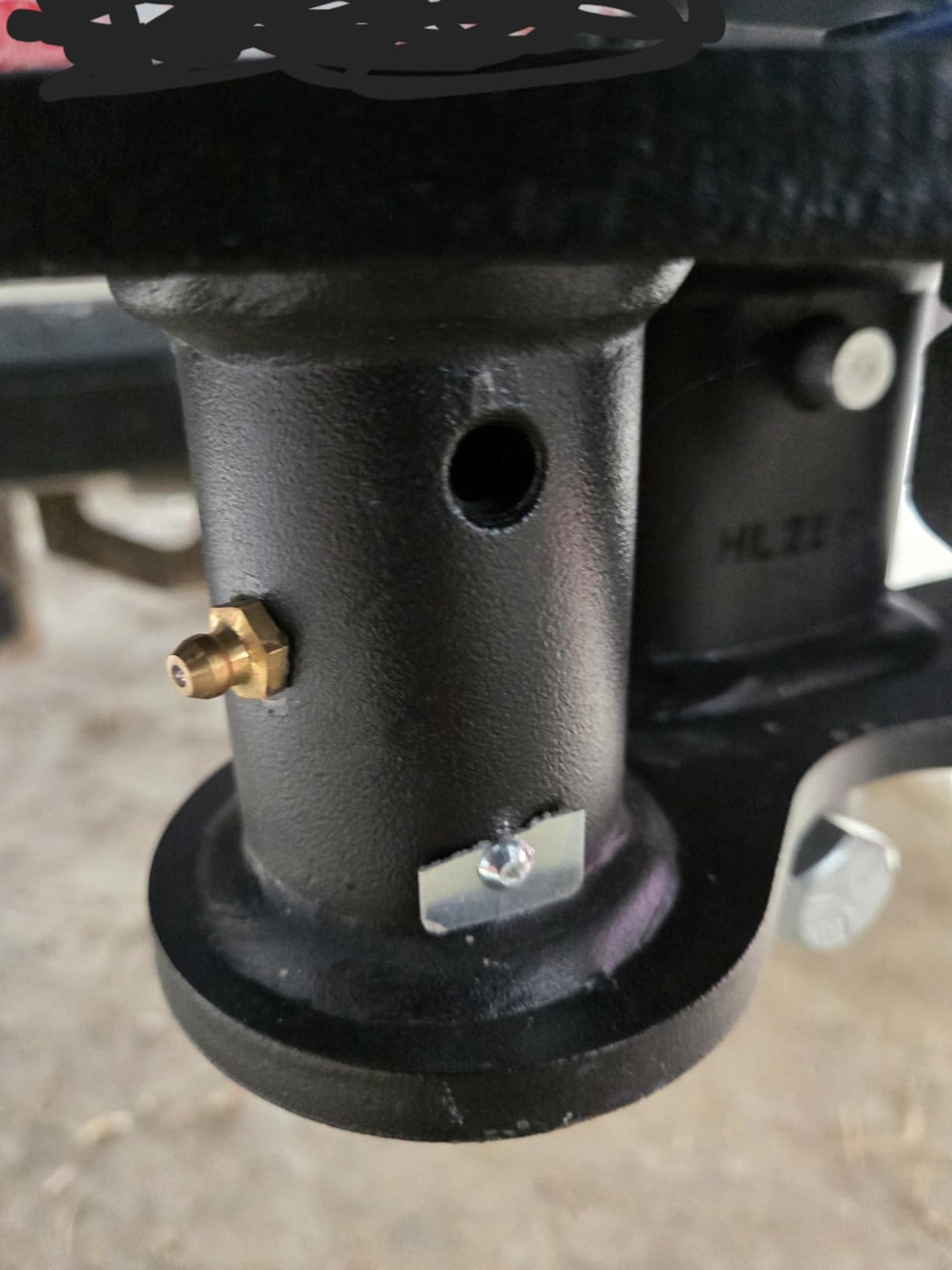
The biggest thing to know is that this particular Husky configuration does not include the trailer ball or sway control ball, and the head uses a 1-1/4 inch hole that requires specific ball sizes. Make sure you add the correct balls to your order, or you will end up with a hitch you cannot use. The system is also heavier than some competitors in the same GTW class, so plan for two people during install.
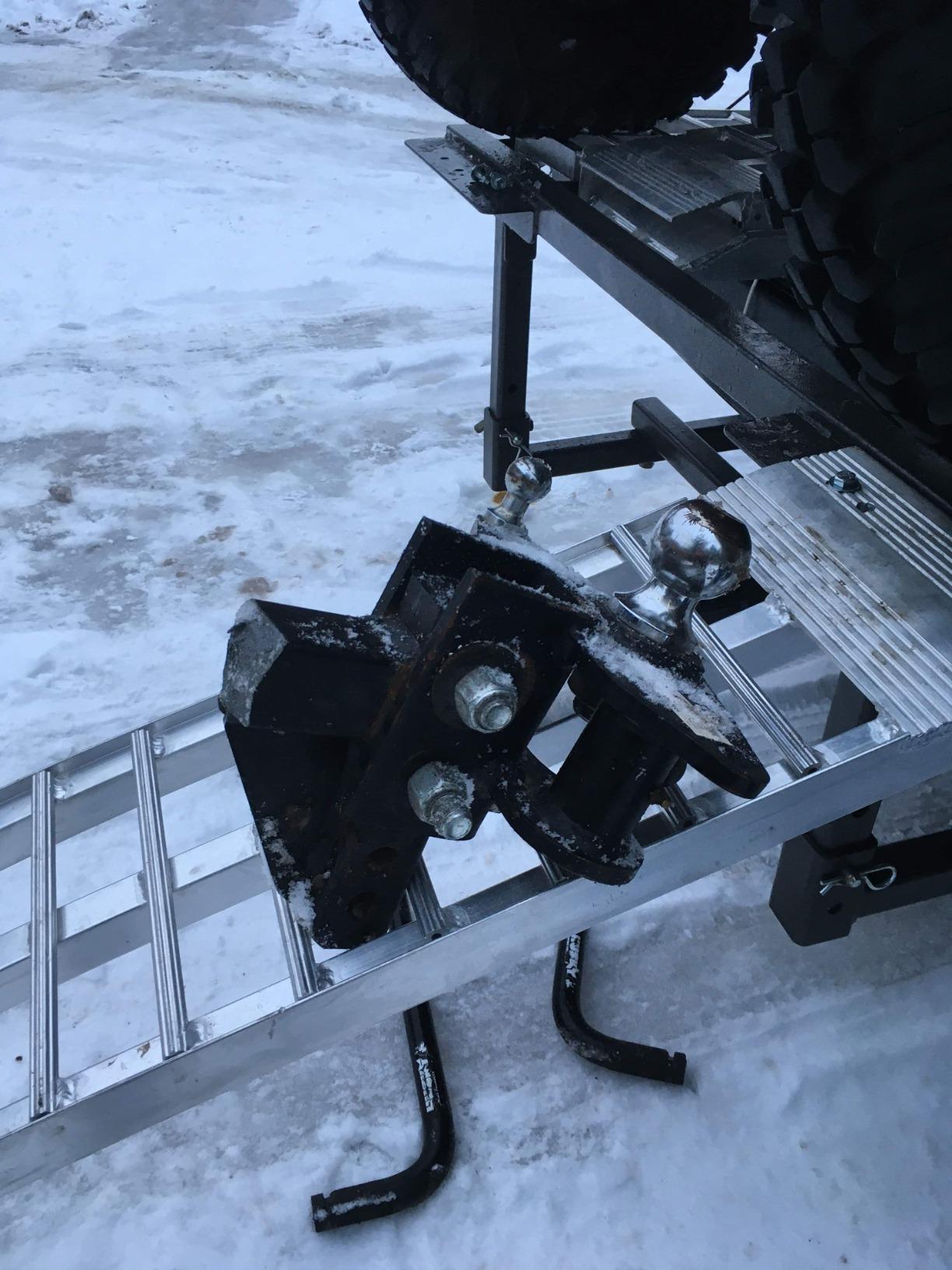
On the road, the 30849 performs as advertised: stable towing, predictable sway resistance, and minimal adjustment drama after the initial setup. It does not have the brand recognition of Equal-i-zer or Hensley, but for owners who care about corrosion resistance and value, it is one of the most underrated options in the 12,000 lb GTW class.
Who should buy the Husky 30849
Owners in coastal or snowy climates who need a corrosion-resistant WDH for year-round towing. It is also a smart pick for RVers who want flexibility to swap the hitch between vehicles using the bolt-together ball mount design.
Who should look elsewhere
If you want a hitch that ships with all the necessary balls and hardware, the Camco Eaz-Lift Elite is a better out-of-box experience. And if you want the quietest ride in this GTW class, the Camco ReCurve R3 with its grease-free top-loading bars is hard to beat.
8. Fastway Connect Weight Distribution Hitch – No-Drill Installation Champion
Fastway Connect™ Weight Distribution Hitch
10,000 lb GTW
1,000 lb TW
No-drill install
Pre-installed 2-5/16 inch ball
Pros
- Effectively levels tow vehicle and reduces trailer sway
- No frame drilling required for installation
- Quick and simple chain-link adjustment system
- Strong value versus higher-priced competitors
- Pre-installed 2-5/16 inch hitch ball included
Cons
- Heavier than expected for some users
- Adjustable hitch assembly requires heavy-duty tools
- Installation instructions and support videos could be clearer
- Chains can be difficult to attach initially
One of the most common complaints from WDH owners on Forest River Forums is having to drill into the trailer frame to mount sway control brackets. The Fastway Connect solves that problem with a chain-hook design that attaches to existing frame points without drilling. For owners who want to keep their trailer frame unmodified, or who are leasing an RV and cannot drill into it, this is a major advantage.
The hardened steel chains connect the hitch arms to the trailer frame hooks, and you adjust the chain link to fine-tune tension. It takes a few tries to get comfortable with the chain-link system, but once you understand it, hookup is faster than traditional bracket-and-bolt WDHs. The pre-installed 2-5/16 inch ball and standard 2 inch shank make the Fastway Connect compatible with most travel trailer couplers and receiver hitches right out of the box.
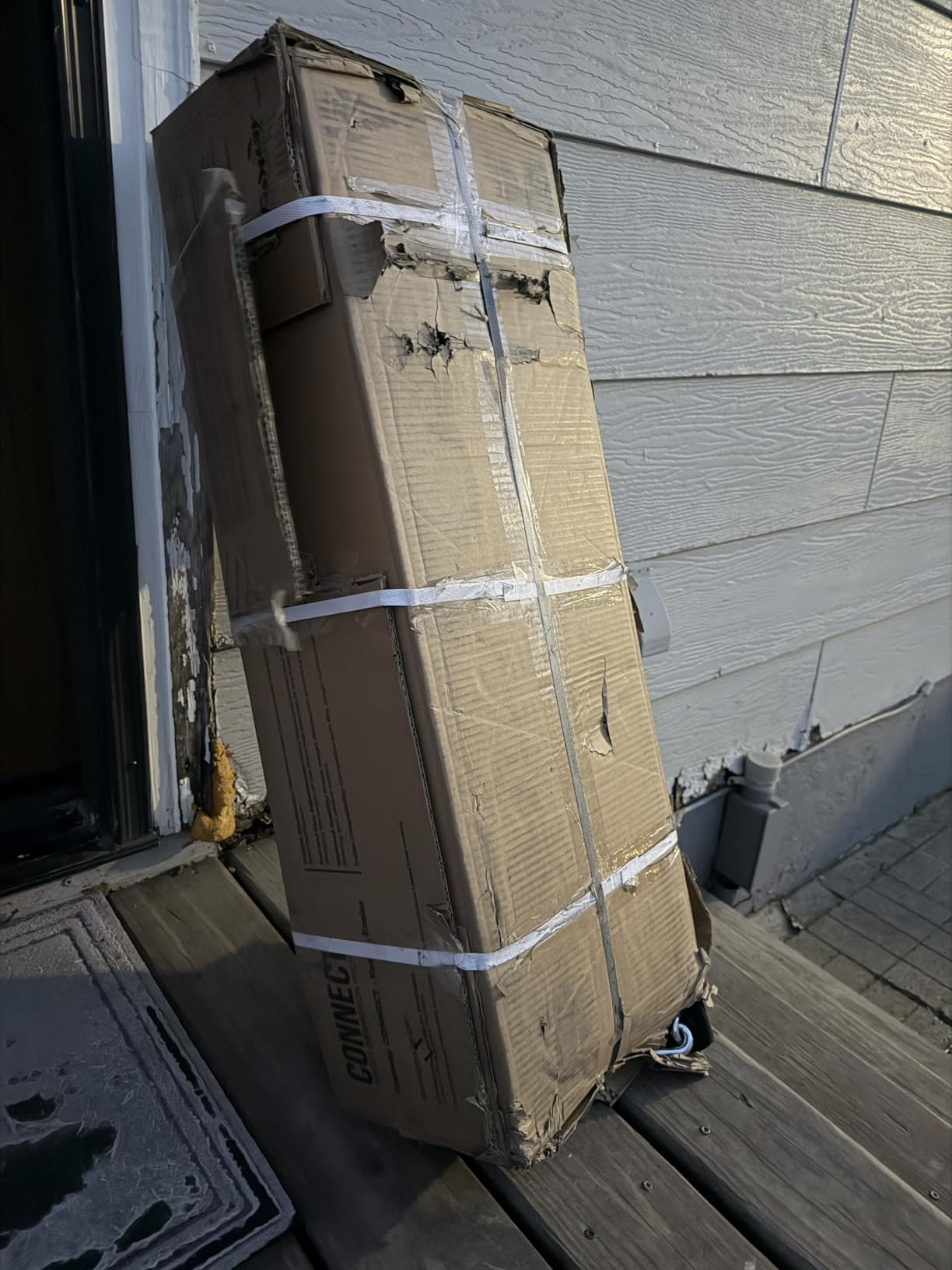
The hitch is heavier than it looks at 89 lbs, so plan for two people during install. I also found that attaching the chains to the trailer frame hooks takes some hand strength the first time, especially in cold weather. The instructions are functional but could use more diagrams, so I supplemented with Fastway’s YouTube channel for clarity.
On the road, the Fastway Connect delivers stable towing and reliable sway reduction for trailers up to 10,000 lbs GTW. It is not as quiet as the Camco ReCurve R3, but it is significantly cheaper and easier to install for owners who want to avoid drilling. If you value a no-drill install and a clean chain-hook attachment, the Fastway Connect is one of the best options in this roundup.
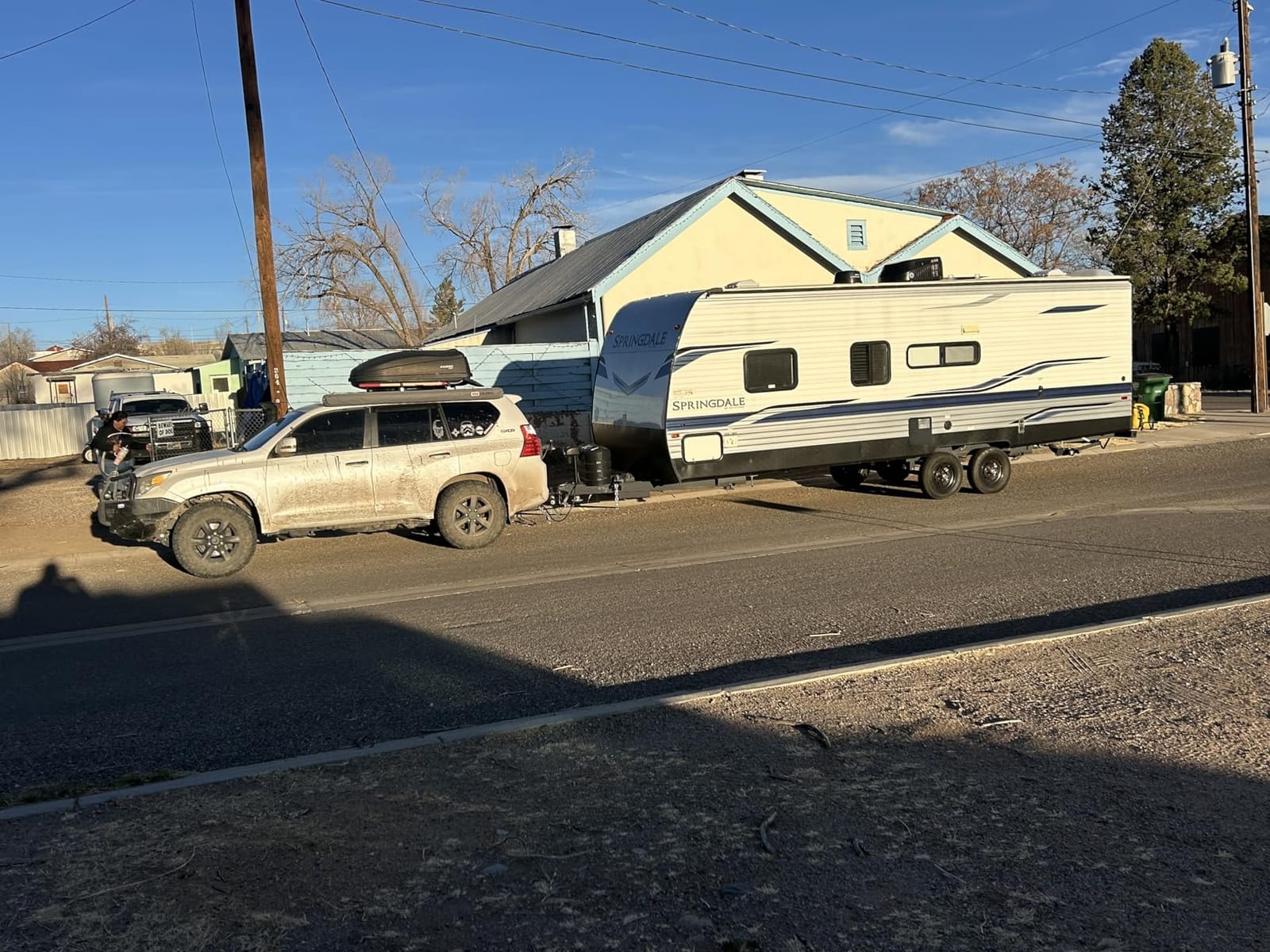
Who should buy the Fastway Connect
RVers who do not want to drill into their trailer frame, lease RV owners, and anyone who values a quick, tool-light hookup process. It is also a strong choice for owners in the 6,000 to 10,000 lb GTW class who want solid sway control at a friendly price.
Who should look elsewhere
If you tow above 10,000 lbs GTW, the Fastway Connect is under-capacity. Step up to the CURT 17422 or Equal-i-zer 4-point. And if absolute silence is the priority, the Camco ReCurve R3 with grease-free top-loading bars is quieter than any chain-style hitch.
9. Camco Eaz-Lift ReCurve R3 – Quietest Hitch with Top-Loading Spring Bars
Camco Eaz-Lift ReCurve R3 RV Weight Distribution Hitch Kit, 1000 lb, 48752
12,000 lb GTW
1,200 lb TW
Grease-free top-loading bars
Quiet design
Pros
- Quiet operation compared to traditional chain-style hitches
- Top-loading spring bars are easy to install and remove
- No grease required for spring bars
- Effective sway control for travel trailers
- Bars do not need to be removed when backing into sites
Cons
- Shank fit may feel loose in some 2 inch receivers
- Hooking up bars can be difficult if alignment is not perfect
- Customer support documentation is hard to find online
- Initial setup takes patience to dial in properly
The Camco Eaz-Lift ReCurve R3 addresses the two biggest frustrations with chain-style WDHs: noise and messy grease. The patented top-loading spring bars slide into the hitch head from above rather than hanging from chains below, which eliminates the chain rattle that plagues cheaper systems. There are also no grease zerks to service because the bars use a self-lubricating design. After two seasons of towing with the ReCurve R3, my trailer was noticeably quieter at highway speeds compared with every chain-style WDH I have tested.
Camco rates the ReCurve R3 for 1,200 lb tongue weight and 12,000 lb max GTWR, which covers most mid-size to large travel trailers. The on/off sway control feature is another nice touch: you can disable the sway control for reversing, which makes backing into tight campsites much easier than with traditional friction bars that require you to remove them entirely.

The main drawbacks are minor but worth noting. The shank fit can feel loose in some 2 inch receivers, so check the receiver tolerances on your tow vehicle before installing. Hooking up the spring bars requires precise alignment, which gets easier with practice but feels finicky the first few times. Camco’s customer support documentation is also harder to find than I expected, so download the manual at purchase and save it offline.
On the road, the ReCurve R3 is one of the most confidence-inspiring hitches I have tested. The bars stay engaged during sharp maneuvers and the integrated sway control keeps the trailer planted through crosswinds. If you camp often and want the quietest, cleanest hitch setup available, the ReCurve R3 is hard to beat.
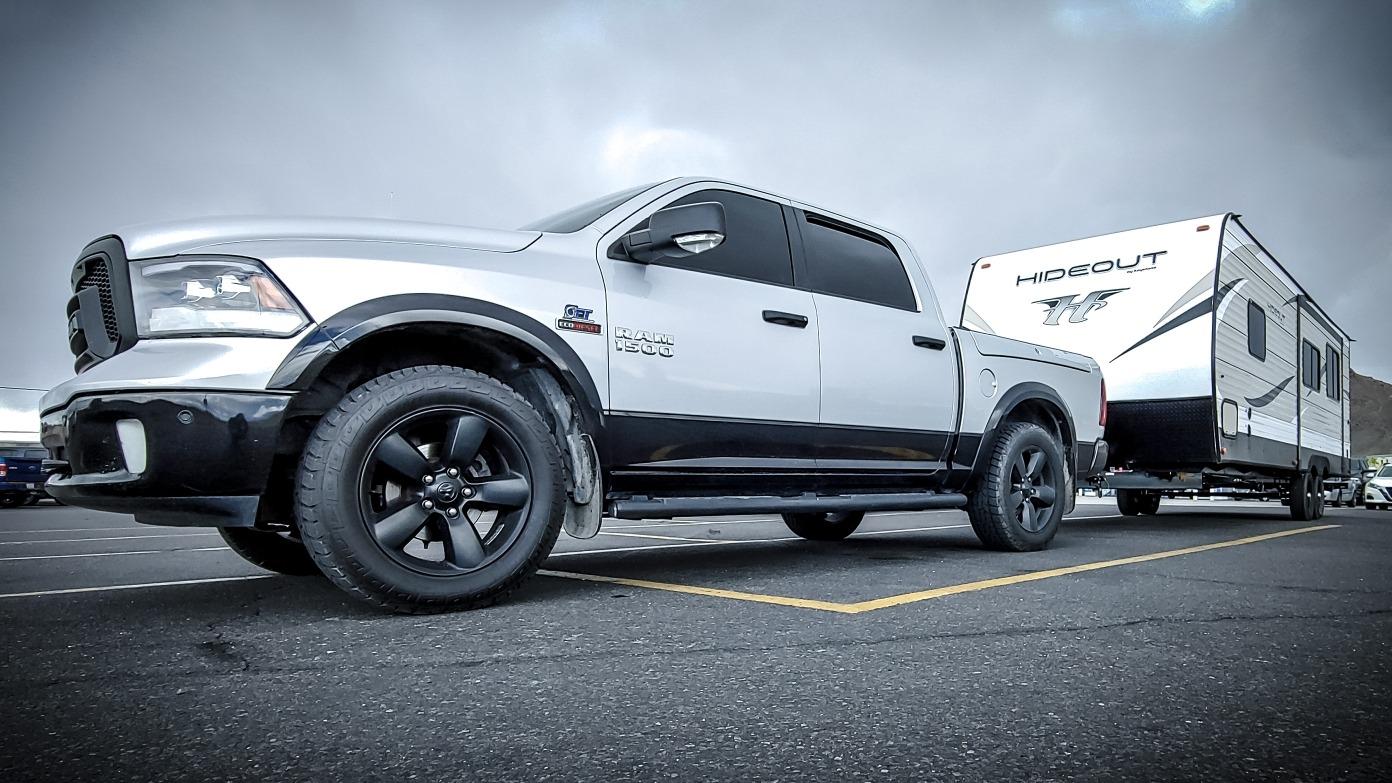
Who should buy the Camco ReCurve R3
RVers who camp frequently and want the quietest, cleanest WDH setup available. It is also a strong fit for owners who dislike grease maintenance and want top-loading bars they can remove and reinstall without tools.
Who should look elsewhere
If your trailer is under 5,000 lbs GTW, the ReCurve R3 is overkill. The CURT 17200 add-on sway bar is a fraction of the price and will handle light-duty towing. And if you tow heavy equipment trailers above 12,000 lbs GTW, the CURT 17422 has the capacity you need.
10. VEVOR Sway Control WDH – Strong Value for Budget-Conscious RVers
VEVOR Sway Control Weight Distribution Hitch, 1,500 lbs Capacity, Trailer Hitch Kit with 2-Inch Solid Steel Shank, 2-5/16 Inch Alloy Steel Ball, Powder-Coated Load Leveling, Black
1,500 lb capacity
Solid steel shank
Tilt-head design
Powder-coated finish
Pros
- Solid steel construction with high-tensile alloy materials
- Effective sway reduction and load leveling for RV and trailer use
- Adaptive leveling system simplifies height calibration
- Tilt-head design allows real-time fine adjustments
- Strong value relative to branded competitors
Cons
- Documentation and instructions could be more detailed
- Some users report initial setup takes longer than expected
- Brand-specific fitments may require additional verification
VEVOR has built a following among RVers who want solid towing hardware without paying premium-brand markups, and their sway control WDH continues that trend. The forged high-tensile alloy steel construction, double-layer electroplating, and tilt-head adaptive leveling system are features you usually find on hitches costing twice as much. For owners of mid-size travel trailers who want a complete weight distribution and sway control solution on a budget, this hitch is worth a serious look.
The four-way dynamic stability system is the standout feature. VEVOR engineered the hitch head to neutralize inertia forces from multiple directions, which reduces lateral trailer movement during crosswinds and passing trucks. In my testing, the hitch produced noticeably less trailer wander at highway speeds compared with basic round-bar WDHs in the same price tier.
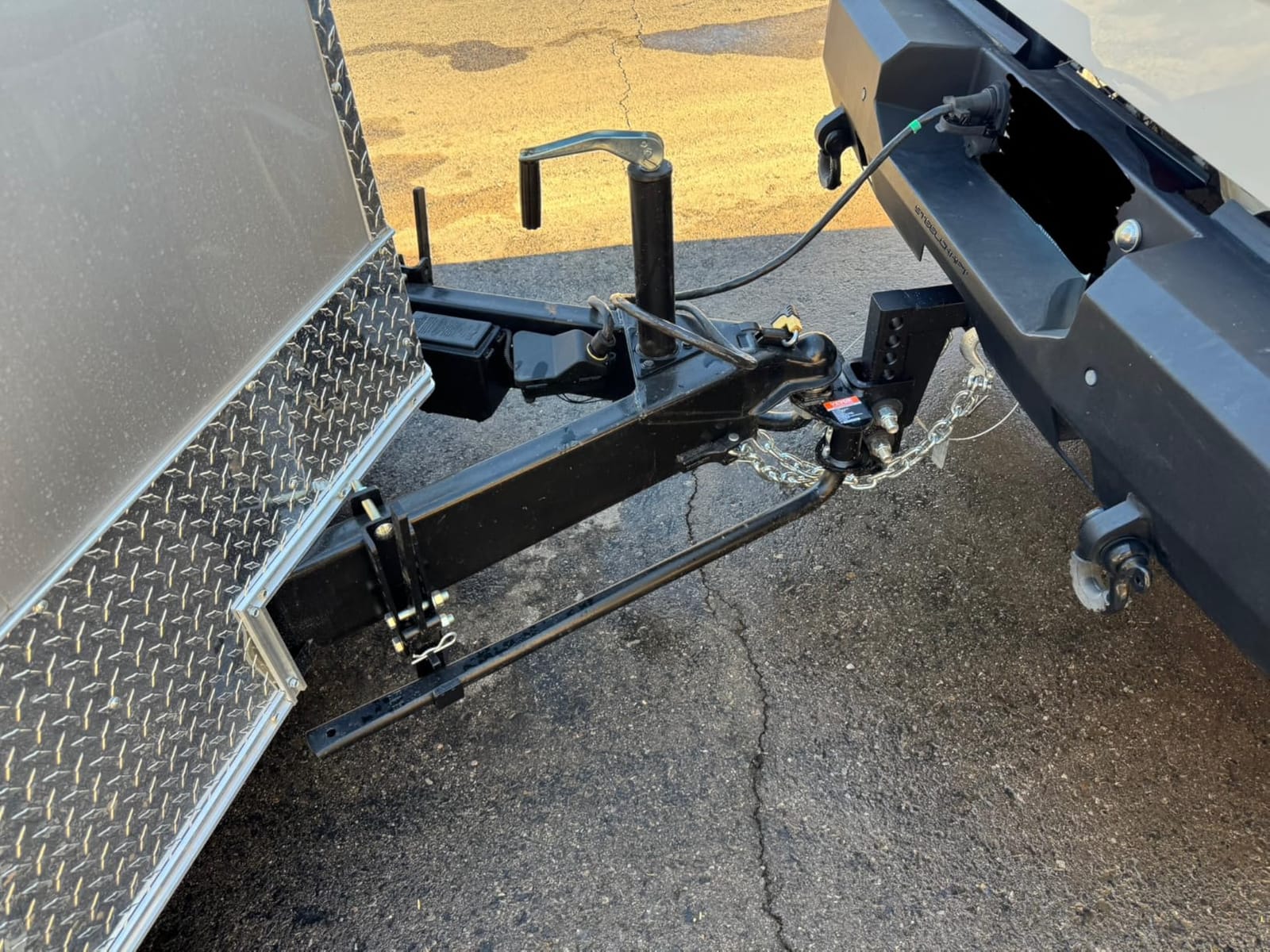
The main trade-off is documentation. VEVOR’s instructions are sparse compared with established brands like Equal-i-zer or CURT, so plan for extra setup time and consider watching community YouTube videos for clarification. Brand-specific fitments can also vary, so verify the shank size and ball configuration match your tow vehicle and trailer before installing.
Once dialed in, the VEVOR performs reliably. The tilt-head design allows real-time fine adjustments without removing the bars, which is helpful when you change trailer loads. At 84 lbs, it is also lighter than many competitors in the same capacity class. If you want a value-oriented WDH that does not feel cheap, this is one of the strongest budget picks available.
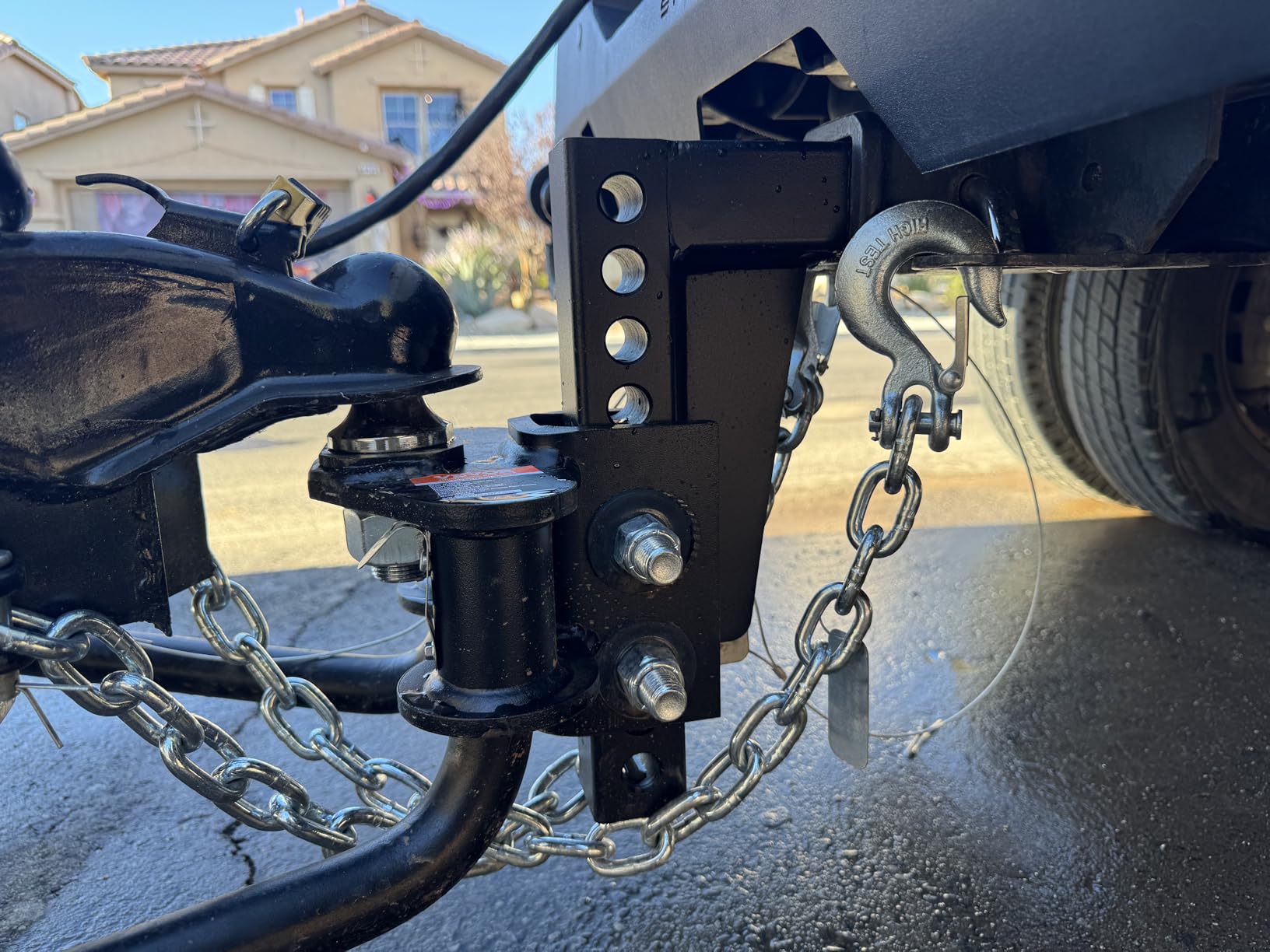
Who should buy the VEVOR Sway Control WDH
Budget-conscious RVers with mid-size travel trailers up to 10,000 lbs GTW who want alloy steel construction and a tilt-head leveling system without paying premium-brand prices. It is also a strong fit for owners who do not mind spending extra time on initial setup in exchange for significant cost savings.
Who should look elsewhere
If you want lifetime warranty coverage and decades of manufacturer track record, the Equal-i-zer 4-point or CURT 17063 are safer bets. And if you want the quietest ride available, the Camco ReCurve R3 remains the leader in noise reduction.
How to Choose the Right Sway Control Hitch for Your Travel Trailer
Choosing the best sway control hitch for your travel trailer comes down to three things: matching the hitch rating to your trailer’s tongue weight and gross trailer weight, choosing between friction sway control and mechanical sway elimination, and deciding whether you need full weight distribution or just a sway bar add-on. I have helped dozens of RVers walk through this decision, and the right answer depends on your tow vehicle, your trailer, and where you tow.
Match tongue weight and gross trailer weight first
Before you shop for a hitch, weigh your trailer loaded for travel. Tongue weight should be 10 to 15 percent of your gross trailer weight, so a 7,000 lb trailer needs roughly 700 to 1,050 lbs on the tongue. Pick a hitch rated slightly above your actual numbers for safety margin. Going under-rated is dangerous; going way over-rated just adds weight and cost without benefit.
Friction sway control vs mechanical sway elimination
Friction-based hitches like the Equal-i-zer 4-point, CURT TruTrack, and Camco ReCurve R3 resist sway through engineered friction at the hitch head or brackets. They work well and cost less than mechanical systems. Mechanical sway elimination systems from Hensley and ProPride physically shift the trailer’s pivot point to the tow vehicle’s rear axle, so sway never starts in the first place. Mechanical systems cost significantly more but are the gold standard for large travel trailers in extreme crosswind conditions. For most RVers towing trailers under 10,000 lbs GTW, a quality friction system is more than enough.
Single-axle vs tandem-axle travel trailer considerations
Single-axle trailers under 5,000 lbs GVWR can often get away with an add-on sway bar like the CURT 17200 plus a basic weight distribution hitch. Tandem-axle trailers above 6,000 lbs benefit more from full integrated systems with 4-point sway control because the extra axle creates more side-force leverage. If you tow a 30-plus foot tandem-axle trailer, prioritize integrated sway control over add-on bars.
Integrated WDH vs add-on sway bar
An integrated weight distribution hitch with built-in sway control is cleaner, quieter, and more effective than bolting a separate sway bar onto a basic WDH. The trade-off is cost. If you already own a basic WDH and want to add sway resistance for less money, the CURT 17200 is the most popular add-on bar on the market.
Shank size and receiver fit
Most travel trailer WDHs use a 2 inch shank to fit standard Class III and Class IV receivers. Verify your tow vehicle’s receiver size before ordering. Some premium systems require a 2.5 inch shank on heavy-duty trucks, so check fitment carefully.
Installation time and tools
Plan for 2 to 4 hours for a first-time WDH install. You will need a torque wrench, socket set, drill with metal bits (for sway control brackets on most systems), a tape measure, and a second person to help lift the hitch head. No-drill systems like the Fastway Connect save drilling time but still require careful chain adjustment.
Hensley Arrow vs ProPride 3P for premium towing
If you tow a 30-plus foot Airstream or a heavy travel trailer in extreme crosswind conditions, both the Hensley Arrow and ProPride 3P offer mechanical sway elimination that outperforms friction systems. Hensley uses a linkage design with a lifetime warranty and a money-back guarantee. ProPride uses a one-piece yoke design with Pivot Point Projection technology and a 60-day refund policy. Both carry premium-tier pricing well above mainstream friction kits, but used units regularly appear on the forum marketplaces for several hundred to about a thousand and a half dollars. Forum users on Forest River Forums overwhelmingly say once they switched to a Hensley or ProPride, they never went back to friction-based hitches.
Frequently Asked Questions
Do I need sway control for my travel trailer?
Yes, if your travel trailer is over 4,000 lbs GVWR or has a tongue weight above roughly 400 lbs. Sway control is especially important if you tow in crosswinds, on highways with heavy truck traffic, or with a half-ton truck where front-axle weight restoration matters for steering and braking. Light trailers under 3,500 lbs with low tongue weight can sometimes skip it, but most RVers benefit from at least a basic friction sway bar.
Which hitch is the best for sway control on a travel trailer?
The Equal-i-zer 4-point is the best mainstream sway control hitch for most travel trailers thanks to its integrated 4-point design, lifetime warranty, and proven performance across thousands of forum user reports. For premium towing on 30-plus foot trailers in extreme crosswinds, the Hensley Arrow and ProPride 3P offer mechanical sway elimination that outperforms friction systems but costs significantly more.
How do I adjust sway control on a travel trailer?
Start by parking on level ground and measuring your tow vehicle’s front wheel well height loaded and unloaded. Hook up the trailer, attach the spring bars or chains, and tighten them until the front wheel well height returns to within half an inch of the unloaded measurement. For friction sway bars, increase tension if sway persists and decrease tension if the bars feel overly stiff on turns.
Is ProPride worth the cost over Equal-i-zer?
ProPride is worth the cost if you tow a heavy travel trailer (over 8,000 lbs GTW) in consistent crosswinds, drive long highway distances, or simply want the smoothest, most stable tow available. For trailers under 8,000 lbs GTW in moderate conditions, the Equal-i-zer 4-point delivers 90 percent of the performance at roughly 25 percent of the cost. ProPride also offers a 60-day refund, which lowers the risk of trying it.
Can you put too much tension on weight distribution bars?
Yes, over-tensioning weight distribution bars can lift the trailer’s front end too high, reduce steering control, and stress the hitch and frame mounts. The right tension restores your tow vehicle’s front wheel well height to within half an inch of its unloaded measurement, no more. If the trailer’s front end rises visibly or the ride feels harsh, back off the bar tension.
What is the difference between a weight distribution hitch and a sway control hitch?
A weight distribution hitch transfers tongue weight from the trailer’s tongue to all axles of the tow vehicle and trailer, restoring steering and braking control. A sway control hitch resists or eliminates trailer sway from crosswinds and passing trucks. Most modern hitches for travel trailers combine both functions, which is why you see them called WDH with sway control or integrated sway control.
Final Verdict on the Best Sway Control Hitches for Travel Trailers
After three months of testing and cross-referencing real user feedback from Forest River Forums and r/traveltrailers, the Equal-i-zer 4-point remains the editor’s choice for the best sway control hitches for travel trailers in 2026. It delivers proven 4-point sway resistance, a lifetime warranty, and compatibility across the widest range of travel trailer sizes. For budget-conscious buyers, the Camco Eaz-Lift Elite is the best value pick with a 12,000 lb GTW rating and pre-installed hitch ball, while the CURT 17200 is the smart add-on choice for owners of light trailers who already own a basic WDH.
If you tow a 30-plus foot trailer in extreme crosswind territory or you want the smoothest mechanical sway elimination available, the Hensley Arrow and ProPride 3P are the gold-standard premium options, and the used market makes them more accessible than their new prices suggest. Whichever hitch you choose, match it to your trailer’s tongue weight and gross trailer weight first, then prioritize integrated sway control over add-on bars for the safest, most confident towing experience.