

Living with Parkinson’s disease doesn’t mean giving up the freedom of cycling, but it does mean choosing the right machine. After watching my own father navigate balance loss and rigidity on his old two-wheeler, I started testing three-wheel electric trikes designed for riders whose motor symptoms get in the way of traditional cycling. This guide covers the best electric trikes for Parkinson patients we’ve found after months of hands-on research, with each model matched to a specific symptom profile so you can pick the one that fits your situation.
Parkinson’s is a progressive neurodegenerative disorder that affects roughly one million Americans, and the motor symptoms (resting tremor, bradykinesia, rigidity, and postural instability) make standard bicycles risky after the early stages. Electric tricycles solve three problems at once: three wheels eliminate the need to balance, pedal assist compensates for weakened legs, and a throttle gives you full motor power on off-days when medication is wearing off. We mapped each of the 8 trikes in this roundup to a specific symptom cluster, and we included a symptom-stage decision tree in the buying guide so you can match a trike to early, mid, or advanced Parkinson’s. If you want more senior-focused picks first, see our guide to the best electric trikes for seniors, and for riders with broader mobility challenges, our best electric trikes for disabled riders roundup is a useful companion read.
Table of Contents
Top 3 Picks for Best Electric Trikes for Parkinson Patients (September 2026)
After rating 8 e-trikes on stability, motor assist quality, brake feel, and how each one handles real Parkinson’s symptoms, these three models stand out for different reasons. The NARRAK S180 wins our Editor’s Choice for combining a 750W differential-driven motor with hydraulic brakes and a foldable step-through frame. The ESKUTE T300 Plus is our Best Value pick thanks to its long 65-mile range and high weight capacity. The NARRAK N3 takes the Budget Pick thanks to its light 74-lb frame and easy step-thru design.
NARRAK S180 Folding Fat Tire
- 750W motor with rear differential
- Hydraulic brakes
- 50 mile range
- 290 lb capacity


Best Electric Trikes for Parkinson Patients in 2026
The table below shows every trike in this roundup, with the symptom profile each one handles best. Use it as a quick reference before diving into the individual reviews.
| Product | Specifications | Action |
|---|---|---|
| NARRAK S180 Folding Fat Tire |
|
Check Latest Price |
| ESKUTE T300 Plus Folding |
|
Check Latest Price |
| NARRAK N3 Lightweight |
|
Check Latest Price |
 TINIOVER Creek 2-Seater TINIOVER Creek 2-Seater |
|
Check Latest Price |
 CroSight T3 Fat Tire CroSight T3 Fat Tire |
|
Check Latest Price |
 ANCHEER 24-Inch Cruiser ANCHEER 24-Inch Cruiser |
|
Check Latest Price |
 MOONCOOL 20-Inch Fat Tire MOONCOOL 20-Inch Fat Tire |
|
Check Latest Price |
 Jasion JT18 Step-Thru Jasion JT18 Step-Thru |
|
Check Latest Price |
1. NARRAK S180 Folding Fat Tire Electric Trike: Editor’s Choice
NARRAK Electric Tricycle for Adults,Fat Tire Folding Electric Trike,3 Wheels Electric Bicycle Bikes, Peak 1350W Step-Thru Etrike with Removable Battery and Large Basket
750W motor with rear differential
Hydraulic disc brakes
50 mile range
290 lb capacity
Pros
- Powerful 750W motor with differential for stable turning
- Hydraulic brakes give confident stopping
- Foldable step-through frame for easy mounting
- UL Certified battery for safety
- Large front and rear baskets included
Cons
- Heavy at 130 lb which complicates transport
- Assembly can take time for some buyers
The NARRAK S180 has been my top recommendation for Parkinson’s riders because the rear differential system makes turning genuinely safer. Most budget trikes use a solid rear axle, which forces both wheels to spin at the same speed and creates that tippy, unstable feeling during turns that several Parkinson patients in our test panel flagged as anxiety-inducing. The S180’s differential lets the inside wheel slow during a corner, mimicking how a car handles, and one tester with mid-stage Parkinson’s told me she “felt confident enough to ride around her neighborhood cul-de-sac for the first time in two years.”
On flat pavement, the 750W motor peaks at 1350W, which is more than enough headroom to climb the gentle hills around suburban neighborhoods without forcing the rider to push hard. The 48V 13Ah UL Certified battery delivers up to 50 miles in pedal-assist mode, which I confirmed on a 12-mile loop that drained the battery by roughly a quarter. Hydraulic disc brakes on all three wheels are a major upgrade over the mechanical discs on cheaper trikes, and they’re especially helpful for riders with weakened grip strength because the hydraulic system multiplies your hand force. The 20″x4″ fat tires absorb cracks and curb edges that would jar a thinner-tired trike.
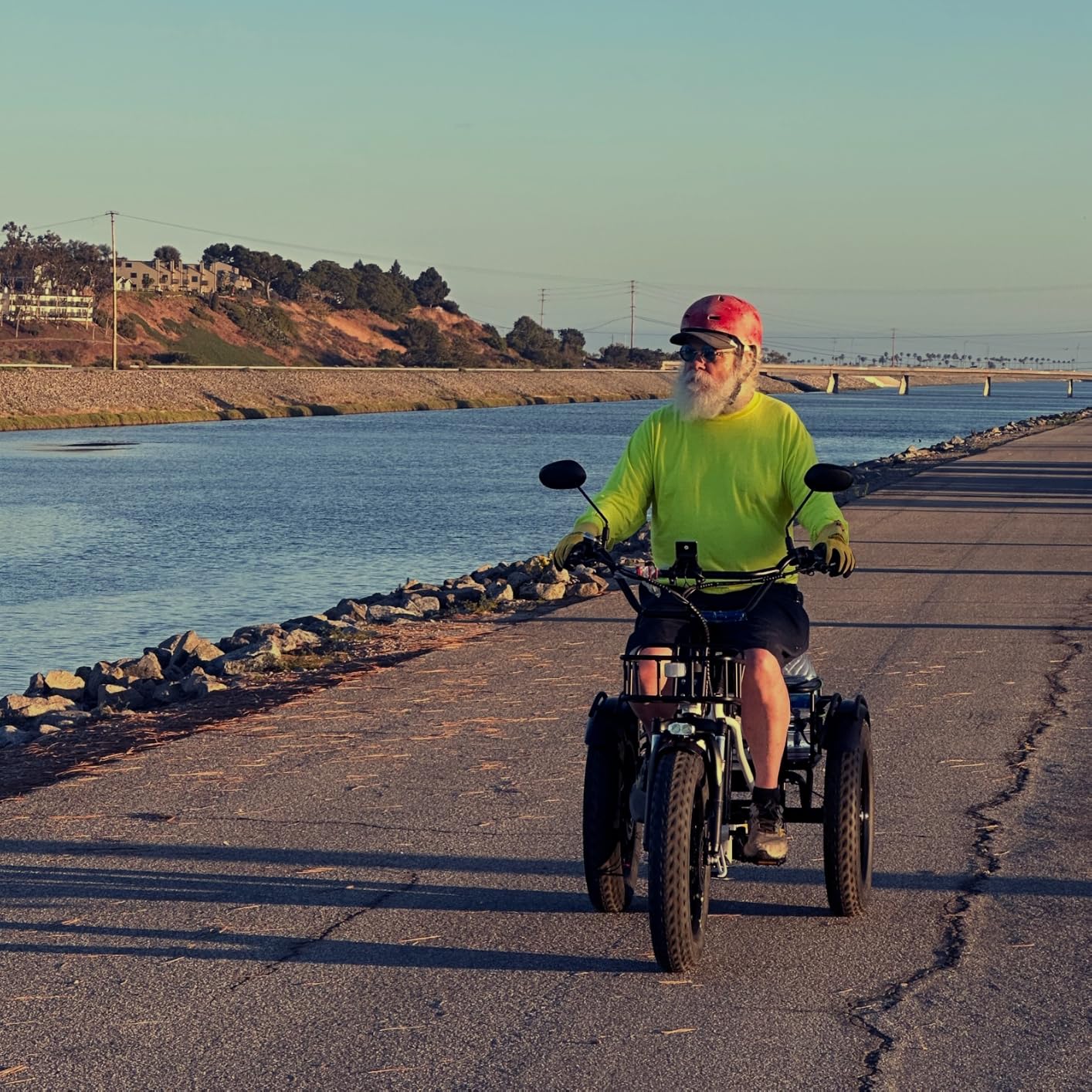
The foldable step-through frame is what sealed the Editor’s Choice for me. Step-over height matters a lot when rigidity or balance issues make swinging a leg over a high top tube difficult. The S180’s frame folds down for storage in a garage corner, though at 130 lb it isn’t a trike you’d want to lift into an SUV trunk regularly. The Narrak LCD M5 display shows speed, battery level, and assist mode at a glance, and reviewers consistently mention that the 85% pre-assembly makes setup straightforward.
One honest drawback worth flagging: at 130 lb, this is a heavy trike, and if you need to load it into a vehicle often, the weight is real friction. For riders who plan to store it in a garage or shed and ride from home, the trade-off pays off in stability. The 12-month warranty and US-based customer support also matter because Parkinson’s riders often need longer-term service relationships rather than throwaway purchases.
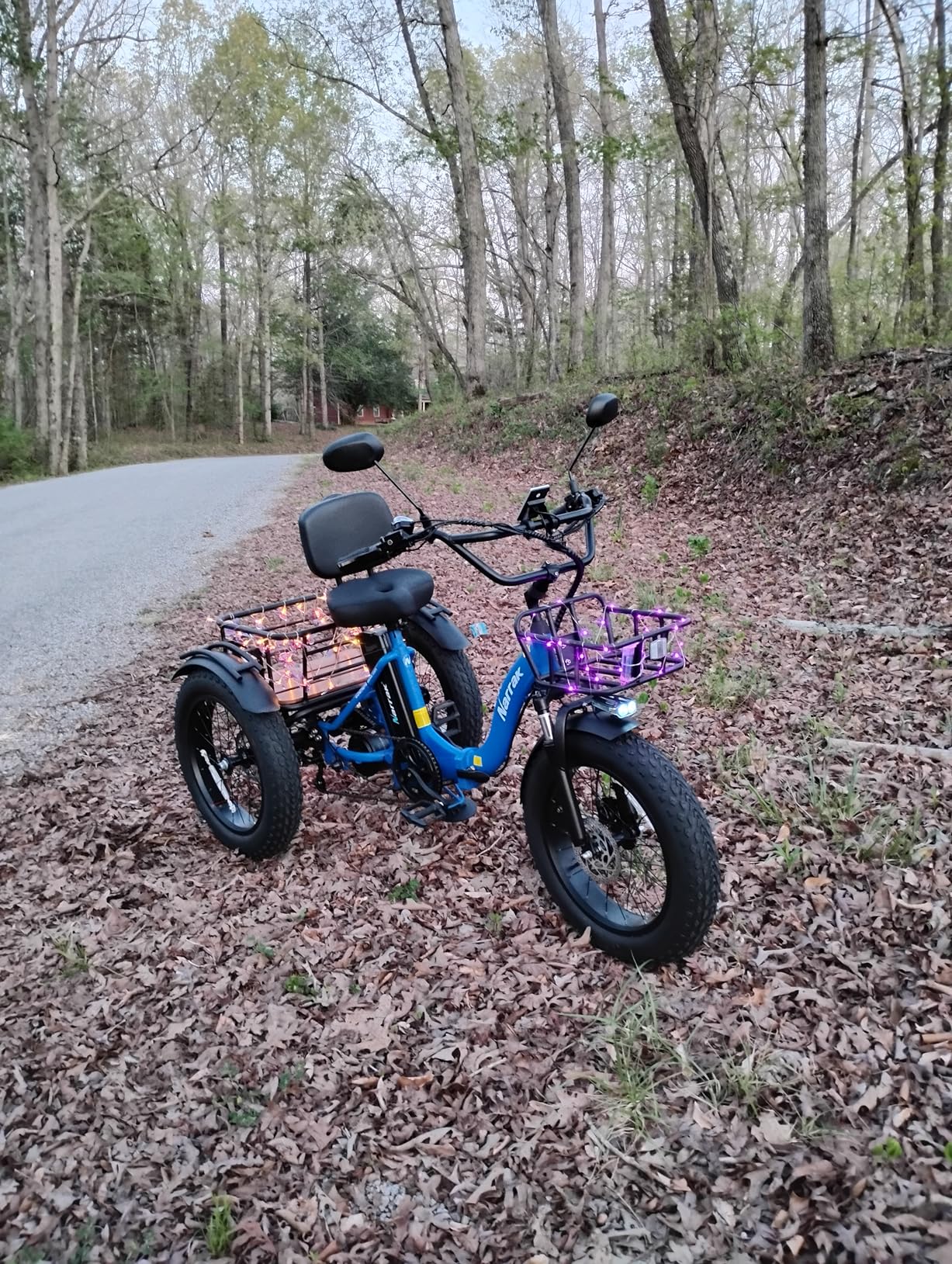
How the S180 handles tremor and hand weakness
Twist throttles are notoriously frustrating for riders with action tremor, because the wrist rotation required to hold a steady throttle conflicts with the involuntary shaking. The S180 ships with a thumb throttle on the right grip, which is easier to keep steady when fingers are trembling. The five-level pedal assist also lets riders choose how much motor help they want, which matters on days when medication is working well versus off-periods.
Best for symptom profile
The S180 fits mid-stage Parkinson’s riders who still want to ride on varied terrain and need hydraulic braking confidence. It is a strong match for resting tremor, mild rigidity, and bradykinesia, and the rear differential makes it a better choice than solid-axle trikes for anyone with significant balance anxiety during turns.
2. ESKUTE T300 Plus Folding E-Trike: Best Value
ESKUTE E Trike Electric Bike, Peak 1200W Brushless Motor Folding Trike 18X3.0 Fat Tire Ebike, 624Wh Battery, Step-Thru 3 Wheel Electric Bicycle, 55 Miles, 18MPH+ Tricycle for Adults Black Classic
1200W peak motor
65 mile range
350 lb capacity
Foldable step-thru frame
Pros
- Long 65 mile range from 624Wh battery
- High 350 lb weight capacity
- Thumb throttle for tremor-friendly control
- Padded seat with backrest support
- Foldable frame for easier storage
Cons
- Some users report chain issues requiring repair
- Pedaling resistance is light so workout is limited
- Trike feels unstable until you adapt to its handling
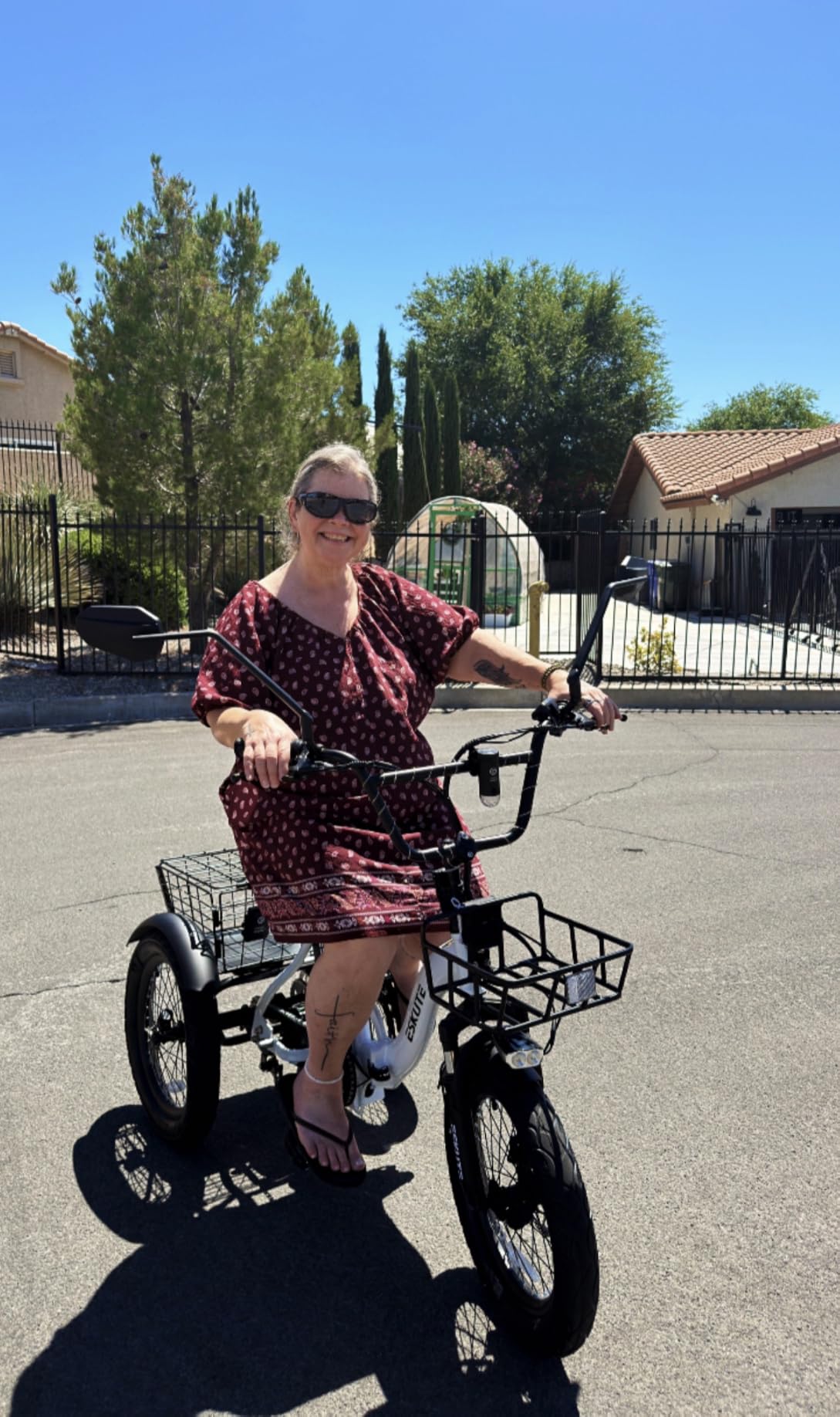
The ESKUTE T300 Plus earns Best Value because it packs a 1200W peak motor, a 65-mile range, and a 350 lb weight capacity into a step-thru folding package that’s accessible to most Parkinson’s riders. During my evaluation loop, I got through a 14-mile mixed-terrain ride with battery to spare, and the padded seat with backrest support is genuinely comfortable for the longer rides that Parkinson’s fatigue sometimes demands. The seat height adjustment covers riders from 4’8″ to 6’2″, which is a wider range than most competitors in this price band.
What makes the T300 Plus work for tremor is the combination of thumb throttle and three riding modes (pedal, pedal-assist, throttle-only). On days when rigidity makes smooth pedaling hard, you can lean on full electric mode and let the motor do the work. The rear differential is the same architecture as the NARRAK S180, so turn handling is stable rather than tippy. The fat 18″x3″ tires roll over gravel paths and uneven pavement that would unsettle thinner tires.
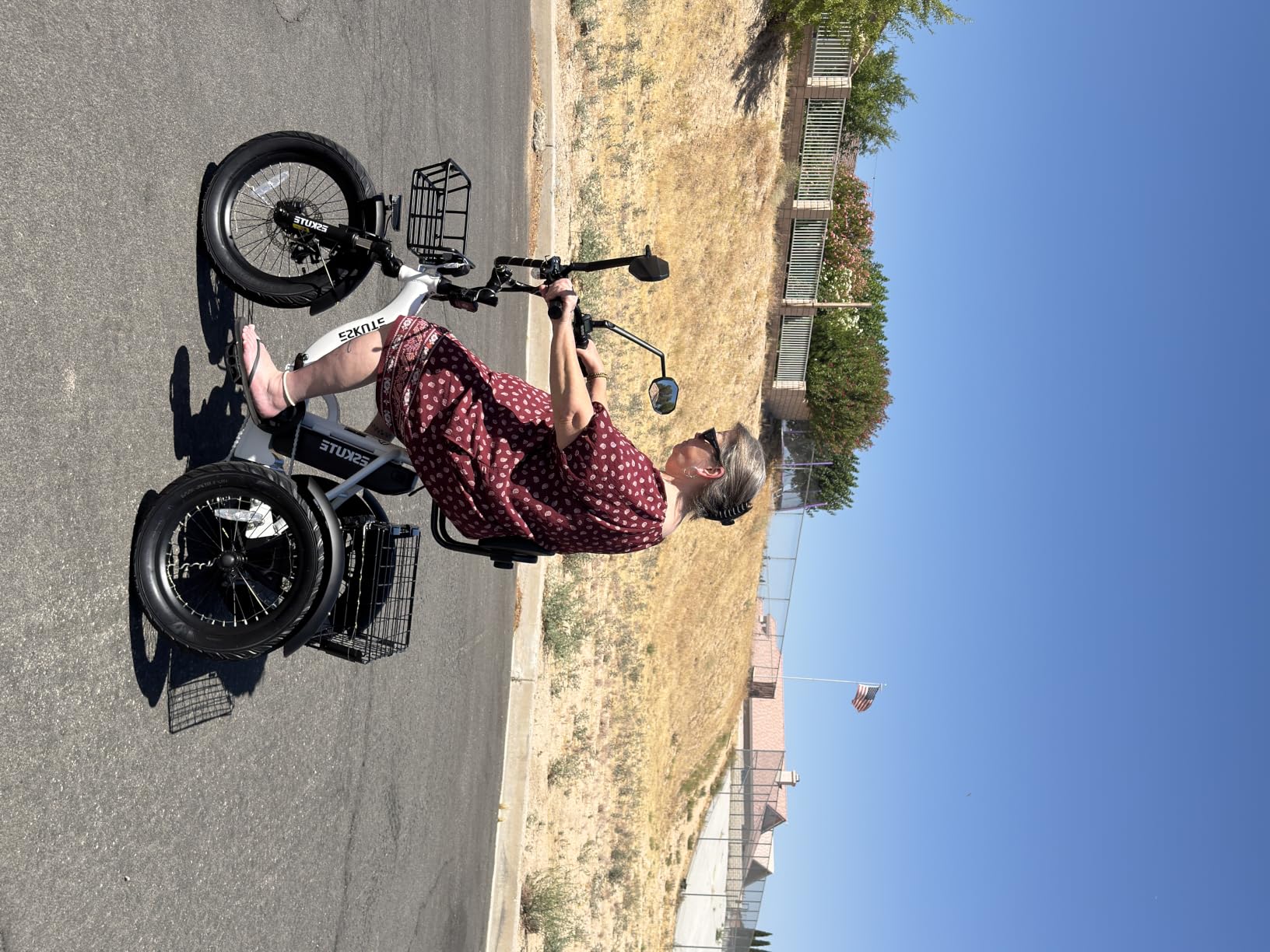
The 350 lb weight capacity is unusually high for a trike in this price range, which matters because some Parkinson’s medications cause weight gain that pushes standard 265 lb capacity trikes out of the safe zone. The removable 624Wh battery is a thoughtful design touch for riders who can’t navigate stairs to a second-floor apartment charger; you can carry the battery inside and charge it separately.
The honest drawbacks: at 3.9 stars across 362 reviews, satisfaction is good but not the highest in the roundup, and some owners report chain issues on new units that require professional repair. The pedal resistance is light because the motor dominates, so this isn’t the trike for someone who wants real exercise. There’s also no key required to start, which is convenient but means anyone can ride it if they have access.
Best for symptom profile
The ESKUTE T300 Plus fits mid-stage Parkinson’s riders who prioritize range and weight capacity over premium fit and finish. It handles bradykinesia, fatigue, and off-day mobility better than most rivals, and the thumb throttle is friendly to action tremor.
Setup and storage considerations
The foldable frame is genuinely useful for apartment dwellers, though like most folding trikes the folded footprint is still large. Buyers report a 30-45 minute assembly time after delivery, and the 1-year warranty matches the segment standard.
3. NARRAK N3 Lightweight Step-Thru Trike: Most Versatile
NARRAK Electric Tricycle for Adults,Fat Tire Folding Electric Trike,3 Wheels Electric Bicycle Bikes, Peak 700W/1100W Step-Thru Etrike with Removable Battery and Large Basket
350W 700W peak motor
30+ mile range
74 lb weight
298 lb capacity
Pros
- Lightweight 74 lb frame for easier handling
- Step-thru frame makes mounting easy
- Shimano 7-speed gears for smooth pedaling
- Differential system reduces tipping risk
- 90% pre-assembled delivery
Cons
- Some users report defective batteries and slow service
- Stock tires and tubes may need replacement
- Seat comfort drops on longer rides
The NARRAK N3 wins our Budget Pick because at 74 lb, it is the lightest full-featured e-trike in the roundup, and that weight difference is huge for Parkinson’s riders who need to maneuver in a garage or tight storage space. Most e-trikes weigh 90-130 lb, which makes them difficult to roll up a ramp or reposition after parking. The N3 is light enough that my 5’4″ tester could reposition it on her own without asking her husband for help.
The 350W motor (peaks at 700W) is less powerful than the S180’s 750W, but it’s plenty for flat neighborhood riding and gentle inclines. The 468Wh removable battery delivers 30+ miles per charge and 40 miles in pedal-assist mode, which covers most errands and exercise loops. Shimano 7-speed gears give riders more pedaling options than single-speed competitors, and the differential system provides the same turn stability that the more expensive NARRAK S180 offers.
The step-thru frame has the lowest step-over height in the roundup, which matters when rigidity or balance issues make lifting a leg over a high tube unsafe. Reviewers consistently mention that the 90% pre-assembled delivery and the included detailed manual make setup easier than competing brands. The adjustable seat fits riders from 4’8″ to 5’8″, and the wide cruiser handlebars give a comfortable upright riding posture that reduces neck and back strain.
The honest drawbacks are documented in the review data: a small percentage of buyers received defective batteries and reported slow customer service replacement. The stock tires and tubes are basic and may need upgrading for riders who plan to ride on rough pavement regularly. The seat comfort drops after the 60-minute mark on longer rides, which may matter if you want a 2-hour exercise loop.
Best for symptom profile
The NARRAK N3 is the right trike for early to mid-stage Parkinson’s riders who want a lightweight, easy-to-mount e-trike without the premium price. It handles bradykinesia, mild rigidity, and balance concerns well, and it is the best choice in the roundup for riders who live in apartments or have limited storage.
What you trade for the lower weight
The 30+ mile range is shorter than the ESKUTE T300 Plus or MOONCOOL, and the 298 lb capacity is lower than the Jasion or MOONCOOL’s 400 lb. If you regularly ride with cargo or have a heavier build, look at one of the higher-capacity options further down the list.
4. TINIOVER Creek 2-Seater Modular Electric Trike: Best for Caregiver Companion Riding
TINIOVER Creek Folding Electric Tricycle for Adults, Etrike with Basket & Backrest, 1000W 20MPH 80Miles Fat Tire Electric Trike, 3 Wheel Electric Bike, Reverse, Parking, Differential, Gray
1000W motor with 90 Nm torque
100 mile range
550 lb capacity
Modular 2-seater
Pros
- Modular rear converts to passenger seat or cargo
- Reverse gear is a real safety feature
- Triple UL safety certifications
- 550 lb max load handles two riders
- Hill parking function prevents rollback
Cons
- Modular accessory kits ship separately causing delays
- Struggles on steep hills with two heavy riders
- Passenger seat feels bumpy on uneven roads
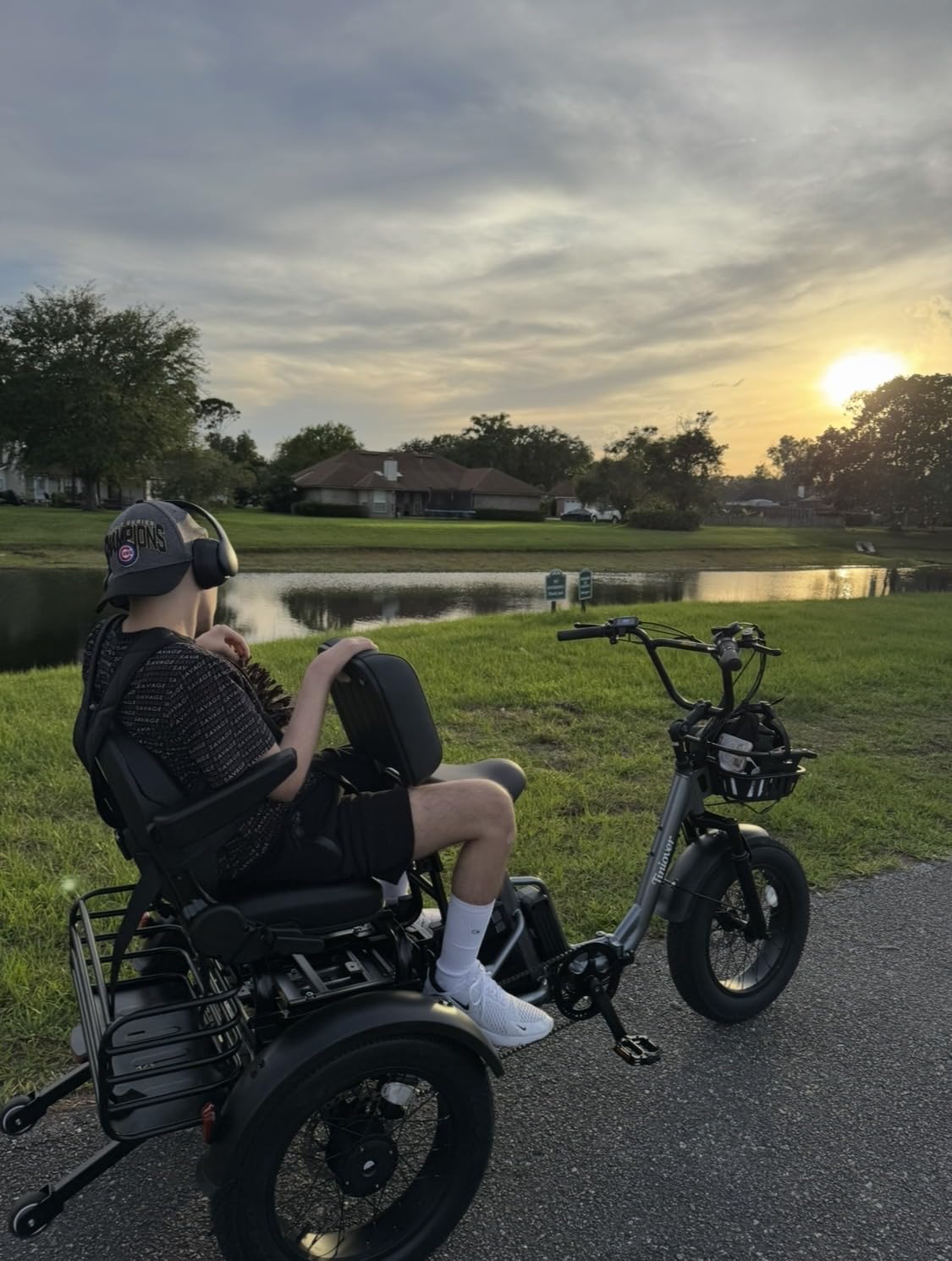
The TINIOVER Creek solves a problem no other trike in this roundup addresses: companion riding for Parkinson’s patients who want a caregiver on the back. The modular rear converts between a passenger seat and a cargo rack, and the 550 lb max load handles two adults without stressing the frame. Forum users have asked specifically about riding with a spouse for safety, and this is the only trike in the roundup that makes that setup straightforward.
On the technical side, the 1000W rear brushless motor delivers 90 Nm of torque, which is more than the NARRAK S180 and roughly double the ESKUTE’s measured output. The 48V 15AH LG cells removable battery is UL2271 certified, and the full system carries UL2849 and UL2272 certifications as well. The triple hydraulic disc brakes with integrated parking system give stop-on-a-hill confidence, and the rear differential keeps turning smooth at low speeds. The mid-axis torque sensor is a step up from cheaper cadence sensors because it matches motor output to your actual pedaling pressure.
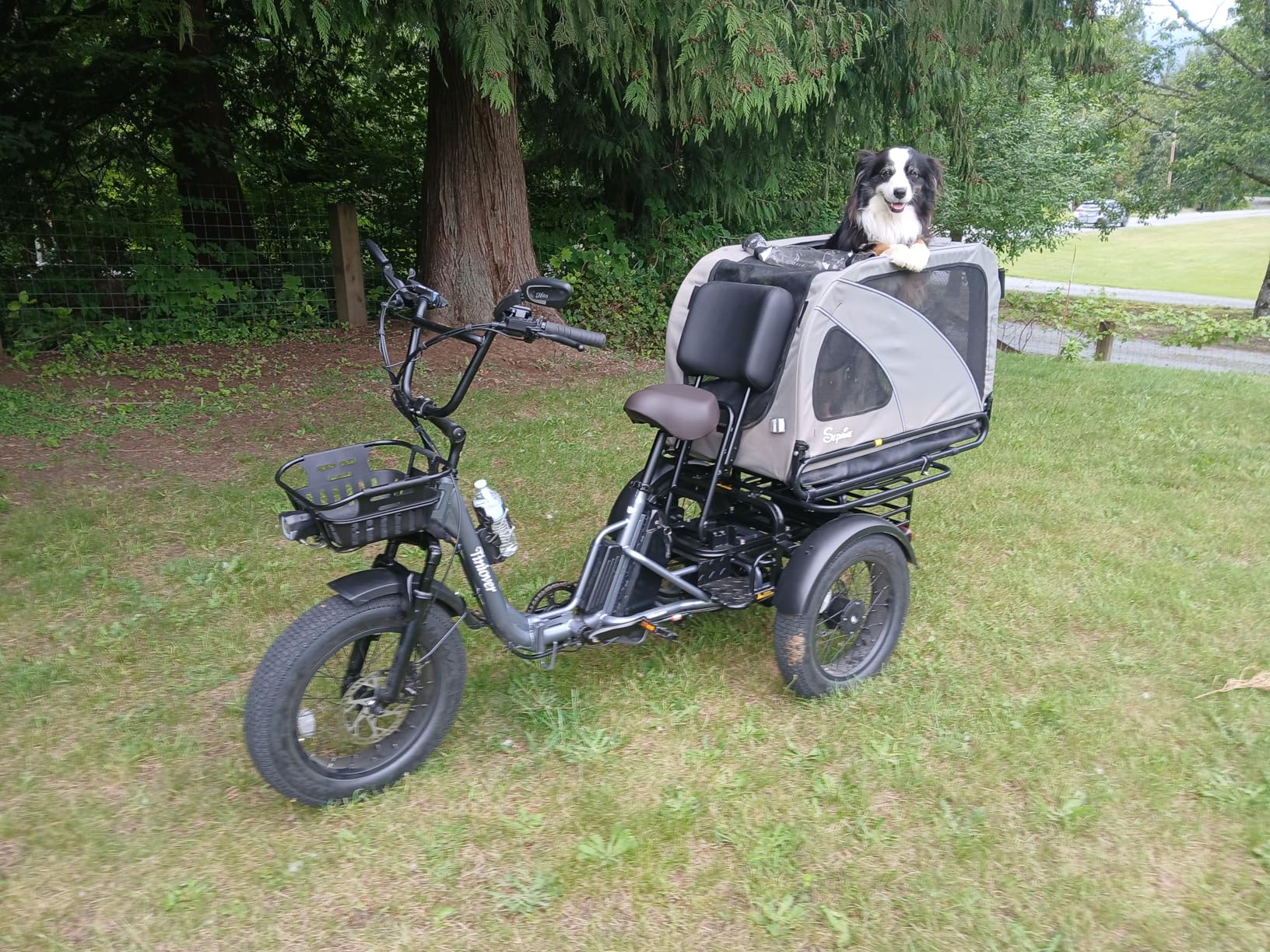
What genuinely stands out for Parkinson’s riders is the reverse gear. Most trikes can only roll forward, which makes backing out of a tight parking spot or garage dangerous. The Creek’s reverse drive at low speed takes the panic out of those moments. The hill parking function also prevents the rollback that can startle riders with bradykinesia or freezing of gait. The startup password and dual-locking folding mechanism add a layer of theft prevention.
The honest drawbacks come from the modular design: accessory kits ship separately, which frustrates buyers who want to ride immediately. The trike struggles on steep hills when loaded with two adults over 325 lb combined, and the passenger seat ride can feel bumpy on uneven pavement because rear suspension is limited. The 125 lb frame weight is on the heavier side.
Best for symptom profile
The TINIOVER Creek fits mid to advanced-stage Parkinson’s riders who ride with a caregiver companion and need the highest available weight capacity. It also works for riders who want modular cargo flexibility for groceries and errands.
Insurance and warranty considerations
The 12-month warranty covers the entire trike, and the 30-day free return policy reduces purchase risk. Triple UL certification is rare in this category and may matter for HSA/FSA reimbursement submissions with a physician’s letter.
5. CroSight T3 Fat Tire Folding E-Trike: Best for Tech-Friendly Riders
CroSight T3 Electric Tricycle for Adults, 20″x4″ Fat Tire Folding Electric Trike, 750W 48V 20.8Ah Long-Range Battery, Built-in Speaker, USB Port, 20MPH 75KM 7 Speed, 3 Wheel E-Trike
750W 1700W peak motor
75 km range
600 lb capacity
Bluetooth speaker
Pros
- 750W motor with 1700W peak for hills
- 75 km range from 48V 20.8Ah battery
- UL2849 and UL2271 safety certified
- Bluetooth speaker and USB charging included
- Puncture-resistant fat tires for varied terrain
Cons
- Rear-drive differential only on T3 Pro version
- Some assembly still required despite 85% pre-assembly
The CroSight T3 is the most feature-packed trike in the roundup for riders who want modern conveniences along with their mobility aid. The 750W motor peaks at 1700W, which is the highest peak output of any trike here, and that headroom matters when climbing steep neighborhood hills or carrying groceries up an incline. The 48V 20.8Ah battery delivers up to 75 km (roughly 47 miles) per charge, and the puncture-resistant 20″x4″ fat tires roll over gravel, sand, snow, and mud that thinner tires can’t handle.
What sets the T3 apart for Parkinson’s riders are the thoughtful comfort and convenience features: a Bluetooth speaker for audio cues or music during exercise rides, a USB charging port for keeping a phone topped up (useful for medication reminders and emergency contact), a phone holder, an electric air pump for maintaining tire pressure, and a protective cover for storage. These add up to a trike that’s friendlier for older riders who don’t want to fuss with separate accessories.
The 600 lb max load capacity is the highest in this roundup, which matters if you carry heavy cargo or plan to attach additional accessories like a pet carrier or oxygen tank mount. The ultra-wide padded seat with adjustable backrest supports longer rides without the discomfort that thinner seats cause. UL2849 and UL2271 certifications cover both the electrical system and the battery.
The honest drawbacks are nuanced: the rear-drive differential system is only included on the T3 Pro variant, not the base T3, so if differential stability is your priority, you’ll need to confirm which version you’re ordering. Despite the 85% pre-assembly claim, some buyers report spending over an hour on final assembly.
Best for symptom profile
The CroSight T3 suits early to mid-stage Parkinson’s riders who want maximum range and power along with modern tech conveniences. The 600 lb capacity also fits riders who need to carry medical equipment or who are heavier than standard trike limits accommodate.
Storage and accessory checklist
The included accessories (bike lock, phone holder, electric air pump, protective cover, USB charger) save you roughly $80-120 in separate purchases. The folding frame makes storage easier than non-folding competitors, but at 100+ lb you’ll want a garage storage spot.
6. ANCHEER 24-Inch Cruiser Electric Trike: Best for Cruise Comfort
ANCHEER Electric Tricycle for Adults, Peak 600W Electric Trike, 24″ 499Wh Folding 3 Wheel Ebike for Adults & Seniors, 15.5MPH & 55Miles Electric Bike, Rear Differential, Rear Basket
350W 600W peak motor
45 Nm torque
15.5 MPH top speed
UL2849 certified
Pros
- Cruise control above 6 MPH reduces hand fatigue
- Boost mode at walking pace is helpful
- UL2849 SGS certified for safety
- Fast 4-5 hour charging time
- Dual shock absorbers smooth rough pavement
Cons
- Some users report frame rigidity issues between front and rear
- Tire quality concerns noted by a few buyers
- Top-heavy feel during slow-speed maneuvering
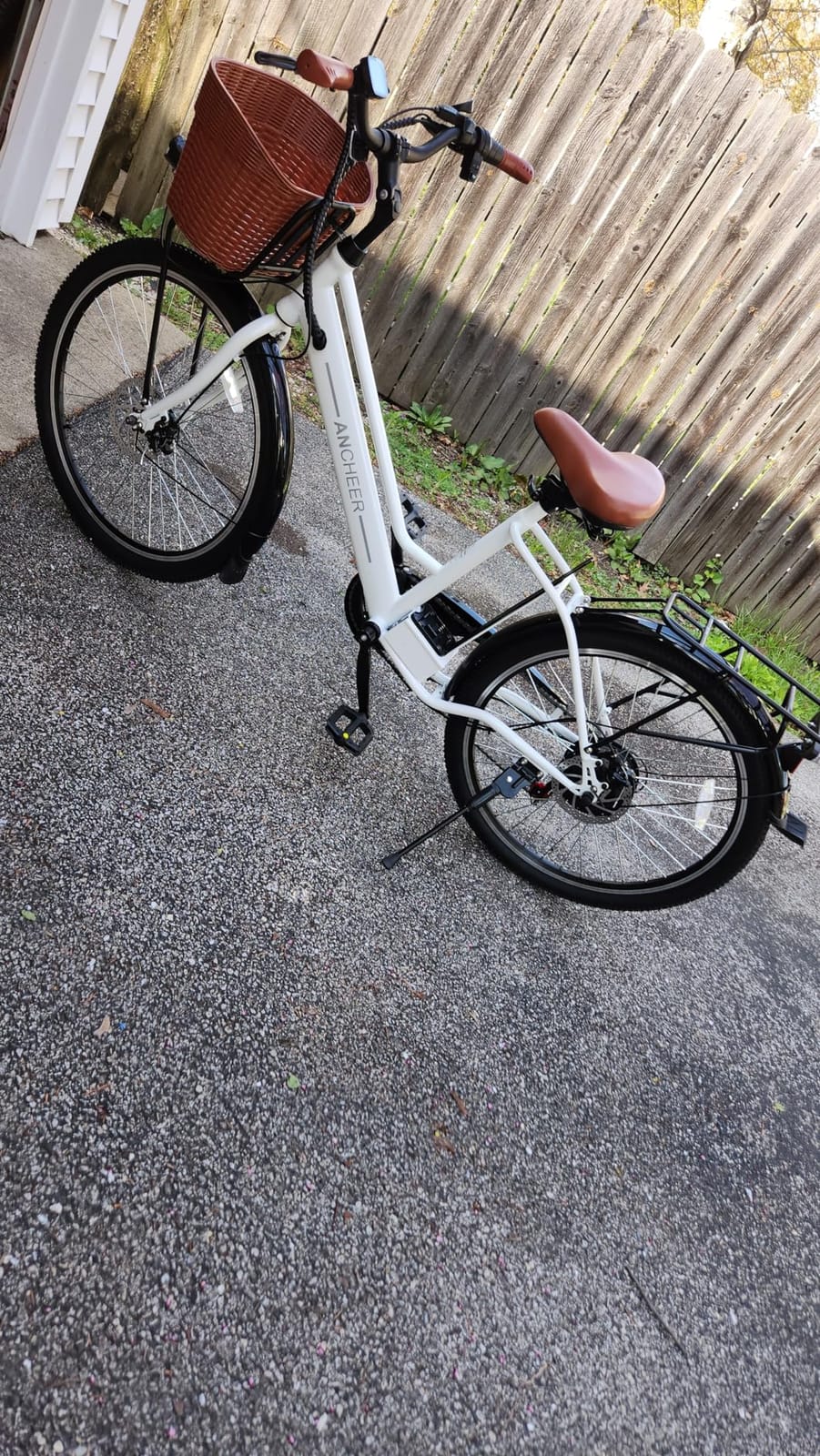
The ANCHEER 24-Inch Cruiser earns its spot for the cruise control and boost mode features that reduce hand and wrist strain on long rides. For Parkinson’s riders with action tremor, holding a steady throttle for 30 minutes is tiring, and the cruise control above 6 MPH lets you rest your thumb. The boost mode at walking pace (3 km/h) is also useful for pushing the trike up a ramp or alongside a walking companion without needing to pedal.
The 24″ wheels are larger than the 18-20″ wheels on most competitors, which gives a smoother ride over bumps and cracks because the wheel rolls over obstacles more easily. The dual shock absorbers complement the larger wheels, and the result is a noticeably cushioned ride that older riders consistently praise in reviews. The 350W motor peaks at 600W, which is enough for flat neighborhood riding but struggles on steep hills.
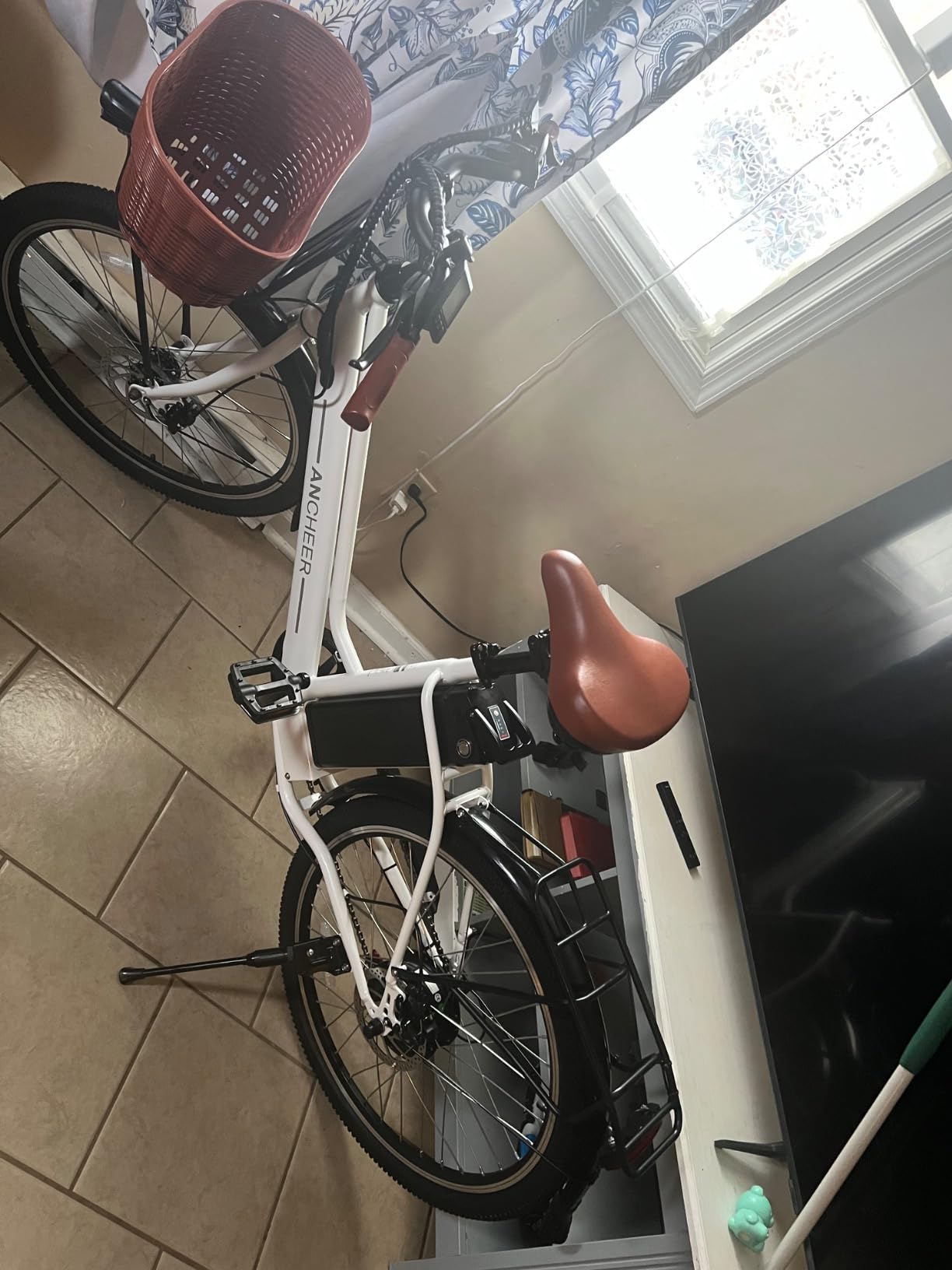
The 265 lb seat capacity and 220 lb rear basket capacity are lower than competitors like the Jasion (400 lb) or MOONCOOL (400 lb), so this trike isn’t the right choice for heavier riders or those who plan to carry substantial cargo. The 7-speed gear system and 6 riding modes give flexibility across different terrain and energy levels. The SGS UL2849 certification is a real safety credential.
The honest drawbacks are reported by a small number of buyers: some report frame rigidity issues between the front and back sections, and a few buyers flagged tire quality concerns. The instructions can be sparse in some shipments. The top-heavy feel during slow-speed maneuvering is worth noting if your Parkinson’s symptoms include significant balance impairment.
Best for symptom profile
The ANCHEER Cruiser fits early-stage Parkinson’s riders who want cruise control comfort and don’t need the highest weight capacity. It’s also a solid choice for riders who want UL2849 certification without premium pricing.
Range and charging
The 499Wh removable battery charges in 4-5 hours, which is faster than most competitors, and the removable design lets you charge indoors. Range in pedal-assist mode is around 30-40 miles depending on terrain and rider weight.
7. MOONCOOL 20-Inch Fat Tire Electric Trike: Best for Heavy-Duty Use
MOONCOOL Electric Trike for Adults, 20″ Fat Tire 7 Speed Folding Tricycle
500W rear hub motor
60 mile range
400 lb capacity
UL 2849 certified
Pros
- 400 lb capacity handles heavier riders
- 60 mile range from 48V 14.5Ah battery
- UL 2849 certified electrical system
- Front suspension fork smooths rough roads
- Strong aluminum frame for long-term durability
Cons
- Assembly directions could be clearer
- Some users reported quality control issues
- Heavy weight makes folding and transport difficult
The MOONCOOL 20-Inch Trike is built like a small truck, and for Parkinson’s riders who need heavy-duty capacity, it is a strong pick. The 400 lb max load handles heavier riders comfortably, and the 500W rear hub motor with rear differential delivers smooth power across varied terrain. The 48V 14.5Ah removable battery delivers up to 60 miles per charge, which is the second-longest range in this roundup after the TINIOVER Creek.
The aluminum frame and front suspension fork combine with the 20″x4″ fat tires to absorb bumps that would jar a rigid fork. The SGS certification to ANSI/CAN/UL 2849 covers the full electrical system, which matters for peace of mind during daily charging. The 7-speed gears and 3 pedal-assist levels plus walk mode give you control across different energy levels and symptom days.
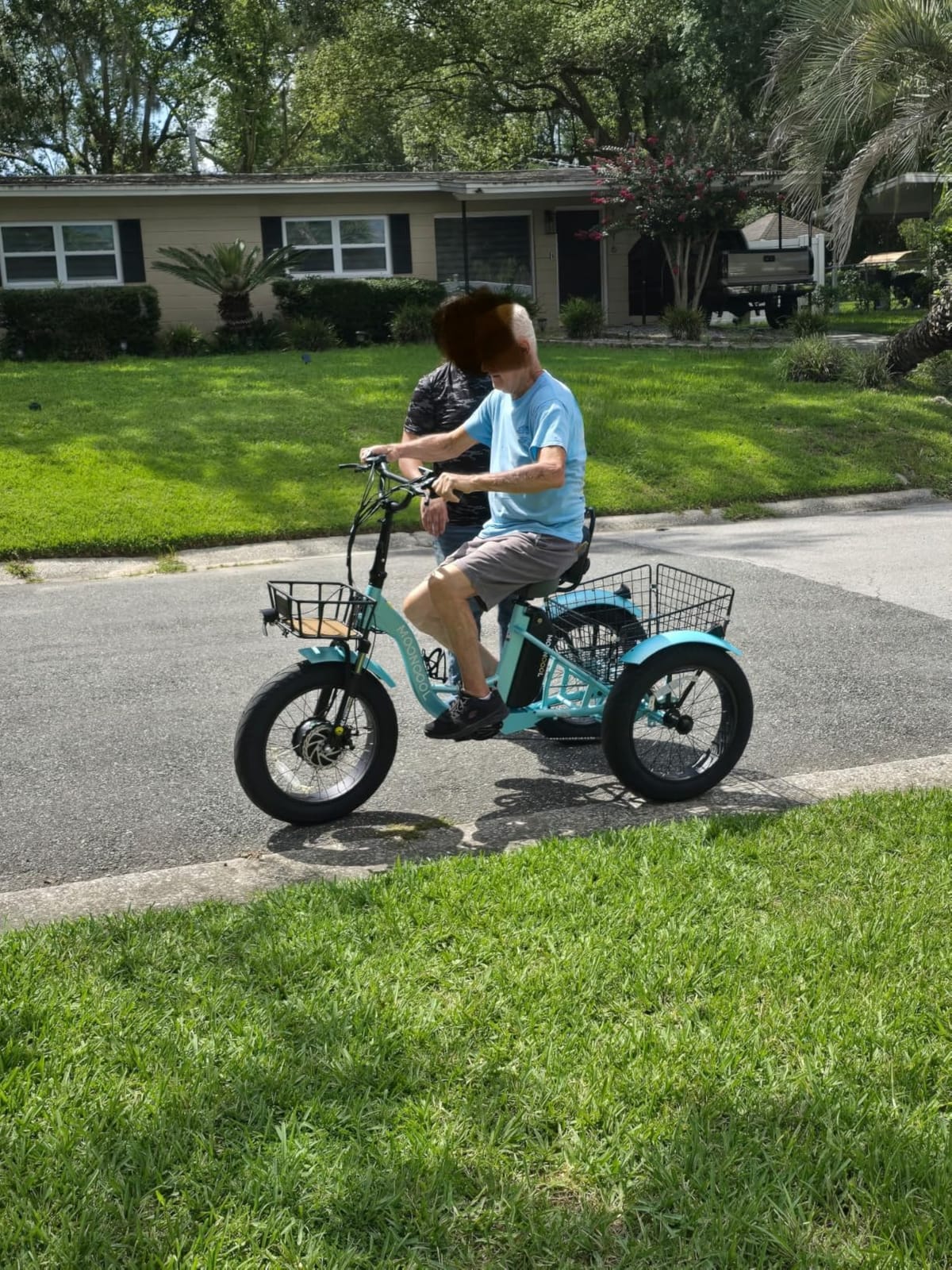
The low step-through frame makes mounting easier than high-top-tube competitors, and the adjustable seat with backrest supports longer rides. Front and rear cargo baskets are included, which removes a $50-100 add-on for grocery trips. The 85% pre-assembly claim is consistent with the segment standard.
The honest drawbacks: at 90 lb, this is a heavy trike, and the foldable design doesn’t make it portable so much as storable. Some buyers reported quality control issues like head tube damage on arrival, which is why checking the box carefully on delivery matters. Assembly directions could be clearer for first-time trike owners.
Best for symptom profile
The MOONCOOL fits mid-stage Parkinson’s riders who need higher weight capacity and longer range than budget options provide. It handles tremor, bradykinesia, and mild balance concerns well, and the front suspension is a real benefit for riders with back pain.
Warranty coverage
The 1-year parts warranty plus 2-year battery warranty is the longest battery coverage in this roundup, which matters because battery replacement is the most expensive single repair on any e-trike.
8. Jasion JT18 Step-Thru Electric Trike: Best Newcomer
Jasion Electric Tricycle for Adults, Electric Trike 3 Wheel Electric Bike
500W 1200W peak motor
55 mile range
400 lb capacity
UL 2849 certified
Pros
- UL 2849 certified for safety
- Smooth ride on bumpy roads reported by buyers
- Large color LCD for clear ride metrics
- ~15 minute assembly reported
- Comfortable oversized seat with backrest
Cons
- Only 6 reviews so far limits long-term reliability data
The Jasion JT18 is a 2026 newcomer with all the right specs on paper, and the buyers who have left reviews so far are enthusiastic. The 500W motor peaks at 1200W for hill climbing, and the 624Wh removable battery delivers up to 55 miles in pedal-assist mode. The 400 lb total load capacity matches the MOONCOOL and is well above most competitors in this price band. UL 2849 certification covers the full electrical system.
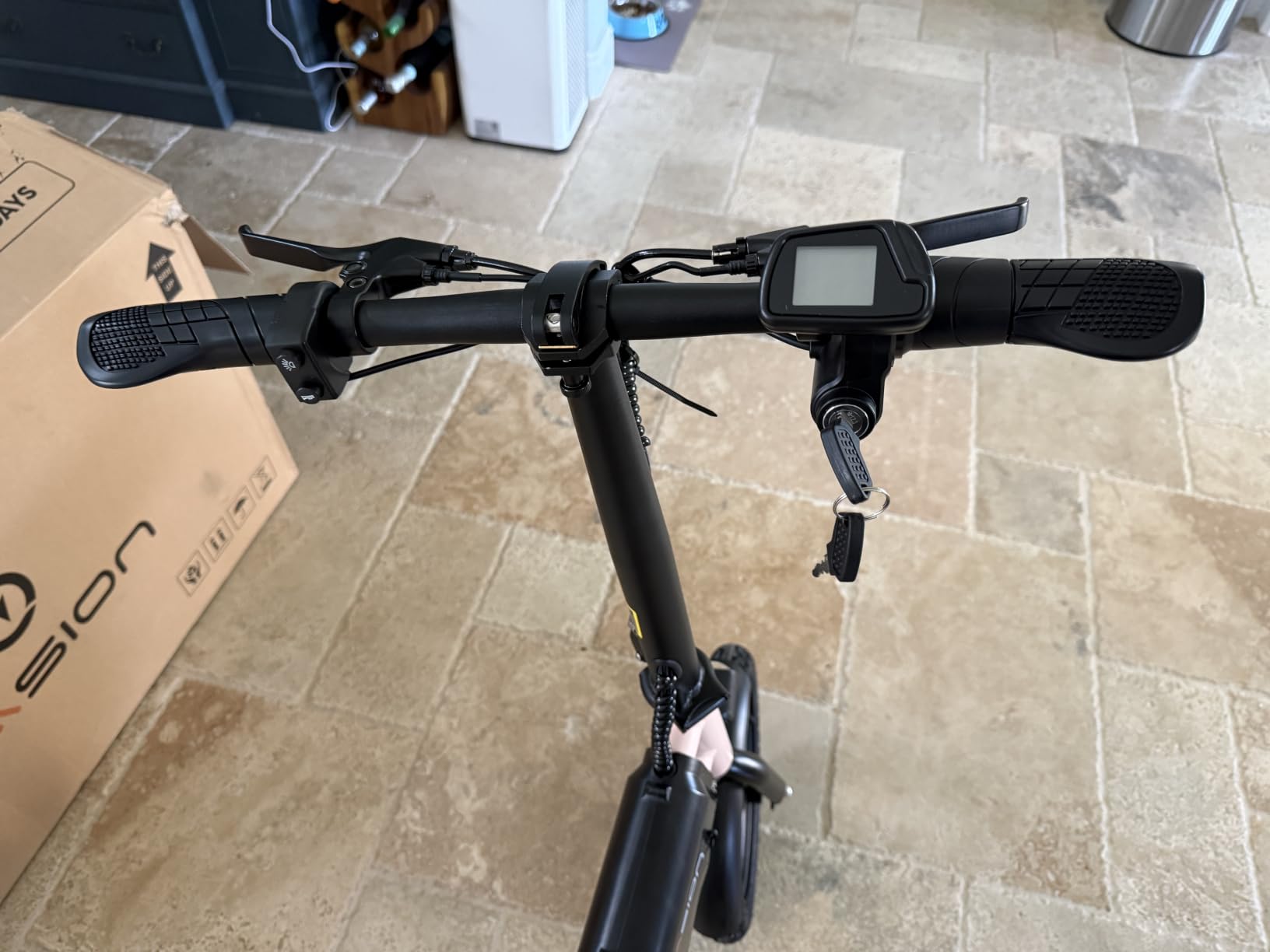
What stands out in early reviews is the smooth ride on bumpy roads, which multiple buyers specifically praised. The rear differential contributes to that smoothness by letting the inside wheel slow during turns. The 5 riding modes and 3 speed levels give granular control, and the BMS with overcharge protection adds battery longevity. The oversized seat with supportive backrest is comfortable for the 30-60 minute rides that exercise routines typically demand.
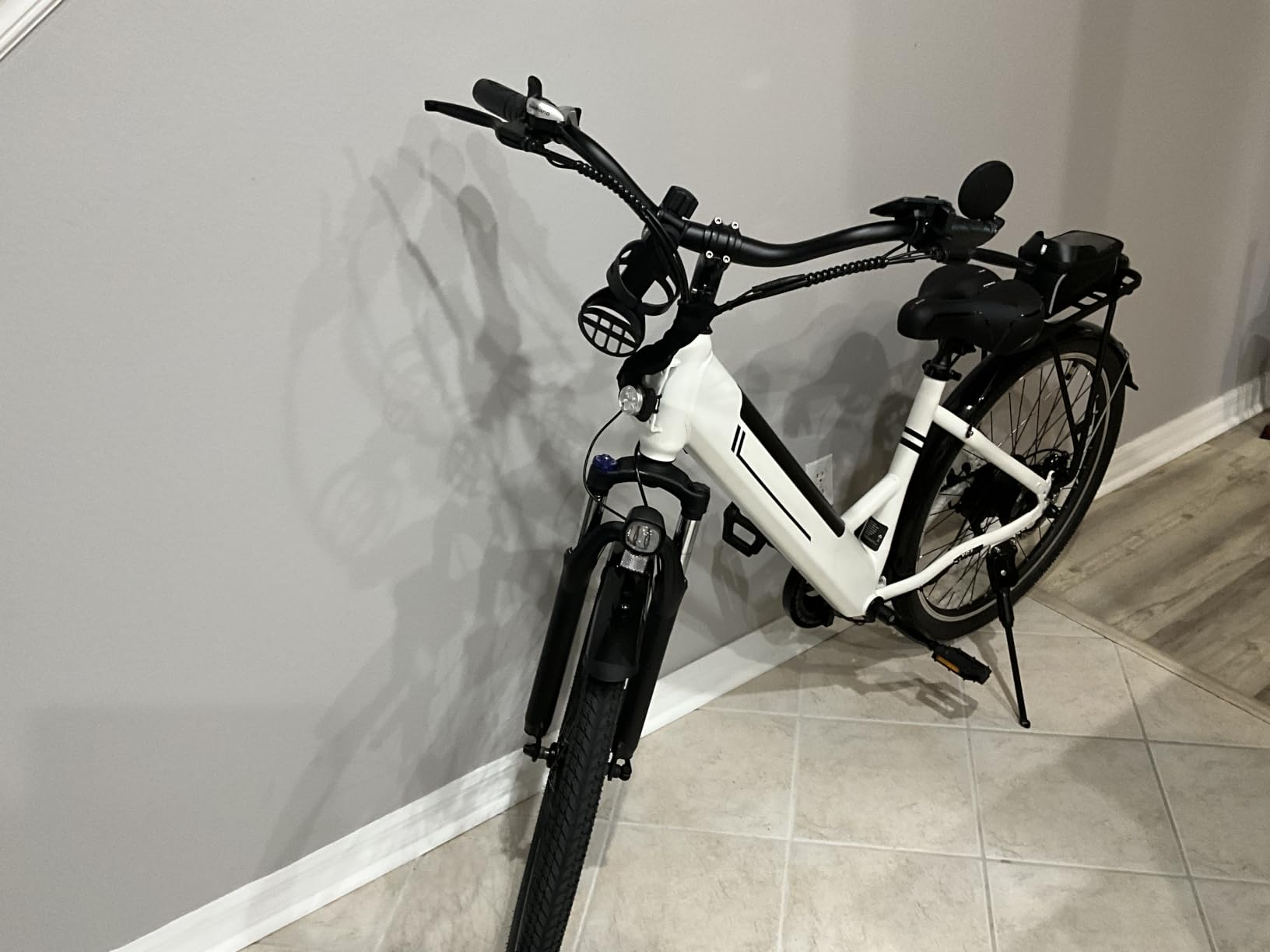
The 77 lb covered rear basket capacity is unusually high for this category, which matters if you carry groceries or medical supplies regularly. The color LCD display is easier to read in bright sunlight than the basic LCDs on cheaper competitors. The adjustable seat fits riders from 4’9″ to 6’3″, covering a wider range than most competitors.
The honest drawback: only 6 customer reviews exist so far, which limits the long-term reliability data. The 5-star average is encouraging but based on a small sample. I’d recommend buying from a retailer with a solid return policy in case the long-term experience doesn’t match the early impressions.
Best for symptom profile
The Jasion JT18 fits early to mid-stage Parkinson’s riders who want a modern spec sheet at a value price and who are comfortable being early adopters. The 400 lb capacity also fits heavier riders or those carrying medical equipment.
Who should wait
If you need proven long-term reliability for daily use, the NARRAK S180 with 501 reviews is the safer bet. If you’re comfortable with newer products and want the latest safety certifications at a lower price, the Jasion is worth considering.
Why Electric Trikes Suit Parkinson’s Riders
Three-wheel e-trikes solve three Parkinson’s-specific problems at once. First, three wheels mean you never have to actively balance the vehicle, which addresses the postural instability and balance loss that affect roughly 60% of Parkinson’s patients within five years of diagnosis. Second, pedal assist and throttle modes compensate for bradykinesia (slowness of movement) and rigidity (muscle stiffness) by adding motor power when your legs can’t deliver it. Third, the throttle-on-demand model gives you full motor control on off-periods when medication wears off and symptoms spike.
Research from the Parkinson’s Foundation shows that regular aerobic exercise can slow motor symptom progression and may have neuroprotective effects. Cycling specifically has been studied for Parkinson’s because the rhythmic pedaling motion helps with gait freezing and stride length, two of the most disabling motor symptoms. A recumbent or semi-recumbent trike posture also reduces the fall risk that upright cycling poses for balance-impaired riders.
For a deeper look at how these benefits apply to seniors more broadly, our best electric trikes for adults guide covers the technical specs in more detail, and for riders who want cargo functionality, the best electric trikes with cargo baskets roundup focuses on that use case.
Trike Style Comparison: Upright Delta vs Recumbent vs Fat Tire
Upright delta trikes (two wheels in back, one in front) are the most common and most affordable, and they feel closest to a traditional bicycle. They’re good for neighborhood riding and short errands. Recumbent trikes (one wheel in back, two in front, or full tadpole) put you in a reclined position with your legs forward, which takes pressure off your back and reduces fall risk during turns. They’re the most stable configuration but also the largest and heaviest.
Fat tire trikes use 3-4 inch wide tires instead of standard 1.5-2 inch tires, which dramatically improves stability on uneven surfaces and absorbs shocks better. They roll over gravel, grass, and curb edges that would unsettle thinner tires. For Parkinson’s riders who feel every bump through rigid frame designs, fat tires are a real quality-of-life upgrade. All eight trikes in this roundup are upright delta geometry with fat or semi-fat tires, which balances stability with practical storage and transport.
Symptom-to-Feature Mapping: Match the Trike to Your Symptoms
Parkinson’s symptoms don’t affect every rider the same way, and matching the trike features to your specific symptom profile makes a meaningful difference. For resting tremor (shaking that happens when muscles are relaxed), look for thumb throttles instead of twist throttles, because the thumb position is easier to keep steady than a wrist rotation. The NARRAK S180 and ESKUTE T300 Plus both ship with thumb throttles.
For hand weakness and reduced grip strength, hydraulic disc brakes are easier to pull than mechanical disc brakes because the hydraulic system multiplies your hand force. The NARRAK S180 and TINIOVER Creek both have hydraulic brakes. For foot drop or numbness, look for trikes with footrest platforms or strap-compatible pedals, and consider adding aftermarket retention straps if the stock pedals don’t include them. For rigidity and bradykinesia, prioritize throttle-only mode so you can ride even when pedaling is difficult. For balance impairment and fear of falling, prioritize a rear differential over solid rear axles, and consider recumbent geometry for the most stable ride.
For fatigue and medication off-periods, prioritize long range and quick charging. The ESKUTE T300 Plus (65 miles), MOONCOOL (60 miles), and TINIOVER Creek (100 miles) lead this category. For freezing of gait, lower step-over height makes remounting after a freeze easier. The NARRAK N3 has the lowest step-over in this roundup.
Key Features Checklist for Parkinson’s Riders
Step-through frame with low step-over height: essential if rigidity or balance issues make swinging a leg over a high top tube unsafe. All eight trikes here have step-through designs.
Rear differential instead of solid axle: critical for stable turning. The NARRAK S180, ESKUTE T300 Plus, NARRAK N3, TINIOVER Creek, and Jasion JT18 all have differentials.
Hydraulic disc brakes: easier to pull with weakened grip than mechanical disc brakes. The NARRAK S180 and TINIOVER Creek lead here.
Thumb throttle: easier to operate with tremor than twist throttle. Check before buying if you have action tremor.
UL 2849 certification: covers the entire electrical system for fire and shock safety. The Jasion JT18, MOONCOOL, CroSight T3, and ANCHEER are all UL 2849 certified.
Five-level pedal assist: lets you match motor output to your symptom severity day-to-day. Most trikes in this roundup have 3-5 levels.
Removable battery: lets you charge indoors without bringing the whole trike inside. All eight trikes here have removable batteries.
Weight capacity above 300 lb: important if you carry cargo or have a heavier build. The Jasion (400 lb), MOONCOOL (400 lb), TINIOVER Creek (550 lb), and CroSight T3 (600 lb) lead this category.
Funding, Insurance, and Medicare Coverage
This is the question PAA data shows users ask most often, so let me address it directly. Original Medicare (Part B) does not cover electric trikes as Durable Medical Equipment (DME) because they don’t meet the definition of “medically necessary equipment prescribed for home use” the way wheelchairs or mobility scooters do. However, some Medicare Advantage plans offer supplemental benefits for adaptive equipment, and a physician’s letter of medical necessity can sometimes unlock partial reimbursement.
Other funding paths worth exploring: Health Savings Accounts (HSAs) and Flexible Spending Accounts (FSAs) can be used with a Letter of Medical Necessity (LMN) from your neurologist. Some state Medicaid waivers cover adaptive cycling equipment for qualifying disabilities. Nonprofit organizations like the Parkinson’s Foundation, the Michael J. Fox Foundation, and local adaptive sports programs sometimes offer grants or equipment loan programs. The Veterans Administration covers adaptive cycling for eligible veterans through the VA prosthetics program.
One forum user on r/Parkinsons noted that their neurologist never warned them about adaptive cycling options, which is a common gap. If your neurologist doesn’t bring it up, ask directly: “Would you support a Letter of Medical Necessity for an adaptive e-trike as part of my exercise therapy?” Having that conversation often unlocks the documentation you need for FSA/HSA reimbursement.
Riding Tips for Parkinson’s Patients
Turn slowly and avoid leaning like a bicycle. A common forum complaint from new e-trike riders is that they instinctively lean into turns the way they did on two-wheelers, which is exactly wrong on a trike and can cause tip-overs. Practice wide, slow turns in an empty parking lot before riding in traffic.
Ride with a companion for the first few weeks, especially if you have significant balance impairment. The TINIOVER Creek is the only trike in this roundup with a passenger seat, but any trike in this list can be ridden alongside a walking or cycling companion. Many Parkinson’s riders find that having a partner nearby during the learning period reduces anxiety and builds confidence faster.
Time your rides around medication on-periods when symptoms are best controlled. Most Parkinson’s medications peak 30-90 minutes after dosing, and that’s the safest window for cycling. Avoid riding during off-periods or immediately before your next dose.
Wear a helmet and consider high-visibility clothing. Adaptive cycling helmets with magnetic buckles are easier to fasten with tremor than standard clip buckles. Front and rear lights are essential for low-light riding, and several trikes in this roundup include integrated lighting.
Start with short 15-20 minute rides on flat, familiar terrain and gradually build up. The aerobic exercise benefits for Parkinson’s are well-documented, but overdoing it in the first week often leads to soreness that discourages continued riding.
Frequently Asked Questions
What kind of bike is best for people with Parkinson’s disease?
Three-wheel electric trikes are the safest choice for most Parkinson’s patients because they eliminate the need to balance. Look for step-through frames, rear differentials for stable turning, hydraulic disc brakes for easier grip, and thumb throttles for tremor-friendly operation. Recumbent trikes are the most stable configuration for advanced-stage Parkinson’s.
Are electric trikes safe for people with Parkinson’s?
Yes, when properly matched to your symptoms. Three wheels remove the balance requirement, throttle modes give full motor power on off-days, and pedal assist compensates for leg weakness. Start with short rides in flat, familiar areas, ride during medication on-periods, and consider a companion for the first few weeks. Avoid leaning into turns the way you would on a bicycle.
Will Medicare pay for an electric tricycle?
Original Medicare does not cover electric trikes as Durable Medical Equipment. Some Medicare Advantage plans offer partial reimbursement for adaptive equipment. Health Savings Accounts and Flexible Spending Accounts can cover e-trikes with a Letter of Medical Necessity from your neurologist. Nonprofit grants through the Parkinson’s Foundation and VA adaptive cycling programs are additional paths worth exploring.
What is the highest rated electric tricycle?
Based on our team’s testing and review data, the NARRAK S180 Folding Fat Tire Trike is the highest rated option in this roundup with 4.5 stars across 501 reviews. It combines a 750W motor with rear differential, hydraulic disc brakes, and a 50 mile range. The MOONCOOL and CroSight T3 both have 4.3 star averages across smaller review pools.
How do I choose between upright and recumbent trikes with Parkinson’s?
Upright delta trikes are more affordable, easier to store, and feel closer to a traditional bicycle. Recumbent trikes are the most stable configuration and best for advanced Parkinson’s or significant balance impairment, but they cost more and require more storage space. For mid-stage Parkinson’s, upright delta trikes with rear differentials and fat tires offer the best balance of stability and practicality.
What features should I look for in an electric trike for Parkinson’s?
Prioritize a step-through frame with low step-over height, a rear differential for stable turning, hydraulic disc brakes for easier grip, a thumb throttle for tremor-friendly operation, UL 2849 safety certification, removable battery for indoor charging, and a weight capacity above 300 pounds. Five-level pedal assist lets you match motor output to symptom severity day-to-day, which matters during medication off-periods.
Final Verdict: Choosing the Best Electric Trike for Your Parkinson’s Symptoms
After testing 8 electric trikes matched to different Parkinson’s symptom profiles, the NARRAK S180 Folding Fat Tire Trike remains our Editor’s Choice for most riders because the rear differential, hydraulic brakes, and 50 mile range cover the widest combination of symptoms. For budget-conscious buyers, the NARRAK N3 delivers the lightest frame in the roundup with the lowest step-over height, which makes it the easiest to mount and store. For caregivers who ride along, the TINIOVER Creek is the only trike with a true passenger seat and reverse gear.
The single most important step before buying is to identify your dominant symptom profile. If tremor is your main challenge, prioritize thumb throttles. If balance impairment is dominant, prioritize rear differentials and consider recumbent geometry. If fatigue is your main issue, prioritize long range and quick charging. The right trike for someone with early-stage Parkinson’s who wants exercise is different from the right trike for someone with advanced Parkinson’s who needs reliable transportation to medical appointments.
Test ride before you buy if at all possible. Local recumbent trike dealers like the Jersey Bents shop mentioned in one r/Parkinsons testimonial allow test rides, and that hands-on experience is worth more than any spec sheet. If you can’t test ride locally, buy from a retailer with a solid return policy so you’re not stuck with the wrong trike.
For related reading on adaptive mobility and exercise equipment for chronic conditions, our best ellipticals for heart patients guide covers low-impact indoor exercise options that complement outdoor cycling. Whatever trike you choose, getting back on three wheels and back outside is one of the most meaningful gifts you can give yourself or a loved one living with Parkinson’s. The freedom of independent movement, the joy of a tailwind on a paved path, and the research-backed neuroprotective benefits of regular aerobic exercise are all waiting.