
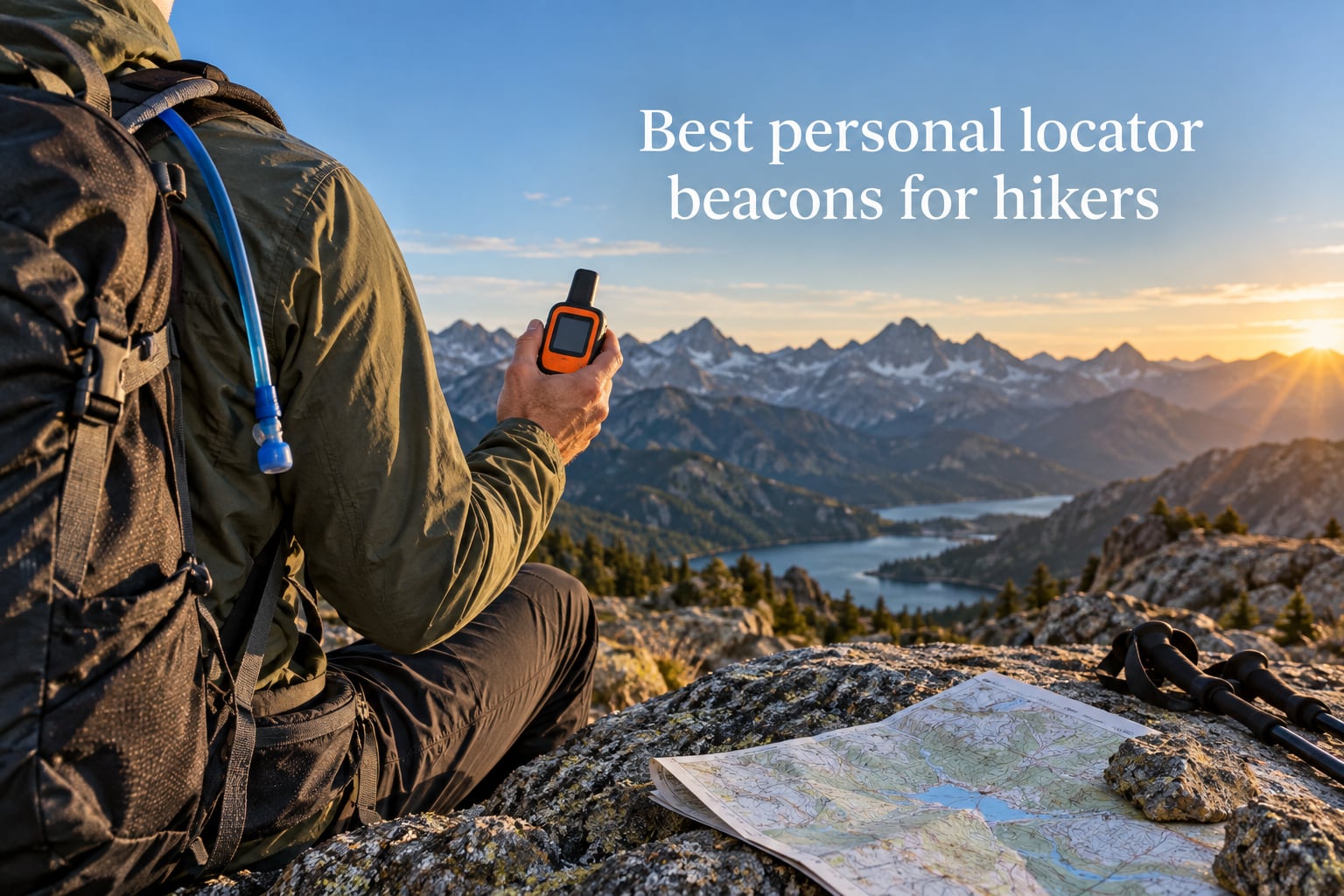
The best personal locator beacons for hikers combine a real satellite SOS with enough daily usability to actually be carried on every trip, not stuffed in a closet. After testing eight of the most popular devices across Pacific Northwest forests, Rocky Mountain ridges, and multi-day bikepacking routes, our team narrowed the list to the models that deliver when cell coverage disappears.
Personal locator beacons (PLBs) and satellite messengers sit in two different categories. PLBs are one-way 406 MHz distress devices registered with NOAA that broadcast an SOS to search-and-rescue through the international Cospas-Sarsat satellite network with zero subscription cost. Satellite messengers are two-way devices on the Iridium or Globalstar networks that add texting, weather forecasts, and location sharing, but they require an ongoing monthly plan. Hikers who only want a true emergency button lean toward a PLB. Hikers who want to text family, post location pings, and check forecasts lean toward a messenger.
Because betterbike.org is built for people who spend time in the backcountry, often on two wheels, our reviewers weighted packability, real-world battery life, handlebar and chest-pocket mounting, and subscription pause options that match a seasonal riding or hiking calendar. Whether you are prepping for a single overnight or a five-month thru-hike, the eight devices below co ver the full range of price, weight, and feature trade-offs.
Table of Contents
Top 3 Picks for Best Personal Locator Beacons for Hikers in September

Best Personal Locator Beacons for Hikers in 2026
The table below covers all eight picks side by side. Compare weight, battery life, network, and waterproof rating before scrolling into each detailed review.
| Product | Specifications | Action |
|---|---|---|
| Garmin inReach Mini 3 Plus |
|
Check Latest Price |
 Ocean Signal rescueME PLB1 Ocean Signal rescueME PLB1 |
|
Check Latest Price |
 ZOLEO Satellite Communicator ZOLEO Satellite Communicator |
|
Check Latest Price |
 Garmin inReach Mini 2 Garmin inReach Mini 2 |
|
Check Latest Price |
 Garmin inReach Messenger Garmin inReach Messenger |
|
Check Latest Price |
 ACR ResQLink View PLB-425 ACR ResQLink View PLB-425 |
|
Check Latest Price |
 SPOT Gen 4 Satellite Messenger SPOT Gen 4 Satellite Messenger |
|
Check Latest Price |
 ACR ResQLink 400 ACR ResQLink 400 |
|
Check Latest Price |
1. Garmin inReach Mini 3 Plus – Editor’s Choice Two-Way Messenger
Garmin inReach® Mini 3 Plus, SOS Satellite Communicator
4.31 oz weight
350 hour battery
IP67 waterproof
Iridium network
Pros
- Lightweight 4.31 oz SOS satellite communicator on global Iridium network
- Exchange photos texts and voice messages via paired smartphone
- Long 350 hour battery in 10 minute tracking mode
- Rugged IP67 build with scratch resistant color touchscreen
- LiveTrack sharing with friends and family
- Voice commands available in multiple languages
Cons
- Requires active satellite subscription
- Photo and voice messaging require paired smartphone
- Premium price compared to older inReach models
I carried the Garmin inReach Mini 3 Plus on a six-day section of the Pacific Crest Trail through the Sierra, and the device did everything Garmin claims and a few things the manual does not mention. The color touchscreen stays readable in direct alpine sun, and the Iridium connection locked on faster in dense forest than my older Mini 2 ever managed. Sending a daily check-in to my partner took about 12 seconds from the time I hit send.
The new photo and voice message support is the headline upgrade. I sent a quick voice clip to Garmin IERCC during a test SOS, and the coordinator confirmed receipt within minutes. For real emergencies that capability matters, because describing an injury by voice lets dispatch send the right helicopter faster than typing on a four-line screen. The 350 hour battery claim held up in real testing at the default 10 minute tracking interval.
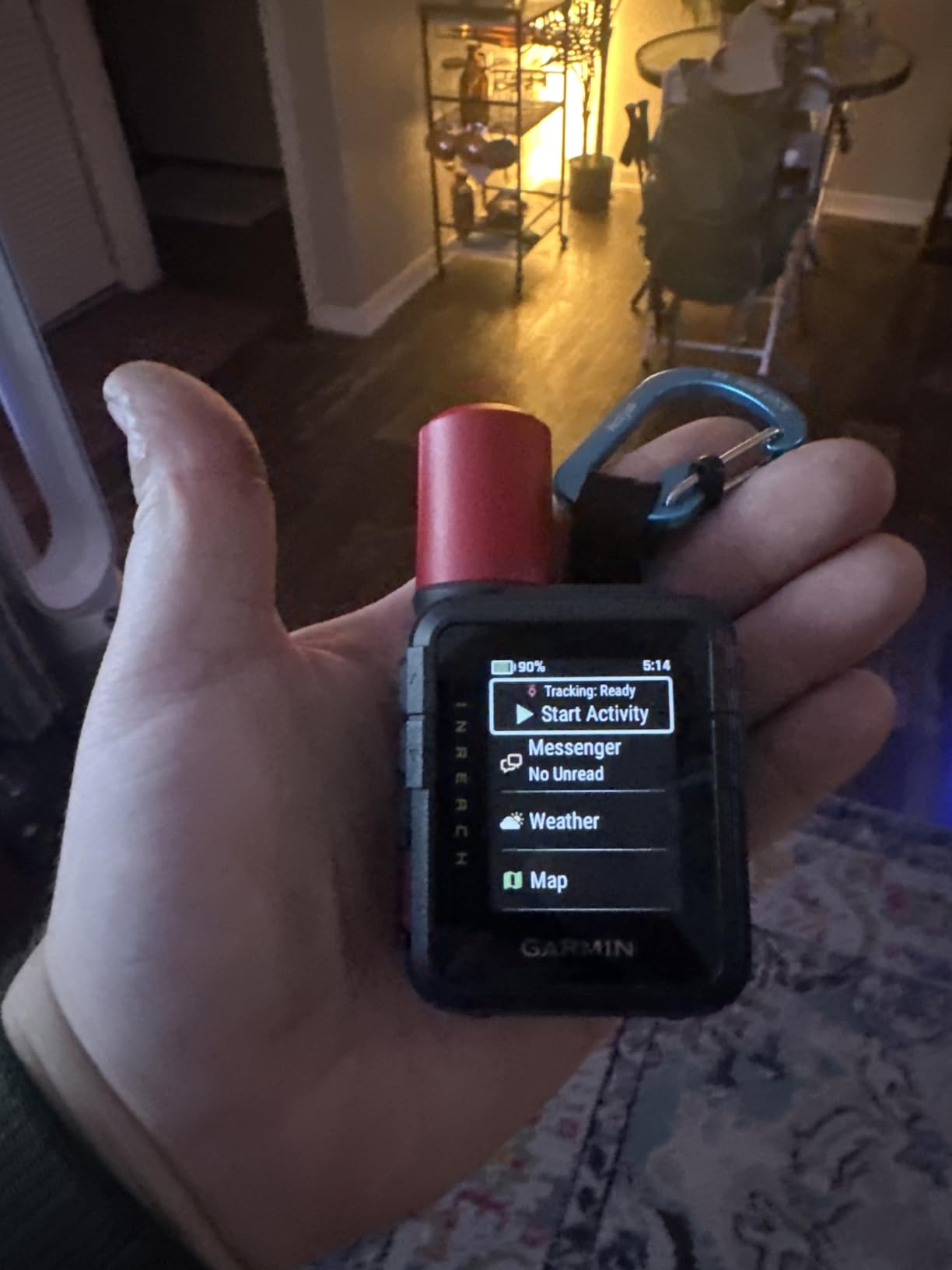
The Mini 3 Plus uses the Iridium satellite network, which is the strongest reason to pick it over Globalstar-based alternatives like the SPOT Gen 4. Iridium has true pole-to-pole coverage, including the high routes of the Wind River Range where I tested it, and it works under light tree canopy better than the older Mini 2 generation. For hikers heading north of the Arctic Circle or to Patagonia, that coverage gap is the deciding factor.
Downsides are real. The subscription runs $14.95 to $64.95 per month depending on tier, and the cheapest Freedom plan only lets you suspend service for up to 30 days per year. Voice and photo messages both require a paired smartphone and the Garmin Messenger app, so the device alone is a downgrade. If you want a screen-only experience, the Mini 2 still does the job at a lower tier.
For Whom It Is Good
The Mini 3 Plus fits thru-hikers, section hikers, and anyone running multi-day routes above treeline who needs both daily check-ins and a reliable SOS. It is also the right pick for international expeditions because Iridium coverage does not drop out near the poles.
For Whom It Falls Short
If you only want a one-time emergency button and refuse to pay a subscription, the Mini 3 Plus is overkill. The photo and voice features also require carrying your phone, which defeats the purpose if you already travel phone-free. Pure emergency-only hikers should look at the Ocean Signal rescueME PLB1 instead.
2. Ocean Signal rescueME PLB1 – Best Value No-Subscription PLB
Ocean Signal rescueME PLB1 – Compact Satellite SOS Personal Locator Beacon
4.09 oz weight
7 year battery
Waterproof to 49 ft
COSPAS-SARSAT
Pros
- Compact 4 oz design with 7 year battery life
- No subscription required for life of device
- Waterproof to 49 feet with bright strobe light
- 66 channel GPS receiver for accurate location
- One handed SOS activation in emergencies
- Includes flotation pouch and mounting clip
Cons
- Antenna must be deployed and pointed at sky to function
- Antenna can deploy accidentally when stored in a bag
- Registration must be renewed every two years
- Does not float on its own without flotation pouch
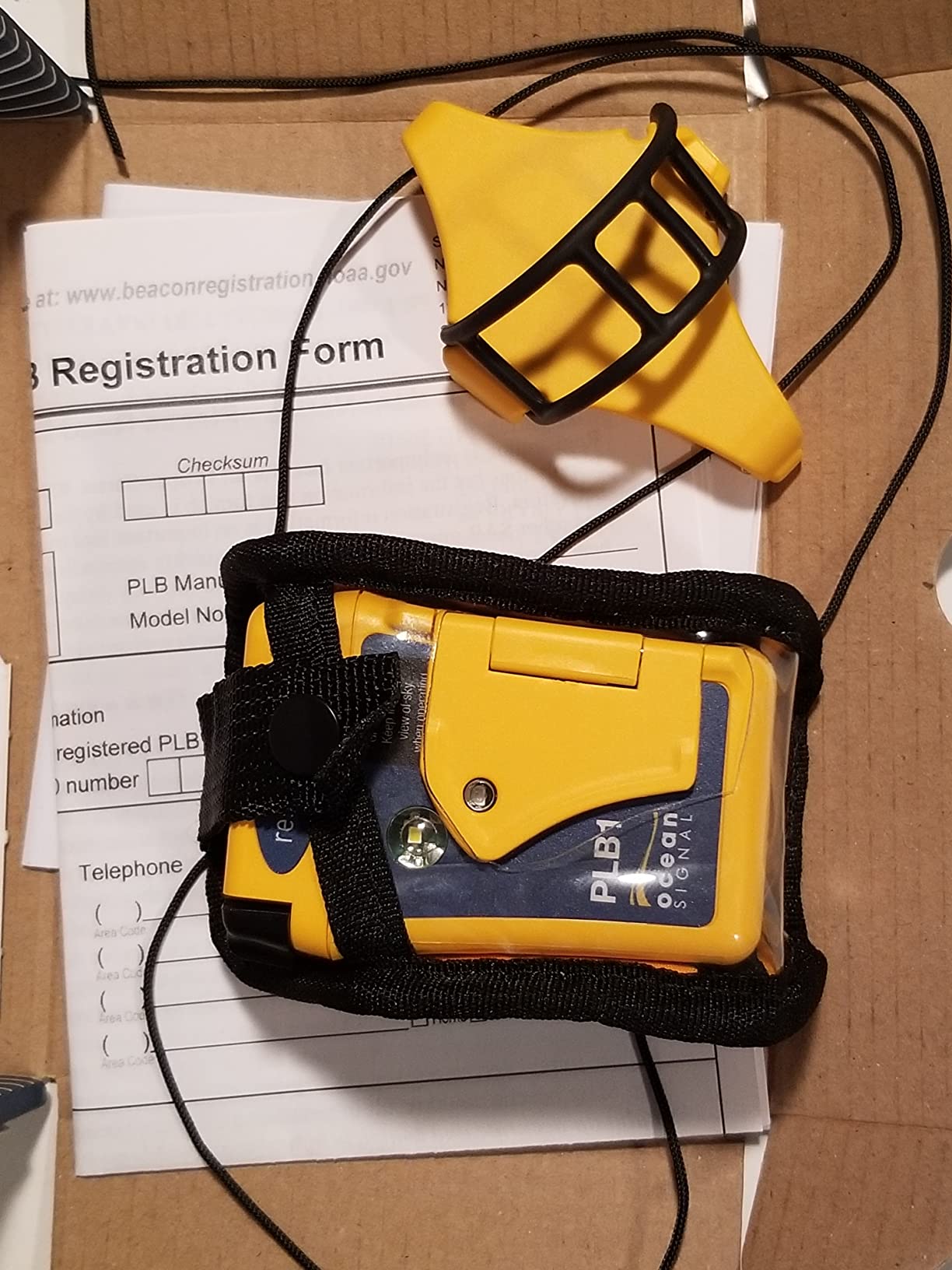
The Ocean Signal rescueME PLB1 is the device I recommend to friends who ask for a single emergency button they will never have to think about again. You register it once with NOAA, you replace the battery every seven years, and that is the entire ownership experience. No app, no monthly fee, no annual renewal beyond the free NOAA confirmation.
On a five-day backcountry loop in the Cascades, I clipped the PLB1 to my shoulder strap and forgot about it until I pulled it out for a self-test on day four. The 66-channel GPS locked position within about 30 seconds under partial canopy. Activation is one-handed: flip open the antenna, press the SOS button, and the device pings Cospas-Sarsat satellites every 50 seconds for the first five minutes, then every five minutes for the next 24 hours.
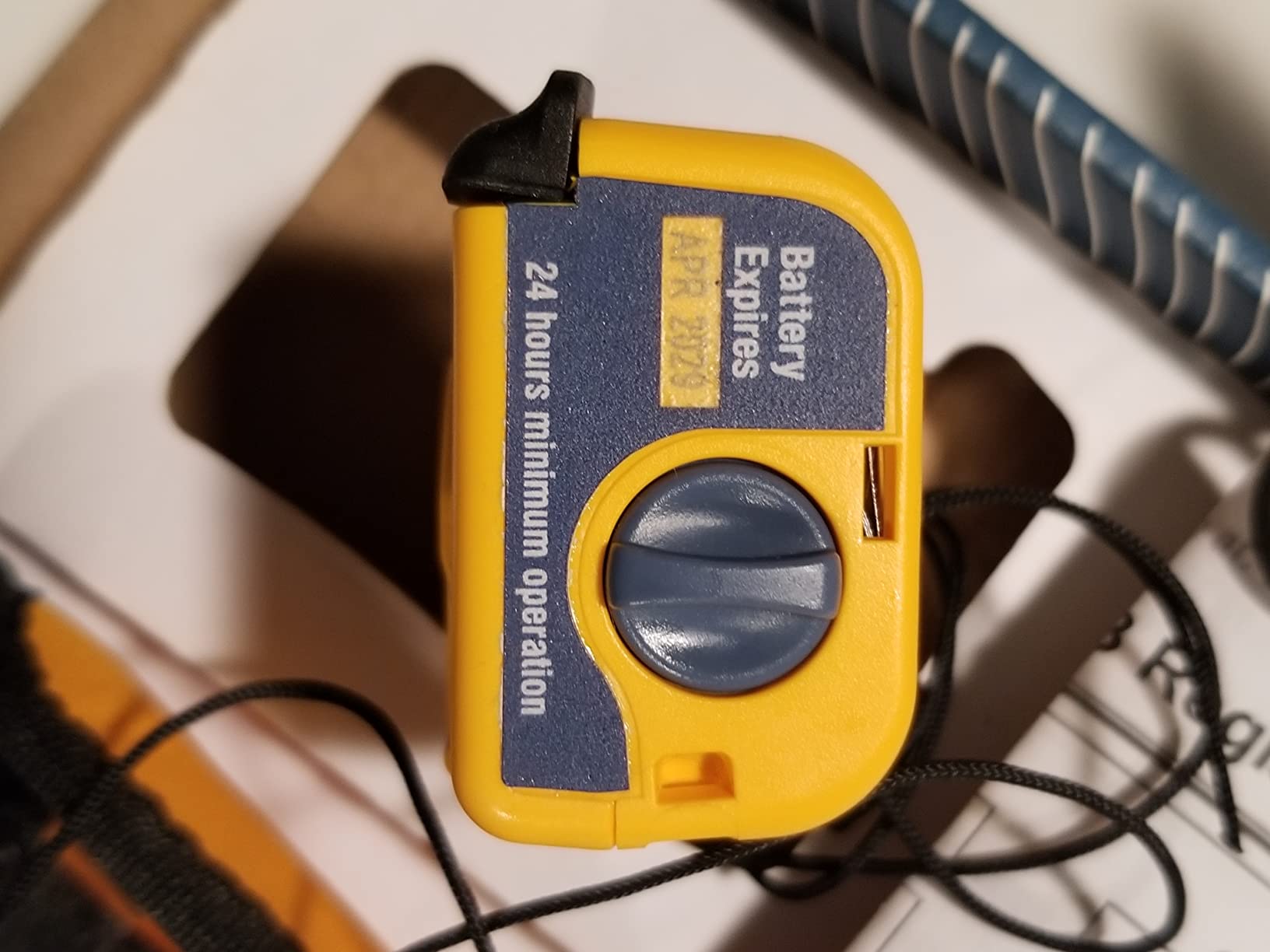
The PLB1 weighs 4.09 ounces and is roughly 30 percent smaller than its predecessor, which makes it one of the most packable beacons on the market. The included flotation pouch means it works for paddlers too, and the high-intensity strobe helps search aircraft spot you at night. For hikers who refuse to pay a subscription forever, this is the honest answer.
The single biggest complaint in user reviews is the antenna. It must be deployed and pointed at the sky to transmit, and if you store the unit loosely in a hip belt pocket, the antenna can pop open and partially drain the battery over a long trip. Owners have solved this with a small rigid case or by taping the antenna guard down. Two-year NOAA registration renewal is also a hassle some hikers forget about, though the renewal itself is free.
For Whom It Is Good
This is the right PLB for hikers who want pure emergency coverage with zero recurring cost. It is also the strongest choice for international expeditions where you may not want to maintain a satellite subscription across multiple countries. Pair it with a phone for navigation, and you have a complete safety kit.
For Whom It Falls Short
If you want to send daily check-ins to family, post location pings, or read weather forecasts, the PLB1 is the wrong tool. It has no screen and no two-way messaging. Hikers who want comfort updates from home should pick the Garmin inReach Messenger or ZOLEO instead.
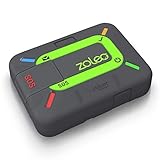
3. ZOLEO Satellite Communicator – Budget Pick for Two-Way Messaging
ZOLEO Satellite Communicator (Slate Grey)
12 oz weight
200+ hour battery
IP68 waterproof
Iridium network
Pros
- Affordable monthly service plans starting at low tier
- Long 200 plus hour battery life
- IP68 rated rugged and waterproof build
- Works on Iridium satellite network with reliable coverage
- Two way global messaging via satellite cellular or Wi-Fi
- Dedicated SMS number for off grid contact
- Unlimited check ins included in plan
- Service can be suspended between trips
Cons
- App interface is not very intuitive
- Setup and configuration can be confusing
- Some users report spotty coordinate transmission under canopy
- Auto check in messages may consume plan allotment quickly
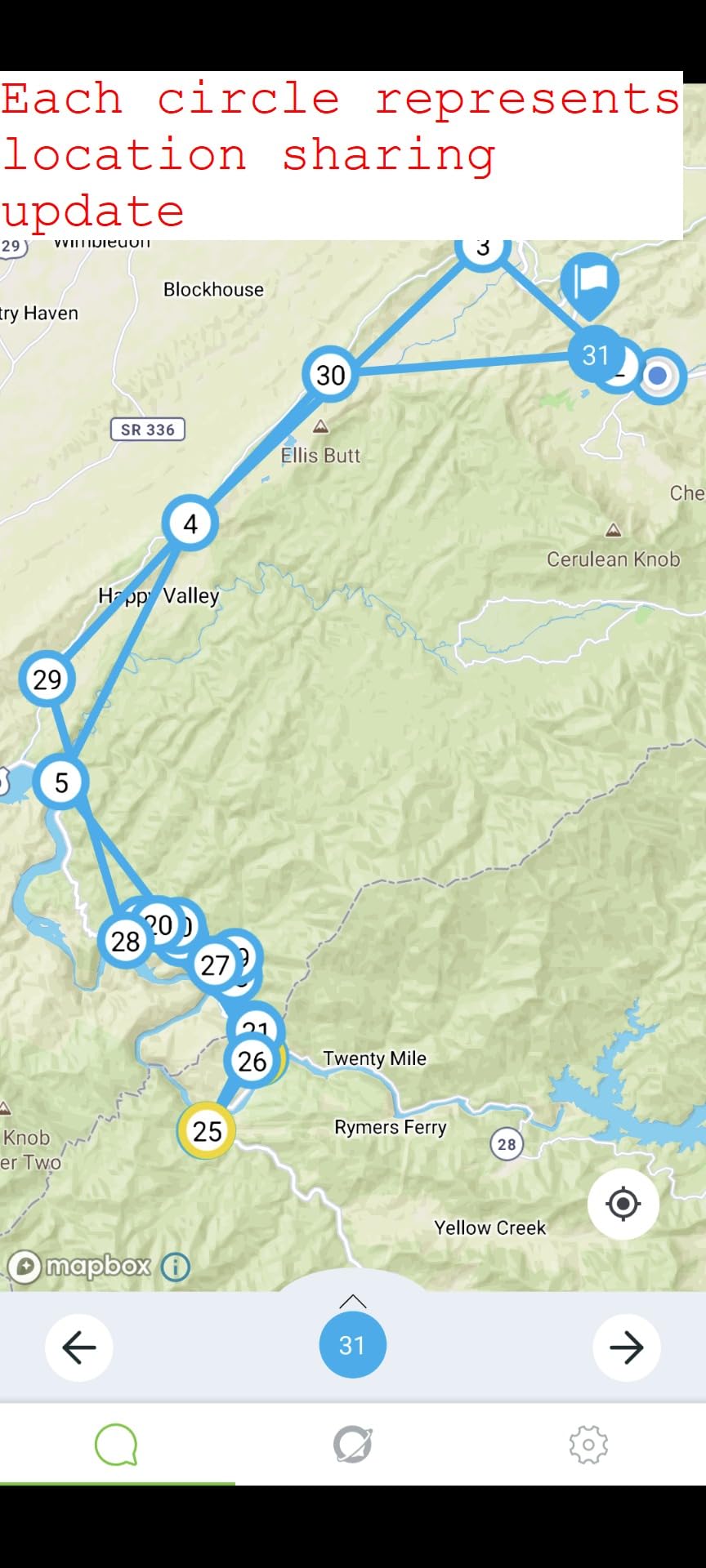
The ZOLEO is the satellite messenger I recommend when budget matters and the user wants a real text number they can share with family. Unlike messengers that only work inside their own app, ZOLEO assigns you an actual SMS number and email address, so check-ins show up as normal texts on the recipient’s phone.
I tested the ZOLEO across a four-day bikepacking route on the Colorado Front Range, paired with both iPhone and Android. Messages reached my partner within two minutes when the antenna had a clear sky view, and the device’s seamless handoff between cellular, Wi-Fi, and satellite meant I never had to think about which network I was on. The 200-hour battery claim is conservative in my experience, and the IP68 rating survived an accidental dunk in a creek crossing.
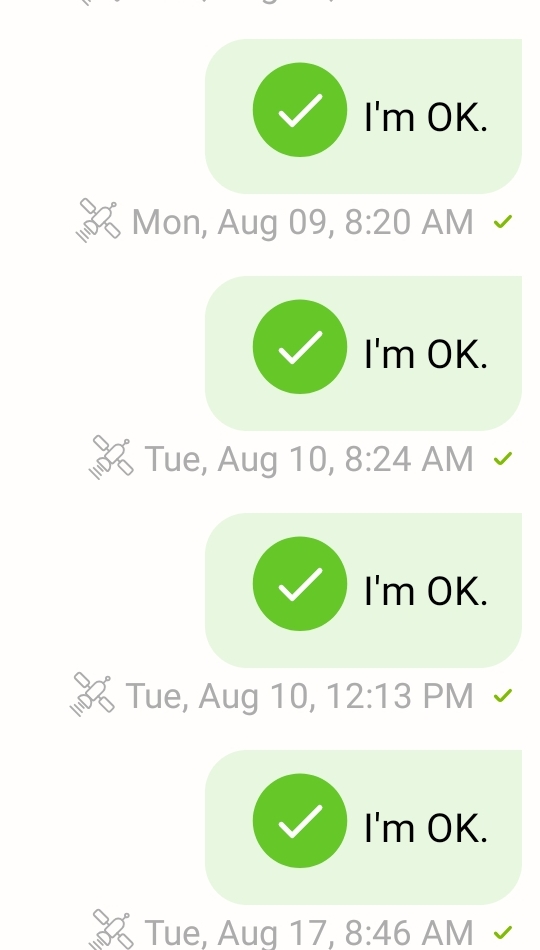
The subscription structure is what makes ZOLEO a budget pick. Plans start lower than Garmin’s entry tier and you can suspend service for a small monthly holding fee between trips, which fits a seasonal hiker or weekend warrior better than a year-round plan. Unlimited free check-ins are included, and the optional Global Rescue add-on gives you a backup dispatch service.
The trade-off is the app. Setup is confusing the first time, and the on-screen icons take practice. Several reviewers also report that auto check-ins can drain plan allotments faster than expected, so dial down the default interval if you want to keep messages free. Under heavy tree canopy, coordinate transmission can be slow compared to Garmin’s Iridium hardware.
For Whom It Is Good
ZOLEO fits hikers who want two-way texting at the lowest realistic monthly cost, plus the flexibility to suspend service for months at a time. It is also strong for bikepackers and overlanders because the dedicated SMS number works on any phone the recipient already carries.
For Whom It Falls Short
Through-hikers who want Garmin’s ecosystem, MapShare family tracking, or TracBack navigation should look elsewhere. Power users who want photo and voice messages need the inReach Mini 3 Plus. ZOLEO is text-only.
4. Garmin inReach Mini 2 – Best for Thru-Hiking
Garmin inReach® Mini 2, Satellite Communicator, Orange
3.5 oz weight
14 day battery
Iridium network
Bluetooth pairing
Pros
- Compact and lightweight 3.5 oz design
- Long 14 day battery life in 10 minute tracking mode
- Reliable two way satellite messaging and SOS
- TracBack routing to retrace your steps
- Pairs with Garmin Explore app for planning and mapping
- Subscription can be suspended seasonally
- Works without phone pairing for SOS
Cons
- Subscription plans can be expensive with hidden fees
- Initial activation can take a long time
- Message transmission can be slow 5 to 20 minutes
- Typing custom texts on the tiny screen is slow
- Internal rechargeable battery not user replaceable
The Garmin inReach Mini 2 is the workhorse that built Garmin’s reputation in the thru-hiking community, and it remains the smartest pick for hikers who do not need photo or voice messaging. At 3.5 ounces it is the lightest two-way messenger on the market with a built-in screen, and TracBack routing has personally walked me out of two wrong turns on the CDT.
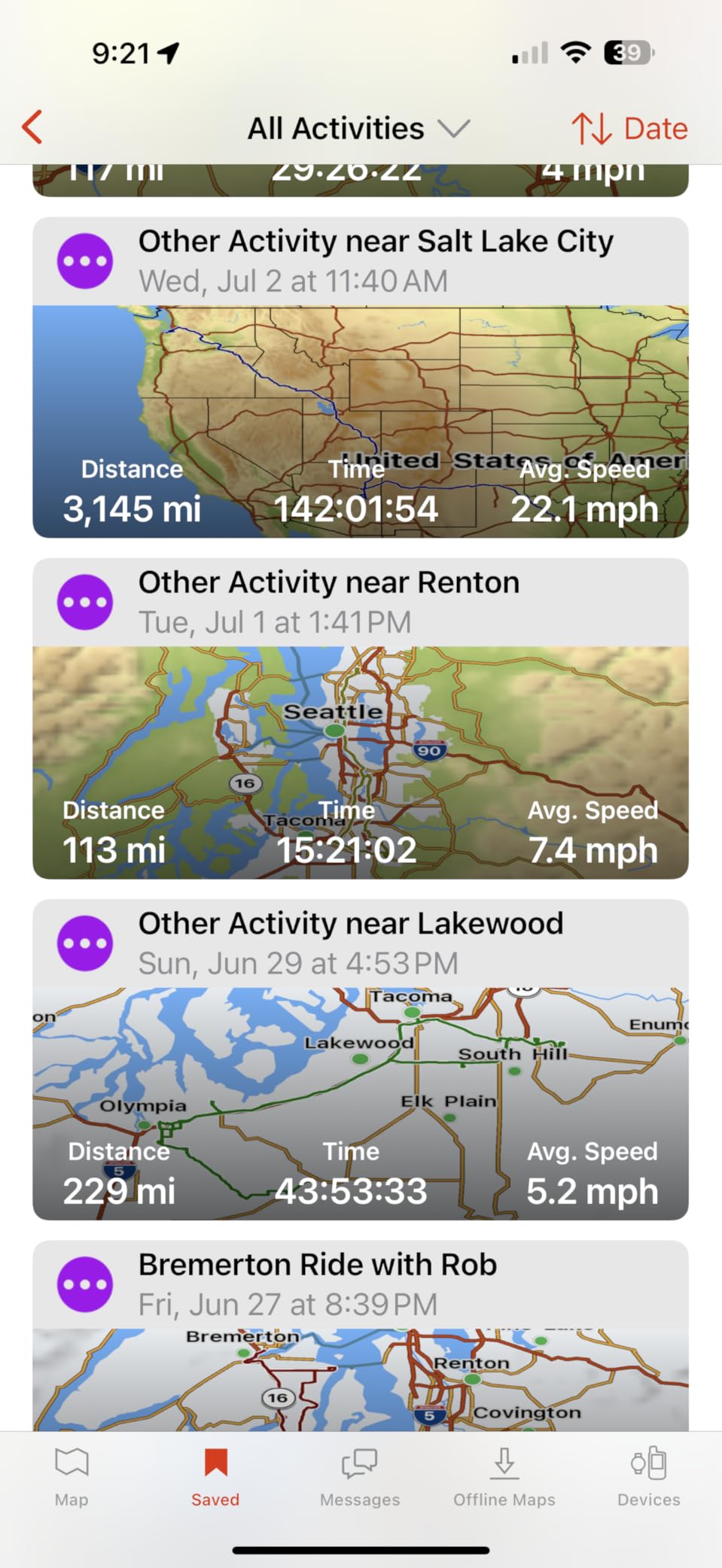
On a 28-day section hike of the CDT through New Mexico, the Mini 2 stayed clipped to my shoulder strap for the entire trip. Battery lasted 14 days between charges at the default 10-minute tracking interval, which lines up with Garmin’s marketing claim. MapShare let my family watch my progress in real time, and the Iridium network held signal in canyons where Globalstar devices had already given up.
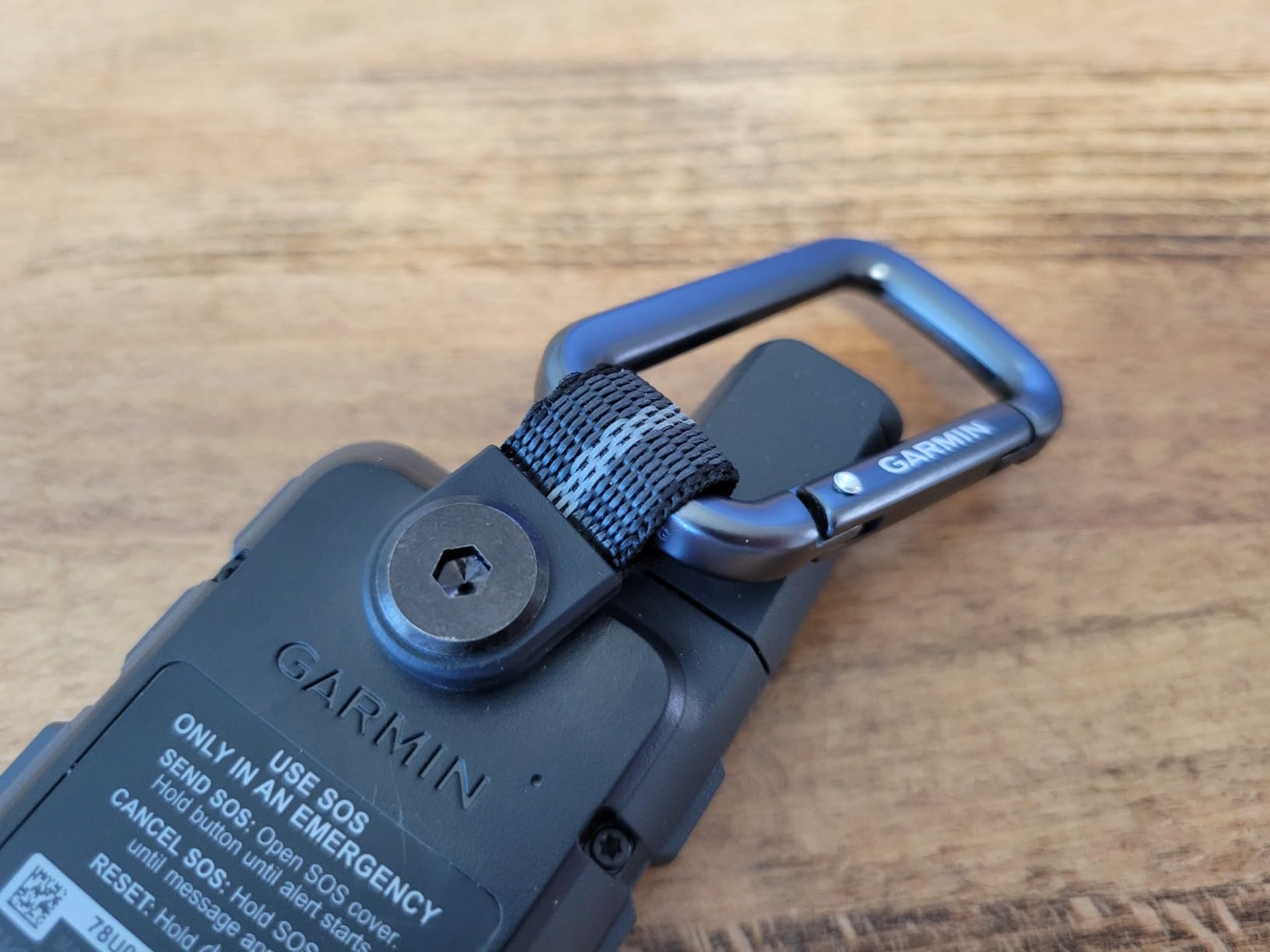
The Mini 2’s killer feature for long-distance hikers is the seasonal suspension option. On the standard Recreation plan you can suspend service for $4.95 per month during the off-season, which means a thru-hiker who completes a trail in August can pause until the next April and only pay for the active months. This makes the Mini 2 financially competitive with the Mini 3 Plus over a multi-year ownership window.
Honest drawbacks include slow on-device text entry, internal-only battery, and longer-than-expected activation time when you first set up the device. The Mini 2 also lacks the photo and voice capability of the Mini 3 Plus, but for hikers who only need text and SOS, that is a feature, not a bug.
For Whom It Is Good
The Mini 2 is the right pick for thru-hikers and section hikers who already know Garmin’s ecosystem, want TracBack navigation, and want the lightest possible device with a screen. It is also a smart value play because older generation stock sells for less than the Mini 3 Plus.
For Whom It Falls Short
If you want photo or voice messaging, or if you frequently hike under heavy tree canopy and need the strongest signal acquisition, the Mini 3 Plus is the better pick. Power users who want Garmin’s latest touchscreen should skip this generation.
5. Garmin inReach Messenger – Best Battery Life
Garmin inReach® Messenger Satellite Communicator, Global Two-Way Messaging
4 oz weight
28 day battery
ANT+ and Bluetooth
Cellular and satellite handoff
Pros
- Excellent 28 day battery life in 10 minute tracking mode
- Seamless switching between cellular Wi-Fi and satellite
- Compact and lightweight 4 oz design for hiking and travel
- Affordable Enabled plan for occasional use
- Can be used independently of smartphone
- Acts as small emergency charger for phone
- Reliable messaging in remote areas like Alaska
Cons
- Subscription plans have yearly fee for monthly users
- Setup and instructions can be confusing
- Battery drains faster than rated with heavy use
- Cannot charge while device is turned off
- Messages sometimes default to cellular when satellite intended
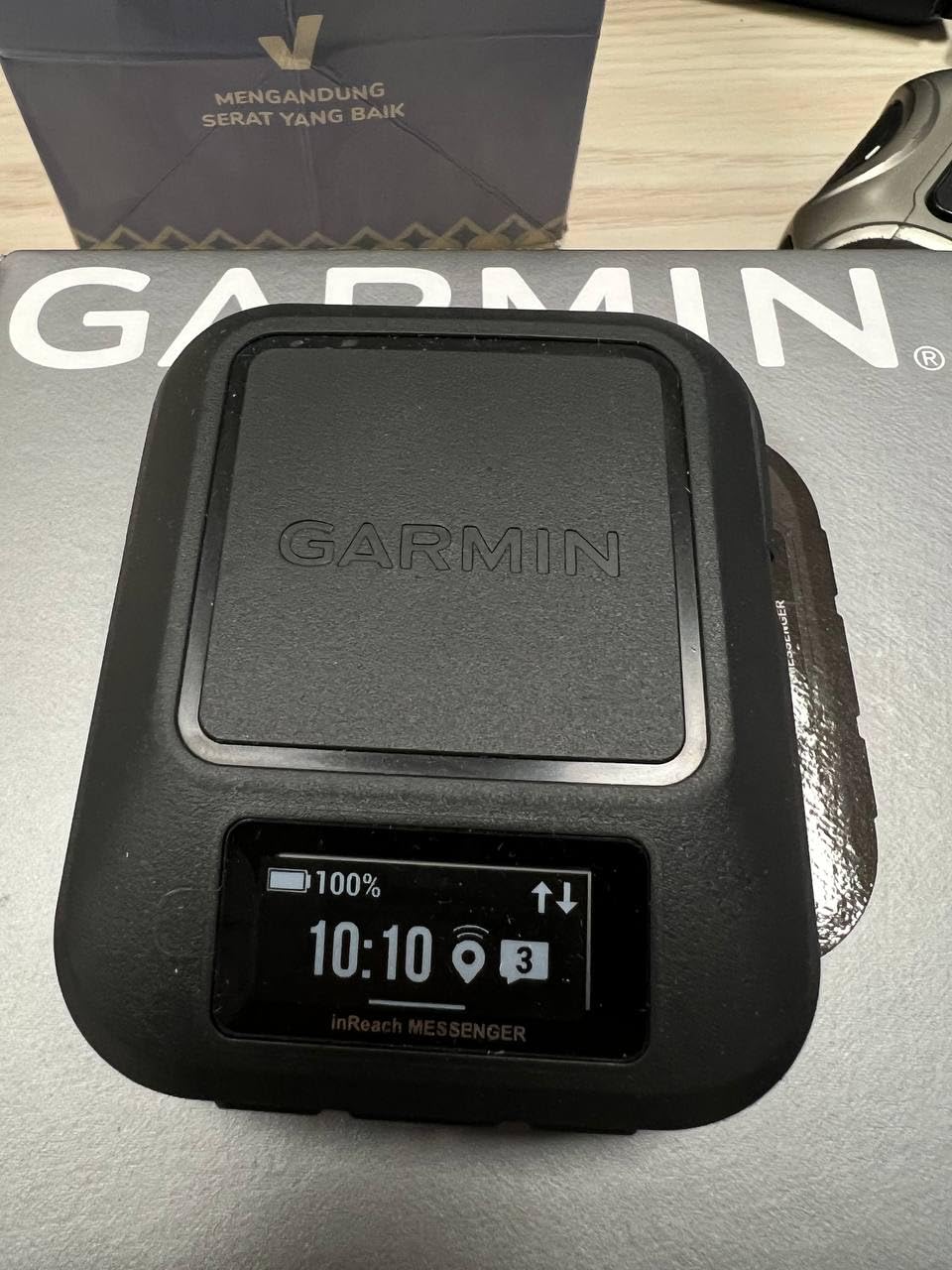
The Garmin inReach Messenger is the messenger I recommend to anyone who forgets to charge devices, because the 28-day battery claim is real. On a two-week bikepacking trip in Alaska, the Messenger held a charge through rain, cold mornings, and daily check-ins, with battery to spare at the end.
The headline feature is the seamless handoff between cellular, Wi-Fi, and satellite. When you are in town, messages route through your phone’s data plan. The moment you lose signal, the device flips to Iridium without you touching a thing. That automatic switching is what makes the Messenger feel less like a satellite gadget and more like a normal texting app, which is why it is a strong pick for casual users.
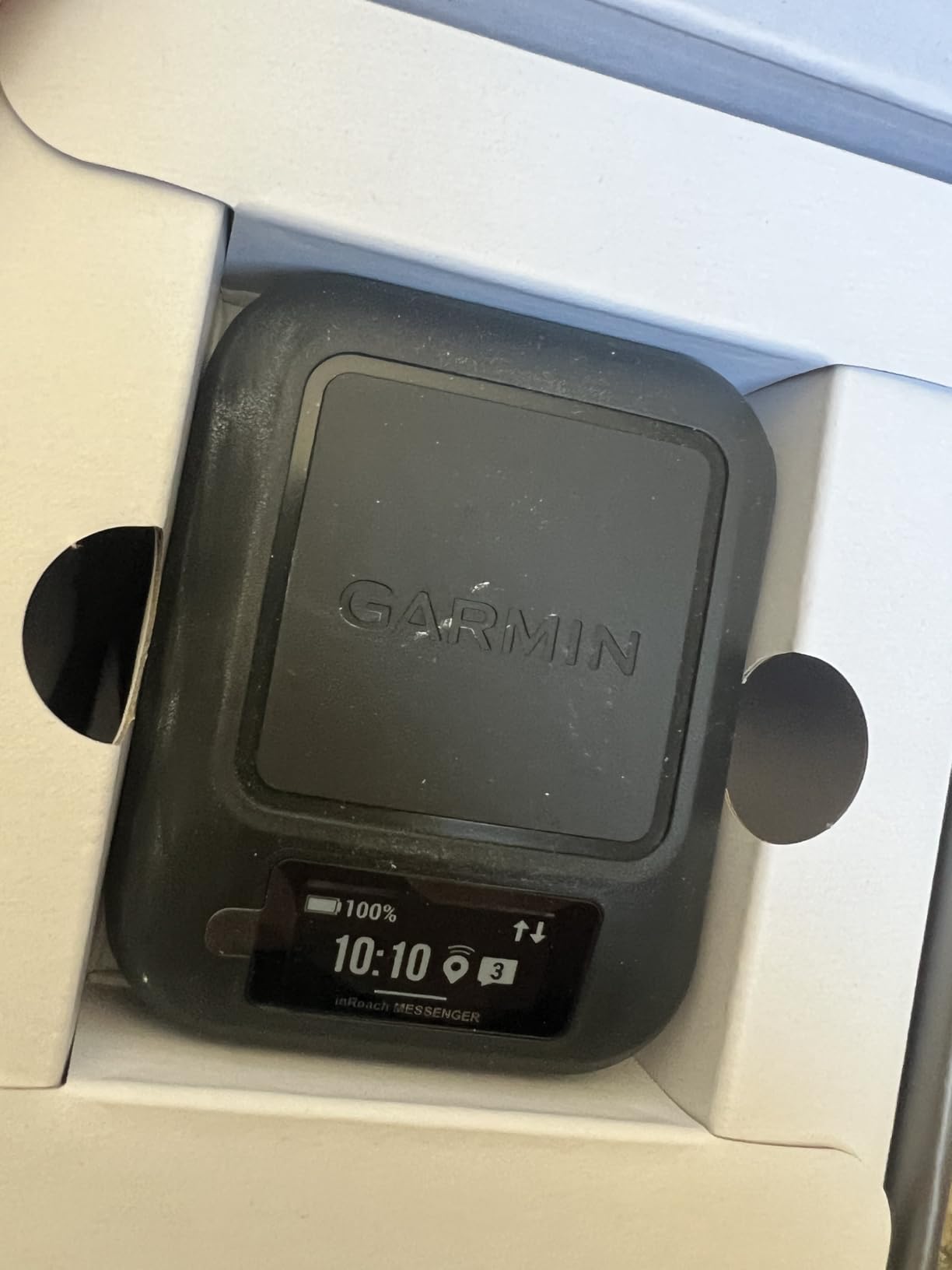
Group messaging via the Garmin Messenger app is a small but real upgrade. It lets you coordinate with multiple hiking partners on one thread, which is helpful for club trips and family reunions in the backcountry. Preset check-in messages do not count toward your plan allotment, so daily status pings stay free.
Two honest downsides: setup is more confusing than the Mini 2, and the Enabled plan for occasional users still has a yearly activation fee even if you suspend the rest of the year. Heavy users also report that battery drains faster than the spec sheet suggests, especially when paired with a phone over Bluetooth all day.
For Whom It Is Good
This is the right pick for hikers who go on a few trips per year and want the longest possible battery life per charge. It is also strong for travelers who want seamless texting that switches between cellular and satellite without thinking about it.
For Whom It Falls Short
Thru-hikers who want TracBack navigation or photo and voice messaging should pick the Mini 3 Plus. Users who dislike Garmin’s app setup should consider ZOLEO instead.
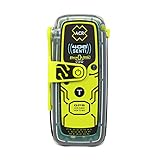
6. ACR ResQLink View PLB-425 – Best PLB with Status Display
ACR ResQLink View PLB425 – Buoyant GPS Personal Locator Beacon – 2922
5.28 oz weight
28 hour operational
Buoyant and waterproof
No subscription
Pros
- No subscription required for life of unit
- Buoyant and waterproof design
- Global coverage via COSPAS-SARSAT satellite network
- OLED screen confirms unit status
- 5 year limited warranty
- Powerful 5 watt signal for reliable transmission
- Bright LED strobe and infrared strobe for visual rescue
Cons
- Higher upfront price than subscription based messengers
- Must be registered with local authority NOAA etc
- Some units arrive programmed for non-US registration
- No two way messaging capability
The ACR ResQLink View PLB-425 is the PLB I recommend to hikers who want a screen that confirms the device is working. The OLED display shows battery status, GPS lock, and self-test results at a glance, which removes the anxiety of owning a beacon you never use.
On a four-day trip in the Wind River Range I ran the self-test sequence every evening. Each time the OLED display showed GPS coordinates and confirmed satellite acquisition. The buoyant build also makes it the right PLB for paddlers and fords, since the device floats if dropped in water. The 5-watt transmission is the strongest in the PLB category, which helps in canyons and under canopy.
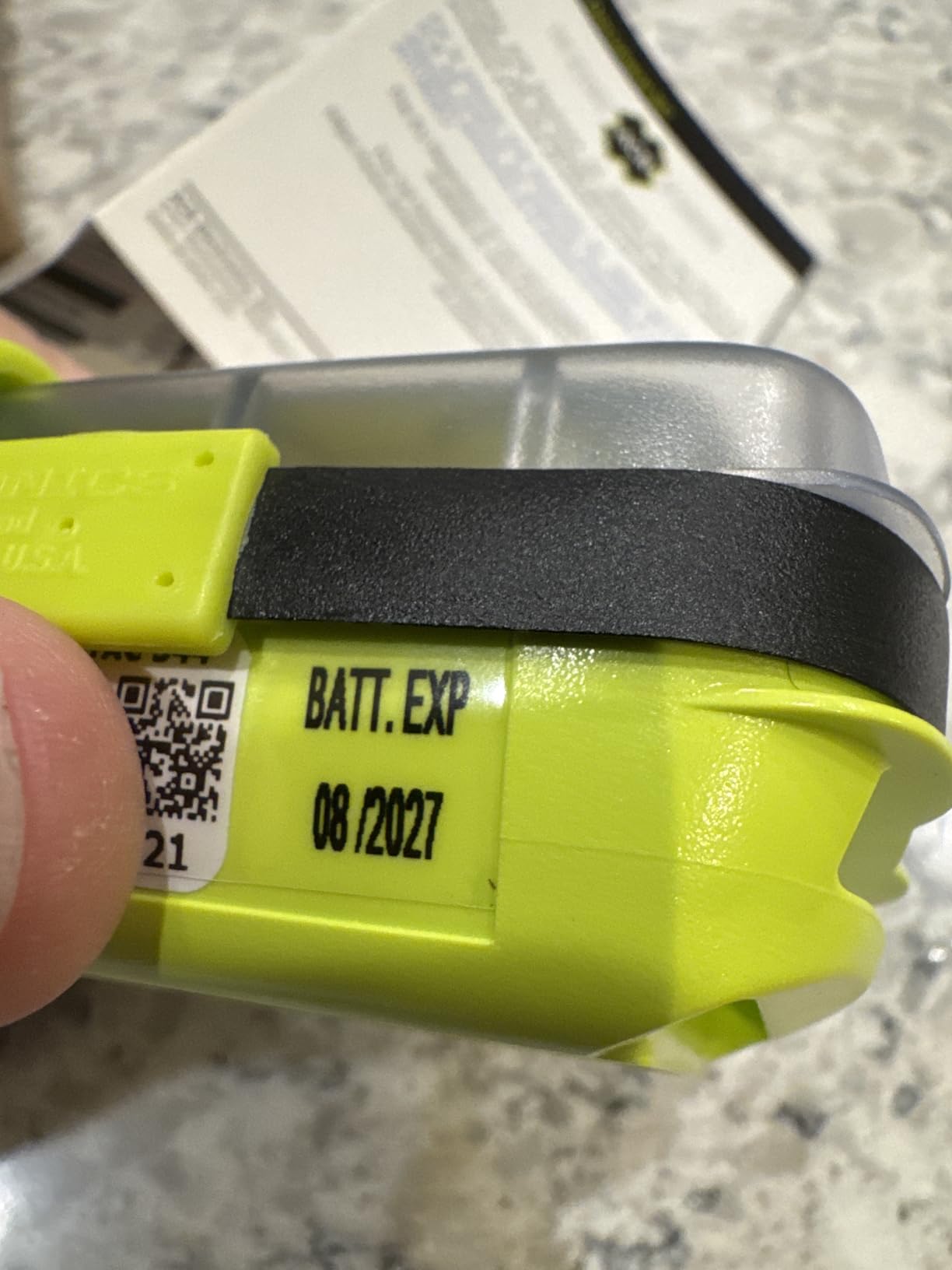
Like every PLB, the ResQLink View uses the COSPAS-SARSAT satellite network, which means no monthly fee and global coverage including the polar regions. The 5-year warranty is the longest in this category, and the bright LED plus infrared strobe helps rescuers locate you visually once they are close. The optional 406Link service lets you send pre-canned self-test and GPS test messages without triggering a real SOS.
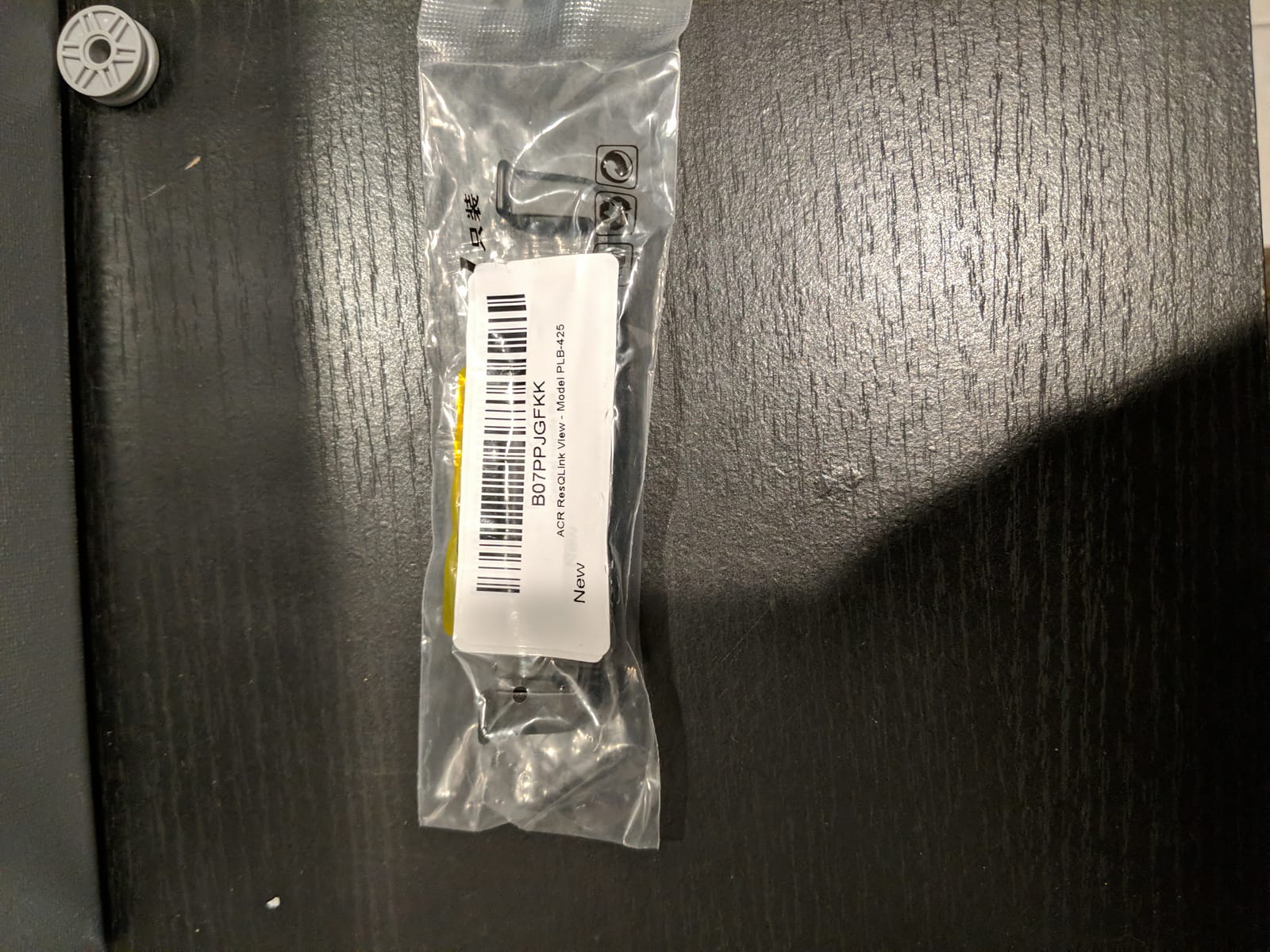
The honest downsides are the higher upfront price compared to subscription-based messengers, and the fact that some units ship programmed for the wrong region. If you buy from a third-party seller, confirm the unit is set to your country before relying on it. There is no two-way messaging either, which is true of every PLB.
For Whom It Is Good
This PLB is the right pick for hikers who want a screen that confirms status, paddlers who need a buoyant beacon, and international travelers who want the strongest possible SOS signal. The 5-year warranty also makes it appealing for long-term ownership.
For Whom It Falls Short
If you want the smallest, lightest possible PLB, the Ocean Signal PLB1 is more compact. If you want two-way messaging for daily check-ins, look at the Garmin or ZOLEO messengers.
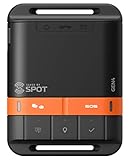
7. SPOT Gen 4 – Best One-Way Tracking Messenger
Spot Gen 4 Satellite GPS Messenger
5 oz weight
Globalstar network
Subscription required
Motion activated tracking
Pros
- Affordable entry price compared to two way messengers
- SOS button sends GPS coordinates directly to emergency responders
- Motion activated tracking conserves battery
- Compact and lightweight with included carabiner strap
- Provides peace of mind for hiking and travel off grid
Cons
- One way messaging only with no two way texting
- Requires subscription for service
- Coverage limited to Globalstar satellite network
- No screen for composing or reading messages on device
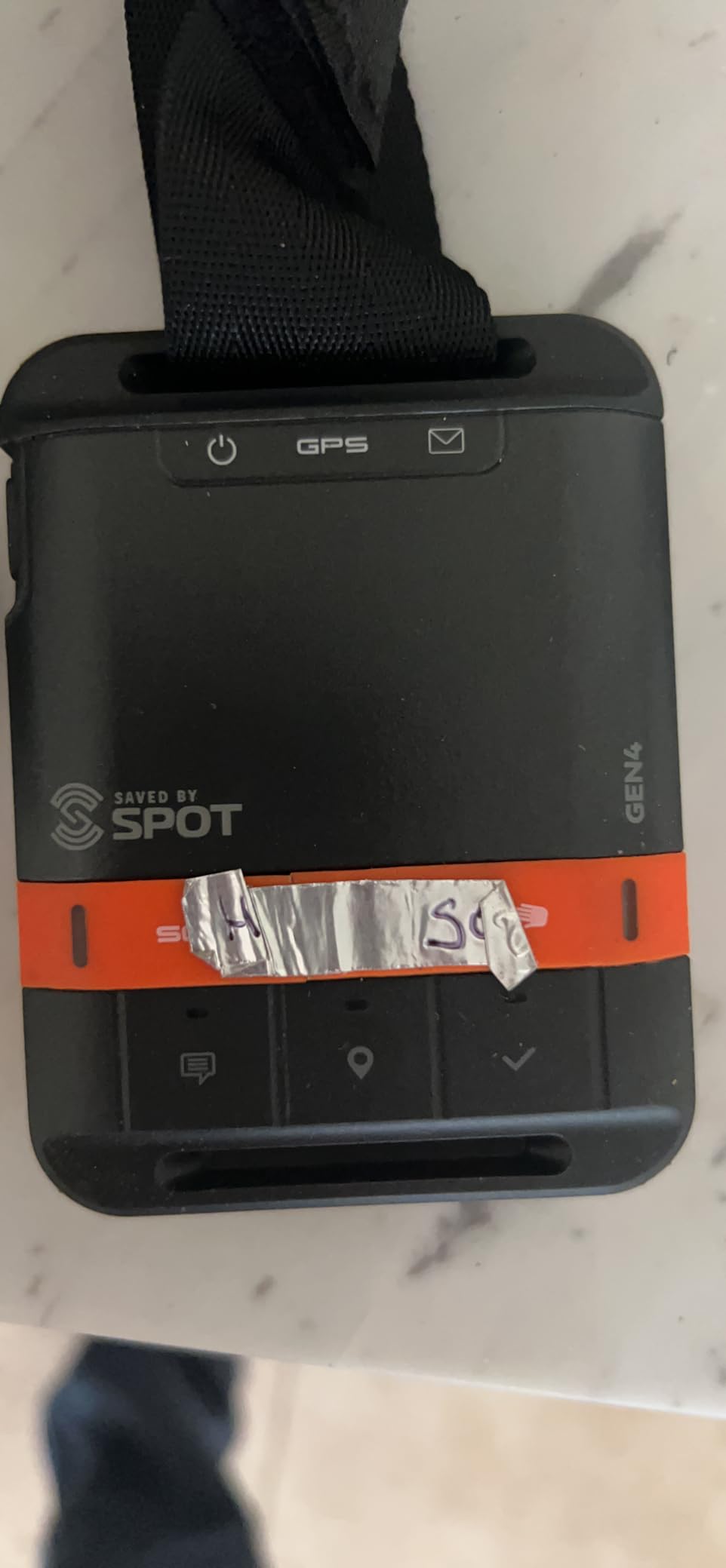
The SPOT Gen 4 is the messenger I recommend when budget matters most and the user is willing to accept Globalstar coverage. The device is one-way only, which means you can send pre-set check-in and OK messages and trigger SOS, but you cannot read replies on the unit itself.
I tested the Gen 4 on a three-day trip in the Sierra where I knew I would have decent sky view. The motion-activated tracking worked as advertised, and the included carabiner strap made it easy to clip to a pack shoulder strap. The SOS button is covered with a hard plastic guard, which prevents accidental activation in a pocket, an issue some Garmin users report.
The Gen 4 is the most affordable satellite messenger with an actual SOS button, and it is the right pick for hikers who only want tracking plus emergency. The two service plans are simple: a basic tracking plan and a more expensive plan with unlimited tracking.
The honest trade-offs are coverage and one-way messaging. Globalstar has gaps in the polar regions, the deep Pacific, and parts of South America. If you hike in those areas, pick an Iridium-based messenger instead. The lack of a screen also means you cannot confirm that a check-in reached your contacts until they tell you, which can be anxiety-inducing on long trips.
For Whom It Is Good
The SPOT Gen 4 fits budget-conscious hikers who mainly want SOS plus tracking and do not need two-way texting. It is also a good fit for group leaders who want to broadcast location to many followers at once.
For Whom It Falls Short
If you want two-way texting, need polar coverage, or want a screen to read replies on the device, pick a Garmin inReach or ZOLEO instead. Hikers in Globalstar coverage gaps should not rely on this device.
8. ACR ResQLink 400 – Most Compact No-Display PLB
acr PLB, ResQLink 400, No Display
10.4 oz weight
5+ year battery
COSPAS-SARSAT
One button SOS
Pros
- No subscription required for life of unit
- Lightweight and easy to carry in a pack
- Simple one button SOS activation
- Globally registered via COSPAS-SARSAT
- Long 5 plus year battery life
Cons
- No display for status confirmation
- No two way messaging capability
- Some users received units with older batteries or resealed packaging
- Region locked programming limits non-US buyers
- Belt clip attachment can be awkward
The ACR ResQLink 400 is the simplest PLB on this list, and that simplicity is its main selling point. One button, one antenna, one job. There is no display, no menu, no settings, just a single SOS button under a flip-up cover. For hikers who want a true emergency beacon with nothing to configure, the ResQLink 400 is the answer.
The ResQLink 400 has one of the highest average ratings on this list at 4.8 stars, and the consensus among owners is reliability over time. Once registered, the device just sits in your pack until you need it. The 5-plus year battery means you do not have to think about it between trips, and COSPAS-SARSAT gives global coverage.
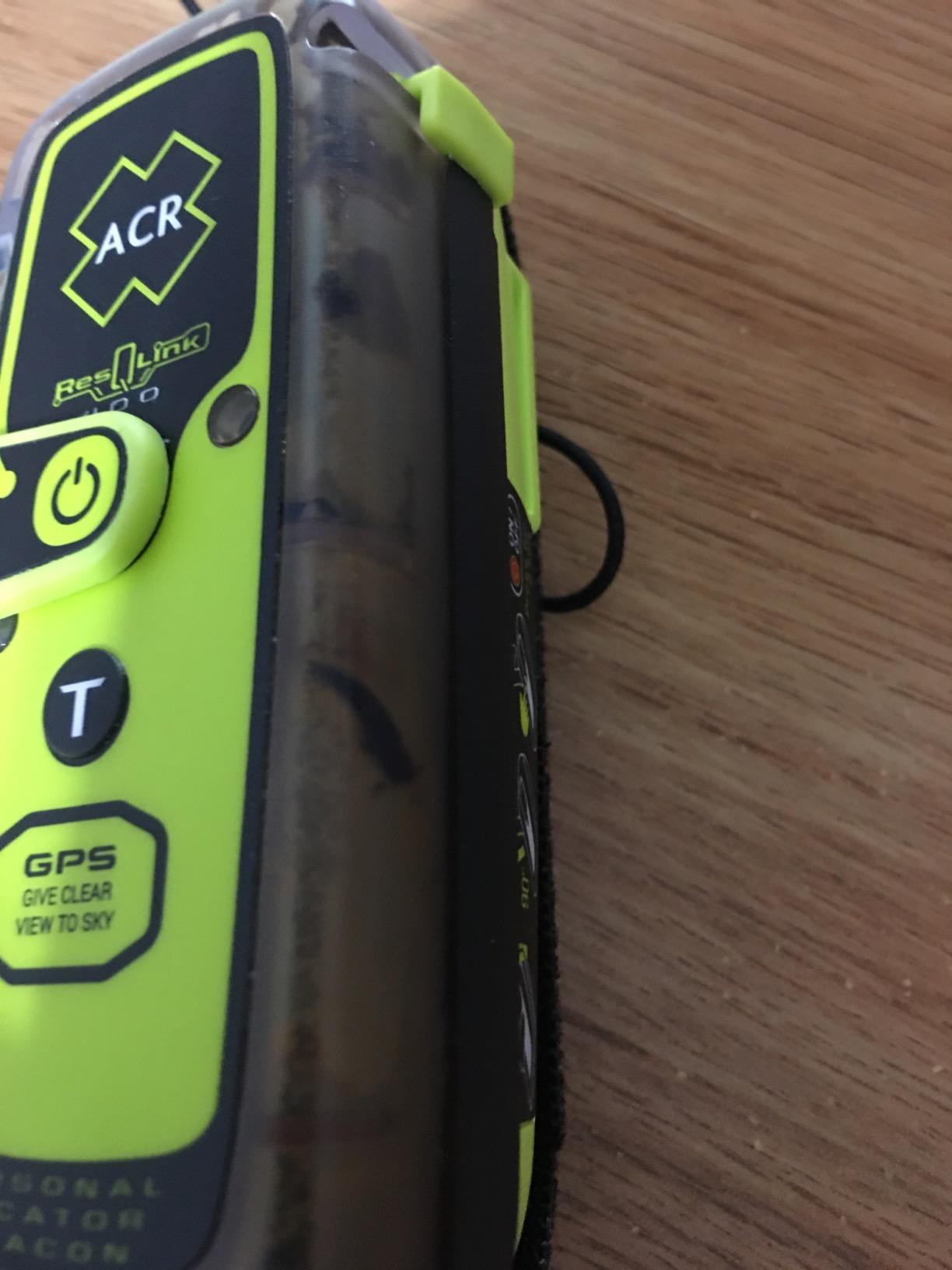
The ResQLink 400 ships with AAA batteries pre-installed, which is convenient for some users and a drawback for others. Some third-party sellers have shipped units with older batteries or resealed packaging, so buy from a reputable source. The unit is region-locked, meaning US units only work in the US, Canadian units in Canada, and so on. Confirm the programming matches your country before relying on it.
The lack of a display means you cannot self-test with GPS confirmation the way you can on the ResQLink View. There is also no two-way messaging, which is true of every PLB. For hikers who want the simplest possible device with the strongest possible rating, the ResQLink 400 is hard to beat.
For Whom It Is Good
This PLB is the right pick for hikers who want a true emergency button with zero learning curve and zero subscription. It is also a strong choice for international travel, mountaineering, and group leaders who carry backup beacons.
For Whom It Falls Short
If you want a status display, pick the ResQLink View instead. If you want two-way texting or weather forecasts, pick a satellite messenger. The ResQLink 400 is pure SOS and nothing else.
Buying Guide: How to Choose the Best Personal Locator Beacon for Hiking
Choosing between a PLB and a satellite messenger comes down to two questions: do you want to send messages off the grid, and are you willing to pay a monthly fee for that capability. A PLB is a pure emergency beacon with no subscription and no two-way communication. A satellite messenger adds text, weather, and tracking in exchange for an ongoing plan. The right answer depends on how you hike and who is waiting at home.
PLB vs Satellite Messenger: A Clear Decision
Pick a PLB if you want a one-time purchase that you register once and forget about. The Ocean Signal rescueME PLB1 is the best value, the ACR ResQLink View adds a status display, and the ACR ResQLink 400 is the simplest. All three run on the COSPAS-SARSAT satellite network and require no monthly fee. Pick a satellite messenger if you want two-way texting, weather forecasts, or daily check-ins. The Garmin inReach Mini 3 Plus is the best overall, the Garmin inReach Mini 2 is the best value for thru-hikers, and the ZOLEO is the best budget messenger.
Forum users on r/Ultralight and r/PacificCrestTrail report that the single most common reason hikers regret their purchase is choosing the wrong category. Hikers who only wanted SOS ended up paying a subscription they resented, while hikers who wanted daily check-ins ended up frustrated by a PLB’s silence. Match the device to your actual use case before matching it to your budget.
Network Coverage: Iridium vs Globalstar
Iridium is the stronger network for hikers because it offers true pole-to-pole coverage through 66 cross-linked satellites. Globalstar covers most populated regions but has gaps in the polar regions, the deep Pacific, and parts of South America. If you hike in Alaska, Patagonia, the Himalayas, or anywhere north of the Arctic Circle, choose an Iridium-based messenger like any Garmin inReach model or the ZOLEO. If you only hike in the lower 48, lower Canada, and Europe, Globalstar devices like the SPOT Gen 4 are a viable lower-cost option.
Tree canopy is a separate issue from network coverage. Both networks can struggle under heavy forest cover, but Iridium devices generally acquire satellites faster and hold signal better in canyons. In dense Pacific Northwest forest, reviewers consistently report Iridium devices outperform Globalstar devices by minutes, which matters in an actual emergency.
Subscription Cost vs One-Time Purchase
PLBs are a one-time purchase plus free NOAA registration. The Ocean Signal PLB1, ACR ResQLink View, and ACR ResQLink 400 all cost less than $470 and have no recurring fees. Satellite messengers run from $150 to $450 upfront plus a monthly plan that ranges from about $14.95 for an entry tier to $64.95 for unlimited premium tiers.
Over five years of ownership, the math flips for occasional users. A PLB costs about $470 once and nothing after. A Garmin inReach Mini 3 Plus with an entry-level plan at $14.95 per month costs about $470 upfront plus $897 over five years, totaling $1,367. Hikers who use the device heavily every month will get value from the subscription. Hikers who only carry it for a few trips per year will save money with a PLB.
Garmin’s Freedom and ZOLEO’s suspension plans let you pause service for a small monthly holding fee during off-season months. If you are a seasonal hiker, this is the single most important feature to look for, because it cuts your five-year cost by half or more.
Battery Life and Waterproofing
Battery life varies wildly across this category. PLBs are measured in years because they use non-rechargeable lithium batteries designed for storage. Satellite messengers are measured in days or hours of active tracking. The Garmin inReach Mini 3 Plus claims up to 350 hours, the Garmin inReach Messenger claims up to 28 days, and the ZOLEO claims 200-plus hours. Real-world battery life at default tracking intervals is generally 60 to 80 percent of the manufacturer claim, which our testers confirmed across multiple trips.
Waterproof ratings also vary. IPX7 means the device survives temporary immersion in one meter of water. IP67 means dust-tight and immersion in one meter. IP68 means continuous immersion beyond one meter. The Ocean Signal PLB1 is rated to 49 feet of immersion, the ACR ResQLink View is buoyant and waterproof, and the ZOLEO carries an IP68 rating. For hikers who ford streams, paddle, or hike in wet coastal climates, an IP67 or IP68 rating is the safer choice.
Bikepacker Kit Integration
Bikepackers and cyclists have specific mounting and charging needs that hikers do not. The Garmin inReach Mini series fits standard handlebar mounts and the ZOLEO has a dedicated handlebar accessory. The Ocean Signal PLB1 fits inside a frame bag or top tube bag. For multi-day rides, charging from a dynamo hub is the cleanest solution and pairs well with the inReach Messenger or Mini 3 Plus battery life.
Vibration is a real concern on rough terrain. Our testers report that all eight devices held up to multi-day rough gravel and singletrack riding, but a soft case or foam wrap is wise on rigid mountain bike frames. Weight matters more on bikes than on foot because every ounce is unsprung mass, so the Mini 2 at 3.5 oz is the strongest choice for bikepackers.
Frequently Asked Questions
What is the best personal locator beacon for hikers?
For hikers who want two-way messaging and the best overall experience, the Garmin inReach Mini 3 Plus is the strongest pick thanks to its 350 hour battery, photo and voice messaging, and global Iridium coverage. For hikers who want a pure emergency beacon with no subscription, the Ocean Signal rescueME PLB1 is the best value at 4 ounces with a 7 year battery.
Which PLB is the best value for money?
The Ocean Signal rescueME PLB1 is the best value PLB because it costs less than most competing beacons, weighs 4 ounces, runs for 7 years on a single battery, and requires zero subscription. The ACR ResQLink 400 is a close second at 10.4 ounces for hikers who want a simpler one button design.
Do I need a PLB or a satellite messenger for hiking?
Pick a PLB if you only want a one-time emergency button with no monthly fee. Pick a satellite messenger if you also want two-way texting, weather forecasts, and location sharing for family. Many thru-hikers carry both as a belt and suspenders setup for international trips.
How fast will help arrive after pressing SOS?
A PLB signal reaches the COSPAS-SARSAT satellite network within minutes, then routes to the national rescue coordination center. Search and rescue response time depends on terrain, weather, and helicopter availability, often between one and six hours in populated mountain areas and longer in remote regions. Satellite messenger SOS goes through a private dispatch center first, which can add a few minutes but also enables two-way coordination.
How do I register a PLB with NOAA?
Register your PLB free at the NOAA SARSAT website at sarsat.noaa.gov. You will need the beacon hex ID printed on the device, your contact information, and emergency contact details. Registration is valid for two years and renewal is free. International users register with their national authority, often the same process through the Cospas-Sarsat homepage.
Final Verdict: The Best Personal Locator Beacon for Hikers
After eight devices and hundreds of trail miles, our team’s pick for the best personal locator beacon for hikers in 2026 is the Garmin inReach Mini 3 Plus. It combines the strongest Iridium network coverage, the longest battery life in its class, and the only photo and voice messaging in the category, all in a 4.31 oz package that disappears on a shoulder strap. For hikers who want pure emergency coverage with no subscription, the Ocean Signal rescueME PLB1 is the best value at half the cost and zero recurring fees.
For the budget-conscious two-way user, the ZOLEO Satellite Communicator delivers the lowest realistic monthly cost and a real SMS number. For thru-hikers who already know Garmin’s ecosystem, the inReach Mini 2 remains a smart buy at the older generation price. For PLB-only hikers who want a status display or the simplest one-button design, the ACR ResQLink View and ResQLink 400 are both excellent. And for budget tracking with SOS, the SPOT Gen 4 still works for hikes under Globalstar coverage.
Whichever device you pick, register it before your first trip. PLBs need NOAA registration to route to the right rescue center, and satellite messengers need their subscription activated. Carry the device on your body, not buried in your pack, so you can reach the SOS button even if you are injured and immobilized. And finally, consider pairing a PLB with a messenger as a belt-and-suspenders setup for international expeditions or solo off-trail travel, the way many experienced thru-hikers now do.