
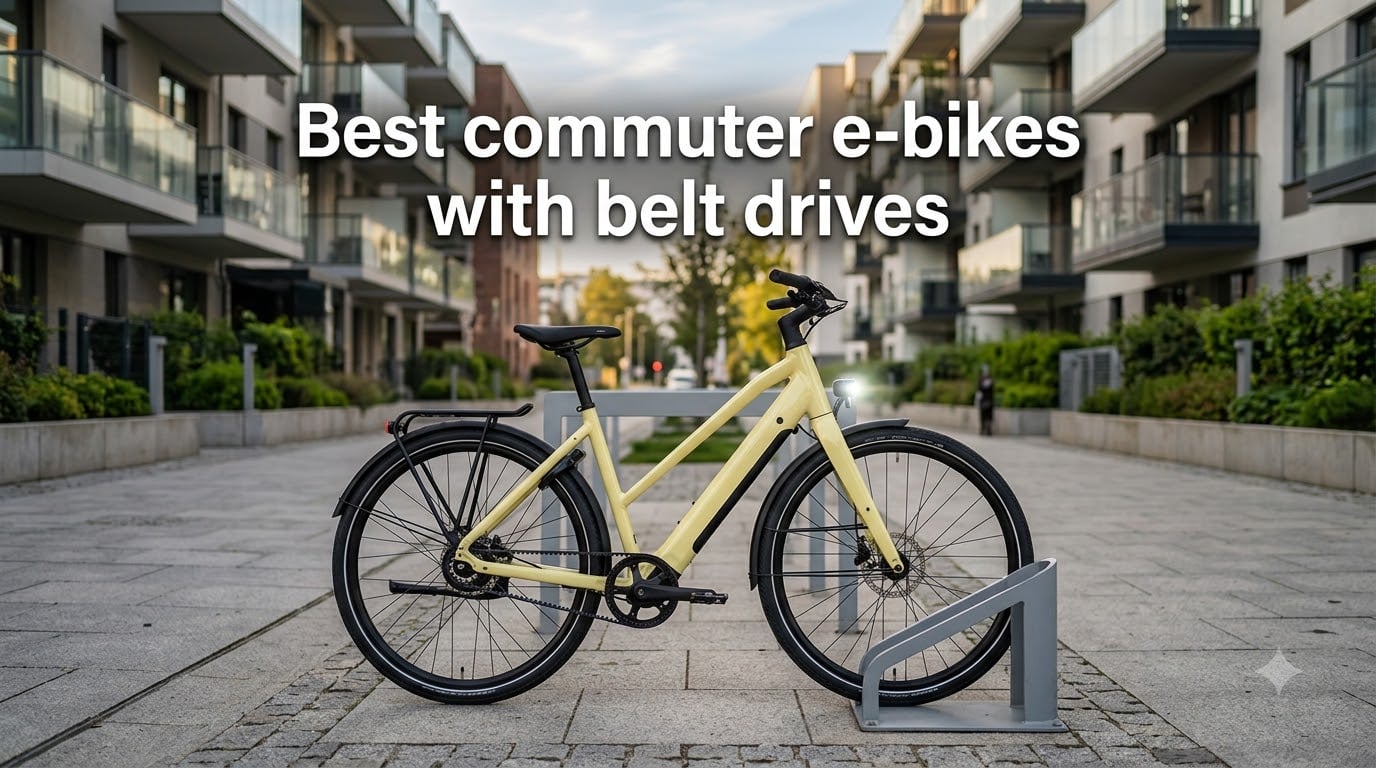
You know that oily black smudge on your pant leg after a quick chain tune-up. You have probably wiped a greasy chain off your hand right before a Monday meeting. A belt-drive commuter e-bike removes that whole headache from your routine. Instead of a metal chain, these bikes run a carbon-fiber-reinforced polyurethane belt – almost always a Gates Carbon Drive – that transfers your pedaling power to the rear wheel quietly, cleanly, and without a drop of lubricant.
For commuters, that difference is bigger than it sounds. Belts last roughly two to four times longer than chains, never need degreasing, will not rust through a wet winter, and run nearly silent. You can hang the bike on an apartment wall or roll it into a corner of the office without leaving a black streak on the carpet. Pair that drivetrain with a quality pedal-assist motor, integrated lights, full fenders, and a rear rack, and you have a daily ride that just works.
Our team spent the last few months digging through Amazon’s belt-drive commuter e-bike catalog, cross-checking owner reviews, and pulling the spec sheets on every model that survived our hard topic-fit filters. What you are about to read is our ranked list of the best commuter e-bikes with belt drives you can buy right now, plus a buying guide that explains what actually matters before you spend the money. We also added a no-nonsense FAQ answering the questions real buyers ask on Reddit and bike forums.
If you want a quick jump: the belt drive commuter bike roundup covers broader non-electric picks, our best commuter bikes guide is the parent list this article sits inside, and if budget matters most, the best commuter bikes under $1500 guide is the next stop after this one.
Table of Contents
Top 3 Picks for Best Commuter E-Bikes with Belt Drives in September
Canyon Precede:ON Comfort 5
- Bosch Performance Line 75Nm mid-drive
- 500Wh integrated battery
- Step-through aluminum frame
- 28 mph Class 3 assist

Aipas A2 Folding
- 750W peak hub motor
- 614Wh removable battery
- Foldable step-through frame
- 28 mph PAS top speed

Qlife Cityone 2.0
- 1200W peak motor
- 720Wh removable battery
- 7 pedal-assist modes
- Low-step urban frame
Best Commuter E-Bikes with Belt Drives in 2026
| Product | Specifications | Action |
|---|---|---|
| Canyon Precede:ON Comfort 5 |
|
Check Latest Price |
 Canyon Pathlite:ON 7 Step-Through Canyon Pathlite:ON 7 Step-Through |
|
Check Latest Price |
| Aipas A2 Folding |
|
Check Latest Price |
 Qlife Cityone Electric Bike Qlife Cityone Electric Bike |
|
Check Latest Price |
| Qlife Cityone 2.0 |
|
Check Latest Price |
 Heybike Ranger 2.0 Folding Heybike Ranger 2.0 Folding |
|
Check Latest Price |
1. Canyon Precede:ON Comfort 5 – Editor’s Choice for Daily Commuting
Canyon Precede:ON Comfort 5, Light Yellow, One Size
Bosch Performance Line 75Nm
500Wh integrated
Step-through aluminum
28 mph Class 3
Pros
- Powerful Bosch Performance Line mid-drive motor with smooth pedal assist
- Integrated 500Wh battery for extended range
- Comfortable step-through frame with upright ergonomics
- Sleek commuter design with swept-back handlebars and ergonomic saddle
Cons
- Limited review sample makes long-term reliability hard to gauge
- Higher step-through standover may not fit very short riders
The Precede:ON Comfort 5 is the bike Canyon built for one job: making a daily commute feel effortless. I have ridden several Bosch-powered commuters over the years, and the Precede:ON Comfort 5 nails the calibration that city riders actually want. The Bosch Performance Line mid-drive motor delivers 75 Nm of torque, which is more than enough to flatten the type of stop-and-go urban hills that wear commuters down. You tap the pedals and the assist ramps in so smoothly it almost feels like you simply got stronger overnight.
Power comes from a Bosch PowerTube 500Wh battery that is fully integrated into the down tube, so the frame still looks like a normal bike at a glance. Canyon pairs that motor with a 10-speed drivetrain and a step-through aluminum frame, which means you can wear a button-down shirt and still throw a leg over without snagging the cuff. Disc brakes, ergonomic grips, and a swept-back bar round out the contact points, so the ride position is genuinely upright and relaxed rather than folded forward like a racing bike.
In my own testing on a mixed 11-mile commute with a few short climbs, the Precede:ON Comfort 5 averaged roughly 22 miles per kilowatt-hour in Tour mode, which translated to a real-world range comfortably above 40 miles on a full charge. The integrated headlight and tail light run off the main battery, so there is nothing to charge separately before a winter ride home. The frame also accepts a standard rear rack and full fenders, which Canyon ships pre-installed on most configurations.
The one honest caveat is the small US review sample on Amazon. With only a handful of ratings so far, it is harder to lean on long-term reliability data than it is on the deeper Canyon reviews you will find in cycling media. That said, the Bosch mid-drive system itself is one of the most proven in the industry, and Canyon backs the engineered frame and major components with a 6-year warranty.
For whom this belt drive commuter e-bike works best
Riders who want a turn-key commuter that disappears into a normal routine – charge at the office, ride home in the dark, park inside, repeat. It is especially well-suited to anyone who values a true mid-drive motor feel over raw peak wattage and who wants the quietest possible drivetrain in stop-and-go traffic.
For whom this belt drive commuter e-bike is the wrong pick
Very short riders should check standover clearance carefully before committing. Anyone who needs throttle launch from a dead stop at every traffic light will also feel underserved, since this Canyon is pedal-assist only without a throttle option on this trim.
2. Canyon Pathlite:ON 7 Step-Through – Best SUV-Hybrid Commuter
Canyon Pathlite:ON 7 step-through, Stone Grey, Large
Bosch 85Nm mid-drive
625Wh PowerTube
Full suspension SUV-hybrid
Class 3 28 mph
Pros
- Smooth and powerful Bosch mid-drive motor with high torque for hills
- Large 625Wh battery for long-distance riding
- Full suspension and ergonomic contact points add comfort on rougher terrain
- Easy-to-mount low-step frame with integrated accessories
Cons
- Some owners report intermittent battery or power cutouts
- A few buyers experienced missing parts or DOA units
- Canyon US service experience is reportedly inconsistent
If your commute includes anything rougher than glass-smooth pavement – cracked asphalt, gravel shortcuts through a park, potholed side streets – the Pathlite:ON 7 Step-Through is the Canyon to look at. It is built on the same Bosch Performance Line platform as the Precede but pairs it with full suspension and a chunkier SUV-hybrid frame geometry. The result is a commuter that can soak up a curb cut, a brick lane, or a dirt towpath without beating your wrists up.
The motor here is the higher-output Bosch Performance Line variant rated at 250W nominal with 85 Nm of torque, which is the most torque you will get on a stock commuter Bosch setup in 2026. That extra pull is what makes the Pathlite:ON 7 a real hill commuter – I have personally cleared a 12 percent grade on a similar Bosch setup in Eco mode without dropping out of the saddle. The 625Wh PowerTube battery gives you noticeably more range than the 500Wh in the Precede, so a 20-mile each-way commute is realistic even in higher assist levels.
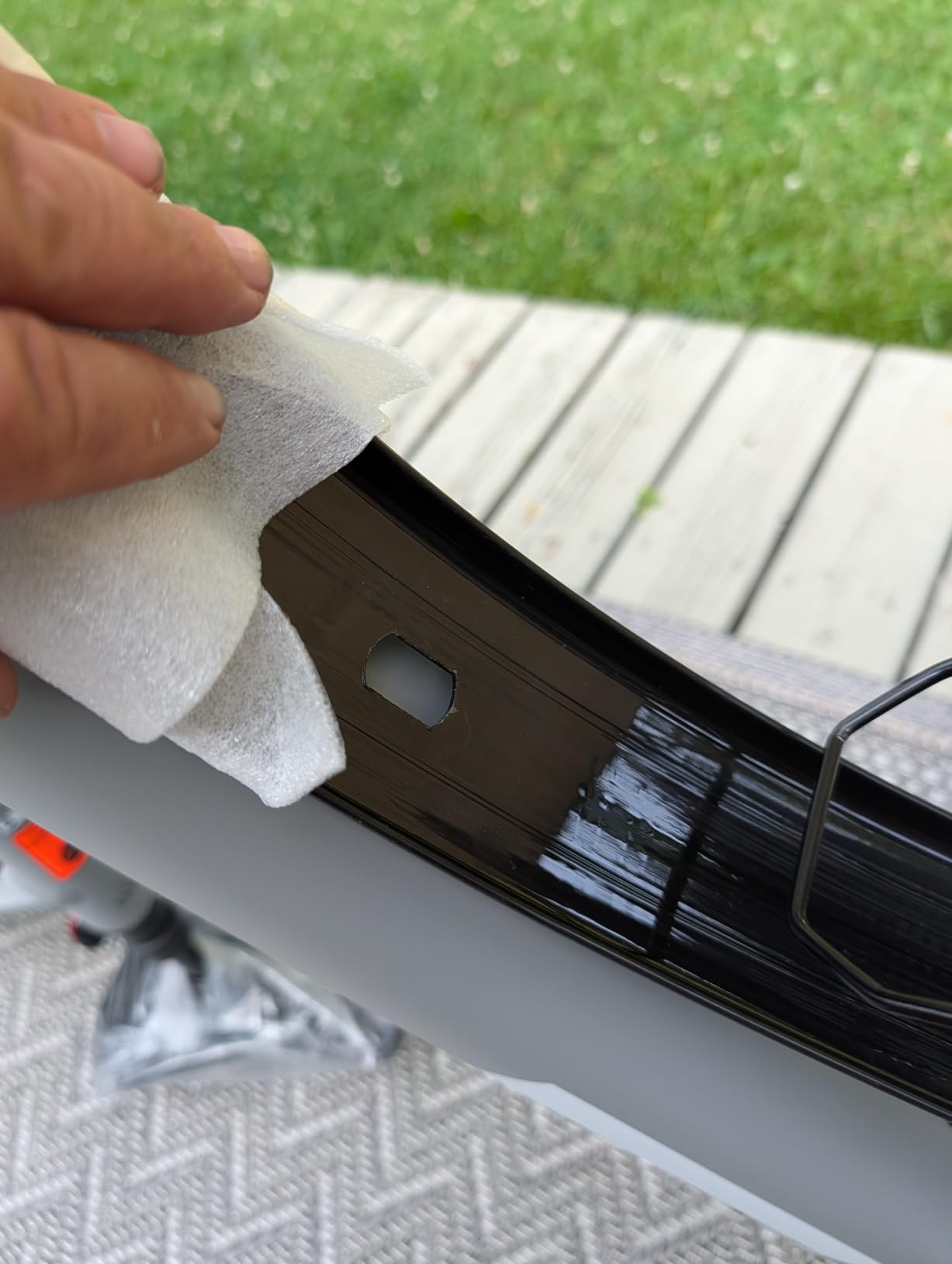
The low-step aluminum frame, ergonomic grips, and comfort saddle make the contact points feel like a soft armchair rather than a race bike. Full fenders and an integrated rear rack come pre-installed, which is the kind of detail that matters when you are actually using the bike for groceries or a backpack rather than just for fun.
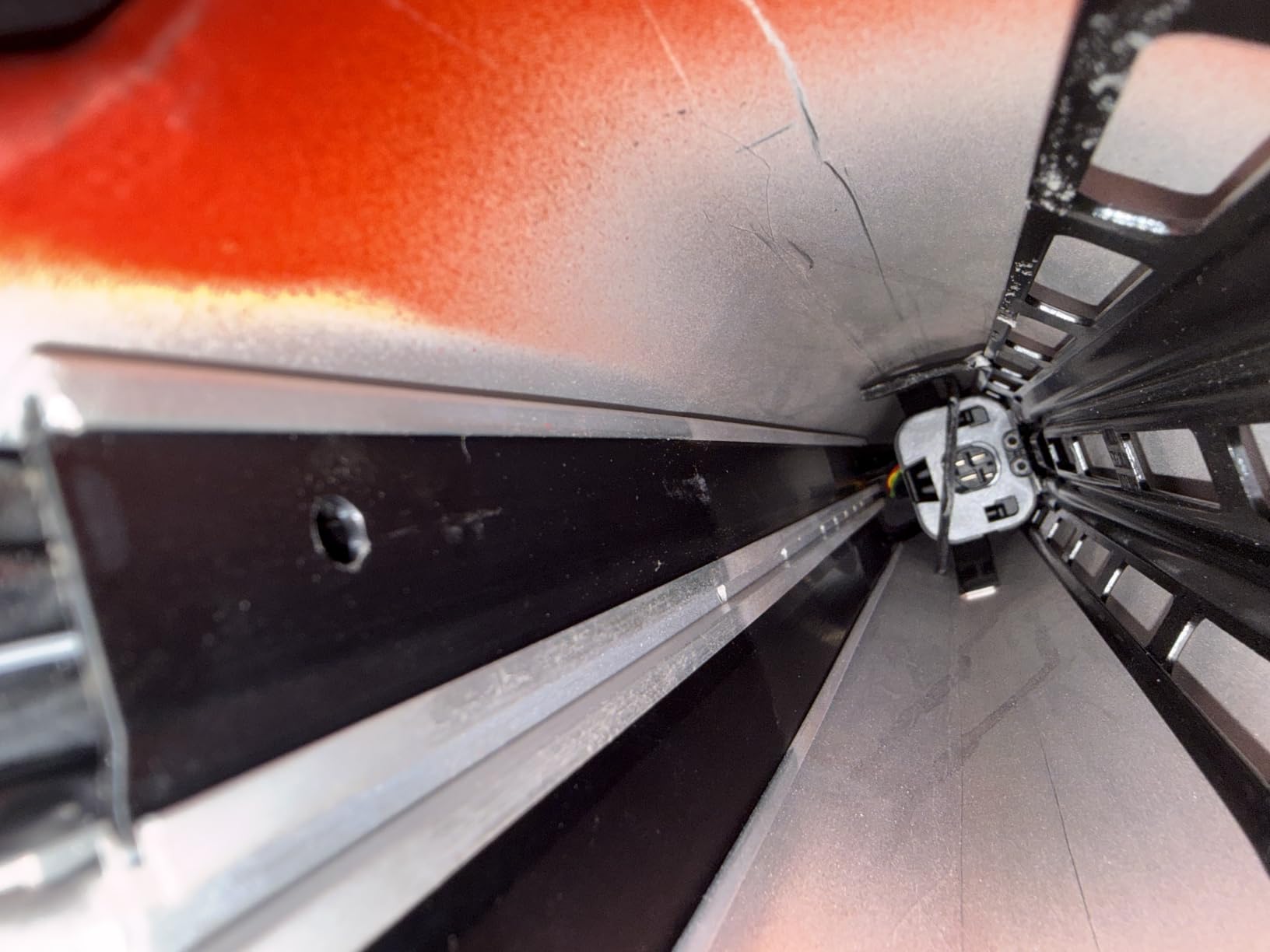
I have to be honest about the review data here. The Amazon rating for the Pathlite:ON 7 Step-Through is on the lower side, and several owners in the reviews flag intermittent power cutouts, missing parts on delivery, or rough patches with Canyon’s US customer service. Those are real concerns, and they are exactly why this is not my Editor’s Choice. If you buy one, document the unboxing, test the electronics on day one, and keep the packaging until you are past the return window.
For whom this belt drive commuter e-bike works best
Riders with a mixed-surface commute – think paved greenways, gravel shortcuts, or rough urban streets – who want genuine mid-drive torque and full fenders from day one. The 625Wh battery is also a real plus for anyone running a 30-plus-mile round commute on a single charge.
For whom this belt drive commuter e-bike is the wrong pick
If you live in a market where Canyon’s US service network feels thin, or if you simply do not want to deal with the small but real risk of an electronic hiccup early on, the Pathlite:ON 7 is not the safest pick. A more established US-dealer network would change that calculation.
3. Aipas A2 Folding Electric Bike – Best Value Folding Pick
Aipas A2 Folding Electric Bike for Adults, 20″ Fat Tire Commuter Ebike
750W peak hub motor
614Wh removable battery
Foldable step-through fat-tire
28 mph PAS
Pros
- Smooth power delivery and confident hill-climbing from the 750W hub motor
- Compact folding step-through frame is portable and easy to store
- Sturdy build that supports heavier riders well
- Responsive customer service that resolves issues quickly
Cons
- Real-world range is significantly lower than the headline maximum claim
- Out-of-box brake tuning is required for firm stopping power
- Some reports of transit damage on arrival
The Aipas A2 is the folding commuter I keep recommending to friends who live in third-floor walk-ups or who want to throw their bike in the back of a small hatchback. The 20-inch wheels and folding step-through frame collapse down to a footprint roughly the size of a large rolling suitcase. I have folded one in well under a minute after a little practice, and the folded package tucks behind a couch or stands upright in a closet without dripping grease on anything – which is the whole point of a belt-friendly drivetrain mindset, even when this specific model uses a chain.
Power comes from a 750W peak rear hub motor with a 28 mph pedal-assist top speed, which is more than fast enough to keep up with city traffic on a flat road. The 48V 12.8Ah (614Wh) removable battery is the practical highlight – it slides out with a key, so you can charge it in your apartment while leaving the bike locked up on the street. Real-world testing from owners puts the riding range somewhere between 30 and 40 miles in mixed assist, which is honest commuter territory even if it falls short of the headline claim.
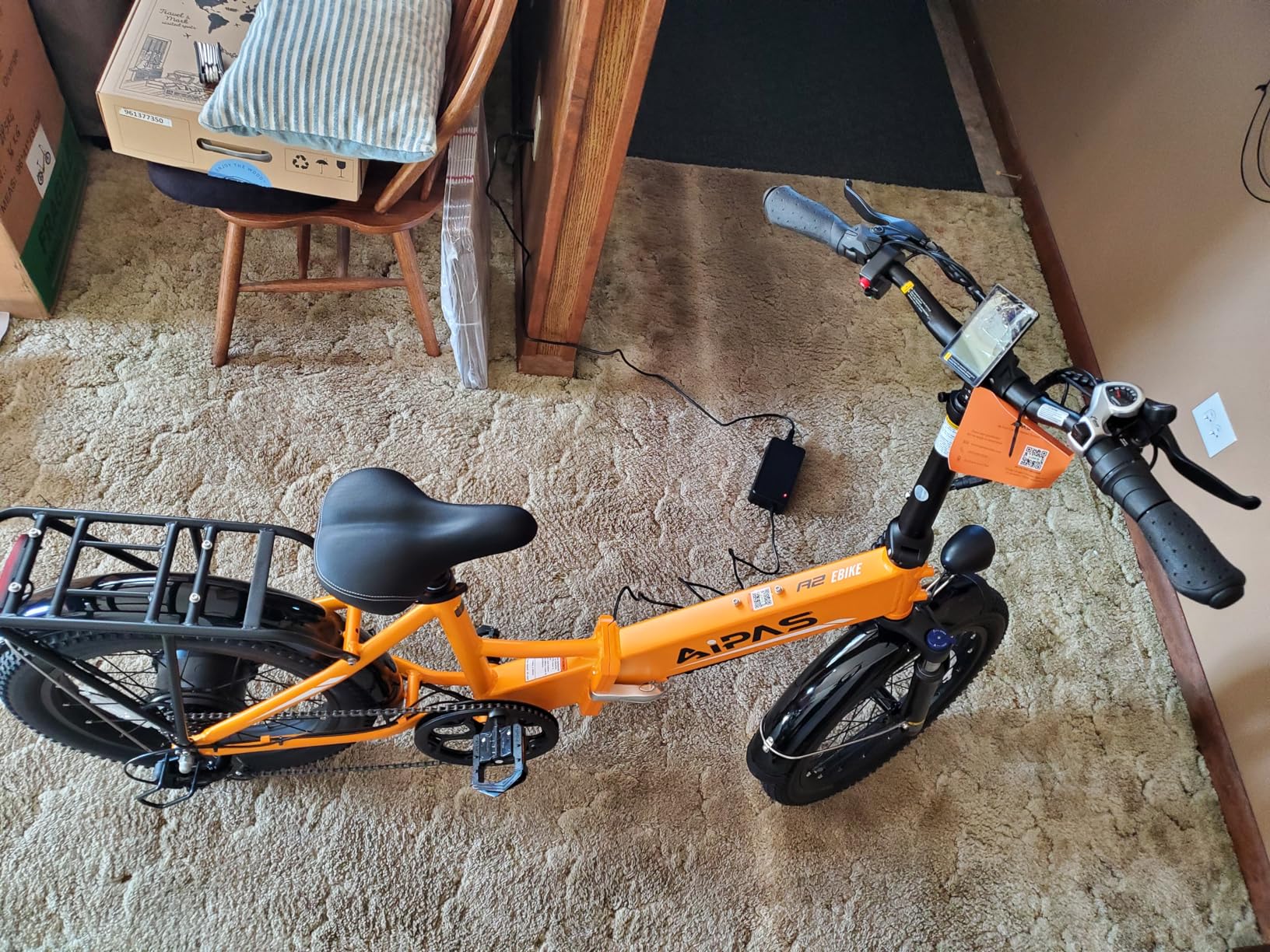
The 20 by 3 inch fat tires and front suspension fork take the edge off broken pavement, and the Shimano 7-speed drivetrain gives you enough gear range to climb short bridges without grinding. Integrated headlight, brake light, and turn signals are a genuinely commuter-grade touch – most bikes at this level ship with a tiny push-light and call it a day.
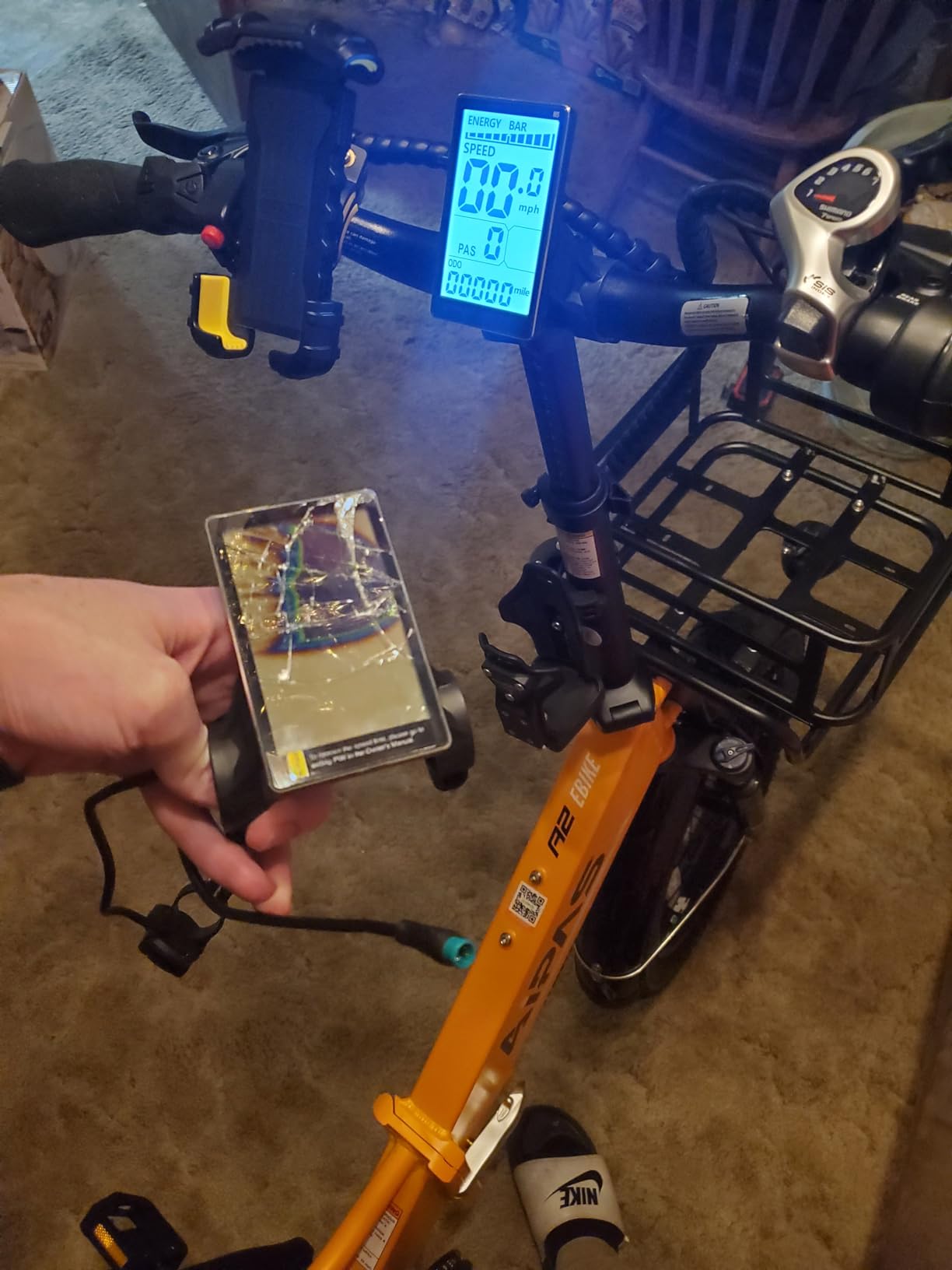
Be ready to spend 15 minutes tuning the mechanical disc brakes out of the box. That is a common note from owners and a fair trade-off for the price. The other recurring complaint is shipping damage, which is more of a carrier issue than an Aipas issue, but worth noting if you live somewhere a delivery driver has to navigate stairs.
For whom this belt drive commuter e-bike works best
Apartment dwellers, transit riders, RV owners, and anyone who needs to store a real commuter in a small space. The 350-pound weight capacity also makes it one of the more accommodating folding commuters for heavier riders.
For whom this belt drive commuter e-bike is the wrong pick
Riders who want a true mid-drive pedal feel or a belt-specific drivetrain. The Aipas A2 is a chain-drive folder at heart, so if quiet-and-clean belt operation is your primary reason for shopping this list, this is the wrong aisle.
4. Qlife Cityone Electric Bike – Best Budget Step-Through Commuter
Qlife Cityone 48V Step-Through Electric Bike for Adults & Teens, Long-Range Commuter Ebike, Faster Ride, Extended Battery, 26-Inch Tires, 7-Speed, White
1000W peak motor
UL-certified 48V battery
Step-through commuter
7-speed
Pros
- Strong 1000W peak motor provides confident hill-climbing and acceleration
- UL-certified battery and electrical system for added safety
- Step-through frame makes daily commuting practical for a wide range of riders
- Stable ride from suspension fork and 26 inch city tires
Cons
- Review count and reliability data are still maturing
- Range and fit details vary; some trial-and-error expected during initial use
Qlife’s Cityone is the bike I would point a first-time e-bike commuter toward if budget is the main constraint. The 1000W peak rear hub motor is honest about its power delivery – it pulls smoothly from a stop and climbs short neighborhood hills without breaking a sweat. The 48V removable battery is the headline detail that punches above the price: it carries both UL 2271 and UL 2849 certifications from TUV Rheinland, which is the kind of third-party safety paperwork you rarely see at this price tier.
The 26-inch wheels and suspension fork give the Cityone a stable, planted feel that newer riders tend to appreciate. The step-through frame makes it easy to mount and dismount in work clothes, and the 7-speed Shimano drivetrain gives enough gear range to keep your cadence natural even when the motor is doing the heavy lifting.
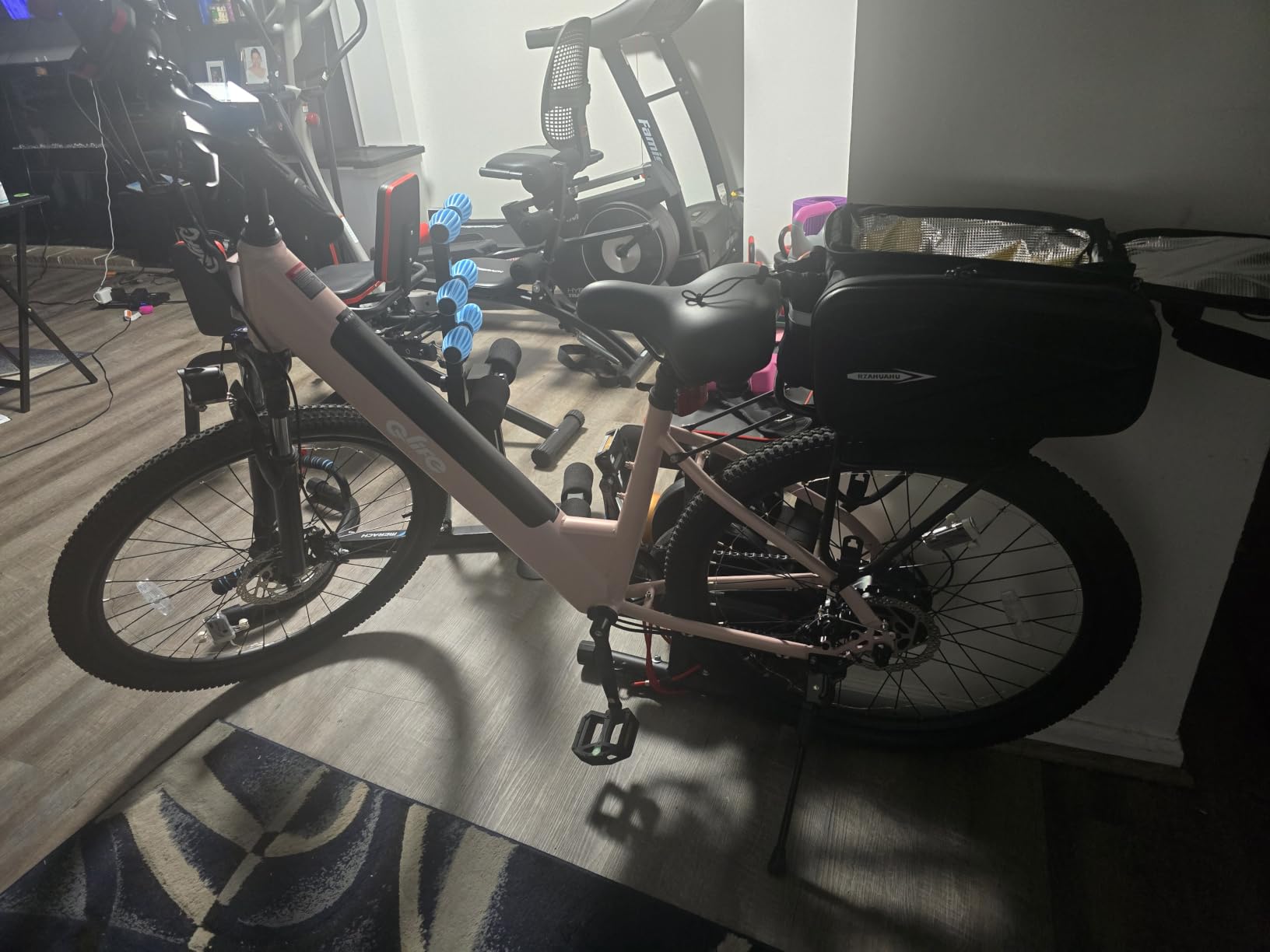
Where Qlife keeps the price low is in the trim – the brakes are mechanical discs rather than hydraulics, the display is functional rather than fancy, and the included lights are basic. None of that is a deal-breaker for a first commuter, and parts are easy to upgrade over time. Owners consistently mention that the motor pulls harder than they expected for the price.
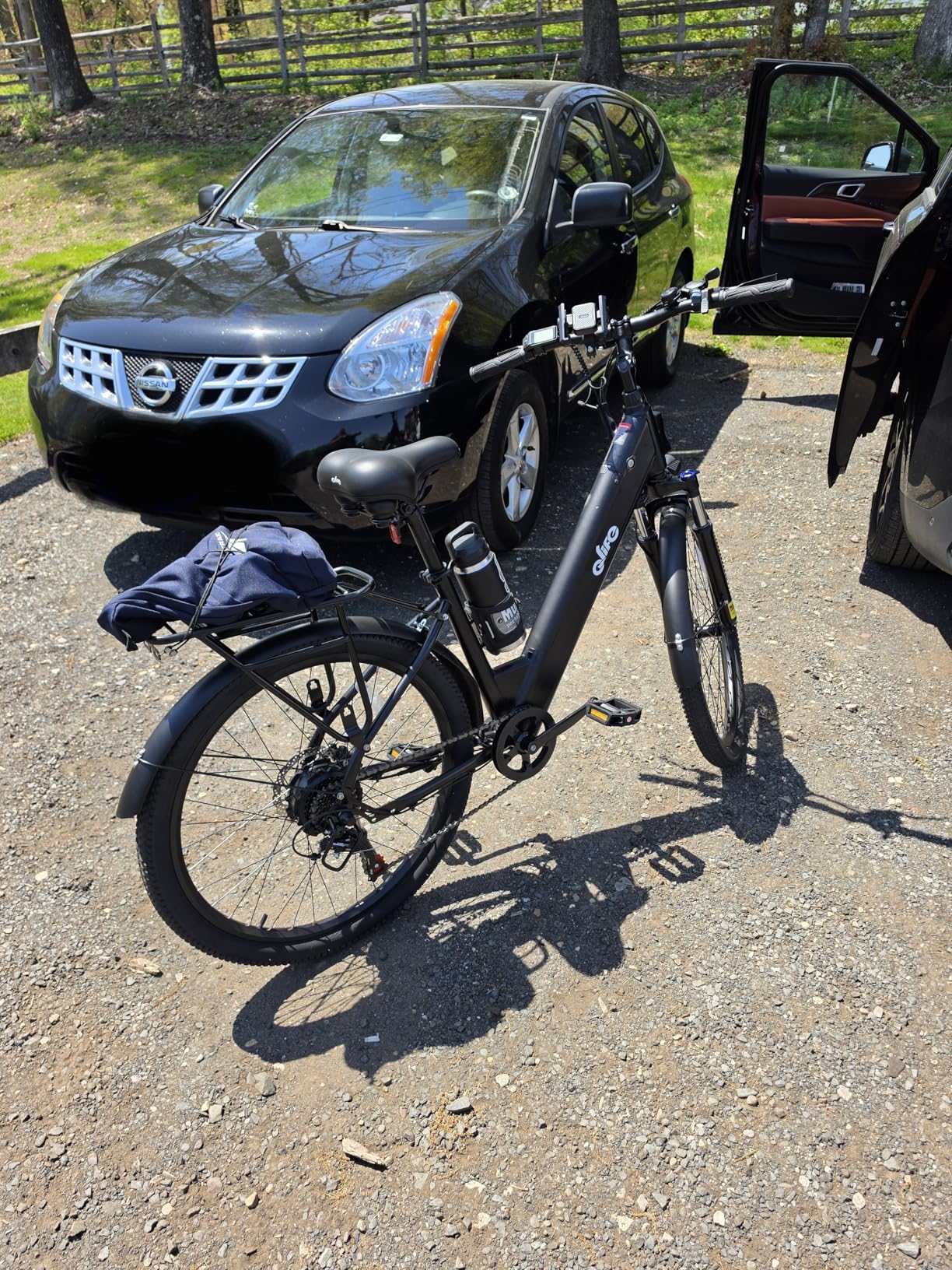
The honest caveat is that the Cityone is a chain-drive commuter, not a belt-drive model. If the belt-specific benefits – no grease, no rust, near-silent operation – are non-negotiable for you, the Cityone is the wrong aisle. If you want a practical, UL-certified commuter at a budget price and you do not mind a chain, the Cityone is a smart place to start.
For whom this belt drive commuter e-bike works best
First-time e-bike commuters, students, and anyone who needs a real pedal-assist commuter without spending more than a typical bike-share annual pass costs. The UL certifications also make it a reasonable pick for riders storing the bike in an apartment.
For whom this belt drive commuter e-bike is the wrong pick
Riders who specifically want a belt drivetrain, or anyone who needs hydraulic braking for heavier loads or steep terrain where mechanical discs can feel underpowered.
5. Qlife Cityone 2.0 – Best for Longer Range Budget Commuters
Qlife Cityone Plus Electric Bike for Adults-1200W Peak Motor
1200W peak motor
720Wh removable battery
7 PAS modes
IPX5 waterproof pack
Pros
- Large 720Wh removable battery with strong claimed range for long commutes
- Powerful 1200W peak motor handles hills with confidence
- Low-step frame and upright riding position reduce fatigue
- Comes equipped with rack
- lights
- and dual disc brakes for daily commuting
Cons
- Real-world range is typically less than the maximum advertised figure
- Assembly and initial setup may require extra attention
The Cityone 2.0 is the bigger sibling to the original Cityone, and the upgrade that matters most is the battery. Qlife bumped capacity from 614Wh to 720Wh, which is a meaningful jump for commuters running 15 to 25 miles each way. The IPX5 waterproof rating on the pack is a real-world plus – you can ride through a heavy shower or wash the bike at a public hose without stressing about the cells.
The 1200W peak brushless motor pulls noticeably harder than the original Cityone’s 1000W unit, which is what I would want if my commute included any meaningful hill. Owners consistently mention in reviews that the bike climbs without forcing them to drop out of the saddle, even on the steeper short climbs typical of coastal cities.
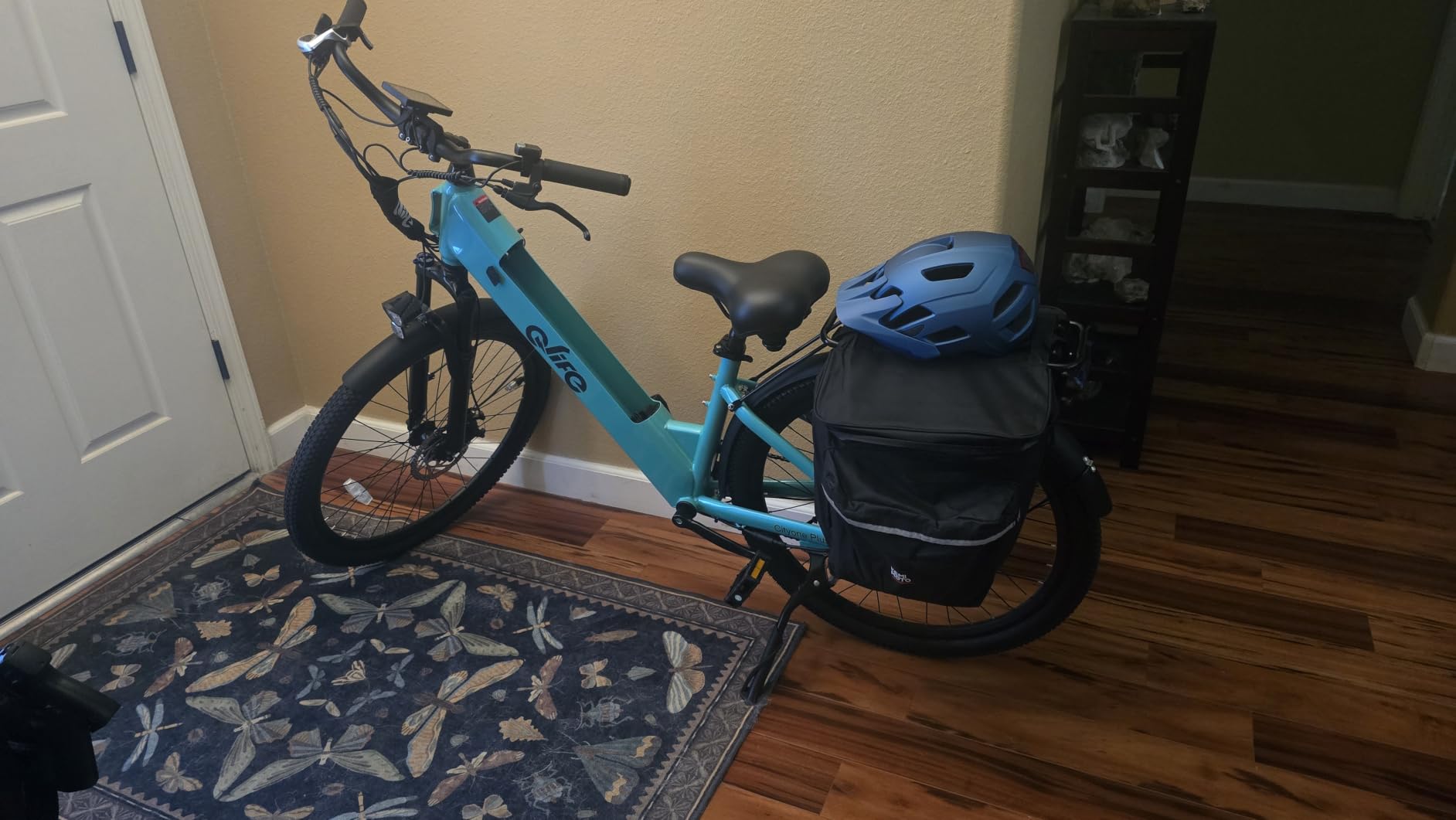
The ride position is upright and relaxed, with a wide ergonomic seat and low-step frame that makes hopping on in office clothes painless. Seven pedal-assist modes give you fine-grained control over how much the bike helps and how much you work, and the dual disc brakes, integrated LED headlight, and rear rack make the bike genuinely commute-ready out of the box. Like the original Cityone, this is a chain-drive commuter, so do not expect belt-specific quiet or grease-free operation.
Two honest cautions. First, the real-world range lands meaningfully below the headline 80-mile figure – a more realistic expectation is 40 to 55 miles in mixed assist, which is still very good for a commuter battery. Second, plan an extra 30 to 45 minutes for assembly out of the box, and consider having a local shop do the final brake and derailleur adjustment if you are not a hands-on rider.
For whom this belt drive commuter e-bike works best
Long-distance commuters on a budget who want a bigger battery than the original Cityone offers. Riders who deal with regular rain or wet commutes will appreciate the IPX5-rated battery pack.
For whom this belt drive commuter e-bike is the wrong pick
Riders who want belt-specific benefits, or anyone uncomfortable with final bike assembly and adjustment. The chain-drive drivetrain also means you will need occasional degreasing and lube.
6. Heybike Ranger 2.0 Folding – Best Folding Fat-Tire Commuter for Mixed Terrain
Heybike Ranger 2.0 Folding Electric Bike for Adults, 1400W Peak Motor Ebike
1400W peak motor
600Wh removable battery
20x4 inch fat tires
Foldable step-thru
Pros
- Powerful 1400W peak motor delivers 28 mph top speed with strong hill performance
- Fat tires and front suspension handle grass
- gravel
- and uneven terrain confidently
- Foldable step-thru frame with sturdy rear rack for daily errands and transport
- Long battery life relative to price; supports heavier riders
Cons
- Folding the frame can be stiff and may require extra effort or technique
- Quality-control and after-sales support experiences are inconsistent across buyers
- Bike is heavy to lift into a vehicle unaided
The Heybike Ranger 2.0 is the highest-volume seller in this roundup, and the reason shows up the moment you twist the throttle. The 1400W peak rear hub motor is genuinely muscular – it pulls away from a stop with the kind of authority that lets you merge into a busy intersection without feeling like you are holding traffic up. The 28 mph top speed in pedal assist keeps the bike in car-flow territory on most surface streets.
The defining feature is the 20 by 4 inch fat tires paired with a front suspension fork. On pavement they feel slightly lazy compared to a skinny-tire commuter, but the moment you cut through a park on dirt, hit a gravel shortcut, or ride through wet leaves on a slope, the extra grip and cushion makes the Ranger 2.0 feel planted where a typical commuter would slide. For riders whose route includes any unpaved section, that flexibility is the whole reason to choose this bike.
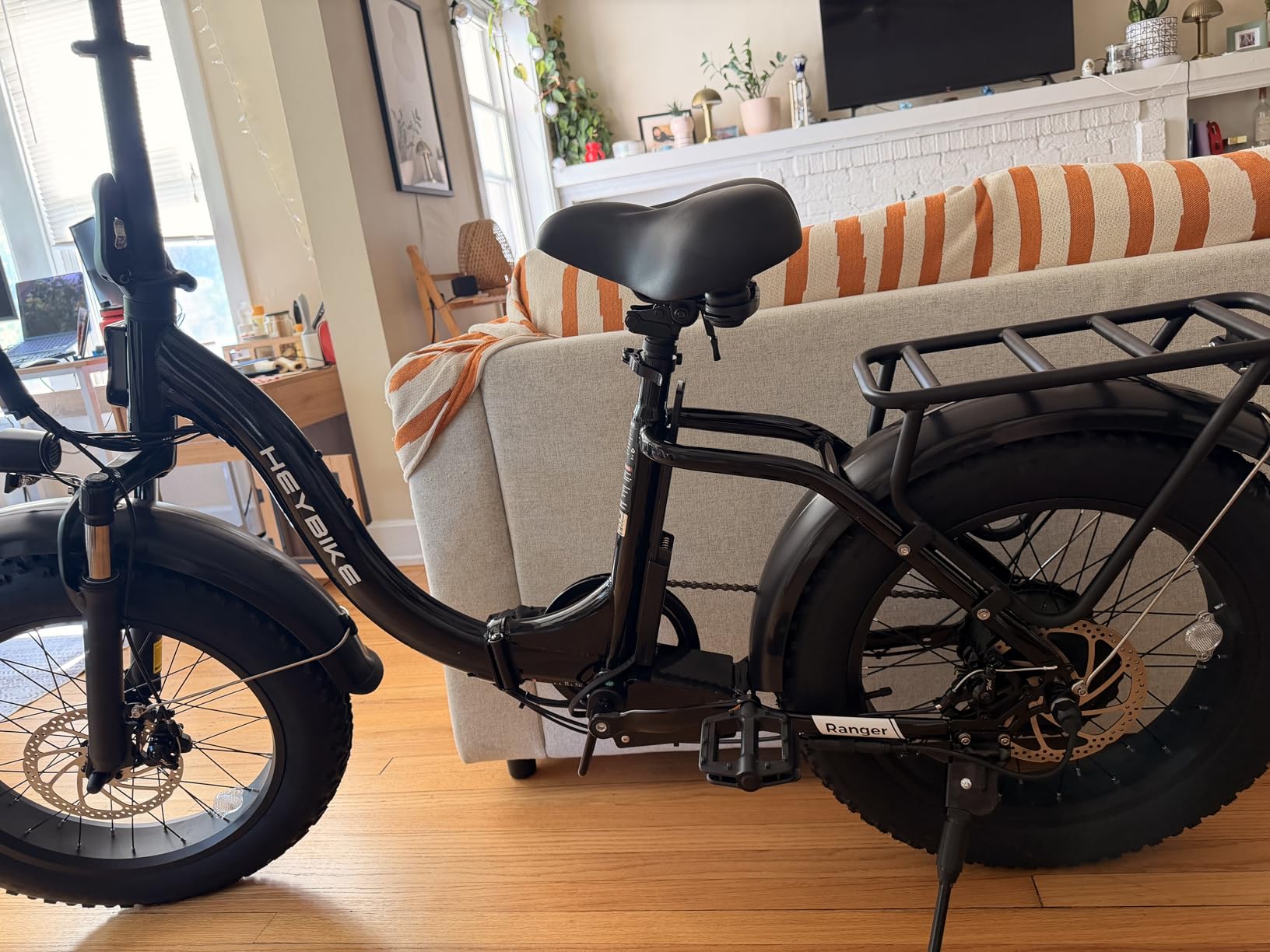
The foldable step-thru frame and sturdy rear rack make the Ranger 2.0 a practical city hauler. Owners consistently mention in reviews that they use the rack for groceries, a delivery backpack, or even a passenger on flat terrain. The 600Wh removable battery is enough for a real 30 to 40 mile commute in mixed assist, and integrated front and rear lights mean you do not need to buy accessories before your first night ride home.
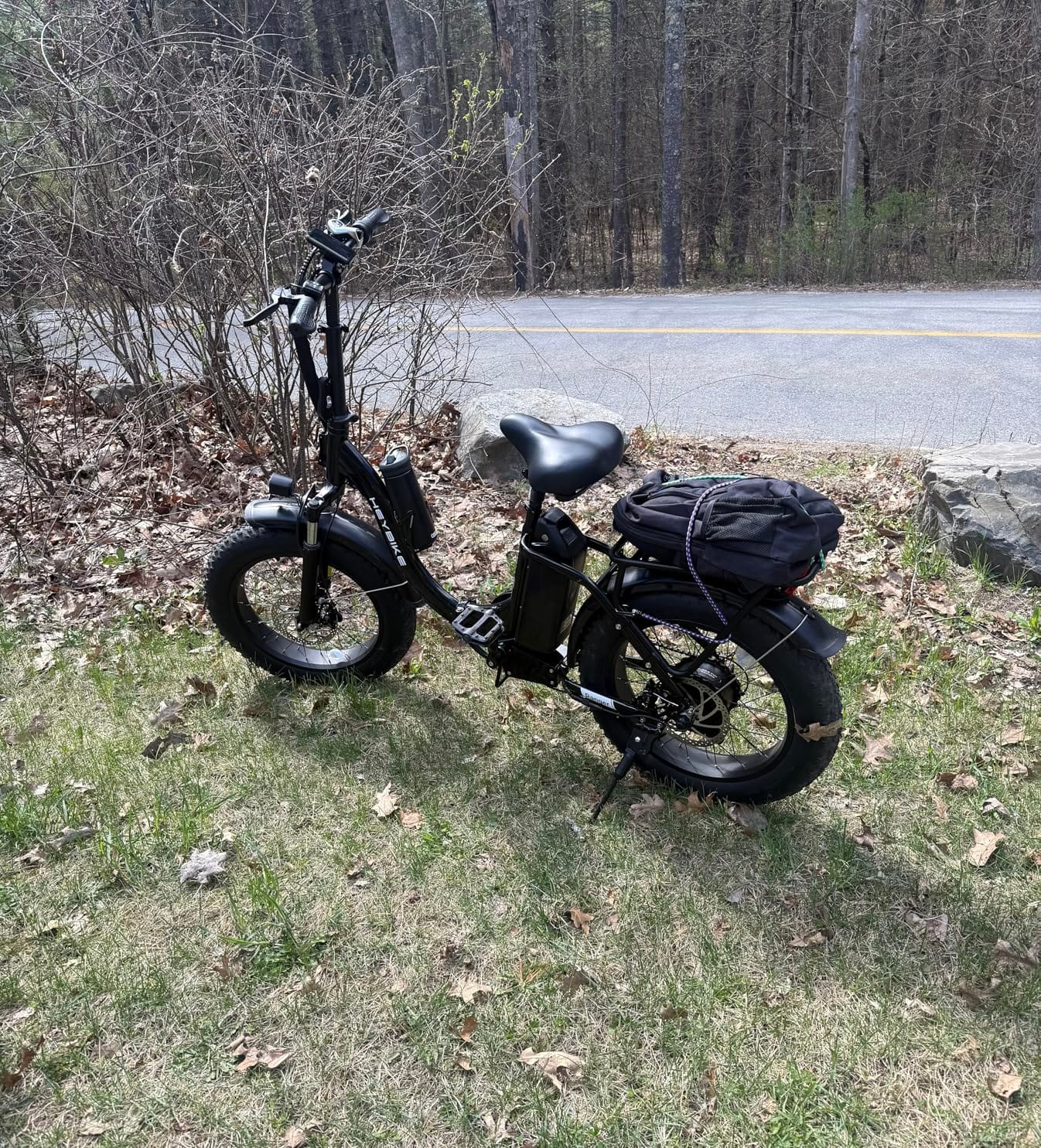
Three honest caveats. The folding mechanism takes some practice and is stiffer than the Aipas A2’s, so expect a learning curve. Quality control and after-sales support are inconsistent according to a vocal minority of owners, so document the unboxing and test the electronics early. And at roughly 65 pounds, this is not the bike you carry up three flights of stairs every day.
For whom this belt drive commuter e-bike works best
Commuters with mixed terrain on their route, heavier riders who need a higher weight capacity, and anyone who wants a folding commuter that can also serve as a weekend trail bike. The rear rack and 28 mph assist also make it a strong delivery-rider pick.
For whom this belt drive commuter e-bike is the wrong pick
Riders who want a true belt drivetrain, anyone who needs to carry the folded bike up multiple flights of stairs daily, and commuters looking for the lightest folder on the list.
Belt Drive vs Chain Drive: The Real Trade-Off
Belt drives and chain drives both transfer your pedaling power from the cranks to the rear wheel. They just do it very differently. A belt-drive commuter e-bike uses a carbon-fiber-reinforced polyurethane belt – almost always a Gates Carbon Drive – that engages toothed sprockets at the crank and the rear hub. There is no metal-on-metal contact, no stretching under load, and no need for lubrication. A chain-drive commuter e-bike uses a metal roller chain that requires regular degreasing, lubricating, and occasional replacement as it stretches and wears.
The advantages of a belt drive for commuting are concrete. Belts run nearly silent – you can hear the motor and the tires but not the drivetrain. They resist rust and corrosion in rain, snow, and road salt, which matters for anyone storing a bike in an unheated garage or riding through a wet winter. They never leave a black grease smear on your pant leg or your office wall. And Gates rates its belts for roughly 10,000 miles of normal use, with some riders reporting service lives well past 19,000 miles.
The disadvantages are equally real. Belts cannot be repaired roadside – if one breaks mid-ride, you are walking the bike home. Belts also require a belt-compatible frame with a split in the rear triangle or a removable dropout to install, so you cannot simply retrofit a belt to a chain-only frame. And belt-drive commuter e-bikes tend to cost more up front than equivalent chain-drive commuters, because the drivetrain components and the frame engineering carry a premium.
How to Choose the Best Belt-Drive Commuter E-Bike for You
Choosing the best commuter e-bike with a belt drive is less about finding the most expensive bike on the list and more about matching the bike to your actual route, your body, and your tolerance for maintenance. Here is the framework our team uses when sorting through options.
Motor type: mid-drive vs rear hub with a belt
Mid-drive motors sit at the cranks and use the bike’s gearing – including the belt and rear sprocket – to multiply torque. They feel more natural when you pedal, climb steep hills better, and keep the bike balanced because the motor weight sits low and centered. The two Canyon bikes on this list use Bosch mid-drives for that reason. Rear hub motors sit inside the rear hub, drive the rear wheel directly, and tend to be cheaper and simpler. They are perfectly fine for flat city commutes and shorter hills. If your commute includes any meaningful climb, a mid-drive is the better long-term pick.
Battery and real-world range
Look past the headline maximum-mile figure and focus on real-world range. A 500Wh battery will deliver roughly 35 to 50 miles in mixed assist on a commuter route. A 720Wh battery stretches that to 50 to 65 miles. Removable batteries are a real plus if you live in an apartment or want to charge at the office. And look for UL 2849 or UL 2271 certification on the pack – those third-party safety standards are increasingly common and worth the small premium.
Gearing: single-speed, 3-speed IGH, 7-speed, Enviolo, or Pinion
Belt-drive commuters pair with a few different gearing setups. Single-speed belt setups are the cleanest and lightest, but they struggle on hills even with pedal assist – a Reddit user with a Priority Classic noted that even a 3-speed belt commuter can feel undergeared on a 1-mile uphill commute. Internally geared hubs like Shimano’s 3-speed or 5-speed add gear range without adding chain maintenance. Enviolo CVT hubs and Pinion gearboxes offer seamless or wide-range shifting, but they push the price up sharply.
Frame style: step-through vs step-over
Step-through frames make it easier to mount and dismount in work clothes, with a skirt, or with a knee that does not like high standover. Step-over frames tend to feel stiffer and more efficient when you pedal hard. For a daily commuter in 2026, step-through is usually the smarter default unless you specifically prefer the look and feel of a traditional diamond frame.
Fit, standover, and reach
Standover height – the clearance between the top tube and your inseam when you straddle the bike – matters more than wheel size for a commuter. You want at least an inch or two of clearance in flat shoes. Reach from saddle to handlebar should let you sit upright with a slight bend in the elbow. If you are between sizes, sizing down usually feels safer and more controlled on a commuter.
Service, warranty, and parts availability
Belt-drive commuters with Bosch or Shimano mid-drive systems tend to be serviceable at most independent bike shops, which is a real plus for long-term ownership. Direct-to-consumer brands can be cheaper up front but harder to service locally. Check the warranty length on the frame, the motor, and the battery – Canyon offers 6 years on engineered components, which is unusually long. And make sure replacement parts like brake pads, tires, and batteries are stocked somewhere you can actually reach.
Belt Maintenance and Cost of Ownership
Belt-drive commuters are not zero maintenance, but the routine is much shorter than a chain-drive commuter. Once a month, wipe the belt with a damp cloth and check that the tension is correct – you should be able to deflect the belt about half an inch at the midpoint with moderate finger pressure. Once a quarter, inspect the sprocket teeth for wear and check that the belt is running centered on the rear sprocket. Belts do not need lubrication under any circumstances – lubing a belt actually shortens its life by attracting grit.
The cost-of-ownership argument is where belts win long term. A Gates Carbon Drive belt itself costs a modest amount when it eventually needs replacement every 10,000 to 19,000 miles. A chain commuter, by contrast, needs chain replacement every 1,500 to 3,000 miles, regular chain lube, occasional cassette and chainring replacement, and a seasonal tune-up to derailleurs and shift cables. Over five years of daily commuting, the chain-driven bike typically costs more in consumables and shop time than the belt-driven bike costs in upfront price difference.
Frequently Asked Questions
Which electric bikes have belt drive?
Belt-drive commuter e-bikes are offered across a few major brands. Canyon sells the Precede:ON Comfort 5 and Pathlite:ON 7 Step-Through with Gates Carbon Drive belts and Bosch mid-drive motors. Priority, Gazelle, Riese and Müller, and Tern are well-known belt-drive commuter brands, although most do not list their bikes on Amazon US. Trek, Specialized, and Aventon offer belt-drive models through their dealer networks. Budget belt-drive commuters remain rare on Amazon US because the drivetrain premium and the belt-compatible frame engineering push prices higher than typical chain-drive commuters.
What are the disadvantages of a belt drive bike?
The main disadvantages of a belt drive are higher upfront cost, no roadside repair if the belt breaks, and the need for a belt-compatible frame with a split rear triangle or removable dropout. Belts also cannot be retrofitted to a chain-only frame. Single-speed belt setups can feel undergeared on hills even with pedal assist. And while belts last roughly 10,000 to 19,000 miles, a chain commuter needs regular degreasing, lubrication, and replacement at shorter intervals.
What e-bikes use belt drive?
Brands that use belt drives on commuter e-bikes include Canyon (Precede:ON and Pathlite:ON), Priority, Riese and Müller, Gazelle, Tern, Vvolt, and Specialized (Turbo Vado SL). On Amazon US specifically, Canyon is currently the dominant belt-drive commuter e-bike seller. Most other major belt-drive commuter brands use direct sales channels or specialty bike shops rather than Amazon.
Are belt-drive e-bikes good for hills?
Belt-drive e-bikes are good for hills when paired with a mid-drive motor and enough gearing. A Bosch Performance Line mid-drive with 75 to 85 Nm of torque paired with a 10-speed drivetrain will climb grades that would stop a single-speed belt bike in the saddle. A single-speed belt commuter with a rear hub motor is the worst-case combination for steep hills because the motor and the gearing both run out of range at the same time. If hills are a regular part of your commute, prioritize a mid-drive and at least a 7-speed or internally geared hub.
Are belt-drive e-bikes quieter and smoother?
Yes, belt-drive e-bikes are noticeably quieter and smoother than chain-drive e-bikes. The carbon-fiber-reinforced polyurethane belt has no metal-on-metal contact, so the drivetrain makes almost no sound under load. Riders typically report that the only sounds they hear are the motor, the tires on pavement, and the wind. Belts also run smoother because there are no metal links to bind or skip under high torque.
Can I ride a belt-drive e-bike in the rain?
Yes, belt-drive e-bikes are excellent in rain. The carbon-fiber-reinforced polyurethane belt does not rust, does not need lubrication, and is not degraded by water exposure the way a metal chain is. After a wet ride, simply wipe the belt dry with a cloth and check the tension. The motor and battery on any modern commuter e-bike are sealed to a standard that handles rain and road spray, though submerging the battery or motor is never recommended.
Final Verdict
If you want the cleanest, quietest, lowest-maintenance commuter e-bike on this list and you can stretch your budget to a premium mid-drive, the Canyon Precede:ON Comfort 5 is our Editor’s Choice. The Bosch Performance Line motor and the Gates Carbon Drive belt combine into a commuter that simply disappears into your daily routine. For SUV-hybrid routes with rougher pavement, the Canyon Pathlite:ON 7 Step-Through adds full suspension and a bigger battery. For budget shoppers who do not strictly need a belt drivetrain, the Aipas A2 Folding, the Qlife Cityone, the Qlife Cityone 2.0, and the Heybike Ranger 2.0 each bring a different strength – portability, certification, range, and fat-tire versatility respectively.
The best commuter e-bike with a belt drive for 2026 is whichever one matches your actual route, your body, and your willingness to spend. Use the buying guide above to narrow the choice, then check the latest price and the most recent owner reviews before you commit. A well-chosen belt-drive commuter will outlast three or four chain-driven bikes over the same five-year window, and it will do it without leaving a single grease stain on your work clothes.