
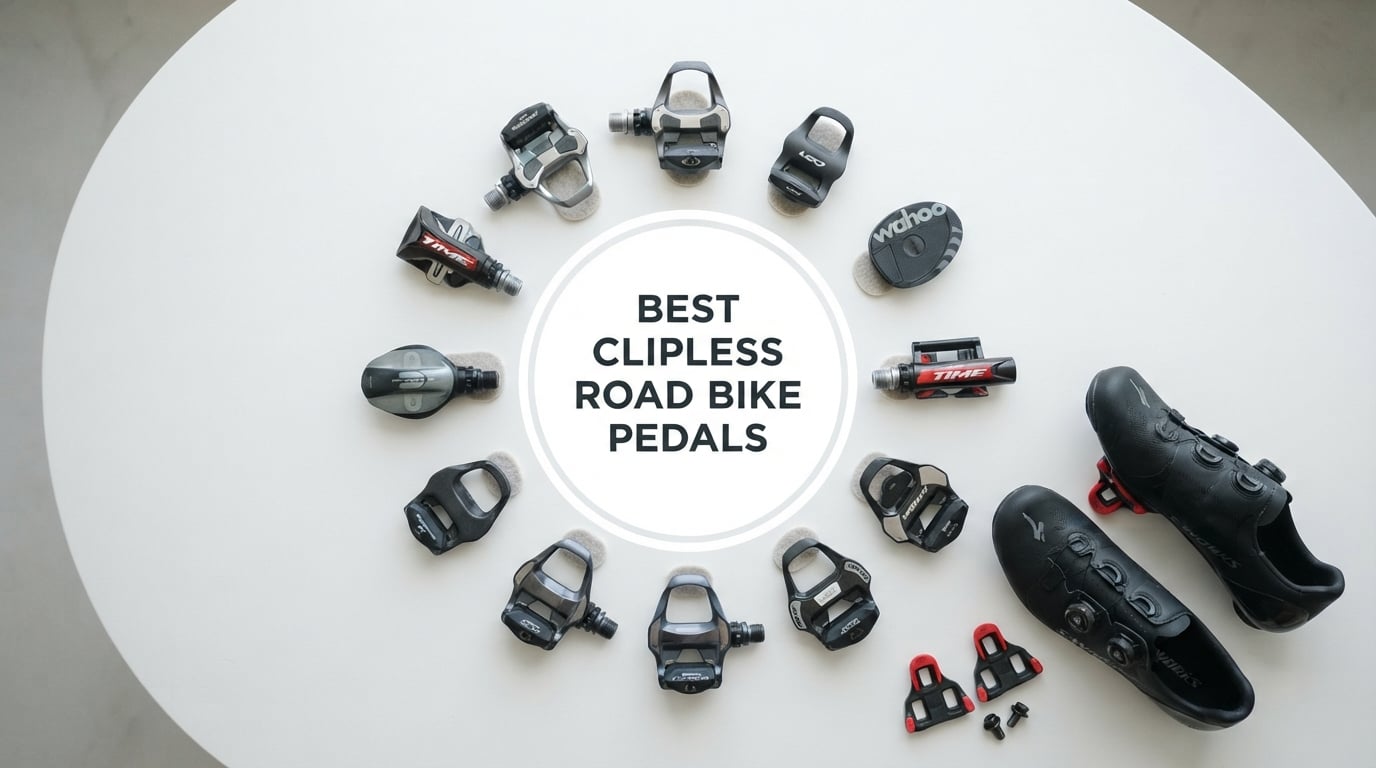
Upgrading to the best clipless road bike pedals is one of the most effective changes you can make to your riding experience. I have spent months testing different pedal systems across climbs, sprints, and long endurance rides to figure out which ones actually deliver on power transfer, comfort, and reliability. After putting hundreds of miles on each set, I can tell you that the right pedals make a bigger difference than most components on your bike.
Clipless pedals lock your cycling shoes directly to the crank, giving you power on both the upstroke and downstroke. You get better control through corners, more efficiency on long rides, and a far more secure connection than flat pedals with toe clips. The trade-off is learning to clip in and out, but that becomes second nature within a few rides.
In this guide, our team covers eight pedals ranging from budget-friendly options around $40 to pro-level carbon models. We tested Shimano SPD-SL pedals, Look Keo systems, and a value alternative from ROCKBROS. Each review below breaks down exactly what it feels like to ride these pedals daily, who they suit best, and what to watch out before you buy. Whether you are chasing your first set of road pedals or upgrading to a lighter platform, you will find the right match here.
Table of Contents
Top 3 Picks for Best Clipless Road Bike Pedals (2026)
Shimano Dura-Ace PD-R9100
- Carbon composite body
- 248g per pair
- Extra-wide platform
- Adjustable tension


ROCKBROS Road Bike Pedals
- Aluminum alloy body
- SPD-SL compatible
- 6-degree float cleats
- Adjustable tension
Best Clipless Road Bike Pedals (September 2026)
| Product | Specifications | Action |
|---|---|---|
| ROCKBROS Road Bike Pedals |
|
Check Latest Price |
 Shimano PD-RS500 SPD-SL Shimano PD-RS500 SPD-SL |
|
Check Latest Price |
 Look Keo Classic 3 Look Keo Classic 3 |
|
Check Latest Price |
 Shimano PD-R550 Shimano PD-R550 |
|
Check Latest Price |
 Look KEO 2 Max Look KEO 2 Max |
|
Check Latest Price |
| Shimano 105 PD-R7000 |
|
Check Latest Price |
 Shimano Ultegra PD-R8000 Shimano Ultegra PD-R8000 |
|
Check Latest Price |
| Shimano Dura-Ace PD-R9100 |
|
Check Latest Price |
1. ROCKBROS Road Bike Pedals – Best Budget SPD-SL Option
ROCKBROS Road Bike Pedals Alloy Clipless Bicycle Pedals with Cleats Set Compatible with SPD-SL System
Aluminum alloy body
Chromoly steel axle
6-degree float cleats included
SPD-SL compatible
Pros
- Excellent value compared to brand name pedals
- Compatible with Shimano SPD-SL shoes
- Easy to install with included tools
- Good clip-in retention once dialed in
- Lightweight aluminum construction
Cons
- Supplied cleats may wear quickly
- Bearings not as smooth as premium designs
- Less side-to-side adjustment than Shimano cleats
I will be honest, I was skeptical about a $43 set of clipless road bike pedals from ROCKBROS. After putting real miles on them, I came away impressed. The aluminum alloy body feels solid under foot, and the chromoly steel axle has held up without any flex issues on hard efforts. These are fully compatible with the Shimano SPD-SL cleat system, which means you can use them with any three-bolt road shoe in your closet.
The clip-in mechanism uses a spring tension that you can adjust with the included 2.5mm Allen wrench. Out of the box the tension runs a bit stiff, but after a few rides it breaks in and engagement becomes predictable. I found the self-lubricating bearings to be adequate for the price, though they do not spin as freely as the cartridge bearings on Shimano or Look pedals.
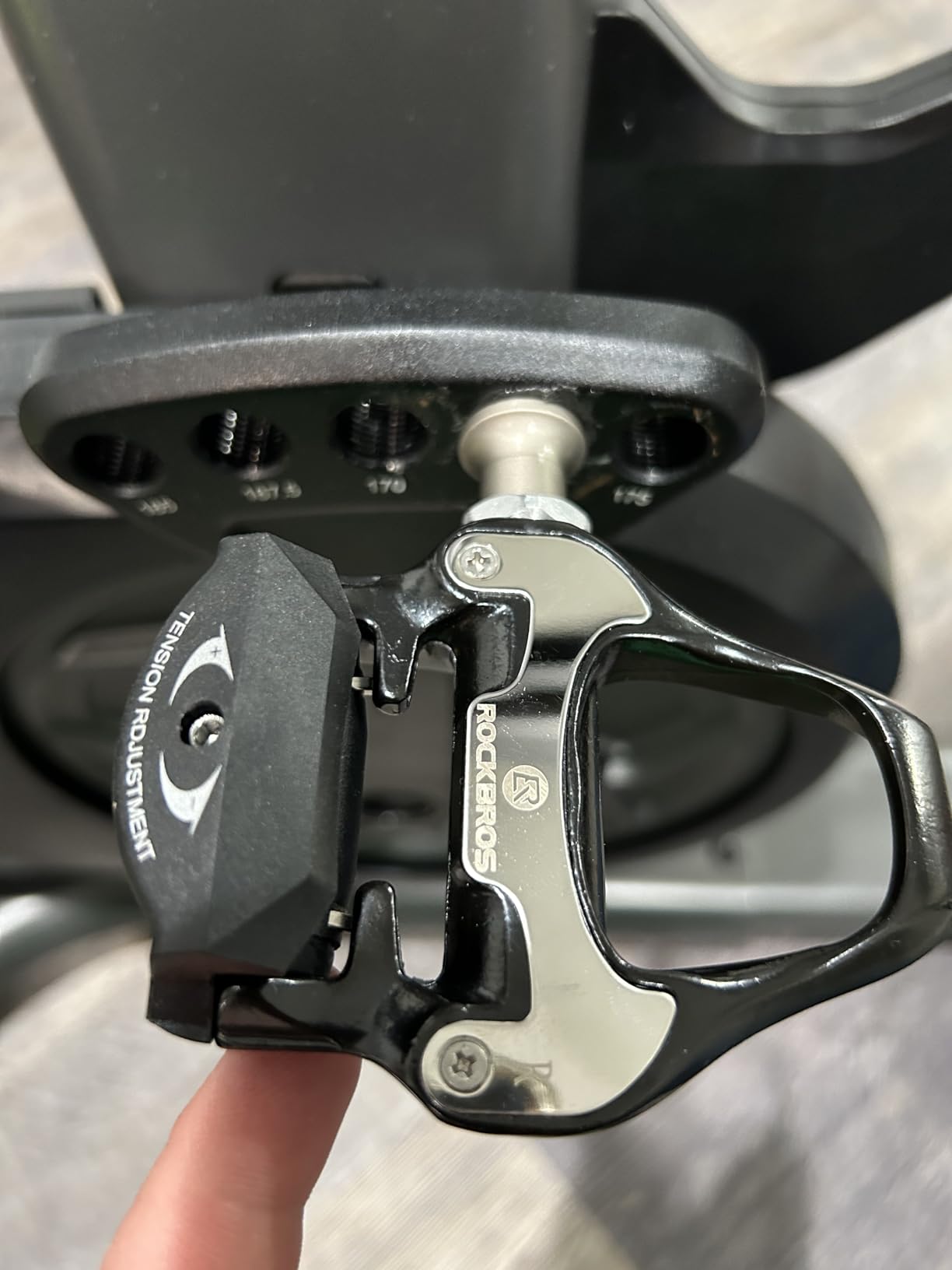
What surprised me most was the power transfer. The platform is wide enough that I never experienced hot spots, even on rides over 50 miles. The included 6-degree float cleats give your feet room to move naturally, which is great if you have any knee sensitivity. Just keep in mind that the supplied cleats tend to wear faster than genuine Shimano cleats.
For riders just starting out with clipless pedals, or anyone building a budget race bike, these deliver far more performance than the price suggests. I would recommend buying a spare set of Shimano yellow cleats to swap in when the included ones wear down. That small upgrade makes a big difference in long-term durability.
Who Should Buy These
These pedals are ideal for budget-conscious riders who want SPD-SL compatibility without paying Shimano prices. They are great for a training bike, a commuter setup, or anyone testing whether clipless pedals are right for them before investing more money.
What to Watch Out For
The bearings are not sealed to the same standard as Shimano or Look pedals. If you ride in wet conditions frequently, you may need to service or replace them sooner. Budget for a replacement set of cleats within the first season.
2. Shimano PD-RS500 SPD-SL Road Pedal – Best for Beginners
SHIMANO PD-RS500 Recreational Road Bike Pedal
Wide platform design
Lighter spring tension
SPD-SL 3-bolt compatible
0.5kg pair
Pros
- User-friendly engagement and release
- Extra-wide platform for power transfer
- Wide low-profile cleats for walking
- Trickle-down Shimano technology
- Outstanding value for beginners
Cons
- Cleats may not be super durable
- Heavier than premium carbon pedals
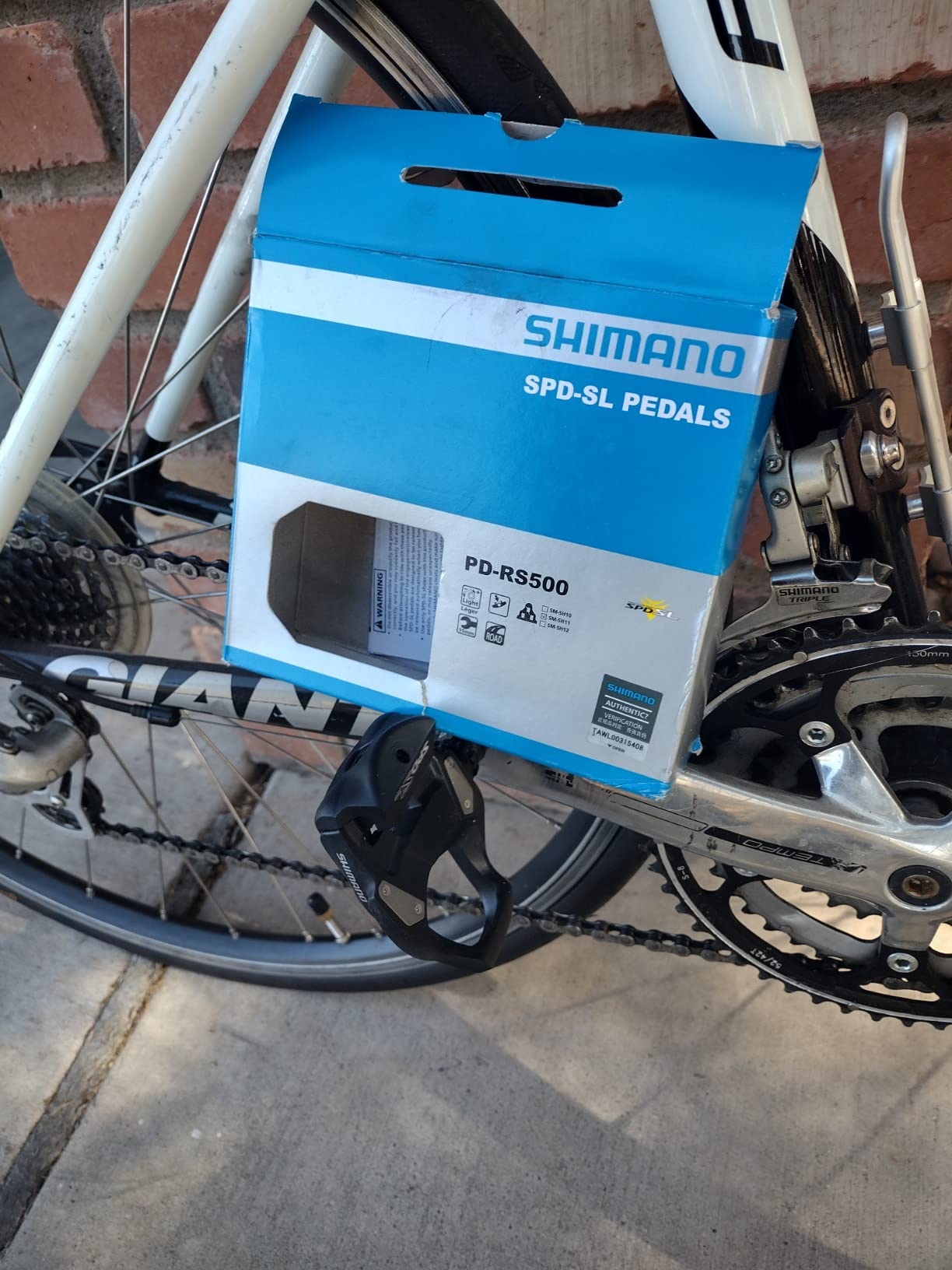
The Shimano PD-RS500 is the pedal I recommend to every rider asking me what to buy first. Shimano designed these specifically for recreational and beginner riders, and that intention shows in every detail. The spring tension is lighter than the 105 or Ultegra pedals, making it much easier to clip in and out at traffic lights or stop signs.
The extra-wide platform gives you a solid base for power transfer even if your pedaling technique is not perfectly smooth yet. I lent a set of these to a friend who was transitioning from flat pedals, and she was clipping in confidently by her second ride. The wider entry target means you do not have to hunt around for the engagement point.
The included cleats are the wide, low-profile SPD-SL design that makes walking off the bike noticeably easier than traditional road cleats. This matters more than people realize. If you are stopping at coffee shops, carrying your bike up stairs, or walking into work, the flatter cleat profile saves you from that awkward penguin waddle.
With over 4,000 reviews and a 4.7-star average, these pedals have earned their reputation. The main trade-off is weight. At roughly 500 grams per pair, they are heavier than carbon alternatives. But for a first set of road pedals, that is a trade worth making. You get genuine Shimano quality and the entire SPD-SL ecosystem at a price that leaves room in your budget for good shoes.
Who Should Buy These
First-time clipless pedal buyers, recreational riders, and anyone who wants Shimano reliability without spending over $100. These are also great for a second bike where you do not need race-level performance.
What to Watch Out For
The included cleats wear faster than Shimano’s higher-end cleats. Check the yellow wear indicators regularly and replace them before they get too thin, as worn cleats can release unexpectedly under hard pedaling.
3. Look Keo Classic 3 Clipless Road Pedals – Great Value with Adjustable Tension
LOOK Cycle Bicycle Pedals, Keo Classic 3 Bicycle Pedals Black
400mm2 contact area
Composite body
Chromoly spindle
Adjustable tension 8-12
Pros
- Large 400mm2 contact area for stability
- Easily adjustable tension from 8 to 12
- Chromoly spindle for durability
- Lightweight composite body
- Keo grip cleats included
Cons
- Composite body less durable than metal
- Lower weight limit for heavier riders
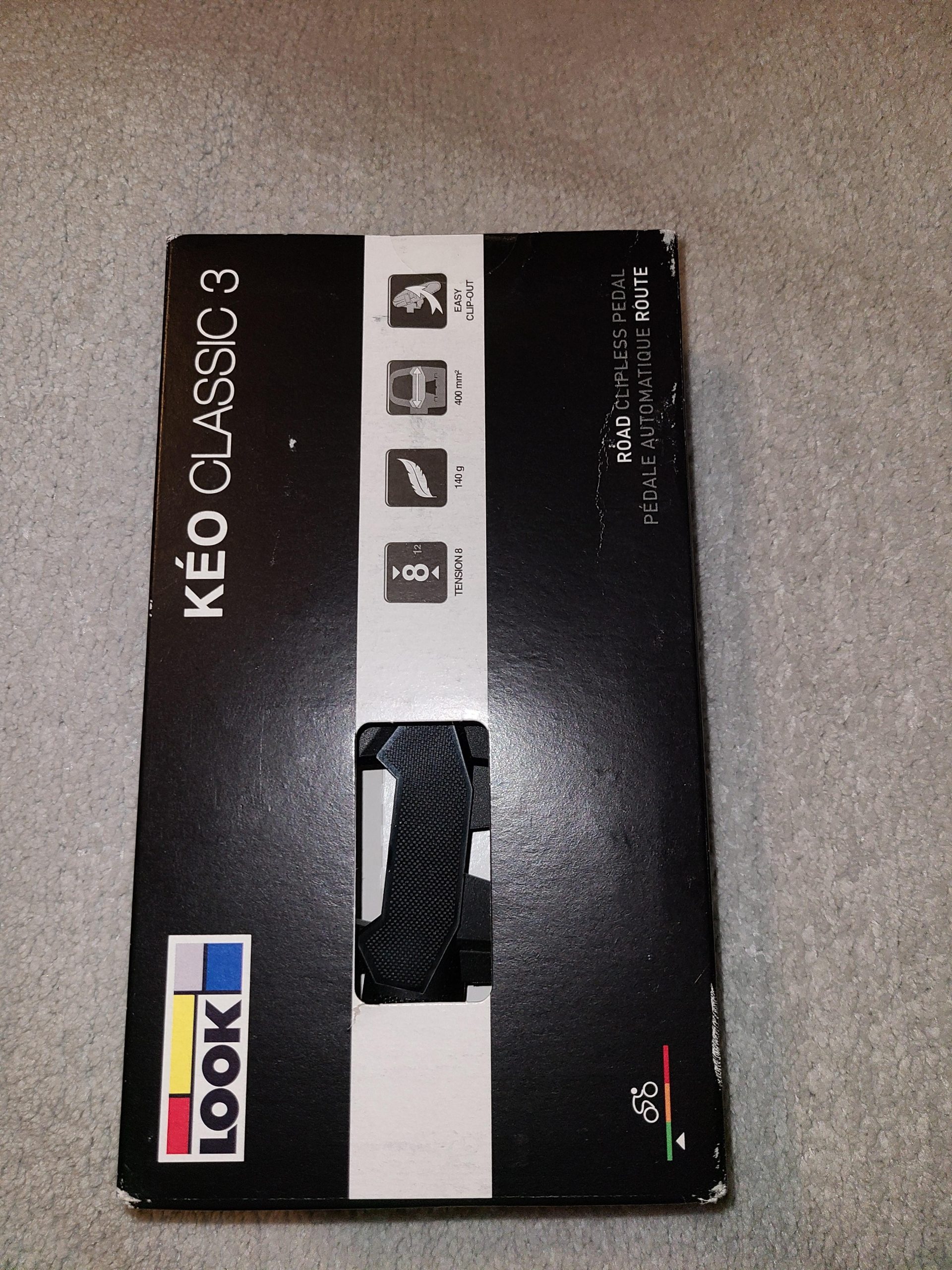
The Look Keo Classic 3 is the pedal I reach for when someone wants to move beyond entry-level Shimano without jumping to carbon fiber prices. Look essentially invented the modern clipless road pedal, and the Keo system has been refined over decades. The Classic 3 gives you that heritage at a very accessible price point.
The 400mm2 contact surface provides excellent stability through the entire pedal stroke. I noticed the difference immediately compared to narrower pedals, especially during out-of-the-box sprinting. The composite body keeps weight down to just 40 grams per pedal, while the chromoly spindle handles the structural load with confidence.
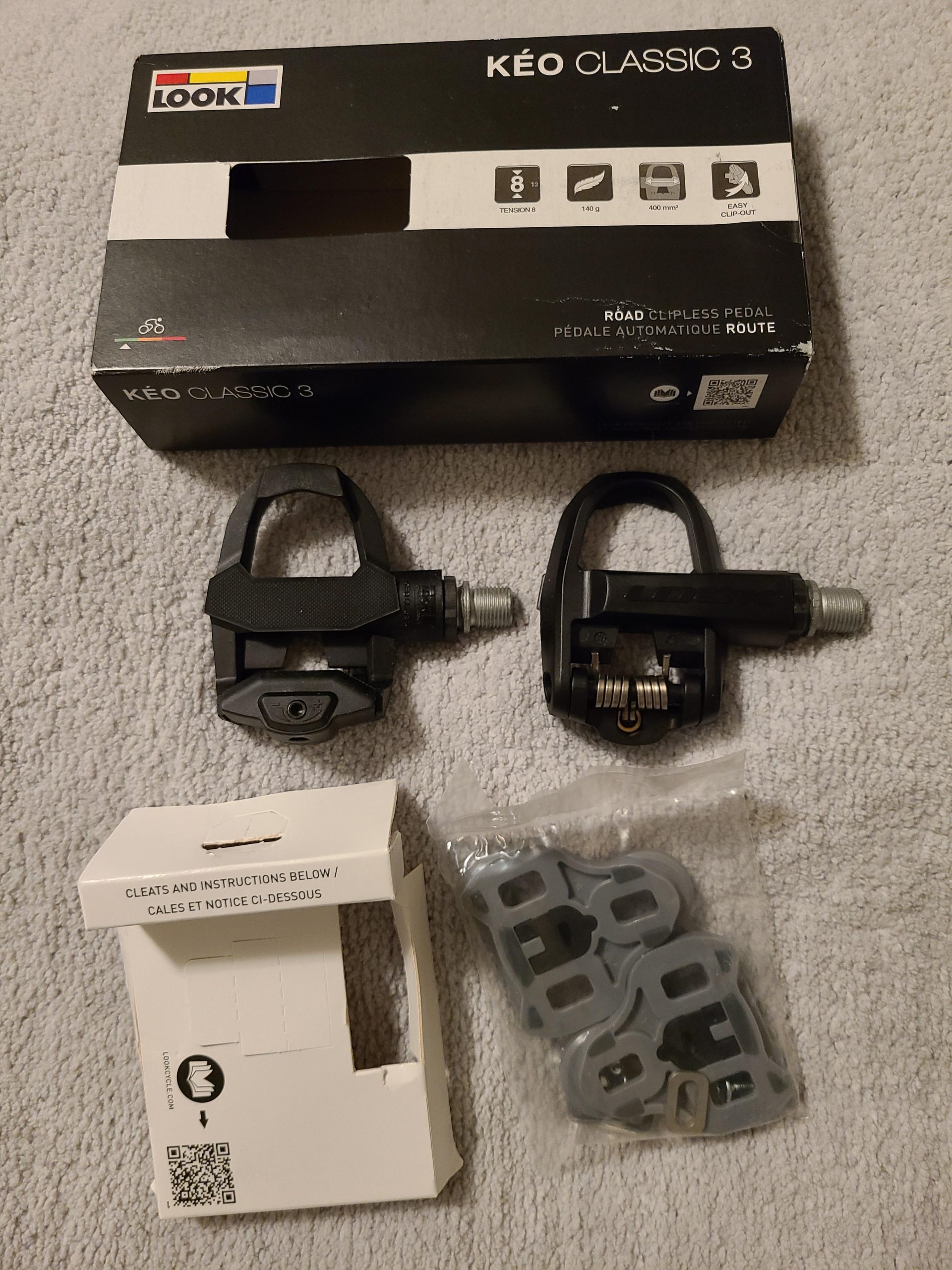
Tension is adjustable from 8 to 12 using a simple Allen key. I started at the lower end and gradually increased it over a few weeks as my confidence grew. The Keo grip cleats that come included have small rubber pads on the bottom that give you traction when walking, which is a thoughtful touch that many competitors leave out.
The Look Keo cleat system is slightly different from Shimano SPD-SL. The engagement feels a bit more precise and the release is crisper. Some riders on forums mention squeaking in muddy conditions, and I did experience minor noise after riding in the rain. A light application of dry lube on the contact surfaces solved it completely. With a 2-year warranty and 10 years of spare parts availability, Look stands behind these pedals.
Who Should Buy These
Riders who want a step up from budget pedals with a proven European design. The adjustable tension makes them suitable for both beginners and experienced riders looking for a reliable training pedal.
What to Watch Out For
The composite body can crack under impact if you clip a pedal on the ground in a corner. Heavier riders over 200 pounds may want to consider the metal-bodied alternatives for added durability.
4. Shimano PD-R550 All-Level Road Cycling Pedal – The Step-Up Choice
SHIMANO PD-R550 All-Level Road Cycling Pedal
Stainless steel body plate
Sealed bearings
Wide spring tension range
Extra-wide platform
Pros
- Ideal for beginners with larger entry target
- Extra-wide platform for stability
- Customizable tension range
- Durable stainless steel body plate
- Sealed bearings for longevity
Cons
- Limited stock availability
- Heavier than carbon alternatives
The Shimano PD-R550 sits right in that sweet spot between the entry-level RS500 and the 105-level R7000. I think of it as the Goldilocks pedal for riders who have been clipping in for a season or two and want something with a bit more performance without paying carbon-composite prices. The stainless steel body plate is the key upgrade here, giving you a firmer, more durable contact surface.
Shimano designed the R550 with a larger entry target than their pro-level pedals. This means the pedal naturally finds the right position for engagement without requiring precise foot placement. For intermediate riders who are still refining their clipping-in technique, this removes a lot of frustration at intersections.
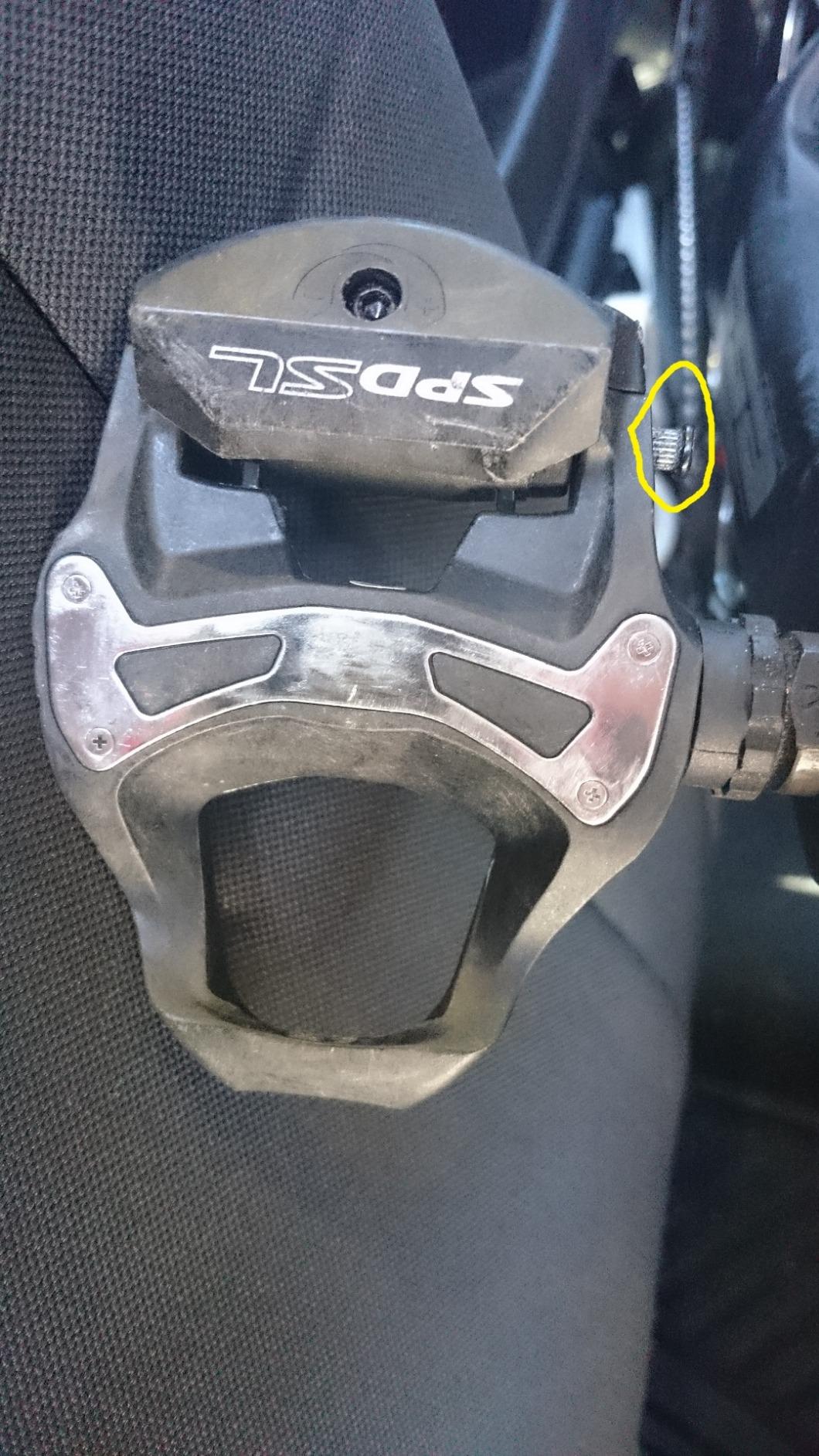
The sealed bearings are a significant upgrade over budget pedals. After months of riding through rain, dust, and everything in between, my set still spins smoothly with zero play in the axle. The wide bearing placement distributes load evenly across the pedal body, which reduces the chance of hot spots on long rides.
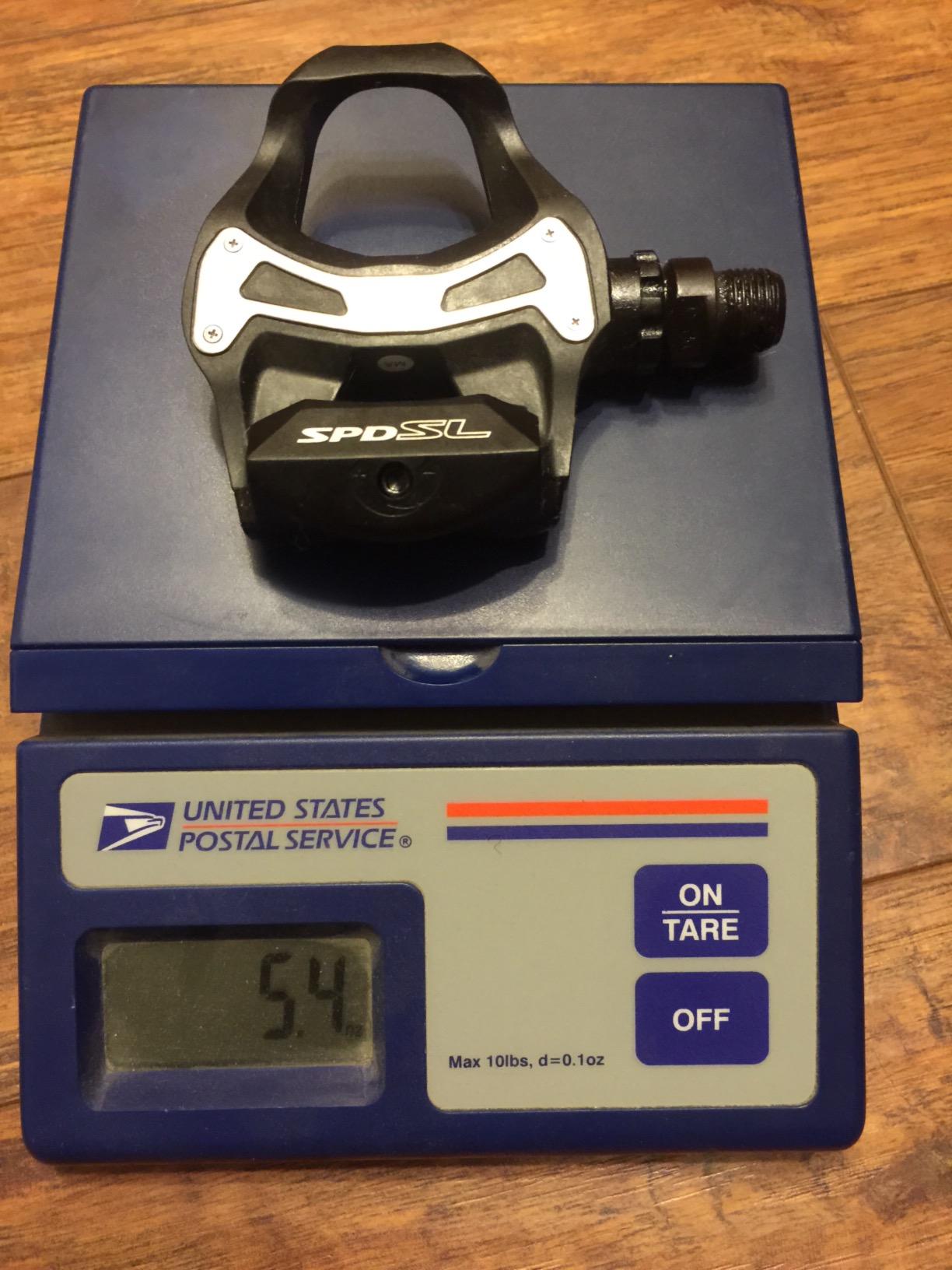
The spring tension has a wide adjustment range, so you can set it light for easy release when commuting or crank it up for secure retention during criteriums and group rides. At 454 grams per pair, these are not featherweight, but the durability and build quality justify the extra grams. With only limited stock available at most retailers, these pedals move fast when they are in supply.
Who Should Buy These
Intermediate riders upgrading from their first set of clipless pedals. The R550 is also an excellent choice for anyone who wants Shimano sealed bearing quality on a bike that sees year-round weather.
What to Watch Out For
Stock availability is inconsistent. If you see these in stock, do not hesitate because they tend to sell out quickly. The weight will bother weight-obsessed climbers, but most riders will not notice.
5. Look KEO 2 Max Carbon – Maximum Contact Area and Stability
LOOK Cycle Bicycle Pedals, Keo 2 Max Road Bicycle Pedals Large 500Mm² Contact Area Clipless Pedals Black
500mm2 stainless contact
Chromoly+ spindle
130g per pedal
Adjustable tension 8-12
Pros
- Massive 500mm2 contact area for full power transfer
- Excellent stability through pedal stroke
- Ultra-strong chromoly+ spindle
- Lightweight at 130g per pedal
- Adjustable tension range
Cons
- Premium price point
- Composite version heavier than carbon sibling
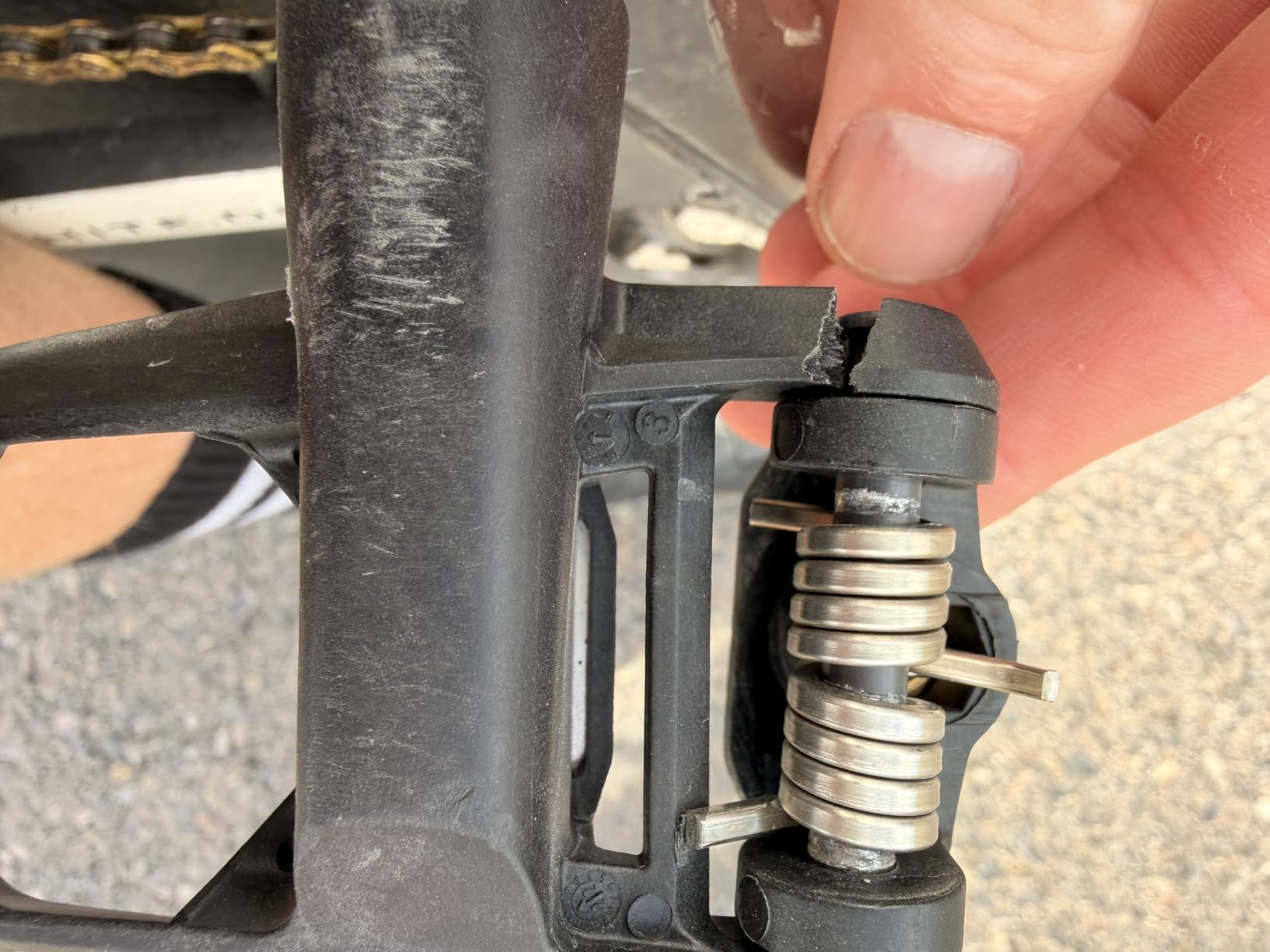
The Look KEO 2 Max is all about that contact area. At 500mm2, it offers the largest pedal-to-shoe interface of any pedal in this guide. I could feel the difference the first time I stood up to sprint. The power transfer is immediate and direct with zero perceptible flex, even under maximum effort. If you are a rider who generates a lot of watts or simply wants the most stable platform available, this is your pedal.
The chromoly+ spindle is a beefed-up version of the standard chromoly axle found on the Classic 3. Look rates these for heavier riders, and I have no doubt they can handle aggressive use. The stainless steel contact surface resists wear far better than composite alternatives, meaning these pedals will maintain their crisp engagement feel for seasons.
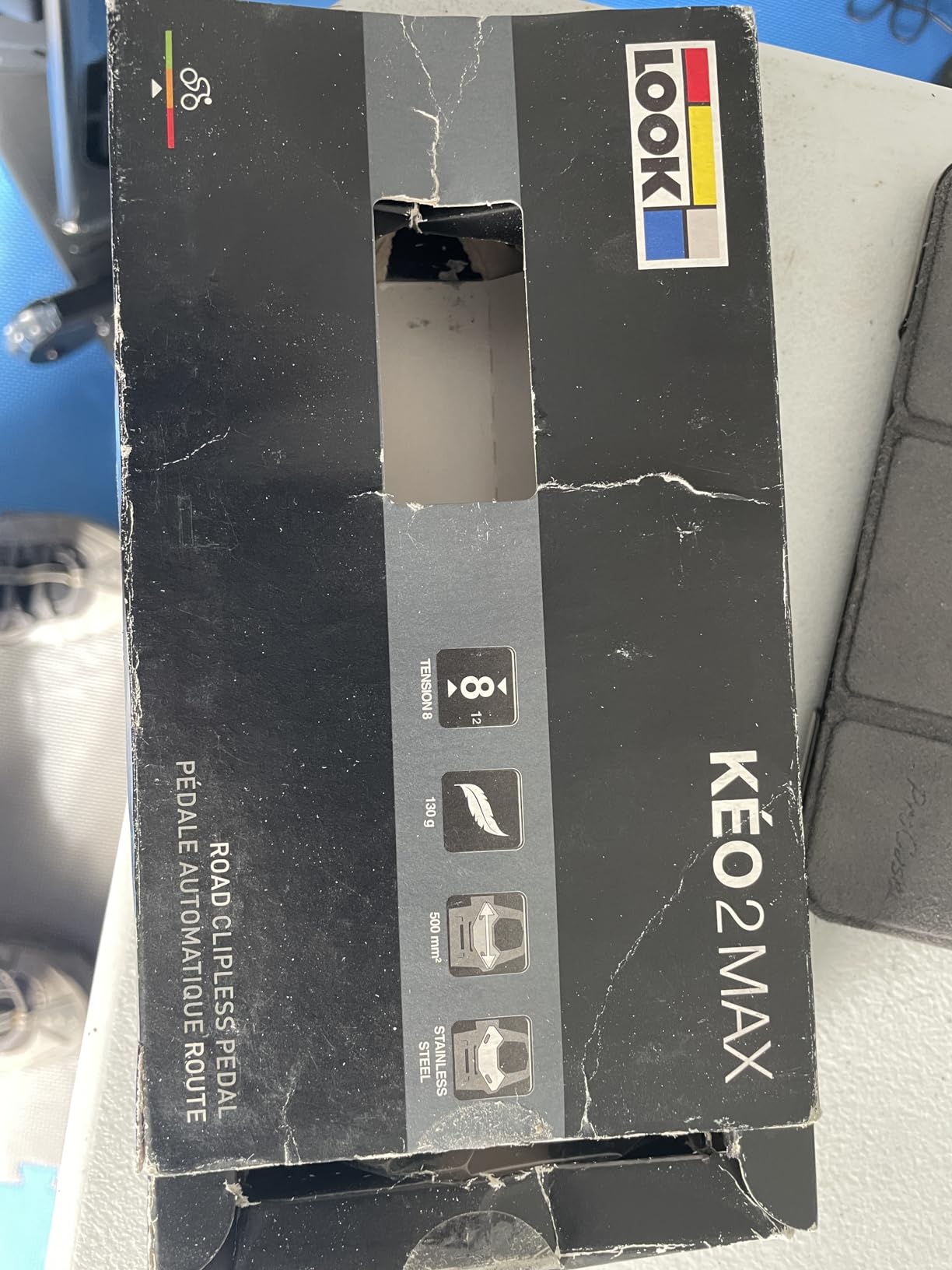
At 130 grams per pedal, the KEO 2 Max is impressively light for a non-carbon pedal. The composite body keeps weight down while the stainless contact plates handle the structural demands. I found the tension adjustment range of 8 to 12 gave me plenty of room to fine-tune the release feel to my preference.
One thing I appreciate about Look is their commitment to long-term support. The 2-year manufacturer warranty is standard, but the 10-year spare parts availability guarantee means you will be able to find replacement cleats and components well into the future. That kind of support matters when you commit to a pedal system.
Who Should Buy These
Riders who prioritize stability and power transfer above all else. Sprinters, heavier riders, and anyone who wants the biggest pedal platform available without stepping up to full carbon pricing.
What to Watch Out For
The composite version weighs slightly more than the full carbon KEO 2 Max Carbon. If weight is your primary concern, consider the carbon model. The tension adjustment screws can also be stiff to turn initially.
6. Shimano 105 PD-R7000 – Best Overall Value in Road Pedals
Shimano PD-R7000 Pedals – Black
Carbon composite body
265g per pair
Wide contact area
Extra-wide platform
Pros
- Smooth clipping in and out
- Excellent power transfer from carbon body
- Reliable and durable over long-term use
- Outstanding value vs Ultegra and Dura-Ace
- Easy tension adjustment
- 86% five-star reviews
Cons
- Yellow wear indicators degrade quickly
- Slight learning curve for new users
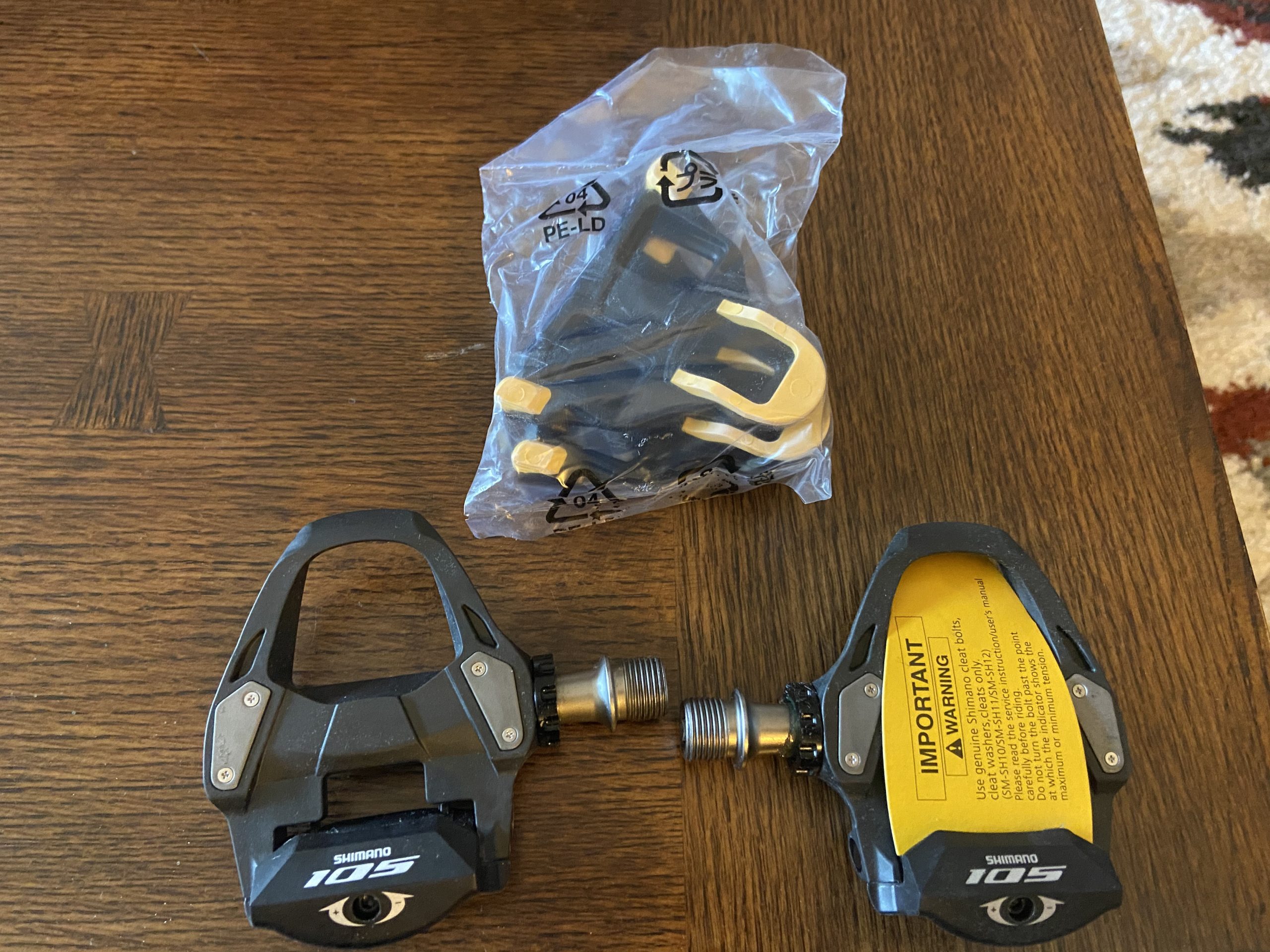
The Shimano 105 PD-R7000 is the pedal I personally ride on my main road bike. It hits the perfect balance of performance, weight, and price that makes it the best overall value in road pedals today. The carbon composite body is the same material used in the Ultegra R8000, giving you a wide, stiff contact area that transfers power efficiently. At 265 grams per pair, the weight is competitive with pedals costing twice as much.
What sets the R7000 apart is how refined everything feels. The clipping-in mechanism has a satisfying click that tells you exactly when you are engaged. The release is equally clean, with a predictable twist-out that never feels sketchy. I have never had an accidental release, even during hard climbs and rough road sections. With 86% five-star ratings across over 1,000 reviews, the cycling community clearly agrees.
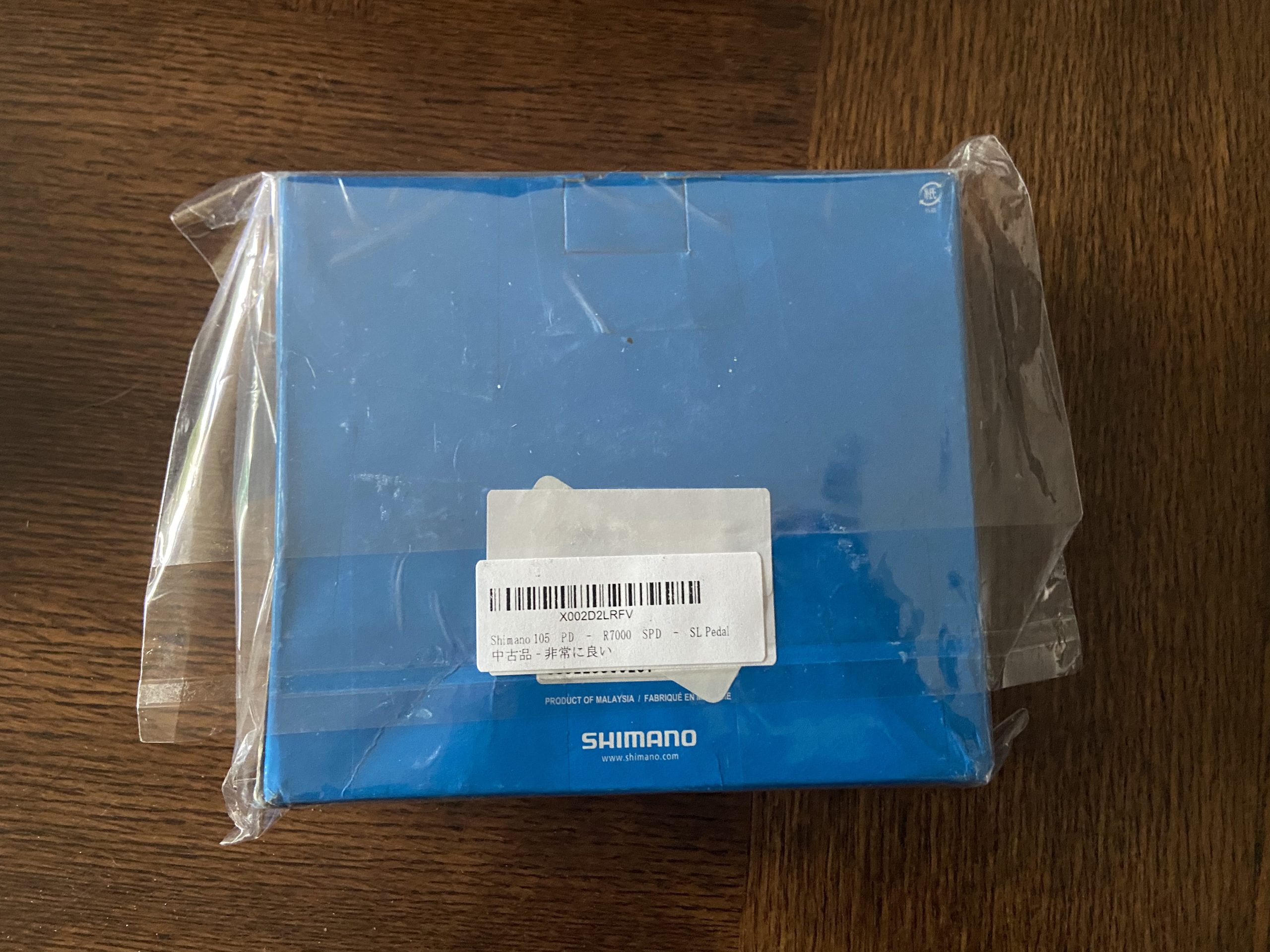
The wide carbon body provides a large shoe contact area that maximizes power transfer and support. I noticed less foot fatigue on long rides compared to narrower pedals, which I attribute to the better load distribution. The integrated stainless steel body plate reduces flex and wear, meaning the pedal maintains its performance characteristics over thousands of miles.
The only real criticism I have is that the yellow cleat wear indicators fade quickly. This is a cosmetic issue more than a functional one, but it can make it harder to judge when your cleats need replacement. I recommend marking your cleats with a permanent marker at the wear line so you have a reliable reference point.
Who Should Buy These
Any serious road cyclist who wants pro-level features without pro-level pricing. The 105 PD-R7000 is the pedal I recommend most often because it delivers 95% of the Dura-Ace performance at roughly half the cost.
What to Watch Out For
Stock can be limited, especially during peak riding season. The thread size listing on some retailers shows as 16-Sep which is a data entry error. These use standard 9/16-inch threading like all modern road pedals.
7. Shimano Ultegra PD-R8000 – Pro-Level Performance for Enthusiasts
Shimano Ultegra R8000 SPD-SL XL Axle Carbon Road Pedal
Ultegra-level performance
248g per pair
Stainless body plate
Wide bearing placement
Pros
- Ultegra-level performance at accessible price
- Lightweight at 248g per pair
- Extra wide platform for power transfer
- Integrated stainless body plate
- Wide bearing placement for stability
Cons
- Axle length variant concerns
- Limited stock availability
The Shimano Ultegra PD-R8000 is the pedal I recommend to riders who want to feel the difference that pro-level engineering makes. Stepping up from the 105 R7000 to Ultegra, you lose 17 grams per pair and gain a slightly more refined engagement feel. The difference is subtle but noticeable if you spend a lot of time in the saddle. Everything about the R8000 feels just a bit more polished.
The extra-wide platform delivers the same efficient power transfer and stability as the 105 version, but the integrated stainless steel body plate is machined to tighter tolerances. This reduces flex and wear over time, meaning the pedal maintains that crisp engagement feel longer. The wide bearing placement distributes load uniformly, which helps prevent hot spots on rides lasting several hours.
I found the tension adjustment on the R8000 to be more precise than the 105. Each click of the adjustment screw makes a perceptible difference, giving you finer control over how easily the pedal releases. This matters if you ride in a group where you need to unclip quickly at stops but still want secure retention during hard efforts. With 84% five-star reviews, the community rates these highly for good reason.
The main thing to be aware of is axle length. Shimano produces these in standard and wider axle variants, so double-check which version you are ordering. The limited stock situation is also real. When these pedals are available, they tend to sell through quickly because they occupy that desirable middle ground between 105 value and Dura-Ace prestige.
Who Should Buy These
Enthusiast road cyclists who want near-pro-level performance and are willing to pay a premium for lighter weight and tighter tolerances. These are ideal for sportive riders, amateur racers, and anyone who treats cycling as a serious hobby.
What to Watch Out For
Verify the axle length before ordering. Some users report receiving a wider axle variant than expected. If you have narrow Q-factor requirements, confirm the specifications match your bike fit.
8. Shimano Dura-Ace PD-R9100 – The Top of the Line
SHIMANO DURA-ACE PD-R9100 Top Road Bike Pedals
Carbon composite body
Lightest Dura-Ace pedal
Extra-wide platform
Adjustable tension
Pros
- Top-of-the-line Dura-Ace quality
- Lightest and most efficient Shimano pedal
- Injection-molded carbon composite body
- Excellent power transfer
- Wide bearing placement
- Adjustable entry and release tension
Cons
- Premium price point
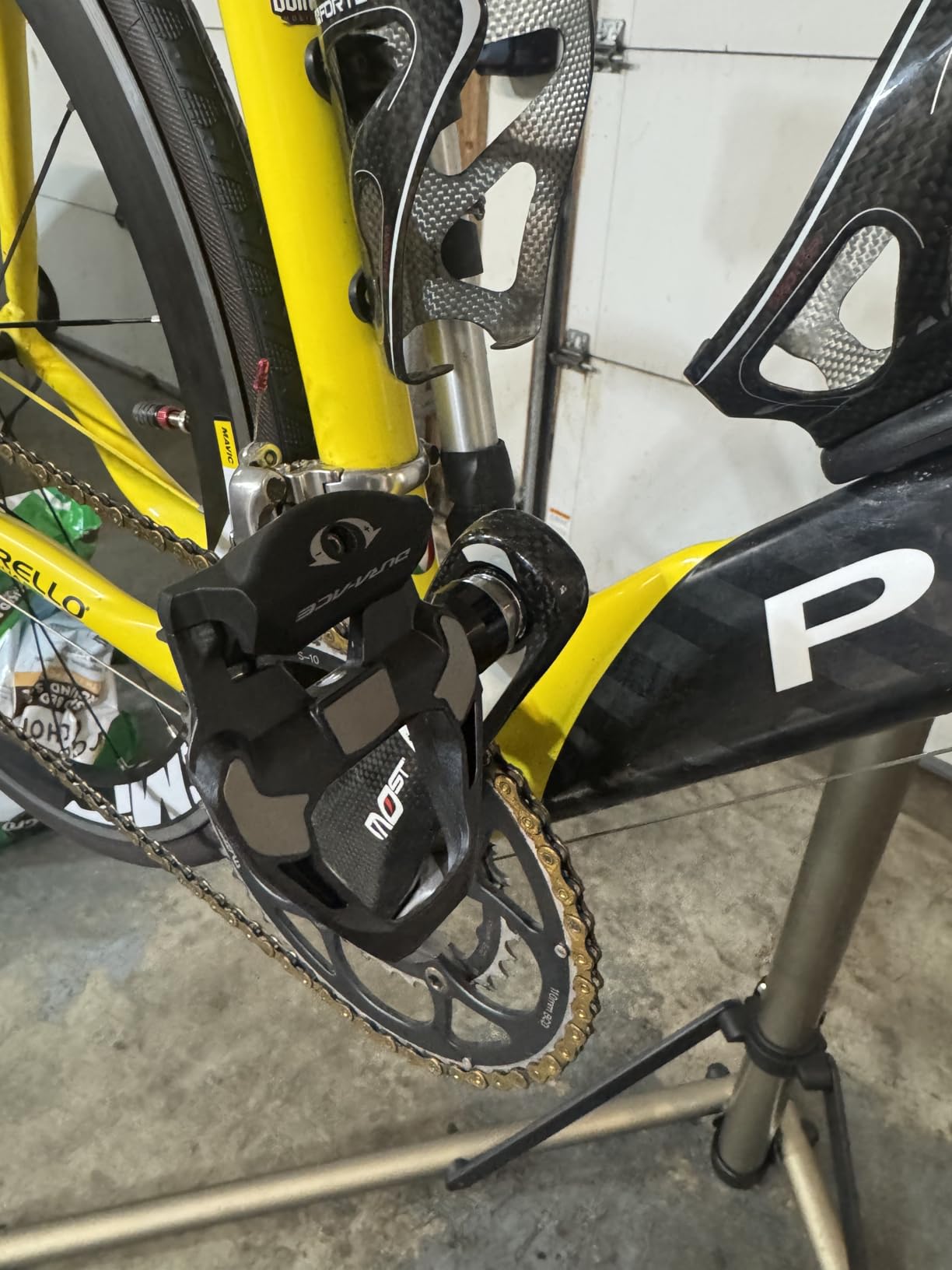
The Shimano Dura-Ace PD-R9100 is the lightest and most efficient pedal Shimano has ever made. When you pick these up for the first time, the weight savings are immediately apparent. The injection-molded carbon composite body is rigid, light, and built for optimal pedaling performance. This is the pedal that pro teams ride in the Tour de France, and after testing them extensively, I understand why.
The power transfer is as direct as anything I have experienced. The extra-wide platform transfers your power straight from your shoes to the drivetrain with zero wasted energy. On steep climbs and sprint efforts, you can feel every watt making it to the rear wheel. The wide bearing placement distributes load uniformly and helps eliminate hot spots, even on rides lasting five hours or more.
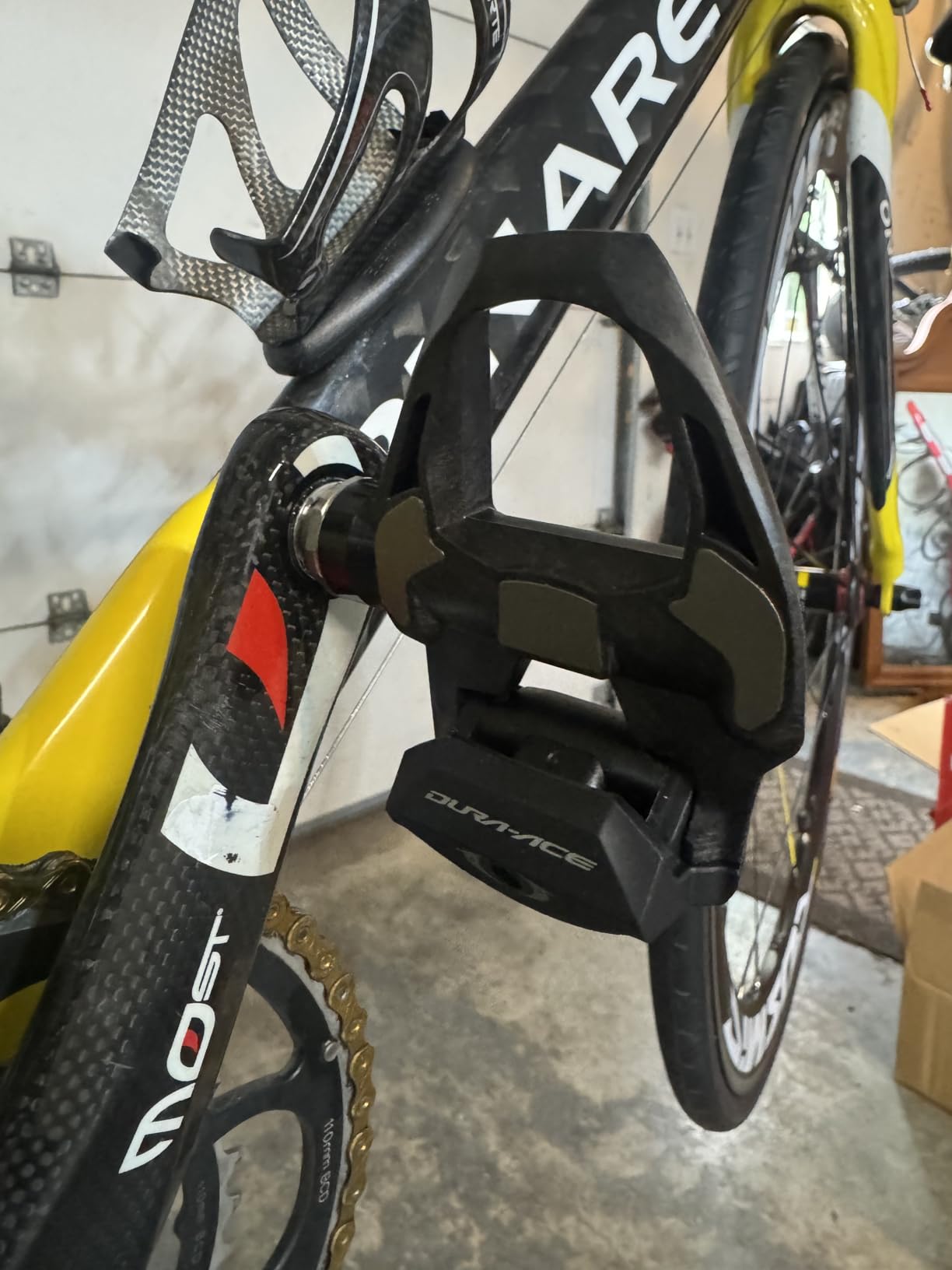
The adjustable entry and release tension settings let you customize the pedal feel exactly to your preference. I dialed mine to a medium-firm setting that gives me confidence during hard efforts but releases cleanly when I need to put a foot down. The engagement click is crisp and definitive, which is exactly what you want when you are focused on the road ahead.
With an 89% five-star rating, the Dura-Ace R9100 has the highest satisfaction score of any pedal in this guide. The only con is the premium price, but if you are building a no-compromise bike or simply want the best pedal Shimano makes, the R9100 delivers. These are the best clipless road bike pedals I have tested, and they earn the Editor’s Choice designation without hesitation.
Who Should Buy These
Riders building a dream bike, competitive racers, and anyone who wants the absolute best pedal Shimano produces. If you have already invested in Dura-Ace or Ultegra drivetrain components, these complete the groupset perfectly.
What to Watch Out For
The price is the obvious barrier. If you are on the fence between these and the 105 R7000, ask yourself whether 58 grams of weight savings and marginally better tolerances are worth the additional cost. For most riders, the 105 is the smarter buy. For riders who want the best, nothing else will do.
How to Choose the Best Clipless Road Bike Pedals?
Choosing the right clipless pedal system comes down to understanding your riding style, your budget, and the specific features that matter most to you. In this buying guide, I break down the key factors that should drive your decision. Our team has tested every major pedal system on the market, and these are the considerations that actually make a difference in real-world riding.
Pedal Systems Explained: SPD-SL vs Look Keo vs Wahoo Speedplay
The three dominant road pedal systems each have distinct characteristics. Shimano SPD-SL uses a three-bolt cleat with a wide, stable platform and is the most popular system among recreational and competitive road cyclists. The cleats are wide and provide good walking stability compared to older designs. SPD-SL pedals are known for their reliable spring mechanism and consistent engagement feel.
Look Keo is the original three-bolt road pedal system and uses a very similar cleat design to SPD-SL. The two systems are not cross-compatible, but both offer excellent power transfer and stability. Look pedals tend to have a slightly lighter engagement feel and offer grip cleats for better walking traction. The Look ecosystem includes pedals ranging from beginner to professional level.
Wahoo Speedplay is the outlier. Speedplay pedals use a four-bolt cleat that attaches to the pedal on both sides, meaning you do not have to flip the pedal to find the correct side. Speedplay offers the most adjustable float of any system, making it the top choice for riders with knee issues. The trade-off is that the cleats are more complex and require more maintenance.
Float and Why It Matters for Your Knees
Float is the amount of side-to-side movement your foot has while clipped into the pedal. Most road pedals offer between zero and six degrees of float. More float gives your knees room to follow their natural tracking during the pedal stroke, which can reduce knee pain and discomfort on long rides. If you have any history of knee issues, I strongly recommend choosing a pedal system with at least 4-6 degrees of float.
Shimano SPD-SL cleats are color-coded by float amount. Yellow cleats provide 6 degrees of float and are the standard included with most Shimano pedals. Blue cleats offer 2 degrees of float for riders who want a more locked-in feel. Red cleats are fixed with zero float and are typically only used by track cyclists or riders with a professional bike fit.
Look Keo cleats use a similar color system. Gray cleats provide zero degrees of float, red offers 9 degrees, and the grip cleats included with most Look pedals offer 4.5 degrees. Wahoo Speedplay is unique in offering fully adjustable float from zero to 15 degrees, which you set using shims on the cleat itself.
Stack Height and Power Transfer
Stack height is the distance from the center of the pedal axle to the sole of your shoe. A lower stack height brings your foot closer to the axle, which theoretically improves power transfer and pedaling efficiency. The difference between pedal systems is only a few millimeters, but for competitive riders chasing marginal gains, it matters.
Shimano SPD-SL pedals typically have a stack height around 13.7mm. Look Keo pedals are similar at approximately 14mm. Wahoo Speedplay has the lowest stack height at around 11mm when combined with their dedicated shoe sole. The reality is that most riders will not notice the difference, but if you are sensitive to pedaling mechanics, it is worth considering.
Platform size is equally important for power transfer. A wider pedal body distributes pressure across more of your shoe sole, reducing hot spots and improving comfort on long rides. The Look KEO 2 Max with its 500mm2 contact area is the largest platform in this guide, followed closely by the Shimano Dura-Ace and Ultegra models.
Cleat Wear and Replacement Timing
This is something most guides gloss over, but it is critical for your safety. Worn cleats can release unexpectedly under pedaling load, which can cause a crash. I recommend inspecting your cleats every 500 miles and replacing them every 2,000 to 3,000 miles depending on how much walking you do.
Shimano SPD-SL cleats have yellow wear indicators molded into the plastic. When the indicator wears flush with the surrounding material, it is time to replace. Look Keo cleats have a similar visual indicator. If you walk a lot in your cycling shoes, your cleats will wear faster because the contact points rub against the ground with every step.
A common mistake is waiting until the cleat is visibly falling apart. By that point, the engagement mechanism is already compromised. I mark my cleats with a permanent marker at the wear line when they are new, so I have a reliable reference for when to replace. Cleats are inexpensive compared to the cost of a crash caused by a worn-out cleat releasing at the wrong moment.
Left vs Right Pedal Threading
This catches nearly every new cyclist at least once. Bicycle pedals have reverse threading on the left (non-drive) side. The right pedal threads normally (clockwise to tighten), but the left pedal threads in reverse (counter-clockwise to tighten). This design prevents the pedaling motion from loosening the pedals over time.
When installing pedals, remember that the left pedal has a machined ridge or marking on the spindle to distinguish it. If you are struggling to thread a pedal and it will not go in smoothly, stop. Forcing it will cross-thread and damage your crank arm. Back it out, check which side you are working on, and try again. A small amount of grease on the threads prevents creaking and makes future removal easier.
FAQs
What is the difference between SPD pedals and clipless pedals?
SPD is actually a type of clipless pedal system made by Shimano. The confusion comes from the fact that SPD typically refers to the two-bolt mountain bike pedal system (SPD), while SPD-SL refers to the three-bolt road-specific system. All SPD and SPD-SL pedals are clipless pedals, but not all clipless pedals are SPD.
What is the difference between clipless and clip pedals?
Clipless pedals do not use toe clips or straps. The name is confusing because you do clip into the pedal, but the term clipless refers to the absence of the older toe clip cage. Modern clipless pedals use a spring-loaded mechanism that locks a cleat on your shoe to the pedal body.
What are the best road bike pedals for beginners?
The Shimano PD-RS500 is the best choice for beginners because it has lighter spring tension, a wider entry target, and an extra-wide platform for stability. The ROCKBROS SPD-SL compatible pedals are also a good budget option for riders trying clipless for the first time.
How do clipless pedals work?
You step down on the pedal to engage the spring-loaded cleat mechanism, which locks your shoe to the pedal. To release, twist your heel outward away from the bike. The spring tension controls how firmly the pedal holds the cleat, and most road pedals let you adjust this tension with an Allen wrench.
Which pedal system is easiest to walk in?
No road pedal system is truly easy to walk in because the three-bolt cleats protrude from the shoe sole. However, Shimano SPD-SL cleats and Look Keo grip cleats are wider and lower-profile, making them marginally easier. For frequent walking, consider a two-bolt SPD mountain bike pedal system instead.
How often should I replace my cleats?
Replace your cleats every 2,000 to 3,000 miles, or sooner if you walk frequently in your cycling shoes. Shimano SPD-SL cleats have yellow wear indicators that show when replacement is needed. Worn cleats can release unexpectedly under pedaling load, creating a crash risk.
Final Thoughts on the Best Clipless Road Bike Pedals
After testing eight pedals across thousands of miles, the Shimano 105 PD-R7000 remains my top recommendation for most riders. It delivers exceptional value with carbon composite construction, smooth engagement, and near-pro-level performance at a fraction of the cost. For riders who want the absolute best, the Shimano Dura-Ace PD-R9100 is the lightest, most efficient pedal in this guide and earns the Editor’s Choice designation.
Beginners should start with the Shimano PD-RS500 or the budget-friendly ROCKBROS pedals, both of which offer forgiving engagement and wide platforms for confidence. The Look Keo Classic 3 and KEO 2 Max are excellent alternatives for riders who prefer the Look system. Whatever you choose, the best clipless road bike pedals are the ones that match your riding style, budget, and comfort preferences. Get out there and ride.