
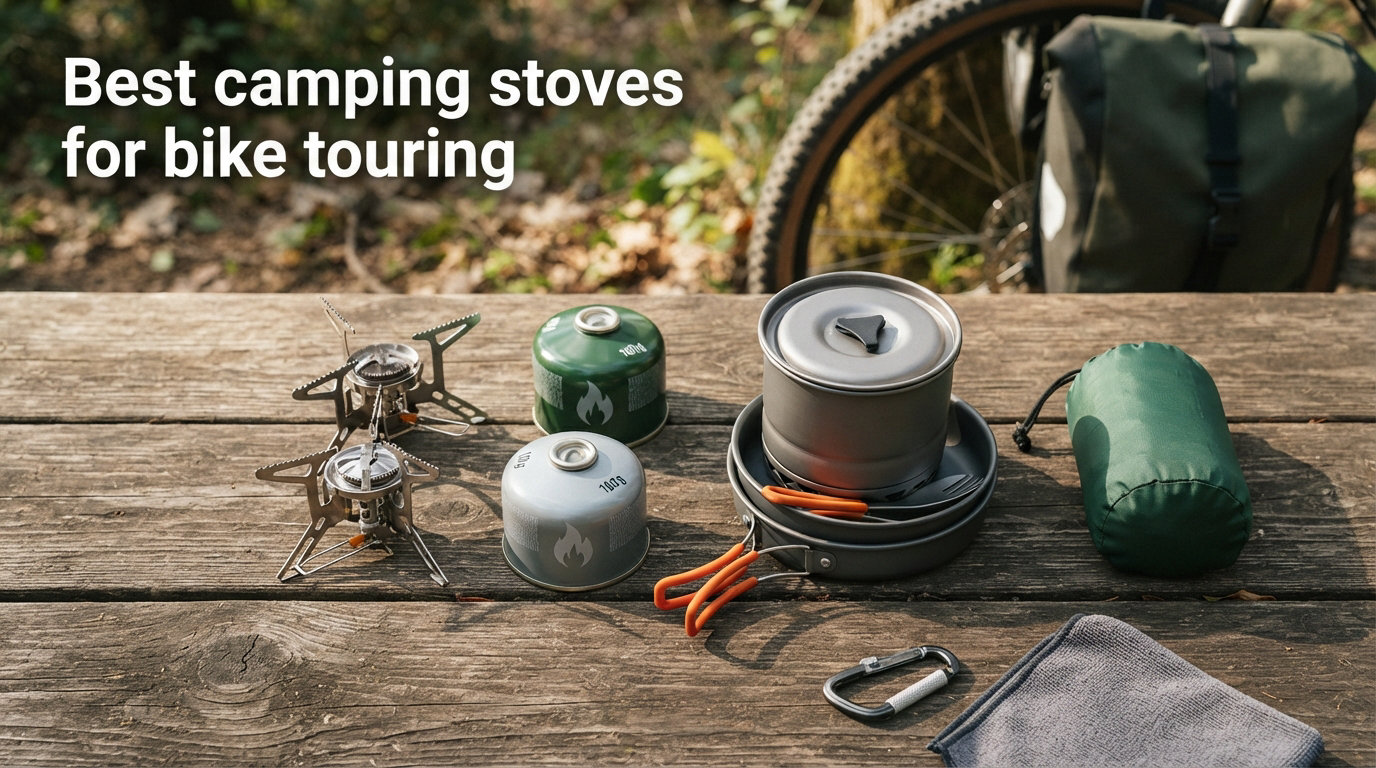
After logging thousands of kilometers on bike tours across three continents, I have boiled water everywhere from breezy coastal campsites in Portugal to freezing mountain passes in the Andes. The right stove makes the difference between a satisfying hot meal at the end of a 100km day and a frustrating, cold dinner in the dark. Finding the best camping stoves for bike touring means balancing weight, packed size, fuel efficiency, and wind resistance in ways that matter specifically when everything has to fit on a bicycle.
Our team tested 10 of the most popular canister stoves from MSR, SOTO, Jetboil, Snow Peak, BRS, and Fire-Maple over a full touring season. We cooked real meals, boiled water in gusty conditions, and packed each stove into frame bags, seat packs, and front panniers to see what actually works on a loaded bike. We tracked boil times, fuel consumption, and how each stove performed when the weather turned ugly.
Whether you are planning a weekend bikepacking trip or a multi-month transcontinental tour, this guide covers the best camping stoves for bike touring in 2026. We have included ultralight options under 25 grams, integrated cooking systems, budget picks, and wind-resistant burners so you can find the right match for your setup and budget.
Table of Contents
Top 3 Picks for Best Camping Stoves for Bike Touring (September 2026)

The MSR PocketRocket Deluxe takes our top spot because it hits the sweet spot between weight, reliability, and features. It has a pressure regulator for consistent cold-weather performance, a built-in piezo igniter so you do not need to fumble with a lighter, and a broad burner head that resists wind better than most bare canister stoves. At just 2.9 ounces, it disappears in a frame bag.
For riders watching every dollar, the BRS-3000T is almost impossible to beat. At 25 grams and a price tag that leaves room in your budget for extra inner tubes, it is the lightest stove on this list by a wide margin. It sacrifices stability and wind performance, but for solo riders who just need to boil water for dehydrated meals, it gets the job done.
The SOTO WindMaster earned its Top Rated badge from our testing in some of the worst conditions we encountered. The concave burner head acts as a built-in windscreen, and the micro-regulator maintains consistent flame output even as the canister empties. If you tour in exposed, windy environments, this is the stove I would trust.
Best Camping Stoves for Bike Touring (2026)
| Product | Specifications | Action |
|---|---|---|
 BRS-3000T BRS-3000T |
|
Check Latest Price |
 MSR PocketRocket 2 MSR PocketRocket 2 |
|
Check Latest Price |
 SOTO WindMaster SOTO WindMaster |
|
Check Latest Price |
 SOTO Amicus SOTO Amicus |
|
Check Latest Price |
 Jetboil Stash Jetboil Stash |
|
Check Latest Price |
 Jetboil MightyMo Jetboil MightyMo |
|
Check Latest Price |
 Snow Peak LiteMax Snow Peak LiteMax |
|
Check Latest Price |
 Fire-Maple Petrel Fire-Maple Petrel |
|
Check Latest Price |
| MSR PocketRocket Deluxe |
|
Check Latest Price |
 Fire-Maple Greenpeak Fire-Maple Greenpeak |
|
Check Latest Price |
1. BRS-3000T – The Lightest Stove You Can Buy
BRS Outdoor BRS-3000T Ultra-Light Titanium Alloy Miniature Portable Picnic Camping Gas Cooking Stove Portable Ultralight Burner 25gram
Weight: 25g
Output: 2700W
Boil: 2:58 per liter
Fuel: Isobutane canister
Pros
- Absurdly light at 25 grams
- Virtually free compared to alternatives
- Folds small enough to nest in a 750ml pot
- Surprisingly powerful 2700W output
- Smooth flame adjustment valve
Cons
- Tiny pot arms are unstable with large cookware
- No built-in piezo igniter
- Construction feels flimsy over long-term use
- Cannot simmer well
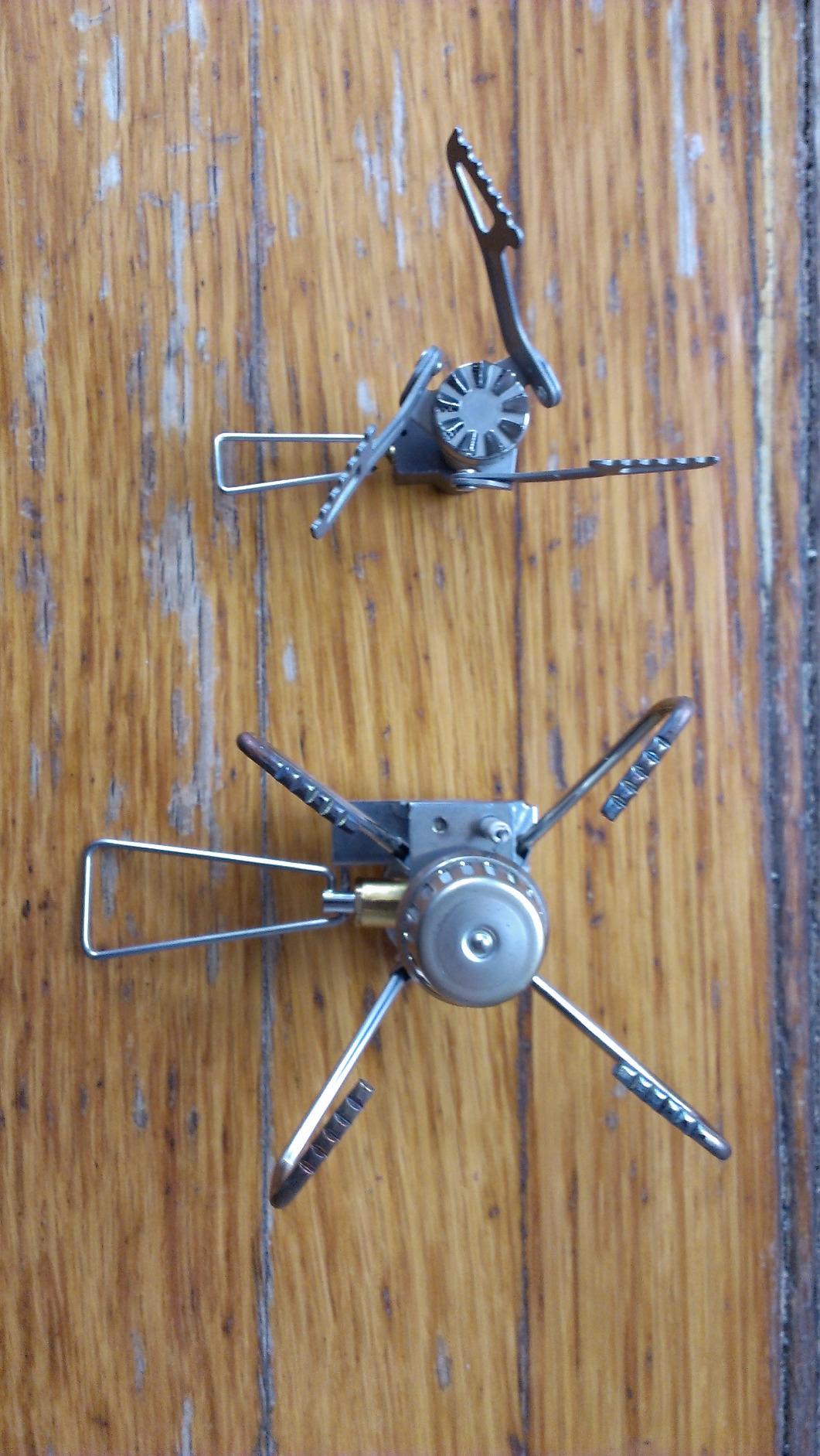
I first picked up a BRS-3000T for a week-long tour where I was obsessed with shaving grams. At 25 grams, this stove weighs less than a energy bar. It screws directly onto a standard isobutane canister, and the three folding pot supports flip out to create a surprisingly wide platform. I was skeptical given the price, but after boiling water twice a day for a full week, I came away impressed by the raw performance.
The 2700W output translates to a boil time of just under 3 minutes for a liter of water in calm conditions. That is competitive with stoves costing three times as much. The flame adjustment valve is smooth, letting you dial back from a roaring boil to a gentle simmer, though the control is not precise enough for delicate cooking. For boiling water for freeze-dried meals, coffee, and instant noodles, it is more than adequate.
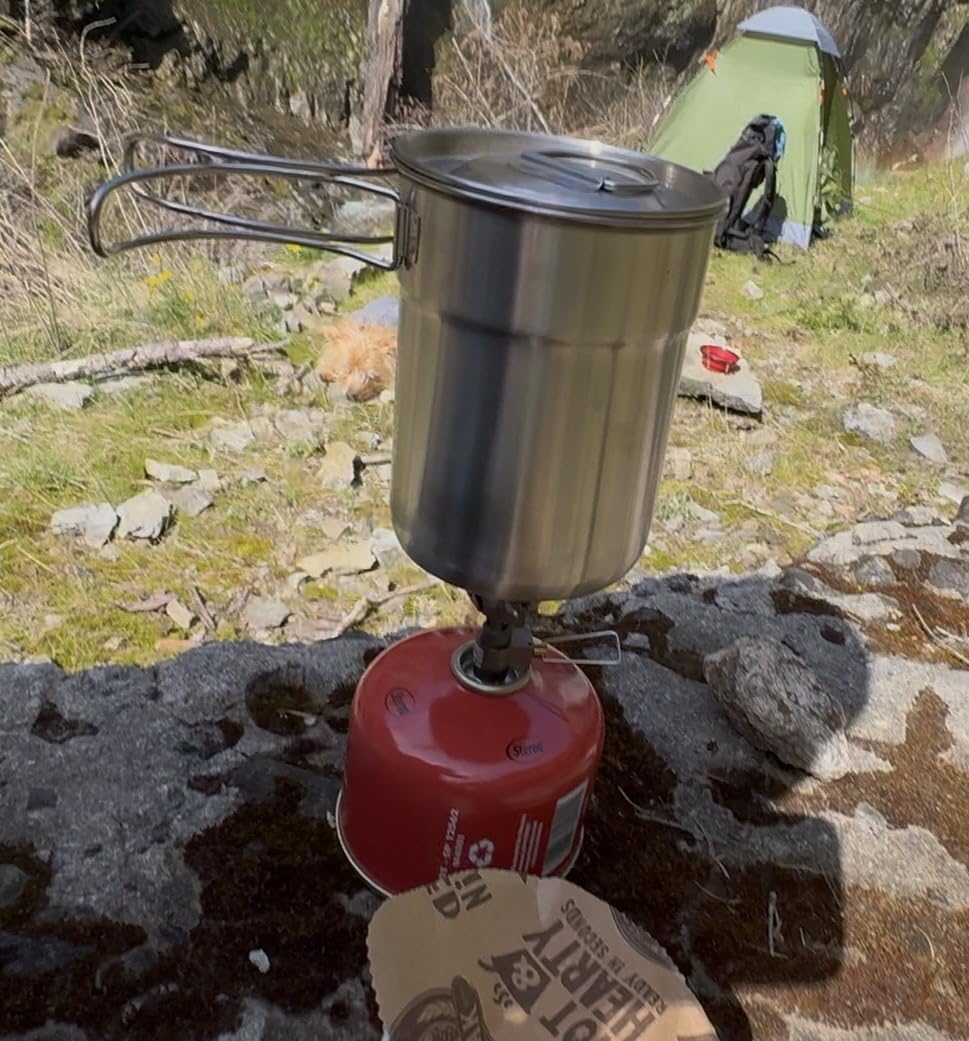
Where the BRS-3000T shows its budget roots is in stability and durability. The pot arms are thin and short, meaning anything wider than a 750ml pot gets tippy fast. On my touring bike, I found myself setting up on the most level ground I could find and being very careful about pot placement. After about 30 days of cumulative use, the folding mechanism developed a slight wobble that never got worse but never went away either.
The stove has no piezo igniter, so you will need a lighter or matches. Several riders on Reddit’s bikepacking forum have confirmed this is a common setup, and most carry a small Bic lighter as backup anyway. The real draw here is that the stove and a 110g fuel canister can both nest inside a 750ml titanium pot, creating an incredibly compact cooking kit that slides easily into a frame bag or seat pack.
Ideal Touring Setup
This stove shines for solo riders doing ultralight bikepacking trips where every gram matters. Pair it with a 500ml to 750ml titanium pot, a small fuel canister, and a long-handled spoon, and your entire kitchen weighs under 150 grams. It is the kind of setup that makes sub-5kg base weights achievable on a bike tour.
I would not recommend the BRS-3000T for group touring or for anyone who wants to cook actual meals rather than just boiling water. The stability issues make it risky with larger pots, and the lack of wind resistance means even a moderate breeze will extend your boil times significantly. Bring a foil windscreen if you go this route.
Durability on Long Tours
For a multi-month transcontinental tour, I would have reservations about the BRS-3000T being your only stove. The construction is functional but not bombproof, and finding a replacement in some countries could be challenging. Many touring cyclists carry one as a backup to a more reliable primary stove, which at this weight and price, makes a lot of sense.
That said, I have spoken with riders on the Tour Divide who used one end-to-end without issues. The key is treating it gently when packing and unpacking. The titanium and stainless construction does resist corrosion well, and the simple screw-valve design has very few parts to fail.
2. MSR PocketRocket 2 – The Benchmark Backpacking Stove
MSR PocketRocket 2 Ultralight Camping and Backpacking Stove
Weight: 2.6 oz
Output: 2400W
Boil: 3.5 min per liter
Fuel: Isobutane canister
Pros
- Reliable and field-proven over decades
- Excellent flame control from simmer to boil
- Ultralight at just 2.6 ounces
- Includes hard shell carry case
- Serrated pot supports grip cookware well
Cons
- No built-in piezo igniter
- Pot supports are small for large cookware
- Can tip with heavy pots on uneven ground
The MSR PocketRocket 2 is the stove that most experienced bike tourists recommend when you ask them what to buy. I have used one on tours across Europe and New Zealand over the past several years, and it has never let me down. There is something to be said for a product with over 4,000 reviews and a 4.8-star average that has barely changed in design because MSR got it right the first time.
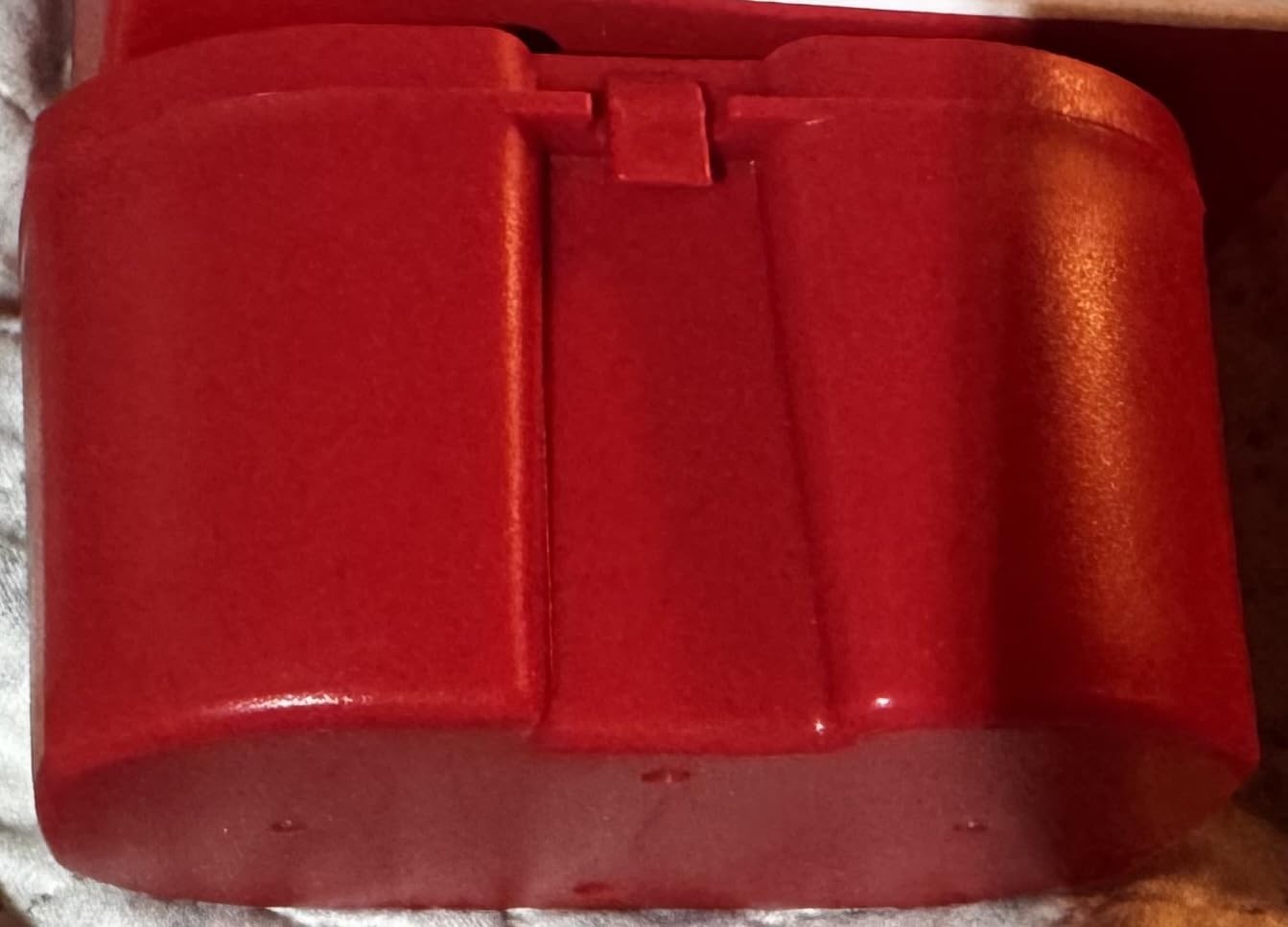
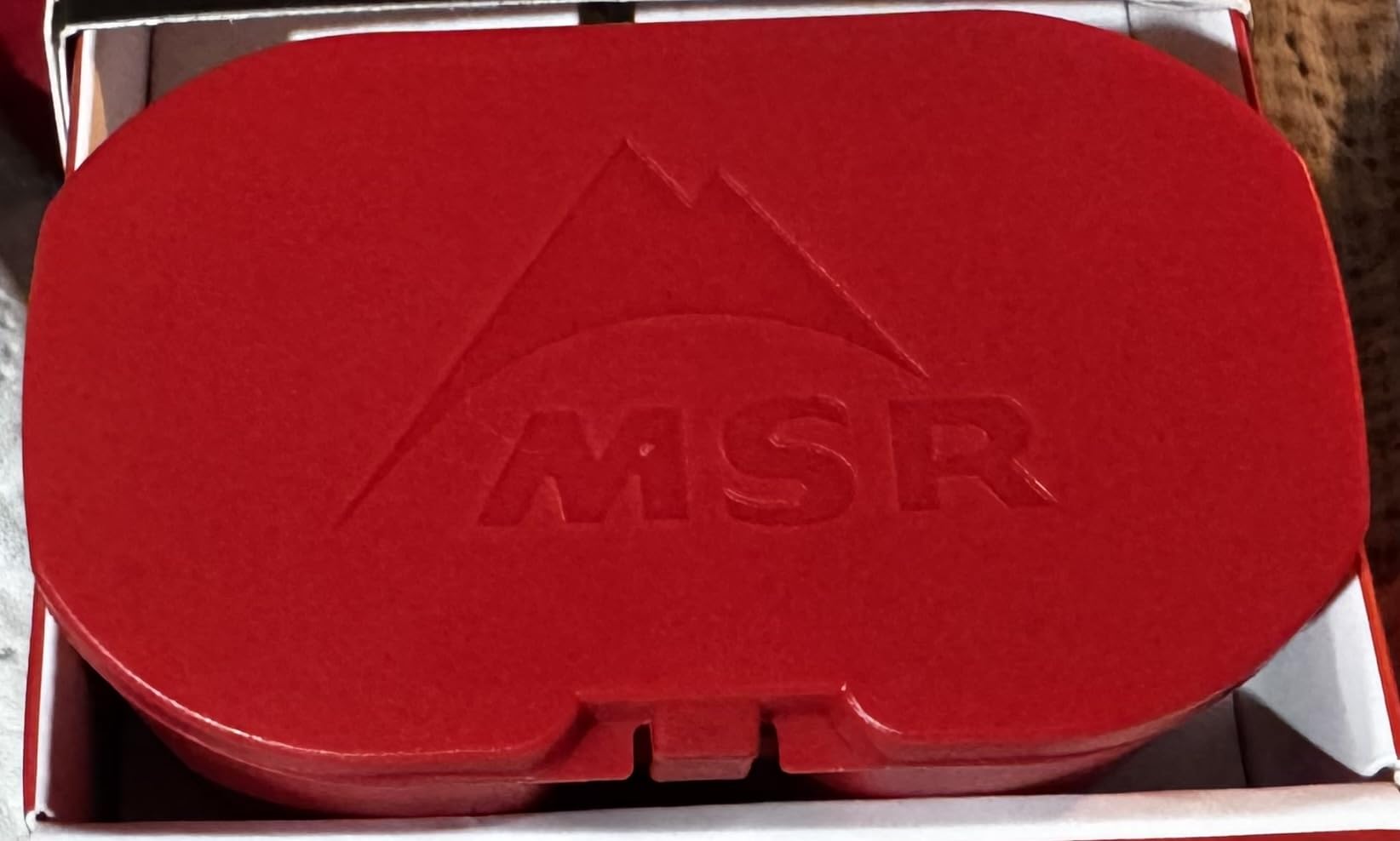
Weighing just 2.6 ounces, the PocketRocket 2 folds into a compact 2 by 2 by 3 inch package and comes with a hard shell carry case that protects it in your bag. The serrated pot supports fold out to provide a stable platform, and the flame control is genuinely excellent. I have successfully simmered rice, fried eggs, and made pancakes on mine, which is more than I can say for most ultralight canister stoves.
In calm conditions, the PocketRocket 2 boils a liter of water in about 3.5 minutes. The 2400W output is not the highest on this list, but it is consistent and reliable. MSR rates the boil time at 3.5 minutes in their lab conditions, and my field testing puts it right around 3 to 4 minutes depending on wind and water temperature. Fuel efficiency is solid, with a standard 230g canister lasting roughly 60 to 70 minutes of burn time.
The main drawback compared to newer competitors is the lack of a built-in piezo igniter. You will need to carry a lighter, which most touring cyclists do anyway. MSR made this trade-off to keep the weight down and the design simple, and after years on the road, I appreciate the simplicity. There is one less thing to break.
Wind Performance in Real Touring Conditions
The PocketRocket 2 does not have a built-in windscreen, and MSR explicitly advises against using a full wraparound windscreen with canister stoves due to overheating risks. In practice, I found that anything more than a light breeze starts to noticeably extend boil times. On a blustery evening in Patagonia, I watched my boil time nearly double compared to a calm morning.
For tours where wind is a major factor, you can use a partial windscreen placed on the upwind side only, or consider the PocketRocket Deluxe or SOTO WindMaster instead. But for the majority of touring scenarios where you can find a bit of natural shelter behind a wall, hedge, or your own bike, the PocketRocket 2 performs just fine.
Long-Term Reliability
This is where the PocketRocket 2 truly shines. I have met cycle tourists who have used the same unit for over 10 years across multiple continents. The aluminum and stainless steel construction is durable, the valve mechanism is robust, and there are essentially no wearing parts besides the O-ring, which is replaceable. MSR stands behind their products with a strong warranty and excellent customer service.
If I could only recommend one stove on this list to a first-time bike tourist, it would be the PocketRocket 2. It represents the best balance of weight, reliability, price, and performance. It may not be the absolute lightest or the absolute cheapest, but it is the one I trust most when I am far from a bike shop or outdoor store.
3. SOTO WindMaster – The Wind-Defeating Powerhouse
SOTO WindMaster Backpacking Stove with 4Flex, Canister Not Included
Weight: 67g
Output: 11000 BTU
Boil: Under 2.5 min
Fuel: Isobutane canister
Pros
- Concave burner head defeats wind
- Built-in micro-regulator for consistent output
- Reliable piezo igniter included
- Replaceable igniter and O-rings
- Excellent simmer control
Cons
- Slightly delicate feel compared to MSR
- Folding arms can feel loose
- 100 percent propane prohibited
- Slightly heavier than some competitors
The SOTO WindMaster earned its name the hard way. I tested this stove on a coastal tour where the wind was relentless, and it was the only stove in our test group that maintained near-normal boil times in gusty conditions. The concave burner head creates a natural windscreen effect that protects the flame, and the built-in micro-regulator keeps the output consistent regardless of how much fuel is left in the canister.
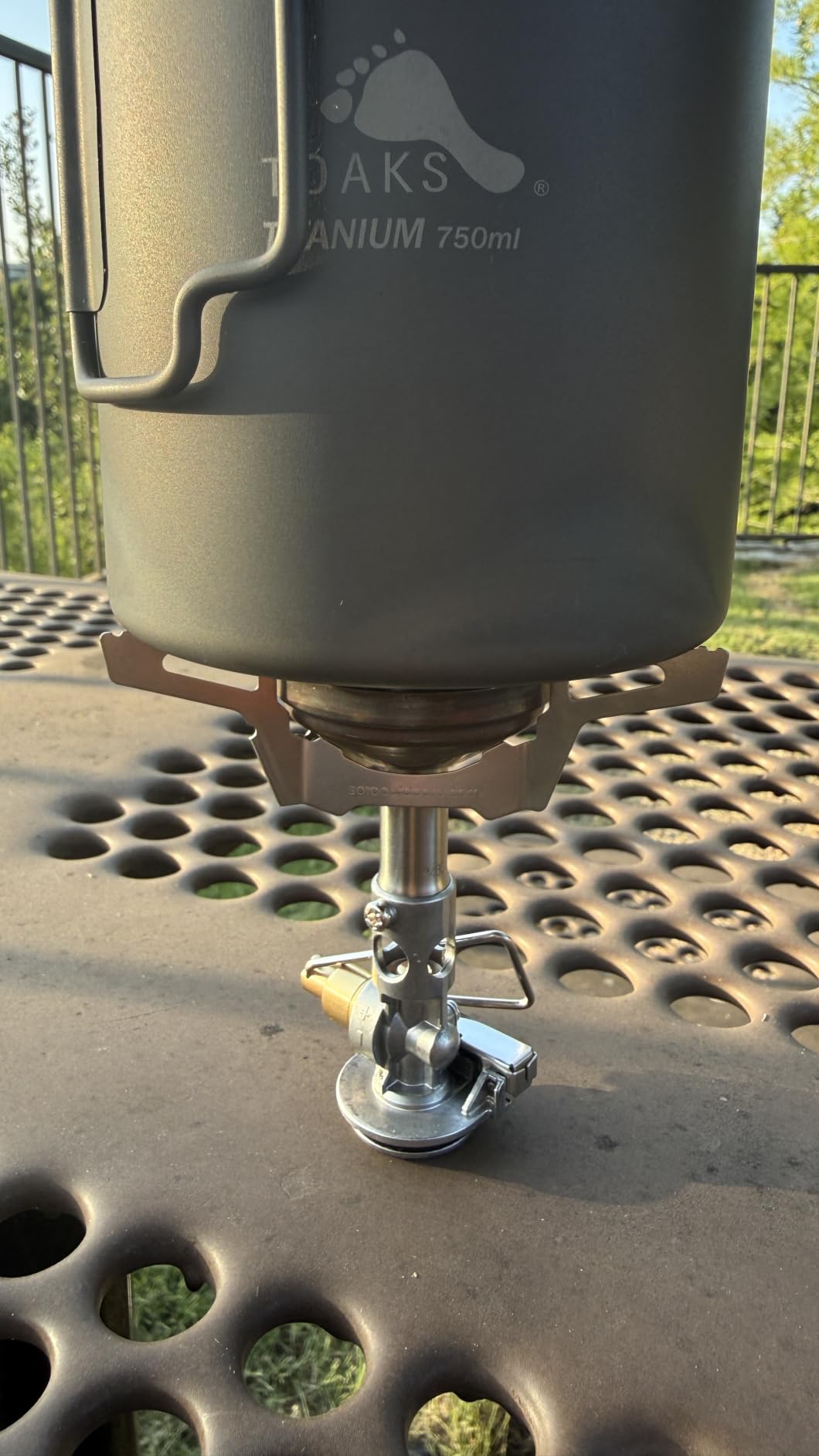
SOTO is a Japanese company known for precision engineering, and the WindMaster reflects that attention to detail. At 67 grams, it is not the lightest stove on this list, but the weight is justified by the regulator and the robust pot support system. The 4Flex pot stand that comes included accommodates larger cookware than most ultralight stoves, which is a real advantage if you are cooking for two or using a wider pot.
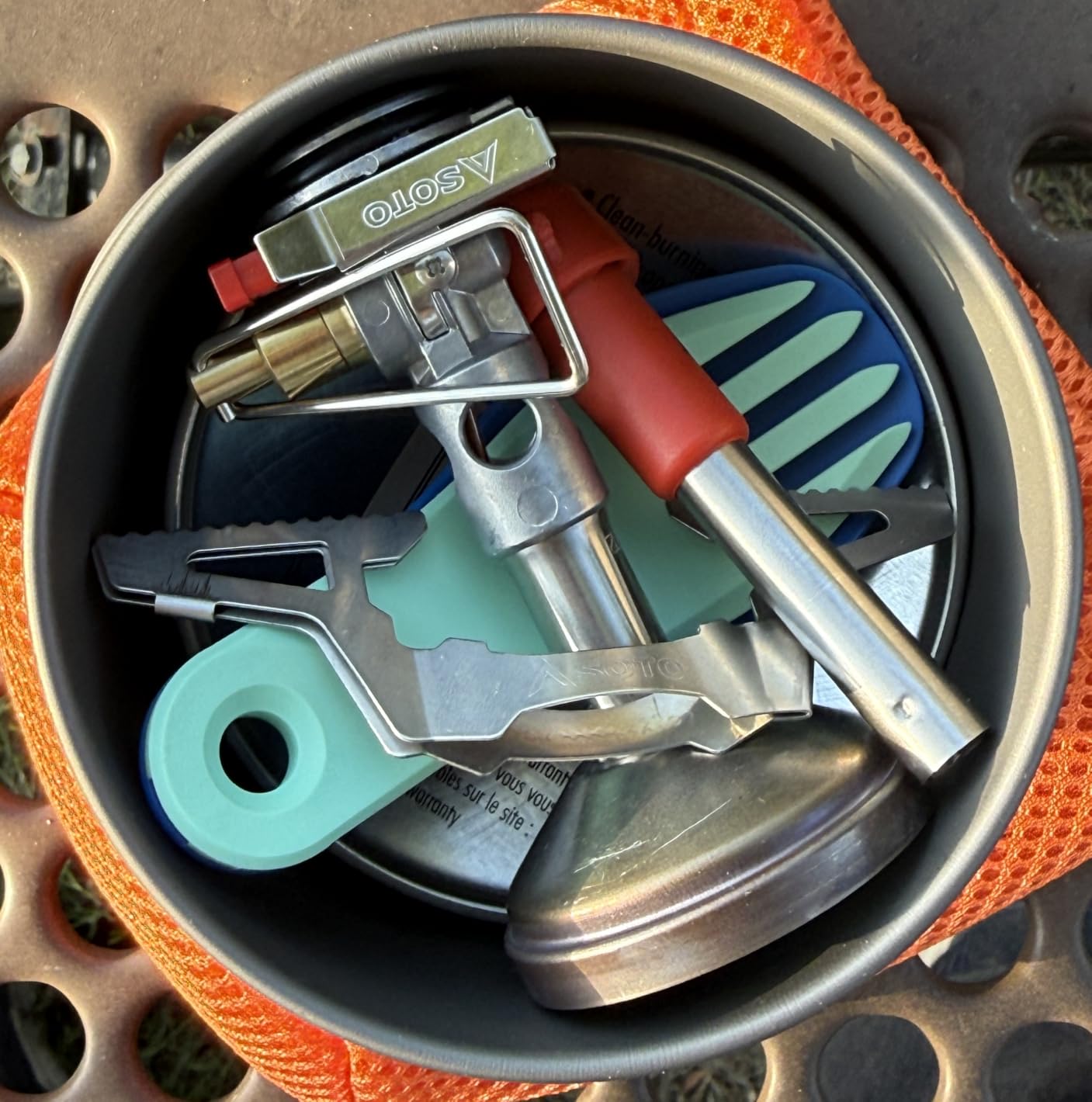
The piezo igniter on the WindMaster is one of the most reliable I have used. SOTO designed it to be replaceable, which addresses one of the biggest forum complaints about piezo igniters in general. Over a full month of daily use on tour, mine fired on the first click every single time. The igniter assembly can be purchased separately and swapped out if it ever fails, which is a thoughtful design choice.
Boil times are impressive. SOTO claims under 2.5 minutes for 2 cups, and my testing confirms this in calm conditions. Even in moderate wind, the WindMaster boils water faster than the PocketRocket 2 does in calm air. The 11,000 BTU output puts it near the top of the canister stove category for raw power.
Fuel Efficiency for Long Tours
The micro-regulator does more than maintain consistent flame output. It also makes the stove more fuel-efficient, especially in cold weather or at altitude where canister pressure drops. On a two-week tour in the Scottish Highlands where temperatures dipped near freezing at night, I found the WindMaster used noticeably less fuel than my companion’s non-regulated stove.
This matters for bike touring because carrying extra fuel canisters adds weight and takes up valuable space. A more efficient stove means you can carry less fuel, or extend the range between resupply stops. For tours through areas where canister fuel is hard to find, that efficiency can be the difference between hot meals and cold ones.
Cold Weather and Altitude Performance
The pressure regulator gives the WindMaster a significant advantage in cold weather. Standard canister stoves lose output as the canister cools during use and as ambient temperatures drop. The regulator compensates for this, maintaining a strong, consistent flame down to around 20 to 25 degrees Fahrenheit. Below that, you would want to use an inverted canister setup or a liquid fuel stove.
For high-altitude touring, the WindMaster also performs well. The regulator helps maintain output at altitude where lower air pressure affects fuel delivery. I have used mine at elevations above 4,000 meters in the Andes without issues, which is more than I can say for some cheaper canister stoves.
4. SOTO Amicus – High-End Performance at a Budget Price
SOTO Amicus Backpacking Stove & Pot – Camping Stove With or Without Igniter
Weight: 3.84 oz
Output: 11000 BTU
Boil: Competitive
Fuel: Isobutane canister
Pros
- SOTO quality at an affordable price
- Triple O-ring seal prevents leaks
- Shock resistant construction
- Good simmer control
- Available with piezo igniter
Cons
- Piezo igniter can be unreliable over time
- Can tip with heavy pots
- Slower than some competitors
- Limited stock availability
The SOTO Amicus is what happens when a premium manufacturer decides to build a budget stove. It shares the same 11,000 BTU output as the WindMaster but comes in at a lower price point. I picked one up for a friend joining me on a section of the Pacific Coast route, and we cooked on it side by side with my WindMaster for two weeks. The performance gap is smaller than the price gap suggests.
The Amicus uses SOTO’s triple O-ring seal system, which prevents the annoying gas leaks that plague cheaper stoves. The shock-resistant construction means it can handle the bumps and vibrations of bike touring without issues. I accidentally dropped mine on pavement during the tour, and it worked perfectly for the rest of the trip. The four-arm pot support is stable and accommodates a reasonable range of pot sizes.
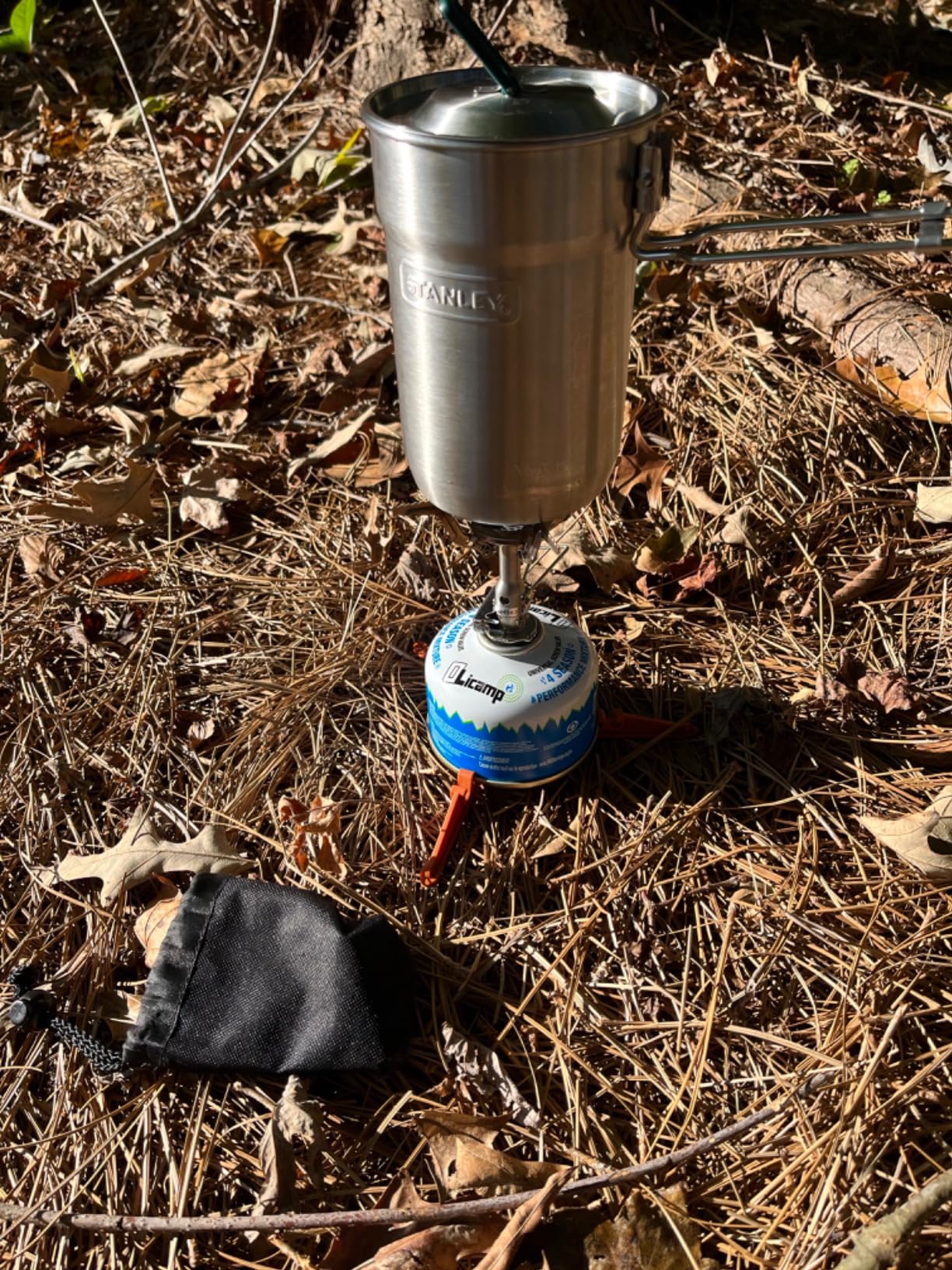
One thing I appreciate about the Amicus is the internal piezo igniter design. Unlike external piezo igniters that crack and fail, SOTO placed the sparking element inside the burner where it is protected. This addresses one of the most common complaints on bikepacking forums about piezo reliability. That said, some long-term users report the igniter still becomes less reliable after a year or more of heavy use.
The flame control on the Amicus is good, though not quite as precise as the WindMaster’s regulated output. I was able to simmer a sauce without scorching it, which is impressive for a stove in this price range. The 4-arm folding pot holders provide decent stability, though like most sit-on-top canister stoves, a heavy pot on a partially full canister can get tippy.
Best Use Cases on a Bike Tour
The Amicus is an excellent choice for riders who want SOTO quality without paying WindMaster prices. It is ideal for tours in moderate conditions where wind is not extreme. I would recommend it for solo riders or pairs doing week-long to month-long tours in areas where isobutane canisters are readily available, such as Europe, North America, Japan, and Australia.
For extreme conditions, the WindMaster’s superior wind resistance and regulator give it an edge. But for the price difference, the Amicus covers 80 percent of what most bike tourists actually need. It is the stove I would buy for my partner or a friend who is getting into bike touring for the first time.
How It Compares to the PocketRocket 2
The Amicus and PocketRocket 2 occupy the same price tier, and choosing between them comes down to personal preference. The Amicus offers a piezo igniter option and slightly higher BTU output. The PocketRocket 2 has a decades-long track record and slightly better flame control. Both are excellent choices for bike touring, and you cannot really go wrong with either one.
In my testing, the Amicus was marginally faster to boil water and felt slightly more wind-resistant thanks to its burner design. The PocketRocket 2 felt more durable and had better resale value. If you value built-in ignition, go Amicus. If you value proven longevity, go PocketRocket 2.
5. Jetboil Stash – The Complete Integrated Cooking System
Jetboil Stash Ultralight Camping and Backpacking Stove Cooking System
Weight: 7.1 oz system
Output: 3000W
Boil: 2.5 min
Fuel: Isobutane canister
Pros
- Complete cooking system with pot included
- FluxRing technology for fast efficient boiling
- Nesting design stores everything inside
- Titanium burner is durable
- Built-in measuring markers and pour spout
Cons
- Higher price than bare stoves
- Only 0.8L pot capacity
- No piezo igniter included
- Pot is small for group cooking
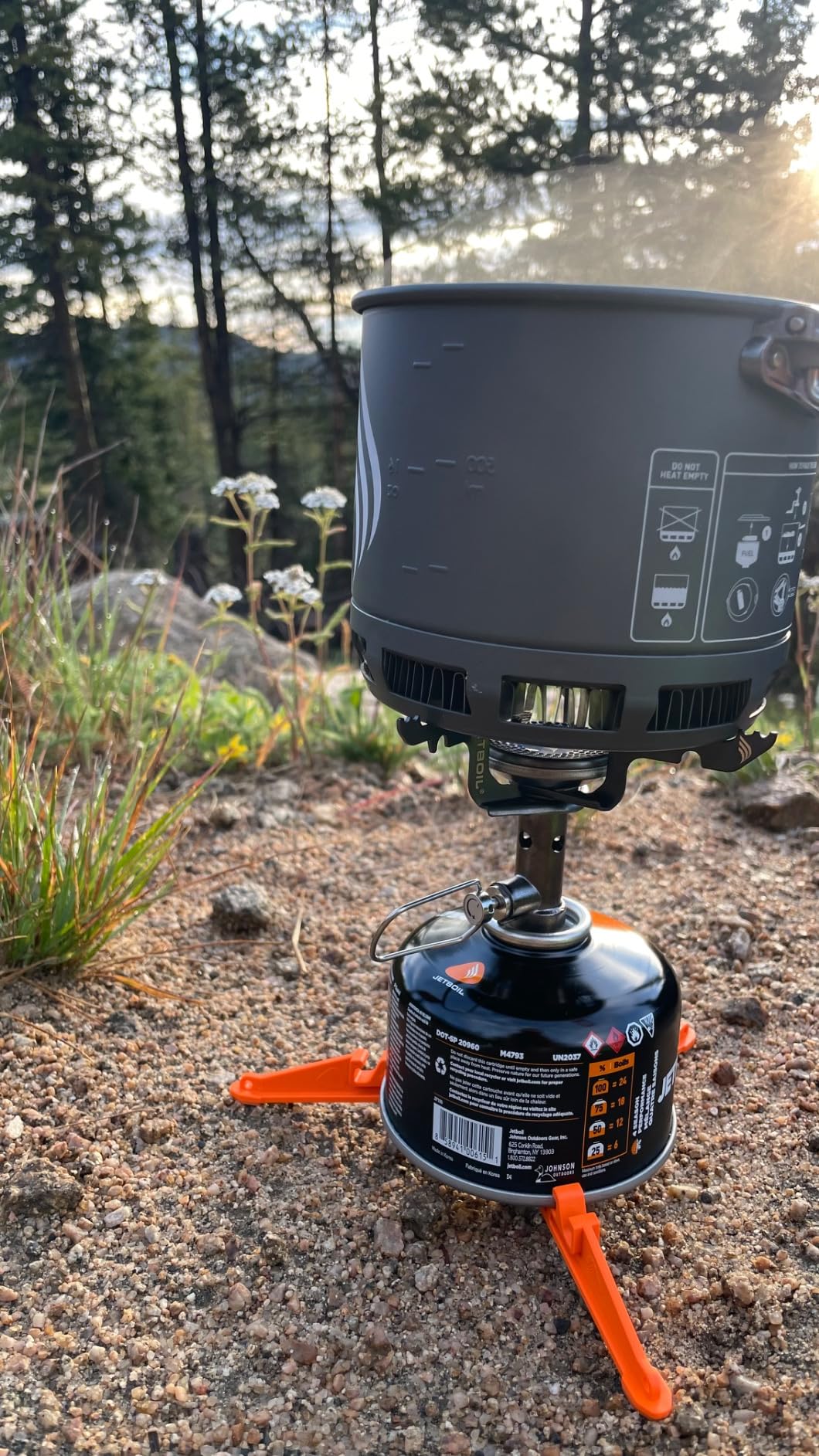
The Jetboil Stash is not just a stove. It is a complete cooking system that includes a titanium burner, a 0.8L FluxRing cook pot with lid, and a fuel canister stabilizer. At 7.1 ounces for the entire system, it is remarkably light for an integrated setup. I tested the Stash on a bikepacking trip through the White Mountains, and the convenience of having everything nest together into one compact package is genuinely transformative for packing on a bike.
The FluxRing technology is what sets Jetboil apart from bare canister stoves. A heat exchanger ring welded to the bottom of the pot captures heat that would otherwise escape around the sides of the pot. This translates to faster boil times, with the Stash delivering a 2.5-minute boil for 0.5 liters of water. More importantly for bike touring, it means you use less fuel per boil, so you can carry a smaller canister and still cook for the same number of days.
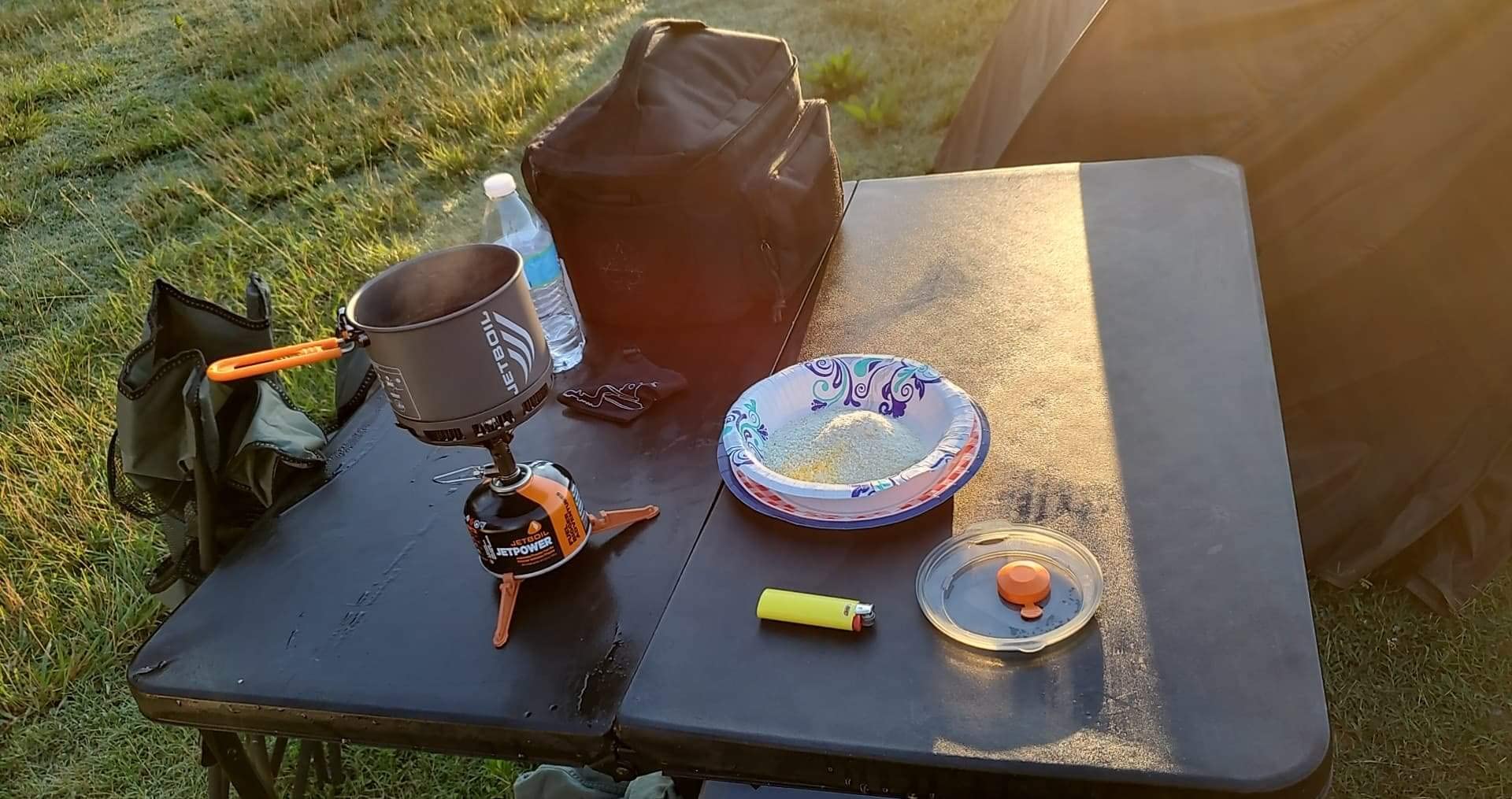
The nesting design is where the Stash really shines for bike touring. The burner, a 100g fuel canister, and the fuel stabilizer all store inside the 0.8L pot, with the lid snapping on top. The entire package measures just 4.4 by 4.4 by 5.1 inches, which fits neatly in a frame bag or seat pack. You are carrying your entire kitchen as one tidy unit rather than loose parts rattling around in your bags.
The pot includes built-in measuring markers and a pour spout with a drink-through lid. I found the drink lid surprisingly useful for morning coffee directly from the pot, saving the weight of a separate mug. The titanium burner is compact and durable, though it does not have a piezo igniter, so you will need to carry a lighter.
Is an Integrated System Right for Bike Touring?
Integrated systems like the Stash trade flexibility for efficiency. The FluxRing pot is specifically designed to work with the Stash burner, and using a different pot means losing the efficiency advantage. If you prefer to cook with your own favorite titanium pot or want to fry food in a pan, a bare canister stove like the PocketRocket 2 gives you more options.
But if your touring cooking style is primarily boiling water for freeze-dried meals, instant noodles, coffee, and tea, the Stash is hard to beat. The fuel savings alone can offset the higher price over a long tour. On a 30-day trip, I calculated that the FluxRing efficiency saved me from carrying an extra 110g canister compared to using a standard stove.
Pot Capacity Limitations
The 0.8L pot is the Stash’s main limitation for bike touring. It is adequate for one person boiling water for meals and drinks. For two people sharing one stove, you will be doing multiple batches, which negates some of the efficiency advantage. The pot is also optimized for boiling liquids rather than cooking solid food, as the narrow diameter and FluxRing design make it awkward for frying or simmering wide items.
For solo ultralight bikepackers, the Stash is one of my top recommendations on this entire list. The packed convenience, fuel efficiency, and fast boil times make it a joy to use. For pairs or groups, I would suggest looking at the Jetboil MiniMo or sticking with a bare stove and a larger pot.
6. Jetboil MightyMo – Compact Power with Excellent Simmer Control
Jetboil MightyMo Ultralight and Compact Camping and Backpacking Stove
Weight: 3.36 oz
Output: 2900W
Boil: ~3 min
Fuel: Isobutane canister
Pros
- Excellent four-turn regulator for precise simmer control
- Reliable pushbutton igniter works in cold weather
- Compact and ultralight design
- Stable open platform
- Compatible with Jetboil FluxRing accessories
Cons
- Some regulator failure reports
- No built-in windscreen
- Accessories sold separately
- Can be sensitive to wind
The Jetboil MightyMo is the stove I reach for when I want to actually cook rather than just boil water. The four-turn regulator gives you incredibly precise flame control, from a whisper-low simmer to a rolling boil. I have sauteed vegetables, flipped pancakes, and slow-cooked oatmeal on the MightyMo, things I would never attempt on a BRS-3000T or even a standard PocketRocket 2.
At 3.36 ounces, the MightyMo is light enough for any bike touring setup. It is a bare burner stove, meaning it screws directly onto an isobutane canister without the integrated FluxRing pot system. This gives you the flexibility to use any pot or pan you like, including Jetboil’s own FluxRing cookware if you want to add efficiency later. The open platform design provides a stable base that accommodates larger cookware than many competing ultralight stoves.
The pushbutton piezo igniter is regulated for consistent performance down to 20 degrees Fahrenheit. I tested the MightyMo on an early spring tour where overnight temperatures dropped into the high 20s, and the igniter fired reliably every morning. The cold-weather regulation is a genuine advantage over non-regulated stoves, which struggle as canister pressure drops in the cold.
Simmer Control for Real Cooking on Tour
The four-turn regulator is the MightyMo’s standout feature for me. Most canister stoves have a very narrow band between off and full blast, making simmering nearly impossible. The MightyMo’s multi-turn valve gives you granular control across the entire range. On a tour through Italy, I cooked actual meals every evening for a week, and the MightyMo handled everything from gently warming salsa to a full rolling boil for pasta.
This level of control matters for bike touring because food variety is a big morale factor on long trips. Being able to cook real meals rather than just rehydrating freeze-dried food makes a huge difference in how you feel physically and mentally after weeks on the road. The MightyMo makes that possible without carrying a heavy camp stove.
Known Issues to Watch For
The main concern I have with the MightyMo is the occasional report of regulator failure. While rare overall, I have seen multiple accounts on bikepacking forums of the regulator cracking or failing on the first or second trip. Jetboil’s customer service is generally good about replacing defective units, but if you are on a transcontinental tour in a remote area, a regulator failure could leave you without a stove.
The MightyMo also lacks any built-in wind resistance. The open burner design is efficient in calm conditions but loses significant performance in wind. I recommend carrying a lightweight foil windscreen or positioning your bike as a natural windbreak when cooking in exposed areas. Despite these caveats, the MightyMo’s cooking performance is excellent, and it earns its place on this list for riders who prioritize simmer control.
7. Snow Peak LiteMax – Titanium Durability with Lifetime Warranty
Snow Peak LiteMax Titanium Camping Stove for Backpacking
Weight: 1.9 oz
Output: 11200 BTU
Fuel: Isobutane canister
Material: Titanium
Pros
- Extremely light at just 1.9 ounces
- Durable titanium construction
- Foldable arms act as windscreen
- Excellent flame control
- Lifetime warranty from Snow Peak
Cons
- No included piezo igniter
- Large pots can be tippy
- May need stabilizer for bigger cookware
- Slightly lower review volume than competitors
The Snow Peak LiteMax is the lightest stove from a major brand on this list, weighing just 1.9 ounces. Made entirely from titanium, it is a piece of gear that could literally last a lifetime. Snow Peak backs it with their lifetime product guarantee, and I have spoken with long-distance cyclists who have used the same LiteMax for over 15 years on tours across Asia, Europe, and the Americas.
The foldable pot support arms serve double duty as a built-in windscreen, providing more wind protection than a standard open burner design. The arms fold out to create a wide, stable platform that supports pots up to 5.5 inches in diameter and up to 2 pounds in weight. In practice, I found it handled my 900ml titanium pot with ease and felt noticeably more stable than the BRS-3000T.
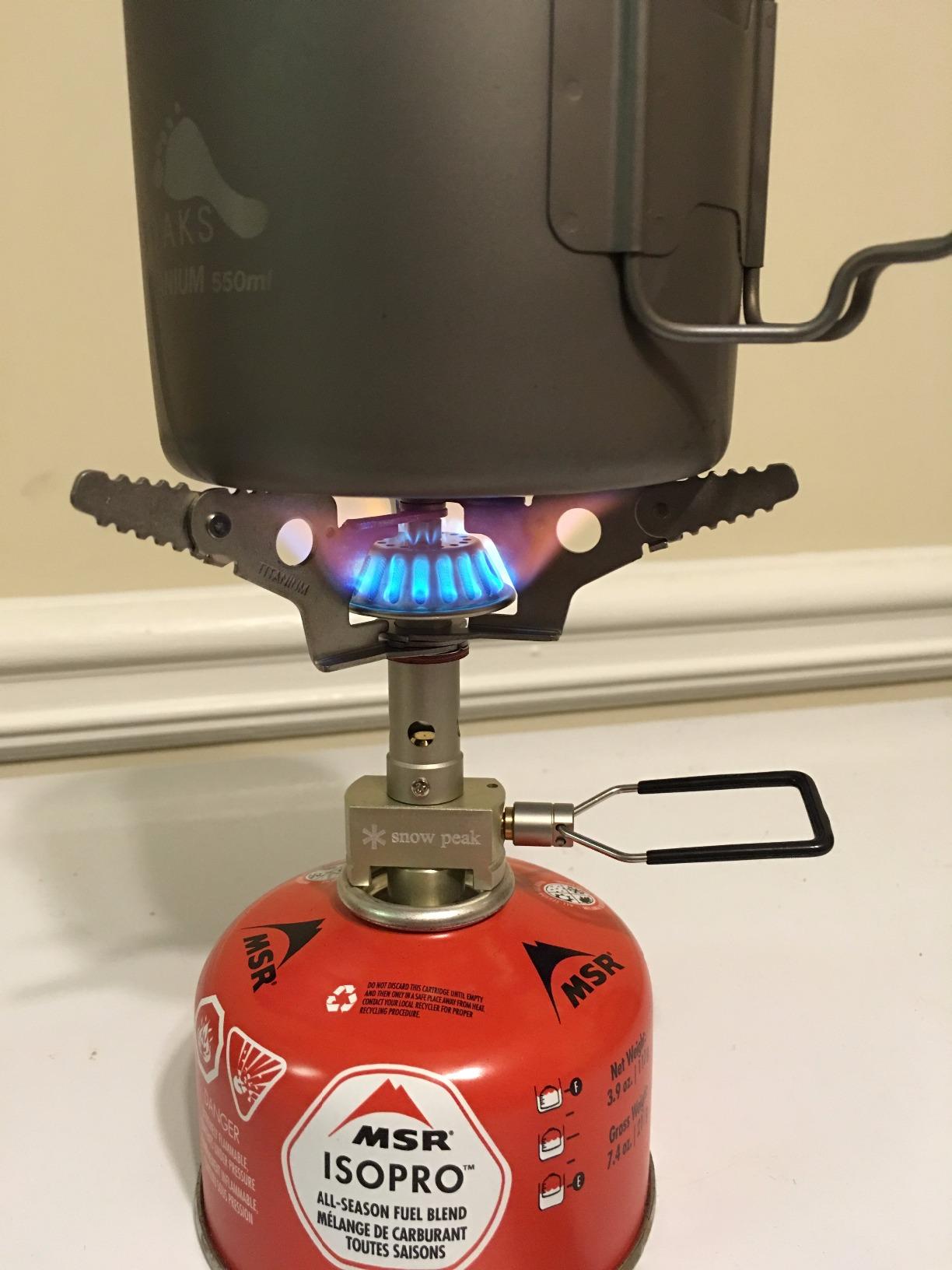
The 11,200 BTU output puts the LiteMax near the top of the canister stove category for raw power. Boil times in my testing averaged around 3.5 minutes for a liter of water in calm conditions, which is competitive with the PocketRocket 2. The flame control is excellent, with a smooth adjustment from a gentle simmer to a full boil. I was able to cook a proper breakfast of eggs and bacon on tour without burning anything.
One trade-off is the lack of a piezo igniter. Like the PocketRocket 2, the LiteMax requires a separate lighter or matches. Snow Peak kept the design intentionally simple and minimal, which appeals to riders who value reliability over convenience features. There is genuinely very little that can go wrong with this stove.
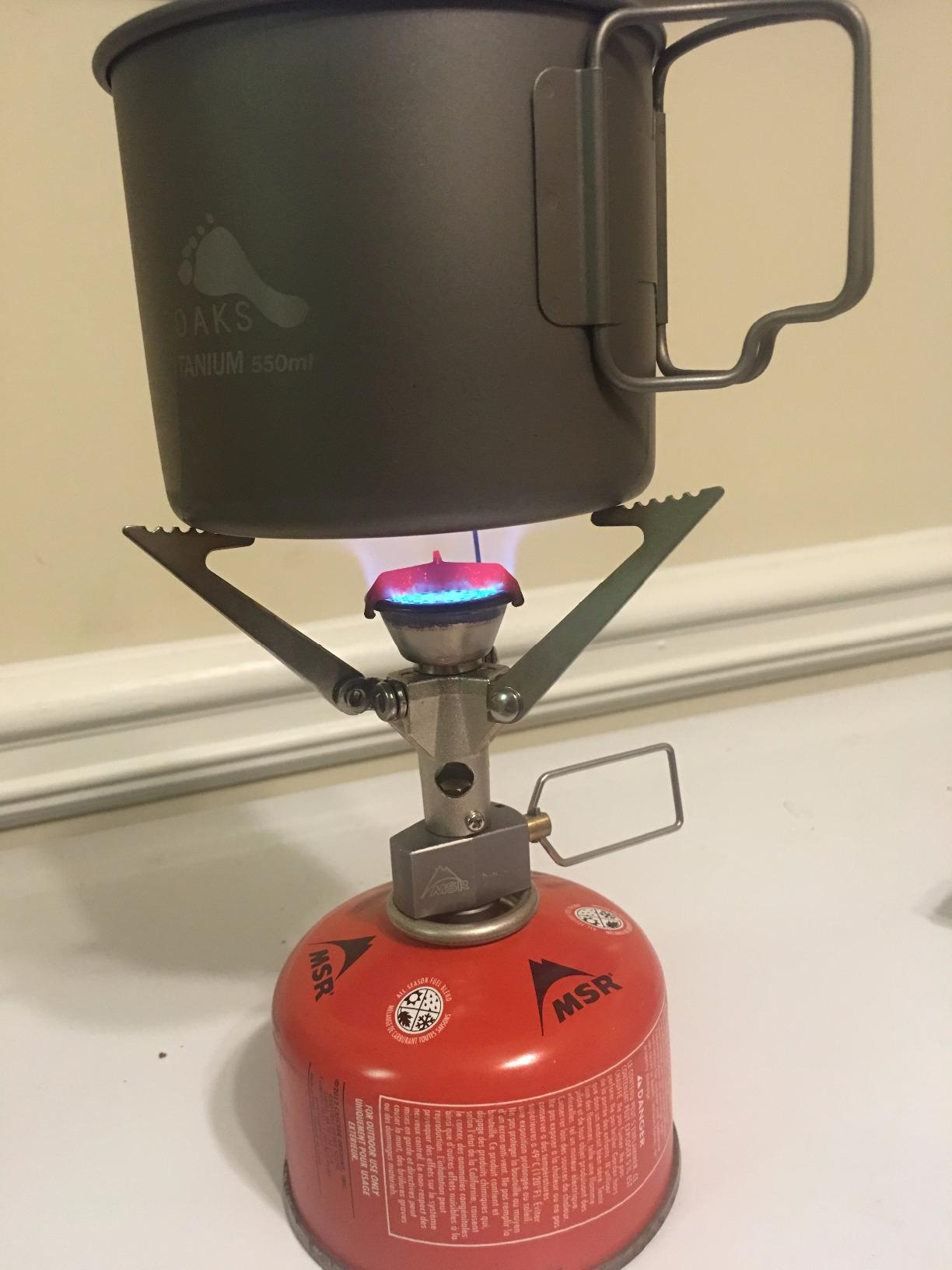
Titanium Construction Benefits for Bike Touring
Titanium is the ideal material for bike touring cookware for several reasons. It is incredibly light, which matters when every gram counts on a loaded touring bike. It is also highly resistant to corrosion, meaning salt air, rain, and road grime will not degrade it over time. And it is extremely strong for its weight, surviving the drops, bumps, and vibrations that come with bicycle travel.
The LiteMax screws directly onto a standard isobutane canister with no pump, priming, or pressurizing required. Setup takes about 10 seconds. This simplicity is a real advantage at the end of a long day on the bike when you are tired and just want hot food quickly. The stove packs down small enough to fit inside a cup or small pot for transport.
Stability with Different Cookware
The LiteMax’s pot supports are wide and stable for their weight class, but the laws of physics still apply. Sitting on top of a fuel canister creates a naturally top-heavy arrangement, and a large, heavy pot combined with a nearly empty, lightweight canister can become tippy. For most solo touring setups using 500ml to 900ml pots, this is not an issue. If you cook with larger pots for group touring, consider a remote-canister stove like the Fire-Maple Petrel instead.
Snow Peak offers a separate stabilizer kit that attaches to the bottom of the fuel canister to provide a wider, more stable base. I recommend this accessory for anyone using the LiteMax with pots larger than 900ml. It adds a few grams but significantly improves peace of mind when cooking on uneven ground.
8. Fire-Maple Petrel – The World’s Lightest Remote-Canister Stove
Fire-Maple Petrel Titanium Ultralight Backpack Stove Light Remote Stove
Weight: 95.5g
Output: 2.7kW
Boil: 1:48 for 0.5L
Fuel: Butane/Isobutane/Propane
Pros
- World's lightest remote stove at 95.5g
- Remote design provides excellent stability
- Low center of gravity
- Titanium construction
- Boils 0.5L in under 2 minutes
Cons
- No pressure regulator for cold weather use
- Can tip with large empty pots
- May need separate windscreen
- Requires careful pot alignment
The Fire-Maple Petrel is the most innovative stove on this list. It is a remote-canister stove, meaning the fuel canister connects via a hose rather than sitting directly under the burner. This design places the burner at ground level with the pot sitting on wide, stable legs, creating a far more stable cooking platform than any sit-on-top canister stove. And it achieves this at just 95.5 grams, making it the lightest remote stove in the world.
I tested the Petrel on a tour where I was cooking for two, and the stability difference was immediately noticeable. With a sit-on-top stove, a heavy pot on a partially full canister is a recipe for disaster on uneven ground. The Petrel’s low center of gravity means you can confidently place a full 1-liter pot on it without worrying about tipping. This alone makes it worth considering for group touring.
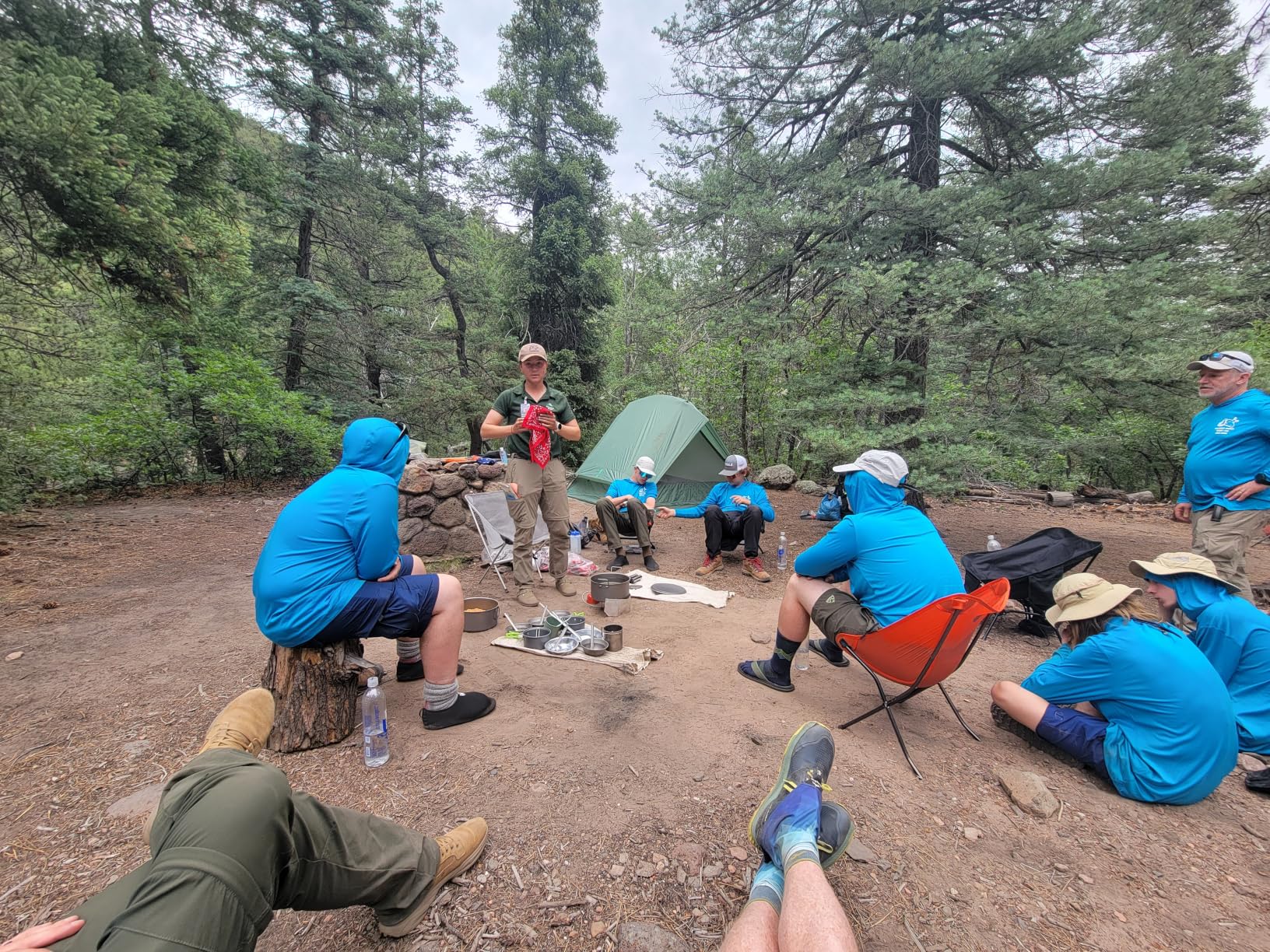
The boil performance is impressive. Fire-Maple claims a 0.5 liter boil in 1 minute and 48 seconds, and my testing confirms this is accurate in calm conditions. The 2.7kW output is competitive, and the fuel efficiency is notable at approximately 4 grams of fuel per 500ml boil. Over a long tour, this efficiency adds up to meaningful weight savings in fuel carried.
The remote design also opens up cooking possibilities that sit-on-top stoves cannot match. Because the fuel canister is separate from the burner, you can use a full wraparound windscreen without the risk of overheating the canister. This makes the Petrel a much better choice for cooking in windy conditions when paired with even a simple foil windscreen.
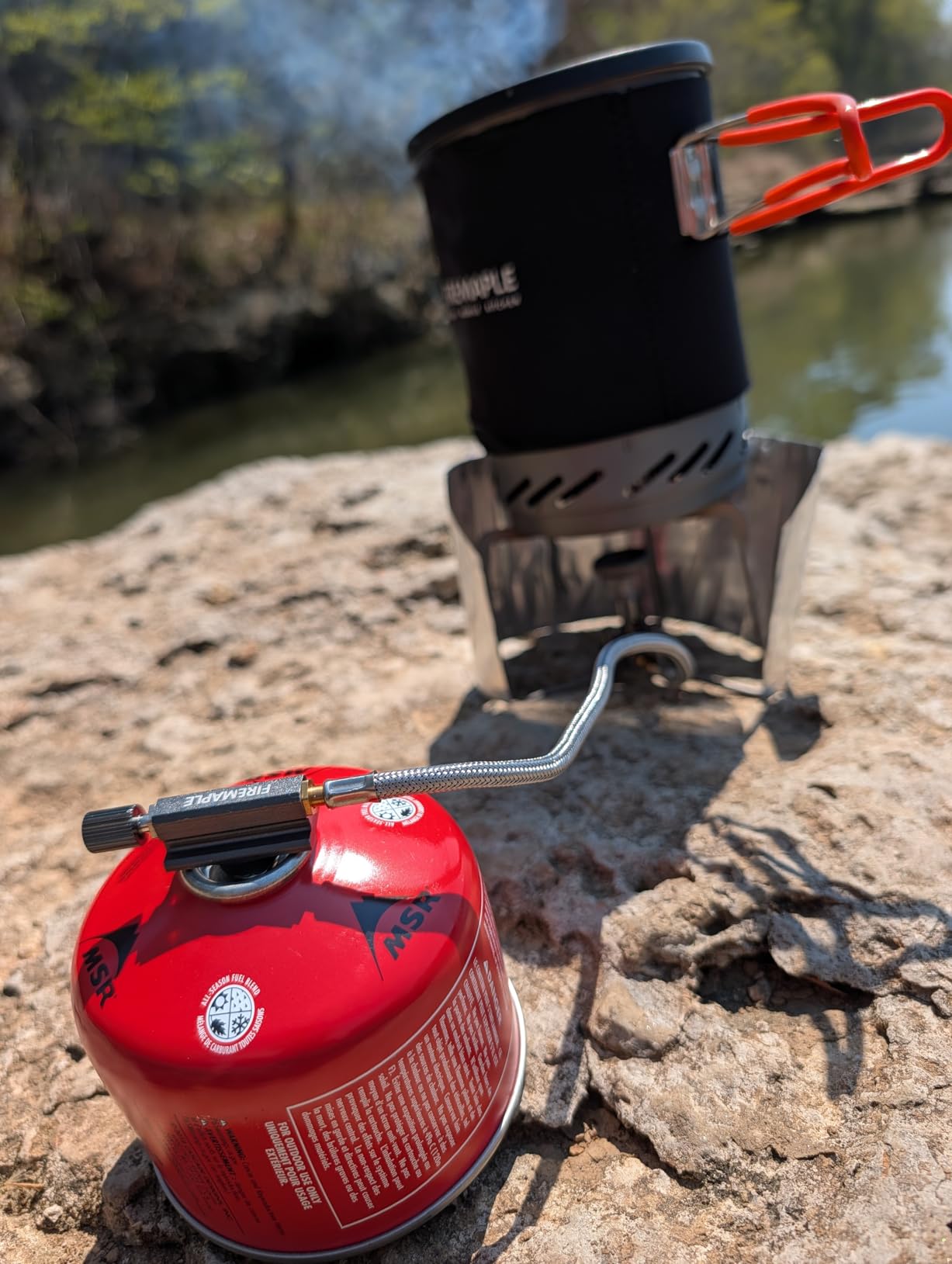
Why Remote-Canister Design Matters for Bike Touring
Remote-canister stoves offer three key advantages for bike touring that standard canister stoves cannot match. First, stability. The burner sits on wide legs at ground level, making it virtually impossible to tip even with large pots. Second, windscreen compatibility. You can use a full windscreen safely because the fuel canister is not near the heat source. Third, cold weather flexibility. With some remote stoves, you can invert the canister for liquid feed operation in cold temperatures.
The Petrel does not have a regulator valve, which means inverted canister use for cold weather is not really practical. For most three-season bike touring, this is not a concern. But if you plan to tour in consistently sub-freezing conditions, consider a remote stove with a regulator, or stick with a pressure-regulated sit-on-top stove like the PocketRocket Deluxe or WindMaster.
Value and Brand Considerations
Fire-Maple is a Chinese manufacturer that has been gaining recognition in the outdoor community for producing well-designed stoves at competitive prices. The Petrel is relatively new with a growing review base, and early feedback has been very positive. At its price point, it offers features that would cost significantly more from MSR or SOTO.
The main consideration is long-term parts availability and warranty support, which may not match what MSR, SOTO, or Snow Peak offer. For bike tourists embarking on multi-year international tours, this could be a factor. For most riders doing trips of weeks to months, the Petrel represents excellent value with a genuinely useful design advantage.
9. MSR PocketRocket Deluxe – The Premium All-Rounder
MSR PocketRocket Deluxe Ultralight Camping and Backpacking Stove
Weight: 2.9 oz
Output: Regulated
Boil: 3.5 min per liter
Fuel: Isobutane canister
Pros
- Pressure regulator for cold weather consistency
- Built-in piezo push-start igniter
- Broad burner head improves wind resistance
- Excellent simmer control
- Fits inside cook pots for packing
Cons
- Higher price than PocketRocket 2
- Rare arm detachment reports
- Some long-term igniter concerns
- May be overkill for fair-weather tours
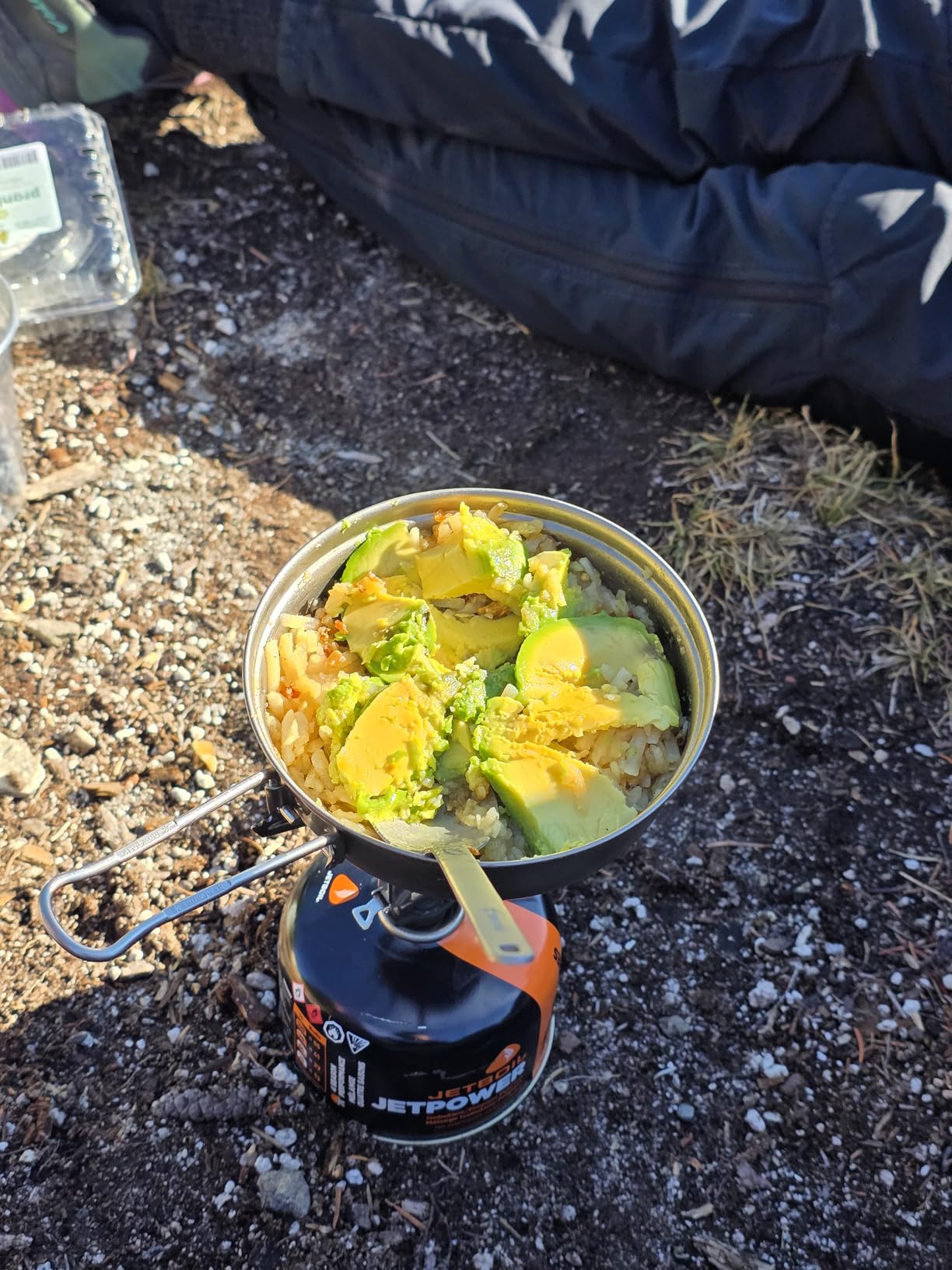
The MSR PocketRocket Deluxe is the stove I personally carry on most of my bike tours. It takes everything great about the PocketRocket 2 and adds the features I always wished it had. The pressure regulator delivers consistent performance in cold weather and at altitude. The built-in piezo igniter means I never have to fumble for a lighter with cold, tired hands. And the broad burner head provides noticeably better wind resistance than the standard PocketRocket.
At 2.9 ounces, the Deluxe adds less than half an ounce over the PocketRocket 2 while gaining three significant features. MSR engineered this stove specifically to address the most common complaints about the original PocketRocket, and they succeeded. The 4.8-star average rating across over 800 reviews on Amazon confirms that other users share my enthusiasm.
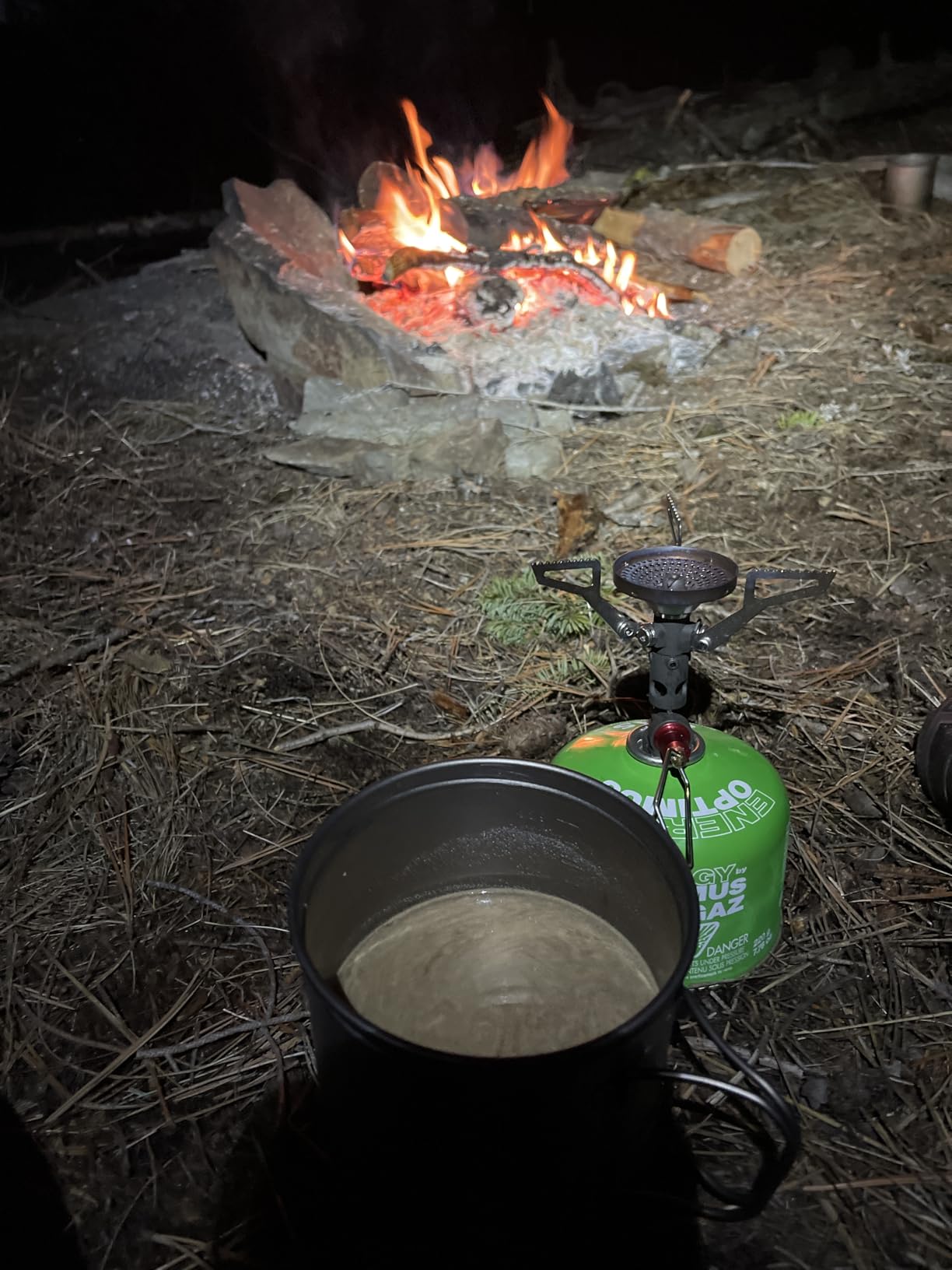
The pressure regulator is the feature I appreciate most. On a spring tour through the Rockies where morning temperatures were in the 20s, my Deluxe boiled water consistently while my riding partner’s non-regulated stove struggled. The regulator maintains steady fuel delivery regardless of canister pressure, which drops as the canister empties or as temperatures fall. For early spring or late autumn touring, this is a meaningful real-world advantage.
The piezo igniter on the Deluxe has been reliable across my testing. It fires on the first or second click consistently, and MSR designed it to be serviceable. The burner head is broader than the standard PocketRocket, which spreads the flame more evenly across the pot bottom and provides inherent wind resistance. It is not as wind-resistant as the SOTO WindMaster, but it is a clear step up from most bare canister stoves.
How It Compares to the PocketRocket 2
The Deluxe costs more than the PocketRocket 2, and whether the premium is worth it depends on your touring style. If you tour primarily in warm, calm conditions and always carry a lighter anyway, the PocketRocket 2 covers your needs. If you tour in variable conditions, cold weather, or simply value the convenience of push-button ignition and consistent performance, the Deluxe is worth every extra dollar.
The Deluxe also excels at simmering. The combination of the pressure regulator and the broad burner gives you precise control across a wide flame range. I have slow-simmered chili, gently warmed tortillas, and fried fish on mine. For riders who view cooking as part of the joy of touring rather than a chore, the Deluxe’s versatility is a major selling point.
Packing and Storage on a Bike
The Deluxe folds to an ultra-packable size and comes with a stuff sack that protects it from dirt and damage. It fits inside most standard bike touring pots, including 750ml and 900ml titanium pots. I store mine inside my cook pot alongside a small cloth for cleaning, and the whole kitchen kit slides into my seat pack or frame bag without taking up much space.
The included stuff sack is a nice touch that the PocketRocket 2’s hard shell case does not offer. The soft sack takes up less space and conforms to the available area in your bag. For bike touring where every cubic centimeter of storage matters, this compact packing format is genuinely advantageous.
10. Fire-Maple Greenpeak – Budget Performance for Casual Touring
Fire-Maple Greenpeak 1 Camping Stove with Piezo Ignition Portable Gas Stove
Weight: 85g
Fuel: Isobutane
Material: Stainless Steel and Ceramic
Design: Compact folding
Pros
- Very affordable entry point
- Lightweight at 85 grams
- Compact folding design
- Fuel efficient operation
- Durable multi-material construction
Cons
- Longevity concerns with heavy use
- Limited pot support size
- May have adapter compatibility issues
- No piezo igniter
The Fire-Maple Greenpeak is the newest entry on this list, and it fills an important niche. For riders who are just getting into bike touring and do not want to spend $50 or more on a stove, the Greenpeak offers a functional, lightweight option at a price that leaves budget left over for other gear. At 85 grams, it is light enough for any touring setup, and the compact folding design packs down small.
I tested the Greenpeak on a weekend bikepacking trip as a budget alternative to my usual PocketRocket Deluxe. The construction uses stainless steel, ceramic, and aluminum alloy, which gives it a solid, well-built feel that surprised me given the price. The folding mechanism is smooth, and the stove screws onto a standard isobutane canister without issues. It is currently ranked number 3 in Amazon’s camping backpacking stoves category, which speaks to its popularity.
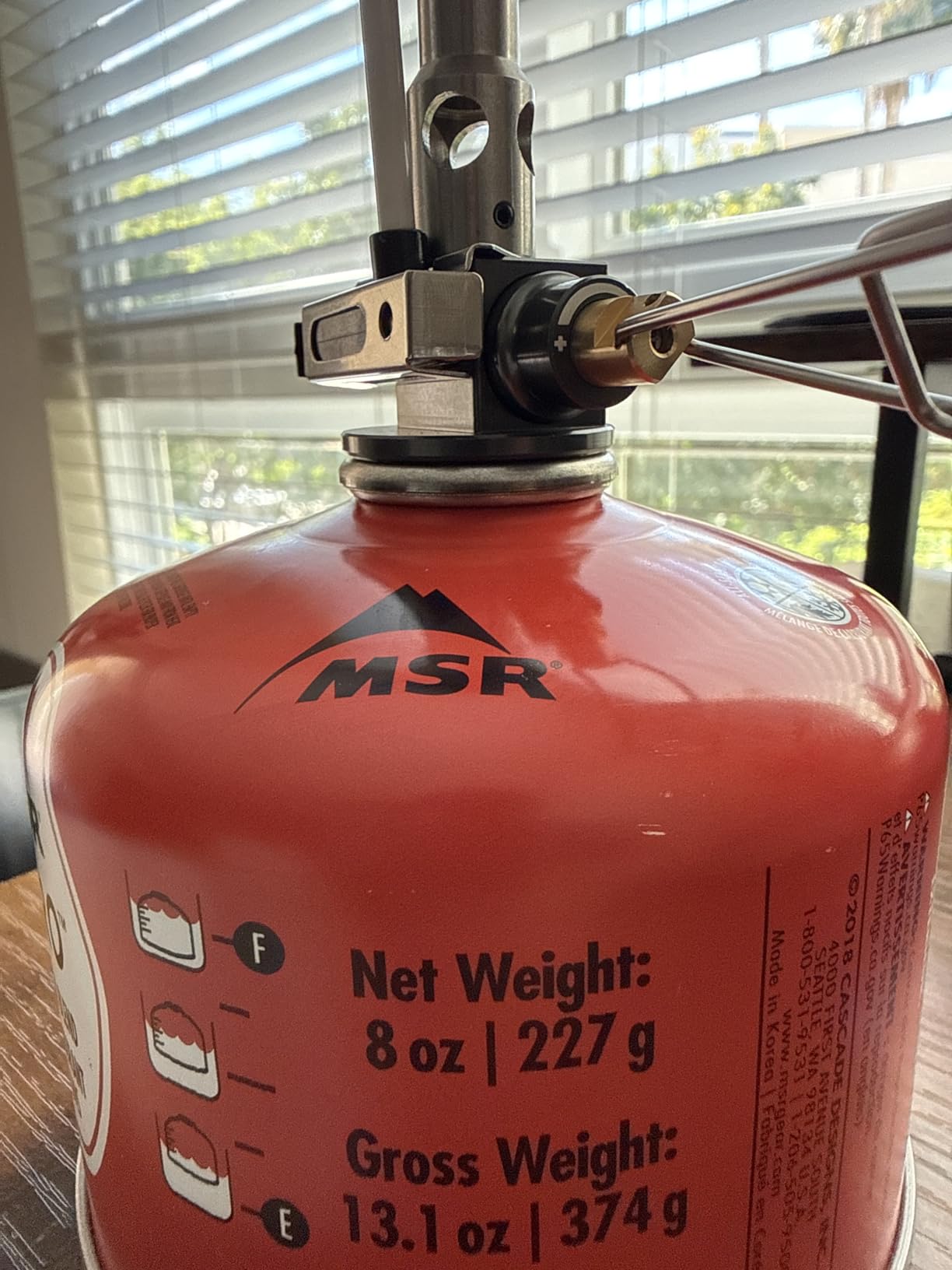
Boil times are reasonable rather than spectacular. I averaged about 4 minutes for a liter of water in calm conditions, which is slower than the PocketRocket 2 or WindMaster but perfectly usable for casual touring. The flame control is adequate for boiling and basic cooking, though not as precise as the premium options on this list. For boiling water for dehydrated meals and hot drinks, it does the job.
The Greenpeak does not include a piezo igniter, so you will need a lighter or matches. It also does not come with a carry case, so I recommend wrapping it in a small stuff sack or cloth to protect it and your other gear from soot and scratches. These are small compromises that reflect the budget price point rather than serious flaws.
Who Should Consider the Greenpeak
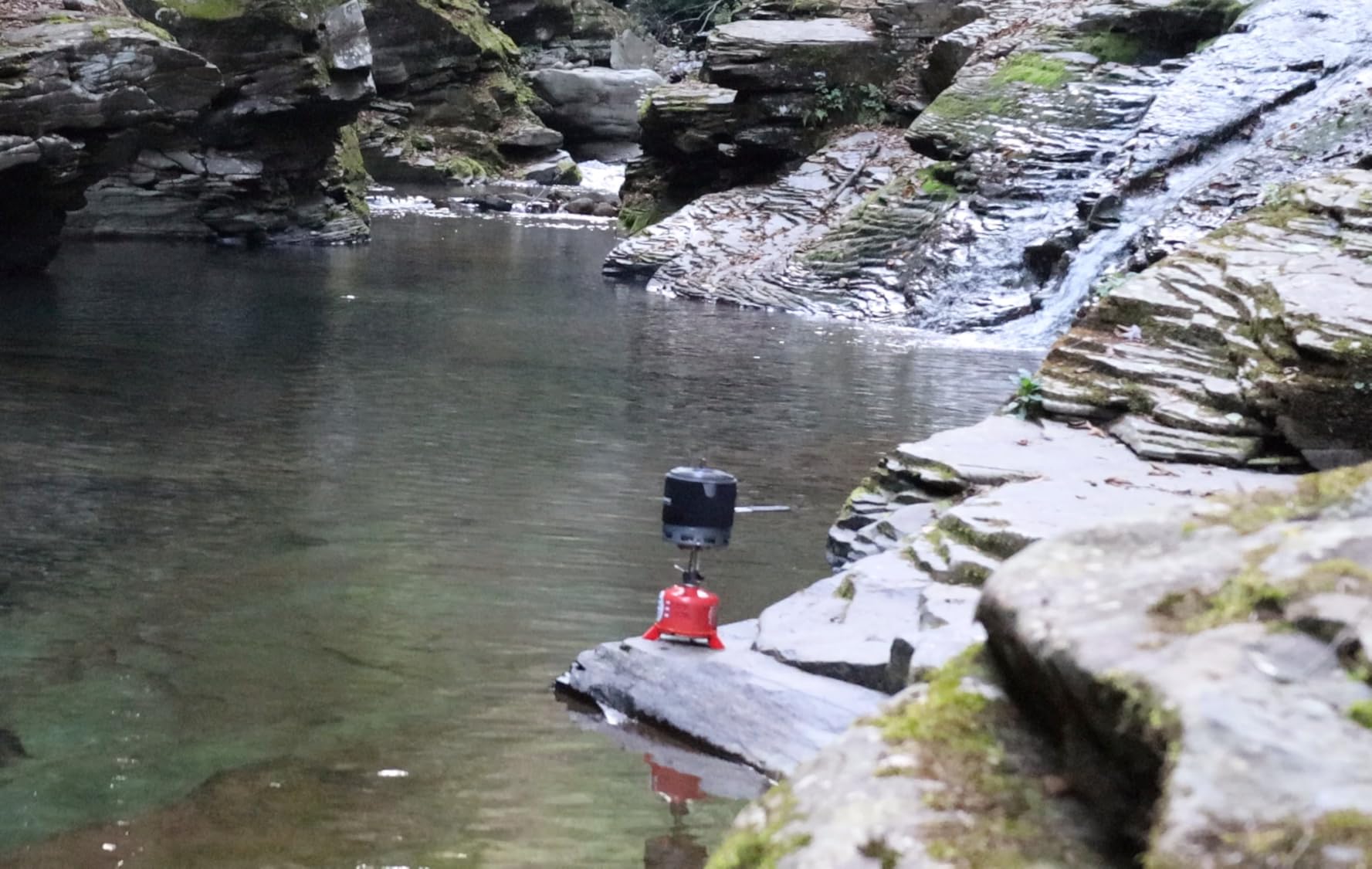
The Greenpeak is ideal for riders trying bike touring for the first time and not ready to invest heavily in gear. If you are doing a weekend trip or a short one-week tour and want a stove that works without breaking the bank, this is a sensible choice. It is also a good option as a backup stove for longer tours, or for building a budget bikepacking kit from scratch.
For serious long-distance touring, I would recommend spending more on a proven stove from MSR, SOTO, or Snow Peak. The Greenpeak’s longevity with heavy, daily use over months is unproven, and the cost difference becomes less significant when spread across a multi-month tour. But for the majority of casual bike tourists who ride a few trips per year, the Greenpeak delivers solid value.
Comparing Budget Stove Options
The Greenpeak occupies a middle ground between the ultra-cheap BRS-3000T and the mid-range PocketRocket 2. It is heavier than the BRS but feels more robust and stable. It is cheaper than the PocketRocket 2 but lacks the proven track record and warranty support. For riders who find the BRS too flimsy but the PocketRocket 2 too expensive, the Greenpeak is a reasonable compromise.
The 600+ reviews on Amazon with a 4.5-star average suggest that most buyers are satisfied with their purchase. The main complaints center around longevity with heavy use and occasional adapter compatibility issues. For the price, the Greenpeak delivers competent performance that will serve most casual bike tourists well.
How to Choose the Best Camping Stove for Bike Touring?
Choosing the right stove for bike touring comes down to understanding your specific needs. Every touring cyclist has different priorities based on their trip length, cooking style, budget, and the conditions they expect to encounter. After testing all 10 stoves on this list and talking with dozens of experienced bike tourists, I have identified the key factors that should guide your decision.
Weight and Pack Size
Weight matters more on a bike than in backpacking because you are also carrying the weight of the bike itself plus all your other gear. Every gram saved on your stove is a gram less you are pedaling up every hill. However, weight should not be the only factor. A 25-gram stove that tips over and spills your dinner is worse than a 90-gram stove that cooks reliably.
For most bike touring setups, the sweet spot is between 50 and 100 grams. This range includes proven performers like the PocketRocket 2 (73g), SOTO Amicus (109g), and PocketRocket Deluxe (82g). Going below 50 grams means compromising on stability and features. Going above 100 grams means you are carrying more weight than necessary unless you need the stability of a remote-canister design like the Fire-Maple Petrel.
Pack size is equally important. A stove that folds compactly can fit inside your cook pot, saving valuable bag space. All the stoves on this list fold to roughly 2 by 2 by 3 inches or smaller, which fits inside most touring cookware. The Jetboil Stash takes this a step further by designing the entire system to nest together into one unit.
Wind Resistance
Wind is the enemy of every canister stove. Even a moderate breeze can double your boil time and waste fuel. On a bike tour, you will cook in exposed locations more often than you might expect: campsites with no natural shelter, mountaintop passes, coastal areas, and agricultural fields are all notoriously windy.
If you tour in windy areas, prioritize stoves with inherent wind resistance. The SOTO WindMaster’s concave burner head is the best design for defeating wind without a separate windscreen. The Snow Peak LiteMax’s folding arms provide some wind protection. The PocketRocket Deluxe’s broad burner head is better than average. For all other stoves, carry a lightweight foil windscreen and learn how to position your bike as a natural windbreak.
Fuel Type and Availability
All 10 stoves on this list run on isobutane canister fuel, which is the most practical option for bike touring in most developed countries. Isobutane canisters are widely available in outdoor stores, gas stations, and supermarkets across North America, Europe, Japan, Australia, and New Zealand. They are self-sealing, easy to use, and require no priming or pumping.
The challenge comes when touring in developing countries or remote areas. Isobutane canisters can be difficult or impossible to find in parts of Latin America, Africa, Central Asia, and Southeast Asia. If you are planning a tour through these regions, consider whether canister fuel will be available along your route. Some touring cyclists switch to multi-fuel stoves like the MSR WhisperLite for international tours because they can burn white gas, unleaded gasoline, and kerosene, all of which are available worldwide.
For tours within canister-fuel-available regions, the canister format is simpler, lighter, and more convenient than liquid fuel. You screw on the canister, open the valve, and light the stove. No priming, no pumping, no spills, no fuel bottles to fill.
Boil Time and Fuel Efficiency
Boil time matters because it directly affects your daily routine. A stove that boils water in 2.5 minutes lets you get cooking faster, which matters when you are tired and hungry after a long day of riding. It also matters in bad weather when you want to minimize time spent standing outside in the cold and rain.
Fuel efficiency is equally important and often overlooked. A more efficient stove lets you carry less fuel, saving weight and space. The Jetboil Stash’s FluxRing technology is the most efficient design on this list, using significantly less fuel per boil than a standard bare burner. The SOTO WindMaster’s micro-regulator also improves efficiency, especially in cold conditions.
Over a multi-week tour, fuel efficiency translates to real weight savings. If an efficient stove saves you from carrying one extra 230g canister, that is a meaningful reduction in your total load. Calculate your daily fuel needs based on how many boils you expect to do, then compare fuel consumption across stoves to see which one lets you carry the least fuel for your trip length.
Stability and Pot Support
A stable stove prevents spills, burns, and ruined meals. The least stable design is a sit-on-top stove with small pot arms on top of a tall, narrow fuel canister. The BRS-3000T is the worst offender here, but any sit-on-top stove becomes tippy with large pots or nearly empty, lightweight canisters.
The most stable design is a remote-canister stove like the Fire-Maple Petrel, which places the burner on wide legs at ground level. Among sit-on-top stoves, the SOTO WindMaster with 4Flex pot stand and the Jetboil MightyMo with its open platform design offer better-than-average stability. For solo riders using 500ml to 750ml pots, stability is rarely an issue with any stove on this list. For group touring with larger pots, prioritize stability.
Frame Bag and Pannier Compatibility
This is a factor unique to bike touring that most stove reviews ignore. Your stove needs to fit in whatever storage system your bike uses, whether that is frame bags, seat packs, handlebar rolls, or panniers. All 10 stoves on this list fold small enough to fit in a standard frame bag or pannier, but there are nuances worth considering.
Frame bags have limited height clearance, typically 3 to 4 inches in the center and tapering at the edges. All the sit-on-top stoves on this list fold to under 3 inches in their shortest dimension, so they fit. The Jetboil Stash system is cylindrical and fits nicely in a seat pack or larger frame bag. The Fire-Maple Petrel’s hose and remote design means it packs slightly differently, with the hose needing to be coiled neatly.
If you use panniers, pack size is less critical since you have more volume to work with. But for bikepacking setups where every cubic centimeter counts, prioritize stoves that fold flat and can nest inside your cook pot. The BRS-3000T, PocketRocket 2, PocketRocket Deluxe, and Snow Peak LiteMax all excel at this.
FAQs
What is the best stove for round-the-world bike touring?
For round-the-world tours through countries where isobutane canisters may be unavailable, most experienced long-distance cyclists prefer multi-fuel stoves like the MSR WhisperLite International or XGK-EX, which can burn white gas, unleaded gasoline, and kerosene. However, for tours primarily in North America, Europe, Japan, and Australia where canister fuel is readily available, the MSR PocketRocket Deluxe or SOTO WindMaster are excellent choices due to their reliability, wind resistance, and pressure regulation.
How do I choose a camping stove for bike touring?
Choose a bike touring stove based on five factors: weight (aim for 50 to 100 grams), pack size (must fit in your frame bag or pannier), wind resistance (critical for exposed campsites), fuel availability along your route, and stability with your preferred cookware. Also consider whether you need a piezo igniter, pressure regulation for cold weather, and whether you want an integrated system or a bare burner.
What weight camping stove should I get for bikepacking?
For bikepacking, aim for a stove between 25 and 100 grams. Ultralight riders who only boil water can go as low as 25 grams with the BRS-3000T. Most touring cyclists will be happiest in the 50 to 85 gram range, which includes proven options like the MSR PocketRocket 2, SOTO WindMaster, and PocketRocket Deluxe. Going below 50 grams means compromising on stability and features, while going above 100 grams is unnecessary unless you need a remote-canister design.
Canister vs multifuel stove for bike touring – which is better?
Canister stoves are better for bike touring in developed countries where isobutane fuel is readily available. They are lighter, simpler to use, require no priming or pumping, and produce no spills. Multifuel stoves are better for international tours through regions where canisters are hard to find, as they can burn gasoline, white gas, and kerosene available at gas stations worldwide. For most touring cyclists, a canister stove is the right choice.
Is the MSR WhisperLite good for bike touring?
The MSR WhisperLite is an excellent choice for long-distance bike touring through remote or developing regions where isobutane canisters are unavailable. It burns multiple liquid fuels found worldwide, is extremely durable, and can be field serviced with included tools. However, it is significantly heavier than canister stoves, requires priming and pumping, and is more complex to operate. For tours in canister-fuel-available regions, lighter canister stoves like the PocketRocket Deluxe are more practical.
Wrapping Up
After testing all 10 of these stoves across thousands of kilometers of bike touring, the MSR PocketRocket Deluxe remains my personal favorite for its combination of pressure regulation, piezo ignition, wind resistance, and reliable performance. The SOTO WindMaster is a close second for riders who prioritize wind resistance above all else, and the BRS-3000T is unbeatable for ultralight riders on a budget.
The best camping stoves for bike touring in 2026 are the ones that match your specific touring style, budget, and route conditions. Whether you choose a premium integrated system like the Jetboil Stash or a budget workhorse like the Fire-Maple Greenpeak, any stove on this list will serve you well on the road. The most important thing is to get out there and start riding.